
Quick Take
- Every headline calls it a migration, but scientists say that's completely wrong, and the real explanation changes everything about what you're watching. See why it's not migration →
- Male tarantulas face a threat during mating season that has nothing to do with predators or traffic, and it comes from the one thing they are searching for. Discover the male's real danger →
- These spiders are docile and their venom is mild, yet the single most harmful thing you can do to one requires no malice at all. Learn how to avoid harming them →
- The tarantula trails pass landmarks hiding dinosaur footprints, ancient rock art, and a pioneer secret that wasn't revealed to the public until the 1930s. Explore the hidden landmarks →
Once a Year, the Grasslands Come Alive
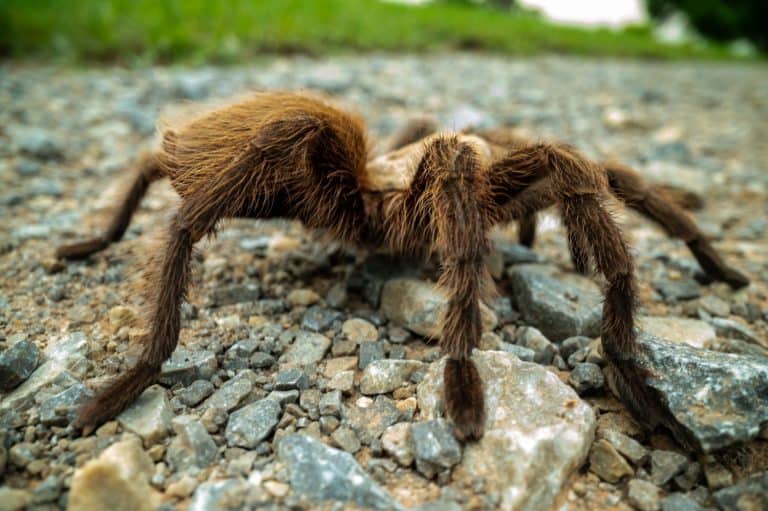
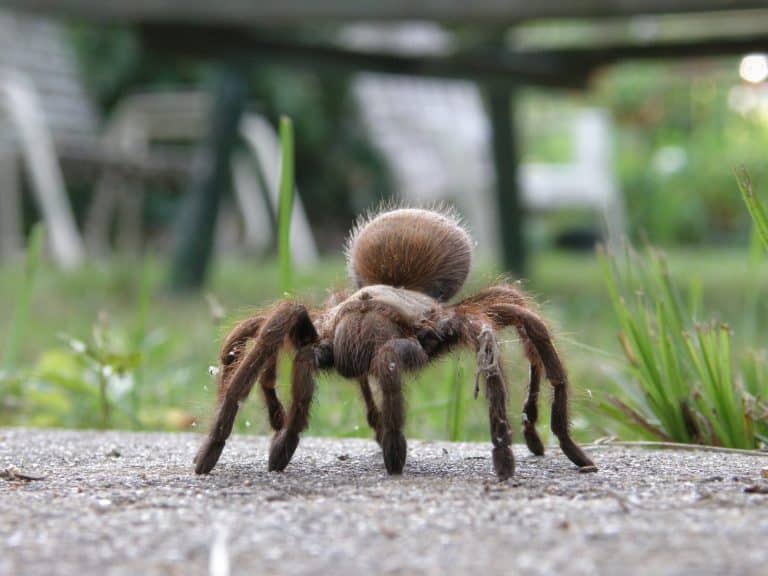
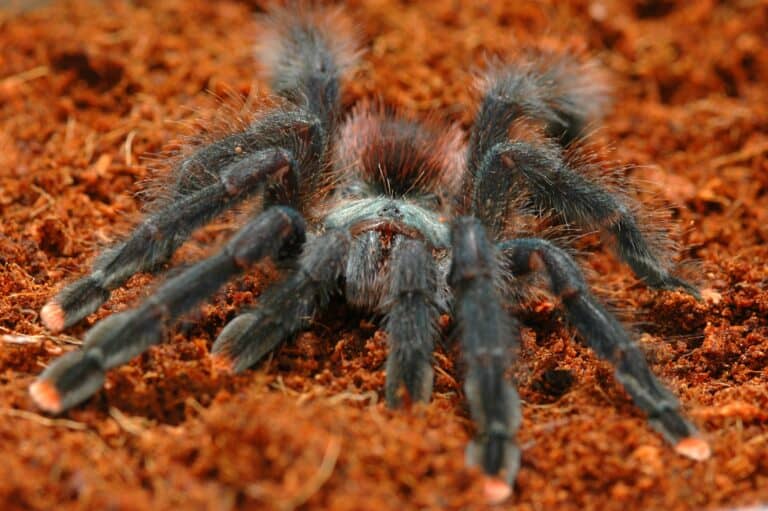
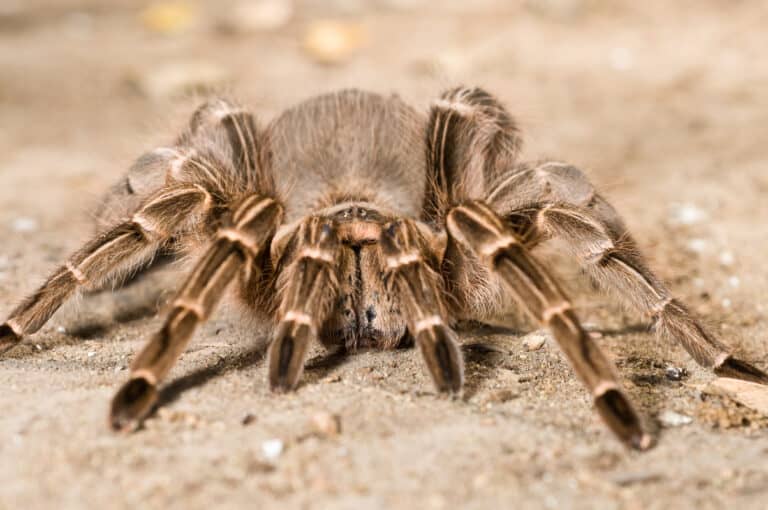
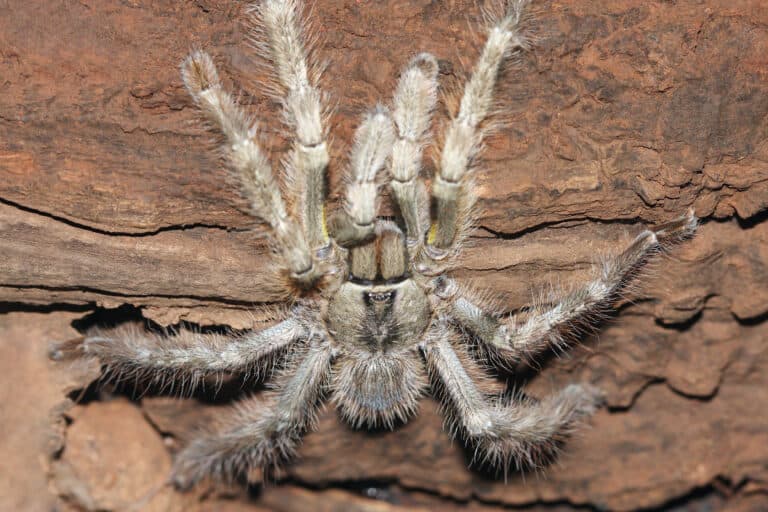
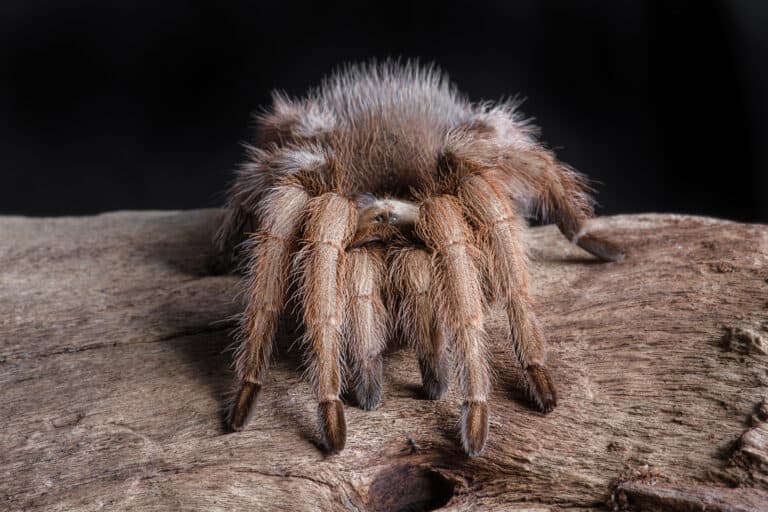
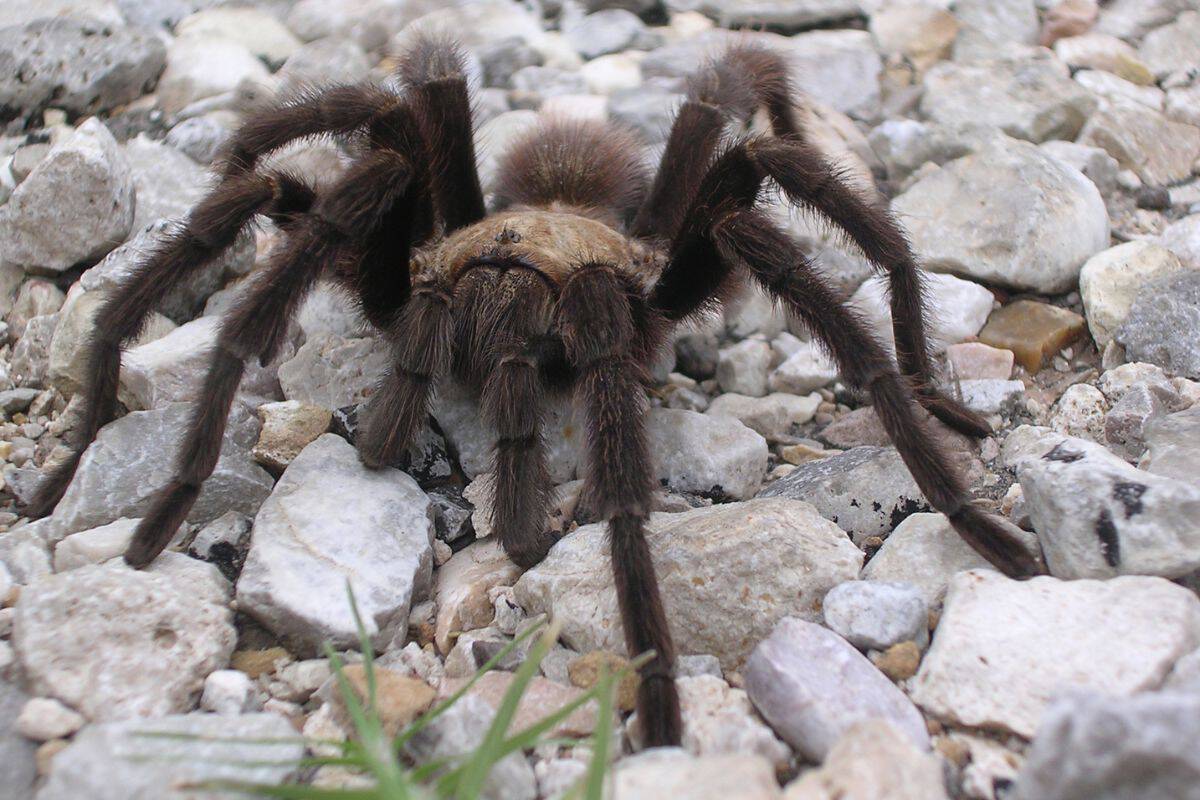
Every fall, a curious event draws visitors to the sweeping plains of southeast Colorado. Instead of the mass migration the headlines claim, scientists say it’s actually a mating expedition. Male tarantulas, large, dark brown to black spiders of the genus Aphonopelma, leave their burrows on the Comanche National Grassland and begin an urgent search for a mate.
This grassland, spanning more than 443,000 acres, stands as the fourth largest in the country. Its undisturbed prairies provide a perfect home for female tarantulas, who dig deep burrows and remain close by for up to 25 years. In contrast, it’s the males, reaching maturity at around 8 to 10 years old, who become the stars of the season. For most of their lives, they linger in the same region, waiting until the signal comes to set out in search of a mate.
The Ritual Behind the Headlines
If you’re hoping to witness waves of tarantulas flooding the fields, you might be surprised. At best, you’ll see one, a few, or maybe a small group crossing the prairie at dusk. Most encounters happen an hour before sunset, from mid-September through October and sometimes into November. Spotting them isn’t guaranteed, but the anticipation and patience make every sighting memorable.
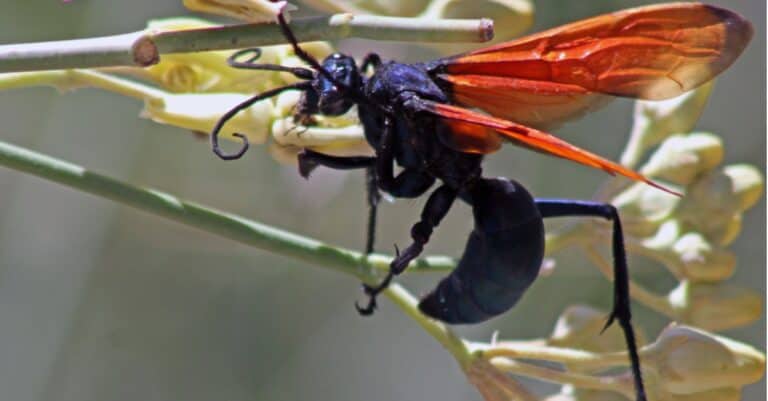
Male tarantulas may travel more than a mile, and sometimes even farther, in their quest. Researchers describe their approach as deliberate and unique among spiders: males construct a sperm web in preparation and use their sense of vibration to locate potential mates. Courting behaviors include a “drumming” or “tapping” with their legs or pedipalps, signaling interest to females. If the female responds, a risky mating ritual begins. Males rarely survive long after. Some fall victim to predators like tarantula hawks, enormous wasps that paralyze and use them as host bodies for their larvae. Others die from cars, starvation, or, occasionally, even the female they mate with.
Females, in contrast, continue their secluded lives in the prairie. After laying hundreds of eggs within a silk sac, they guard their young, seldom venturing far from their burrows.
How to Experience the Tarantula Event Safely
Southeast Colorado’s highways, 10, 350, 109, and the roads crisscrossing the grasslands are prime places to visit. Popular viewing spots south of La Junta, especially near Vogel Canyon and Timpas Picnic Areas, come alive as dusk falls. The region’s beauty extends beyond spiders: ancient rock art, old stagecoach stops, dinosaur tracks, and echoes of pioneer history are scattered across these lands.
But a successful tarantula outing requires preparation. Locals recommend checking the weather, carrying water, snacks, and dressing in layers. With spotty cell service, downloading maps and identifying parking areas beforehand is wise. If you explore during hunting season, avoid wearing colors like tan or white, pronghorn colors, and opt for orange for visibility.
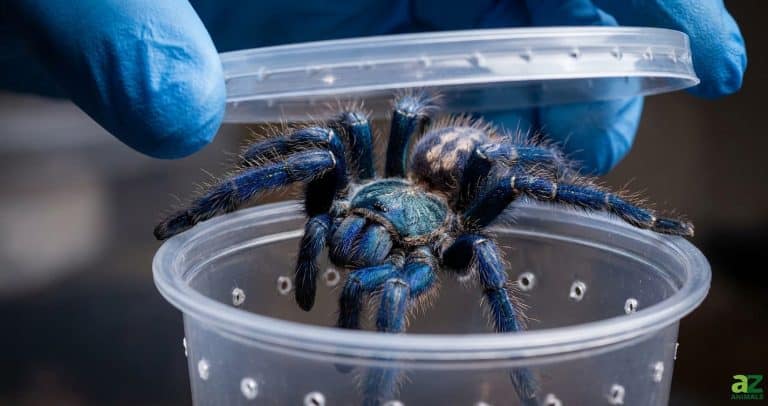
Safety on the roads is crucial, not just for you but for the spiders. Never stop abruptly when spotting tarantulas crossing highways. Plan stops in advance, pull over in safe areas, and remain alert for traffic and rattlesnakes, also abundant in the fall. Keep your distance from the spiders, as handling can harm them even if they’re docile. Their venom is no more dangerous than a bee sting, but their protective hairs may cause irritation, and even a fall from your hands can be fatal to them.
Visitors are also urged to respect private property boundaries and cultural resources, a nod to the region’s deep history. Archaeological sites, ancient rock art, and the fragile prairie ecosystem depend on stewardship from all who pass through.
Beyond Spiders: A Landscape Full of Stories
The tarantula season coincides with a broader celebration of the region. In late September, La Junta hosts the annual Tarantula Fest, bringing together locals and tourists with parades, art, educational tours, and a peek into the spider’s world.
But there’s more than arachnid drama here. Vogel Canyon, close to La Junta, offers hiking among springs that once drew Native Americans who left their own marks on the canyon walls. Timpas, now a quiet community, was a critical water stop for Santa Fe Trail travelers. The nearby Iron Spring recalls early stagecoach days, and dinosaur footprints still line the Purgatory River, once a closely held secret revealed only in the 1930s and now a focus of scientific discovery.
Driving or hiking in these areas, visitors retrace old migration routes and settlement stories: Rourke Ranch, founded in the 1870s, grew as Hispanic farmers gave way to cattle ranching; Picket Wire Canyonlands preserves the story of the first permanent settlers after the land changed hands from Mexico to the United States. Every destination ties people and wildlife to a landscape shaped by water, yearning, and survival.
A Glimpse Into Hidden Lives
The tarantulas of Comanche National Grassland are quiet inhabitants, more afraid of us than we are of them. Despite centuries of misunderstanding, their size, their hairiness, their silent migration, these spiders pose almost no threat to humans. Observers are reminded not to disturb their burrows or attempt to collect them, instead relishing the rare privilege of seeing their annual pilgrimage up close.
And if the spiders don’t appear? The journey itself, through one of America’s great grasslands, invites exploration. Travelers pause at local markets along Highway 50 for fresh produce grown in the Arkansas Valley, or stop in La Junta for updates and hospitality before heading out again. Whether you witness the tarantulas or simply marvel at the open prairie, every visit offers a reminder: in nature, the finest events often unfold quietly, beneath our feet, if only we pause to observe.