
Quick Take
- A man voluntarily let a tarantula hawk wasp sting him, and the experience was so intense that he had to stop midway just to collect himself. What he described afterward is hard to believe. Hear the firsthand account →
- The Schmidt Sting Pain Index puts this wasp in a category most insects never reach, a fact made even more striking by the descriptions from real sting victims, which are unlike anything you'd expect. See the pain index ratings →
- The neurotoxin wasn't even designed to hurt you, but experts still recommend you do one specific thing the moment it hits. See what the neurotoxin does →
- Avoiding a sting isn't about running. It comes down to one instinctive reaction most people get completely wrong. Find out the right reaction →
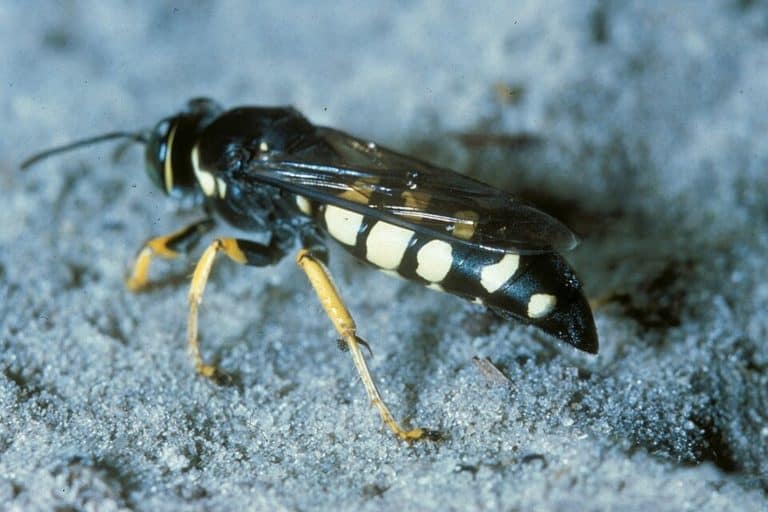
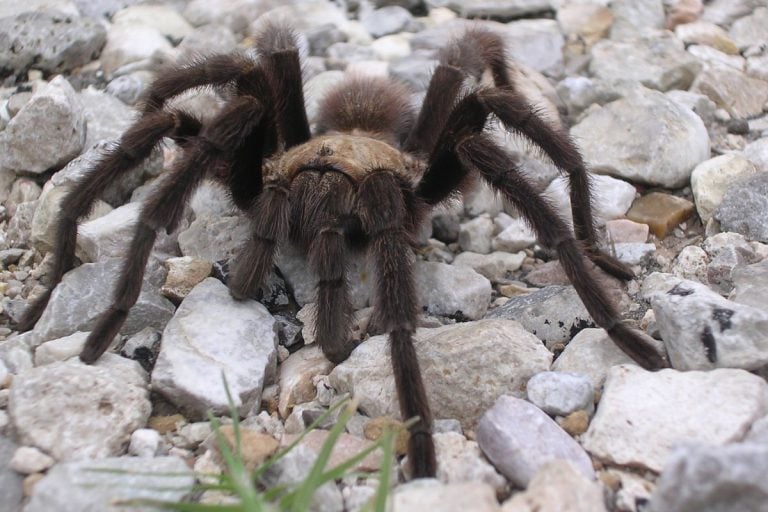
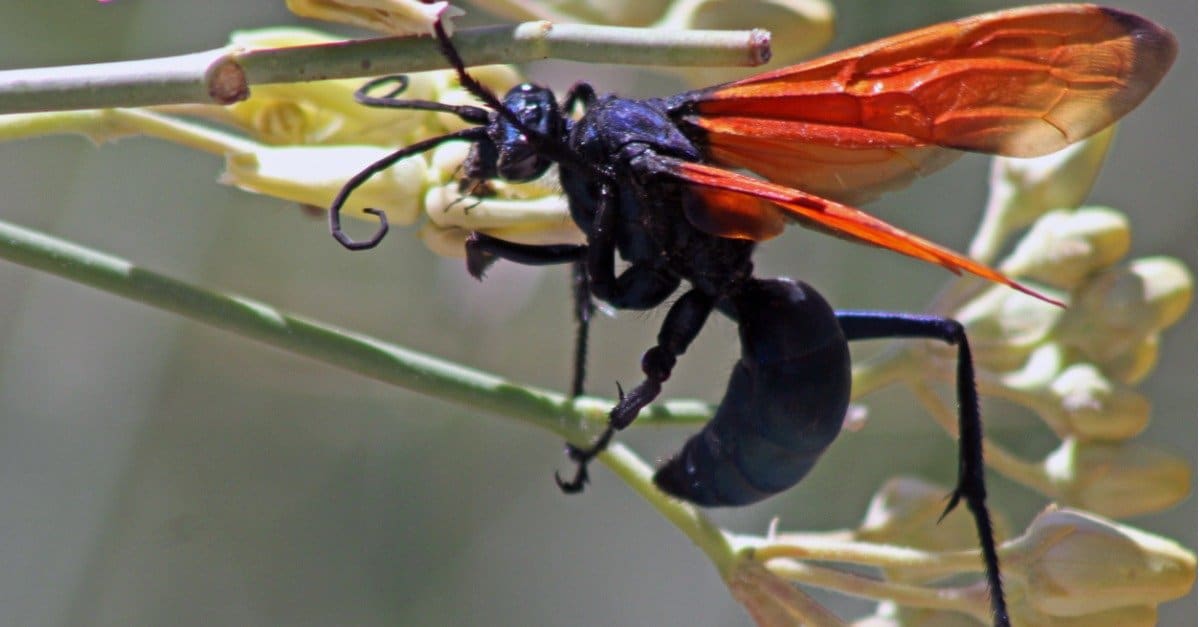
A tarantula hawk wasp is one of the largest wasps in the world. They are aptly named because they inject tarantulas with their venom, which immobilizes the spiders and allows the wasps to drag them back to their burrows.
The sting of a tarantula hawk wasp is unlike any other insect sting. It is debilitating. So what does a tarantula hawk wasp sting feel like? Let’s let a YouTube video explain it all.
What a Tarantula Hawk Wasp Sting Feels Like
Mark Vins is a host for the YouTube channel, Brave Wilderness. Vins takes viewers on his wilderness adventures, including letting creatures sting him. In one such video, Vins allows a tarantula hawk wasp to sting him, explaining what it feels like when stung.
Vins states that he is going to rate the sting based on three criteria. Those criteria are:
- Intimidation
- Pain
- Aftermath
As Vins grabs the tarantula hawk wasp with tweezers, he has to stop briefly. He says he is experiencing “next level terror” and feels lightheaded. This gives viewers an idea of how painful the sting is expected to be.
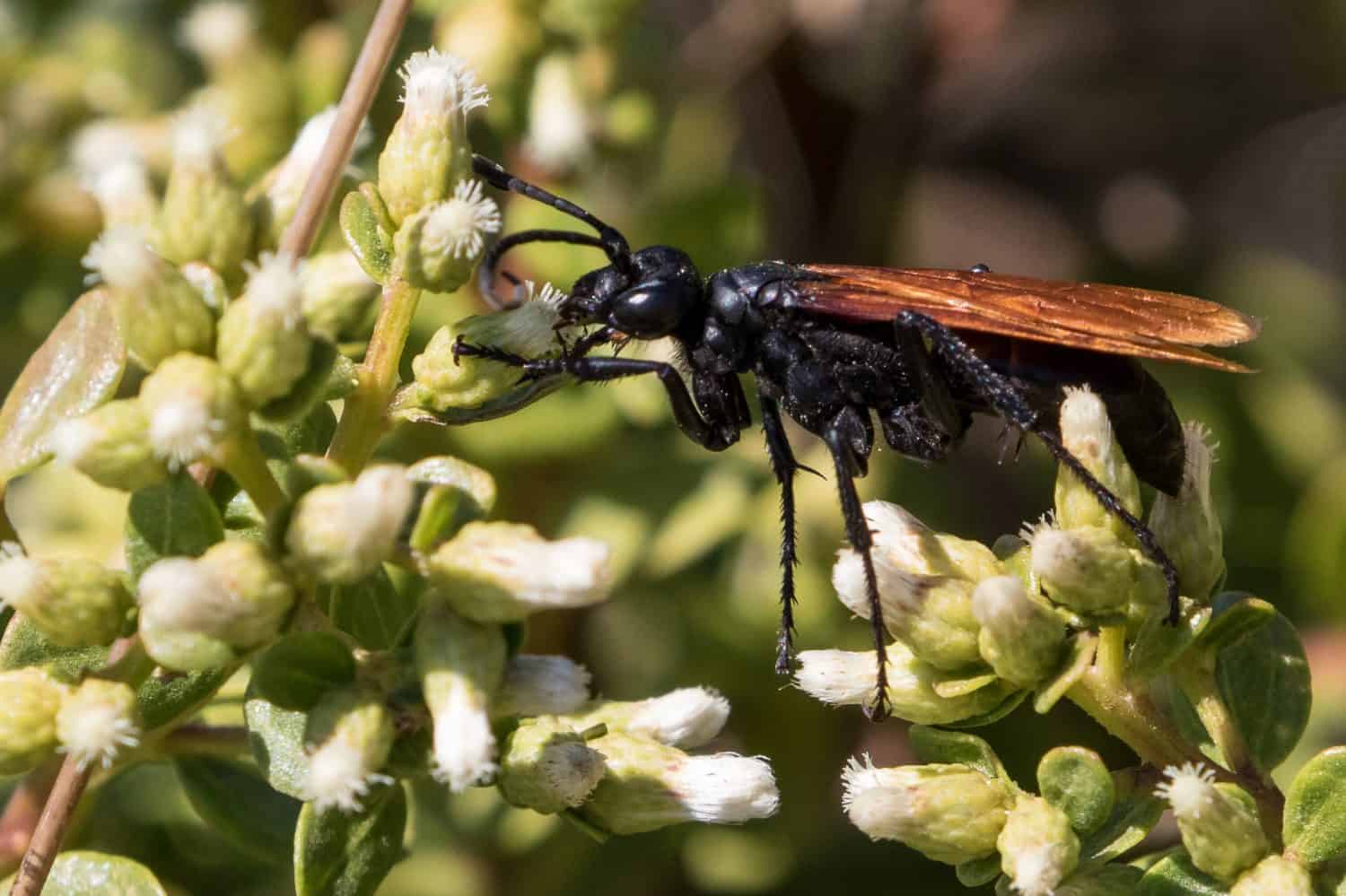
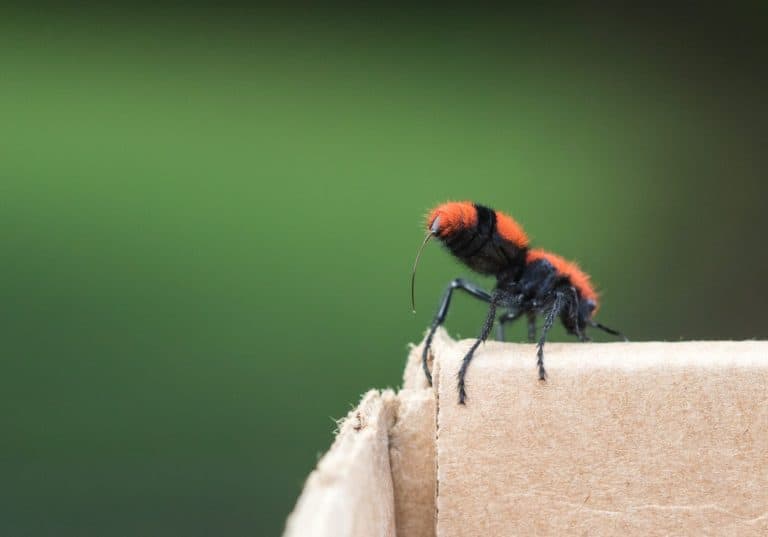
Tarantula hawk wasp stings are excruciatingly painful.
©Hotforphotog/Shutterstock.com
Vins finally allows the wasp to sting him. Immediately, the site of the sting begins to swell. Vins describes the pain as “white hot.”
“White hot. It’s like gasoline on the skin….” Vins explained in the video, “like someone put a match right on it.”
On Vins’ pain scale, he rated the tarantula hawk wasp sting a 9.5/10 for intimidation, 8.6/10 for pain, and 8.5/10 for the duration of symptoms.
How Powerful is a Tarantula Hawk Wasp Sting?
The Schmidt Sting Pain Index measures the pain of insect stings. One on the scale is mild, and four is “excruciatingly painful.” The tarantula hawk wasp is rated as a four. This is because, of all the insects that sting, the tarantula hawk wasp delivers one of the most debilitating stings.
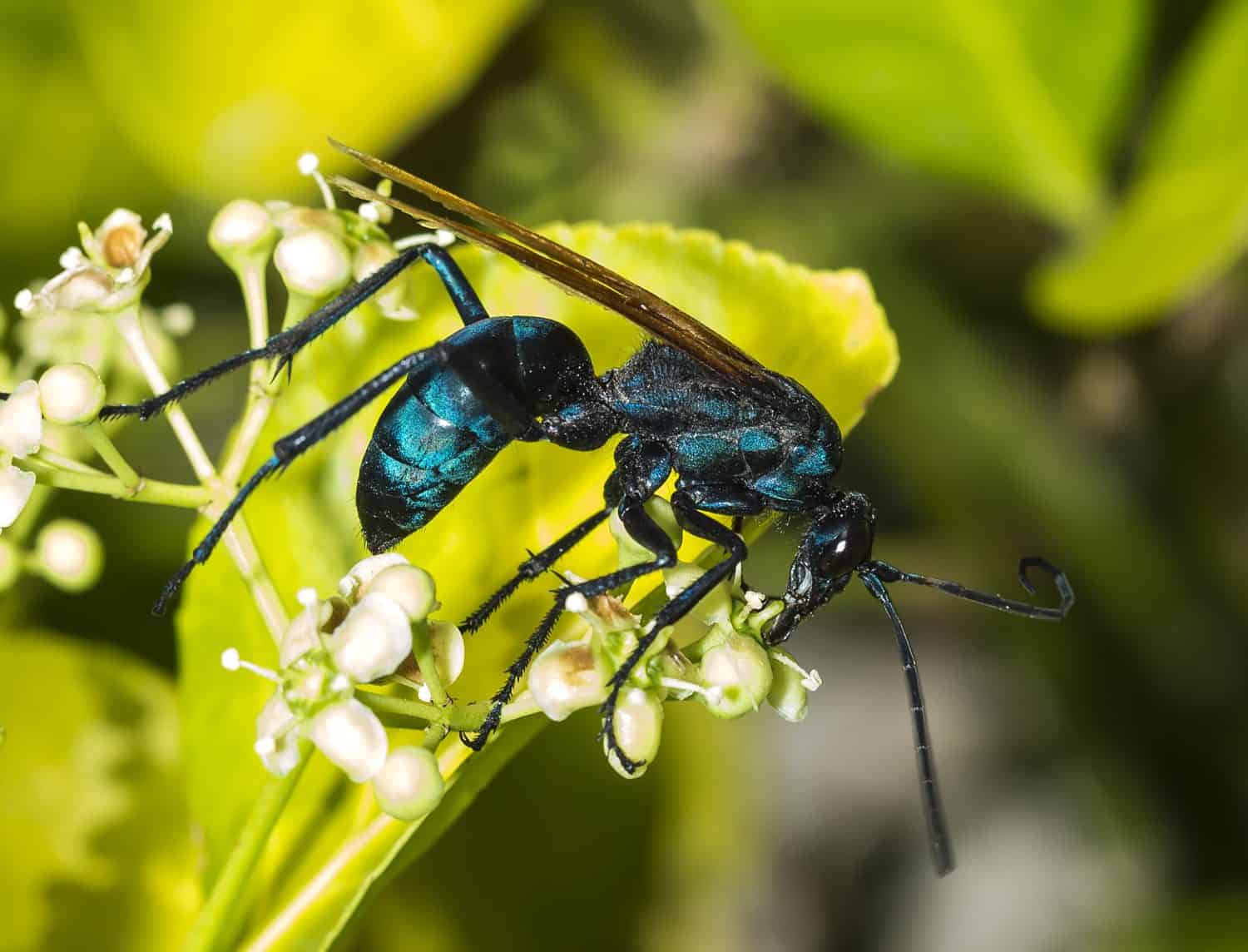
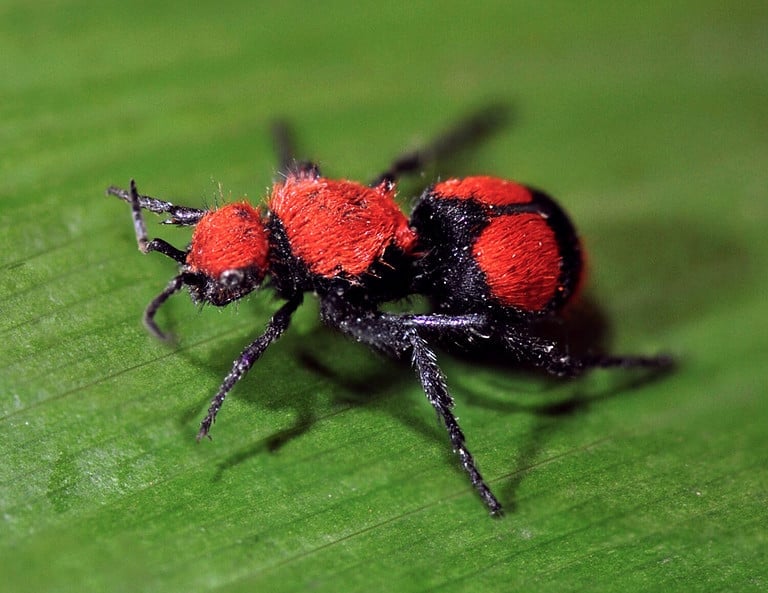
On the Schmidt Sting Pain Index, the tarantula hawk wasp rates the highest pain level.
©Elizabeth A.Cummings/Shutterstock.com
People who have been stung by a tarantula hawk wasp describe the pain as:
- Blinding
- Like an electric shock
- Searing burn
- Like walking over coals with a nail embedded in your foot
What Happens to Your Body When Stung by a Tarantula Hawk Wasp?
Tarantula hawk wasps are serious when they sting. They inject a neurotoxin that immediately sends a sensation of pain to the nervous system, which is unlike the effect of being stung by any other insect.
The immediate effects of being stung by a tarantula hawk wasp are searing, intense pain. In many instances, the area around the sting can feel like it is on fire. Because of the pain, many people are unable to think clearly or even walk steadily. Experts recommend lying down to avoid secondary injuries caused by pain.
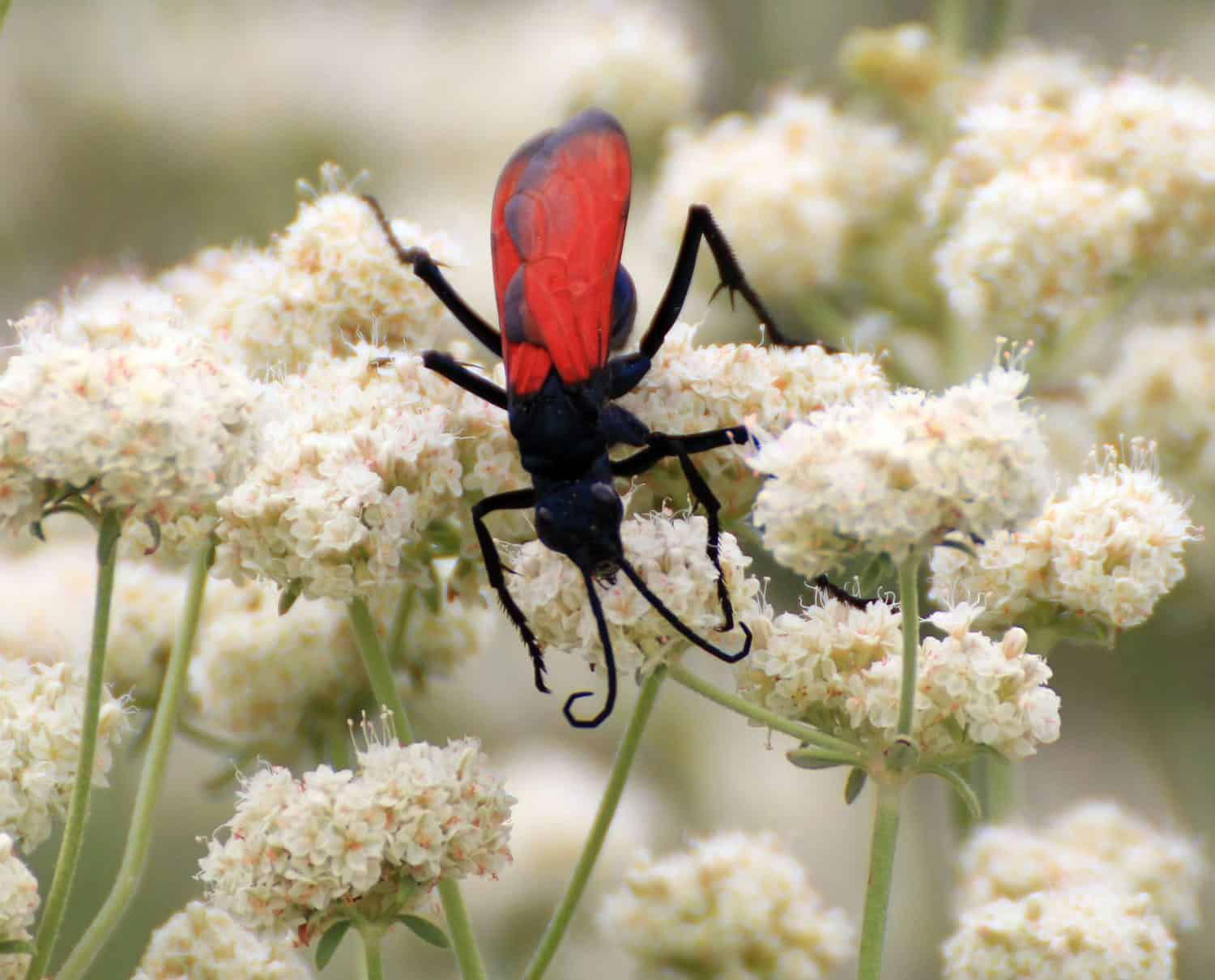
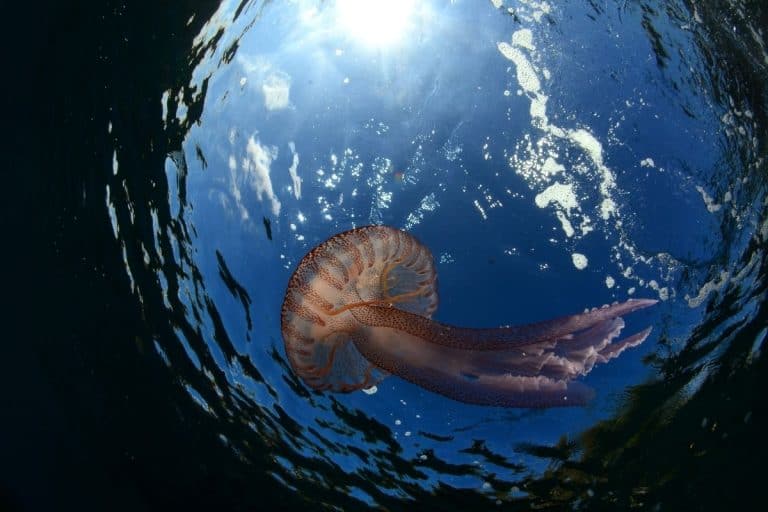
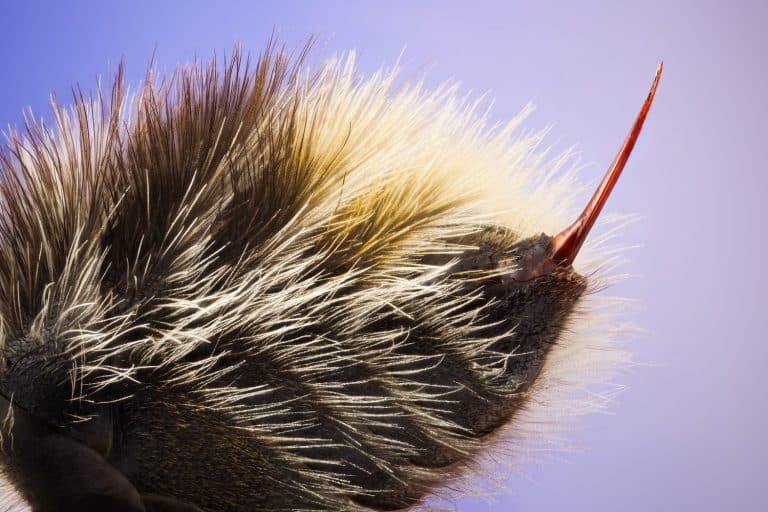
Tarantula hawk wasp stings cause immediate pain that eventually subsides into milder symptoms lasting between 30 minutes and several hours.
©JAlmon73/Shutterstock.com
Once the intense pain subsides after about five minutes, people can still experience “throbbing, numbness, or a dull ache” at the site of the sting. This can last for an additional 30 minutes to several hours.
It is typically not necessary to seek medical care if stung by one of these wasps. However, if an allergic reaction occurs—such as hives, difficulty breathing, or dizziness—medical intervention is recommended.
How to Avoid Being Stung by a Tarantula Hawk Wasp
Fortunately, the neurotoxin that the tarantula hawk wasp injects is not meant to debilitate humans. It is meant to paralyze tarantulas. However, that does not make the situation any better if stung by one. That is why knowing how to avoid being stung by a tarantula hawk wasp is imperative, especially for those who live in regions where the wasps do.
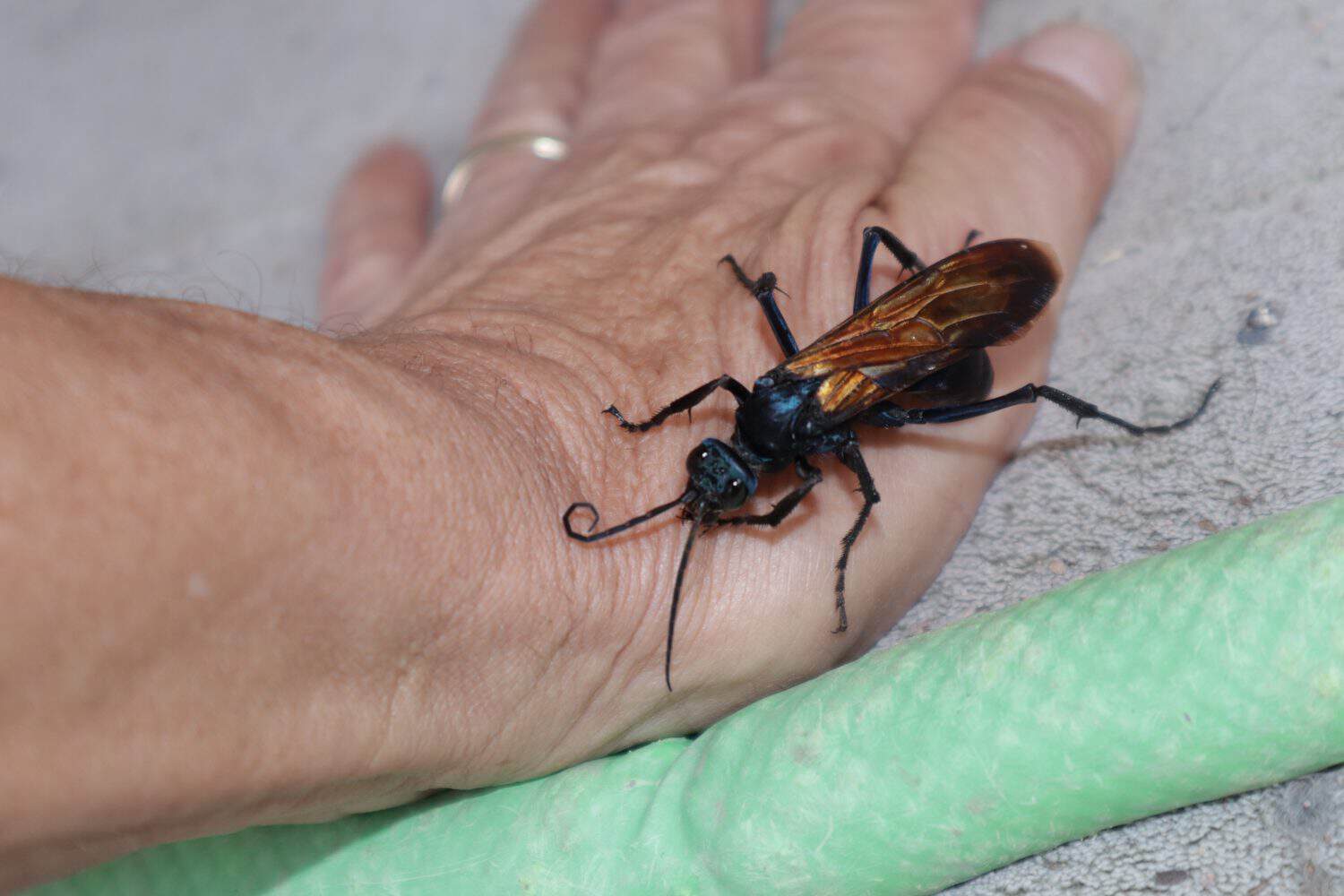
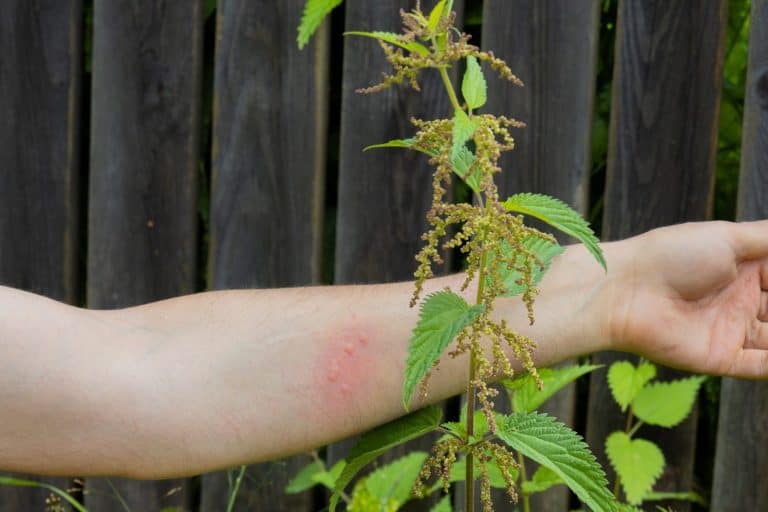
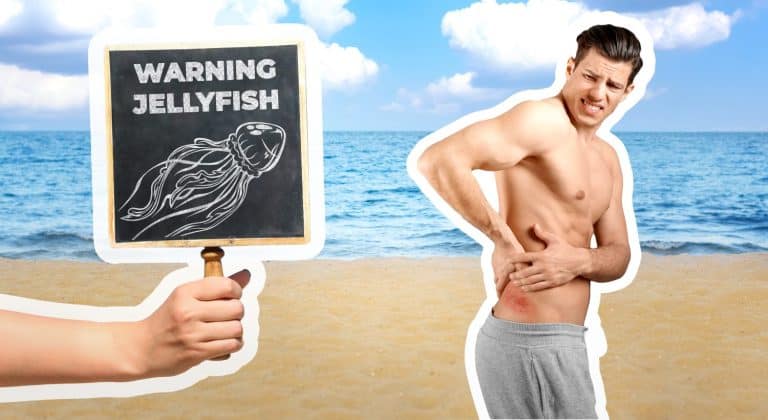
Do not handle tarantula hawk wasps to keep from getting stung.
©Gregg M. Pasterick/Shutterstock.com
Tarantula hawk wasps do not seek out people to sting. They tend to do so if they feel threatened or trapped. Therefore, the ways to keep from being stung by a tarantula hawk wasp include:
- Give the tarantula hawk wasps their space
- Do not handle a tarantula hawk wasp
- Do not swat at the tarantula hawk wasp, as it can be seen as a threatening move
Tarantula hawk wasps are solitary. While they can be found on every continent except Antarctica, in the United States, they are most commonly found in states like Texas, Missouri, Arizona, and Arkansas. These wasps enjoy warmer climates and arid habitats. Therefore, if living in a region known for tarantula hawk wasps, remain vigilant when flowers begin to bloom. There may be a tarantula hawk wasp or two buzzing around that needs its space. As long as you give them space, you are unlikely to be stung.