
Quick Take
- What scientists call this annual tarantula spectacle isn't what the headlines claim, and that difference changes everything about how you'd experience it. See what it's really called →
- Male tarantulas face a courtship ritual in which they have a one-in-five chance of not surviving, with the female deciding the outcome. Explore the courtship risks →
- A small Colorado town turned this creepy-crawly event into one of the region's most unusual celebrations, and the celebration is growing fast. Discover Tarantula Fest →
- If you want to witness the trek safely, there's one preparation most visitors overlook, and it has nothing to do with the spiders. Check the overlooked tip →
Once a Year, the Grasslands Come Alive
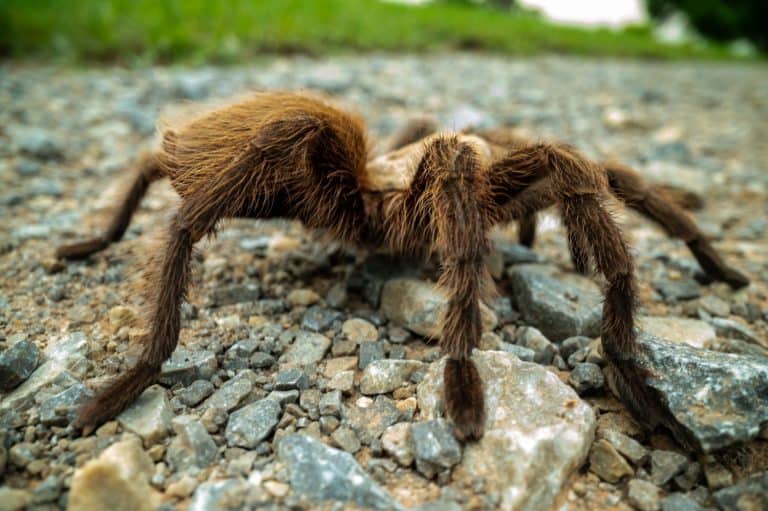
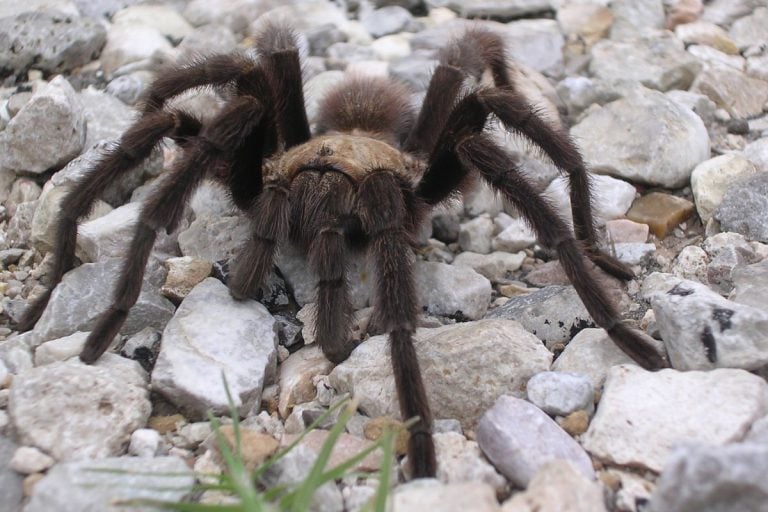
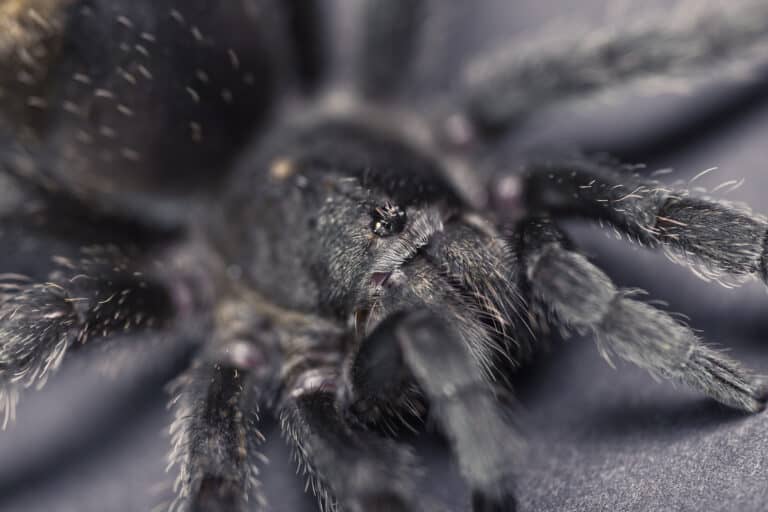
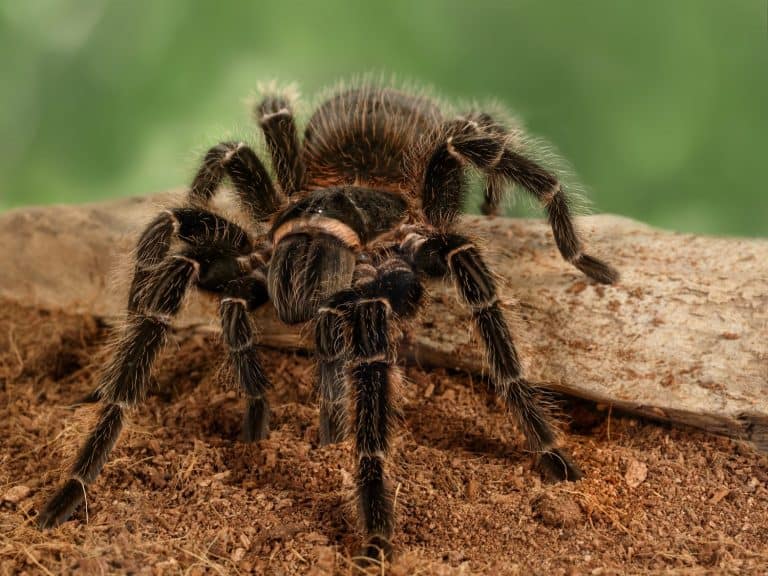
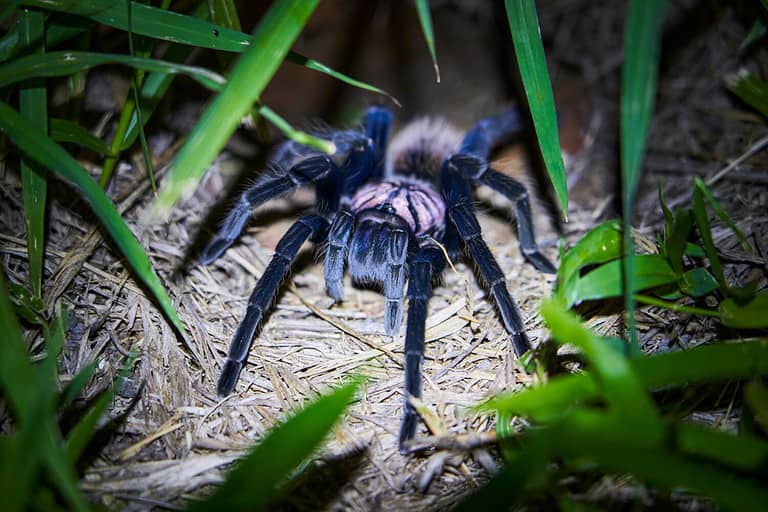
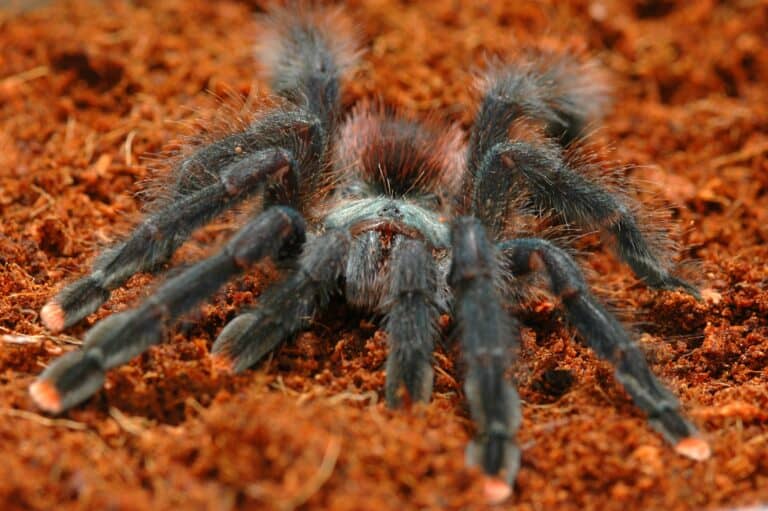
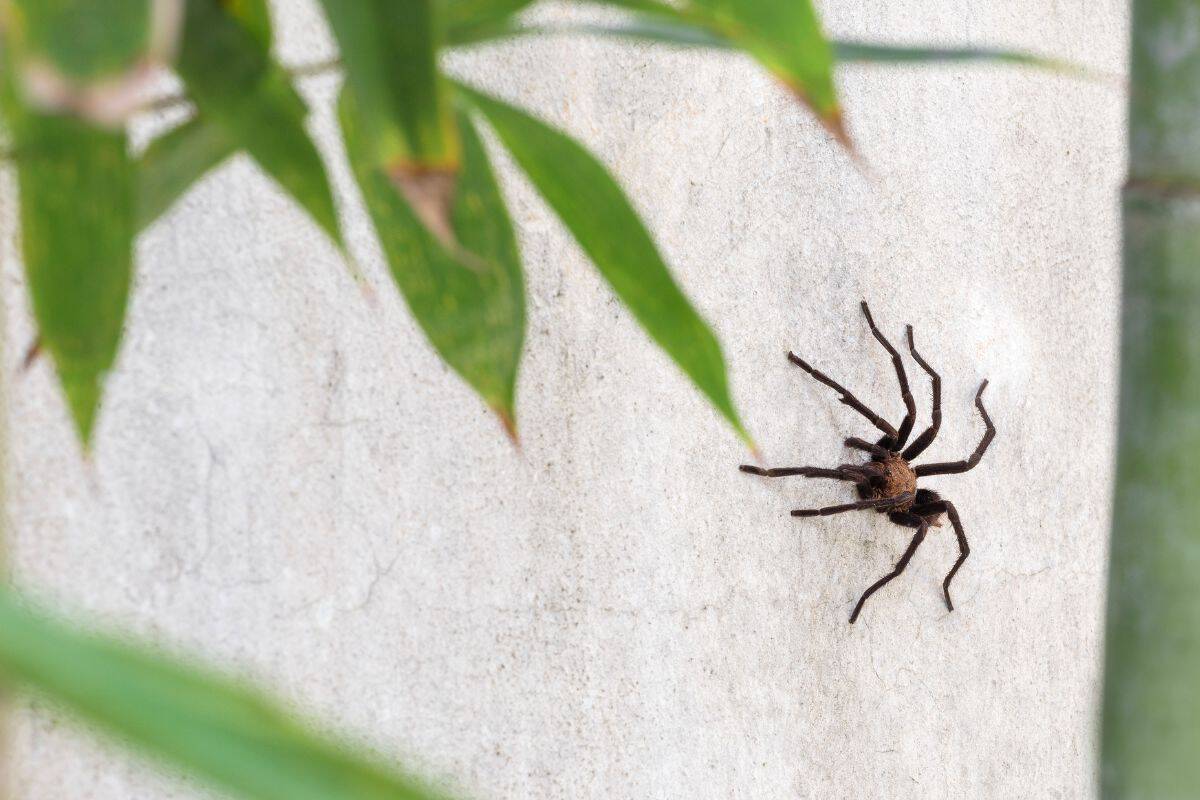
Every fall, a curious event draws visitors to the sweeping plains of southeast Colorado. Instead of the mass migration the headlines claim, scientists say it’s actually a mating expedition. Male tarantulas, large, dark brown to black spiders of the genus Aphonopelma, leave their burrows on the Comanche National Grassland and begin an urgent search for a mate.
This grassland, spanning more than 443,000 acres, stands as the fourth largest in the country. Its undisturbed prairies provide a perfect home for female tarantulas, who dig deep burrows and remain close by for up to 25 years. In contrast, it’s the males, reaching maturity at around 8 to 10 years old, who become the stars of the season. For most of their lives, they linger in the same region, waiting until the signal comes to set out in search of a mate.
The Mating March: A Nighttime Quest for Connection
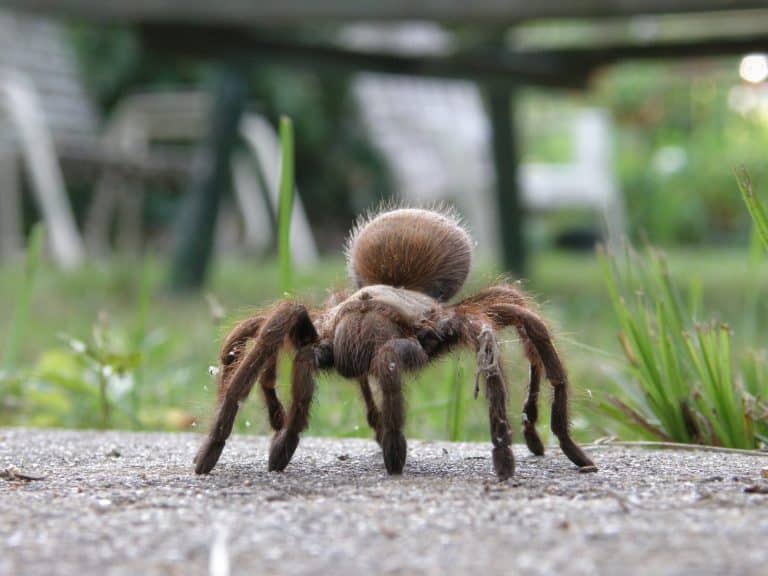
Each fall, male tarantulas set out on a desperate journey. Their goal: to locate the burrows of elusive females hidden beneath the grasslands. Guided by instinct, these nocturnal travelers often make themselves visible around dusk, especially near popular sites like the Timpas Picnic Area and the Picket Wire Trailhead.
The courtship ritual is delicate and defined. Upon finding a female’s burrow, a male will use his pedipalps to “knock,” signaling his arrival. If she’s receptive, the female surfaces to meet him. The encounter is both fascinating and fraught. While romance occasionally ends in tragedy, with females consuming roughly one in five suitors, the cycle continues undeterred, powered by instincts honed over millions of years.
Despite their size and dramatic behavior, these tarantulas pose little risk to humans. Experts note that while a threatened spider might bite if picked up or stepped on, the result is no more serious than a bee sting. Their barbed hairs can cause irritation but pose no serious harm. For human observers, the best policy is to look, not touch, for both personal comfort and the spiders’ well-being.
Locals Celebrate with a Festival of their Own
This arachnid migration has become more than a biological event. La Junta, recognizing the unique draw, hosts Tarantula Fest during the spiders’ peak activity in late September. The festival, a blend of local pride and wildlife appreciation, features a parade, street vendors selling tarantula-themed goods, and food stalls set up along the streets. Guided tours help newcomers find and safely view tarantulas as they trek across the grasslands.
Originally popular among local residents, Tarantula Fest has seen growing numbers of wildlife enthusiasts joining from across the region. The event creates a rare intersection, where human celebration meets the untamed world just beyond city limits.
How to Witness the Tarantula Trek Safely
For those hoping to catch a glimpse, timing and preparation make all the difference. The prime window is dusk, as the sun lowers and temperatures drop. Staff at the Comanche National Grassland Resource Office recommend calling ahead the day you plan to visit, since spider activity can vary from night to night.
Safety is a key concern for nighttime explorers. Visitors are advised to wear bright orange or high-visibility vests to stand out against the dim landscape, important for avoiding accidents with hunters or passing motorists as well as for simple peace of mind. As you travel the highways cutting through the prairie, it’s best to let passengers keep watch for glimpses of movement in the grass, while the driver’s gaze remains steadily on the road.
The Colorado tarantula migration reveals how even familiar places can burst with hidden drama, offering new reasons to look closer at the world after dark. Year after year, on the high plains of the American West, locals and visitors rediscover that moments of wild beauty may be closer, and furrier, than they ever expected.