
Giving a dog from a shelter or rescue group a second chance at life and providing them with a forever family is incredibly rewarding. The day you bring your new furry companion home is an exciting one. However, remember that your place is a new environment, and it may take time and patience for your dog to feel comfortable and safe there. Additionally, we don’t always know the background of a rescue dog. They may be dealing with trauma that causes them to be slow in trusting someone new. We asked the experts for key tips to help facilitate a smooth transition during the first 30 days after you bring your rescue dog home.
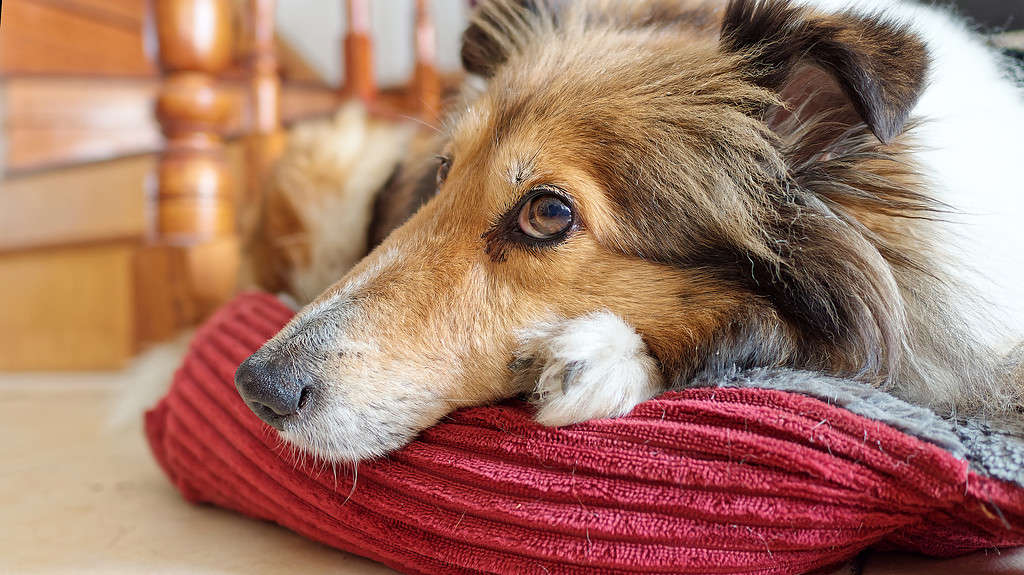
Follow the 3-3-3 rule when introducing a new dog to your home.
©yanjf/iStock via Getty Images
1. Give Your Dog Time to Decompress and Adjust (The 3-3-3 Rule)
It’s exciting to bring your dog home and introduce him to his new surroundings. But your dog may find the new situation overwhelming. We spoke with Samantha Rey, professional dog trainer and founder of Reyning Canines, for advice. She explains, “New smells, new people, new rules — and zero explanation. What we label as ‘behavior issues’ is often just stress, confusion, or fear.”
Rey recommends following the 3-3-3 rule. This gives your dog “3 days to decompress, 3 weeks to learn your routine, and 3 months to feel at home.” Once your dog adjusts, you can start introducing new activities. But, until then, Rey recommends that you, “Skip the dog parks, limit visitors, and keep life predictable. Think calm, not exciting.”
At this stage, it’s important to manage your expectations. Dr. Ambika Vaid, Integrative Veterinarian, Advisor to Badlands Ranch, tells A-Z Animals, “Expect that your pet will have an adjustment period, and this can take up to one month, so patience and setting expectations are key during this time.” Rey agrees, “expecting a dog to be ‘settled’ in a few days sets everyone up for frustration and failure. Replace pressure with patience.”
During this time, limit introductions to new people, pets, and experiences as much as possible at first. Dr. Vaid reminds us, “Some rescue dogs have PTSD and anxiety from their previous lives that can make a transition difficult for them.”
2. Provide a Consistent Routine
Now that you have your dog at home and you are keeping the environment calm and predictable, you can help your dog feel safe by getting him settled into a consistent routine. Dogs feel comfortable when they know what is coming next. Dr. Vaid says, “Setting a routine will help your new pet feel confident in their new environment and help them adapt to you and your family quickly.”
She explains, “A lack of a routine can induce anxiety and separation anxiety in pets that are going into a new environment because of the unknown and lack of confidence that it causes. I recommend setting a schedule that you can follow daily when your new pet enters your home to aid with their new transition.”
3. Prepare a Safe and Calm Environment
One way to help your rescue dog observe and become familiar with his new surroundings is to provide him with a safe space that is all his own. Rey tells us, “Advocate for their space. Let them observe before expecting interaction.”
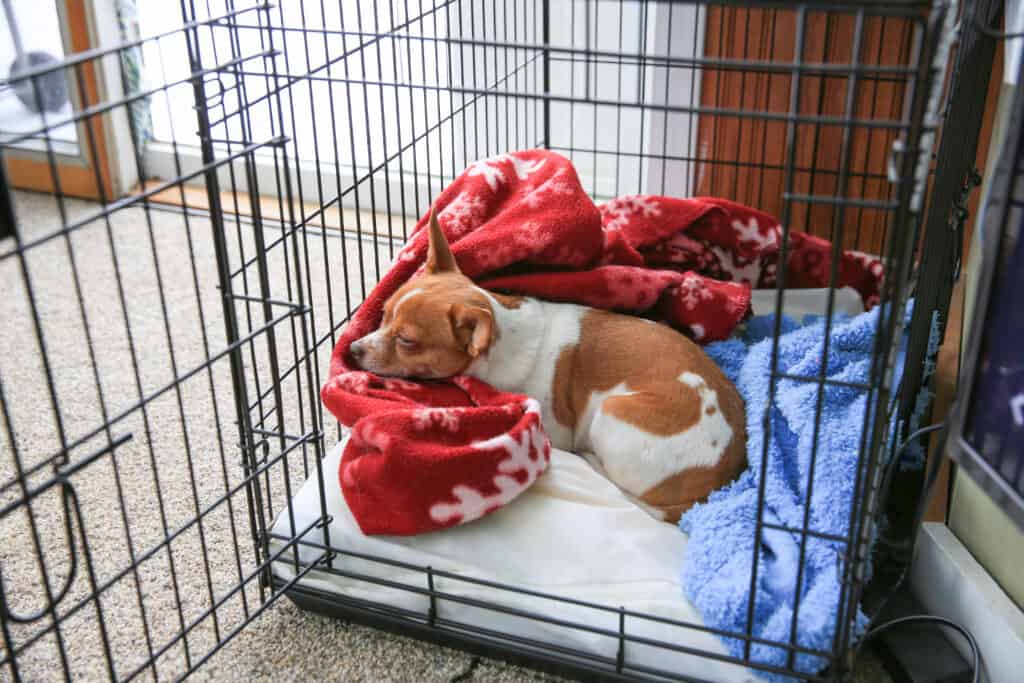
Make your dog’s crate comfy with soft bedding and reward him for going into it to help create a safe space.
©Jennay Hitesman/Shutterstock.com
Dr. Vaid suggests introducing crate training to your new dog. “When adopting a new dog, setting a routine and a safe place for them is the most important. Initially, I recommend crate training your new dog so they know they have their own space to retreat to when they are feeling overwhelmed or afraid. This also helps with potty training in the initial days, as most dogs will avoid having accidents in their crates.”
4. Remember Patience, Not Pressure
One of the most important things you can do for your dog is not to force unreasonable expectations onto them. Remember to be patient and let them feel comfortable in their own time frame. They may feel confused, and it’s going to take time for them to understand their new situation. Rey reminds us, “their entire world just changed overnight.”
She explains, “Your dog isn’t giving you a hard time — they’re having a hard time. That shift in perspective changes everything. When you lead with patience and understanding, behavior stops feeling frustrating and starts becoming something you can actually work through together.”
A lack of a routine can induce anxiety and separation anxiety in pets that are going into a new environment because of the unknown and lack of confidence that it causes.
Samantha Rey, professional dog trainer and founder of Reyning Canines
5. Give Structure Through Training and Clear Expectations
Dogs thrive on structure and routine. It will help your rescue dog when you begin a simple training plan right away. You can teach basic commands and prevent unwanted behaviors. According to Dr. Vaid, “Having a training plan immediately after adoption is a great way to ensure we are teaching your new pup simple commands, but also getting ahead of any unwanted behaviors they are coming into your home with.”
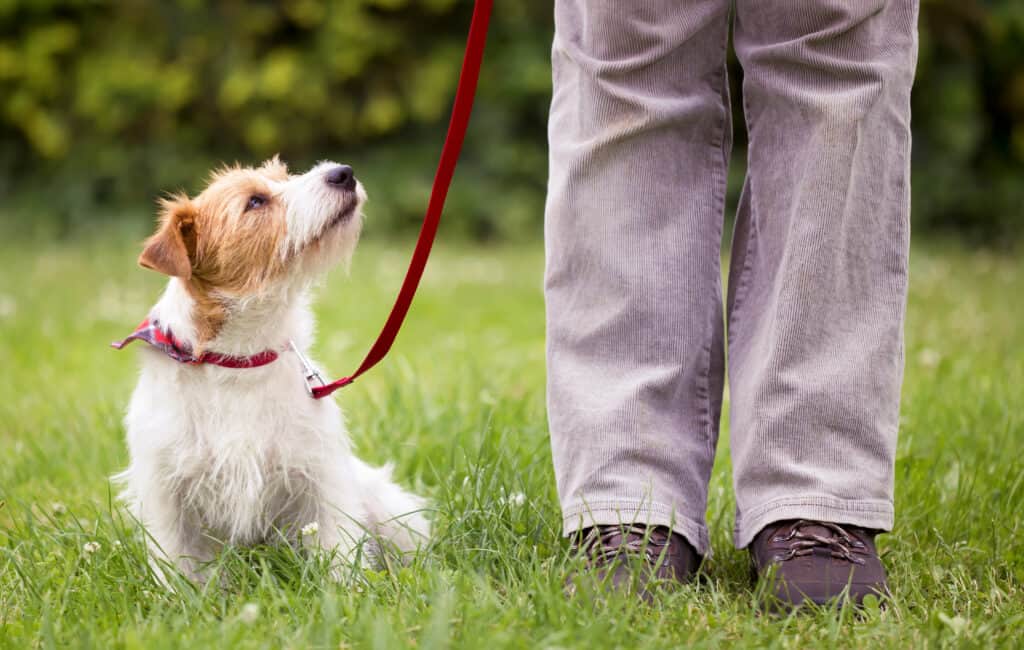
Training your dog can help strengthen the bond between you both.
©Reddogs/Shutterstock.com
Training sessions with your dog provide positive reinforcement, encourage confidence, and promote bonding. Rey reminds us, “Bonding and integration don’t happen on day one — it’s built over time through safety, consistency, and trust. If your dog isn’t cuddly, engaged, or ‘grateful’ right away, that doesn’t mean something is wrong. It means they’re still figuring out if they’re safe.”
6. Don’t Forget Proper Nutrition, Health, and a Vet Check
Aside from taking things slow and being patient, one of the most important things you can do for your new pup is to provide them with proper nutrition and get them checked out by a vet. Dr. Vaid says, “When you adopt a new pet, ensure you schedule an appointment with your veterinarian within a few days. This is to ensure that we are checking the pet for treatable illnesses, common parasites, and establishing care in case something urgent does come up.”
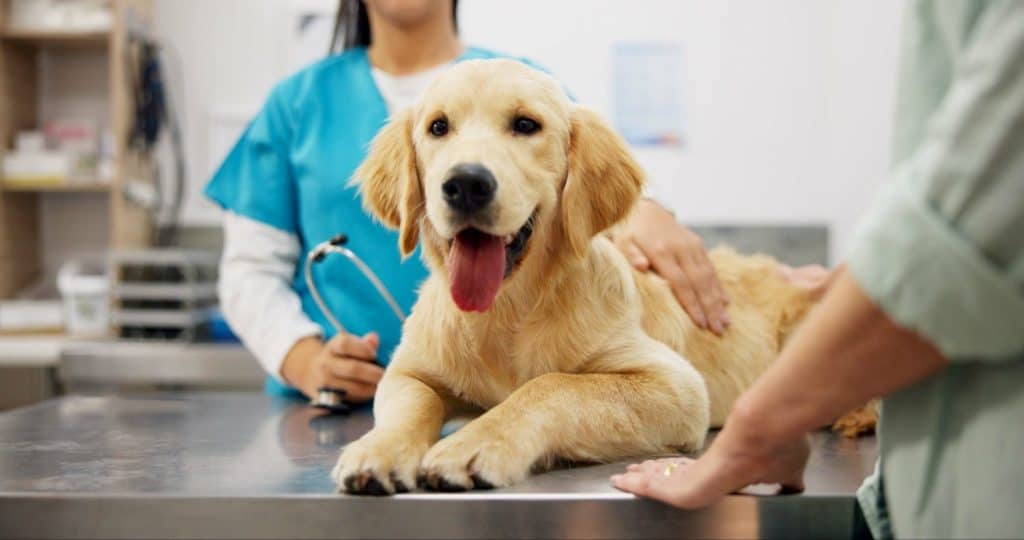
One of the first steps after bringing home your rescue dog is getting a vet check.
©PeopleImages/Shutterstock.com
Nutrition is also important. Dr. Vaid explains, “ensuring your pet is on a nutritious diet to support their life stage is vital to their wellbeing in their new home. Puppies need to be on a puppy food for higher calcium intake, and adult dogs thrive on a maintenance diet that is nutritious with premium ingredients.” And keep in mind, your pooch may have stomach upset due to anxiety: “A new environment/change can cause diarrhea, appetite loss, and anxiety in dogs, so keeping them on a high-quality food such as an air-dried protein-based food or fresh food will aid in keeping this to a minimum.”
7. Puppy Proof Your Home Before Your Dog Arrives
Even before you bring your new dog home, be sure your house is set up with everything you need. That includes bedding, toys, crates, food, treats, leashes, and everything else a dog may require. Additionally, inspect your home for potential hazards such as cleaning supplies, toxic plants, and other household items your dog could access. Dr. Vaid says, “Most people don’t realize that household items can be detrimental or toxic to dogs. Examples include plants such as Sago palm or lilies, foods (such as grapes or garlic), electrical cords, or even shoes/children’s toys that are left in an easily accessible place.”
8. Understanding of Your Dog’s Background, Breed, and Bonding Timeline
Finally, understanding your dog’s background and breed can help you know what to expect. Rey tells us that, “Some dogs carry past experiences. Others are simply overwhelmed/overstimulated. And many are just being… dogs — responding exactly how their breed and genetics predispose them to be.” Dr. Vaid agrees, “Some rescue dogs have PTSD and anxiety from their previous lives that can make a transition difficult for them.”
Rey says you shouldn’t overlook what breed your new pup is because breed matters. Some dogs are naturally more independent or slower to connect. That’s not a failure. That’s biology. If you’re overwhelmed, you’re not alone — and you’re not doing it wrong. Stay consistent! The bond you build slowly is the one that lasts.”
Dr. Vaid recommends getting to know your dog before rushing into adoption. She says, “Oftentimes, adopters are excited and rush into the adoption process without being completely ready. It’s important that if you are considering adopting a dog, you meet that dog multiple times to really assess their personality and ensure it can mesh well with your personality. Sometimes dogs are initially mellow and shy, but that is not their true personality, and new adopters are shocked when the pet is highly active or needs a lot of play time.”