
Quick Take
- Moose may actually pose a bigger threat than bears in Alaska, and the reason has nothing to do with size. See why moose dominate →
- Bull moose can look completely calm right up until they're not, and knowing the difference could save your life. Spot the warning signs →
- Alaskans in cities like Anchorage have had to rethink something most of us take for granted about who owns the neighborhood. Moose in urban Alaska →
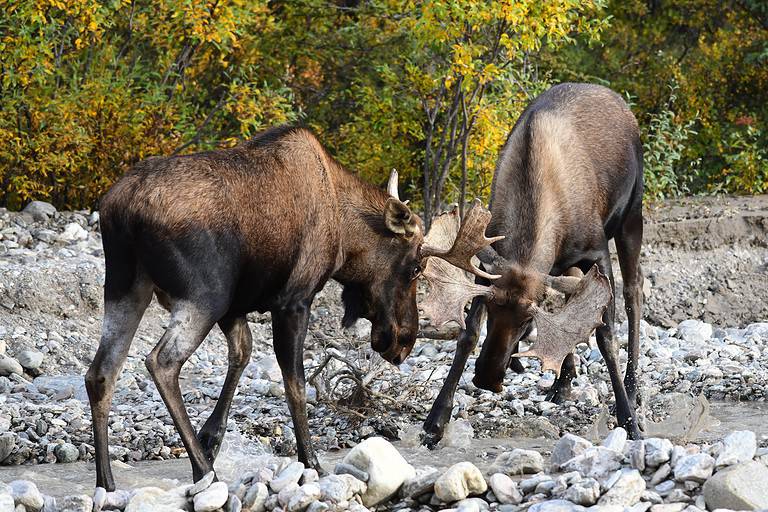
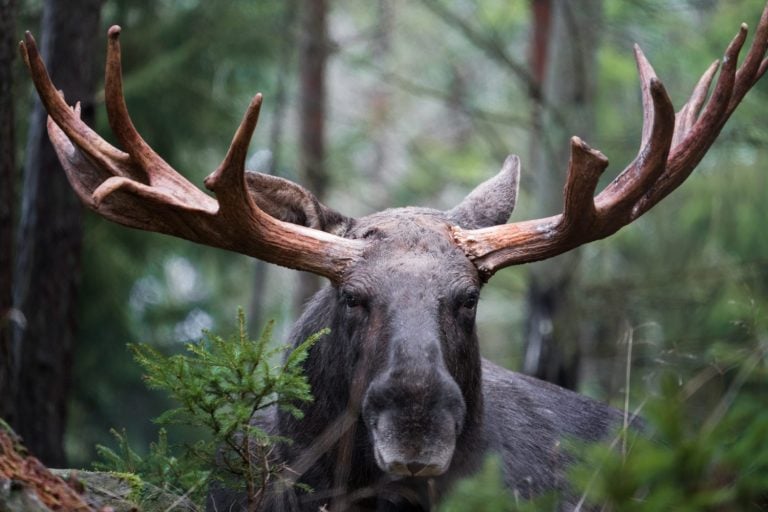
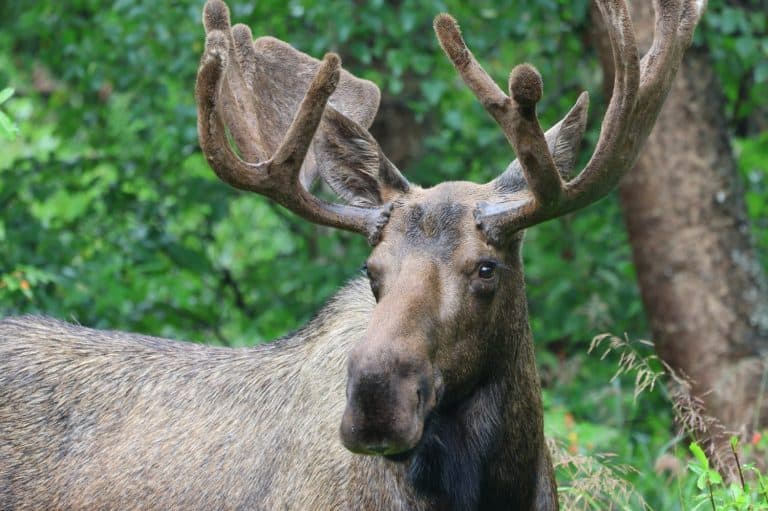
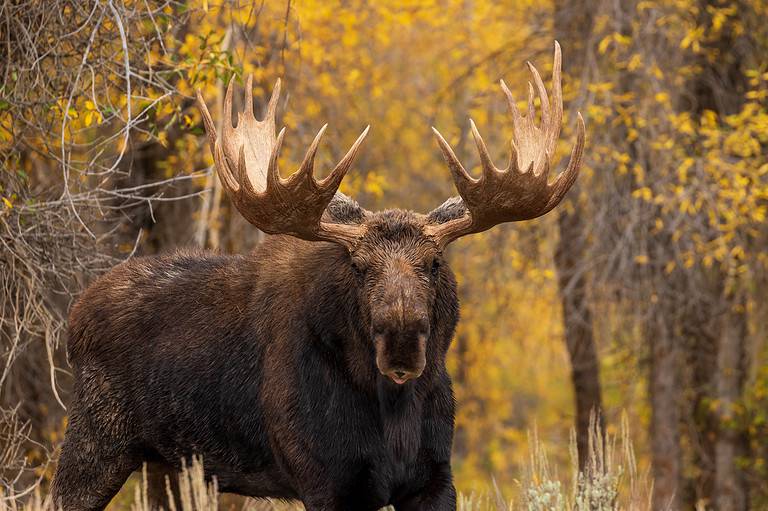
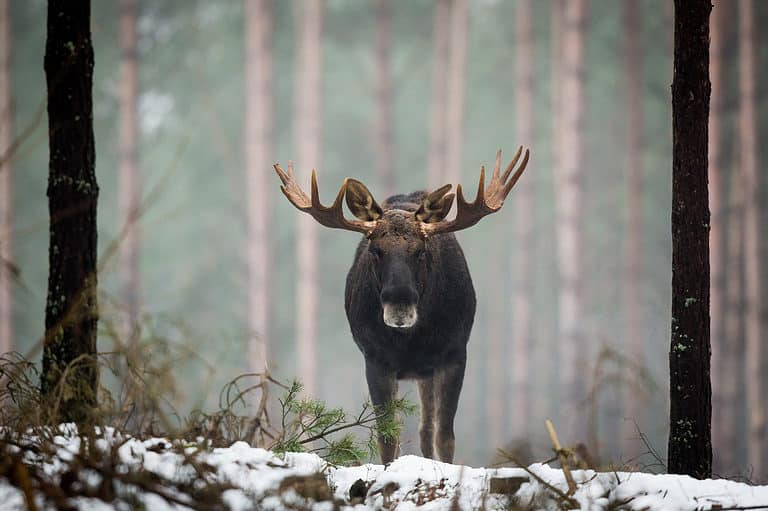
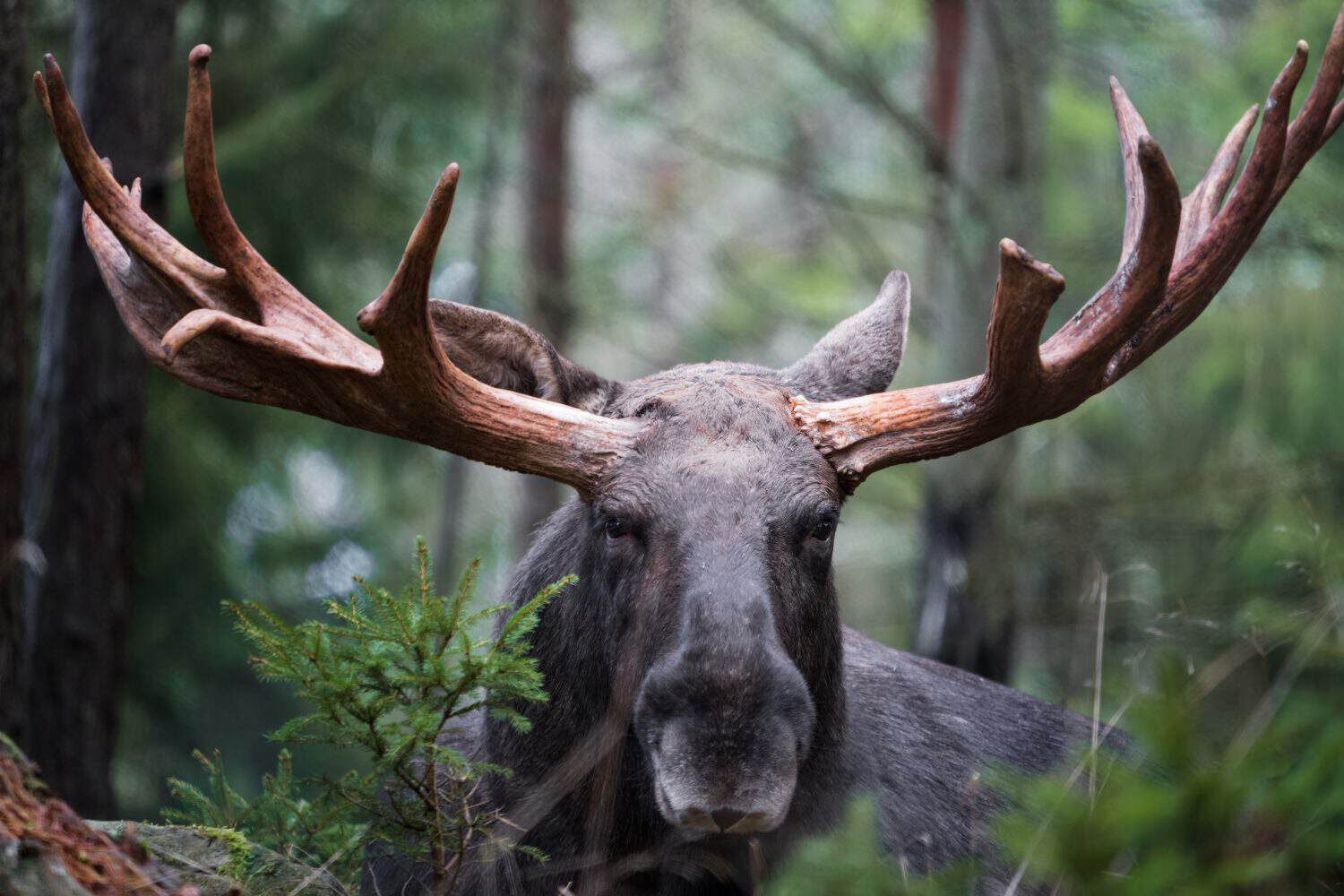
Alaska is home to the largest moose species in the world. The Alaska-Yukon moose (Alces alces gigas) is larger than most cars, and bulls can have antler racks weighing up to 180 pounds. Its presence demands respect but can also incite fear. In this Instagram video, the bull moose appears to be a gentle giant. While they’re typically not aggressive, rutting season can change everything. In Alaska, the moose reigns supreme, and not just because of its size.
Why the Moose Is King of the Alaskan Wild
Moose are found throughout all of Alaska, particularly in the Southcentral region. Unlike moose in other parts of the U.S., such as New Hampshire, Vermont, and Maine, Alaskan moose are frequently sighted in both rural and urban areas. While they prefer forests and rivers, they’re known to wander into cities like Fairbanks and Anchorage. Those living in these cities have learned to coexist with the majestic animals. However, it’s a constant reminder that we live in moose territory, not the other way around.
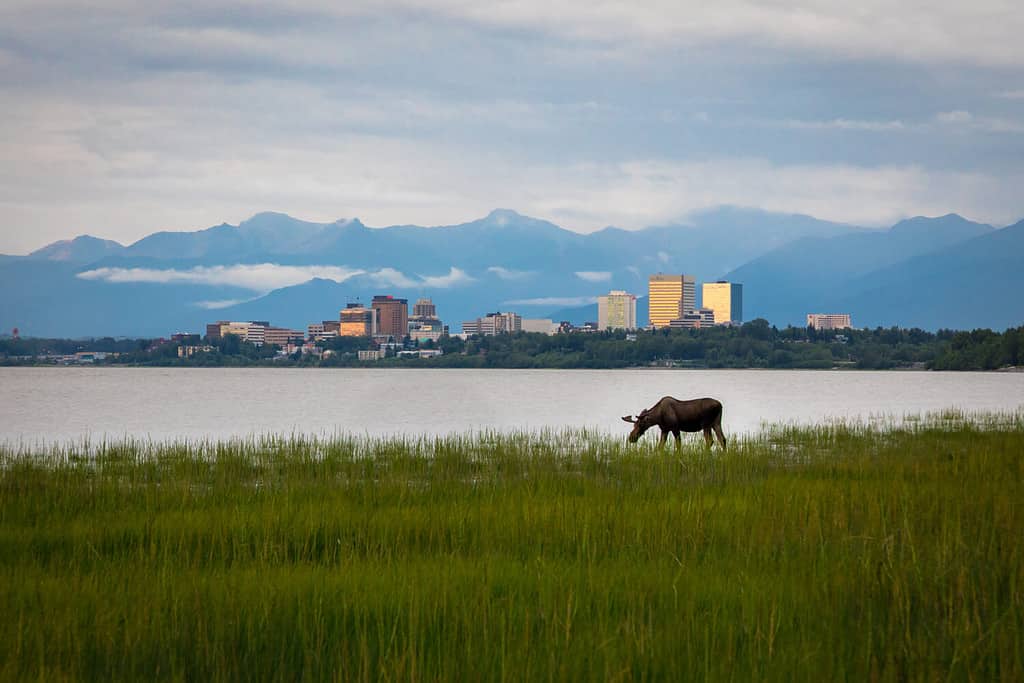
Moose are often seen near cities, sometimes entering backyards in search of food.
©BILD LLC/Shutterstock.com
Moose have also expanded farther west and into the Arctic Slope. Given their range, moose can be found almost everywhere in Alaska. However, most accidental run-ins with moose happen near waterways. Moose rely on waterways for the aquatic plants that make up much of their diet. In this Instagram encounter, a moose happened to be crossing the road, likely moving between wetlands. While this interaction was peaceful, encounters involving inexperienced onlookers are often not.
What to Do If You Encounter a Moose
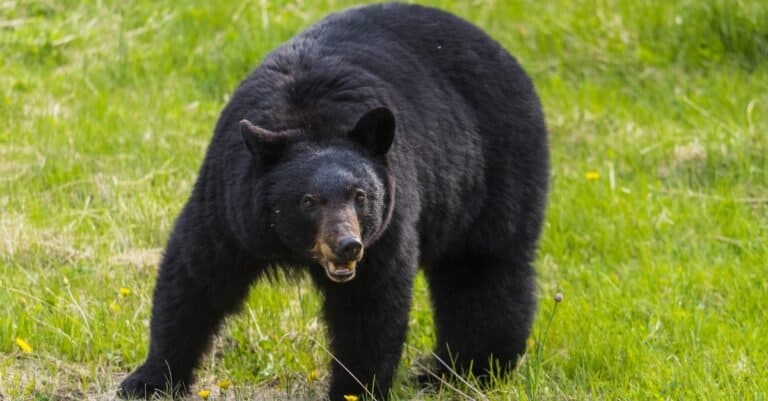
Moose are wild, unpredictable animals. In some cases, they may even pose a bigger threat than bears. In Alaska, moose are known for wandering into backyards and crossing hiking trails. They don’t spook easily or often, which can make them more dangerous than other Alaskan animals. The best practice is to give them at least 50 feet of distance, but understandably, this isn’t always possible.
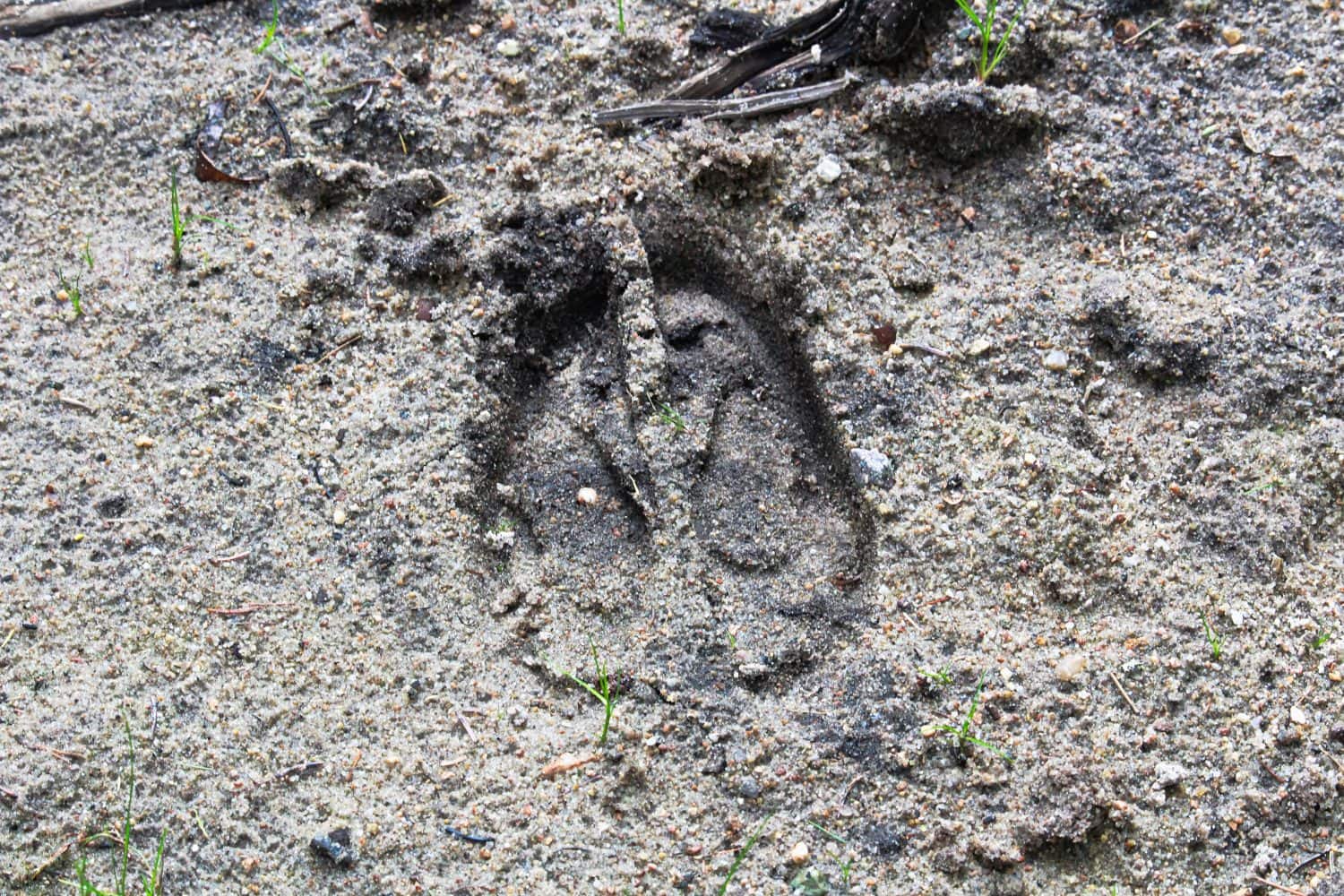
Identifying fresh moose tracks may help you steer clear of them.
©Amelia Martin/Shutterstock.com
If you happen to run into a moose at a close distance, here are some things to remember:
- Talk calmly, rather than appearing intimidating.
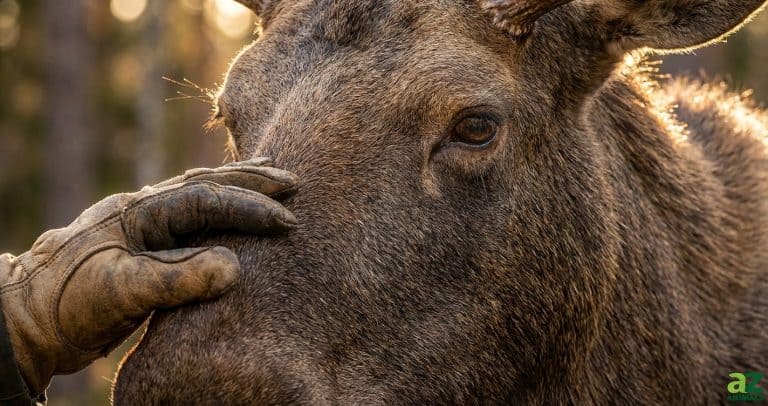
- Do not offer food or reach out your hand.
- Leash any dogs and keep them away from the moose.
- Pay attention to hackles, flattened ears, grunting, or foot-stomping, as these are signs of aggression.
- Stand behind the nearest object, whether it’s a tree, rock, car, or anything that can be a buffer.
- If the moose attacks, play dead (like you would with a grizzly) and cover your neck and head with your hands.
When hiking, it’s a good idea to watch for moose scat and trails. By learning to recognize these signs, you increase safety for both yourself and the moose. These animals often bluff charge, similar to bears. This is usually a warning, but should not be tested. During the fall, males are more aggressive due to the rutting season. Females, on the other hand, are more aggressive during late summer when protecting their calves.