
While Save the Koala Day officially took place on September 26, it’s never too late to celebrate one of Australia’s most iconic (and misunderstood) animals. Often referred to as “koala bears,” koalas are actually not bears at all. As several other misconceptions about the species continue to circulate, understanding what truly sets them apart is more important than ever.
To help clear up the remaining myths and highlight what makes koalas so unique, Wildlife Care Supervisor Lisa Martin of the San Diego Zoo shares her insights on these fascinating marsupials.
The “Koala Bear” Misconception
Upon first glance, it’s easy to see why some people think koalas are bears. From their fuzzy ears to tree-dwelling behavior, the comparison is understandable but inaccurate.
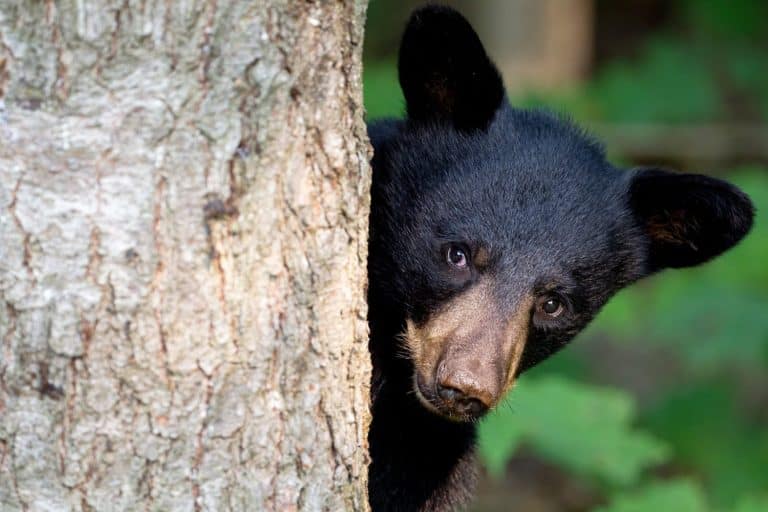
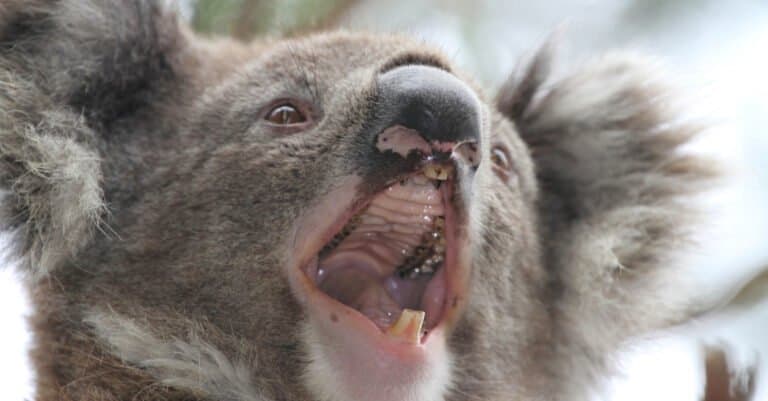
“Historically, people have mistakenly referred to koalas as ‘bears’ because they spend a lot of their day in trees, as do some bears, and their appearance with the round and fuzzy ears and big, black noses tends to evoke that misconception,” explains Martin.
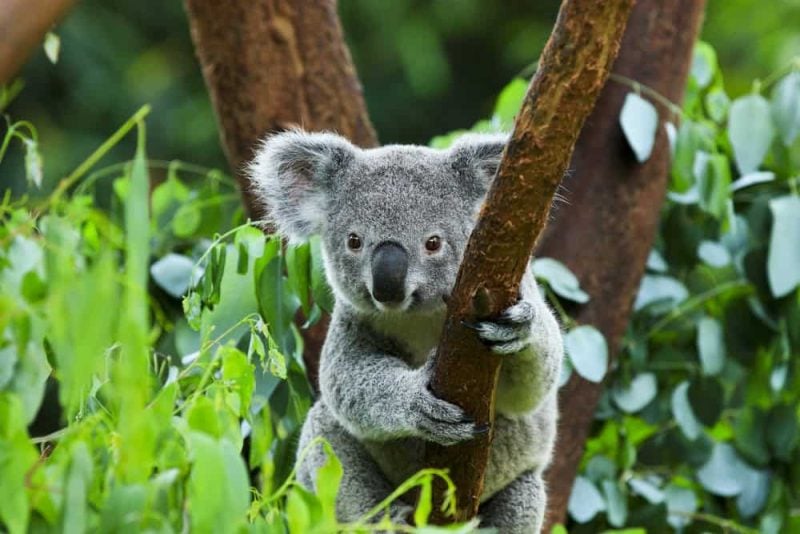
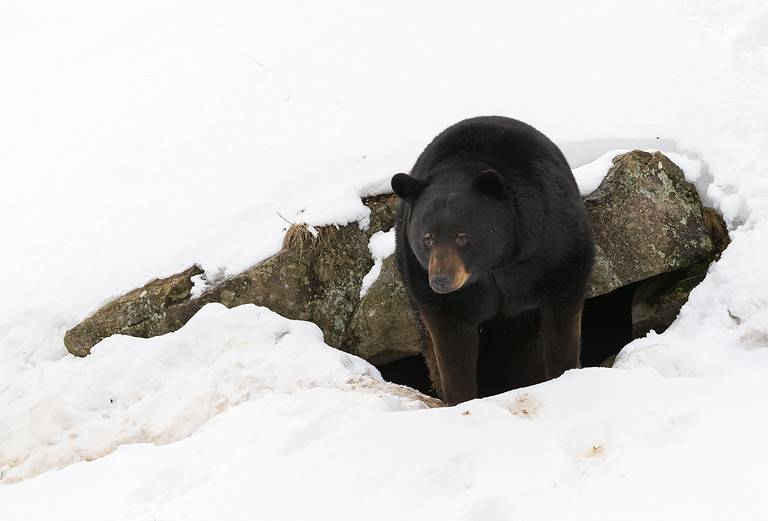
Koalas may resemble small bears, but they’re actually marsupials uniquely adapted to life in Australia’s eucalyptus forests.
©rickyd/Shutterstock.com
Another key difference, she adds, is that koalas are marsupials, meaning they carry and nurse their young in a pouch instead of giving birth to fully developed offspring. Their diet also sets them apart from bears.
“Koalas have specific physical characteristics that differ from bears, which are omnivores,” Martin adds. “While omnivores eat a variety of food items, the only food source for koalas is eucalyptus.”
Other Common Myths About Koalas
Beyond their inaccurate nickname, there are a few other common misconceptions about koalas. Another popular misconception is that all koalas carry chlamydia. While some wild populations are affected by the disease, it’s inaccurate to say that every koala has it. “You will not find a koala in managed care with this infection,” says Martin.
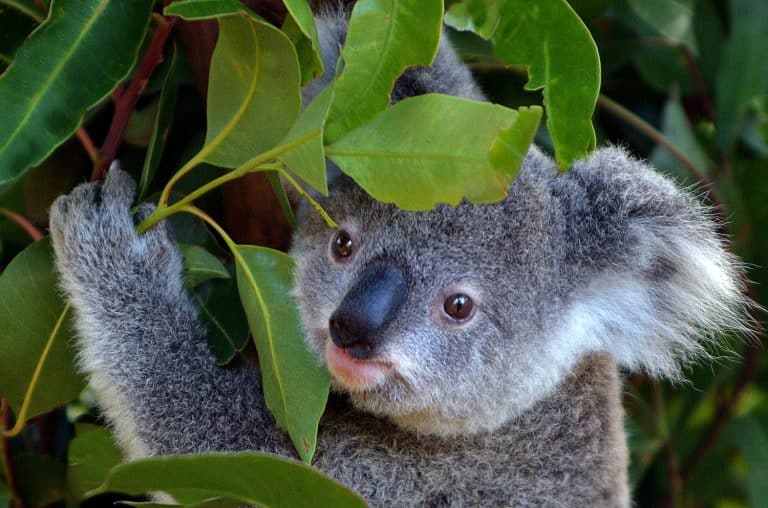
Another common misconception stems from the meaning of their name. Many believe koala translates to “no drink,” implying the species never drinks water. While koalas rarely need to drink, Martin explains their diet provides most of their hydration needs: “Koalas will drink water. They just don’t need to as often because they get all their moisture needs from the eucalyptus they eat.”
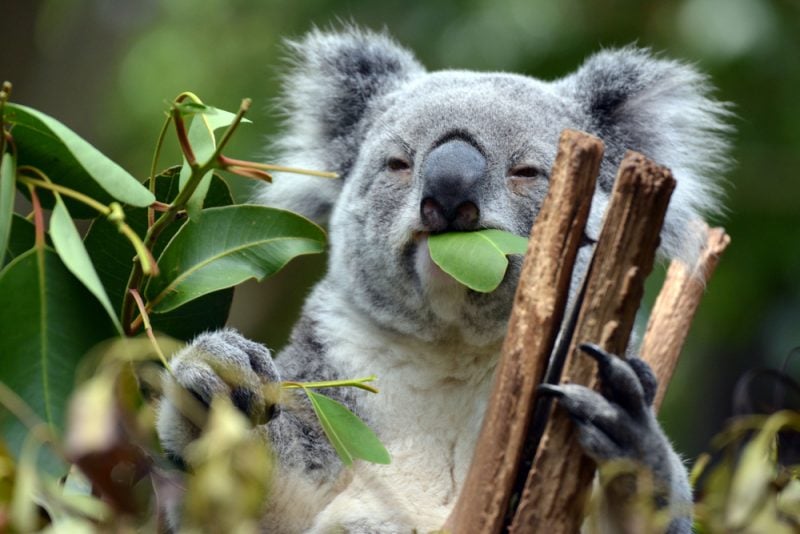
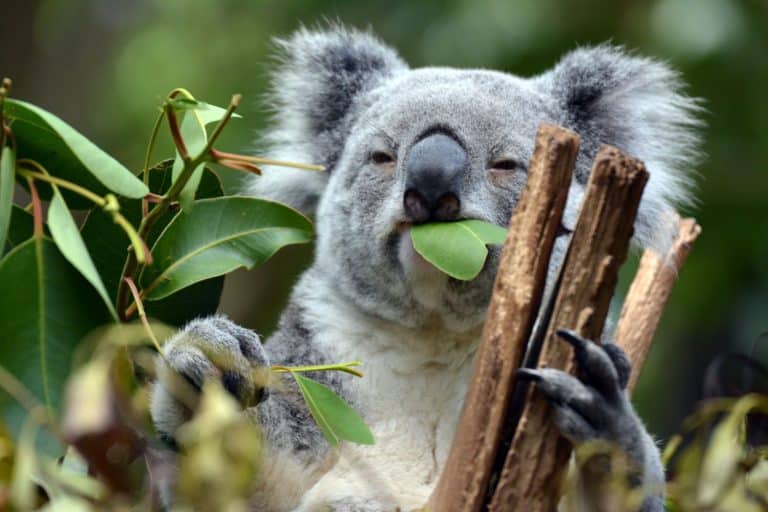
Koalas receive most of their hydration from eucalyptus leaves, which provide enough moisture to make drinking water rarely necessary.
©Manon van Os/Shutterstock.com
Unique Biological & Behavioral Traits
The uniqueness of koalas goes far beyond their name and classification. Their biology and behavior set them apart from nearly every other mammal. For example, their eucalyptus-only diet is one of the most specialized in the animal kingdom.
“The only food source for koalas is eucalyptus,” says Martin. “It would be considered a toxic food item for most other wildlife.”
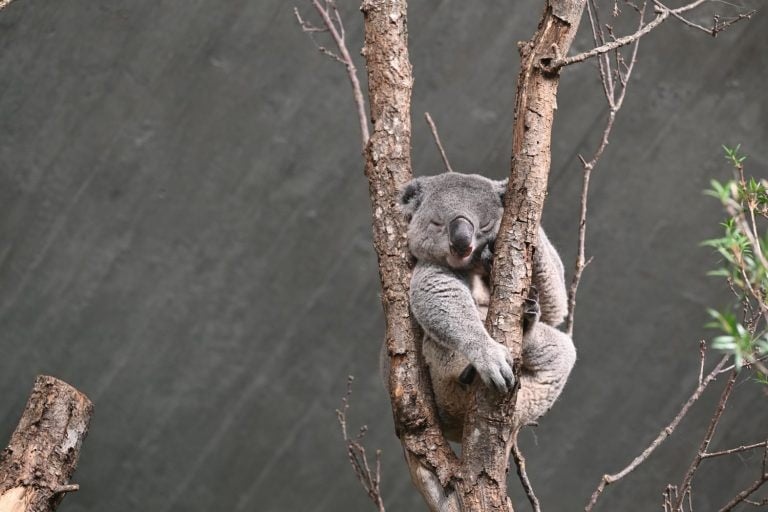
Despite the low nutritional value of eucalyptus leaves, koalas have evolved to survive on them exclusively. But because their diet takes so much energy to digest, they spend the majority of their lives sleeping — anywhere from 18 to 22 hours each day.
However, koalas aren’t as sedentary as they might seem. “While they are an arboreal animal, they will travel across the ground to get to food or mates and are able to jump up to six feet in a lateral direction,” Martin explains.
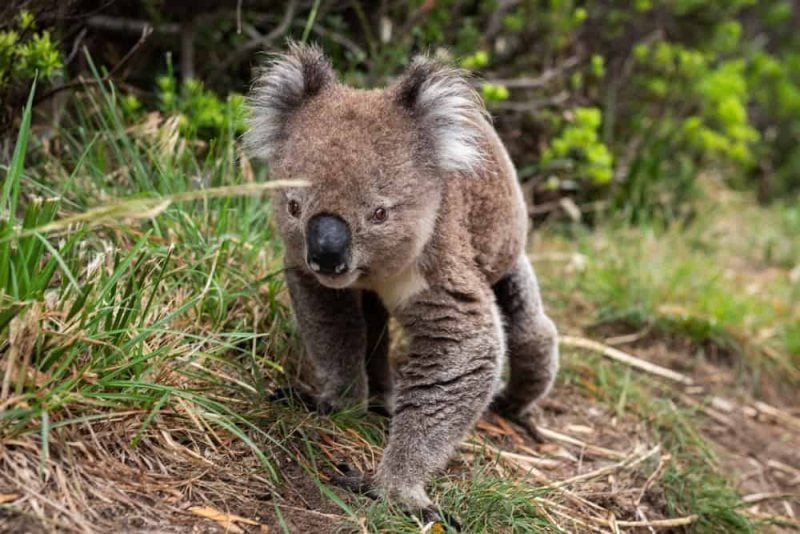
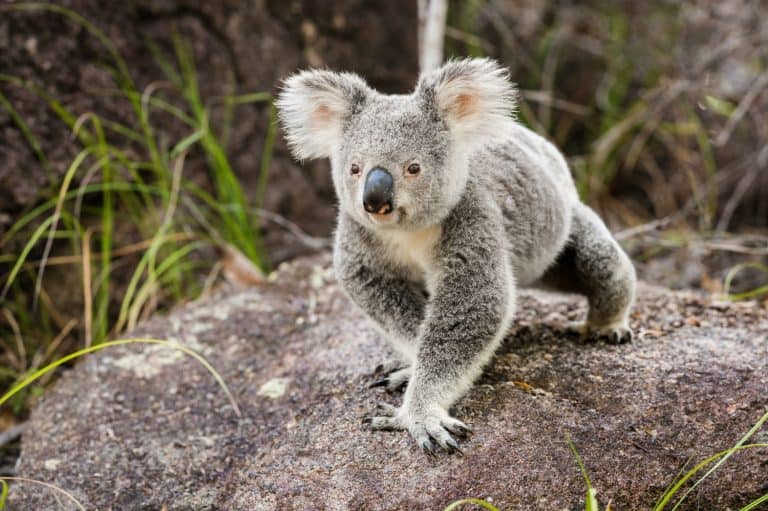
Though known for their long naps, koalas can move pretty quickly when needed — even leaping up to six feet between trees in search of food or mates.
©LIGHTITUP/Shutterstock.com
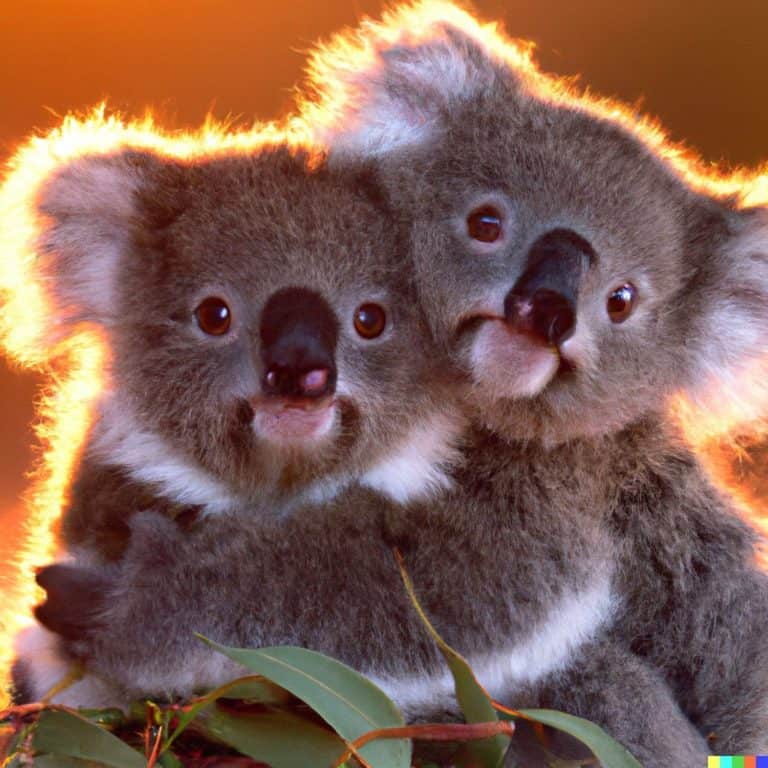
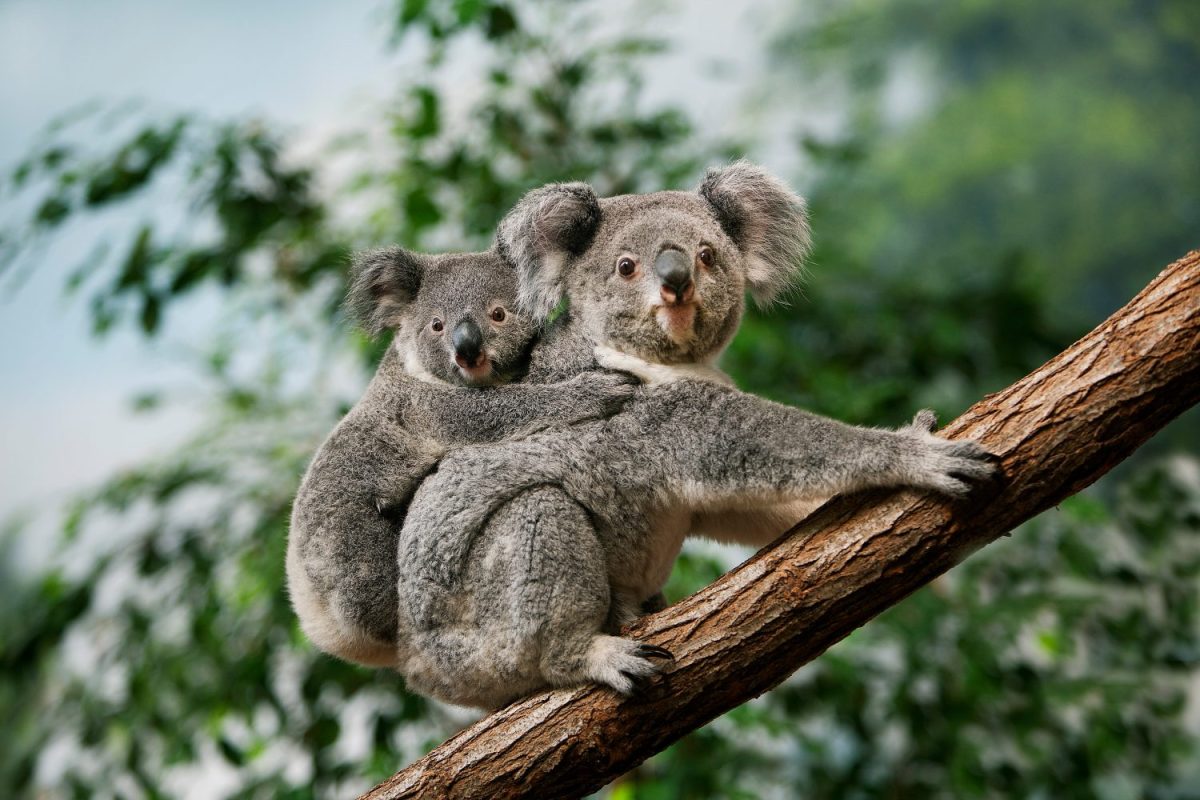
The reproductive biology of koalas is equally fascinating. Female koalas give birth to underdeveloped young that crawl into the mother’s pouch, where they continue to develop for five to six months. Like other marsupials, koala mothers can produce different compositions of milk from the two nipples inside their pouch. This adaptation allows them to nourish a newborn joey while weaning an older one.
The only food source for koalas is eucalyptus. It would be considered a toxic food item for most other wildlife.
Lisa Martin, wildlife care supervisor at the San Diego Zoo
The Koala’s Evolutionary Story
These unique traits come from koalas’ evolutionary history. “When koalas first appeared on the scene tens of millions of years ago, Australia’s landscape was very different,” Martin explains. “Fossil records indicate that the koalas of this time were significantly larger than the koala we see today.”
These koalas likely had a wider range of food sources, too, as they thrived and lived in more lush forests. However, as Australia’s climate became hotter and drier, the species evolved to survive on tougher, more fibrous vegetation — ultimately leading to their eucalyptus diet.
This dietary specialization shaped nearly every aspect of the modern koala’s biology, from its slow metabolism to its arboreal lifestyle. And while today’s koalas are perfectly suited to their environment, their dependency on eucalyptus forests makes them vulnerable to habitat loss and climate change.
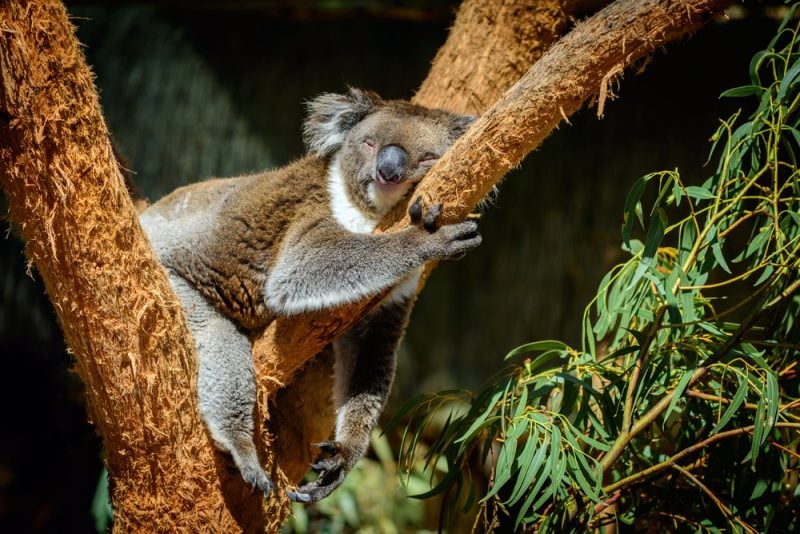
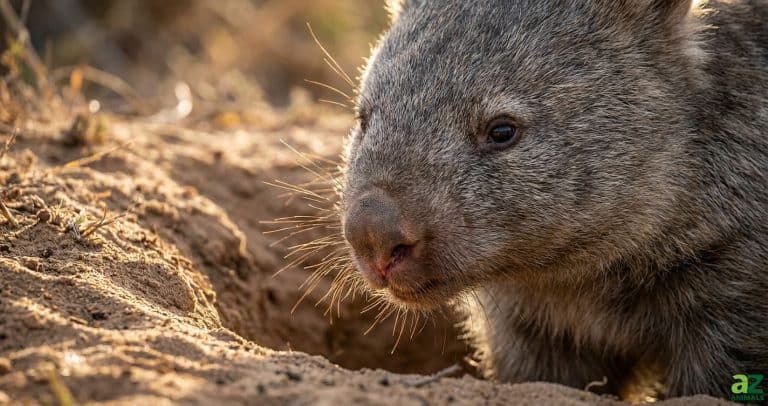
Modern koalas evolved from larger ancestors that once roamed lush forests. As Australia’s climate dried, they adapted to survive solely on eucalyptus leaves.
©myphotobank.com.au/Shutterstock.com
Why Awareness & Conservation Matters: Save the Koala Day
While koalas have adapted impressively over the years, their survival today largely depends on human awareness and conservation. Events like Save the Koala Day are key in sparking that awareness.
“It begins with awareness,” says Martin. “It is a key component of supporting conservation efforts for not only wildlife like koalas, but also the habitats they depend on to survive and thrive.”
Sharing accurate information about these animals — from their marsupial biology to their highly specialized diets — fosters appreciation and understanding. And as Martin notes, curiosity often leads to care: “People can struggle to invest in saving wildlife we know little to nothing about. Save the Koala Day is a great place to start.”
By continuing to learn about and share the truth behind these iconic animals, people can help ensure that koalas — and the eucalyptus forests they call home — remain a thriving part of Australia’s landscape for generations to come.