
Alaska’s bear hunting season is a long-standing tradition thanks to the state’s rugged wilderness and complex ecosystem management. With two native bear species—the brown (or grizzly) bear and the black bear—Alaska’s hunting seasons are as diverse as the terrain itself. What should you know about this season, especially given Alaska’s wild and unforgiving wilderness?
The 2025 season builds upon the state’s existing flexible framework, but what does this mean for you? For hunters, it’s essential to understand not only when the seasons open, but where and how they differ across the state’s Game Management Units (GMUs). Here’s what you should know about Alaska’s unique bear hunting season, including where you should go and when you can legally hunt.
Season Dates and Regional Variations
©Georgia Evans/iStock / Getty Images Plus via Getty Images
Unlike many other states, Alaska doesn’t technically have a single, uniform bear hunting season. Instead, the Alaska Department of Fish and Game (ADF&G) sets regulations by GMUs, taking into account local bear population trends and subsistence needs. Let’s take a closer look at the hunting season for both of these bear species.
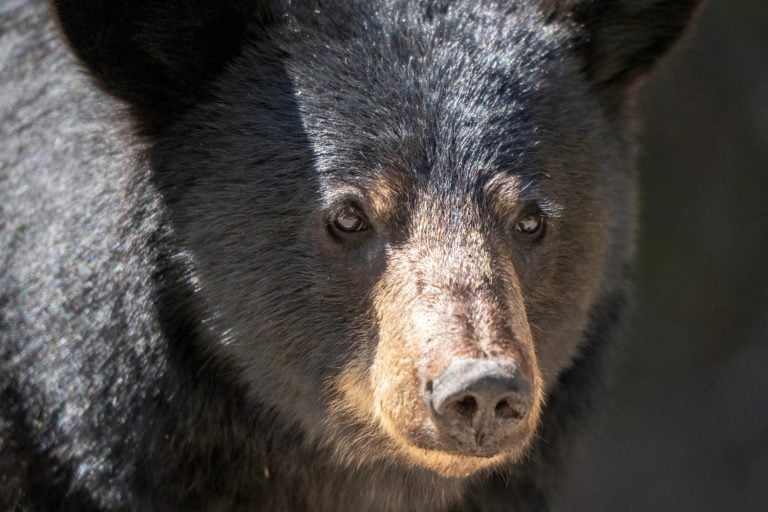
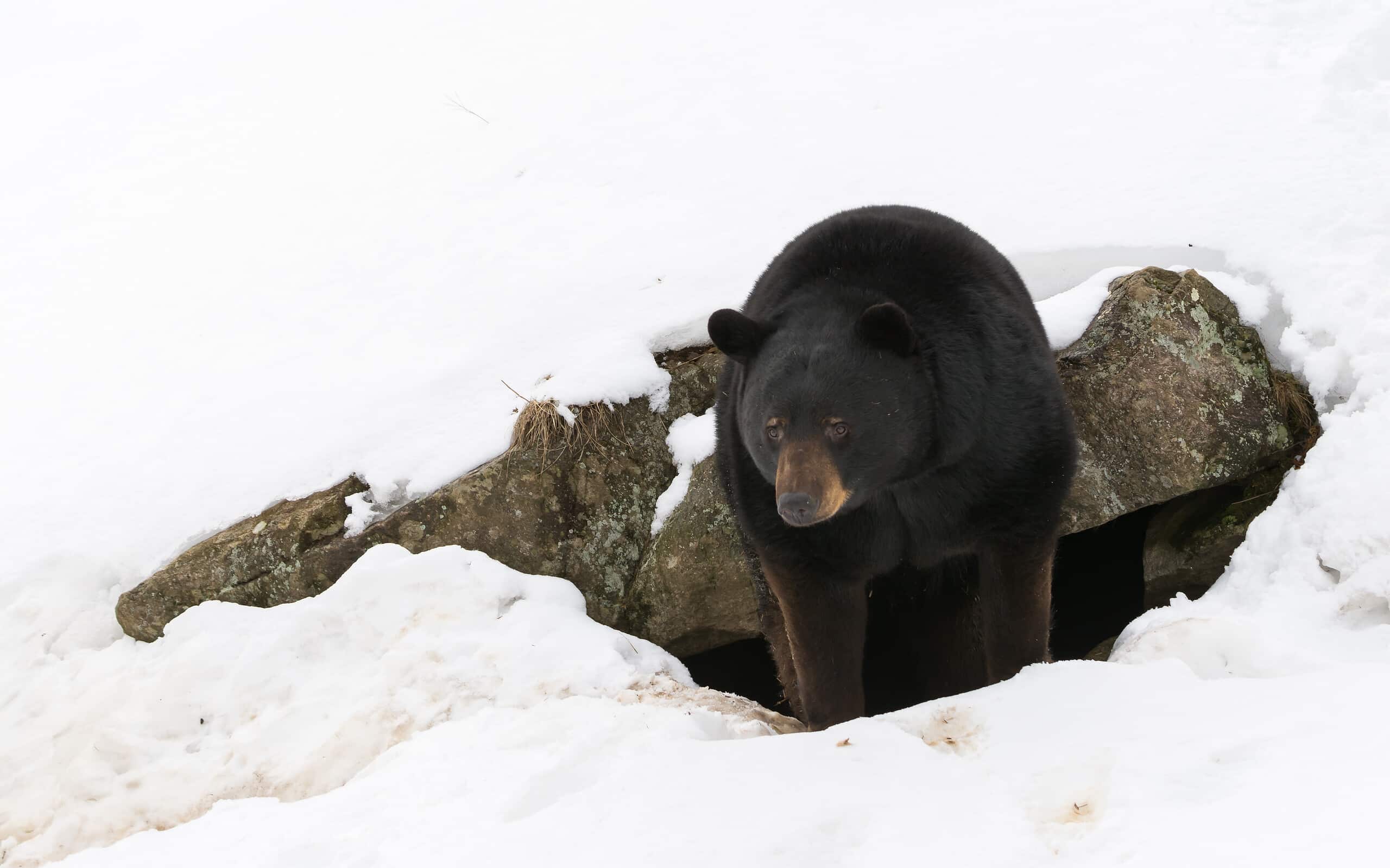
Black Bear Hunting Season in Alaska
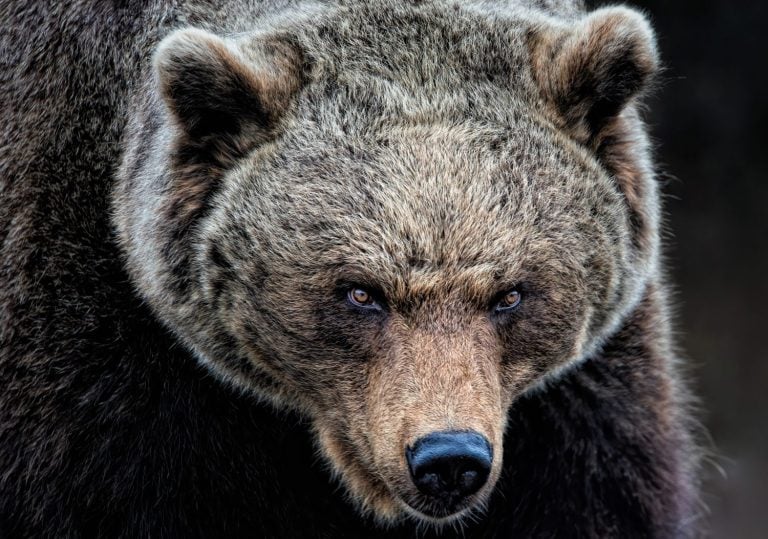
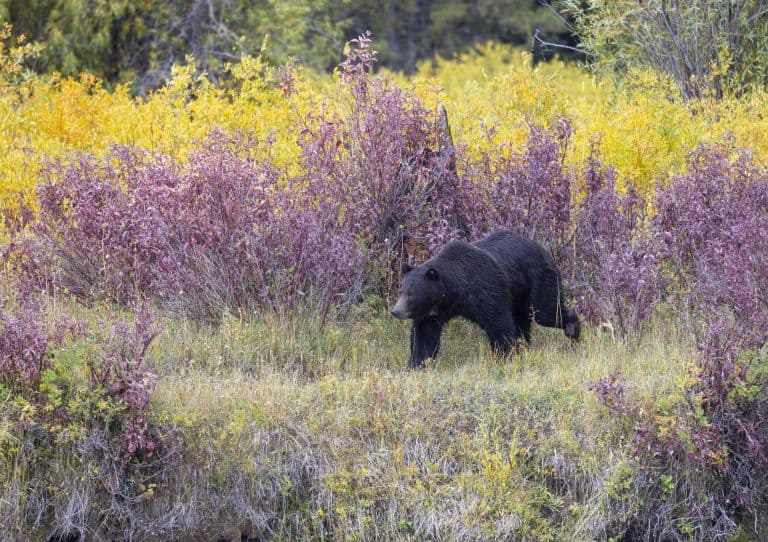
Generally, black bear seasons open as early as April 1st in many of Alaska’s interior and southeastern units. This season remains open through June and even later into the fall, depending on the region. In some coastal areas, the season is open year-round, provided hunters have the necessary tags and permits.
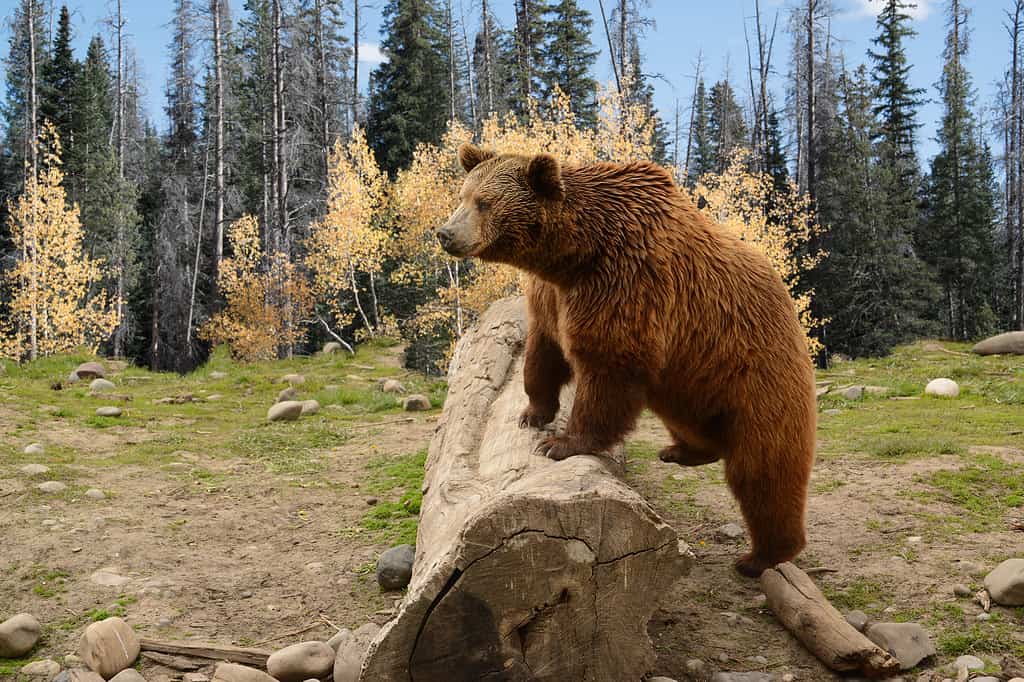
Brown Bear Hunting Season in Alaska
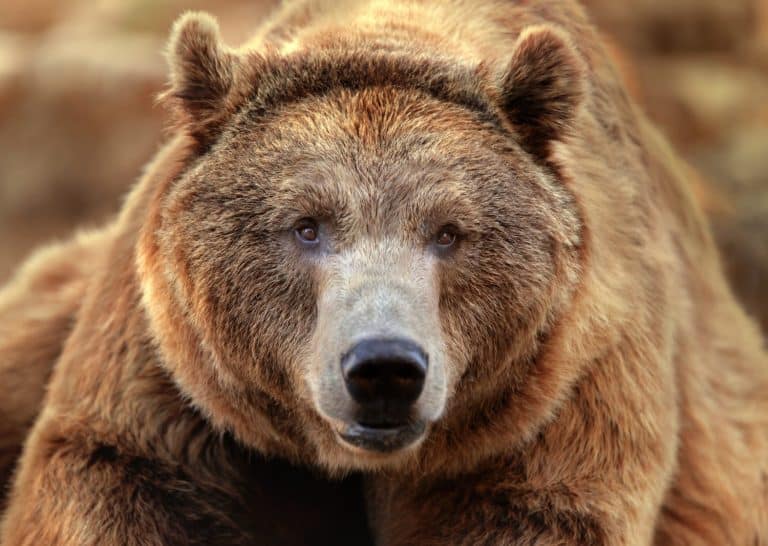
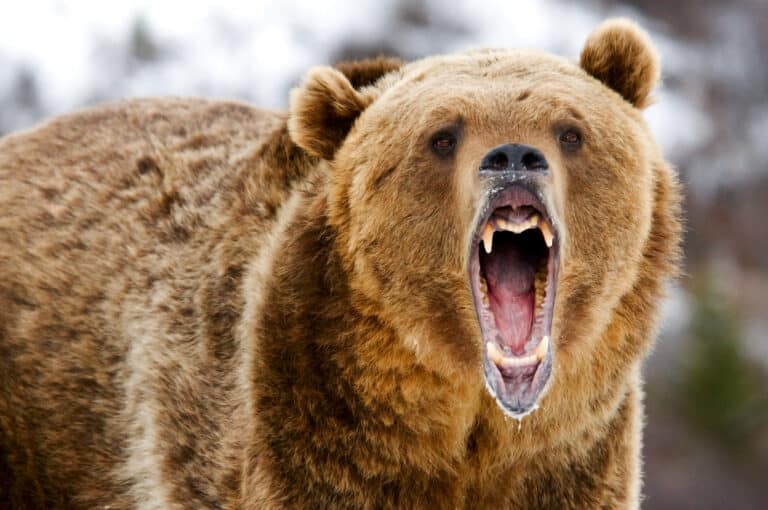
When it comes to grizzly bear season, hunting is typically open in the spring months, around April or May, and again in the fall, usually from September through October. However, the timing and duration vary widely. Here are some examples of that within this state.
In coastal regions like Kodiak, the Alaska Peninsula, and parts of Southeast Alaska, spring and fall hunts are often alternating by year to prevent the over-harvest of species. Hunters are strongly advised to consult specific regulations for their GMU well before the season begins, because tag quotas, harvest tickets, and residency rules differ sharply across the state.
Licensing and Tags for Black and Brown Bear Hunting in Alaska
©Edgar G Biehle/Shutterstock.com
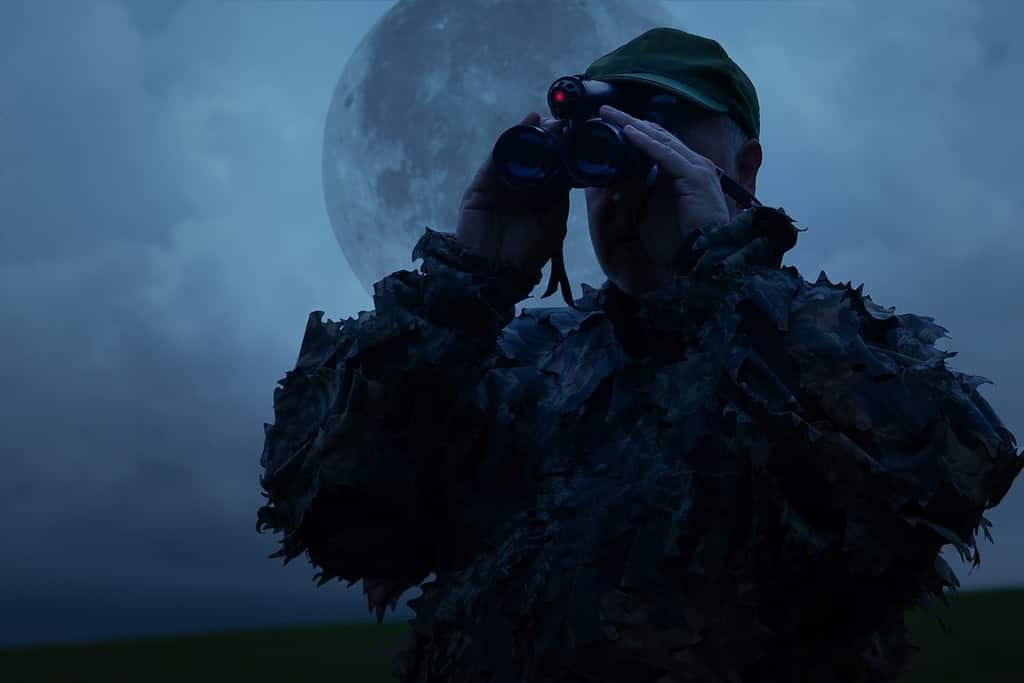
For residents, both a hunting license and a harvest ticket are required for black and brown bear hunting. Nonresidents must also obtain a big game locking tag and, for brown or grizzly bears, must hunt under the supervision of a registered guide or an Alaska resident relative within a second degree of kindred.
This unique rule exists to ensure hunter safety and compliance, given the challenging conditions and the size of the animals. Bag limits depend on the GMU; black bears may often be taken one or two per regulatory year, while brown bear permits are far more limited and specialized.
Harvest Information for Bear Hunting in Alaska

©Jukka Jantunen/Shutterstock.com
Every harvested bear within the state of Alaska must be sealed by the ADF&G within 30 days of harvest. Sealing involves inspecting the hide and skull and submitting a premolar tooth for aging and biological tracking.
Hunters are required to save the hide and skull of any brown or grizzly bear. For black bears, meat salvage requirements vary by region and time of year, so be sure to check before you head out. It’s critical to note that in some spring seasons, meat salvage is mandatory until June 1st, while in others it applies year-round.
Insights from Alaska’s Wildlife Biologists

©Ingo70/Shutterstock.com
Alaska’s Department of Fish and Game wildlife biologist Nathan Svoboda stated that “we manage bears based on the carrying capacity of each ecosystem. Some areas can sustain higher harvest levels because of abundant salmon runs or high-density habitats, while others require more conservative limits to ensure stability.”
He also noted that Alaska’s brown bear populations remain healthy, with stable or increasing numbers across most regions, thanks to science-driven management and close collaboration with local communities and tribal entities. The state is consistently fine-tuning its hunting regulations so that sustainable hunting can occur for both bear species.
Black vs. Brown Bear Hunting: What Makes Each Unique
©gigello/Shutterstock.com
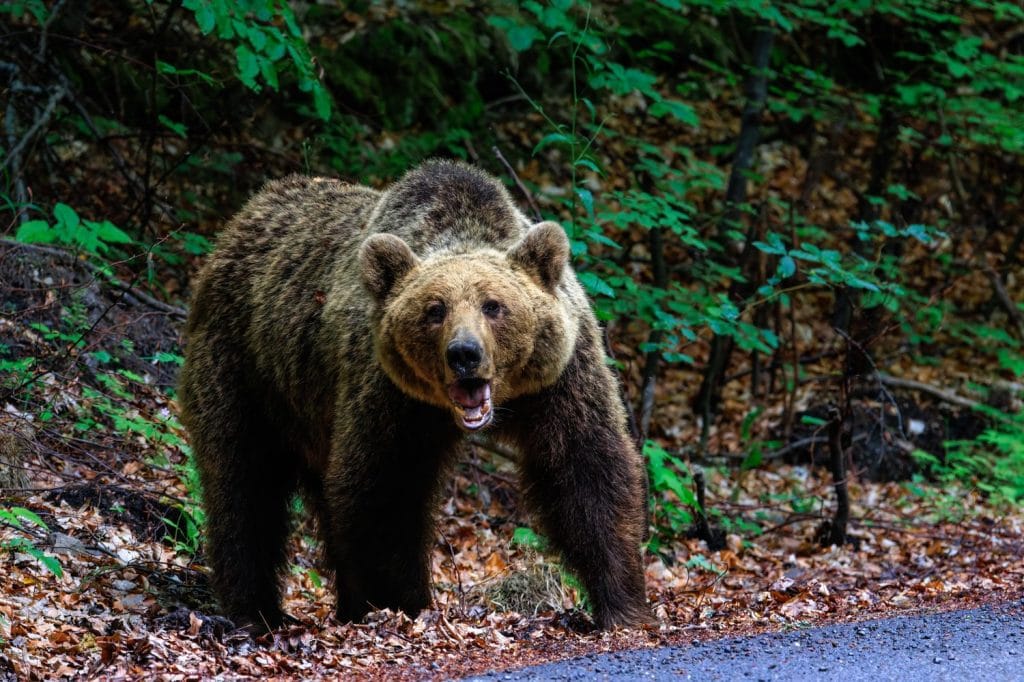
There’s a reason bear hunting in Alaska is so sought after: it’s one of the most unique bear hunting experiences you can have. Hunting black bears in Alaska often involves hiding in forested areas, along river valleys, or near higher elevation berry fields. Many hunters also use bait stations in units where it’s legal, with baiting seasons regulated separately.
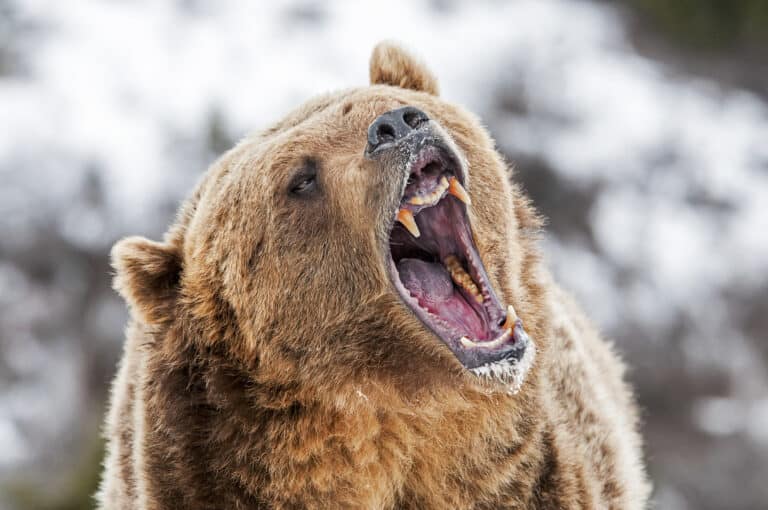
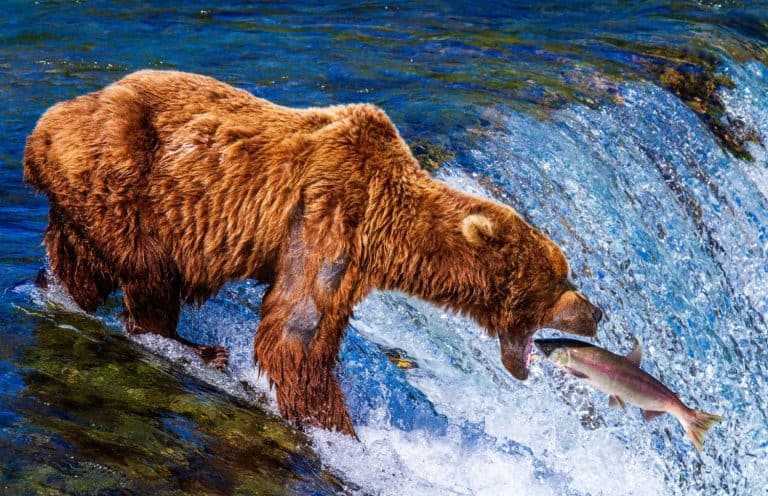
Brown or grizzly bear hunts, on the other hand, are far more challenging and heavily regulated due to the animal’s size, territorial behavior, and slower reproduction rate. Spot-and-stalk methods along salmon streams, tidal flats, or mountain slopes are the most common approaches, often requiring days of patience and knowledge of bear movement patterns.
What to Know Before You Go
©Mark Caunt/Shutterstock.com
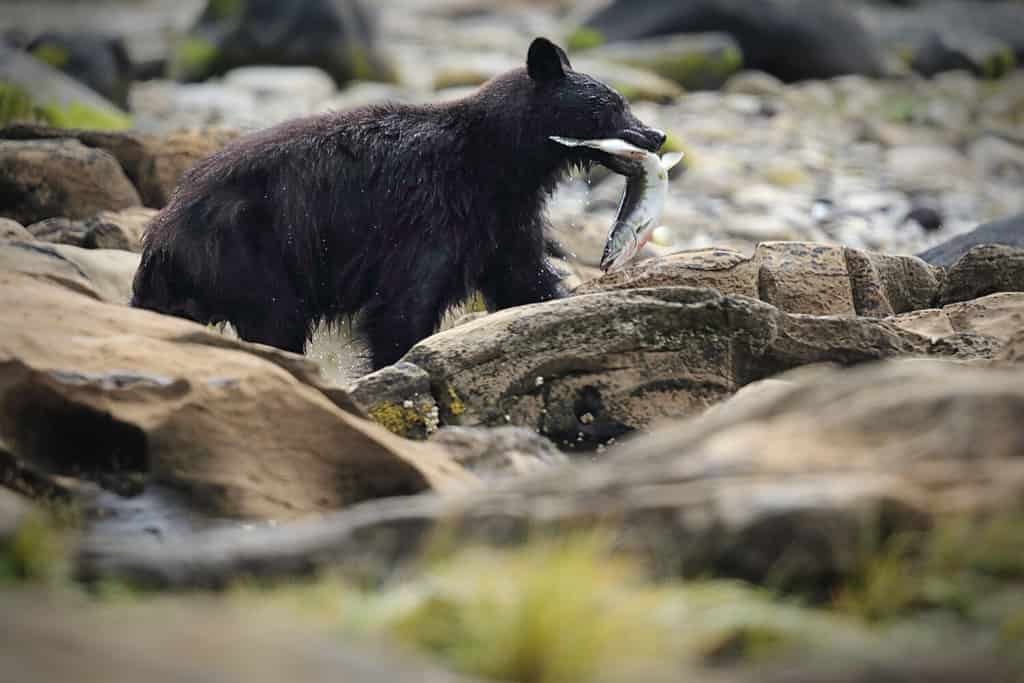
Because Alaska allows for bear hunting in extremely remote conditions, preparation and safety are key. Hunters must be incredibly self-sufficient, capable of backcountry travel, and equipped to process a bear safely in rugged terrain.
Hunters planning a 2025 trip should also finalize their licenses, tags, and transportation well in advance. Air taxis and guides often book up months ahead, especially in premium brown bear regions like Kodiak or the Alaska Peninsula.
Regulations on transporting firearms, meat salvage, and tagging requirements can differ for residents and nonresidents, so reviewing the ADF&G’s official hunting booklet for the upcoming regulatory year is essential. Finally, keep weather in mind, as Alaska can have some extremely unforgiving seasons!
Head to Alaska For a Unique Bear Hunting Experience This Year
©Kelp Grizzly Photography/Shutterstock.com
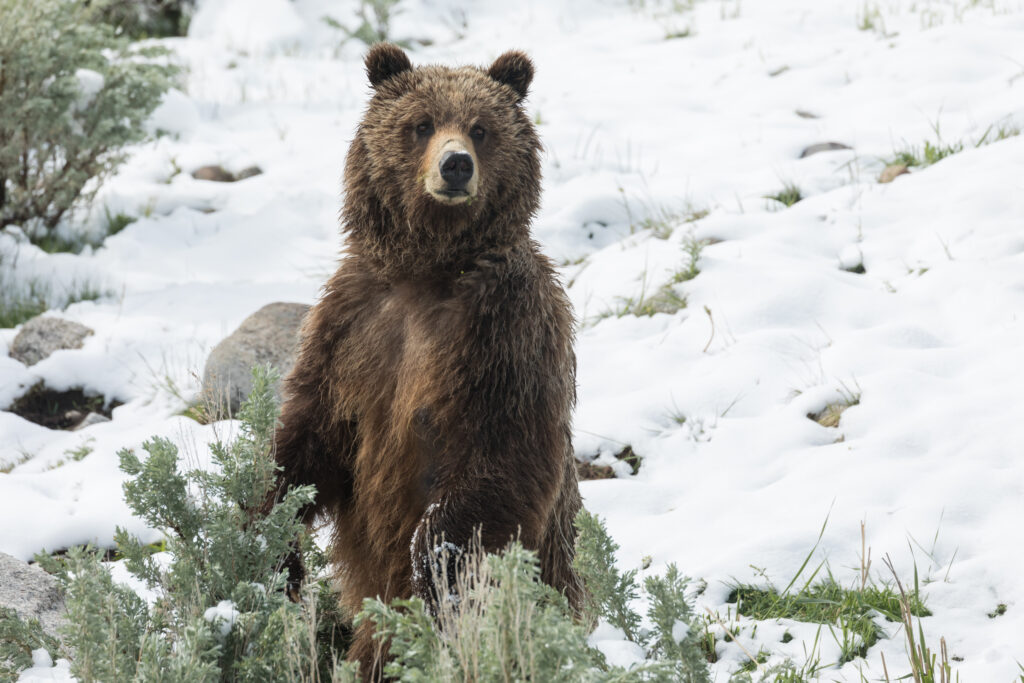
Alaska’s 2025 bear hunting season gives you the chance to hunt in some of the most iconic wildlife habitats in the world. The state is also special in that it provides opportunities to hunt both black and brown bears in landscapes that remain largely wild and unspoiled. For hunters who value challenge and conservation working in tandem, Alaska’s bear season is an experience like no other!