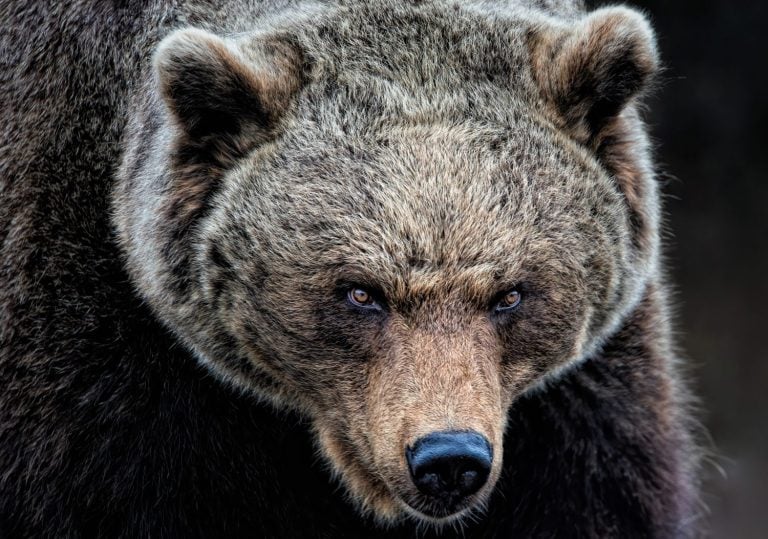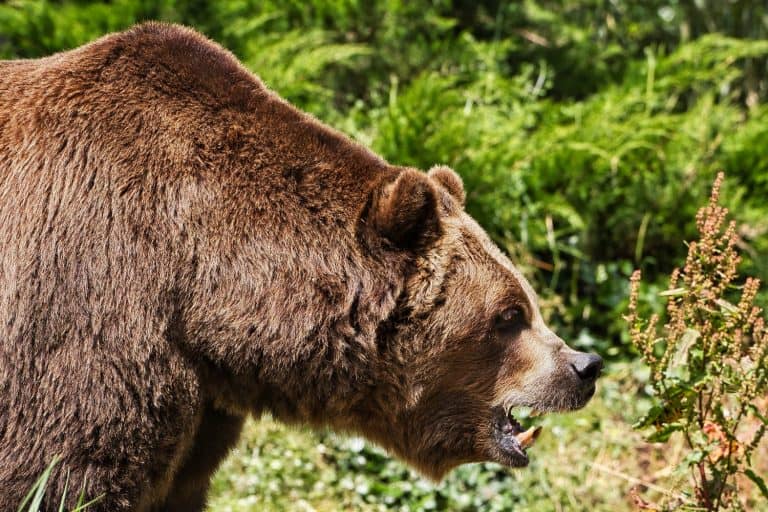

Oregon’s bear hunting season is beginning soon; what do you need to know about it? Rooted in conservation and sustainability, bear hunting in Oregon maintains its popularity and prevalence throughout the state. With spring-controlled hunting opportunities, a long general hunting season in fall, and precise rules for tagging and reporting, the 2025 season has a lot of moving parts.
If you’re interested in bear hunting in Oregon, here’s what hunters, landowners, and wildlife fans alike should know, including when the hunting season occurs, typical conditions, and so much more.
Spring Bear Hunting in Oregon
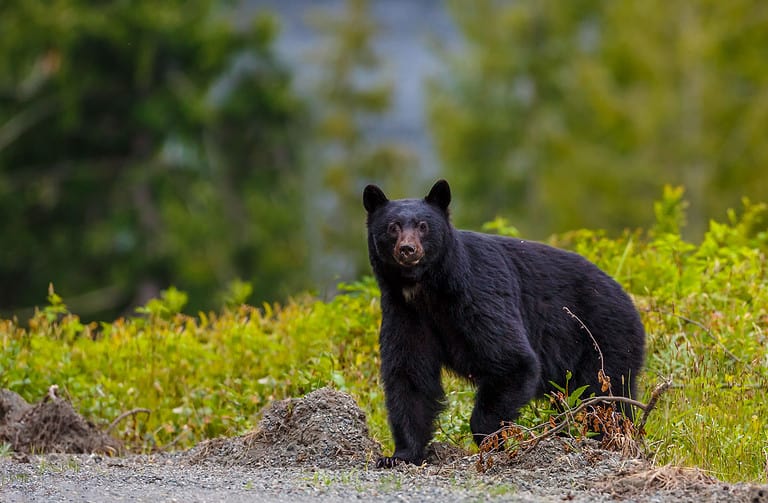
©Mark Caunt/Shutterstock.com
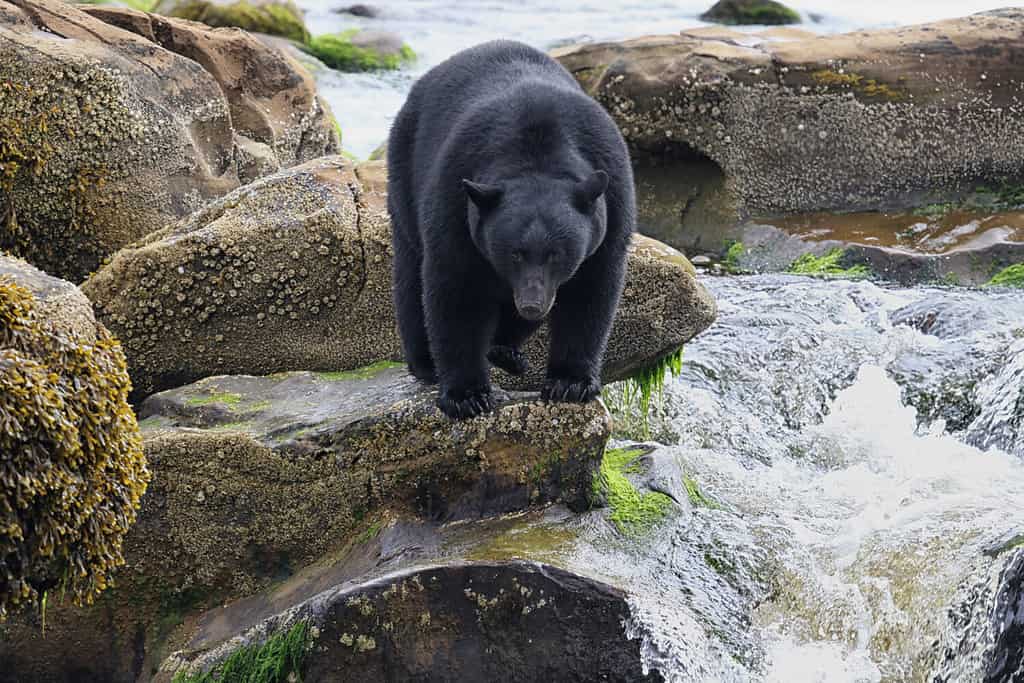
In Oregon, the earliest opportunity to hunt black bears is during the spring bear season, which opens on April 1st and closes on May 31st statewide. This is a fixed window across Oregon, but local conditions like snowpack or road closures may delay practical access in higher elevations, so keep this in mind should springtime be your preferred hunting season.
Biologists and Oregon wildlife managers review the black bears’ habitat, population metrics, and past harvest records to set tag numbers. This year, the Oregon Fish & Wildlife Commission approved a modest 2 percent increase in tags and introduced a new youth-oriented bear hunt area. The Commission is confident that existing harvest levels remain sustainable given Oregon’s current population of about 44,000 black bears.
August to December: The General Bear Hunting Season
©© Getty Images/Stockbyte via Getty Images
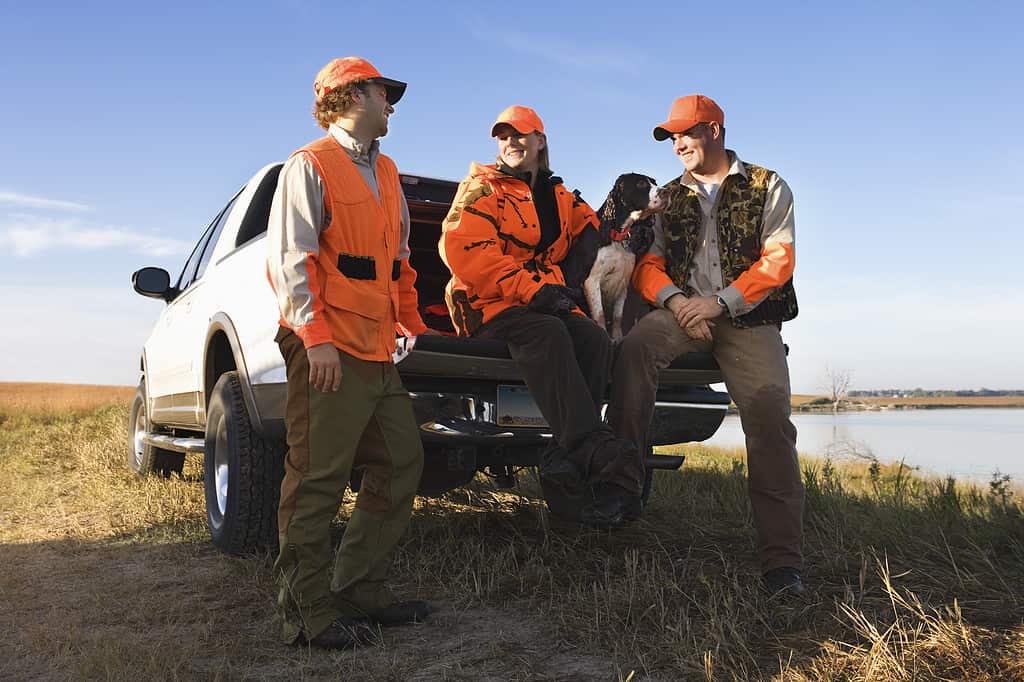
Oregon’s prime fall black bear season opens August 1st and runs through December 31st, which is a generous window compared to many states. Under general regulations, hunters can hunt black bears statewide, subject to tag requirements and reporting procedures.
However, there is a critical deadline: no general season tags will be issued after 11:59 p.m. on October 3, 2025, which means the deadline has already passed for the year.
Tag Rules, Harvest Limits, and Ethical Boundaries for Hunters
©Wirestock Creators/Shutterstock.com
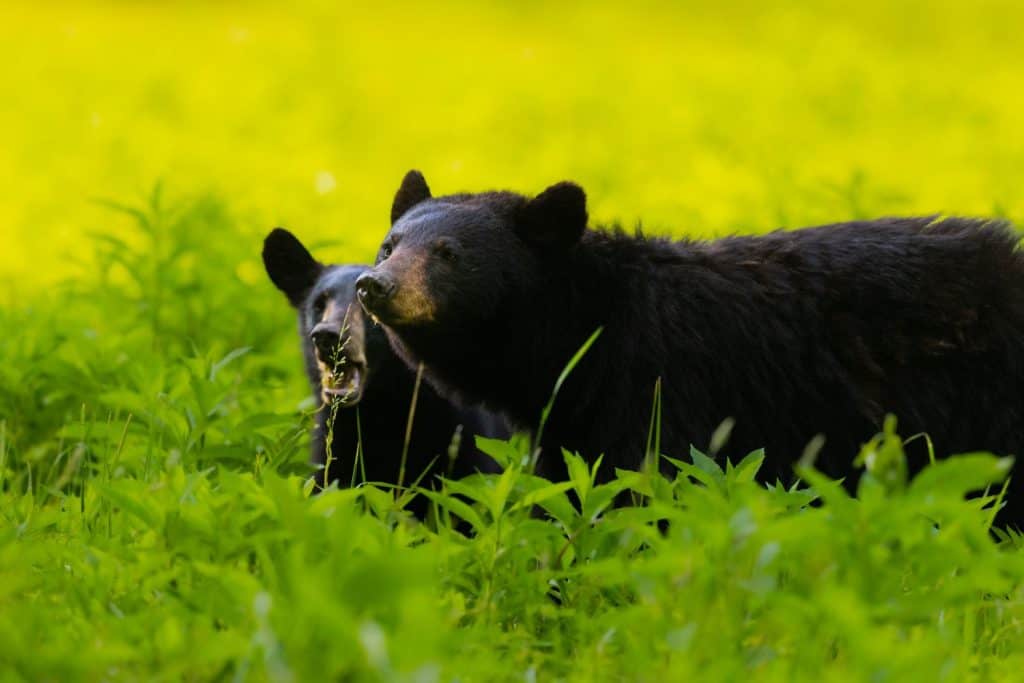
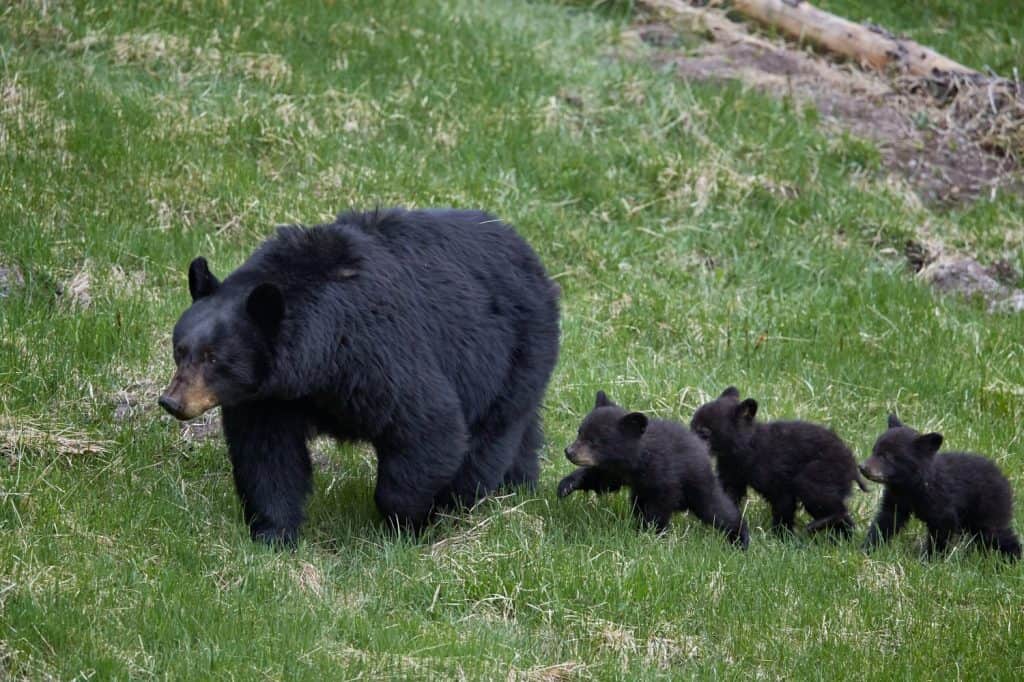
Oregon has strict rules on what constitutes a legal black bear harvest. The bag limit is one black bear per valid tag. It is unlawful to take bear cubs less than one year old or mothers accompanied by cubs under one. A single hunter may legally harvest one bear under a spring controlled tag, plus one bear under a general season fall tag, should they opt to hunt all year.
Baiting bears and using dogs to pursue or hunt bears are both prohibited under Oregon regulations. In certain areas, using a centerfire rifle for bear hunting requires that the hunter also hold an unused or used deer or elk tag. Make sure you understand the ins and outs of Oregon’s hunting season before taking part.
Check-Ins, Skull Submission, and Other Reporting
©splendens / iStock via Getty Images
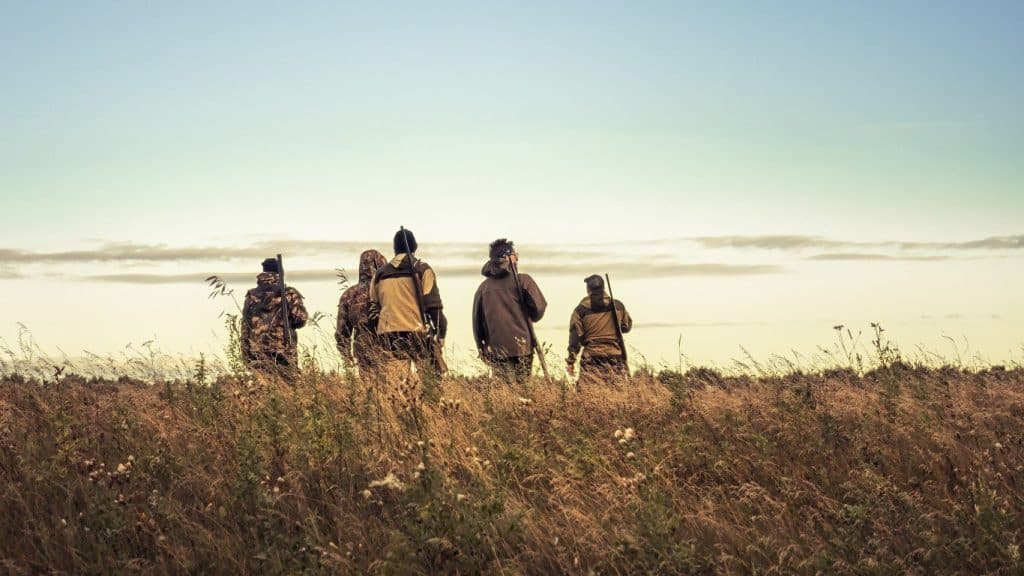
After a successful day of hunting, ODFW requires each hunter to bring the bear’s skull to an ODFW office or designated collection site within 10 days for verification, biological sampling, and marking. Hunters must also provide the date and location where the bear was shot, tag details, and either a completed wildlife transfer form or full hunter/tag documentation at check-in.
Managing the Bear Population: Biology, Debate, and Growth
©Robert Harding Video/Shutterstock.com
Oregon’s bear management is precise, geared to keeping the population healthy. Biologists monitor population trends, harvest mortality, age classes, and habitat conditions to adjust tags issued for the season.
Still, the spring bear hunt has been a lightning rod for controversy within the state as of late. At the September 2024 Commission meeting, thousands of emails and public testimonies centered on whether early-season hunting of bears emerging from dens was ethical.
Where to Hunt and Potential Conditions in Oregon
©Bob Pool/Shutterstock.com
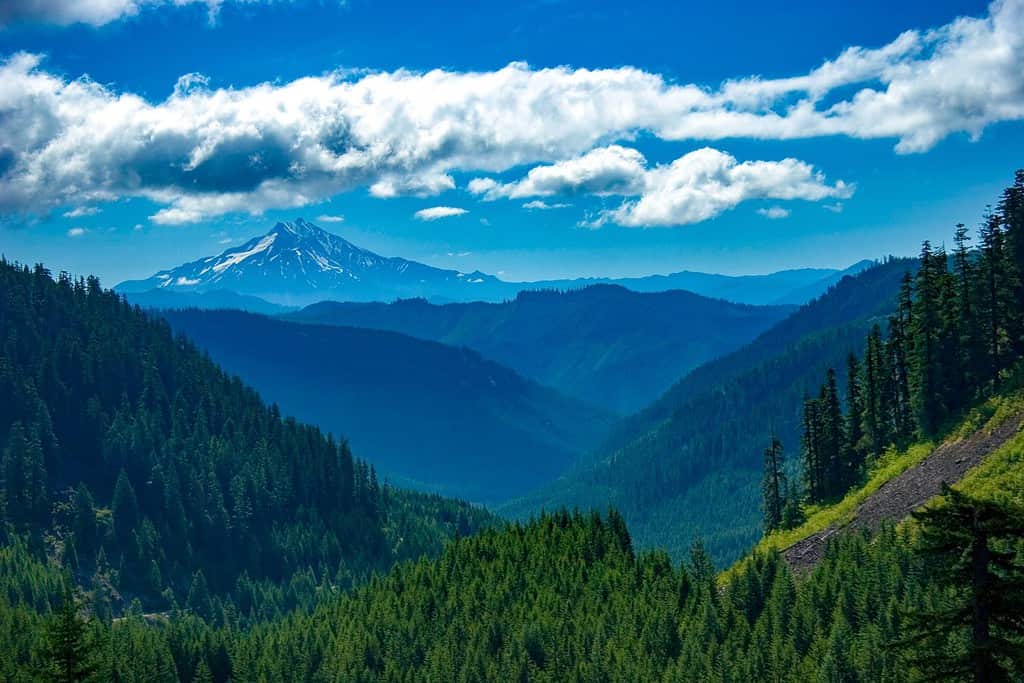
Some parts of Oregon are better for bear hunting than others, especially the Cascades. In spring, lower elevations or south and southwest-facing slopes are prime spots for their populations. In the fall, more bears move and feed widely, so you’ll likely have a better chance.
Weather and access often dictate success, given Oregon’s fickle climate. Early in spring, snowpack and road closures may restrict entry to mountain zones; the same goes for late fall hunts, so be sure to have some backup locations ready. On private industrial forest lands, permission or walk-in access policies vary, so try to contact landowners or industry managers ahead of time.
Why 2025 Matters in Oregon’s Bear Hunting History
©Suzan Johnson/iStock via Getty Images
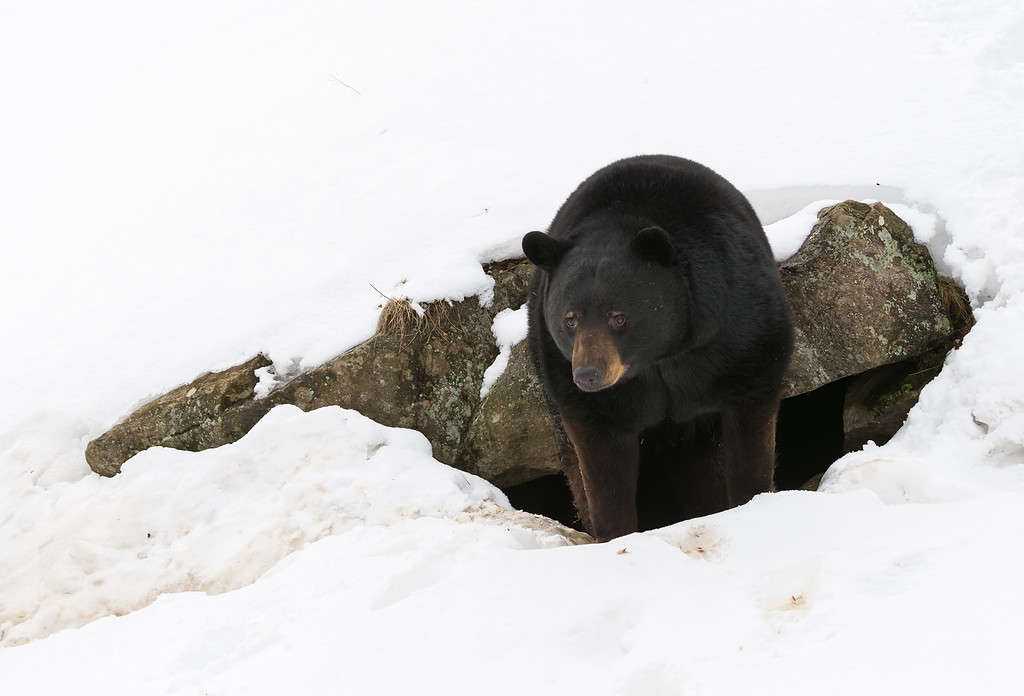
For those considering their first bear hunt in Oregon or seasoned veterans returning to another year of hunting, 2025 offers full seasons, scientific data, and a well-established regulatory framework to keep both humans and bear populations safe. Respect the rules, plan proactively, and let Oregon’s variable weather conditions and locations shape your strategy.
If you want to dive deeper into specific Wildlife Management Units or tag allocation by hunt area, the Oregon Big Game Regulations and ODFW staff guidance remain the state’s definitive resources. Enjoy the season, and be sure to read up on all of the formal requirements before heading out!