Australia has approved the world’s first vaccine to protect koalas from chlamydia, a disease that causes infertility, blindness, and death in the endangered marsupial. Developed over a decade by researchers at the University of the Sunshine Coast, the single-dose vaccine has been shown to reduce chlamydia symptoms and mortality in wild populations by at least 65%. With approval from Australia’s veterinary medicine regulator, it will now be available in wildlife hospitals, veterinary clinics, and in the field, offering hope for struggling populations in Queensland and New South Wales, where infection rates often exceed 50%.
This vaccine is undoubtedly wonderful news for cuddly koala bears; However, these beloved animals are facing serious challenges beyond chlamydia. Environmental changes, including habitat loss and disease, have severely reduced populations. In some areas, they have been described as functionally extinct, although this opinion is not universal. Let’s take a close look at what functional extinction actually means, where their numbers are most depleted, and what is being done to try to save them.
This post was updated on September 14, 2025 to include details of the new koala chlamydia vaccine.
Life in the Trees

©Ursula Plogmaker/Shutterstock.com
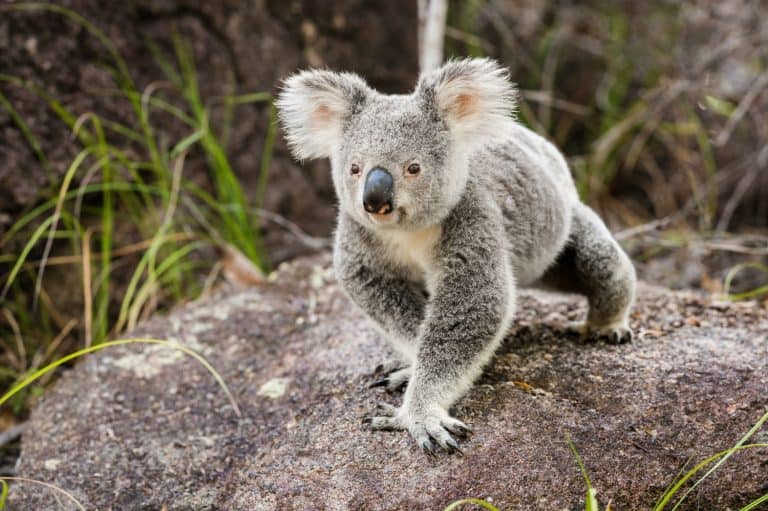
Koalas have adapted for an arboreal life – they live in trees. They are great at balancing and have long, strong limbs that can support their body weight when climbing. Their paws are also adapted for climbing with rough pads and strong, sharp claws for gripping. Their thick fur protects them from extremes in temperature and is also waterproof.
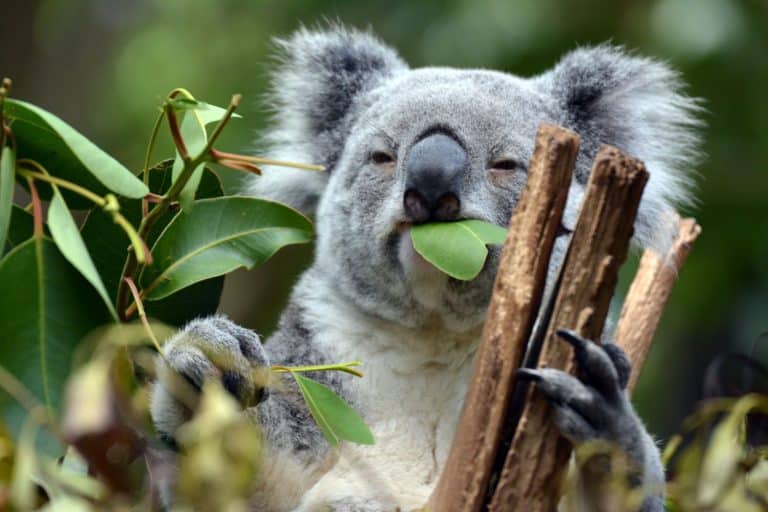
When it comes to diet, koalas are extremely fussy. They primarily feed on eucalyptus leaves. Thanks to some specialized bacteria in their gut, their bodies can digest the tough fibers and break down the toxins in the leaves. Just any eucalyptus plant is not good enough, however! There are over 600 types of eucalypts, but koalas will only eat a fraction of these. Different koala populations have preferences for particular species of eucalyptus, and the plants must be growing in fertile soils. This probably reduces the toxicity of the leaves. In any given area, the local koalas will feed on up to three eucalypt species, and these are designated as their “primary browse trees” by experts.
Koala populations will only thrive where a suitable woodland habitat is available to them. They must have plenty of primary browse trees growing on suitable soils with enough rainfall, and they need to be with other koalas.
What Is Functional Extinction?
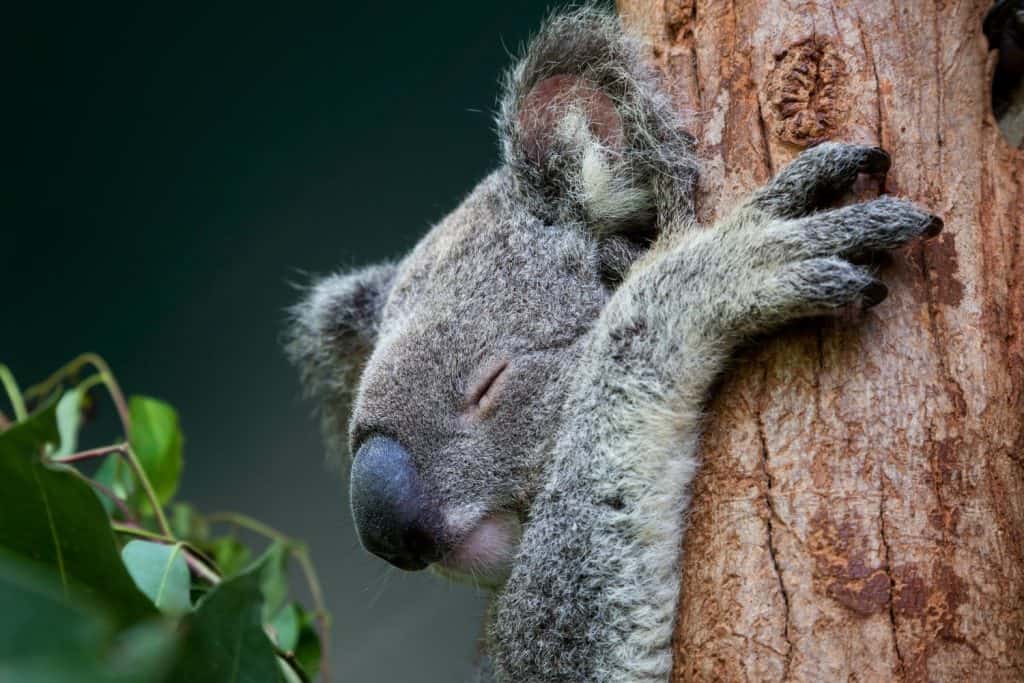
There is controversy over whether koalas are functionally extinct.
©Picture Partners/Shutterstock.com
There are two types of extinction. True (also called numerical) extinction is where there are no members of a particular species left. Functional (also called ecological) extinction is where a species is so rare that it is no longer fulfilling its ecological and interactive function in a given ecosystem. This is why a given species, such as the koala, can be functionally extinct in some areas but not in others. The implication is that the population is too low to recover in numbers and that genetic diversity is too low for the population to be viable. They may face challenges in these areas that are not such devastating a problem in others.
However, labeling some koala populations as functionally extinct is not without controversy. In 2019, the term was used by the Australian Koala Foundation to draw attention to the plight of this species and rally support for them. Shortly afterwards, academics from the University of Sydney expressed their concerns that the label could actually damage conservation efforts by implying that there was no point in launching conservation efforts because it was already too late. They argued that the focus should be on research-based management strategies.
Estimating Koala Populations
Knowledge about the true status of koala populations is incomplete. They have a wide distribution and are difficult to spot in the wild, so recording accurate numbers is not easy. Yet, this data is essential if the true status of population losses and recoveries is to be accurately recorded. The National Koala Monitoring Program was launched by the Australian Government Department of Climate Change, Energy, the Environment and Water with $10 million in funding. It is a collaborative program that includes citizen science, innovative statistical modelling, and on-ground surveys.
As of March 2024, the population estimate for Queensland, New South Wales, and the Australian Capital Territory was between 95,000 and 238,000. The Threatened Species Scientific Committee (TSSC) estimated the population over the same areas to be 92,184 koalas in 2021.
Academic opinion is that the populations in Victoria and South Australia are stable. However, the populations in Queensland and NSW are threatened. In February 2022, the koala populations of Queensland, New South Wales, and the Australian Capital Territory were uplisted from ‘vulnerable’ to ‘endangered’ under the Environment Protection and Biodiversity Conservation Act 1999 (EPBC Act).
Challenges Faced by Koala Populations
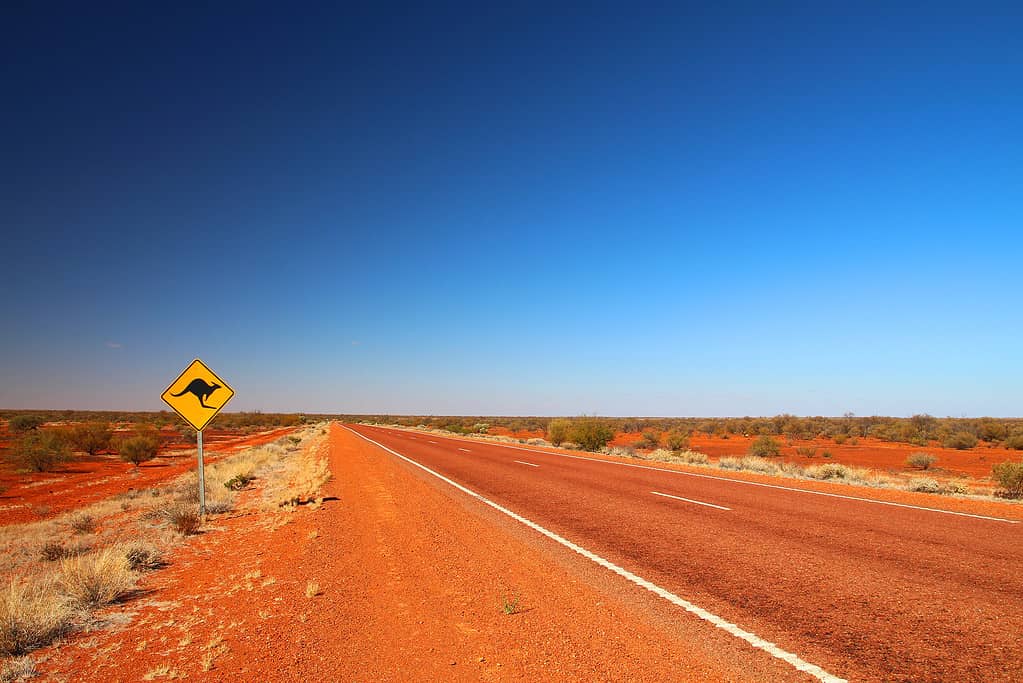
Roads can fragment koala habitats.
©Totajla/iStock via Getty Images
Before anything can be done to reverse the decline, the complex challenges facing koala populations must be identified and understood. A combination of factors has contributed to the threats currently faced by koalas. Here are some of their main challenges.
Habitat Loss
Land occupied by koalas is being destroyed, degraded, and fragmented. Areas of koala habitat are being cleared for humans to use for housing, mining, forestry, agriculture, and infrastructure such as roads and powerlines.
To make matters worse, when forests are cleared or disturbed, dieback can occur. This is where small patches of forest are left isolated and simply die off. It is caused by a combination of land degradation, leaching of soil, changes in vegetation composition, and rising water levels.
Injuries Inflicted by Vehicles
Roads do not just destroy and fragment habitats; they are also the cause of direct injuries in vehicle collisions. After the loss of habitat, road deaths are the next major threat to koala populations. A study published in 2024 reported that koalas were most likely to get hit on roads near high-quality koala habitats and poor driver visibility. When roads fragment their habitats, koalas have to travel more frequently to find food and spend more time on the ground where they are most likely to get hit by a vehicle. Deaths also occur more frequently during the breeding season when males are moving around more.
Injuries Inflicted by Dogs
Koalas are hunted by wedge-tailed eagles, owls, foxes, and dingos. They are also killed by feral cats and by pet dogs. Young koalas are most likely to be attacked. However, during the mating season (between August and February), male koalas spend more time on the ground as they search for a mate. This makes them vulnerable to attack by pet dogs. Dog attacks are the third most common cause of koala deaths. Most attacks are recorded in backyards and at night. Attacks are also more likely in multi-dog households.
Disease
A bacterium called chlamydia can cause disease in many species of mammals, including koalas. Whilst ancient chlamydia strains have likely infected koalas for thousands of years, the strains currently causing them a problem were probably introduced into Australia by European agricultural livestock. The ‘new’ strains are more virulent and can cause conjunctivitis, pneumonia, urinary tract infections, reproductive tract infections, and infertility. Koala populations that are already under stress and where genetic inbreeding is taking place will suffer the most. Red and inflamed eye tissue is the most common first sign of a chlamydia infection in koalas.
Furthermore, Koala retrovirus (KoRV) is a major threat to koala health and conservation. It is a gammaretrovirus that may suppress the immune system and trigger neoplastic (cancerous) conditions.
Climate Change
In western Queensland and New South Wales, there are significant environmental challenges for koalas caused by climate change. These include changes to eucalyptus tree structure and chemistry, and a reduction in the range of eucalyptus species. Droughts are more frequent and intense, as are wildfires. There are changes to average temperatures, rainfall, and humidity.
What Is Being Done?
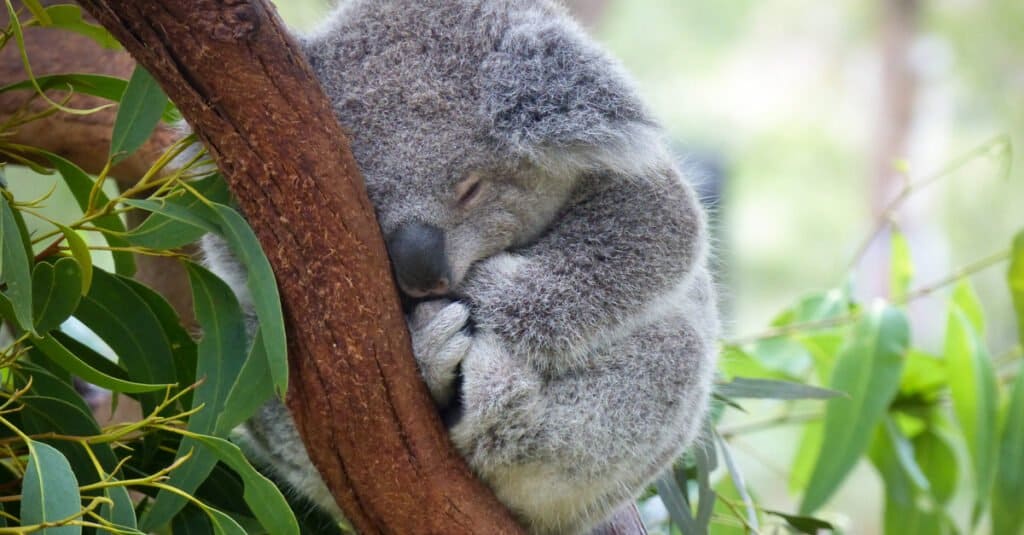
Habitat regeneration and protection are needed for koalas.
©Richard A Wall/Shutterstock.com
Koalas are resilient little creatures, and if you give them a chance, their populations will recover. There is a lot that can be done to control the human-driven factors that are contributing to their decline. The Australian government has formulated a National Recovery Plan for the koalas. It contains plans for both research and management actions necessary to stop the decline and support the recovery of endangered koala populations.
The plan supports community-led projects that are improving the extent, quality, and connectivity of koala habitats and reducing threats. It also seeks to increase understanding and management of koala disease. Koala hospitals are being expanded, and investments are being made in chlamydia vaccines. Large-scale koala habitat restoration and protection projects are also underway. At a more personal level, there is guidance available for dog owners on how to prevent koala attacks by dogs in backyards. It is hoped that all the above will soon result in a population recovery.