Threatened or endangered species are brought into captivity in an effort to prevent their extinction by encouraging breeding in a safe habitat. As the species begins to recover, the goal is to return healthy members of the population to the wild, in hopes they can thrive in their traditional environments.
Unfortunately, while captivity can keep a species’ population from declining further, there are some drawbacks to taking animals out of the wild. For example, recent discoveries about the impact of captivity on endangered bears and pandas reveal concerning news for all species involved.
How Captivity Impacts Panda and Bear Gut Health
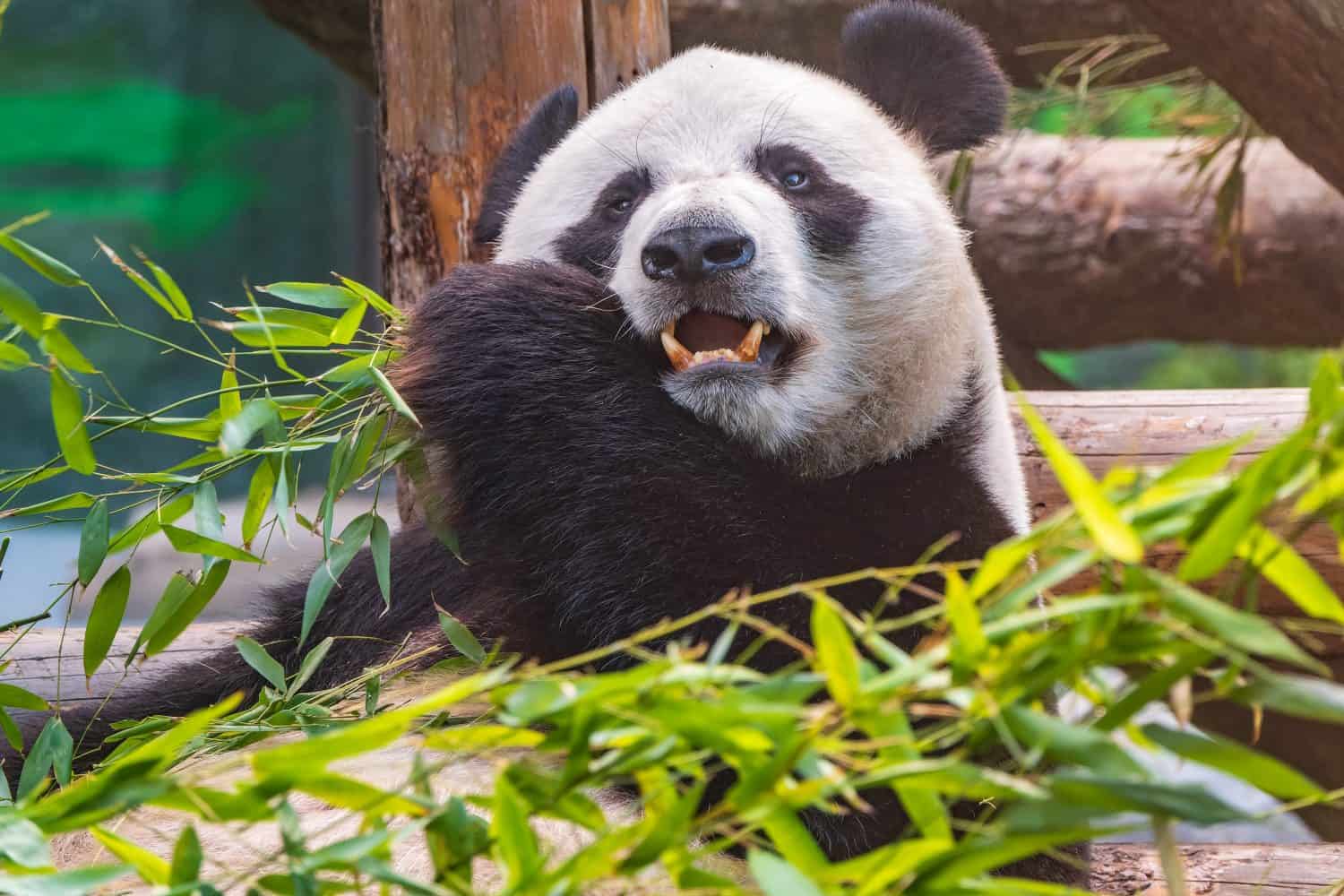
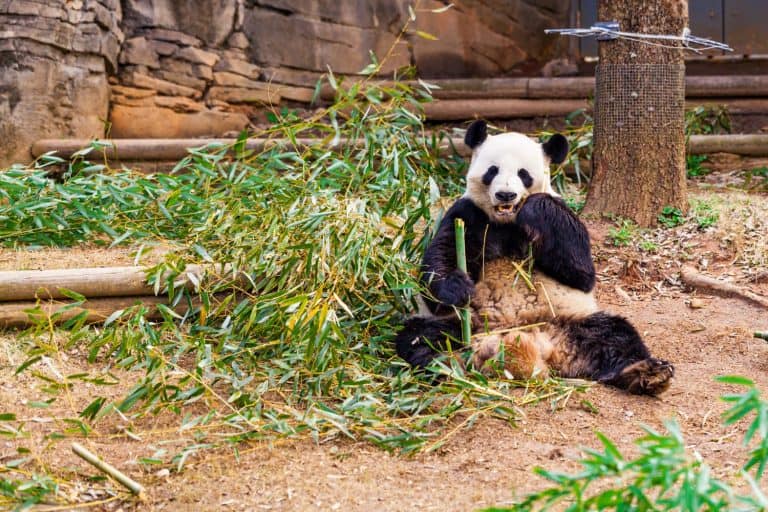
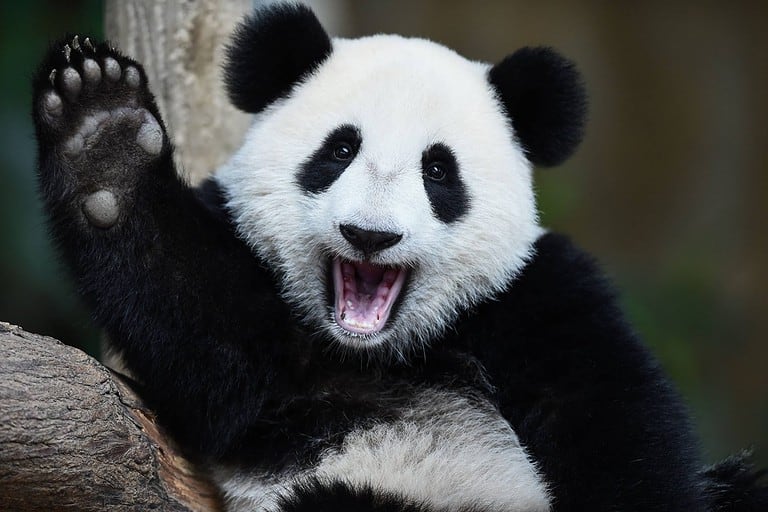
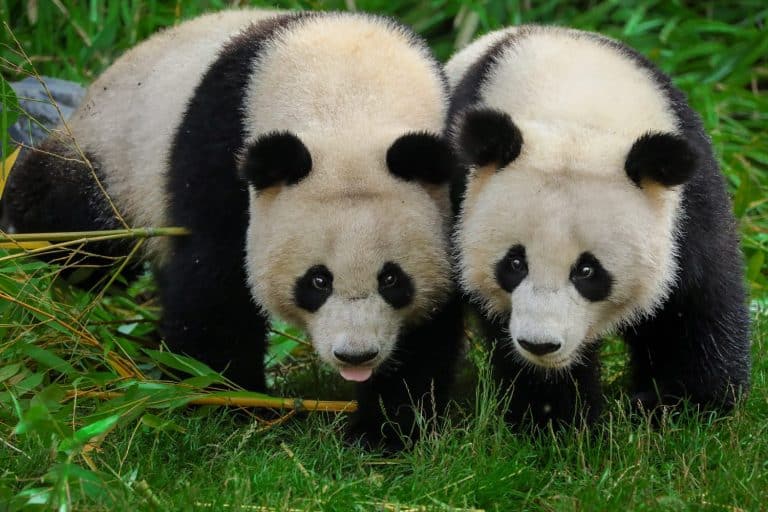
Giant panda bears in captivity have a very different gut microbiome from those who live in the wild.
©Dark_Side/Shutterstock.com
Giant pandas, red pandas, and Asiatic black bears have been brought into captivity in increasing numbers in hopes of keeping the species from going extinct. The current conservation status for the pandas and bears is:
| Species | Conservation Status |
| Giant Panda | Vulnerable |
| Red Panda | Endangered |
| Asiatic Bear | Vulnerable |
The goal is to maintain genetic diversity as the population grows, ensuring that future generations of giant pandas, red pandas, and Asiatic bears remain healthy and continue to produce robust lineages. According to a new study published in PLOS One, despite efforts to recreate the habitats where these animals live in the wild, pandas and bears are missing a crucial element necessary for their success. That element, per the study, is gut microbiome diversity.
The gut microbiome is home to trillions of microorganisms, some good, some bad, that play a role in digestion, metabolism, and the overall health of an animal. In captivity, each species experienced changes in its gut microbiome: giant pandas saw a decrease in bacterial diversity, while red pandas and Asiatic bears saw an increase. However, all three species had higher levels of Firmicutes and lower levels of Proteobacteria. This was blamed on a diet high in starches and sugars that is common for animals in captive environments.
Would these animals have had these changes occur in their gut microbiomes in the wild, or was it strictly because of their captive environment? Scientists concur that captivity was to blame.
Effects Shown in Three Species
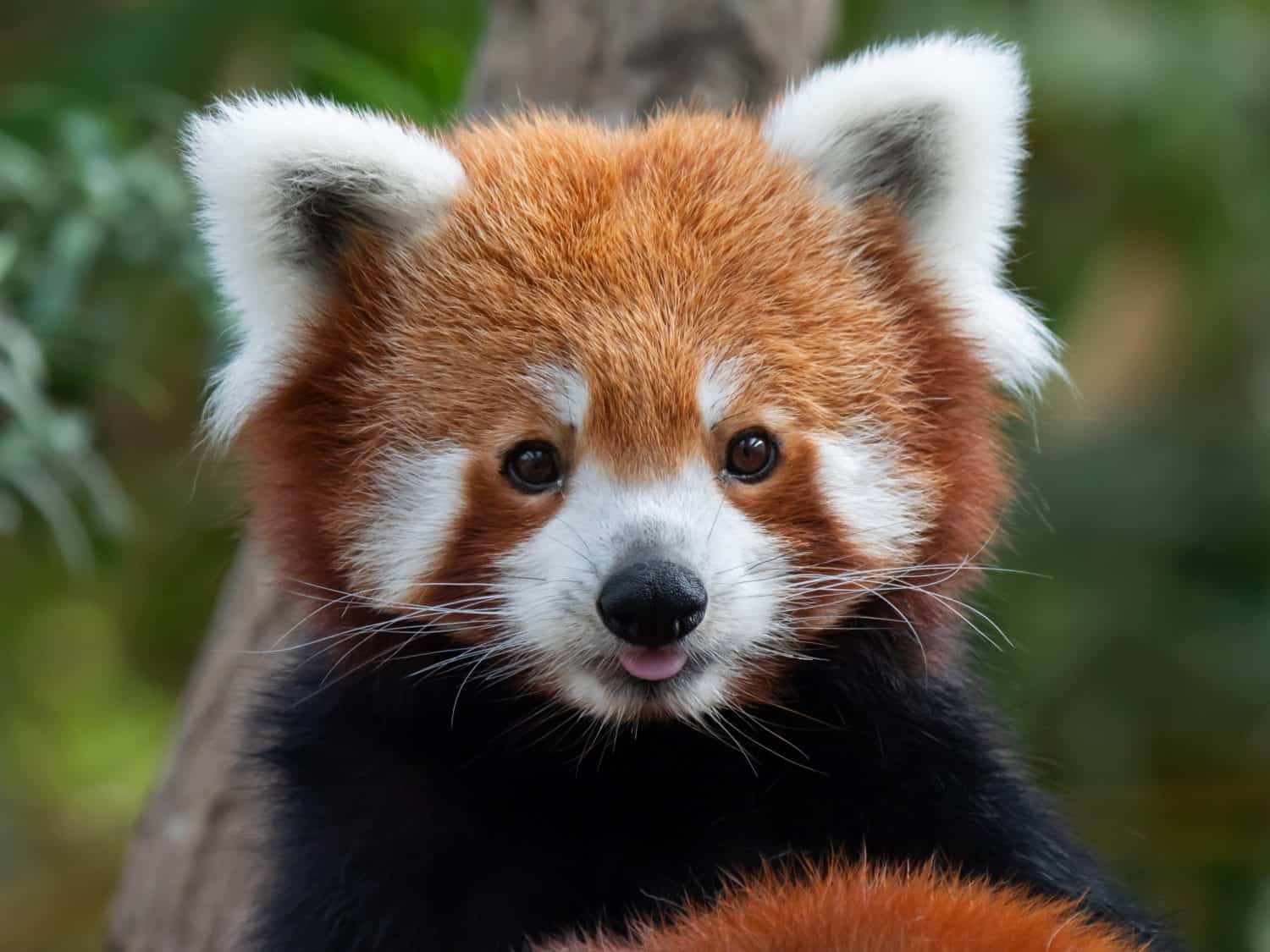
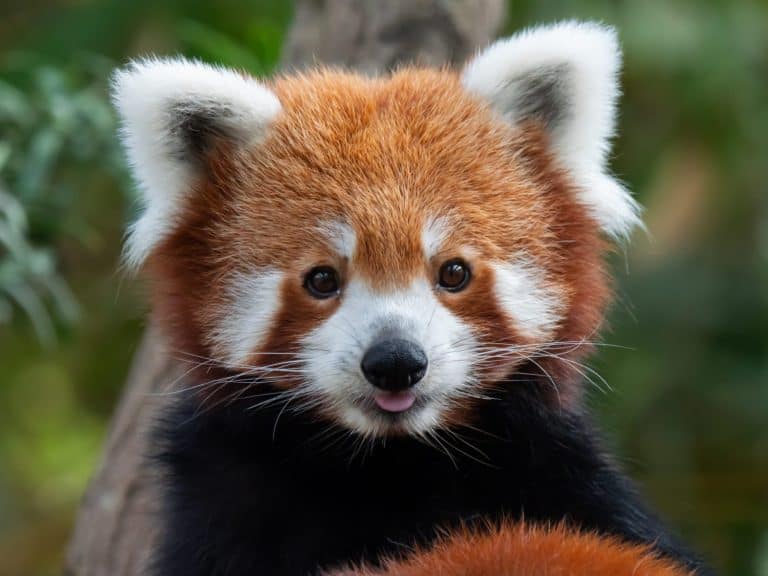
Red pandas, Asiatic bears, and giant pandas have a similar gut microbiome in captivity that would never occur in the wild, given the different geographic regions they live in.
©Hyserb/Shutterstock.com
Data from excrement tests made it clear that captivity was solely responsible for the shift in the gut microbiome. Because giant panda bears were unable to forage for bamboo as they would in the wild, they had to rely on their handlers providing them with freshly harvested bamboo. If sufficient bamboo was not available to satisfy the pandas, it was either reduced or replaced with other food sources. This led to a decreased gut microbiome diversity.
However, because both red pandas and Asiatic bears are omnivores, they have a wider variety of foods they can consume. As new foods were introduced to them, their gut microbiome expanded with different bacteria that would never have been present in the wild.
Interestingly, as the three species lived in captivity, their gut microbiomes became more similar, even though in the wild, they inhabit different geographic regions and would not share similar gut microbiomes. The changes in these animals, according to the study, are entirely because the giant pandas, red pandas, and Asiatic bears included in the research were in captivity. Scientists also discovered an increase in harmful gut bacteria, which could negatively affect bears and pandas when they are released back into the wild.
Harmful Bacteria Increased in Bears and Pandas in Captivity
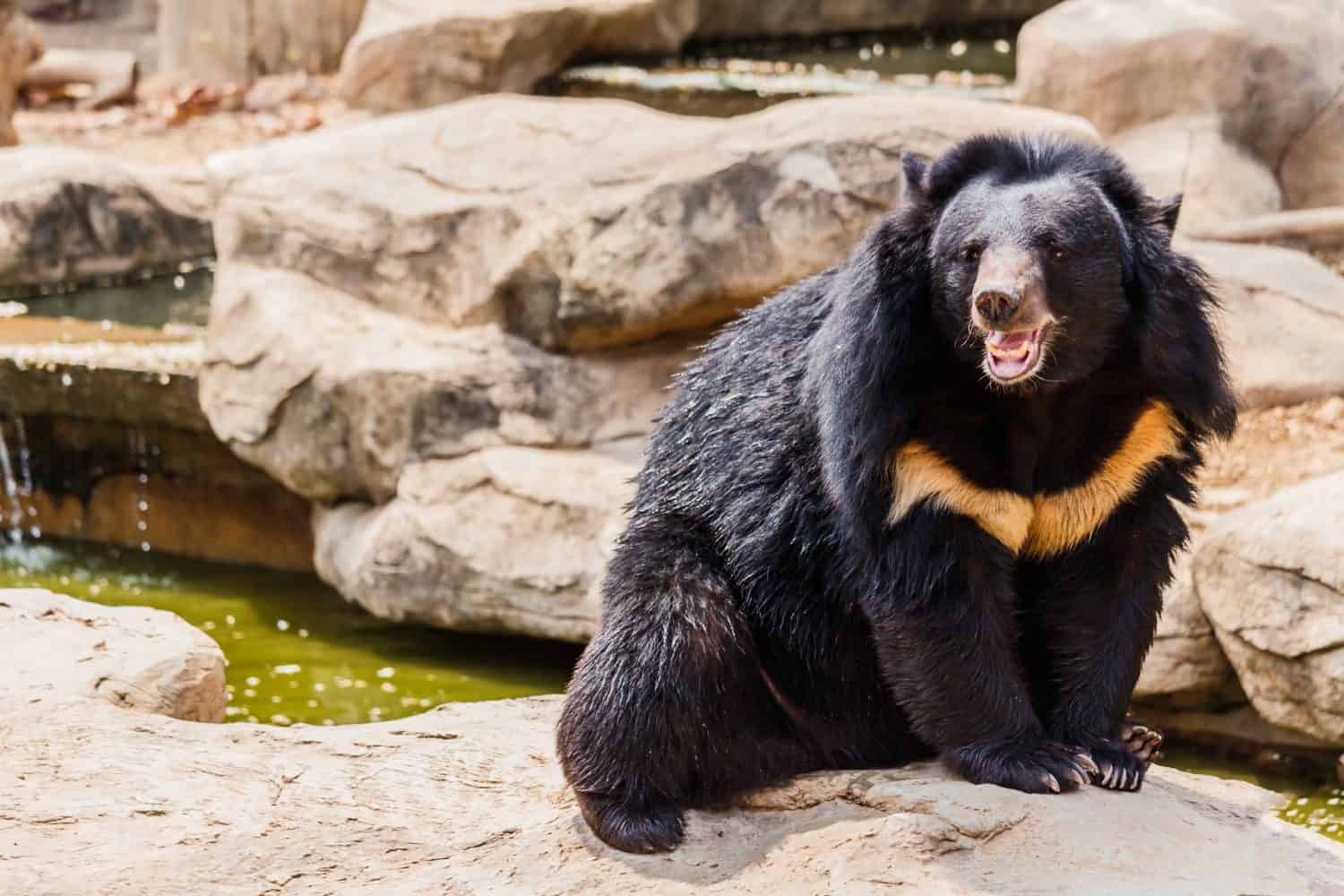
Asiatic bears, red pandas, and giant pandas were found to have higher levels of harmful bacteria in their gut when living in captivity.
©sanpom/Shutterstock.com
In addition to the gut microbiome changing in captivity from that of what it is in the wild, it was also discovered by scientists that some of the bacteria present in the captive pandas and bears were harmful. The bacteria discovered in the feces of the Asiatic black bears, giant pandas, and red pandas were Streptococcus and Escherichia–Shigella. Both of these bacteria, when in abundance, can cause illnesses in the pandas and bears. The extent to which is still somewhat unknown. However, for a group of black bears who were found to have large amounts of Streptococcus in their stool, they had symptoms that included:
- Respiratory issues
- Pneumonia
- Lethargy
Unfortunately, two of the infected bears died. Bears tend to be very robust animals that are capable of surviving with different types of bacteria in their guts. But a 2015 study found that when wild giant panda bears had an abundance of Streptococcus and Escherichia–Shigella in their guts, there was significantly less room for the bacteria that help to break down the cellulose in bamboo.
Despite pandas eating large portions of bamboo daily, their guts are still programmed to be carnivores rather than vegetarians. When the bacteria present to break down the bamboo are decreased, the pandas get even less nutrition out of the bamboo. With there being little nutrition to begin with, this is problematic.
If wild pandas and bears are exposed to Streptococcus and Escherichia–Shigella, releasing captive ones into the wild with these bacteria already present puts them in a situation where survival becomes even more challenging. Given the vulnerable and endangered status of these animals, scientists are calling for conservation efforts to change to ensure the giant panda, red panda, and Asiatic bears can be successful in the wild.
What This Means for Conservation Efforts
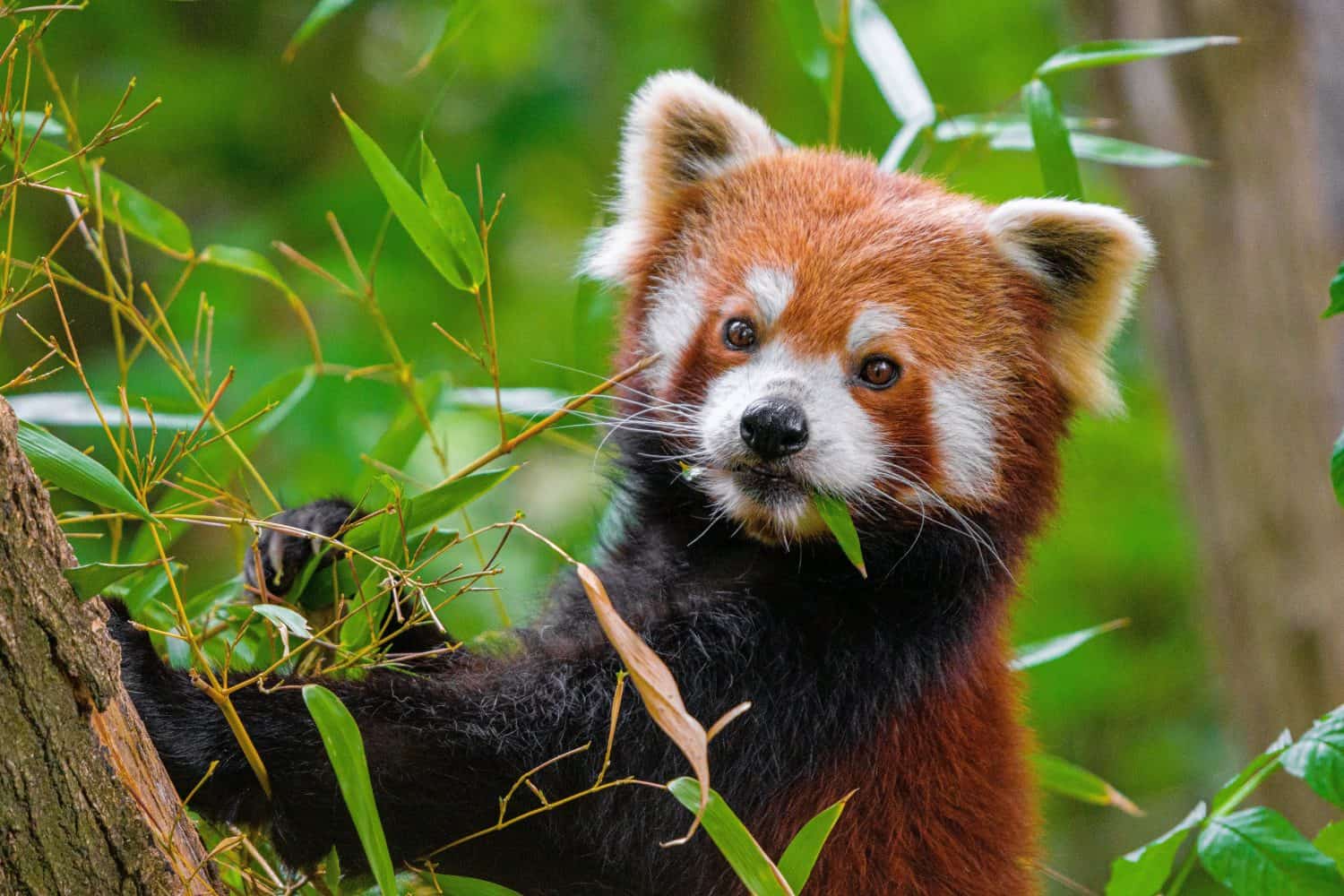
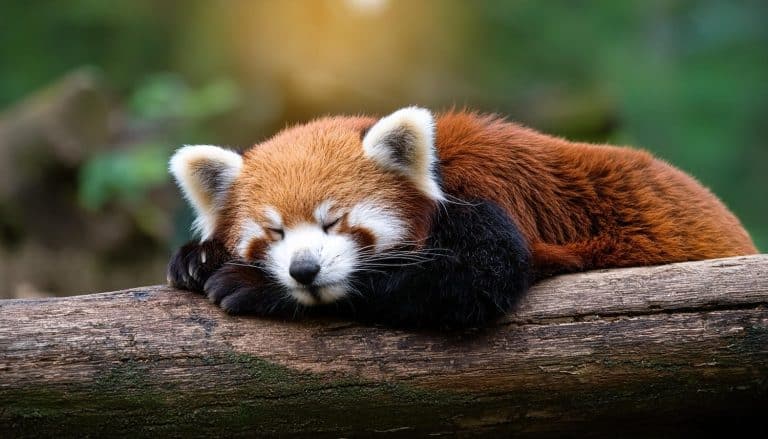
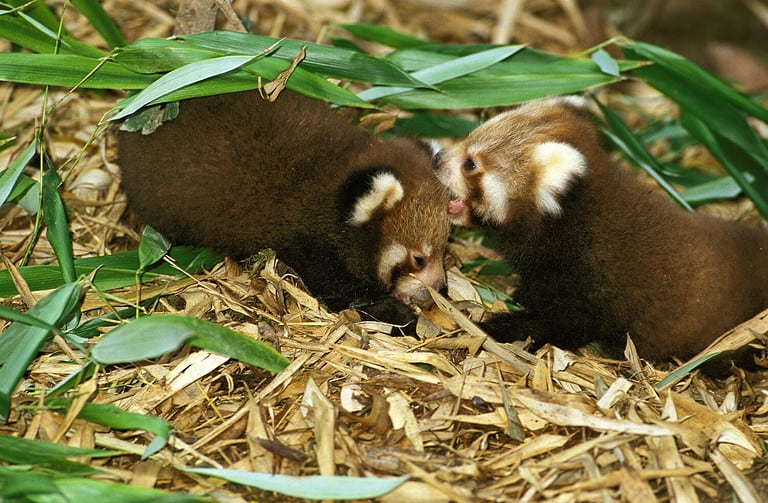
Endangered red pandas are already at a disadvantage when released back into the wild with altered gut microbiomes.
©aktarulislam068/Shutterstock.com
To conserve species, they are often brought into captivity. This allows endangered animals a chance to preserve their species in a controlled environment that, hopefully, keeps them from going extinct. Caretakers ensure the animals are in the best health possible and provide the animals with opportunities to breed in hopes of increasing the population.
In the case of the giant pandas, red pandas, and Asiatic black bears, bringing them into captivity may actually backfire when it comes to the conservation of these species. This is because the change in gut health, which protects the animals when they live in the wild, no longer exists. Consequently, according to the study, if pandas or bears are reintroduced to their native environments with the altered gut microbiomes developed in captivity, their chances of becoming ill or worse are significantly increased.
The discovery of the change in the gut microbiome for captive animals versus wild ones is a wake-up call for those working to save species on the verge of extinction. Captive environments may prevent extinction, but they do not guarantee successful reintroduction into wild habitats. Therefore, scientists are calling for an overhaul of captive environments to prevent changes in gut microbiomes.
Additionally, probiotics that help protect the wild gut microbiome are also encouraged so that when the time comes for reintroduction, wild animals are healthy. Species on the brink of extinction already have the cards stacked against them. Ensuring their bodies are equipped to digest native foods removes one obstacle on their path to population recovery.