
Quick Take
- Evidence from camera footage and researchers confirms 56 species relied on specific underground infrastructures for post-fire survival, namely wombat burrows.
- Entrances measuring only 19 cm high create significant physical barriers for larger species seeking emergency shelter, but this size keeps smaller species safe.
- While wombats didn’t lead other animals to their burrows, the mere presence of them offered safety and vital resources for multiple species.
- Systematic camera monitoring during the recovery phase was essential to confirm active burrows, as well as the activity happening within these burrows.
During Australia’s 2019-2020 Black Summer bushfires, wombats made headlines as much as the firefighters. In fact, multiple wombats were observed supposedly herding other animals into their own burrows to save them.
While researchers and fact-checkers found no evidence of wombats actively escorting other species underground, the viral claim held some truth. Wombat burrows are known to persist through wildfires, and other animals do use them when the landscape aboveground becomes too exposed or risky.
Because wombats dig long-lasting burrow systems that can remain functional after severe fire, they became heroes during this season. In fact, researchers proved that burrow sites consistently draw wildlife activity in burned landscapes, with cameras capturing animals using burrow areas for shelter-related behaviors and safety.
This is the story of the wombats and burrows involved in Australia’s 2019-2020 fire season, and how these unassuming marsupials became front page news.
Wombats and Burrows: Research Versus Viral Claims
The most important place to begin with a story like this is with clear research as opposed to any viral claims circulating online.
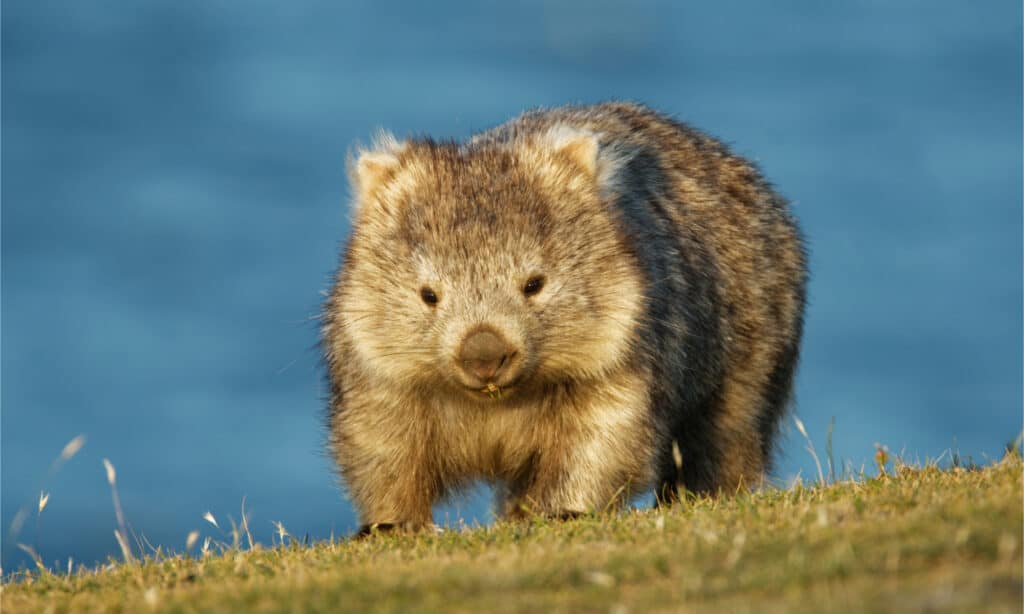
The unassuming common wombat builds burrows with vast networks and areas of safe harbor that other species use in emergencies.
©Martin Pelanek/Shutterstock.com
The clearest evidence for burrows used as refuges comes from work focused on the common wombat (also called the bare-nosed wombat, Vombatus ursinus). In the Journal of Mammalogy, a study took place in southeastern Australian eucalypt forests in New South Wales, including Woomargama National Park and adjacent state forest, areas that were affected by the 2019-2020 Black Summer fires.
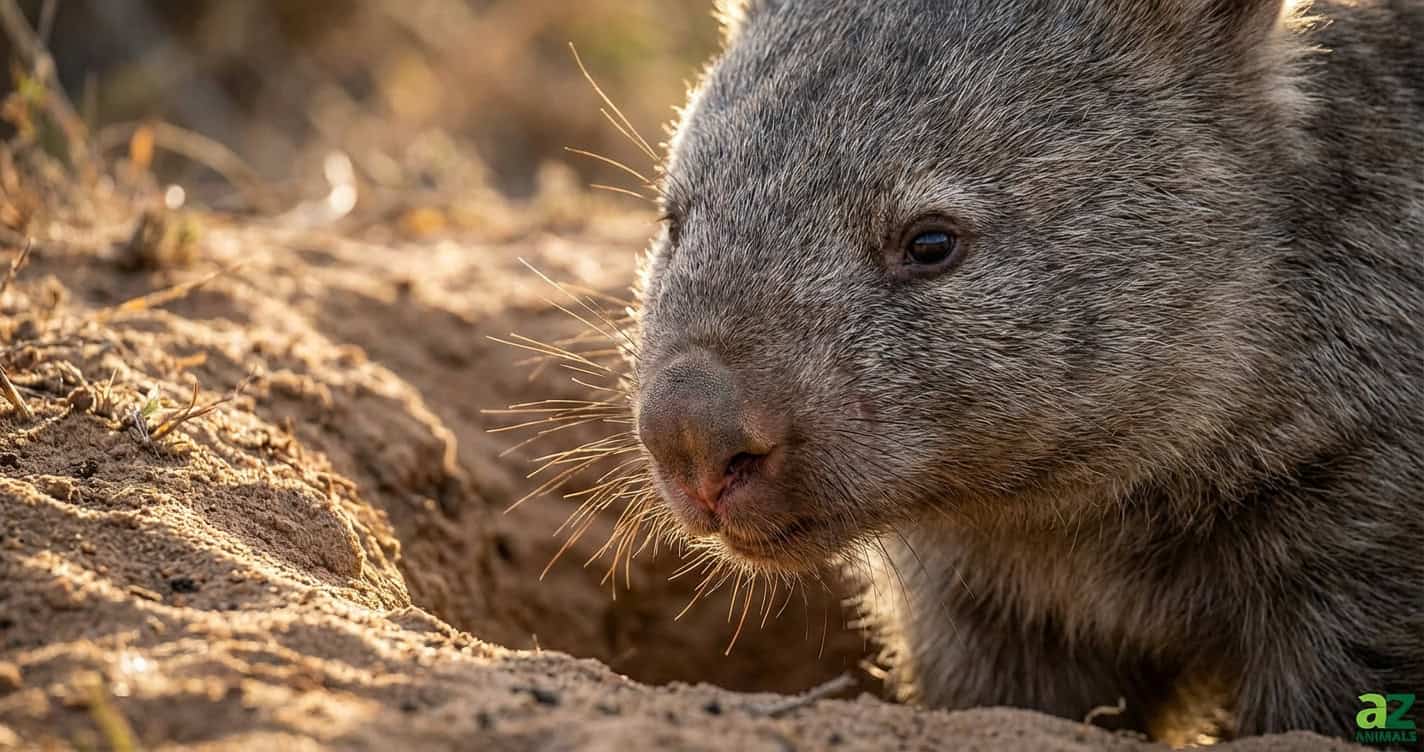
The burrows that were studied were substantial structures, deep and complex networks that can include multiple entrances and chambers. Studies report average entrance dimensions at their sites of roughly 19 cm high and 23 cm wide, which means a range of species can interact with them in different ways.
This study links its landscape history to the Black Summer period, but the camera monitoring of burrow use by wildlife was conducted later, from June 2021 to April 2022, well after the 2019-2020 fires. This distinction is important: the footage uncovered isn’t from the moment flames arrived, but after, which is evidence of how wildlife used these underground infrastructures in the long, exposed period following wildfires.
Why Wombat Burrows Function as Fire Refuges
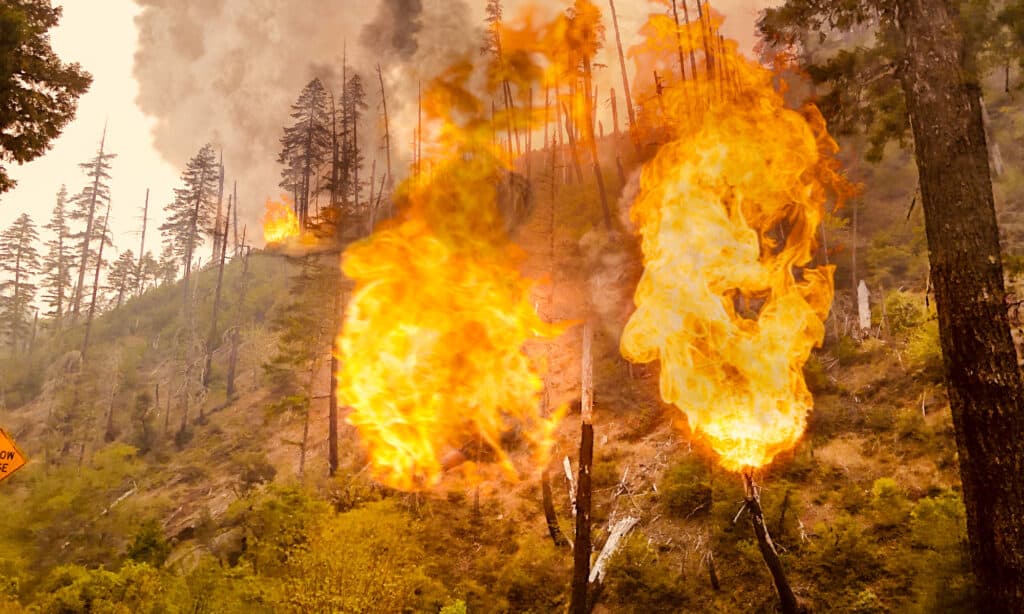
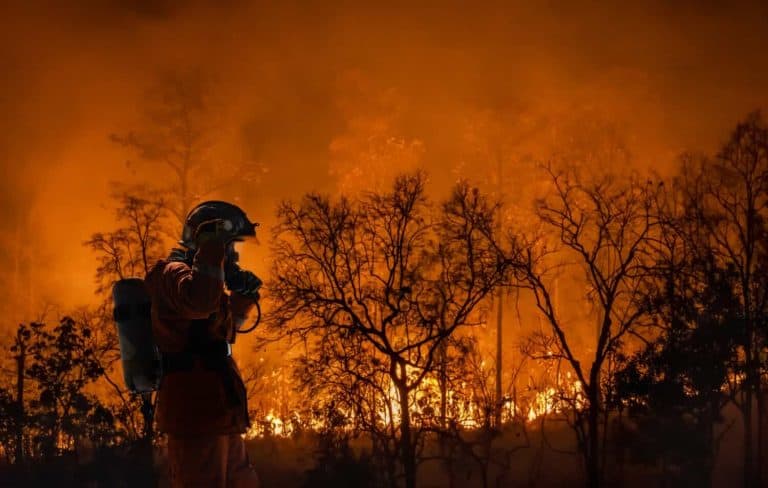
Wildfire activity in Australia is common in summertime, making wombat burrows vital for species in need of protection.
©iStock.com/MichaelPenhallow
Just because camera footage of other animals using wombat burrows came out after the fires, it doesn’t mean they weren’t vital to saving these species. In fact, these three features make wombat burrows especially relevant and useful after severe wildfire scenarios:
- Underground buffering. The conditions belowground tend to be more stable than what’s happening on the surface, with wombat burrows acting as engineered structures that can offer refuge during many extremes.
- Predator avoidance in exposed landscapes. After intense burns, hiding cover can disappear quickly. Smaller animals in particular benefit from locations that reduce exposure, like wombat burrows.
- Temporary water access. Subsequent camera evidence captured animals drinking from pooled water within these hideouts, suggesting burrows can occasionally function as vital resource points as well as sheltered sites.
What Researchers Learned from the Footage Found After the Fires
In the aforementioned study, researchers paired 28 wombat-burrow sites with 28 nearby control sites, monitoring them across 16,645 trap-days. They recorded more than 15,000 individual animals coming and going, including 56 distinct species, giving researchers enough data to test whether burrows consistently function as activity hotspots under different burn severities and wildfire areas.

56 distinct species were observed using or approaching wombat burrows following a particularly harrowing wildfire season.
©Andreas Ruhz/Shutterstock.com
The data recovered from camera and monitoring evidence shows a measurable outcome: burrow sites reliably concentrate certain species’ activity compared with similar areas lacking burrows, which proves these areas are vital to protecting species following severe wildfires. But what species used wombat burrows the most after these events?
Which Animals Used Wombat Burrows After the Fire, and How Did They Use Them?
The study performed after these record-breaking fires separates simple species presence from their direct interaction with wombat burrows. The research documents animals recorded at burrow sites, those visibly interacting with burrows (inspecting, entering/exiting, foraging at the entrance), and any areas showing higher activity at burrows than at controls.
These are the species that used wombat burrows, as well as how they chose to utilize them for their own safety and survival.
Species Whose Activity Increased at Burrow Sites
These species consistently increased their activity at wombat burrow locations, though they may not have interacted with the burrow interior; these species include:
- Bush rat (Rattus fuscipes)
- Agile antechinus (Antechinus agilis)
- Painted button-quail (Turnix varius)
- Grey shrike-thrush (Colluricincla harmonica)

Smaller animals used wombat burrows to hide from predators in the barren landscape.
©Wright Out There/Shutterstock.com
The authors also identified the yellow-footed antechinus (Antechinus flavipes) as a burrow-associated species, and they discuss that several smaller species maintained positive associations with burrows, even in high-severity burn areas.
Species Recorded Actively Interacting with Burrows
The study also reports 31 species interacting with burrows in visible ways, most often by inspecting entrances, with smaller subsets foraging, entering/exiting, drinking, bathing, or performing other vital activities.
Examples the paper documents include:
- Short-beaked echidna (Tachyglossus aculeatus) inspecting the entrance, but not entering
- Swamp wallaby (Wallabia bicolor) drinking from pooled water at a flooded burrow
- Red-necked wallaby (Notamacropus rufogriseus) inspecting the entrance, but not entering
- Eastern grey kangaroo (Macropus giganteus) captured drinking at burrows
- Pied currawong (Strepera graculina) recorded bathing as well as drinking at flooded burrows
Other Species Recorded at Burrow Sites
Some species were detected at burrow sites but not at control sites during the monitoring window, including the common ringtail possum (Pseudocheirus peregrinus), grey fantail (Rhipidura albiscapa), spotted pardalote (Pardalotus punctatus), and white-throated treecreeper (Cormobates leucophaea).
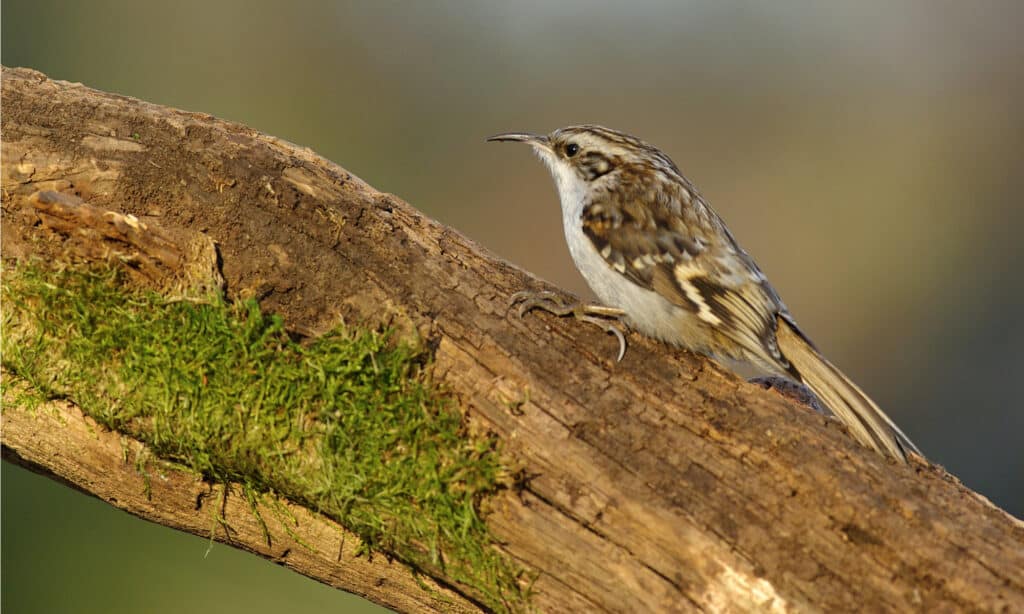
Birds and rodent species used wombat burrows as vital water sources.
©Kluciar Ivan/Shutterstock.com
While these species aren’t necessarily burrow users, they demonstrate that burrow entrances can become activity hotspots in a region recovering from wildfire.
So, Did Wombats Truly Save Other Animals During This Fire Season?
Wombats may not have led animals to their burrows during fire conditions, but they are vitally important to these events. In many ways, they act as ecosystem engineers, building burrows for their own survival, with those structures creating many benefits that other species can exploit, especially after a vast and devastating disturbance. While not necessarily designing their burrows with other animals in mind, their ability to alter landscapes and maintain their homes keep other species safe.
After severe burns, landscapes lose hiding places, places that are vital for smaller creatures. In that exposed phase, predators can become more effective and thermal stress can become harder to avoid. Persistent burrow networks can reduce both pressures, and the evidence from the camera footage proves just how important wombat burrows are after these burning events.
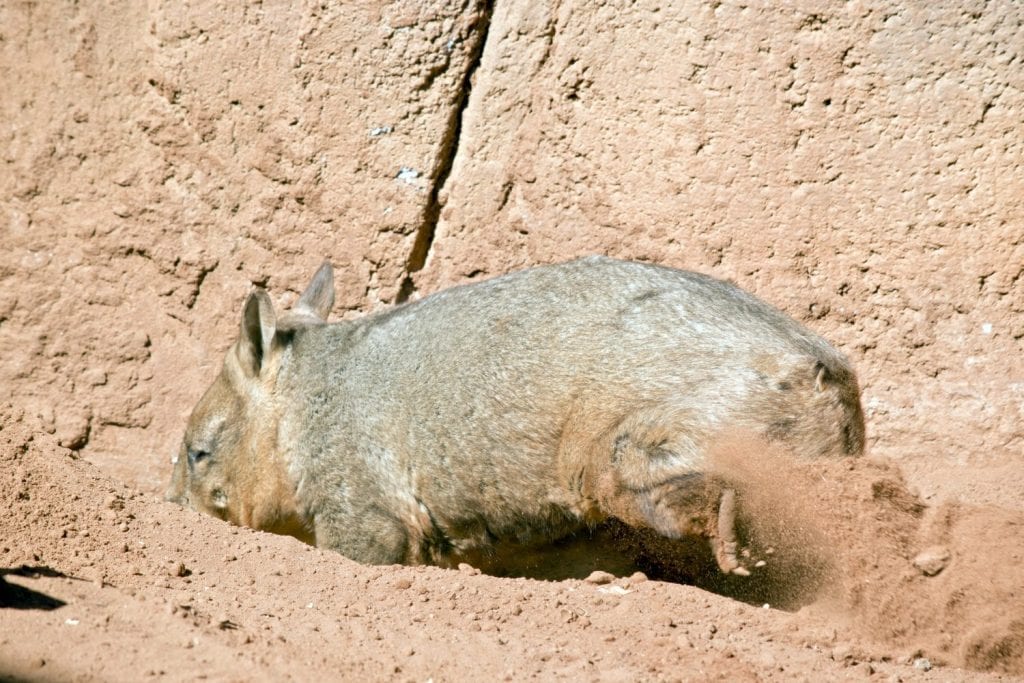
The engineering of wombats is unmatched when it comes to digging burrows and underground structures.
©Susan Flashman/Shutterstock.com
At the end of the day, burrow-building species and the conditions that support burrowing can actually protect a wider slice of biodiversity than most people predict. As severe fires have become increasingly common in Australia in recent years, that kind of durable infrastructure belongs in the same conservation conversations that typically revolve around replanting and building sustainable habitat corridors.
Wombats are providing safe and sustainable refuges for other animals, underground and protected from our view. It just goes to show how intricate and resilient ecosystems are, especially when the architects are burrowing marsupials.