Quick Take
- Magnus had no plans to visit Scotland, but an unexpected twist in his journey forced him there against all odds. See Magnus's full journey →
- Locals who watched Magnus daily may never see him again, and his likely next destination will come as a surprise. Find out where Magnus went →
- Magnus may be a novelty now, but experts warn Scotland's relationship with walruses is about to change dramatically. See what's coming for Scotland →
- Juvenile walruses behave in ways their older counterparts never would, and Magnus is a perfect case study in why that matters. Explore juvenile walrus behavior →
After spending weeks along the coast of Scotland, on what appears to have been a farewell tour, a local celebrity has said goodbye. Magnus, the massive walrus, has moved to colder waters. His disappearance is being felt by those who delighted in his daily antics, leaving a void. This has left many wondering whether Magnus will ever return.
Magnus the Walrus Ventured from Scotland to Norway
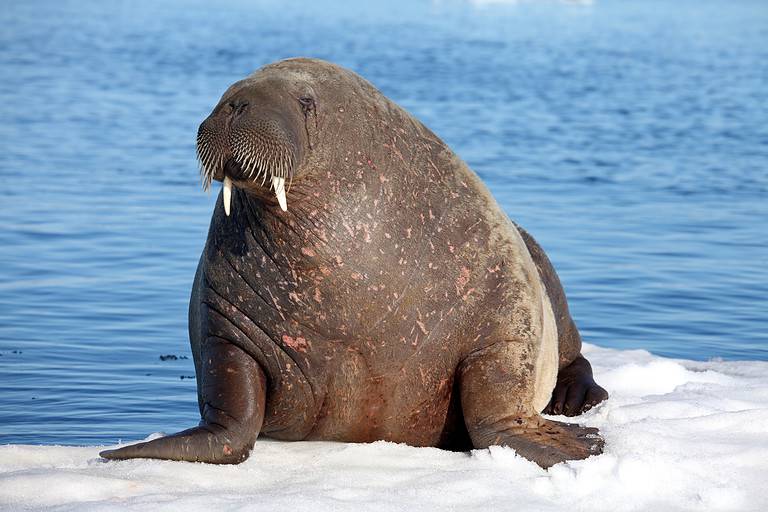
On April 16, 2026, a walrus was spotted on Orkney, Scotland. After hauling out on a dock, the walrus’s massive size was evident. The estimated eight-foot frame led locals to name him Magnus, and the walrus became an instant celebrity.
Upon his arrival, Magnus was found with injuries, though the exact nature of these injuries was never disclosed. However, they were not severe enough to prevent him from hunting or moving in and out of the water. As a result, officials monitored Magnus from a distance to ensure his safety while he recovered.
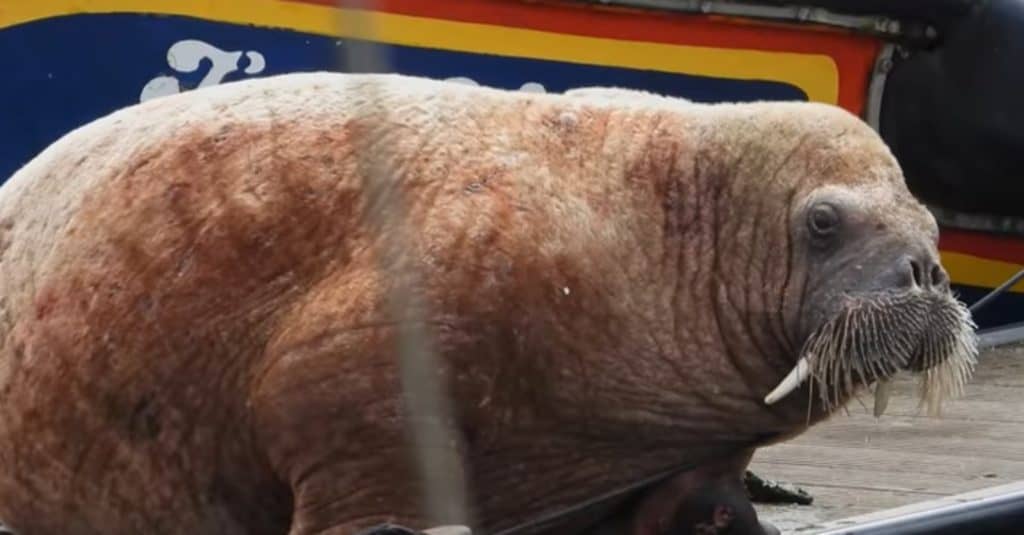
Magnus the walrus first appeared in Scotland in April 2026.
© – Original
Unlike the case of another walrus, Frida, who visited Scotland and was ultimately euthanized because officials considered her behavior towards crowds to be aggressive, locals gave Magnus space to sleep and relax. His antics attracted crowds, prompting police to set up barriers to keep people at a safe distance.
Magnus did not stay in Orkney long. He took to traveling down the coast. Along his journey, Magnus was reported in Findochty and Duffus, Moray. But by mid-May, Magnus surprised many again by trekking across the North Sea. It was then that Magnus was located in Norway.
Just as in Scotland, Magnus has become a celebrity in Norway. While locals hope Magnus will make Norway his home, the likelihood of his staying long-term is low.
Where Magnus Likely Originated From
Magnus’s exact origin before he was spotted in Scotland is not clear. However, because he is a juvenile, many believe the walrus traveled from Arctic or sub-Arctic waters before hauling out in Orkney.
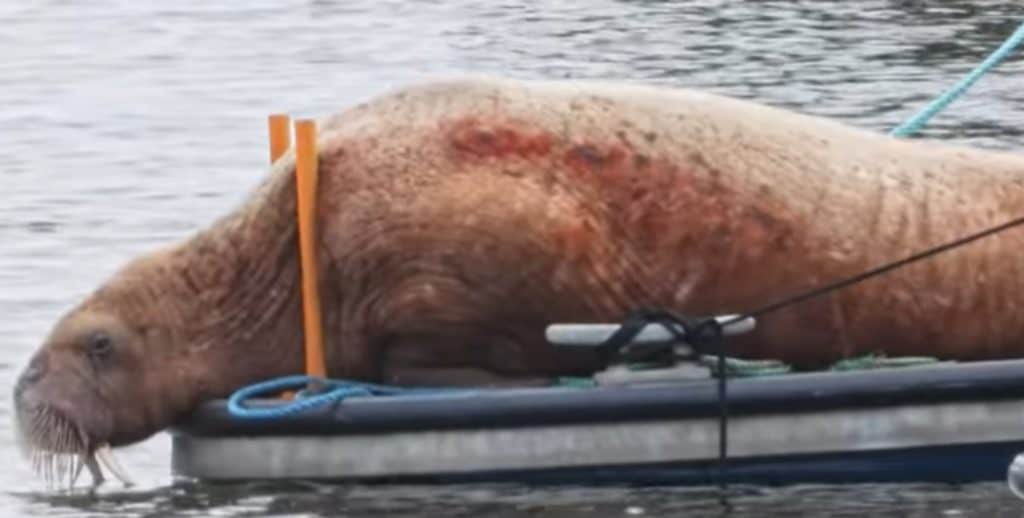
Magnus likely strayed from Arctic sea ice while following currents or searching for food.
© – Original
Older adult walruses typically do not stray far from Arctic sea ice, but younger individuals are more likely to do so. They tend to follow currents or search for food, which can take them far from home. It is not known what Magnus may have been chasing.
It is clear that Magnus encountered some trouble during his journey to Scotland. His injuries may have been the reason Scotland became a temporary resting place. Had he never been injured, it is possible that Magnus never would have ventured to Scotland at all.
Will Magnus Remain in Norway?
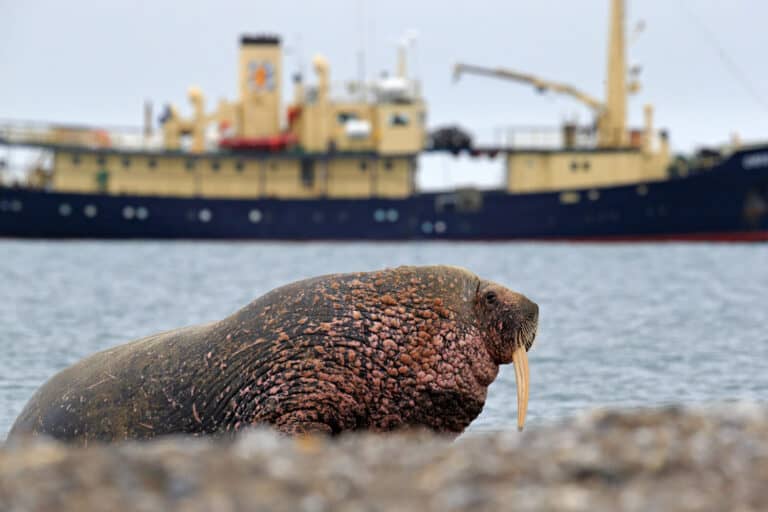
After completing the 400-mile swim from Scotland to Norway, the latest reports indicate that Magnus is enjoying some much-needed rest. Whether Norway will remain Magnus’s home, however, is anyone’s guess.
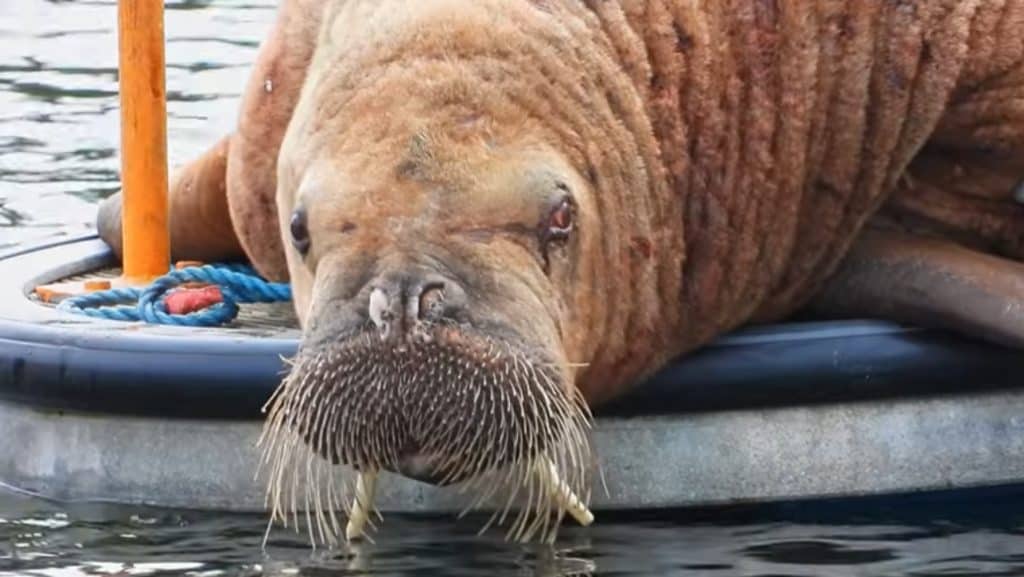
It is believed Magnus will rest in Norway for a time. However, staying there long-term is unlikely.
© – Original
It is believed that, given the amount of energy it took to complete his swim, Magnus will likely remain in Norway for a time. Given that he is a juvenile walrus, though, it would not be surprising if he left to find colder waters once he has had time to recuperate. Whether that will be back to Scotland or some other place entirely remains to be seen.
Walrus Sightings Expected to Increase Due to Climate Change
It is believed that Magnus made his way to Scotland because, as a younger walrus, he is more adventurous and likely to explore than older walruses. However, due to climate change, seeing walruses in Scotland may become more common than ever.
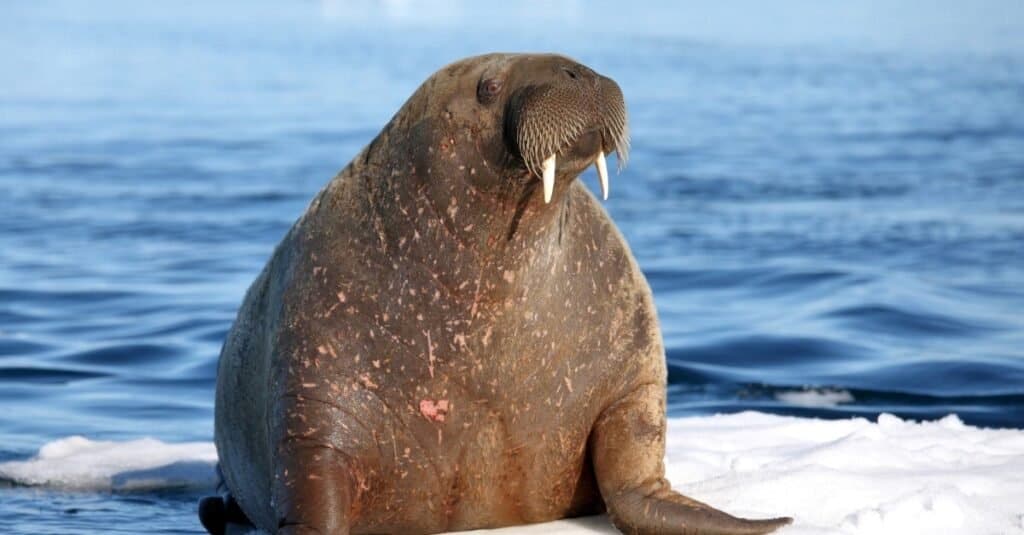
Walruses are likely to be seen more often along the Scottish coast and in other regions where they typically would not be found, due to climate change.
©iStock.com/zanskar
As global temperatures rise and Arctic sea ice disappears, walruses lose the ice that protects them, provides places to haul out, and gives them access to food. As a result, they are being forced to migrate to regions they would not have visited in the past, searching for new places to rest and feed. By following ocean currents, walruses are reaching new destinations. Consequently, seeing walruses in Scotland may not be as rare in the upcoming years as it is now.
While Magnus was a novelty for those living in Scotland, walruses may become a common sight in the future. With their habitat melting away, walruses have been forced to adapt and find new locations to live. What this means for the future of walruses is uncertain.