
Quick Take
- Polar bears can kill humans, but attacks are rare and usually involve hunger or close contact.
- Polar bears hunt seals on Arctic sea ice and avoid people most of the time.
- Distance, food control, and preparation greatly reduce the risk of danger.
Polar bears are powerful predators capable of hunting and killing humans, but deliberate attacks remain rare and usually stem from hunger, poor body condition, or human behavior that brings people too close. Most people will never encounter these massive carnivores in their lifetime. Real risk stays limited to Arctic regions where settlements, work sites, or tourism overlap with the bears’ sea-ice habitat. Understanding where fear ends, and reality begins matters, because polar bears aren’t some kind of big horrific “murder marshmallows.” They are simply bears behaving naturally, rarely encountering people and generally keeping their distance when they do.
You Probably Won’t Meet a Polar Bear
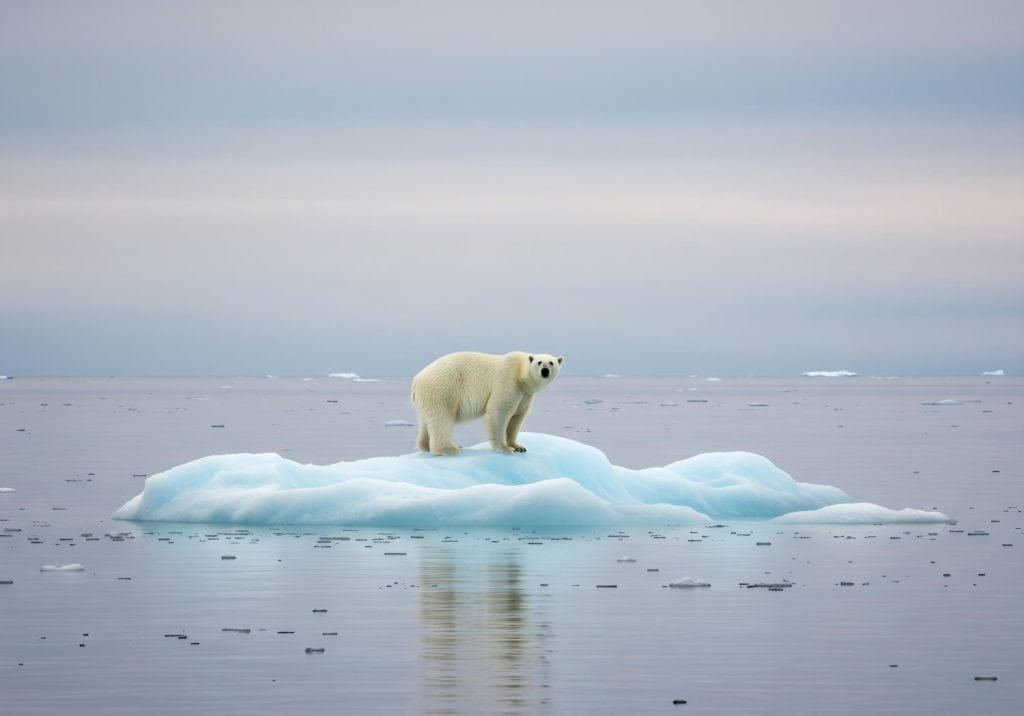
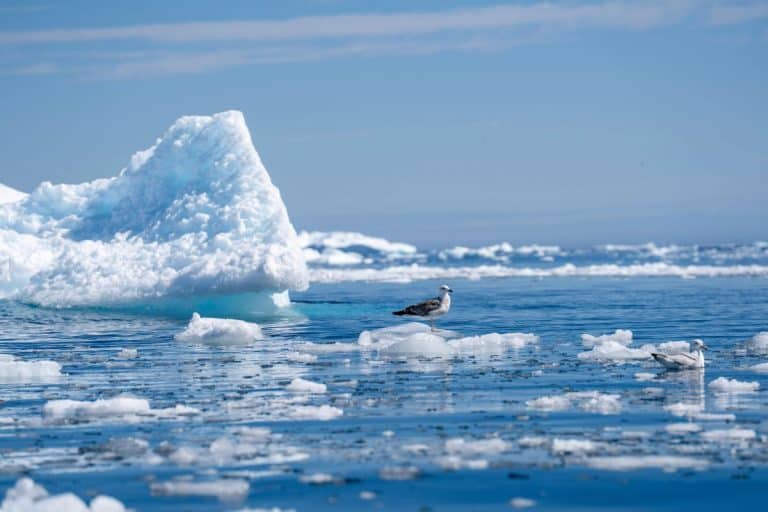
Polar bears make use of sea ice as hunting platforms.
©Andrewfel/Shutterstock.com
Unless you visit the Arctic or perhaps a zoo, you probably won’t meet a polar bear. They live only in the Arctic, not the Antarctic or temperate regions. Their range follows sea ice across the coastal waters of Canada, Greenland, Norway, Russia, and Alaska.
Risk concentrates among specific groups, including Indigenous Arctic residents, researchers, industrial workers, and expedition tourists. Even within those groups, most people never experience a dangerous encounter. Most polar bear encounters end like awkward meetings: one side notices the other, pauses, and quietly leaves. Bears pause, reassess, and drift away once they decide a person is neither food nor a threat.
Polar Bears, Predators, and Online Claims
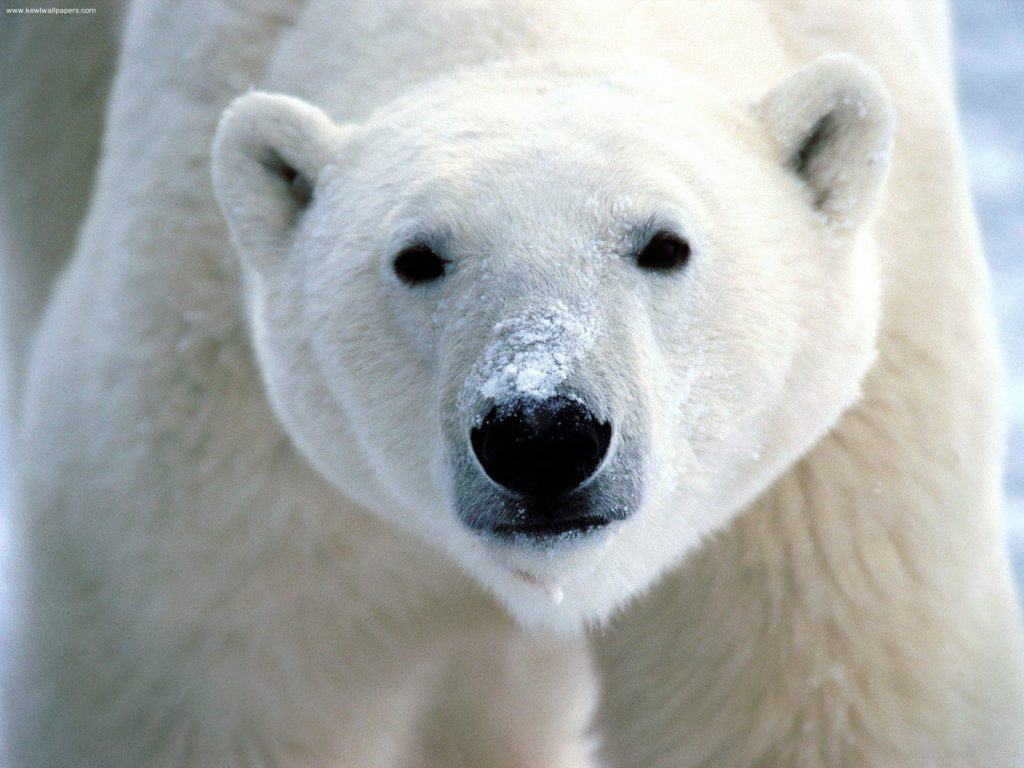
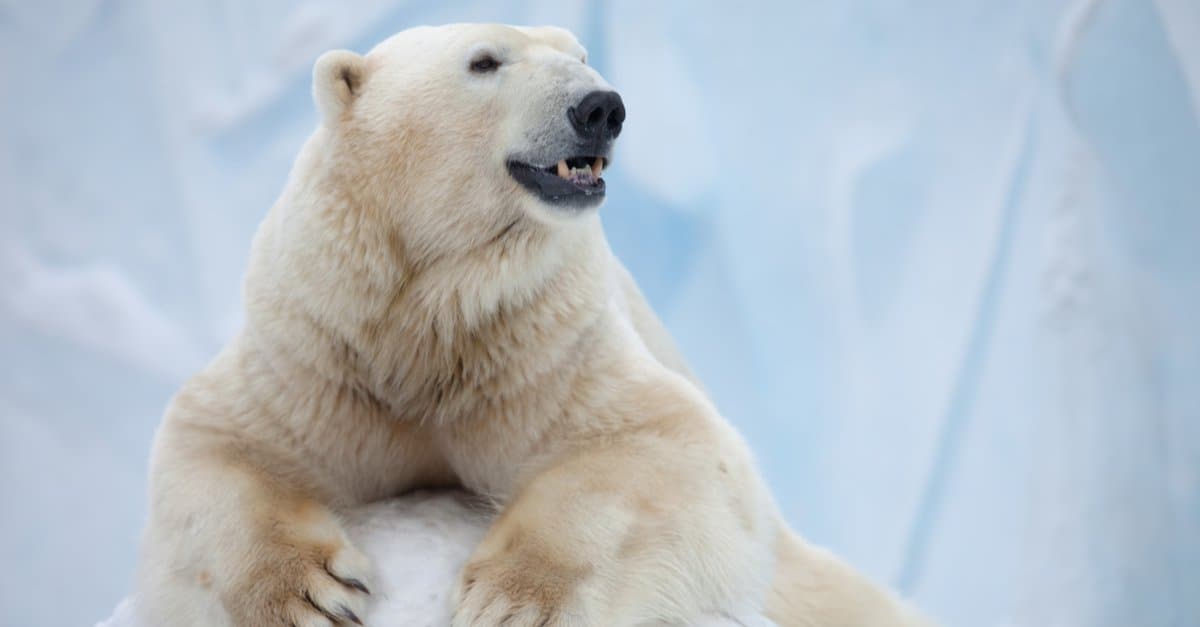
A close-up shot of a polar bear with snow on its snout.
Short videos and social media posts often frame polar bears as felons on four paws: relentless hunters stalking humans for fun and profit. These portrayals spread quickly because a few seconds of footage without context can easily spread fear and attract many clicks. Polar bears do sit at the top of the Arctic food web, and under certain conditions, they can treat humans as prey. That fact is real and documented. It is also incomplete on its own.
Confusion usually starts with how people imagine hunting behavior for these cute but deadly predators. Polar bears hunt seals in a narrow environment shaped by ice, distance, and energy limits. Humans enter that environment only occasionally, often without understanding how visible, noisy, or food-scented they appear to a bear. When overlap happens, misunderstanding follows. Viral claims oversimplify this complexity, suggesting that polar bears hunt people in the same way lions hunt antelope. Reality looks messier and far less sinister.
How Polar Bears Hunt in Rare Human Attacks
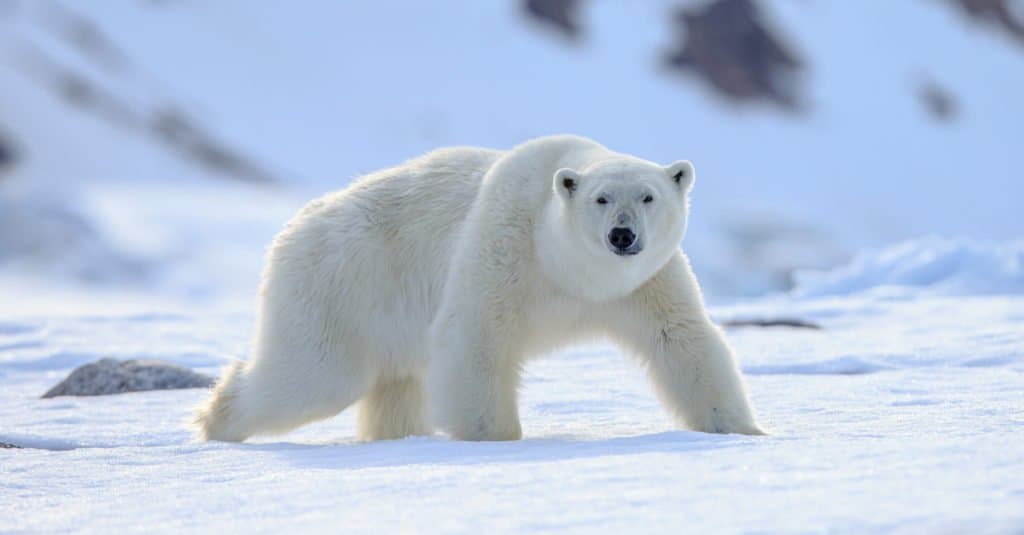
Polar bears can hunt both on the ice and in the water and have been known to swim vast distances across the open ocean in search of food.
©Vaclav Sebek/Shutterstock.com
Polar bears evolved to hunt large prey, and their behavior reflects that history. In rare predatory attacks on humans, bears have approached quietly, followed at a distance, and closed in without obvious warning. Investigators describe these incidents as deliberate rather than reactive. The bear does not lash out or charge blindly. It moves with intent and patience.
In these moments, a bear may appear nosy rather than aggressive, edging closer while it gathers information. Hunger often plays a role. Bears in poor condition take risks they would otherwise avoid and investigate unfamiliar shapes, smells, and movement. This behavior differs from defensive encounters, where surprise or cub protection drives a rapid response. Predatory attacks require time, space, and a bear willing to gamble energy on an unusual target.
How Often Do Polar Bears Attack People?
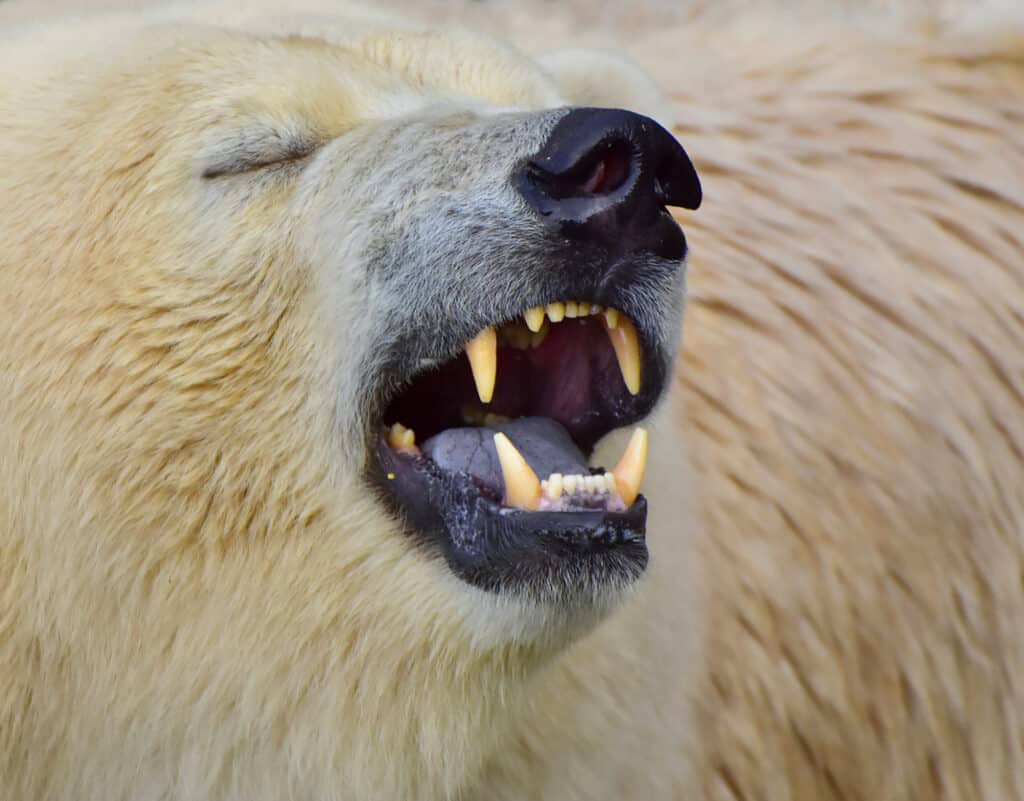
There have only been a few dozen polar bear attacks on people in the past century.
©Unicorn555/Shutterstock.com
Records of polar bear attacks span more than a century across the Arctic. In all, there have been 73 confirmed attacks on humans between 1870 and 2014, with a few additional incidents since then, for a total still under 100 worldwide. Fatal cases make up a smaller portion of those encounters. These numbers remain low even as human activity has expanded into parts of the polar bear range.
That pattern matters. It shows that polar bears do not treat humans as routine prey. It also shows that when attacks happen, the consequences are severe enough to demand respect. Researchers repeatedly find the same contributing factors. Unsecured food draws bears closer. People approach bears for photos or curiosity. Individuals travel alone without deterrents. Bears in poor condition behave in ways that unsettle communities and surprise visitors.
What Do Polar Bears Usually Hunt?
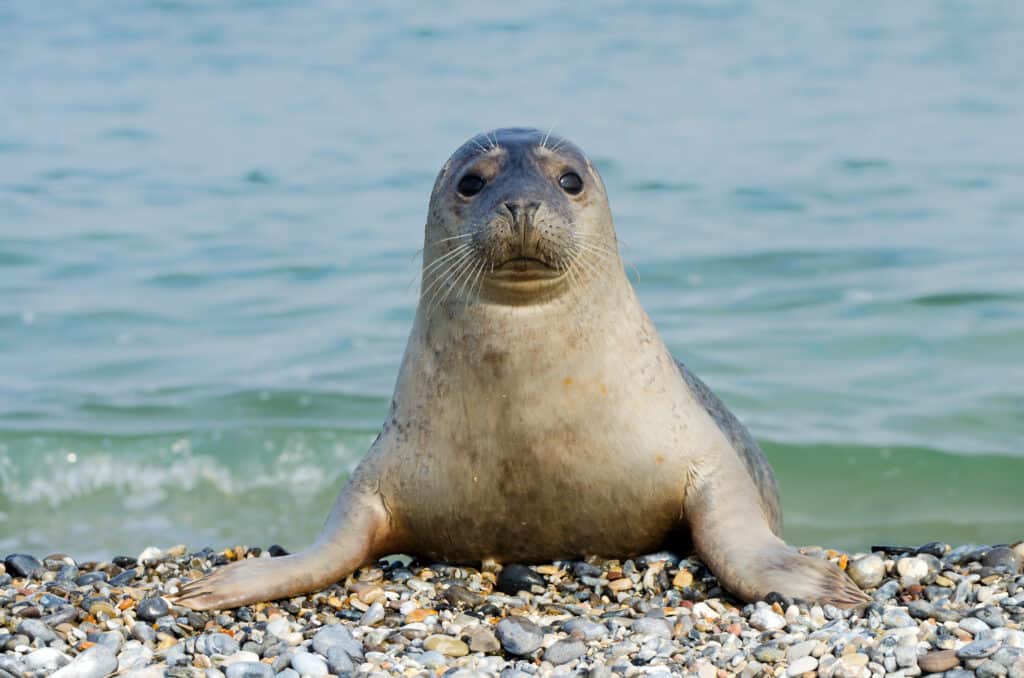
Seals are the primary food source for polar bears.
©Ulrike Jordan/Shutterstock.com
Polar bears hunt seals. That single fact explains most of their behavior, movement, and physical design. Ringed seals and bearded seals supply the fat polar bears need to survive Arctic conditions. Without access to seal blubber, bears struggle to maintain weight.
Most hunts take place on sea ice. A bear waits near a seal breathing hole or haul-out site, sometimes for hours. When the seal surfaces, the bear lunges with speed and force. This method conserves energy and rewards patience. Polar bears did not evolve to chase prey over long distances. They evolved to wait. After a successful kill, polar bears focus on blubber. Fat supplies energy. Lean meat does not. When prey remains available, bears often eat selectively and leave portions behind. This behavior reflects survival efficiency rather than abundance or waste.
Other Food Sources Under Scarce Conditions
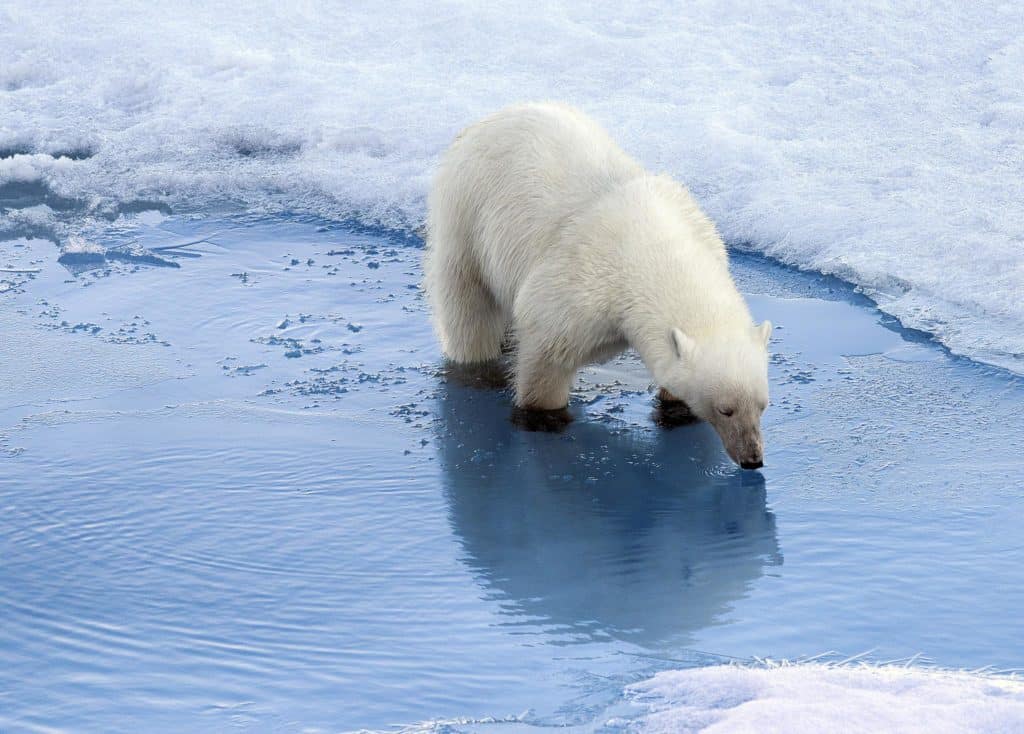
A polar bear stops to drink.
©Christopher Michel / Flickr – Original
When ice limits access to seals, polar bears broaden their diet out of necessity. They scavenge whale carcasses, prey on young walruses, and take seabirds, eggs, fish, and small mammals. Some bears also consume vegetation or human refuse when nothing else remains available.
None of these foods replaces seals nutritionally. Bears relying on land-based food usually lose weight over time. As body condition declines, bears grow more fidgety and spend more time investigating shorelines, camps, and human activity. This restless behavior increases the chance of encounters without changing the bear’s fundamental preferences.
In extreme cases, a starving bear may treat a human as potential prey. This situation explains why some attacks show clear predatory intent. It does not redefine what polar bears normally eat, but it does explain why hunger changes behavior in dangerous ways.
What Happens During an Attack?
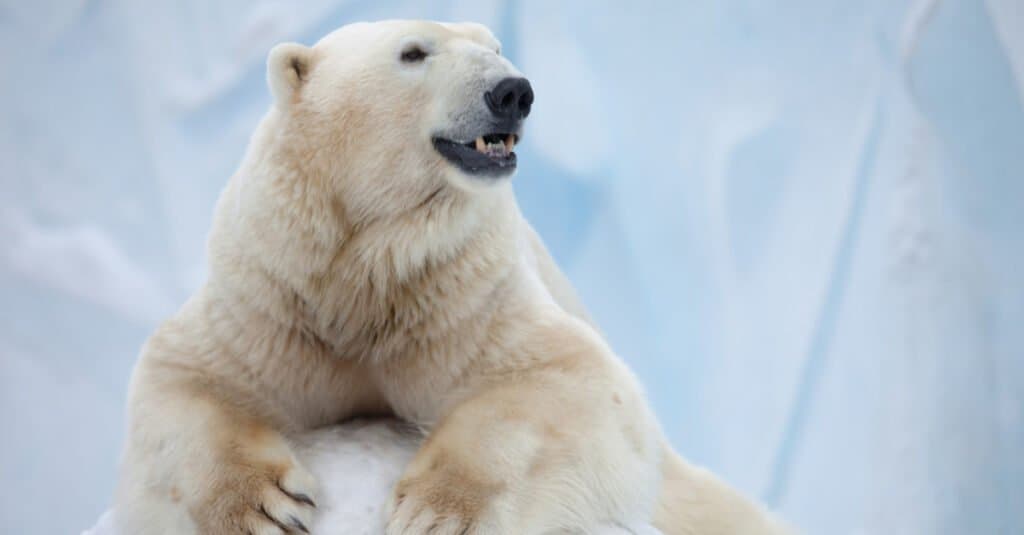
Polar bears commonly hunt via a method called still-hunting. The bear uses its keen sense of smell to locate a seal’s breathing hole and waits in silence for a seal to come out.
©Zhiltsov Alexandr/Shutterstock.com
Any contact with a polar bear threatens life. Adult males can exceed 600 kilograms, and their strength reflects adaptations for killing large prey. Their forelimbs deliver brutal force that humans cannot counter. A polar bear’s forepaw is comparable to a 12-inch frying pan with five meat hooks attached. When it strikes, it brings down this formidable weapon with devastating force—and it has four such paws.
In predatory attacks, bears often target the head and neck, mirroring how they kill seals. Sometimes, bears feed on victims after killing them. In other instances, the bear kills and retreats, especially during defensive encounters. From a human perspective, intent does not reduce danger. There is no safe version of contact.
What to Do If You Encounter a Polar Bear

Expeditions in the Arctic often use heavy, reinforced transports with protective barriers to keep polar bears out.
©Thomas Barrat/Shutterstock.com
People reduce risk by maintaining distance and eliminating attractants. Traveling with experienced guides, storing food securely, and carrying approved deterrents where legal all matter. Preparation reduces surprise, which reduces escalation.
If a bear has not noticed you, leaving quietly reduces attention. If a bear notices you but remains calm, backing away slowly helps maintain space. When a bear approaches out of curiosity, noise and group presence can discourage further movement. If a bear charges or attacks, last-resort deterrents must be used immediately, such as bear spray, flares, or firearms, when human life is at immediate risk.
What This Means for Pet Owners
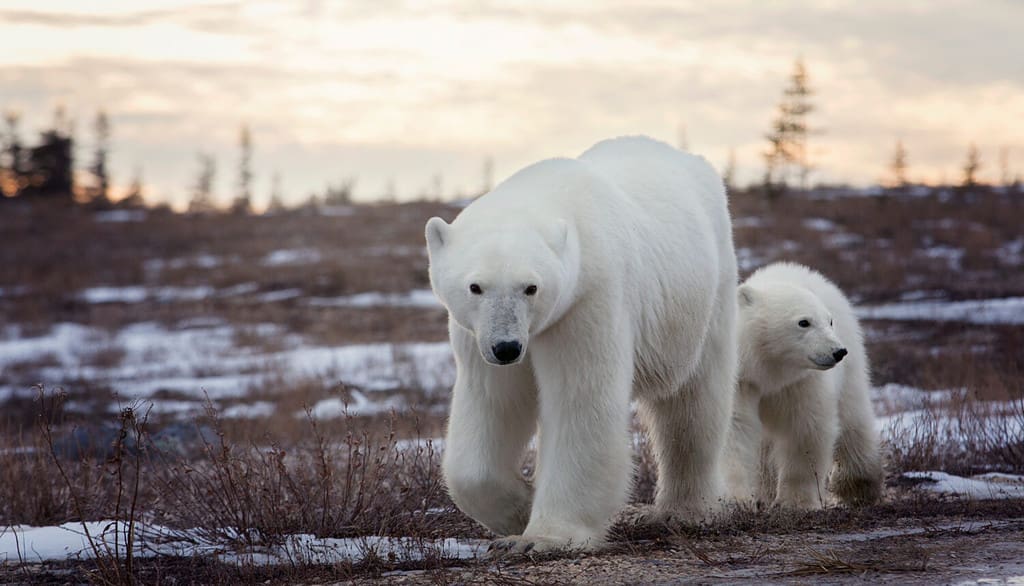
Polar bears can easily kill sled dogs and pets.
©critterbiz/Shutterstock.com
For most pet owners, polar bears are not a direct concern. However, the broader lesson applies to all large predators. Carnivores capable of killing humans can easily kill dogs, especially when food draws attention. In Arctic communities, polar bears sometimes investigate dog yards, sled teams, and stored pet food. Hunger and shrinking sea ice due to climate change are increasing the frequency of polar bear visits to Arctic communities. Responsible management includes securing animals, limiting attractants, and avoiding situations where pets draw wildlife closer to people.
A Distant Danger
Polar bears are powerful, highly specialized predators facing severe environmental strain due to climate change and rapid sea ice loss. In rare circumstances, hunger and opportunity can lead to dangerous encounters with humans. These moments require seriousness rather than exaggeration. For most people, the risk remains small. Clear information, preparation, and respect allow us to observe these majestic creatures from a distance.