
Quick Take
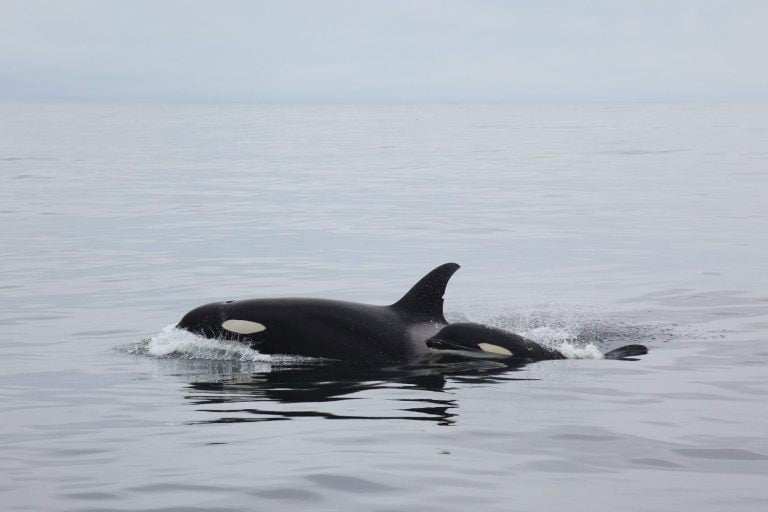
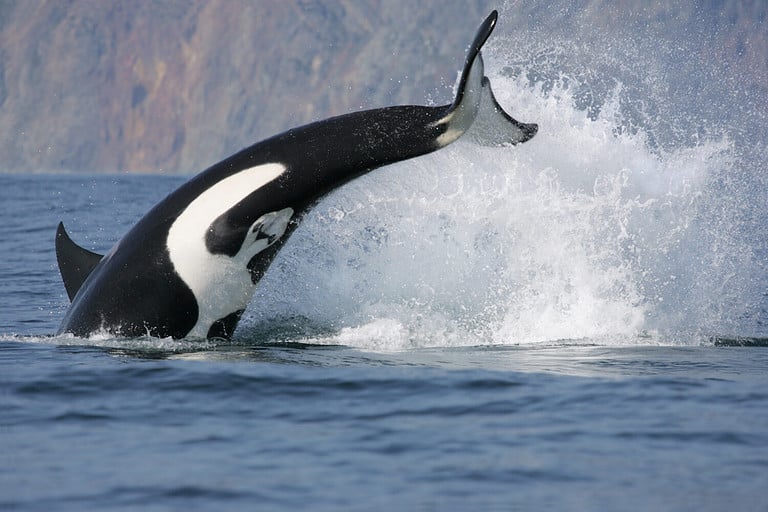
- Orcas acted as primary scouts by actively seeking out baleen whales and alerting the whalers by breaching and slapping their tails at the mouth of the river.
- This partnership was a continuation of a spiritual and practical bond held for many centuries by the Thaua people of the Yuin nation before settlers arrived.
- This 90-year alliance proves that Orcas will sometimes prioritize cooperation over natural competitive feeding instincts.
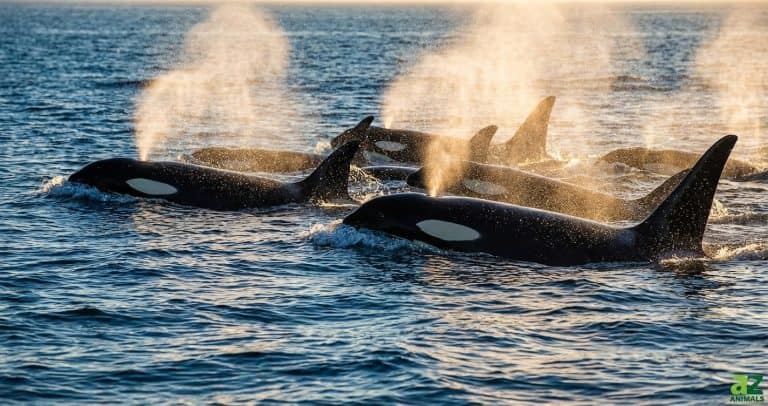
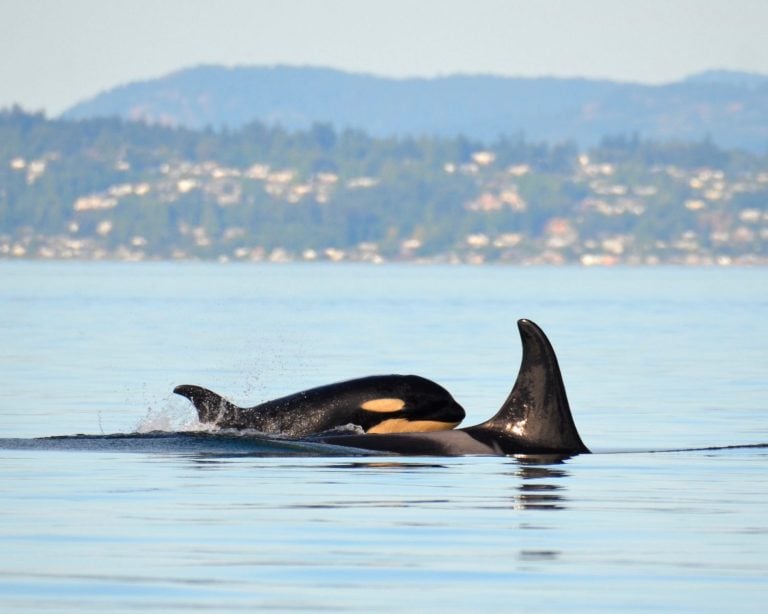
Ask anyone who’s had encounters with killer whales, and they will tell you just how smart they are. Orcas are incredibly intelligent creatures, capable of complex hunting strategies. They also engage in elaborate social bonds and connections. Their engagement with humans suggests orcas understand even more than they let on. For nearly a century, from the 1840s to the 1930s, a pod of wild orcas led by one male decided to join forces with whalers in Australia.
The creatures would alert men to the presence of whales and help corral them into a small area. In exchange for their recon work, whalers would provide meat to their orca helpers. At a time when orcas are causing an increasing number of problems along the Atlantic coasts of the Iberian Peninsula, the story of the whales of Twofold Bay serves as a potential model of positive human-animal cooperation. Let’s learn more about these enterprising whales and how they learned to work with humans through a mutually beneficial agreement.
Centuries of Whaling
People have been hunting whales since the Stone Age, using various harpoon designs to spear them from boats at sea. It’s estimated that people in Ancient Norway began hunting whales around 4,000 years ago. Other indigenous groups in far warmer and more exotic locales hunted whales as well. These animals provided ample meat, blubber, bones, and other materials for tools.
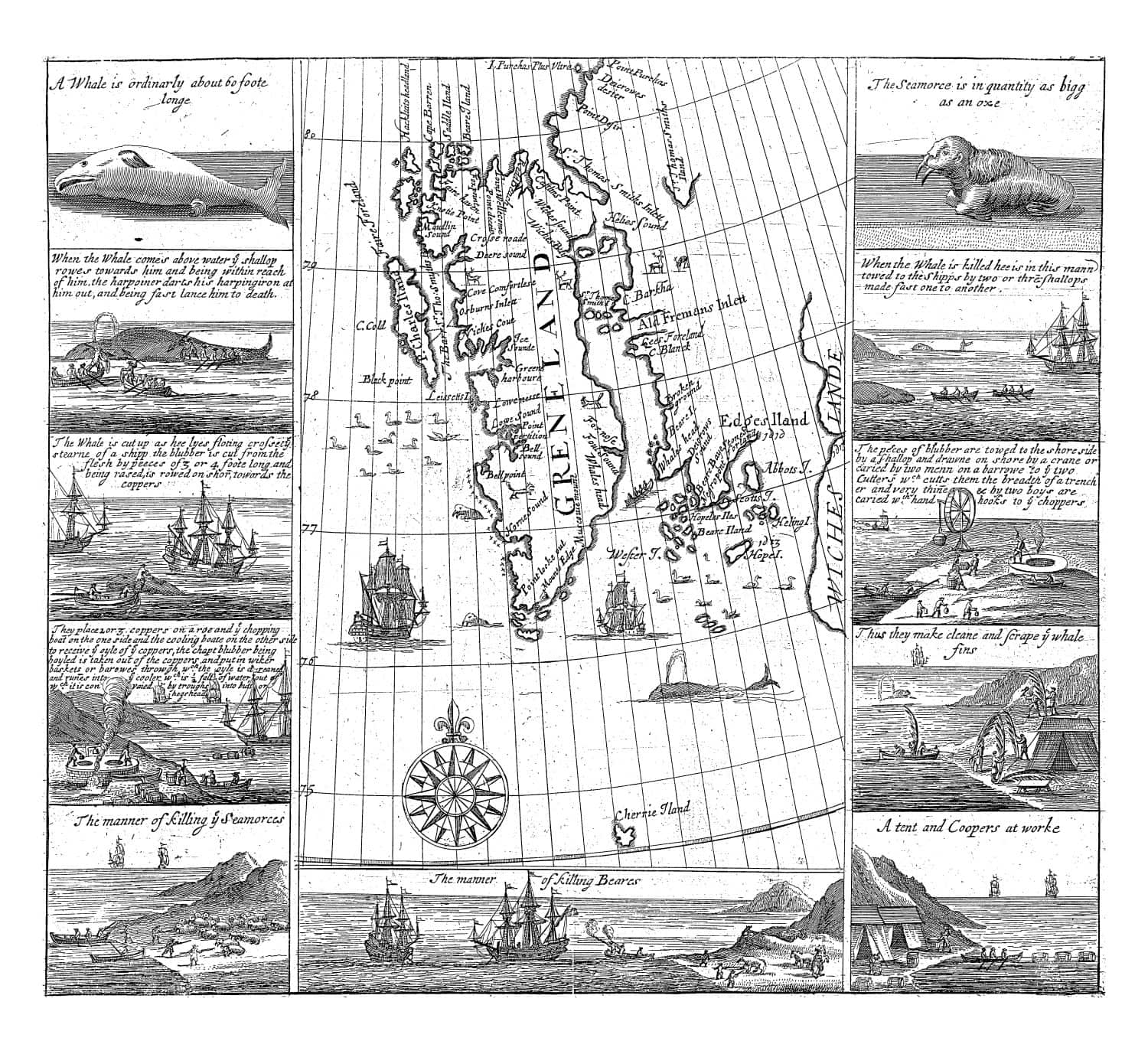
Whaling was such a big business that whalers spread out across the world to find more hunting opportunities.
©Morphart Creation/Shutterstock.com
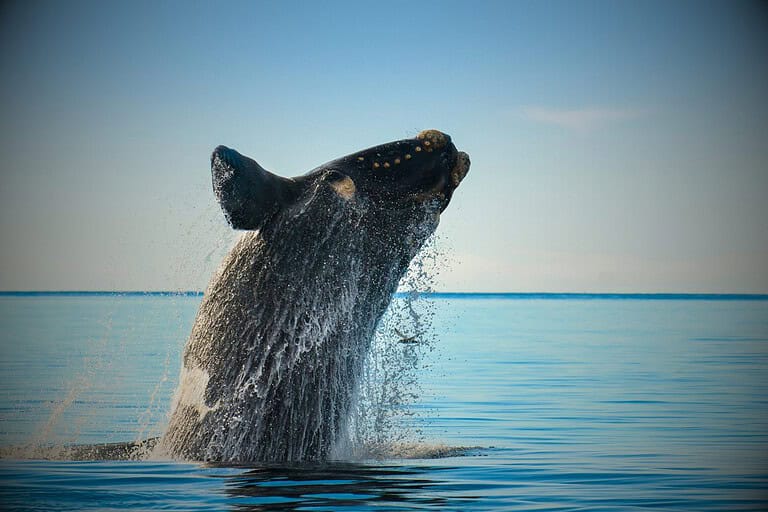
By the late 17th and early 18th centuries, whaling had become one of the most lucrative businesses on earth. By the early 1790s, British-Australian and American whalers began to turn their sights on the South Pacific. Within a hundred years, whalers had taken over 50,000 humpback whales out of that part of the ocean. It was big business; at the height of the whaling industry in the 1880s, the United States alone recorded profits equivalent to $225 million in today’s money. While people often hunted gray whales and bowhead whales, baleen whales became the premier catch in the South Pacific.
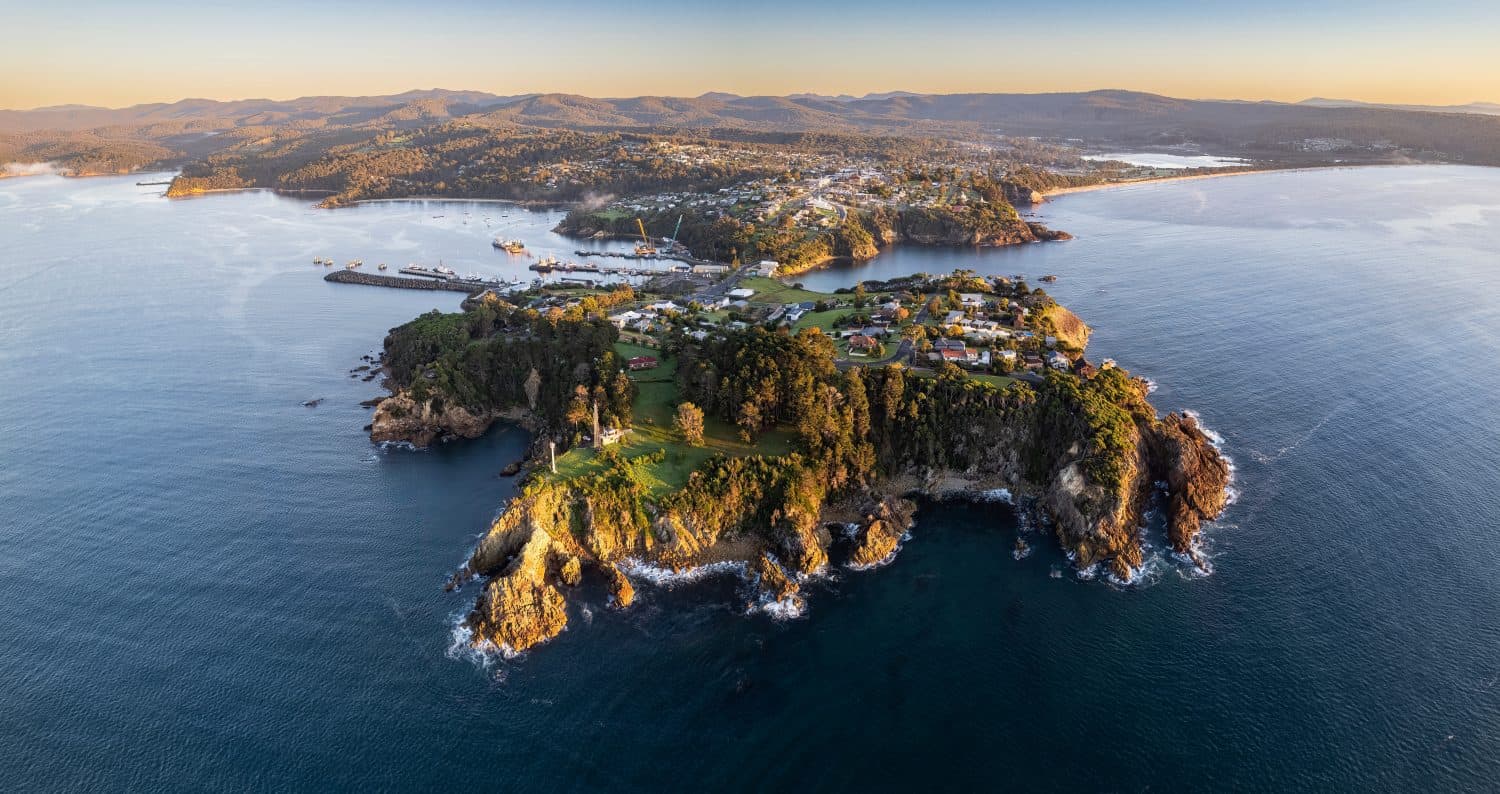
By the 1840s, a group of killer whales started working with a group of human whalers. Seen near the port of Eden in southeastern Australia, the pod of killer whales would signal the presence of whales to humans, ferret them into a certain location, and then eat remains after the whalers had hunted the whales. After locating whales, those killer whales would swim many miles away to alert the whalers at their coastal cottages.
Origins of an Alliance
They say that nothing good comes easy. What they don’t tell you is that nothing good comes that quickly, either. The willingness of these killer whales not only to engage with whale hunters but also to work with them came after countless years of training, acclimation, and understanding. That process was also thanks to the Yuin tribe, the Indigenous people local to the area. They had a relationship with the killer whales that was hard for outsiders to fully appreciate.
The Yuin tribe believed that killer whales were not only their totem animals but also the reincarnation of their ancestors. Guboo Ted Thomas, for example, a famous Yuin elder and rugby player, once said that he heard stories about his grandfather riding on the backs of killer whales. Furthermore, Thomas and his daughter described how their tribe worked with dolphins to drive fish ashore to be speared. Their relationship to killer whales was self-evident to Yuin tribesmen, but Western researchers were surprised by just how deep that relationship went.
Several historians, researchers, and documentarians have investigated this curious relationship and discovered remarkable continuity. For one, it’s speculated that the black-and-white ceremonial dress of Koori warriors was inspired by the distinct markings of killer whales. Beyond that, it seems that Indigenous Australians have fostered a relationship with killer whales since at least the last Ice Age. Once the Europeans arrived and started looking for whales to hunt, indigenous people, particularly the Yuin people, helped establish one of the most remarkable mutual benefit relationships on Earth.
Old Tom
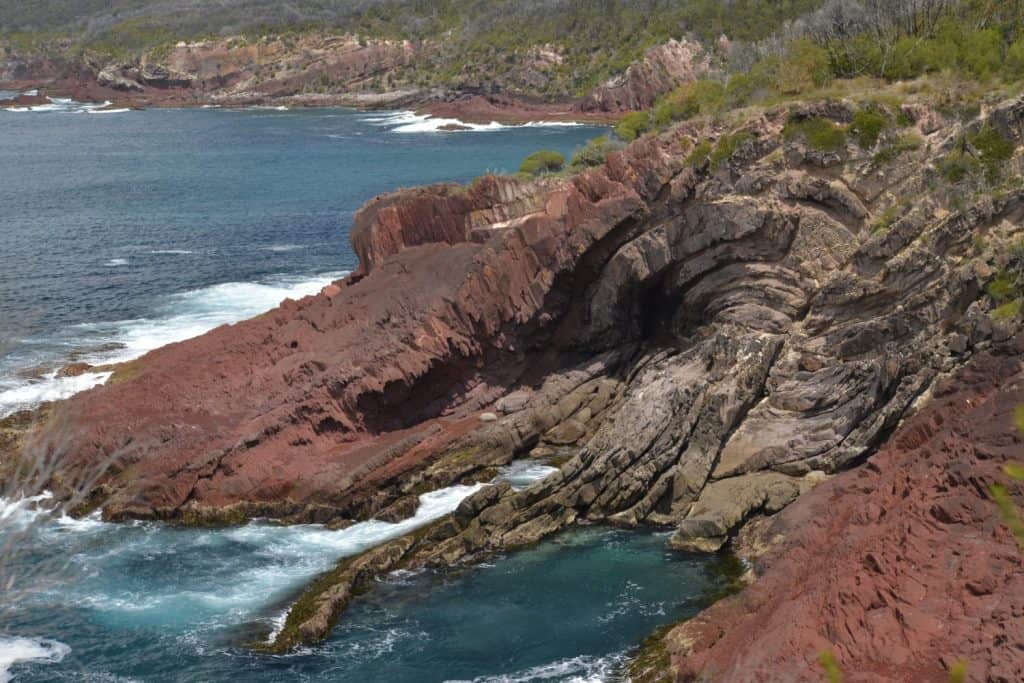
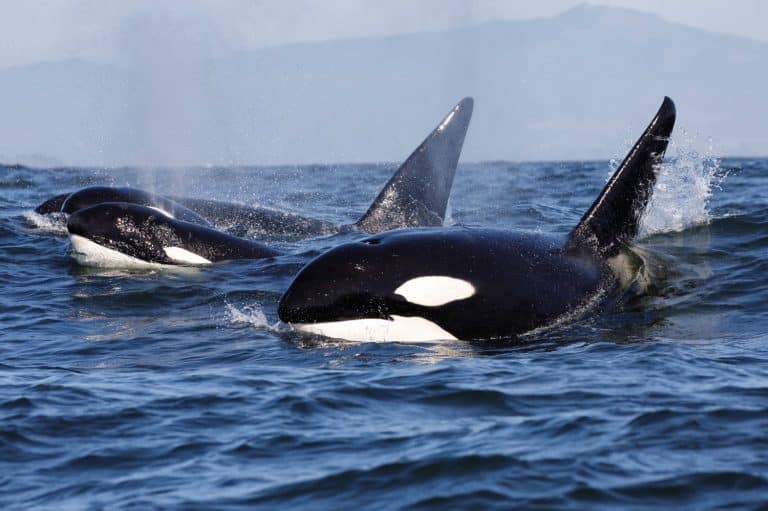
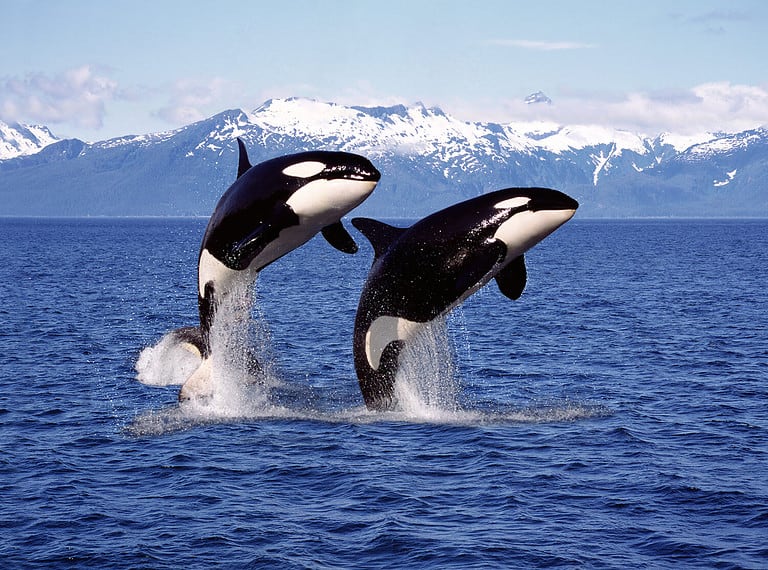
An older male orca called Old Tom would swim up to the mouth of the Kiah River and slap the water to signal the presence of a Baleen Whale in the bay to whalers living in cottages nearby.
©Fotologer/Shutterstock.com
It’s hard to say exactly how the European whalers gained the trust and skills of killer whales, but it likely has to do with Indigenous crew members on whale boats. Due to their utmost respect for and divine understanding of killer whales, Yuin crew members on European whaler boats refused to harm these creatures. Some of the earliest observations of killer whale willingness to interact came from recorded observations by early whaling station manager Oswald Brierly, anthropologist Robert Hamilton Mathews, and Yuin elder Percy Mumbulla.
As reiterated and depicted in Danielle Clode’s book, Killers in Eden, this relationship became stronger through the urging of the patriarch of the killer whale pod, Old Tom. Old Tom’s role was to alert human whalers to the presence of a baleen whale in Twofold Bay. He did this by traveling to the mouth of the Kiah River, where the Davidson family, who were whale hunters, had several small cottages. There, Old Tom would smack his tail against the water or breach the surface.
Once the Davidson family made the connection, they would race to the bay and inevitably find a baleen whale to hunt. If the hunt was successful, some of the killer whales in the pod would even grab ropes with their teeth and help the human whalers haul the catch closer to shore. The skeleton of Old Tom, still on display at the Eden Killer Whale Museum, features noticeable wear marks on his teeth from repeatedly grabbing ropes.
The Law of the Tongue
In return for the help, human whalers would then leave the baleen whale carcass in shallow water overnight. When they returned in the morning to bring it ashore, the whalers would notice how the killer whales had eaten the tongue and lips of the felled whale. It remains one of the most enduring, clear-cut, and inspiring examples of cross-species mutualism, and perhaps the only example of such a relationship between orcas and human beings.
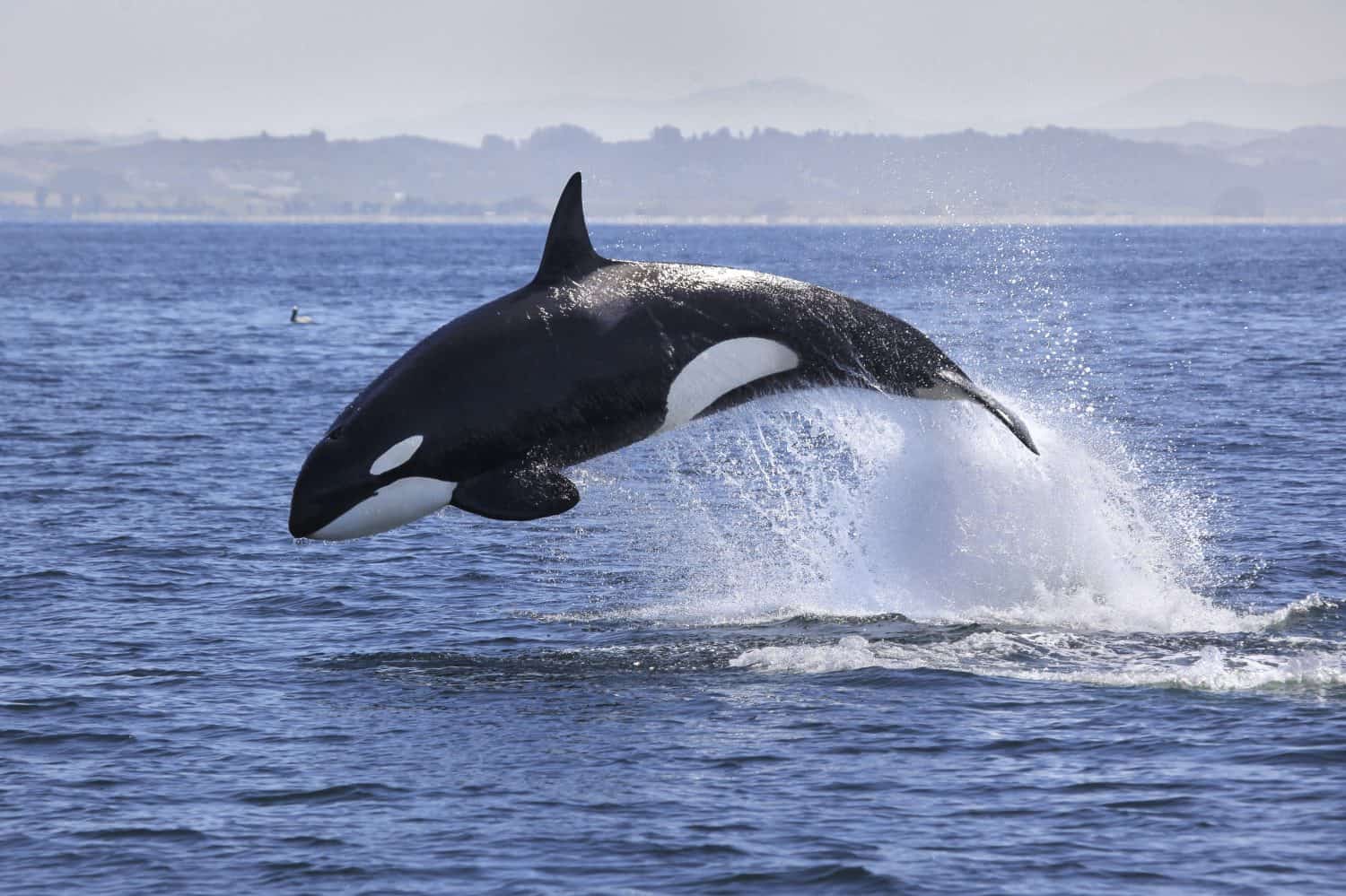
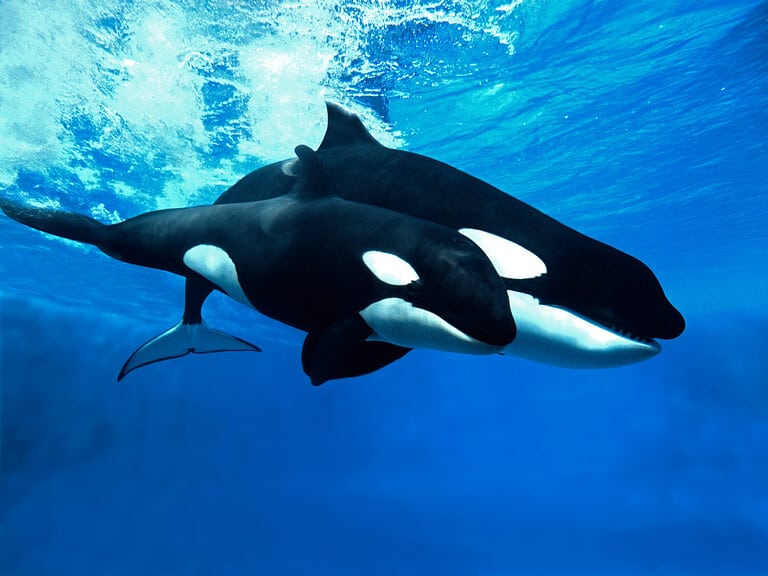
The trade-off between hunting recon work and lip and tongue meat left out for the helpful orcas became known to locals as “the Law of the Tongue.”
©Tory Kallman/Shutterstock.com
Locals in the Twofold Bay area called it “the Law of the Tongue.” It symbolized this unique relationship built on trust, cooperation, and mutual benefit. As with any long-term relationship, personification through nicknames became a common practice. The whalers of Twofold Bay conferred names upon many of the orcas they worked with on a near-daily basis, often in honor of deceased Yuin tribe members. These names included, of course, Old Tom, but also Hooky, Typee, Jackson, Big Ben, Stranger, Kinscher, Charlie Adgery, Albert, Flukey, Big Jack, Little Jack, and Montague.
While Old Tom receives most of the credit for this remarkably long-running partnership between orcas and humans, more detailed research suggests that other orcas were actually in charge, including a little-known female and a 30-foot-long male known as ‘Stranger.’ However, Old Tom was the most vocal, or at the very least, the most willing to communicate with the whalers directly, so they considered him to be the leader of the orca pod.
End of an Era
The arrangement between human whalers and killer whales lasted for almost one hundred years. In 1901, however, things changed when a stranded whale was stabbed to death on Asling Beach. The following year, only seven members of the previously 30-strong orca pod returned to the bay. In subsequent years, fewer and fewer orcas showed up, with only Old Tom and Hooky returning after that. While no one is quite sure what ended the arrangement, one theory posits that Norwegian whalers killed much of the orca pod in Jervis Bay.
After that, only Old Tom continued to appear, which cast an increasingly somber mood over the entire enterprise. Former neighbors of the Davidson family of whalers, the Logans, worked with Old Tom once in the mid-1920s to haul a whale to shore. However, in the process, Old Tom lost some teeth. When Old Tom’s corpse washed ashore in 1930, the number of abscesses in his mouth from missing teeth suggested that he had died from starvation. A few years later, John Logan provided the premises for the Eden Killer Whale Museum, and the final resting place of Old Tom. Logan said he made the museum possible “partly out of guilt.”
Aspects of this story may seem too cinematic to be true, but according to those in the area and people familiar with the story, it was all very real. Besides being recorded in numerous publications at the time it happened, two filmmakers managed to capture the behavior on film in 1910. Tragically, the footage went missing after the bank vault in which it was stored flooded. Other animals work with humans in certain places around the world, but while rare, few relationships are as unique and well-documented as that between the whalers and killer whales in Twofold Bay.