
Quick Take
- Maryland is turning invasive blue catfish into a local seafood option while controlling their impact on native species.
- $1 million in federal funding boosts commercial processing, allowing fishermen to profit and reduce blue catfish populations.
- Blue catfish now compete with native species, but creative culinary solutions help protect the Chesapeake Bay ecosystem.
Blue catfish may be the new specialty seafood item on menus across Maryland. The species is highly invasive in the state’s waterways, including the Chesapeake Bay. New federal legislation, the MAWS Act, passed in March 2026, provides funding and support to expand the commercial harvest and processing of invasive blue catfish. The new deal aims to kill two birds with one stone—or, in this case, one fish that’s actively disrupting the bay’s ecosystem. Here’s how the million-dollar funding changes the future of Maryland’s marine landscape, in both its restaurants and its waters.
How the Blue Catfish Is Harming Maryland’s Marine Life
In 2024, several local fishermen were interviewed by the Maryland Department of Natural Resources. They all shared shocking news from recent fishing trips on the Chesapeake Bay. Their accounts were among the first indications that significant changes were occurring in Maryland’s waterways. Eric Packard, a member of Maryland’s Sport Fisheries Advisory Commission, recalled catching more blue catfish than the fish he was actually targeting on fishing trips. Local charter fishermen also backed up this claim, saying they often catch more blue catfish than any other native species.
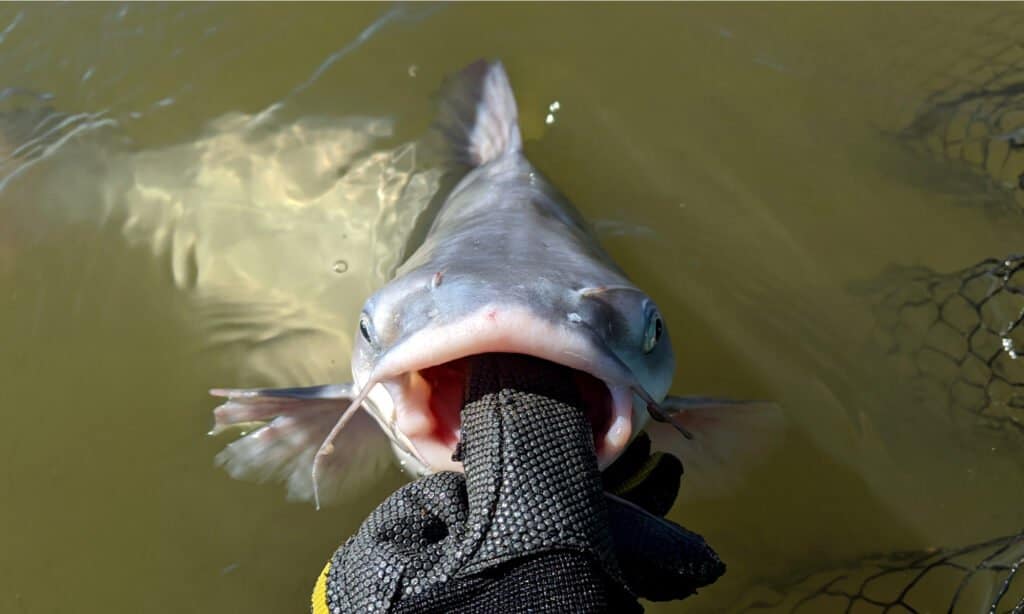
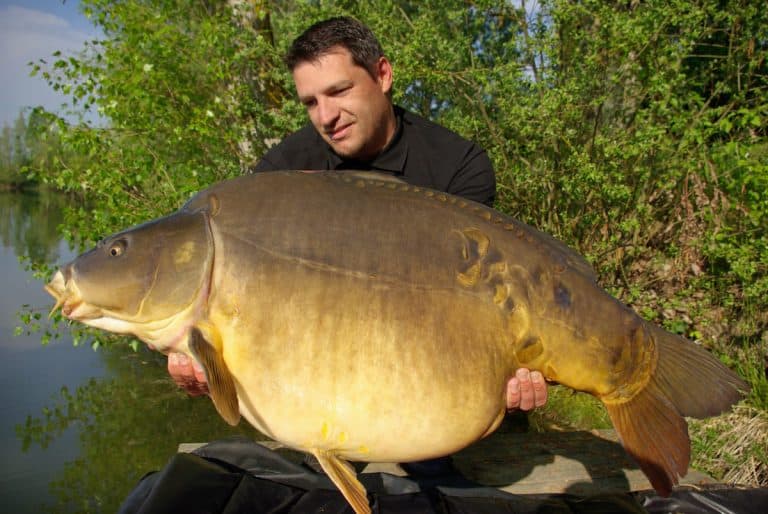
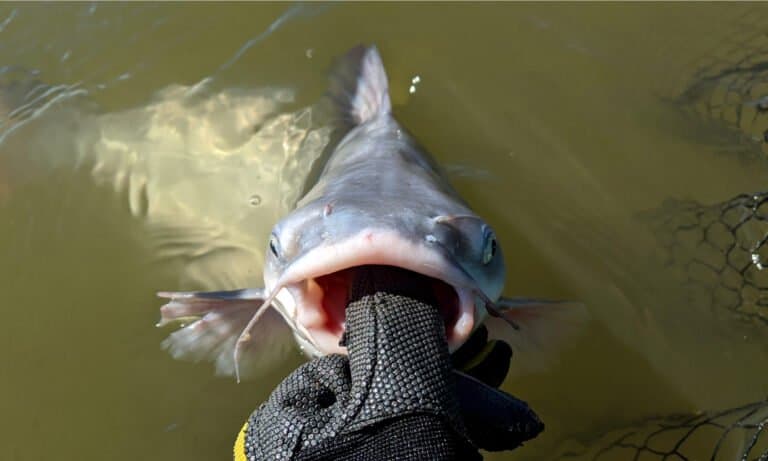
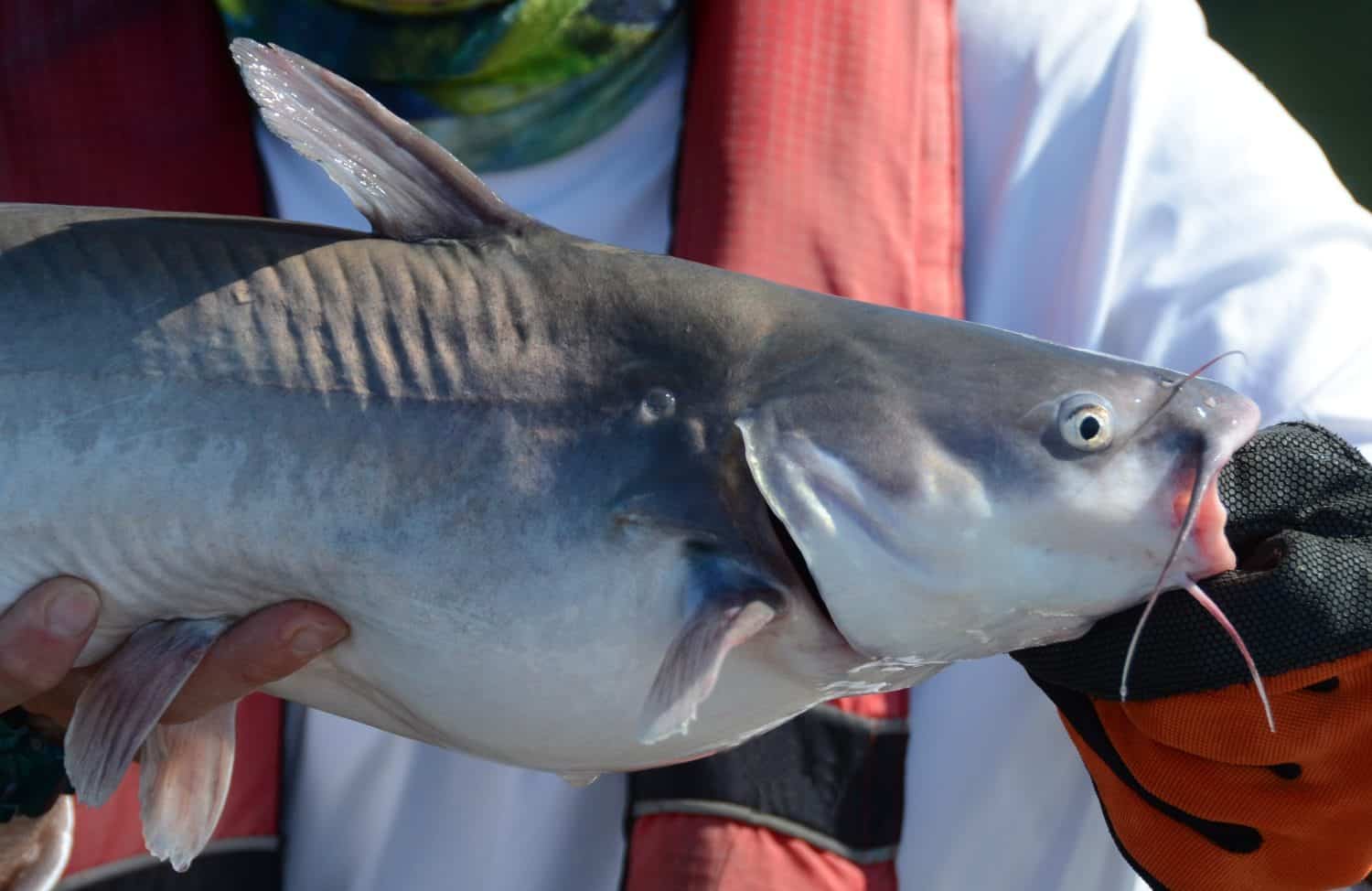
Fishermen in Maryland often catch more invasive blue catfish than native fish.
©M Huston/Shutterstock.com
While this is not unusual for an area where an invasive species has been introduced, the blue catfish’s reproduction rate raises red flags. In the last decade, the commercial harvest of blue catfish in Maryland and Potomac waters increased by more than 500%. The commercial harvest rose from about 609,525 pounds in 2013 to over 4.2 million pounds in 2023.
It’s now clear that the blue catfish—originally released for sport fishing—has thrived excessively in the waters of Maryland and Virginia. As their numbers increase throughout the Chesapeake Bay, they are impacting native marine life. Competition for food, habitat loss, and the decline of smaller native species all point to a big problem with blue catfish. It’s one that, as of March 2026, is being addressed through new federal legislation and funding initiatives.
One-Million-Dollar Fishing Proposal
The funding, announced by U.S. Senators Chris Van Hollen and Angela Alsobrooks of Maryland, provides $1 million to BSA Seafood LLC in Caroline County to boost processing of the invasive fish. The proposed solution is twofold: funds will cover the processing costs of catching and harvesting blue catfish that have taken over Maryland’s waters. This allows local businesses to profit from the invasive species, which can then be sold at restaurants and seafood markets throughout the state. It’s a significant move toward controlling the blue catfish population, but it has another benefit. It also offers a “local,” affordable seafood menu item that’s accessible year-round.
Opening up processing for commercial blue catfish also offers population control. By catching mature fish and even slightly overfishing, the reproductive rates of blue catfish naturally decline. With processing fees covered, commercial fishermen no longer need to release the invasive species after catching them. Now, the more fish that are caught, the better–and the higher the profits.
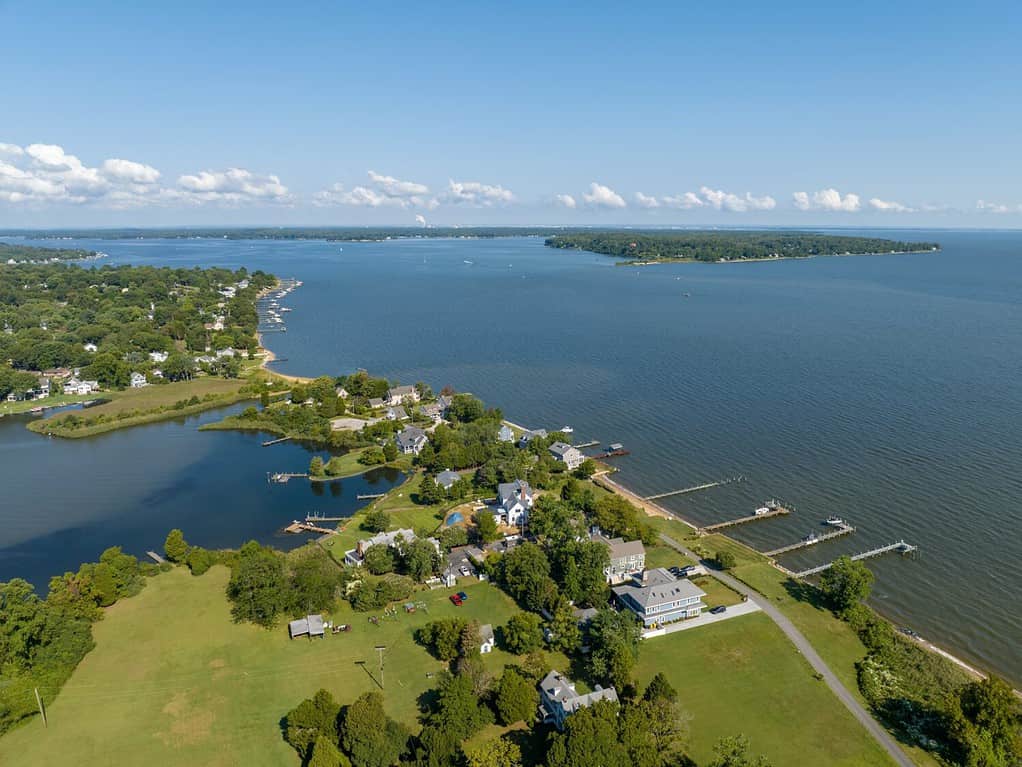
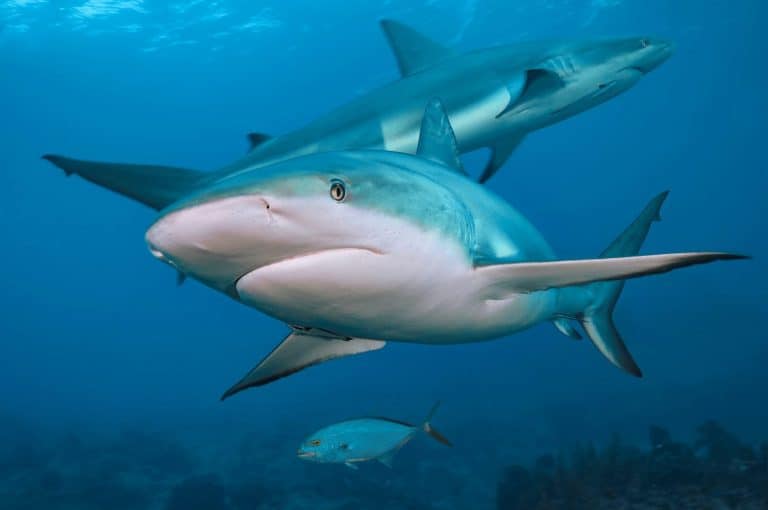
The Chesapeake Bay is home to approximately 350 finfish, many of which are threatened by the blue catfish.
©tokar/Shutterstock.com
After the funding was released, Senator Alsobrooks was hopeful about its future impact. “I have vowed to do everything I can to protect our Chesapeake Bay, the heart of Maryland. The Bay fuels Maryland’s economy, generates tourism, and provides wildlife habitat. Invasive, wild-caught catfish pose a significant threat to the Bay and cause ecological damage. I am glad to see we are investing federal dollars into solving this issue and look forward to eliminating the threats caused by this invasive species once and for all,” she said in the press release.
Blue Catfish Aren’t the First to Become Food
Maryland’s new funding is an innovative approach to population control, but it’s not the first of its kind. Several marine species, including the Asian carp, have gone from decimating habitats to landing on local restaurant menus. Asian carp was even rebranded as “Copi,” which has become a popular ingredient in fish tacos and fish sticks, offering a light, white-fish flavor that is both affordable and accessible.
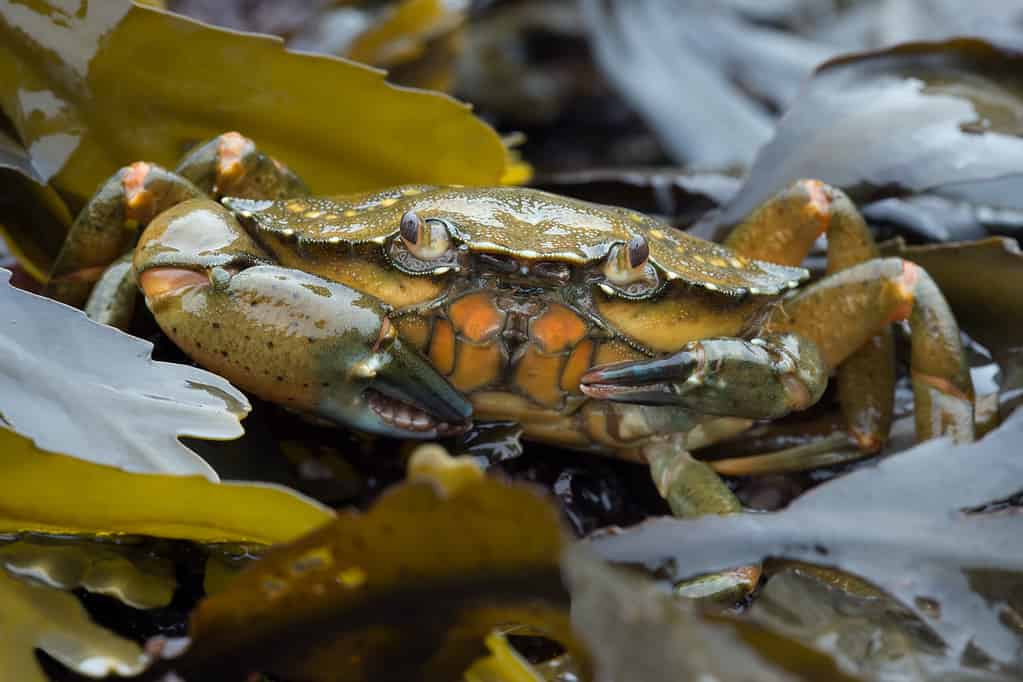
European green crabs are invasive throughout New England, but thankfully, they’re also edible.
©davemhuntphotography/Shutterstock.com
Throughout New England, the Asian shore crab and the European green crab are treated the same. These invasive crustaceans threatened native marine life in similar ways to blue catfish. However, several states found ways to make them edible rather than simply trying to eradicate them. Now, they also appear on menus throughout coastal New England, and are even a specialty in some restaurants.