
Quick Take
- Fast births follow long gestations in many animals, producing developed young that can stand and nurse quickly.
- Some species deliver in minutes, such as northern elephant seals and harbor seals, enabling pups to swim or walk within minutes.
- Fast births are a survival adaptation against predators, cold water, and open habitats across multiple mammal species.
Human labor can be grueling, stretching for multiple hours and occasionally over days. However, in much of the animal world, birth has to be fast in order for a species to survive. In their world, a long, exhausting delivery can be deadly for both mother and baby, which is why evolution has pushed many species toward short, efficient labors and newborns that can seek safety almost immediately.
What are some of the animals in our world capable of laboring and birthing their young quickly? Today, we’ll look at 20 with remarkably fast births, providing facts on how long these animals stay pregnant, how fast the actual delivery happens, and what this means for their overall survival. Let’s dive into the fastest births in the animal world and the amazing animals capable of achieving these feats of life.
1. Bottlenose Dolphin
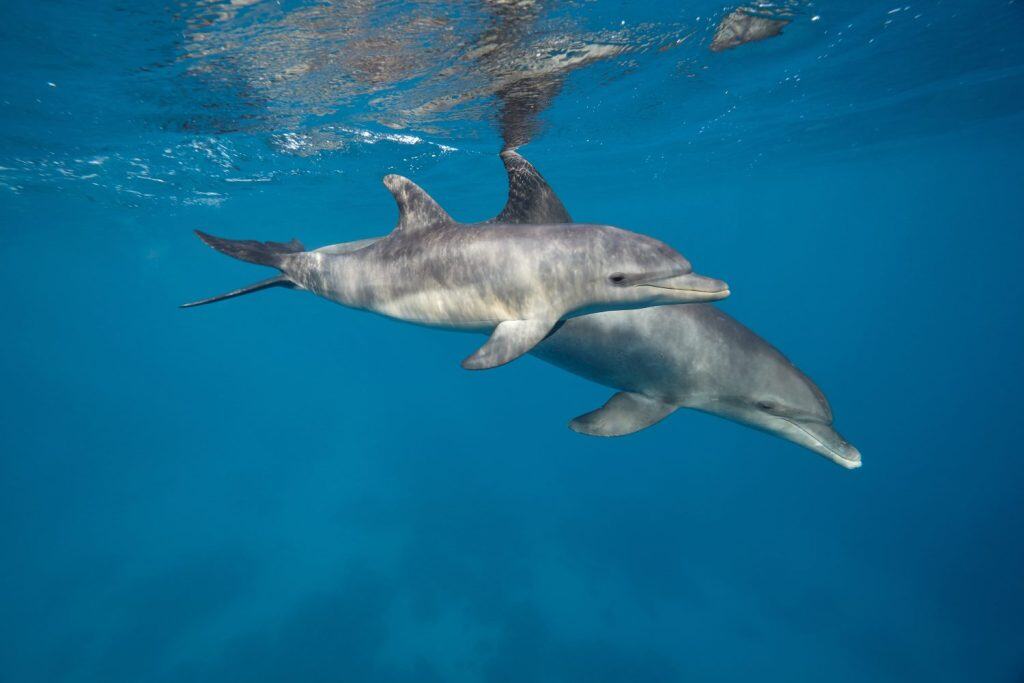
Bottlenose dolphins have large brains.
©Tetsuo Arada/Shutterstock.com
Female bottlenose dolphins carry their calves for about 12 months, which is one of the longest pregnancies among this size of mammal. Field studies and zoo records show that once active labor begins, birth can still take an hour or more, which is what happened at the Brookfield Zoo; a mother labored for over an hour before her baby finally emerged tail-first.
While this may not sound very fast, dolphin calves are impressive, born fully developed and immediately guided to the surface by their mother to take their first breath and start swimming. For a large-brained, social marine predator, a long gestation and a relatively short birth keep this species thriving.
2. Cow
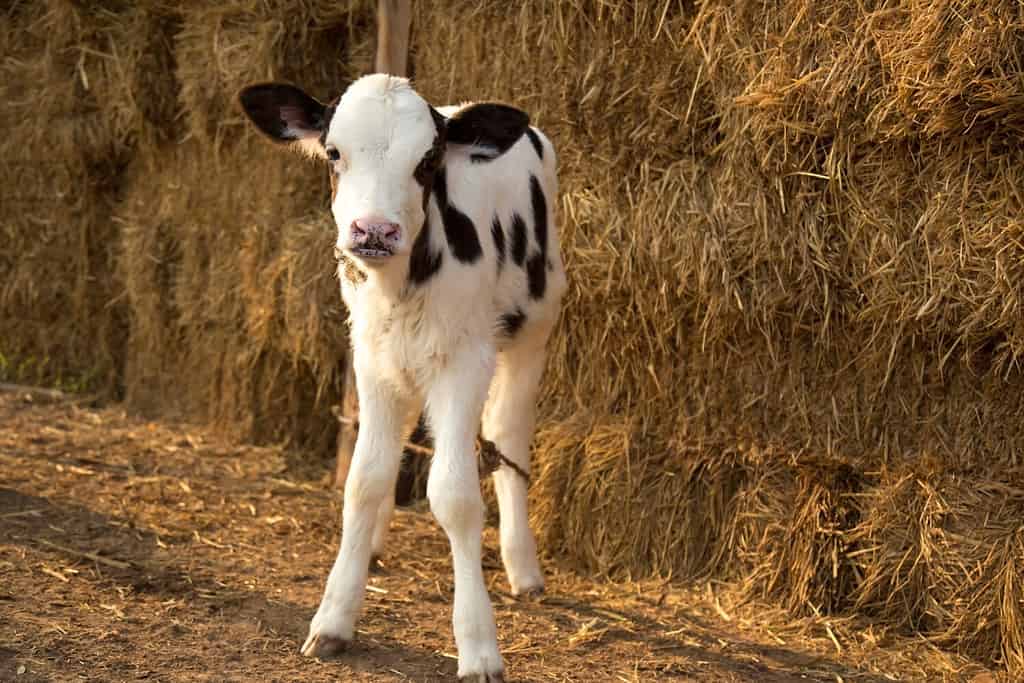
Cow pregnancies are similar in length to those of humans.
©Napaphat Kaewsanchai/Shutterstock.com
Cows have a pregnancy that lasts about 283 days, which is similar to humans in terms of length. The difference happens when stage II labor actually starts. In mature cows with normal calf positioning, the calf is typically delivered within about 20–30 minutes, and many healthy cows finish this stage in under half an hour.
If a cow strains hard for longer than an hour or so without birthing progress, veterinarians intervene, as something is likely wrong. Under natural conditions, getting a calf delivered, cleaned, and nursed reduces the time that both of these animals spend in a vulnerable environment, potentially among predators.
3. Sheep

Ewes are born in 30 minutes to an hour.
©MintImages/Shutterstock.com
Normal ranges for a sheep pregnancy are between 142 and 152 days. Once active labor begins, ewes give birth similarly to cows: it takes only 30 minutes to an hour for a lamb to be born before vets recommend checking for problems if it’s taken longer than that window of time.
Ewes isolate, begin strong contractions, and ideally pass the lamb as quickly as possible; any longer and her risk of complications rises sharply. In many ways, fast births and lambs that are capable of hopping to their feet quickly are a big part of why sheep can thrive in exposed landscapes full of predators.
4. Goat
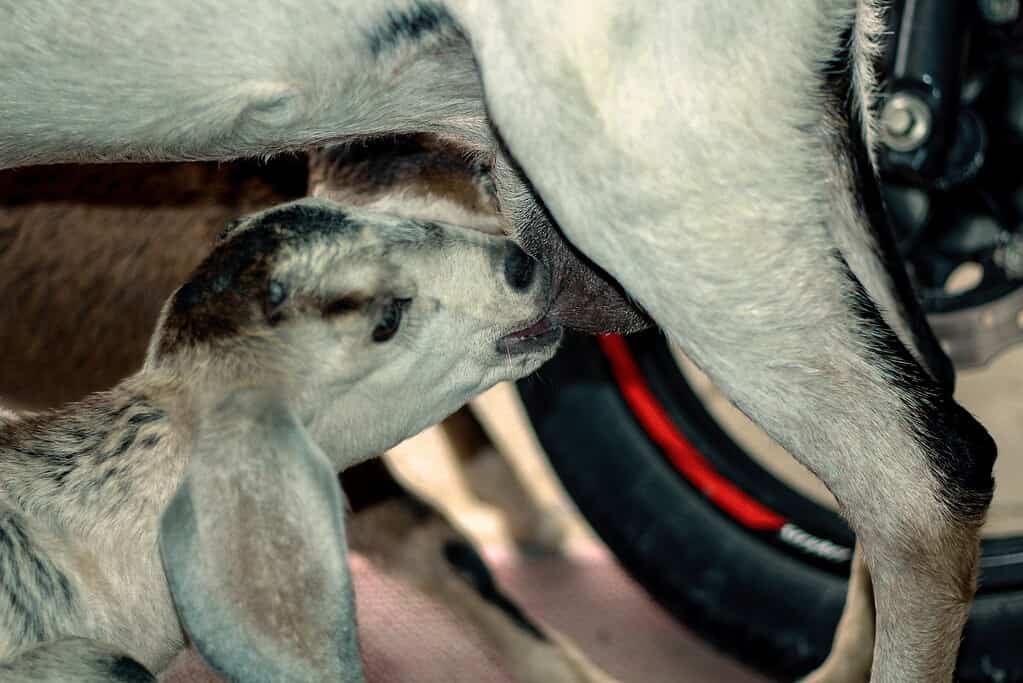
Baby goats are called kids.
©Md Imranul Rahman/Shutterstock.com
With a gestation period of about 150 days on average, give or take a few days depending on breed and litter size, goats are quick to give birth from beginning to end. Active labor should produce a kid within about 30 minutes, but intervention due to complications should happen after this amount of time.
That means a straightforward birth is typically fast, especially for a mammal that has the potential to deliver twins or triplets. As is the case for other prey animals, kids that arrive quickly and nurse soon after birth are less likely to draw predators to their location.
5. Alpaca and Llama
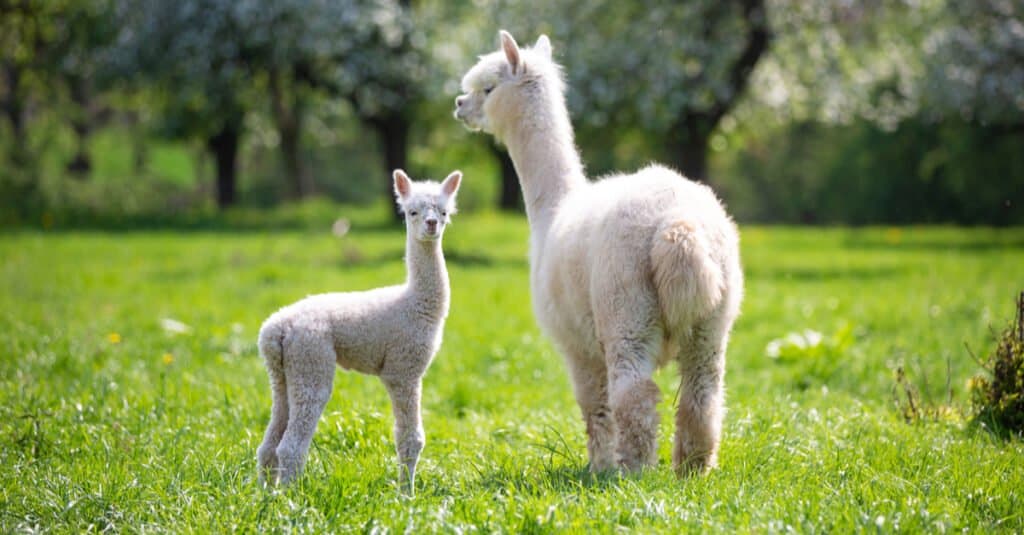
Alpacas and llamas are camelids.
©fotorince/Shutterstock.com
Camelids like alpacas and llamas carry their young for much longer than you’d expect: about 11.5 months on average. However, once the baby’s nose and feet appear, experienced breeders expect the baby to be completely on the ground within 10–20 minutes.
Why such a long pregnancy and quick birth? It ultimately produces long-legged, highly developed babies that can stand and nurse within a short time. In the Andes, where these animals evolved, delivering quickly during daylight and getting newborn alpacas or llamas dry before cold mountain nights is critical to survival.
6. Horse
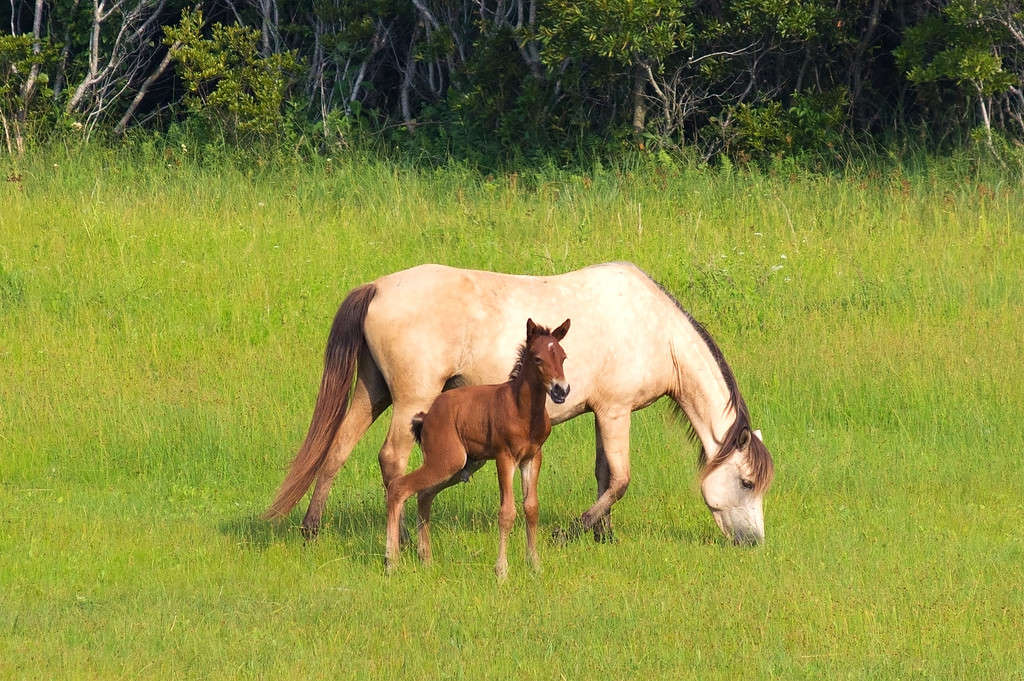
Foals are typically delivered in 10–20 minutes.
©amedved/iStock via Getty Images
Like llamas and alpacas, mares are pregnant for roughly 11 months, with an average gestation of around 338–345 days. Their foals are also delivered within about 10–20 minutes, and equine experts treat any birth time beyond roughly 20–30 minutes as a red flag.
Newborns commonly stand within 15–20 minutes and may be able to walk or even run within about an hour, as horses evolved from their open plains ancestors, a location that can have dangers lurking just out of sight.
7. Zebra
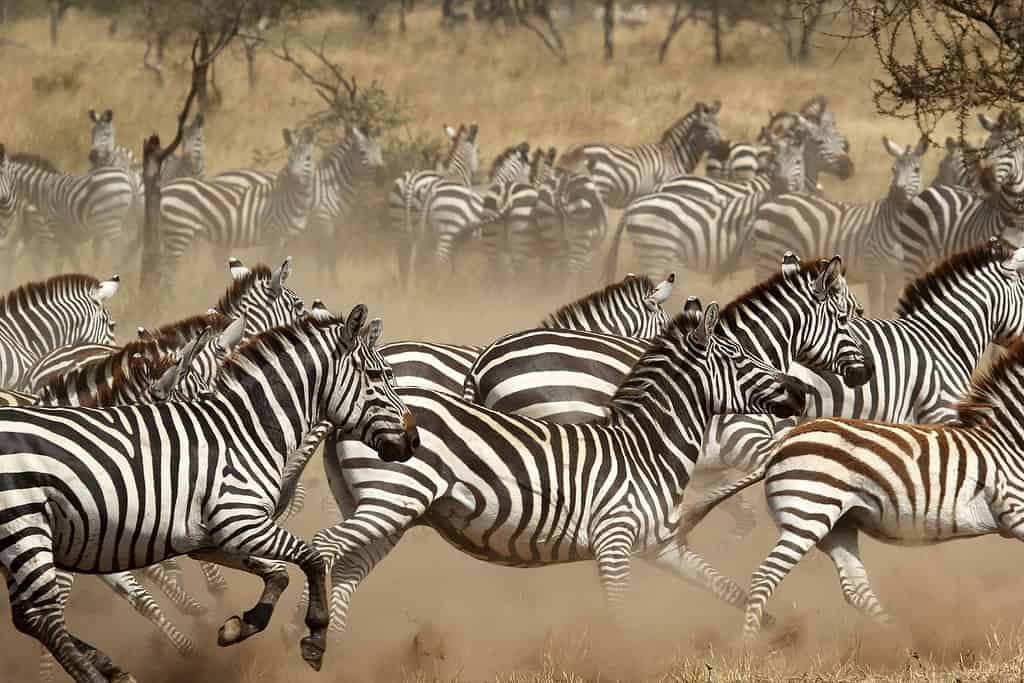
Zebras give birth in a more hazardous environment than most horses.
©MattiaATH/Shutterstock.com
Zebras have a similar birthing pattern as horses, but in a far riskier environment. Females gestate for around 12–13 months, but births are rapid enough that most zebra foals can stand within about 10–20 minutes. The overall birth typically completes within 15 minutes, as zebras find safety in numbers; newborns need to be able to join the herd immediately in order to survive.
8. Bongo
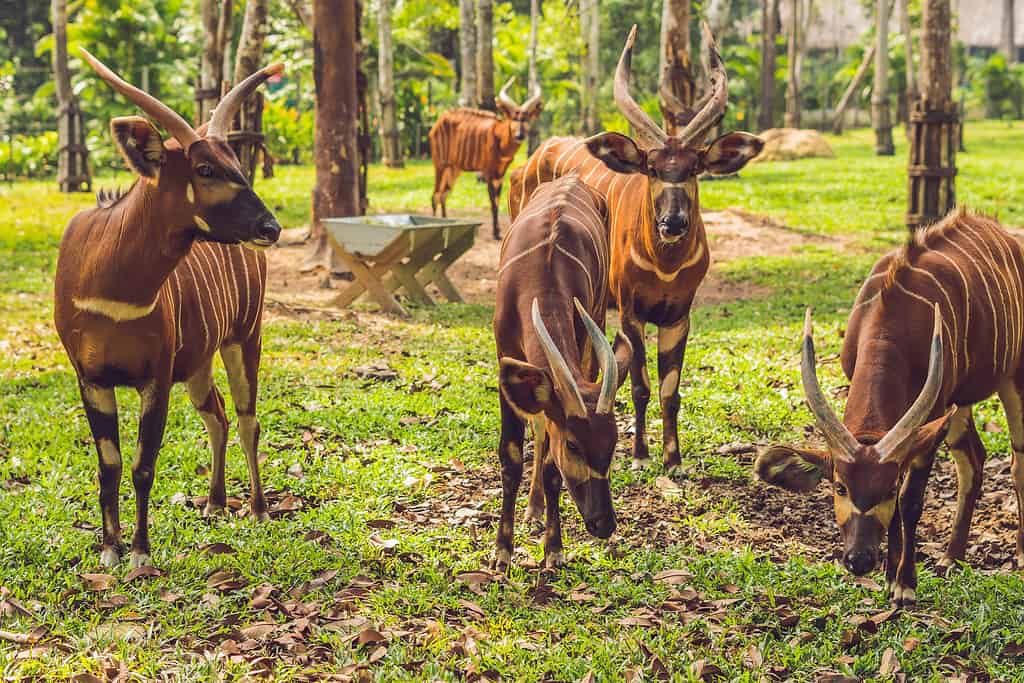
Bongos have the same gestation period length as humans.
©Elizaveta Galitckaia/Shutterstock.com
A type of nocturnal antelope, bongos carry their calves for about nine months. Zoo records and field observations show that newborn bongos can stand within about 20–30 minutes of birth and walk shortly after, though mothers often hide them in dense cover for the first week of their lives. Leaving birthing sites that might attract leopards or other predators is a must, which is why calves have adapted to walk shortly after birth.
9. Caribou
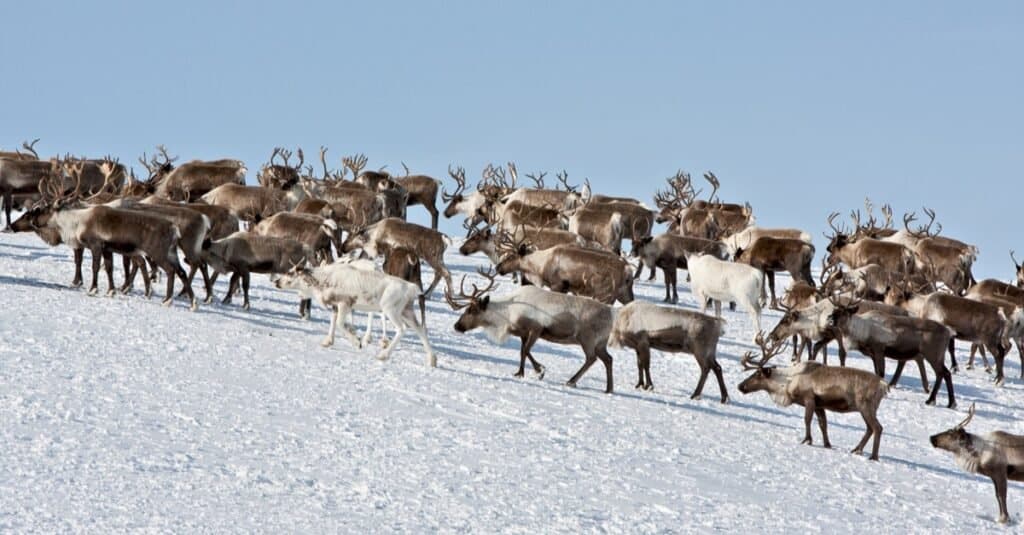
Caribou calves are on their feet shortly after birth.
©Sergey Krasnoshchokov/Shutterstock.com
With a gestation period of about 7.5 months, caribou have a shorter pregnancy than other hoofed creatures on this list. However, like all the rest, calves are on their feet within roughly an hour of birth and can follow their mothers within several hours. By the end of a single day, they can run fast enough to keep up with the herd.
Exactly how many minutes the delivery itself takes varies. However, in wild tundra herds, cows that labor too long or struggle to deliver are less likely to survive or to produce calves that can escape wolves and bears fast enough.
10. Pronghorn
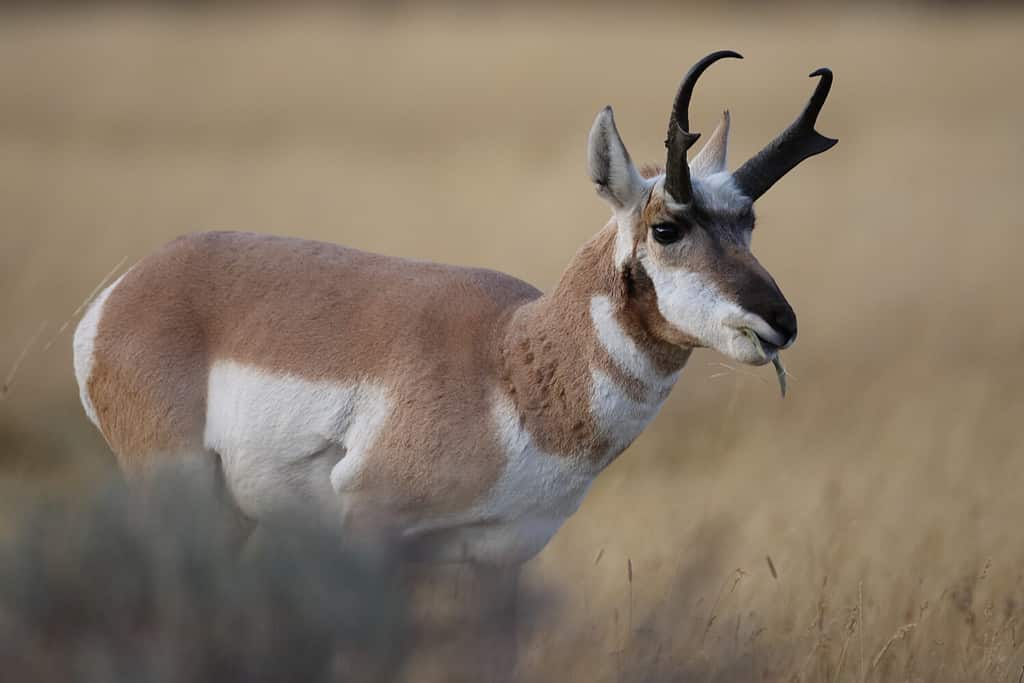
Pronghorn fawns are on their feet within hours after birth.
©Greens and Blues/Shutterstock.com
Pronghorn aren’t true antelope, but their birthing strategy is similar to other herbivores found here. Gestation lasts around 8 months, births appear to take less than 20 minutes on average, and fawns are up on their feet within hours and able to sprint within days for their own survival.
11. Elephant
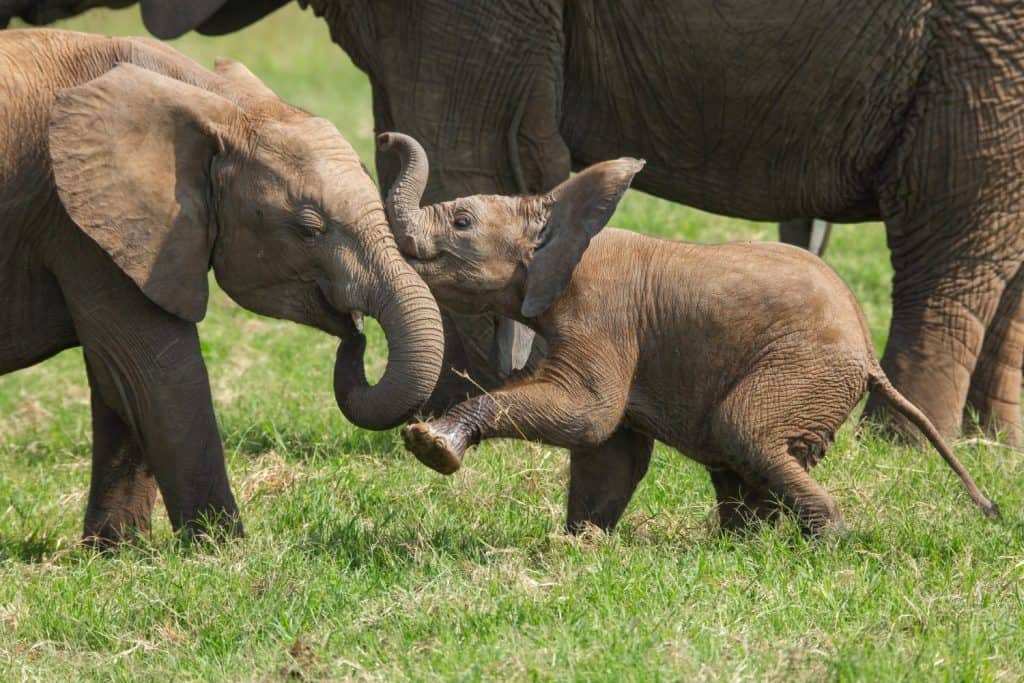
Elephants carry their young for nearly two years.
©Chedko/Shutterstock.com
With the longest pregnancy of any land mammal, elephants carry their young for about 22 months. Despite this long wait, birth itself is surprisingly quick, with most taking an hour or less. Conservation groups report that calves can stand about 20 minutes after birth, allowing the herd to keep moving and stay safe.
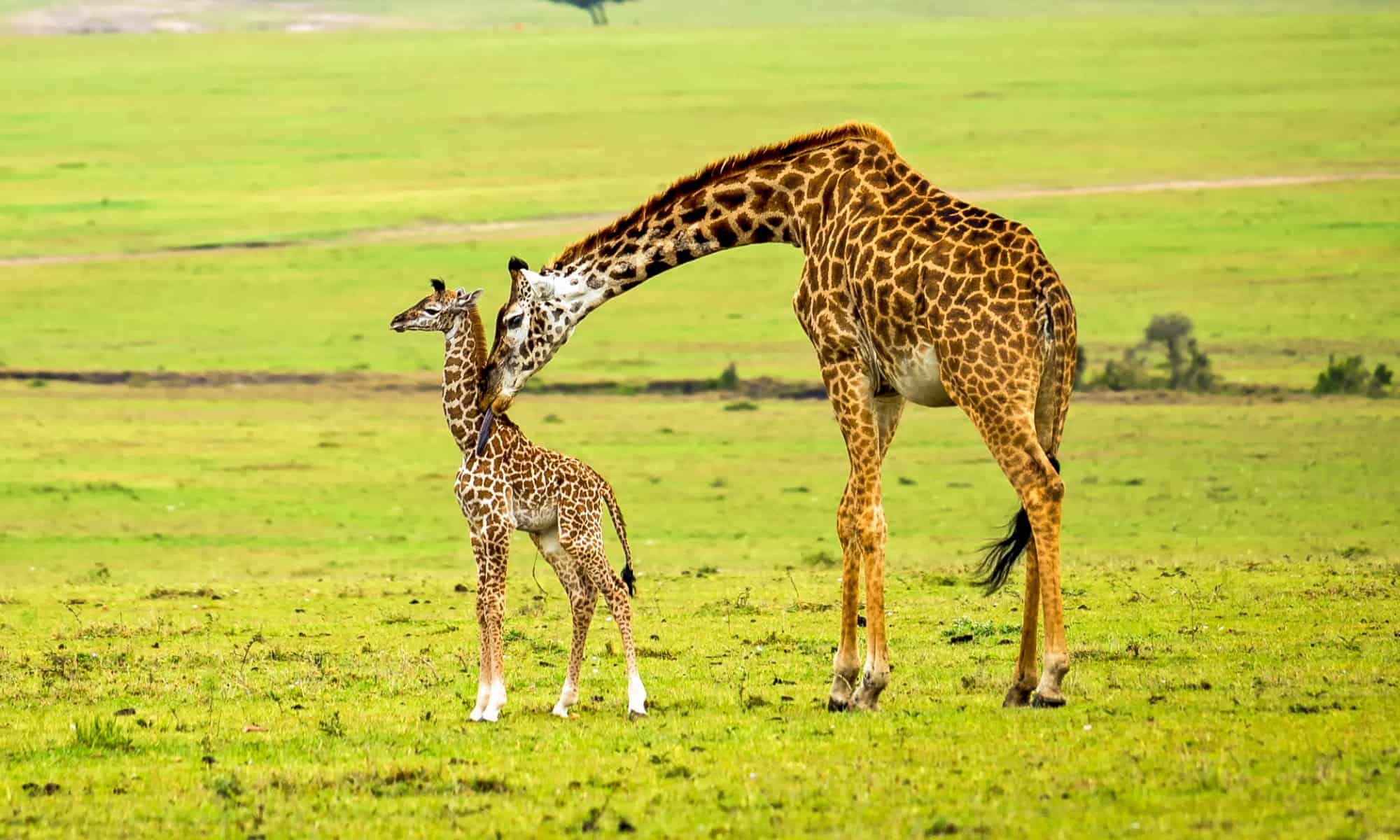
12. Giraffe
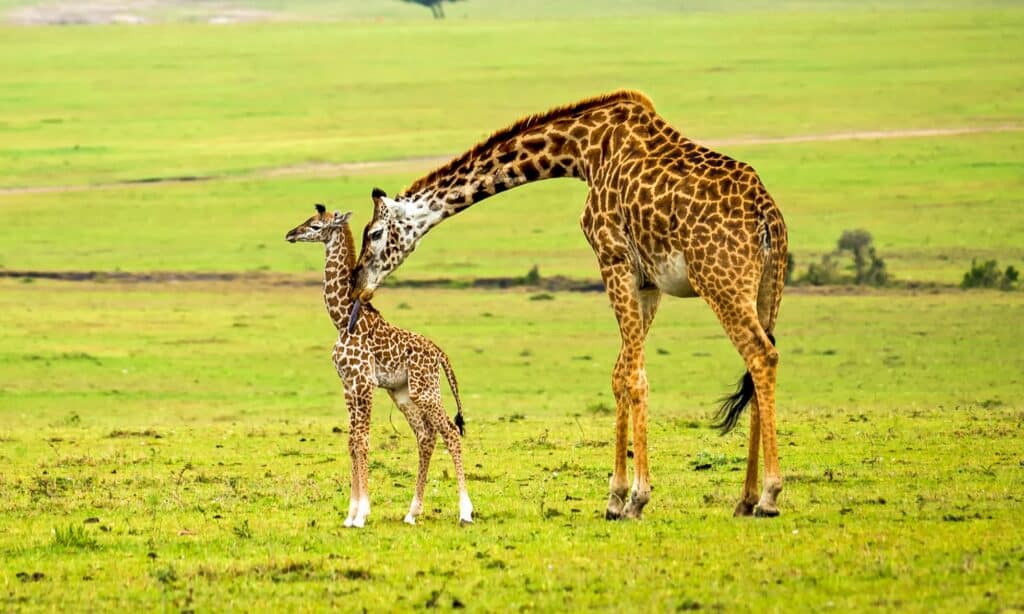
Giraffes give birth standing up.
©iStock.com/miroslav_1
Giraffes give birth standing up after roughly 14 months, so calves experience a six-foot drop onto the ground, then struggle to their feet. A mother also typically labors for just 10-20 minutes. That fast, gravity-assisted delivery, followed by quick standing, gives calves a better chance of staying near their mothers and relative safety in their open savanna habitat.
13. Guinea Pig
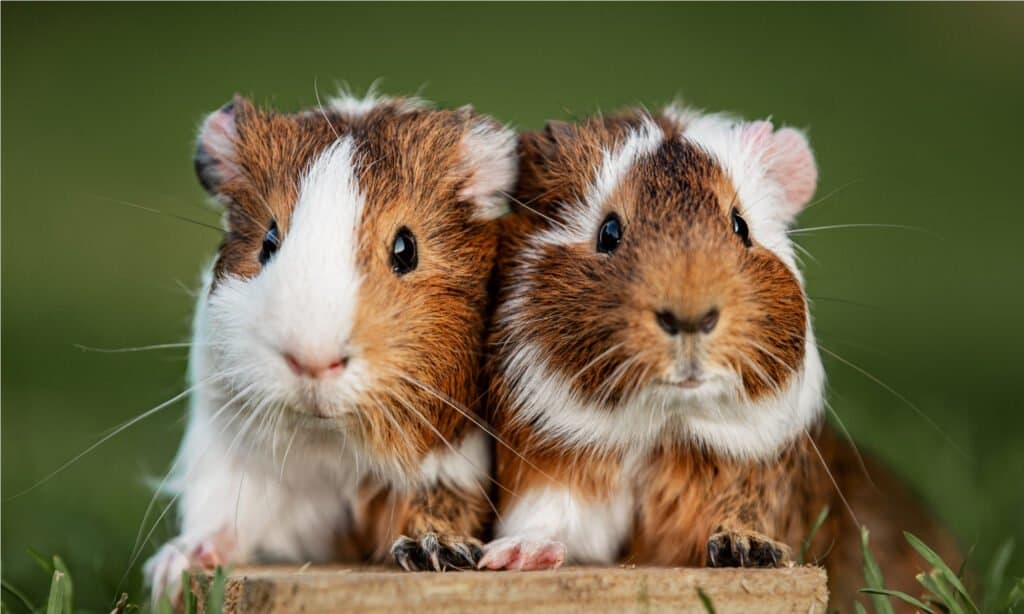
Guinea pigs gestate for a few months.
©Rita_Kochmarjova/Shutterstock.com
Domestic guinea pigs gestate for about 59–72 days, which is considerably longer than many other rodents. However, their pups are born fully furred with their eyes open, and are capable of nibbling solid food within a day. Plus, the entire birth usually takes just 10–30 minutes, with one to six pups delivered minutes apart.
14. Rabbit
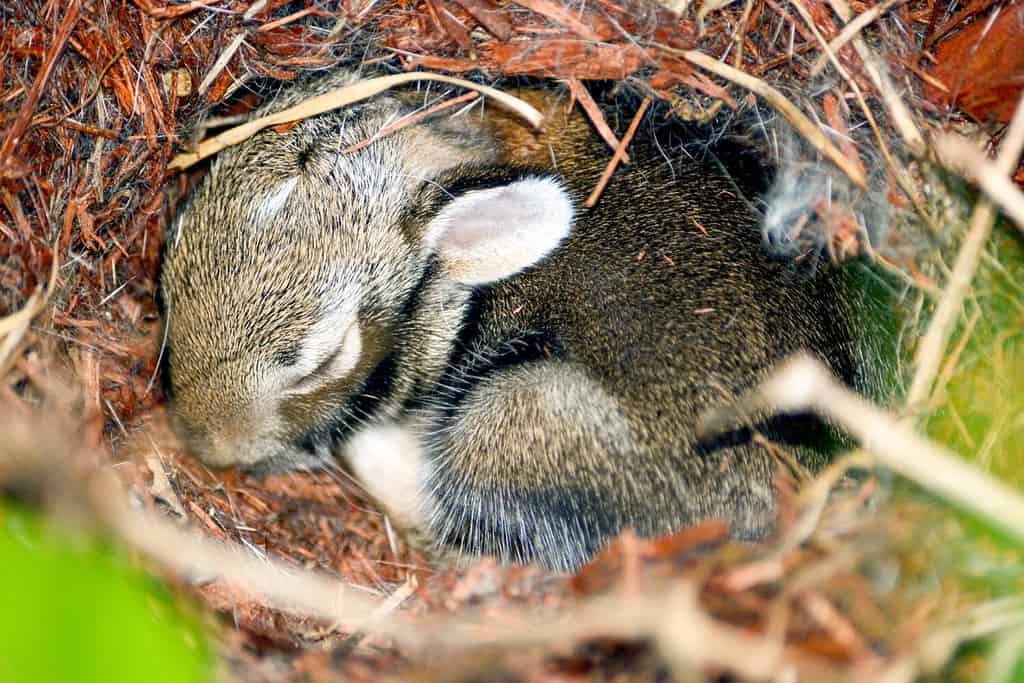
Rabbits gestate for about a month.
©Jerry Morse/Shutterstock.com
Rabbits are known for their breeding habits and have a gestation of roughly 28–33 days. The birthing process, called kindling, is also famously quick. A normal birth for an entire litter may be over in about 7–30 minutes, often occurring at night with little warning. Because rabbits are classic prey animals, secretive births minimize an entire litter’s exposure to predators.
15. Wildebeest
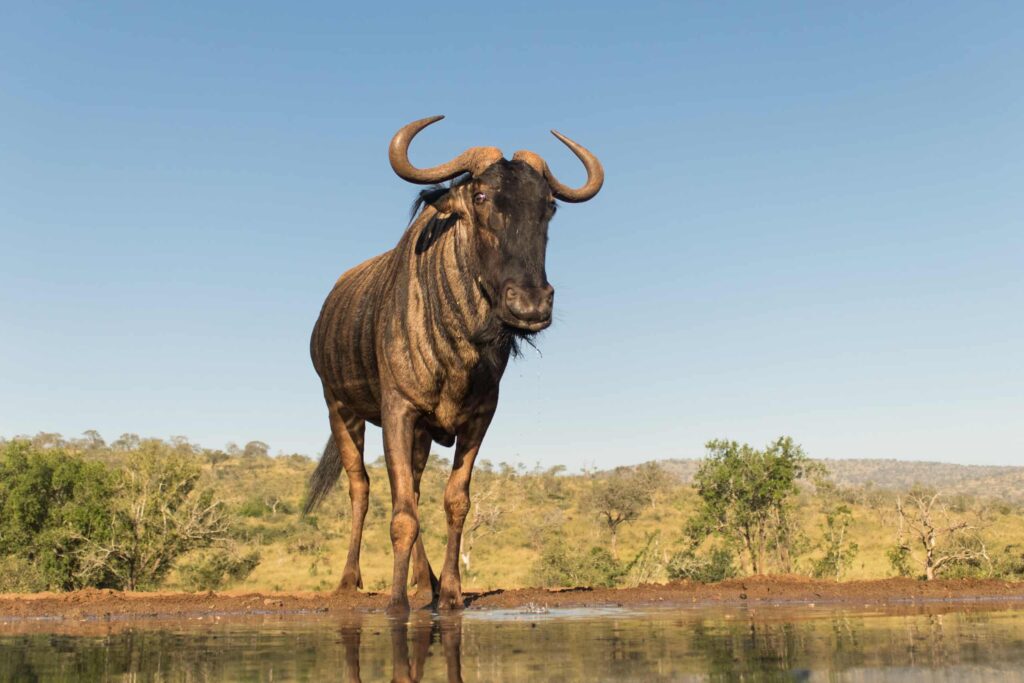
Wildebeest calves stand 6–7 minutes after birth.
©iStock.com/Anna-Carina Nagel
Like other savannah prey animals, wildebeest cows give birth to calves that stand within about 6–7 minutes of birth. They can also run alongside their mothers almost immediately; an eight-month-long pregnancy helps their young develop enough to achieve this impressive feat. Plus, the labor process averages 10-15 minutes, as time is always of the essence in open plains.
16. Impala
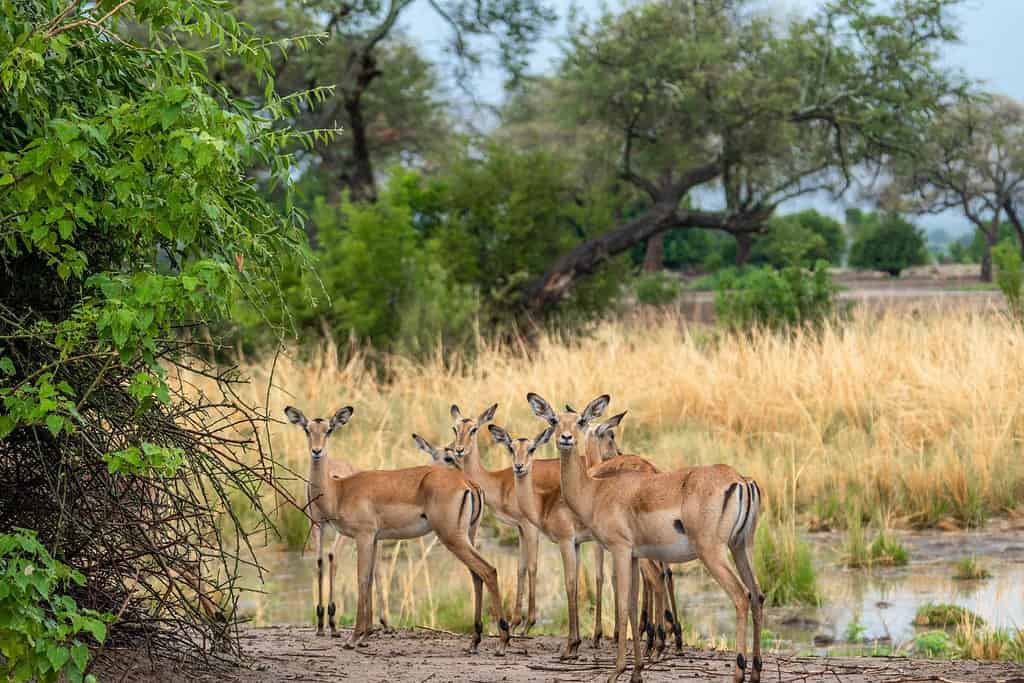
The impala lives in eastern and southern Africa.
©Blue wonders/Shutterstock.com
Impalas actually have some ability to delay their births in harsh conditions, stretching longer than their average pregnancy length of 7 months. These antelopes usually give birth in hiding places away from the herd, then rejoin once the newborn is strong enough, typically within an hour from the start of labor to finish.
17. Gazelle
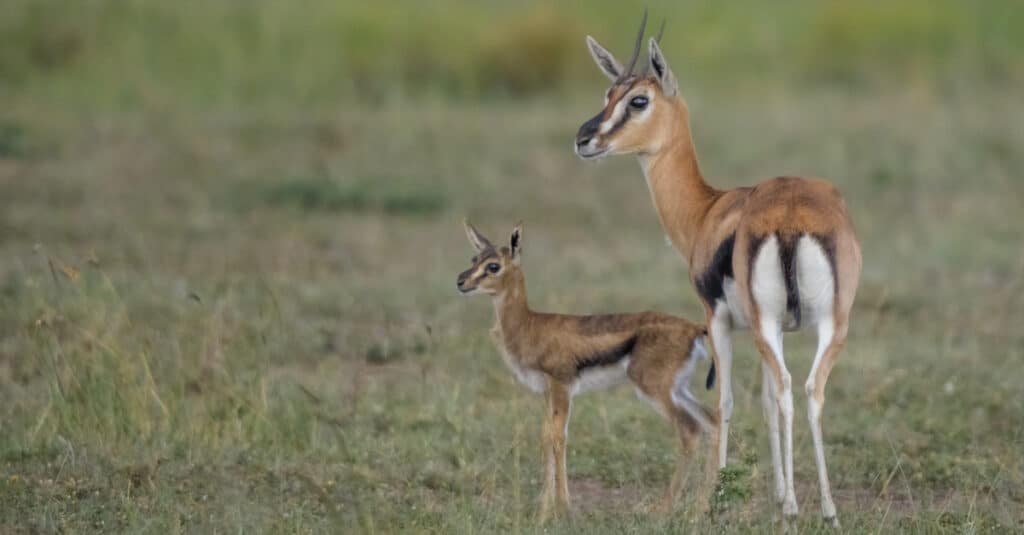
Gazelles are prey for carnivores.
©iStock.com/Tobie Oosthuizen
Because these small antelopes are prime prey for cheetahs and other carnivores, gazelle fawns go through a “lying out” phase in which they hide motionless for much of the day after being born. Pregnancy terms typically last 5 months on average, with births occurring in 20 minutes or less, more often than not.
18. Harbor Seal
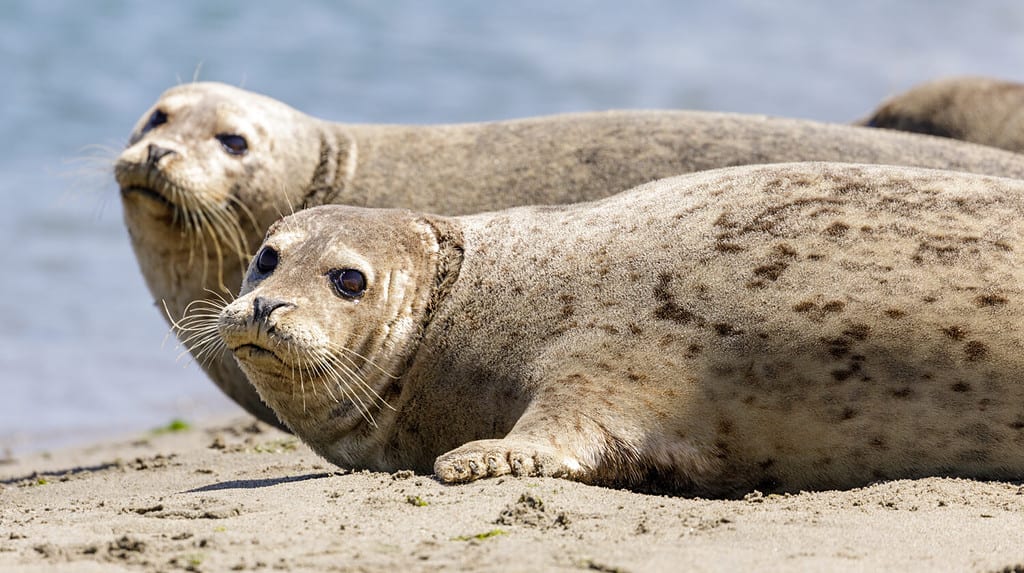
Harbor seals give birth in shallow water or on rocks.
©yhelfman/Shutterstock.com
Moving from land to sea, harbor seals are pregnant for roughly 9–11 months, including a period of delayed implantation. When it’s finally time to pup, the process is brief. Although precise averages vary, pinniped biologists note that normal harbor seal births are completed in just a few minutes, and pups can swim and dive almost immediately.
Giving birth in shallow water or on rocks leaves little margin for error. A pup that doesn’t emerge quickly risks drowning, and a mother who labors too long is exposed to orcas or sharks. That’s why baby harbor seals are capable of swimming almost immediately after birth if they are healthy.
19. California Sea Lion
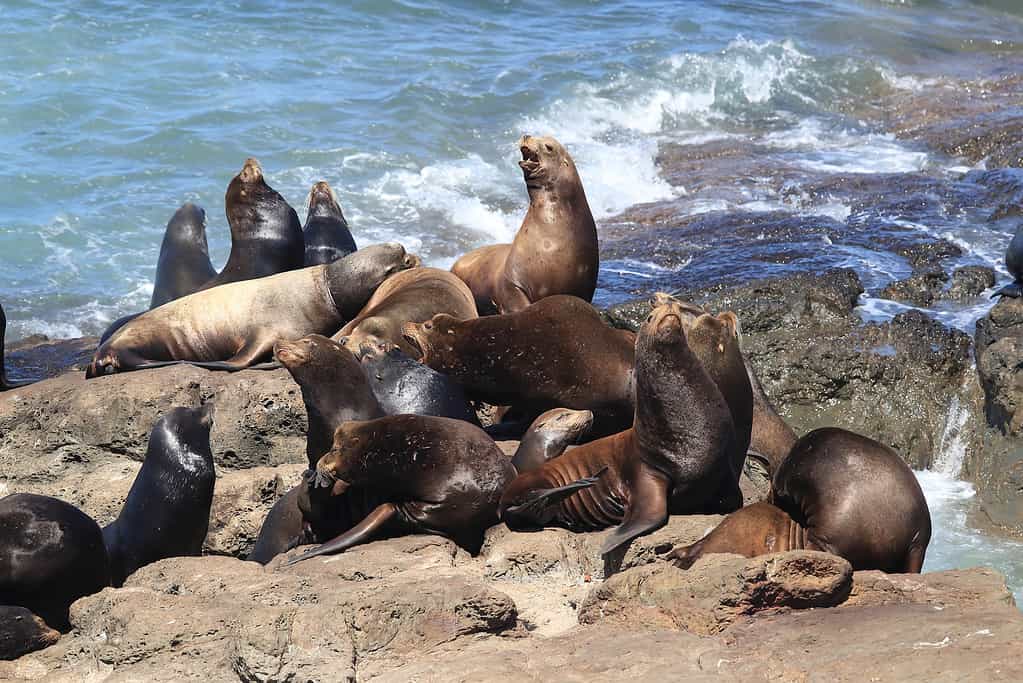
California sea lion babies are called pups.
©Frank Fichtmüller/iStock via Getty Images
California sea lions also gestate for about 9–11 months with delayed implantation, just like harbor seals. Pups are typically born in just a few minutes once strong contractions begin, and within about 30 minutes, they can wriggle, vocalize, and move toward their mothers to nurse.
Fast births tend to help females complete labor between incoming waves or aggressive males moving through the colony. Pups that appear quickly and start nursing fast are better able to build the fat reserves they need to thrive.
20. Elephant Seal

Elephant seal pups move and nurse shortly after birth.
©yhelfman/Shutterstock.com
Female elephant seals have impressive birthing times for their size. They are pregnant for around 11 months, which is fairly long. However, when they come ashore to pup, the actual delivery is over in only a few minutes, typically under ten. The pups are capable of moving and nursing in nearly the same amount of time, too.
Across all these species, this pattern of pregnancy is remarkably similar: long pregnancies often work well with short, efficient births and developed young that can move soon after emerging. Wherever lingering might prove dangerous to prey mammals, the fastest births in the animal world are essential for the survival of each and every one of these special species.