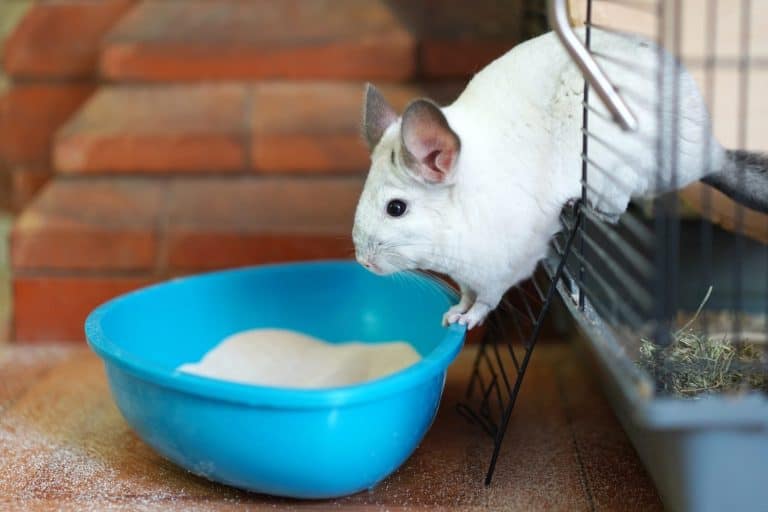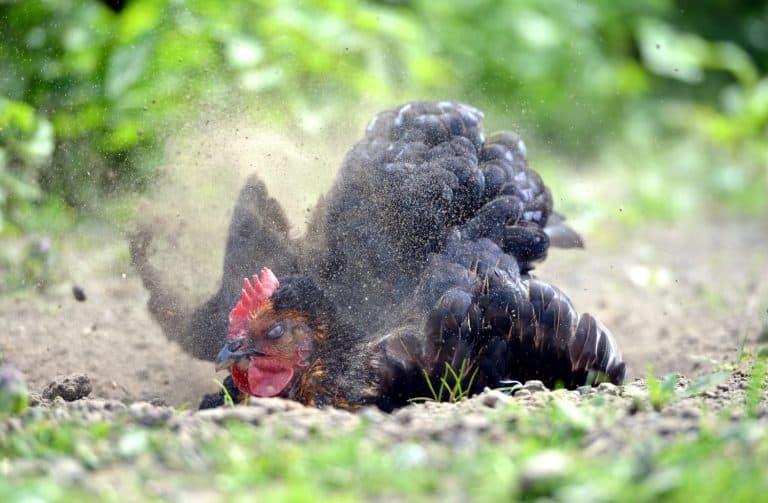

Humans may take baths with water, but there are plenty of animals out there that prefer using dirt to get themselves clean. It may seem counterintuitive, but dirt baths are an important hygiene process for many animals. Take the tenrec, for example. In this YouTube video, a tenrec sits in a little bathtub and meticulously rubs dust all over its body.
Considering the miniature bathtub and the tenrec, it’s a pretty adorable combination. However, dust bathing is an essential part of a tenrec’s self-care routine. Let’s learn more about tenrecs, their characteristics, and what makes dust baths so important to them.
Tenrec Background

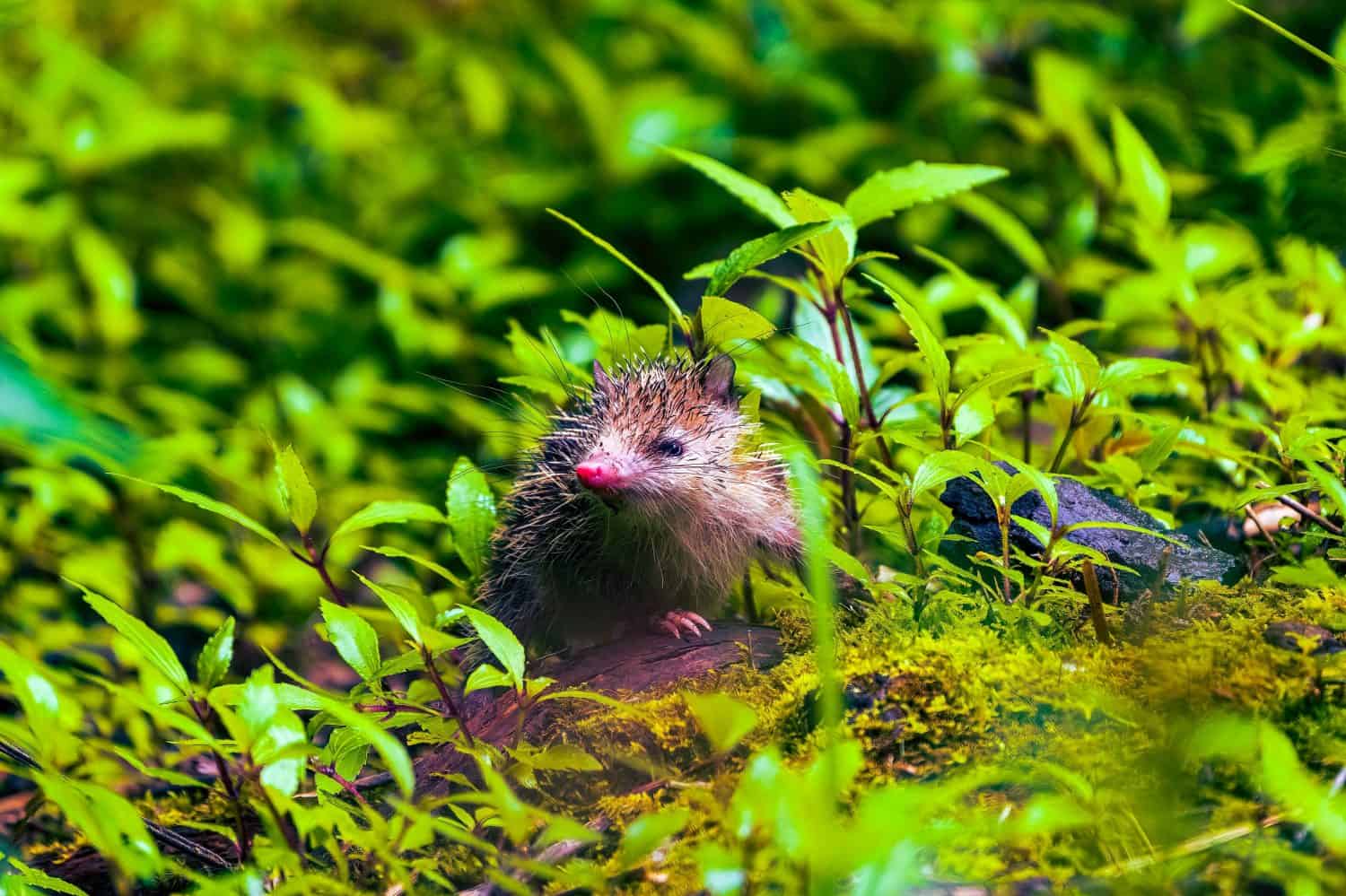
Tenrecs can’t see well, but some species, such as the lesser hedgehog tenrec and the lowland streaked tenrec, use simple forms of echolocation to help them navigate
©Positief kijk je verder/Shutterstock.com
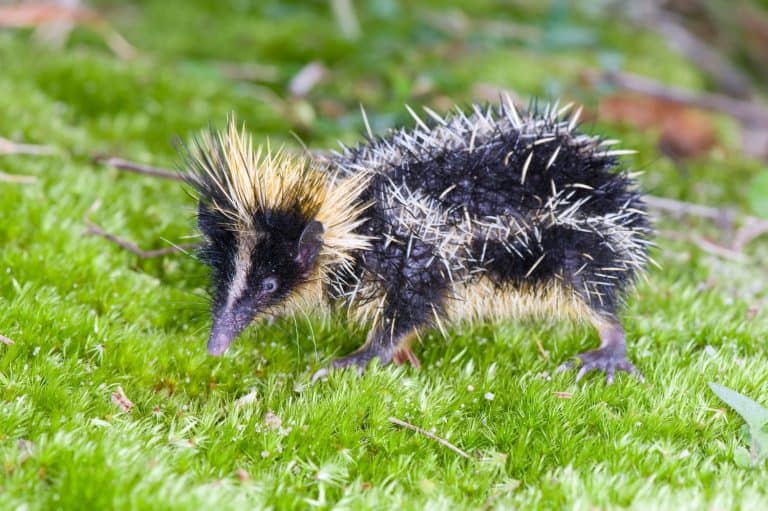
Tenrecs are a group of mammals that belong to the Tenrecidae family, all of which are endemic to Madagascar. This island off the coast of Mozambique in southeastern Africa is home to a dazzling variety of animals, and tenrecs are no exception. Classifying tenrecs can be confusing because the group includes a wide variety of species that have evolved similar traits to other animals through convergent evolution. Some of them resemble mice or opossums, while others, like the one in this YouTube video, look more like a porcupine or hedgehog.
These little creatures are believed to have evolved from a single species that colonized Madagascar between 42 and 50 million years ago. No one is quite sure how they traveled to the island, but they’ve spread far and wide since then. Tenrecs occupy nearly every environment in Madagascar, including aquatic, fossorial, terrestrial, and arboreal regions.
Tenrecs subsist on an omnivorous diet. They’ll happily eat insects, invertebrates, and even bird eggs and fruit. Most tenrec species are nocturnal and have poor eyesight. They compensate for their bad vision, however, with some impressive senses. Not only do they have sensitive whiskers, but evidence suggests that tenrecs are among the few mammals capable of using echolocation. They make a clicking sound with their tongues to help them navigate Madagascar’s unique habitats.
As of 2025, the conservation status of tenrecs varies by species. Some, like the lesser hedgehog tenrec, are listed as Least Concern. However, at least six tenrec species are considered threatened (Vulnerable or Endangered) according to recent conservation reviews. Habitat loss and other threats have caused population declines in several species.
Dust Baths

Tenrecs take dust baths to clean their coats, camouflage themselves, and repel parasites.
©michael nicolai/Shutterstock.com
But what about tenrecs’ habit of taking dust baths? In this YouTube video, a cute little tenrec sits in a bathtub filled with dust. As if applying a facial scrub, it brings up dust and rubs it all over its face and body. Although it may seem counterproductive, dirt or dust baths actually provide real benefits for animals like tenrecs.
Humans may prefer to take water baths, but tenrecs prefer dust. For many animals, dust baths are a necessary maintenance behavior that helps them maintain healthy skin and fur. For tenrecs, dust baths not only clean their spiky coats but also help them acquire new scents. This scent-anointing process is especially important in captivity, as it provides enrichment in an otherwise limited environment. In the wild, dust baths can help tenrecs mask their scent for camouflage or even repel parasites.