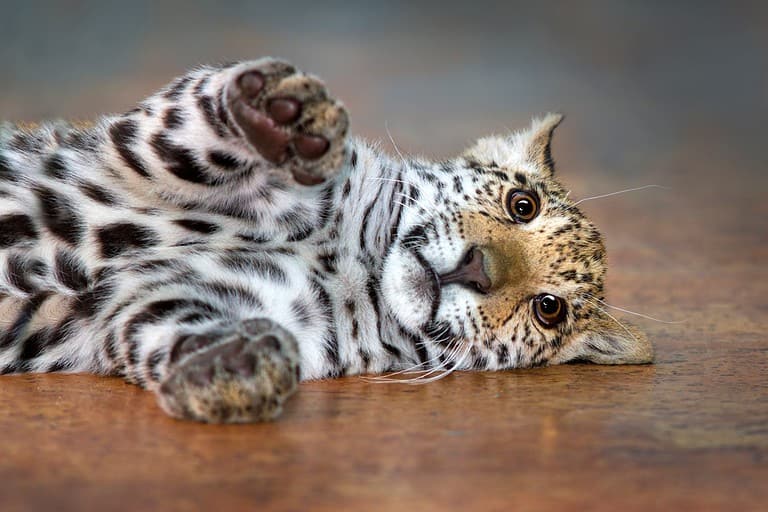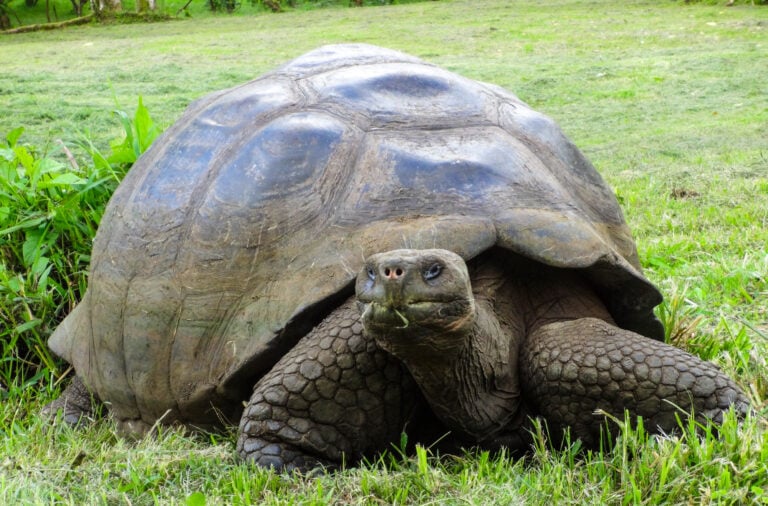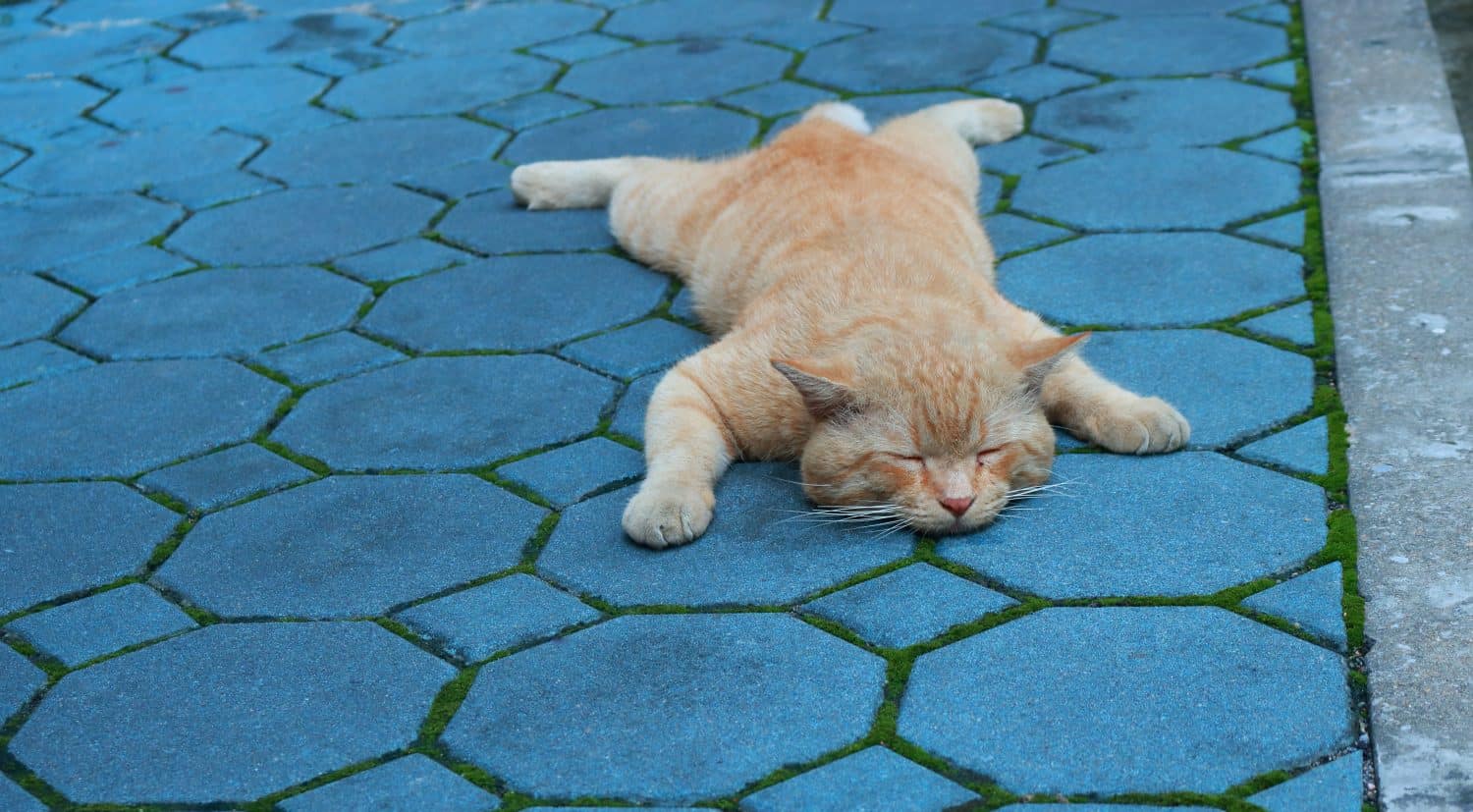

Nature can be intense. Predators hunt prey, animals migrate across continents, and survival is a daily challenge. But sometimes nature is just plain hilarious. Whether it’s a bear flopping down spread-eagled like a rug, a cat sticking out its tongue, or a rabbit doing a crazy twisting leap, animals can be weird, cute, and super entertaining. The cuteness quotient is so high that it takes a whole new vocabulary to describe these animal behaviors. Fortunately, both the pros and pop culture have come up with some hilarious names for hilarious animal behaviors.
Why Animal Behavior Makes Us Laugh
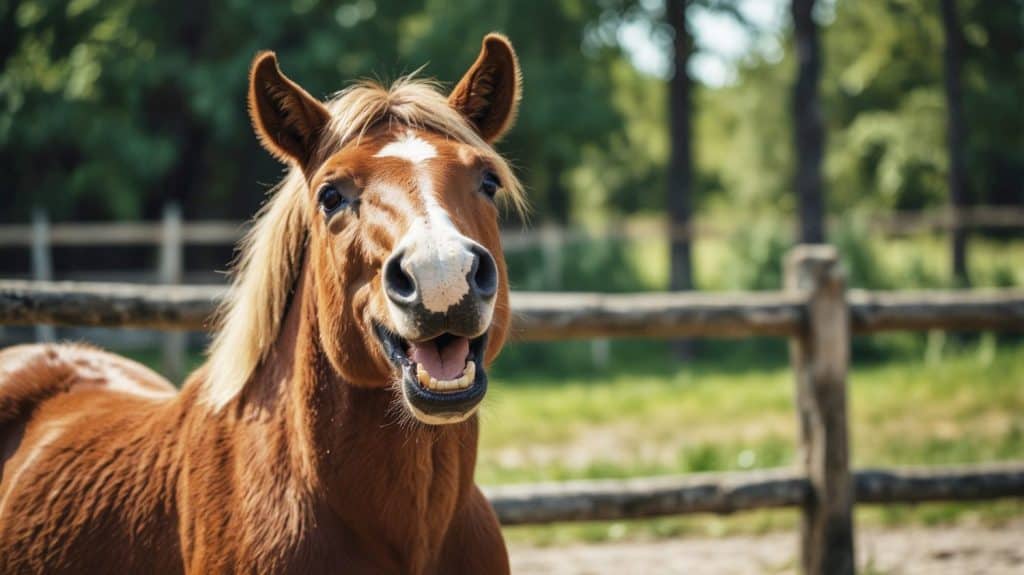
Maybe animals are laughing at us, too!
©Sajedul Islam Alif/Shutterstock.com
Humor often comes from the unexpected—when something breaks a pattern in just the right way. Our brains love the surprise and the challenge of making sense of it. Animals are funny when they do things we don’t expect: flopping like a pancake, making weird sounds, or acting like little furry humans. These moments break the norm—and because we’re wired for empathy, we can imagine how the animal feels. That mix of surprise and connection is what makes us laugh, point, and say, “Same.” Now let’s dive (nose first) into the wild world of animal hilarity.
1. Binky
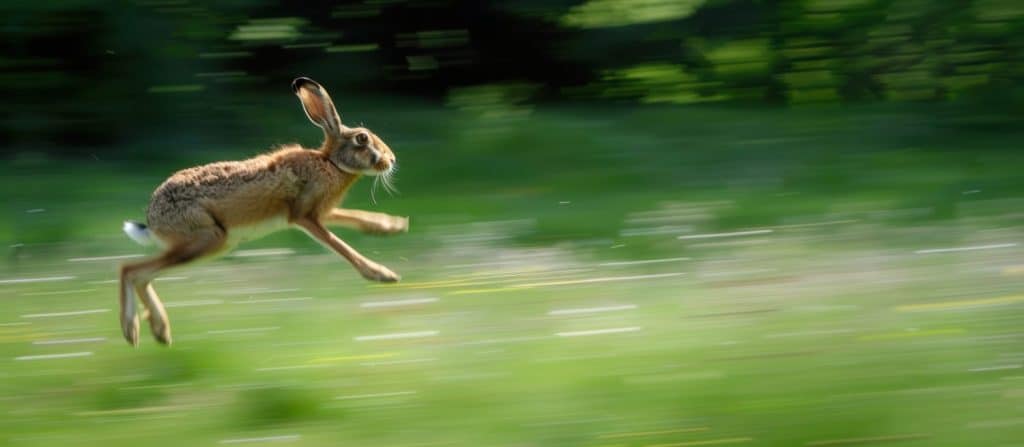
Both wild and domestic rabbits do binkies.
©gadiel img/Shutterstock.com
What it is: A happy mid-air jump with a twist
Animals: Rabbits, guinea pigs
Where it came from: Rabbit owner communities
Scientific term? Sort of. It’s crossing over to professional communication.
When rabbits are excited, they jump and twist in the air—it’s called a binky. Guinea pigs have smaller versions too. It’s a great sign your pet is feeling happy and healthy. Check out this video that includes a slow-mo so you can see all the binky twisting action:
2. Blep
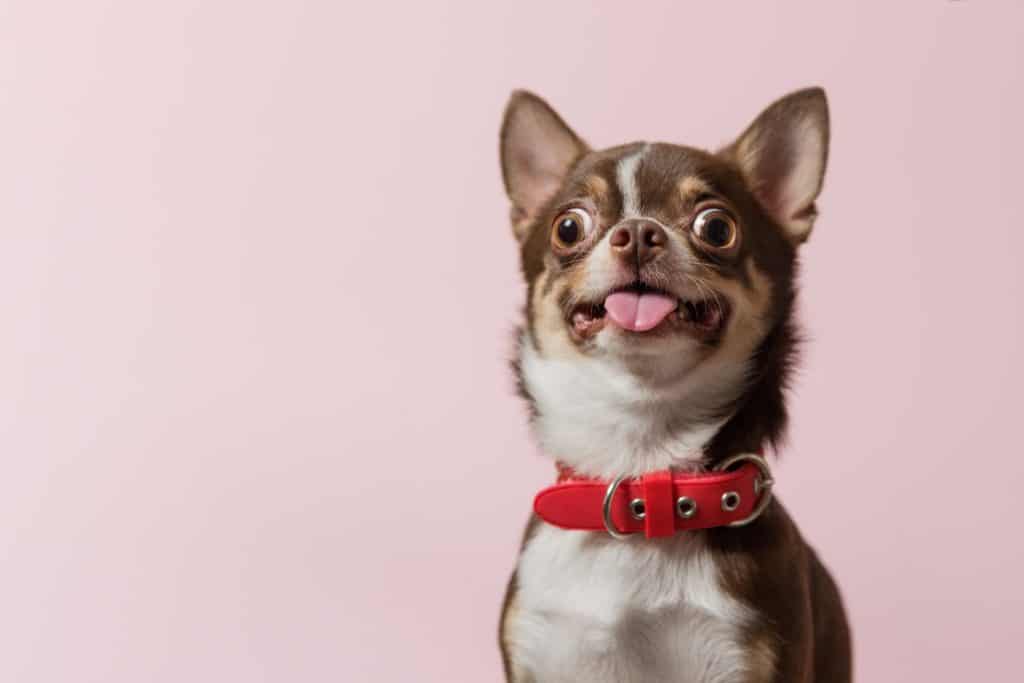
Sometimes you just gotta blep at the world.
©RavenaJuly/Shutterstock.com
What it is: Tongue hanging out slightly, and staying there
Animals: Cats, deer, dogs
Where it came from: Internet culture
Scientific term? No
In a blep, the animal’s tongue sticks out… and just stays there. Almost like the critter forgot what it was doing and just left it there. Sometimes it happens after grooming or when the animal is super relaxed. It’s usually harmless—but always hilarious. Incidentally, when an older dog has had teeth removed, it may blep more frequently: there’s just nothing to hold that tongue in!
3. Boof
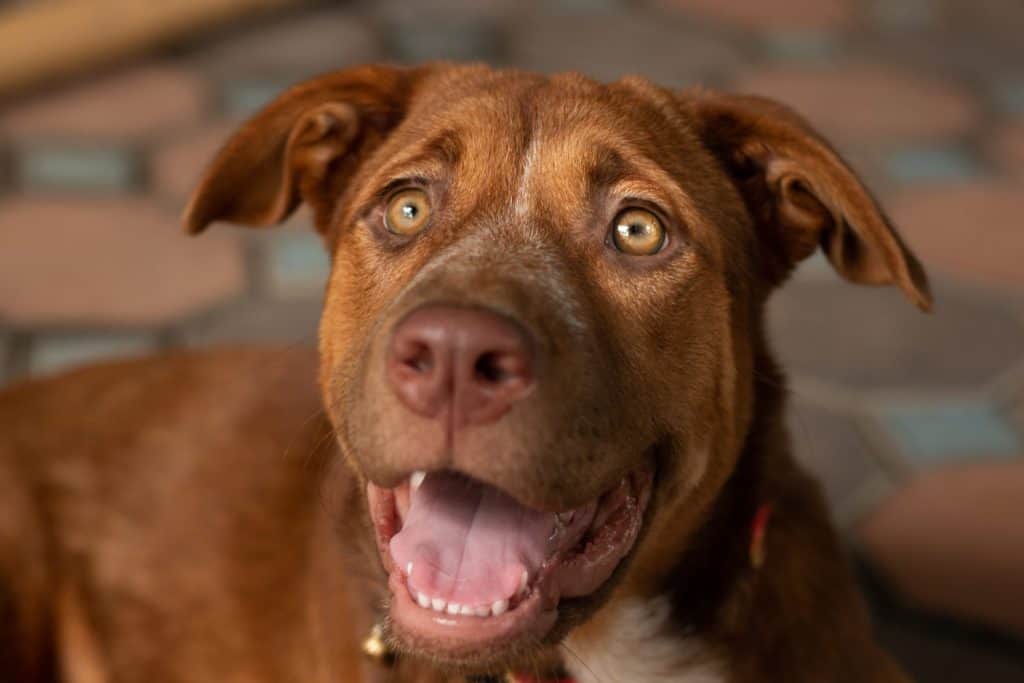
Something’s going on… let me just throw out a little test boof and see where this goes.
©faak/Shutterstock.com
What it is: A low, muffled bark that sounds unsure
Animals: Dogs, mostly big ones
Where it came from: Dog internet culture
Scientific term? No—but used in dog training
A boof is a soft bark dogs make when they’re curious or cautious. It’s not a full bark—it’s more like, “Uhh… what’s that?” If you’re old enough, you might think of Scooby-Doo trying to solve a mystery: “Rawr-roo?” Your dog might do this when it’s relaxed and hears a strange noise, but comfort wins out, and it just puts its head back down, keeping its ears up, just in case. Hear some boofs yourself from this adora-dog.
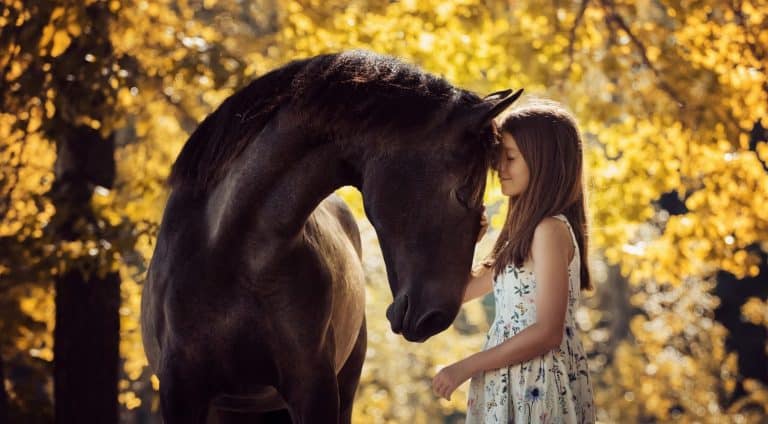
4. Boop
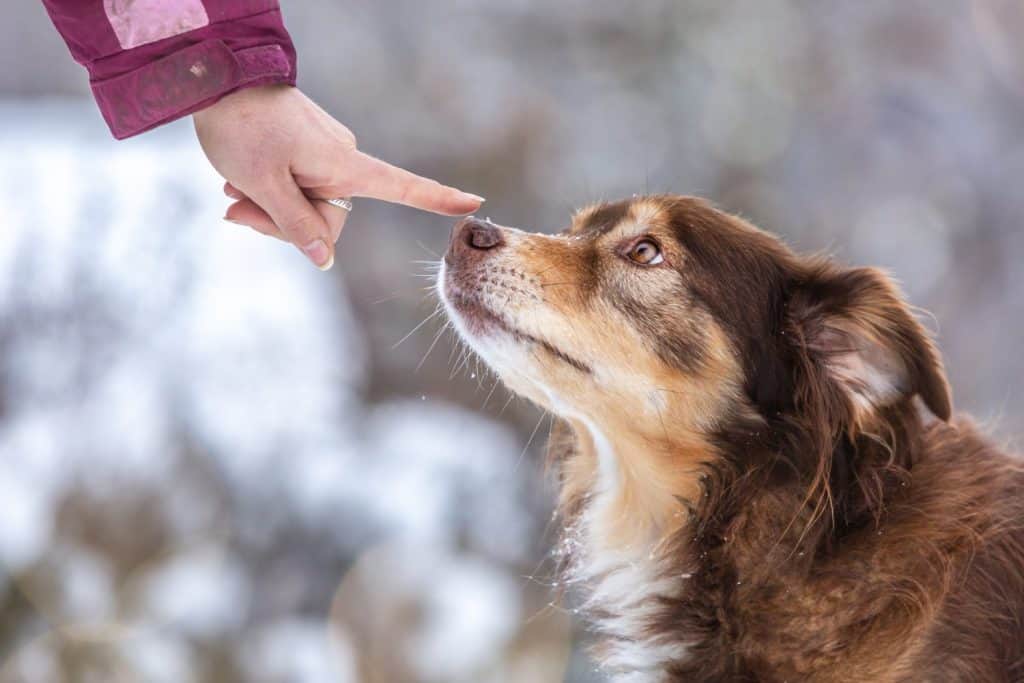
Booping an animal’s nose is so natural, we suppose the cavemen must have done it too.
©Annabell Gsoedl/Shutterstock.com
What it is: A gentle tap on the nose
Animals: Cats, dogs, horses, any animal that will let you.
Where it came from: Internet memes (“boop the snoot”)
Scientific term? No
Booping the snoot means lightly touching an animal’s nose. It’s playful and affectionate. Dogs and cats often lean in for it—making it hard for humans to resist. There’s even a wild YouTube channel where a lady boops the snoots of big cats and so far hasn’t lost an arm.
5. Bunting
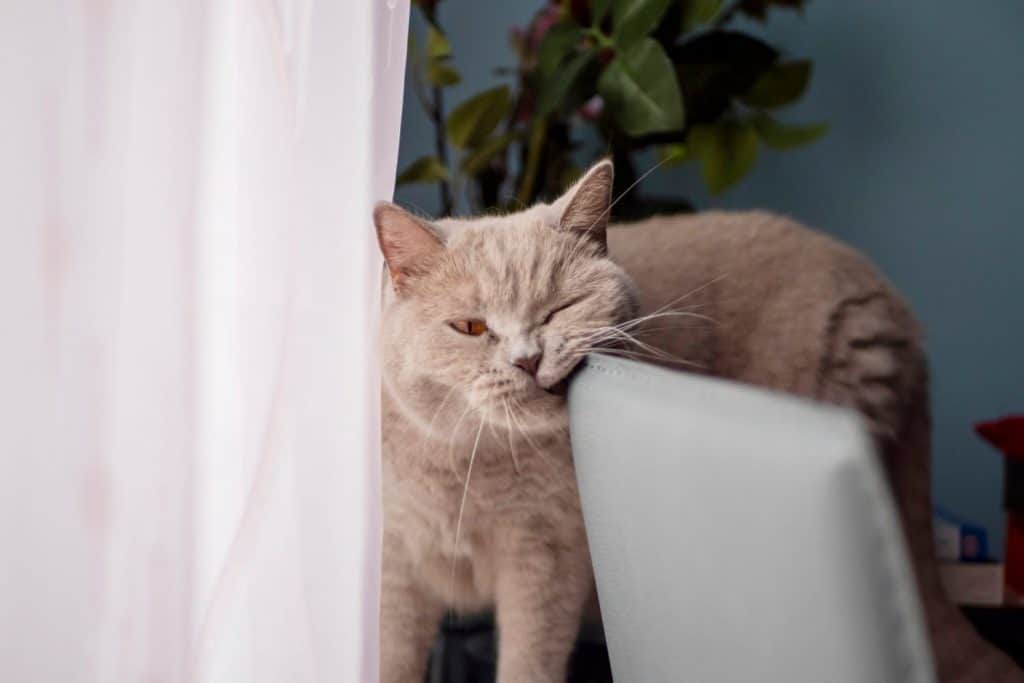
“Dis is mine… and dis is mine… and dis is mine…”
©mark gusev/Shutterstock.com
What it is: Rubbing the head or face on someone or something
Animals: Cats, lions, goats
Where it came from: Science (ethology)
Scientific term? Yes
When a cat rubs its face against you, it’s not just being sweet—it’s marking you with scent. Lions exhibit this distinctive animal behavior to bond with their pride. It’s like saying, “You’re family.” Or in the case of a house cat with attitude: you’re my property!
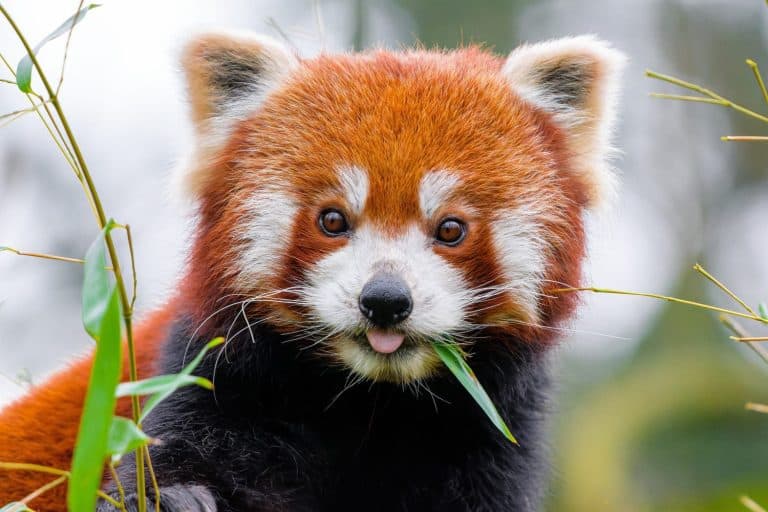
6. Chut
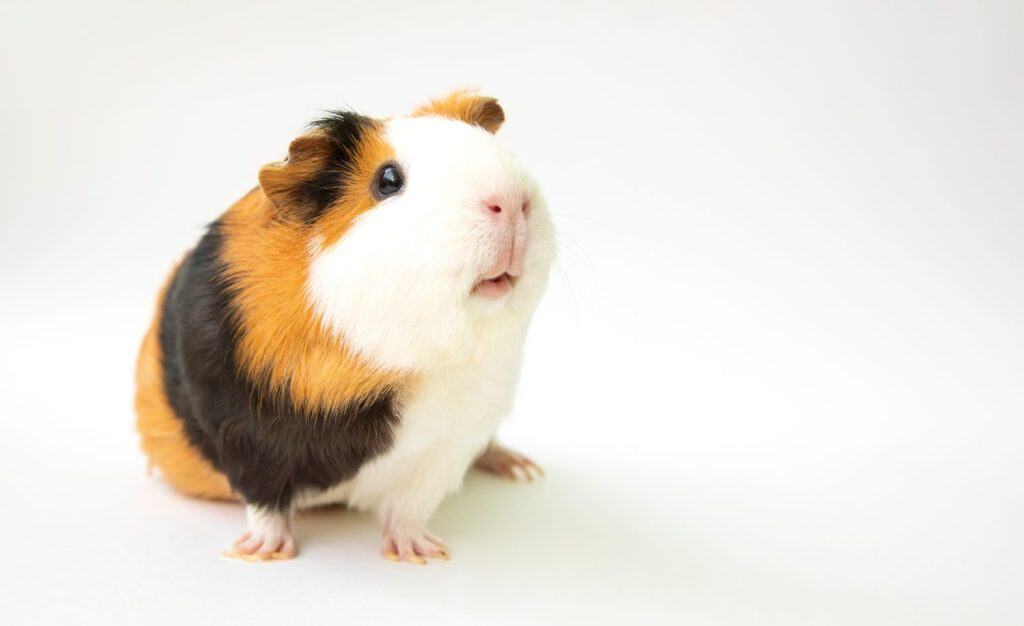
Chutting is one of several unique and charming sounds that make guinea pigs such lovey-dovey pets.
©Arcady/Shutterstock.com
What it is: A soft, short squeak or chirp
Animals: Guinea pigs, hamsters, red pandas
Where it came from: Pet communities
Scientific term? Not really
Small pets like guinea pigs sometimes make a soft “chut” sound while exploring. Red pandas have a similar sound. It’s a friendly noise—kind of like a quiet “hello.” Actually, guinea pigs have a lot of interesting sounds, including “wheeking,” which they do only with humans. This video gives examples of this sweet animal behavior:
7. Derf
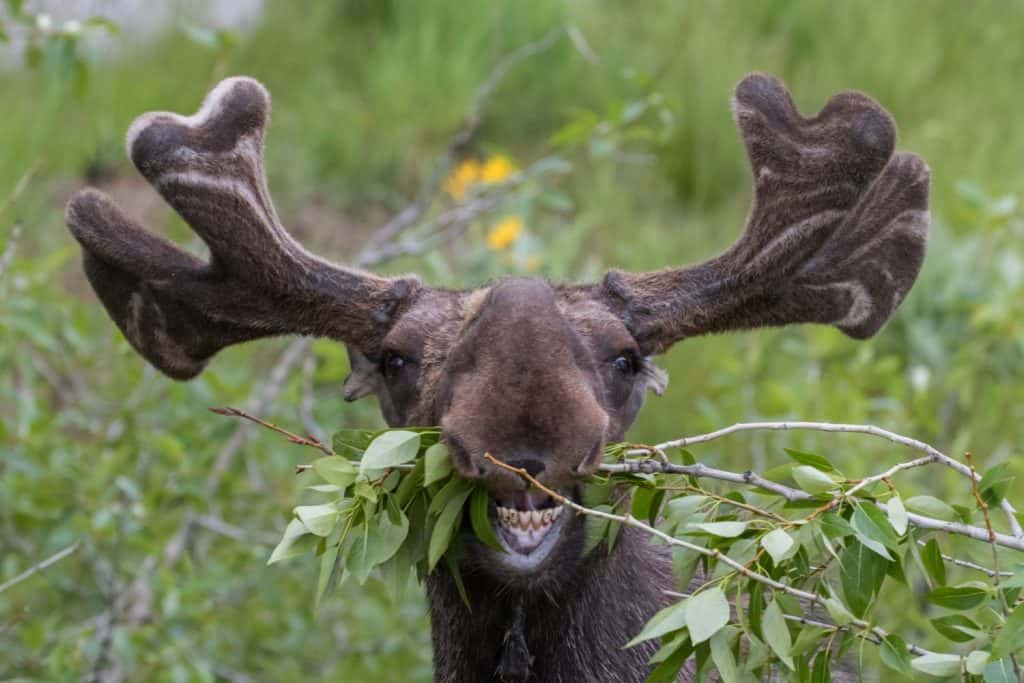
This awkward moose is definitely having a derf moment.
©Green Mountain Exposure/Shutterstock.com
What it is: A clumsy or awkward animal moment
Animals: Any—cats, dogs, goats
Where it came from: Slang from early memes
Scientific term? No
A derf is any animal behavior that looks totally ungraceful. Think: a cat missing a jump, or a goat falling off a ledge, a dog making a wild-eyes expression trying to catch a frisbee. It’s like saying, “Oops!”—but with the animal’s whole body.
8. Loafing
©haru/Shutterstock.com
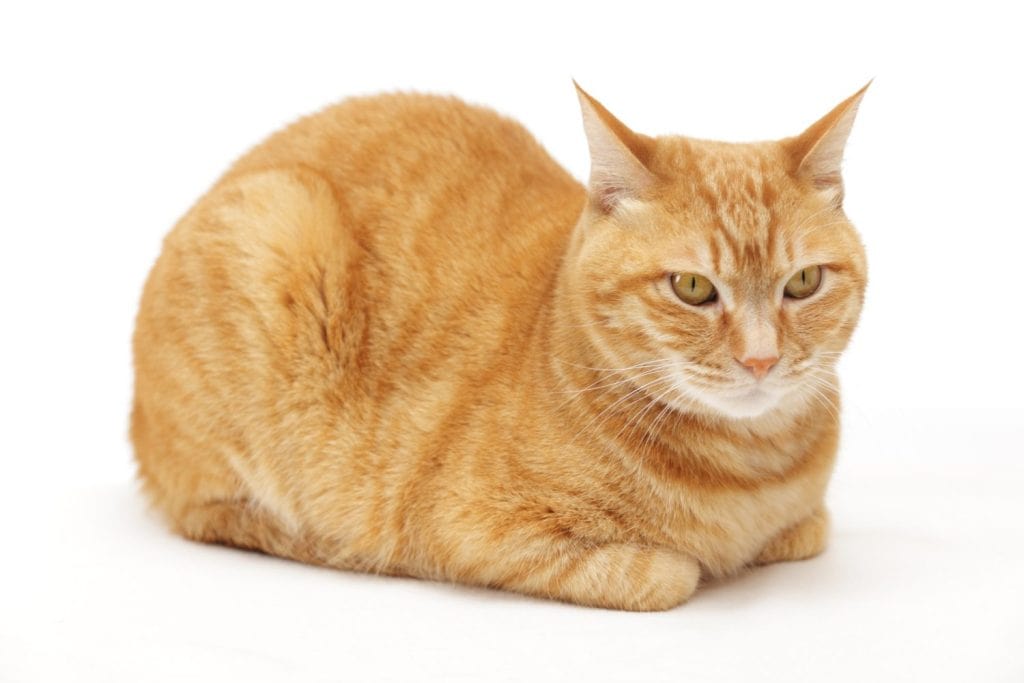
What it is: Tucking in limbs to look like a loaf of bread
Animals: Cats, seals, owls, others.
Where it came from: Internet jokes
Scientific term? No
When a cat sits with its legs hidden under its body, it looks like a loaf of bread. It’s a cozy, relaxed pose. Seals do a version of it while floating. This animal behavior is nature’s way of staying warm and chill.
9. Mlem
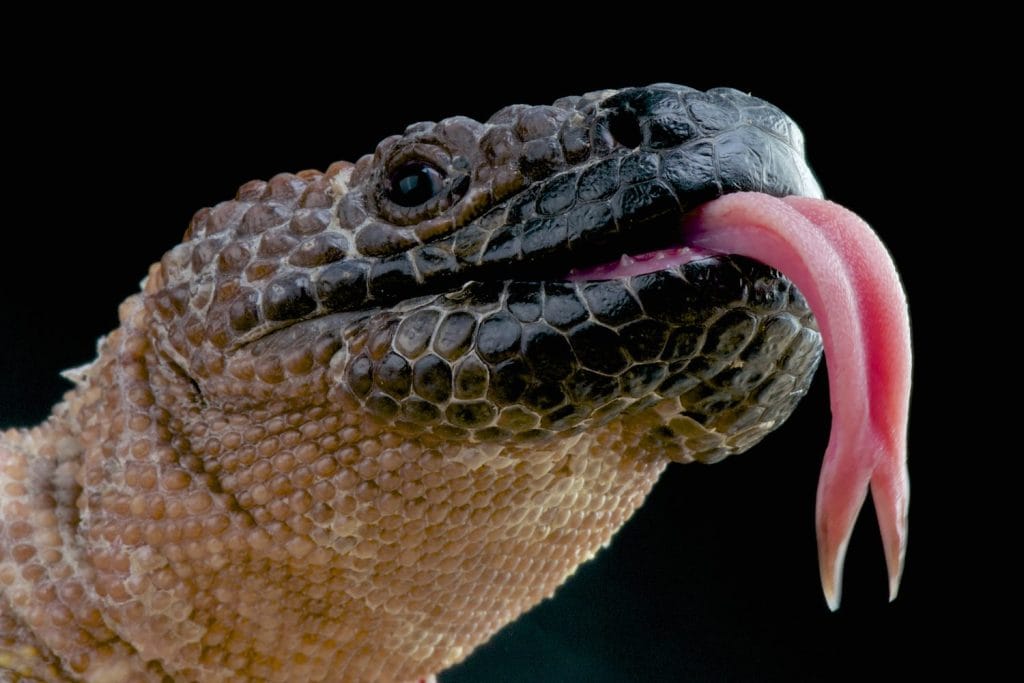
Honestly, this mlem by a venomous bearded lizard is more horrifying than cute!
©reptiles4all/Shutterstock.com
What it is: A quick flick or peek of the tongue
Animals: Cats, dogs, lizards
Where it came from: Internet memes
Scientific term? No
A mlem happens when an animal’s tongue pops out for just a second. It might happen after grooming or sniffing something weird—like the air. It’s tiny, funny, and oddly charming.
10. Pronk
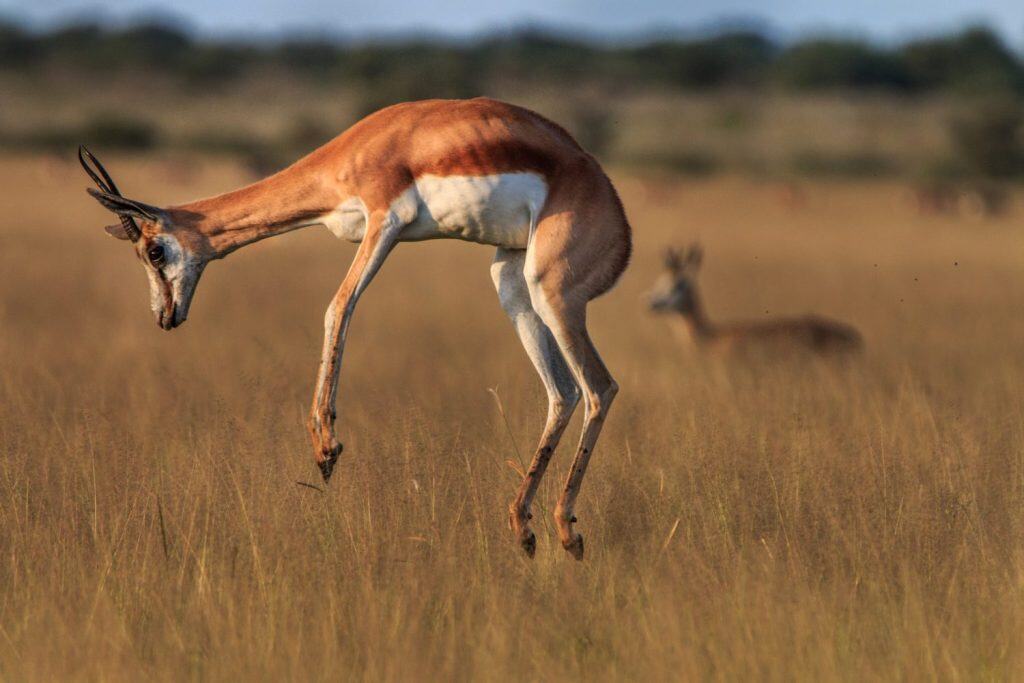
An aptly-named springbok pronking in Botswana.
©Simon Eeman/Shutterstock.com
What it is: All four legs jump off the ground at once
Animals: Springboks, gazelles, some dogs
Where it came from: Afrikaans word meaning “to show off.”
Scientific term? Yes
A pronk is a big, springy jump that animals use to show off or confuse predators. Springboks are famous for it, but some dogs do it too—especially when they’re young and playful.
11. Snorfle
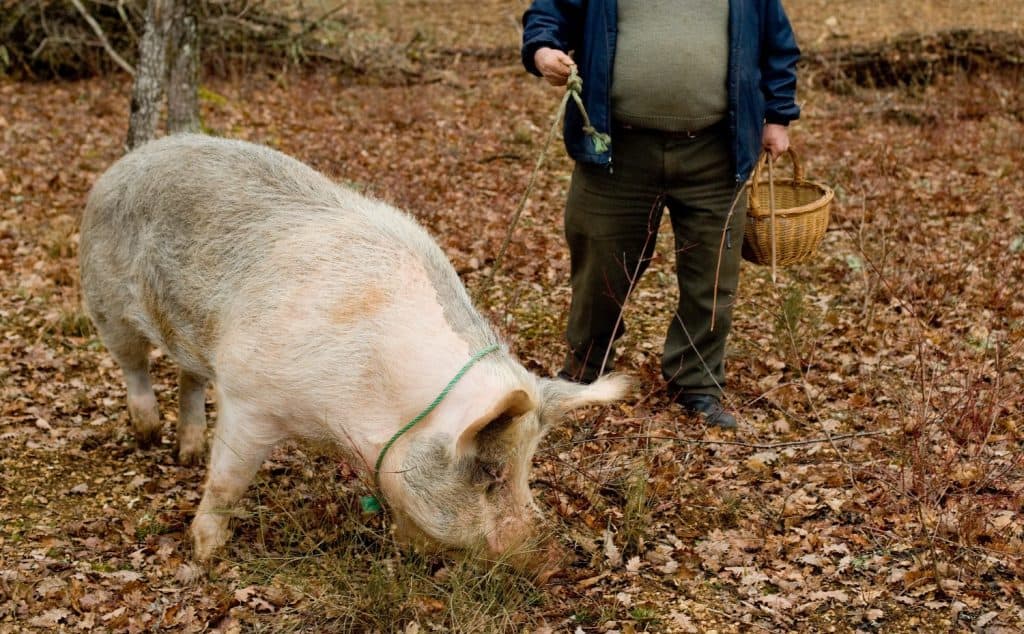
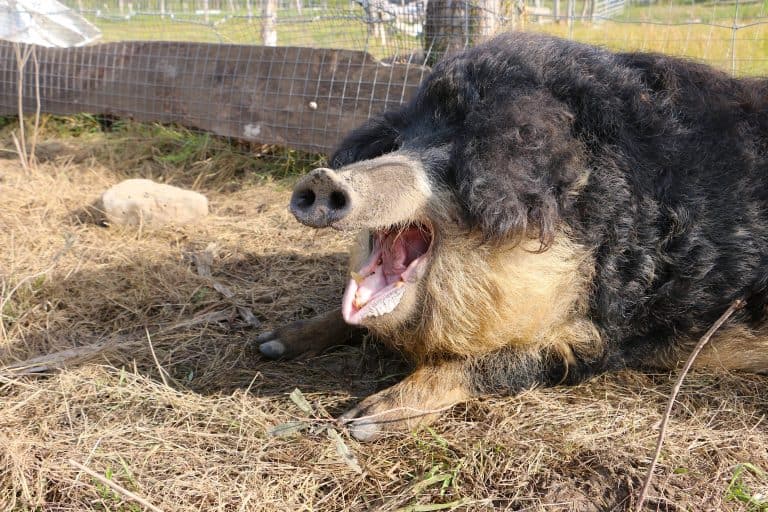
This French pig makes its owner big money snorfling for truffles.
©Philippe 1 bo/Shutterstock.com
What it is: Loud sniffs or snorts through the nose
Animals: Hedgehogs, pugs, pigs
Where it came from: Made-up word that sounds like what it describes
Scientific term? No
A snorfle is that silly sound animals make when they’re sniffing around excitedly. Hedgehogs snorfle to explore, and pugs do it because of their squished faces. It’s loud, curious, and very cute.
12. Sploot

Polar bears may sploot to cool off in the heat.
©Sebastian Rose/Shutterstock.com
What it is: Lying flat with back legs stretched behind
Animals: Dogs, cats, bears, squirrels; really any animal able to spread its legs to lie on the ground.
Where it came from: Internet slang
Scientific term? Not originally, but scientists have started using it for want of a better term.
A sploot is when an animal flops belly-down, with its back legs stretched out like a pancake. Dogs, cats, and squirrels are animals you’ll often see doing it. Go to the zoo in hot weather and see how many species you can see doing it. It’s typically a hot weather way to cool off with maximum relaxation. Check out this funny compilation of all sorts of animals splooting in all sorts of places.
13. Wigglebutt
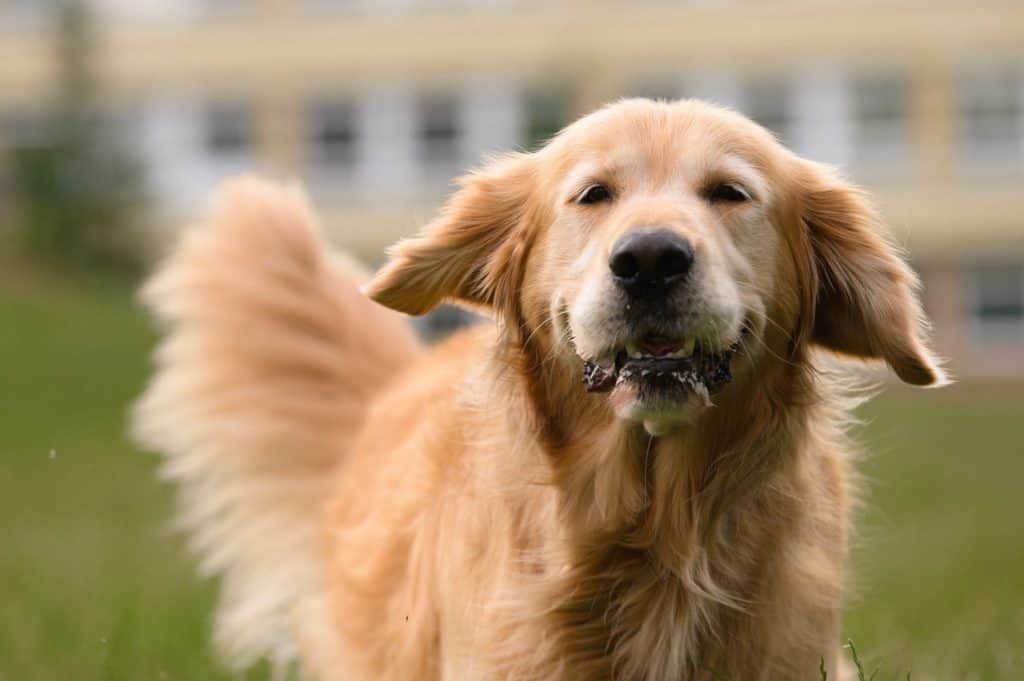
Wigglebutt: when wagging your tail just isn’t enough.
©V_Lisovoy/Shutterstock.com
What it is: A fast side-to-side shake of the hips
Animals: Dogs, ferrets, big cats
Where it came from: Pet slang
Scientific term? No
When dogs are excited, they wag more than just their tail—they wiggle their whole behind! Breeds with short tails, like Boxers or Aussies, are pros at this joyful dance. Even lions do it before pouncing. Over one million subscribers (plus one more after researching this article… ) watch a golden retriever named Nala do the wigglebutt with her owner. Check out the “Nala stomp” in this short.
14. Zoomies (FRAPs)
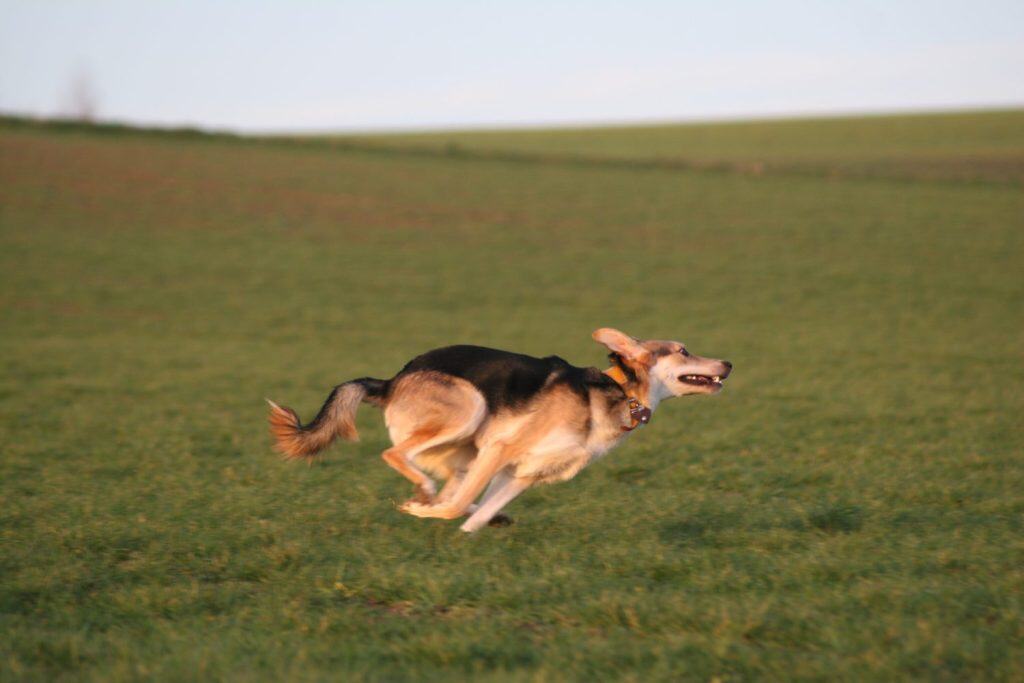
Full throttle zoomies!
©Sabine Hagedorn/Shutterstock.com
What it is: Sudden bursts of energy—running, hopping, or spinning
Animals: Dogs, cats, goats, many others.
Where it came from: Pet slang; science calls it FRAPs
Scientific term? Yes (Frenetic Random Activity Periods)
Zoomies are those wild moments when animals race around like they’ve lost their minds. It can happen after baths, during playtime, or for no reason at all. It’s basically a way for animals to release pent-up energy. Veterinarians and pet experts call it Frenetic Random Activity Periods (FRAPs), but why? WHY? “Zoomies” is so much better. Believe it or not, even lumbering rhinos can get the zoomies; check it out.
Final Thoughts
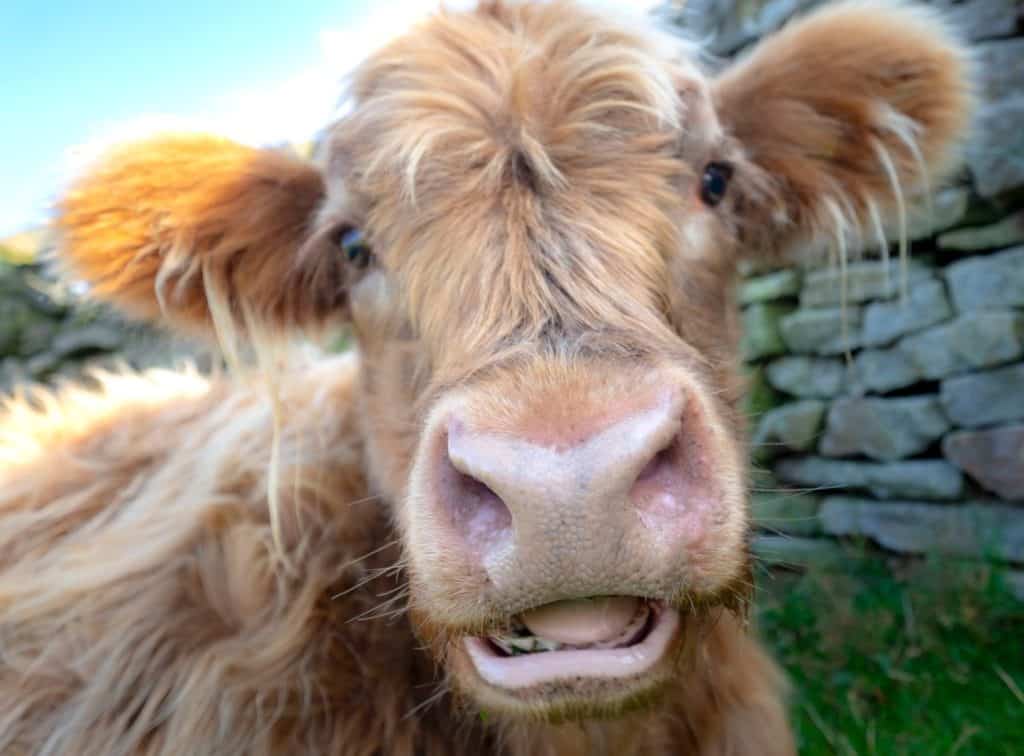
Sometimes it seems like animals are people too.
©Jan Bray/Shutterstock.com
Animal behavior isn’t just fascinating—it’s hilarious. Whether they’re showing off for science (like pronking or bunting) or just being weird (like splooting or snorfing), animals constantly entertain us.
These silly words help us describe what we see—and make us laugh along the way. So next time your dog does a wigglebutt, takes off in a zoomie, boofs at the vacuum, and ends with a proud little snorfle? You’ll know exactly what to call it. You’re officially fluent in animal adorableness.