
Quick Take
- Takins are a unique species that are often referred to as the “goat-antelope.”
- Despite looking like a moose, their genetic lineage is counterintuitively closer to sheep.
- Takins are currently listed as a Vulnerable species.
The amazing thing about the animal kingdom is that there’s always something new to discover. Many animals have been around for a long time, but the majority of us just happen to learn about many of them out of nowhere. Case in point: the takin, an animal showcased in this amazing Instagram video. Intrigued? Today we’ll talk about the takin and get you up to speed, including where the animal lives, what it eats, and whether it’s considered to be more like a goat, an antelope, or something else entirely.
What Is a Takin?
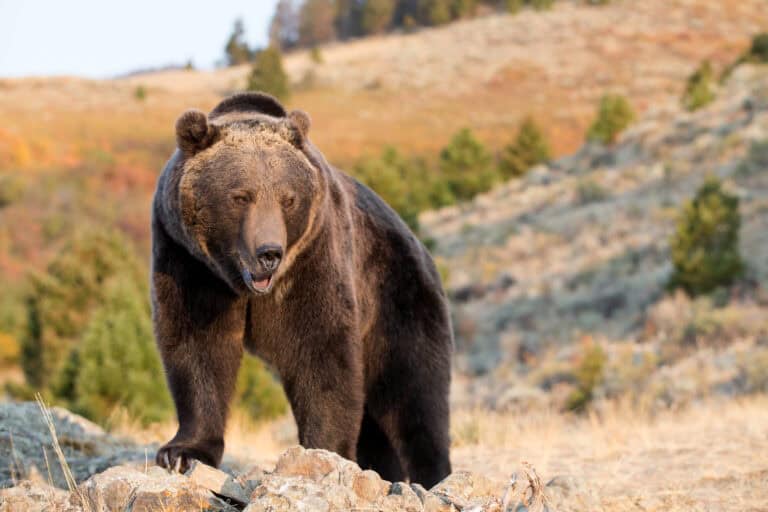
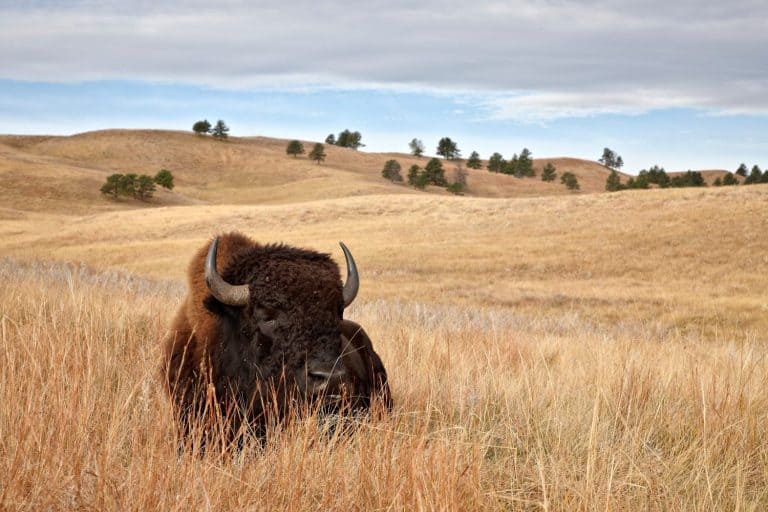
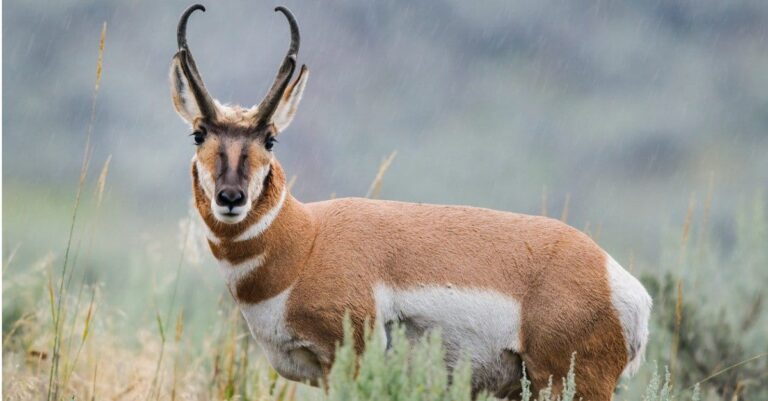
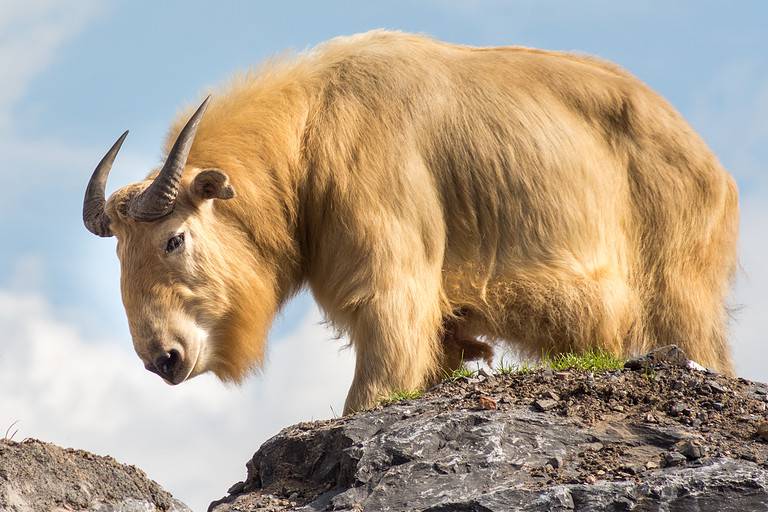
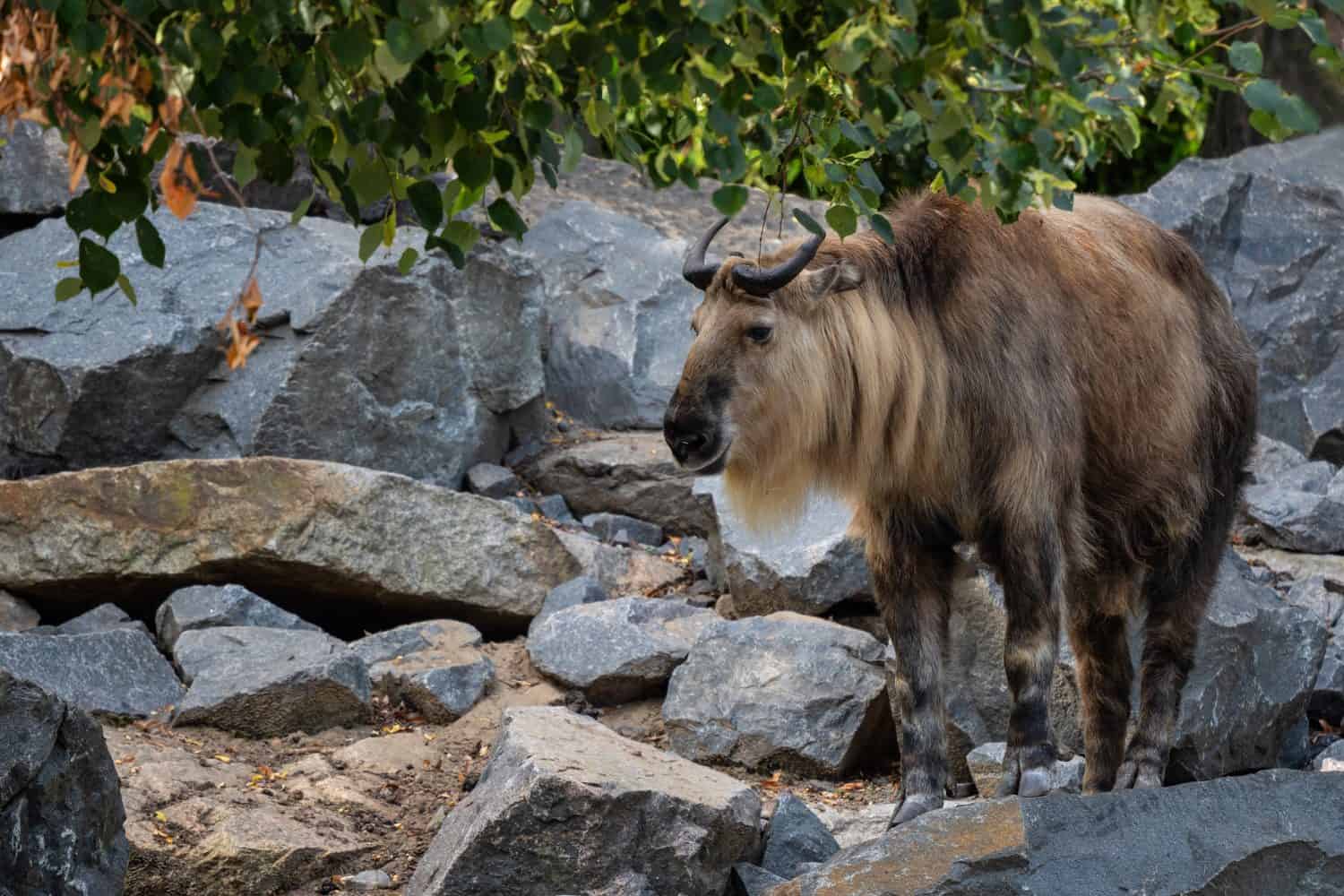
Before we talk about the takin, you need to see it with your own eyes. Once you first see this unique animal, you’ll likely be scratching your head. After all, it appears to have a nose like a moose, horns like a wildebeest, a tail as you’d see on a bear, and a large body like a bison. However, it is a distinct species. The males are even more imposing because, in addition to these features, they have a dark mane that extends down their backs. You’ll see takins in a variety of colors, from golden to reddish-brown.
There are four subspecies of takin that are found in various areas throughout Asia. Here they are, and where you can find them:
- Sichuan Takin (Budorcas taxicolor sinensis) – You’ll typically find it in the Minshan Mountains located in Sichuan, China.
- Bhutan Takin (Budorcas taxicolor whitei) – The first recognized subspecies, which is found in India and Bhutan.
- Qinling Takin (Budorcas taxicolor qinlingensis) – The most recently discovered subspecies, found in the Qinling Mountains of Shaanxi, China.
- Mishmi Takin (Budorcas taxicolor mishmiensis) – Found in Arunachal Pradesh, India, near the Mishmi Hills.
You’ll typically find takins living at altitudes that range from 2,500 to 4,500 meters and near places with access to drinking water.
Is It an Antelope or a Goat?
You can’t talk about the takin without discussing the confusing riddle that goes along with the species. The animal is often called the “goat-antelope” because it resembles both. That term comes from the Tibetan word “taqing,” which literally means “goat-antelope.” More specifically, it has hooves like a goat but the arched nose that sometimes reminds people of certain antelopes. Like goats, takins are very agile climbers.
However, as researchers really get down to the details, they’re starting to believe that the takin is actually closer to a sheep. One reason for this is that mitochondrial DNA research shows that takins are most closely related to the Ovis (sheep) genus. Takins also have other behaviors similar to sheep, such as their mating behaviors, which include males engaging in sparring with other males. They are included in the Caprinae subfamily, which includes sheep.
Size and Diet
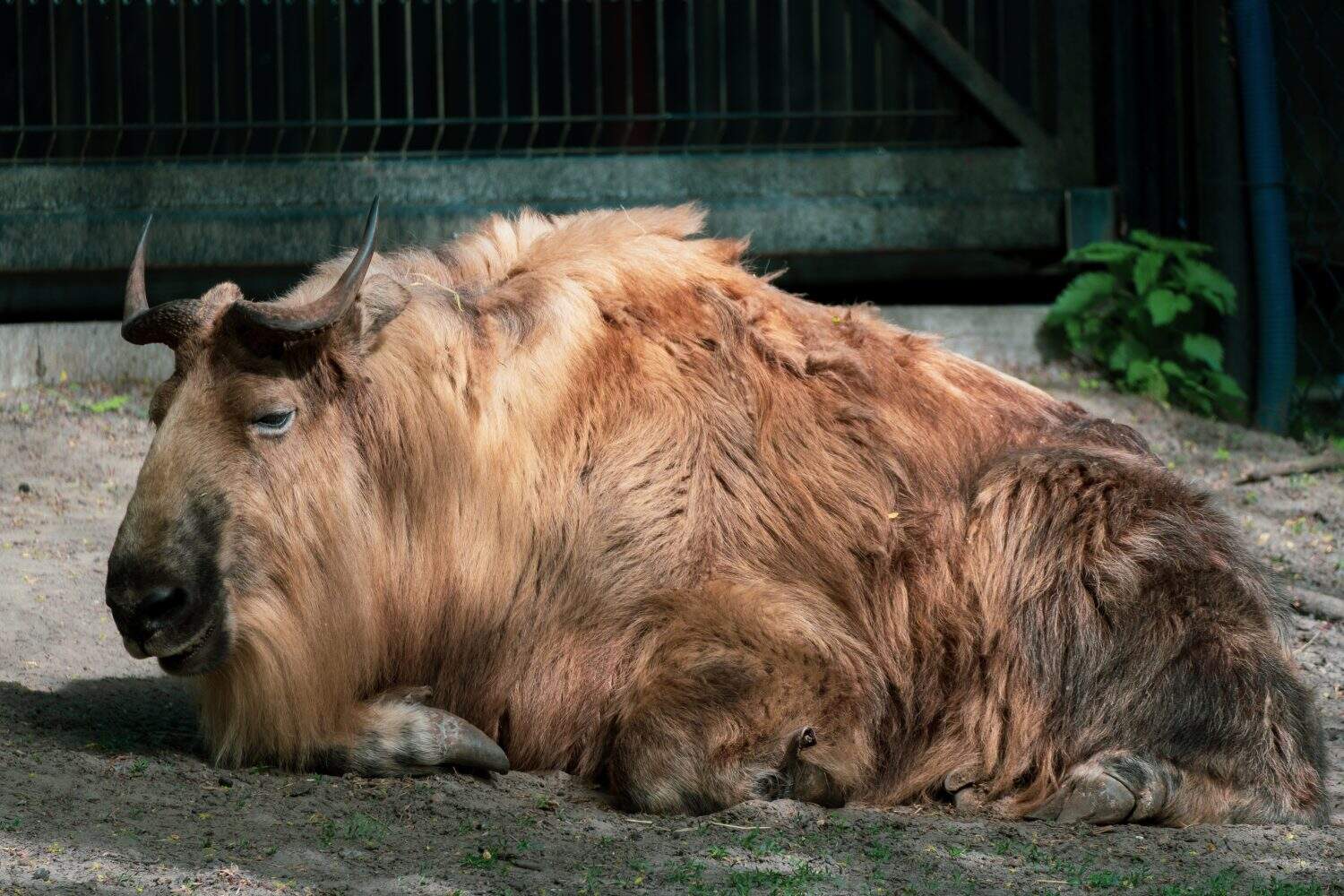
The takin is a large animal that can weigh up to 800 pounds.
©magdalenasparrow/Shutterstock.com
When you talk about the takin, you’re discussing a large animal that’s hard to miss. The average takin is between 3.3 and 4.5 feet tall and can reach over 7 feet in length. The females average just over 600 pounds, and the males are typically close to 800 pounds.
The takin’s diet primarily consists of seasonally available vegetation. They’ll typically eat leaves from trees and shrubs, as well as grass, bamboo, and forbs. During winter, when greenery is sparse, takins will also eat tender twigs from trees.
Takins can easily get onto their back legs and prop their front legs against a tree as they reach higher vegetation. It’s an act that makes their size even more imposing. There have even been sightings of takins pushing over smaller trees to bring higher leaves closer to the ground.
Natural Predators
As time goes on, takins are dealing with fewer and fewer predators. In the past, the primary predator was the South China tiger. However, as the Instagram video shows, since that tiger is considered possibly extinct in the wild, with no confirmed sightings since the 1970s, that threat is no longer what it used to be.
There are other predators to consider, such as snow leopards. However, these cats are unlikely to try to attack an 800-pound takin, so they primarily go after young takin calves. Bears have also been known to go after young takins.
So have large birds of prey, such as eagles, which have been known to drag calves off cliffs. The other threat is posed by animals that hunt in packs, such as gray wolves and dholes (Asian wild dogs). A pack of wild dogs will often try to isolate an individual takin from the herd and attack it.
Social Behaviors
Takins put the large horns on their heads to good use, especially during mating season. It’s then that you can see male takins engage in fierce competition to impress potential mates. The display typically involves butting heads, charging, and showing their strength to the females. Once they find a mate, the gestation period typically lasts 210 to 220 days. The result will be the birth of a single calf. From there, the calf will nurse for a few months and stay with its mother for the next year as it learns essential survival skills.
As social animals, takins will form herds of various sizes and work as a team. However, they are not fond of humans. This animosity likely stems from times in the past when takins were hunted for their meat. While hunting has been prohibited in many areas, the animals are slow to forget. Takins are fiercely protective and have been known to charge at humans if they get too close. Experts recommend that if you do see a takin in the wild, you make slow movements and keep your voice down. Once you are out of their personal space, continue on your way and leave them in peace.
How Is the Takin Population Today?
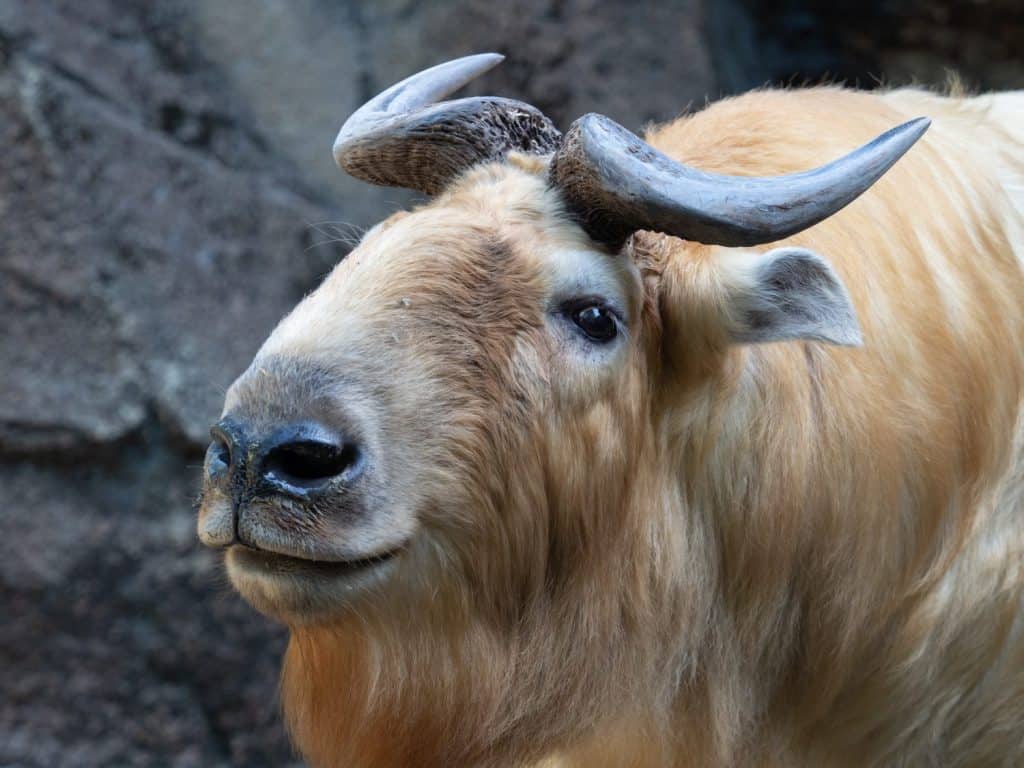
The takin’s numbers are decreasing, but you can help by supporting conservation efforts.
©coffeehuman/Shutterstock.com
Finally, any talk about the takin must include their conservation status. Currently, the International Union for Conservation of Nature and Natural Resources lists the species as Vulnerable, and its numbers are decreasing.
When you consider all subspecies, it’s estimated that there are between 7,000 and 12,000 takin in the wild. While there are fewer animal predators, other threats include habitat loss from farming, mining, bamboo cutting, and road construction. Takins in the eastern Himalayas are also affected by climate change. Specifically, declining snowfall reduces grassland growth.
If you love takins as much as we do, you can do your part by supporting organizations like the Animal Welfare Institute and the World Wildlife Fund. Donate to the cause, and we can ensure that the majestic takin regains a place in our world.