
Quick Take
- The use of artificial intelligence is one tool that scientists are considering in laboratory testing.
- Some experts believe animal testing is outdated and should be phased out completely.
- There are some concerns that proposed medical testing practices will lead to legal and ethical issues without animal test subjects.
To this day, animal testing remains one of the most controversial issues in animal rights. Activists have been fighting against it for years, supporting only companies that do not use wildlife for their trials. Whistleblowers have also flagged that the side effects and the locations where animal testing is conducted are inhumane. Clinical trials, especially in medicine, are rarely successful on the first attempt. Therefore, animals are subjected to repeated trials, with side effects noted, until a product is deemed safe.
In contrast, many experts claim that animal testing is currently the only way to ensure human safety. To date, there have been few alternatives to animal testing. This raises questions about what might happen if animal testing were to stop and how products and medicines would be labeled as “safe.” A new study is shedding light on the origins of animal testing, while the U.S. administration is simultaneously pushing for an end to all of it.
Science Is Speaking Up in Favor of Non-Animal Testing
A unique perspective by Dr. Zaher Nahle, Senior Scientific Advisor to the Center for a Humane Economy and Animal Wellness Action, was recently published in Frontiers in Medical Technology. In the article, Dr. Nahle explains how animal testing became the gold standard for medical testing. In the article, he was quoted as saying, “Animal testing didn’t dominate because it was the best science—it dominated because early regulatory decisions locked it in.”
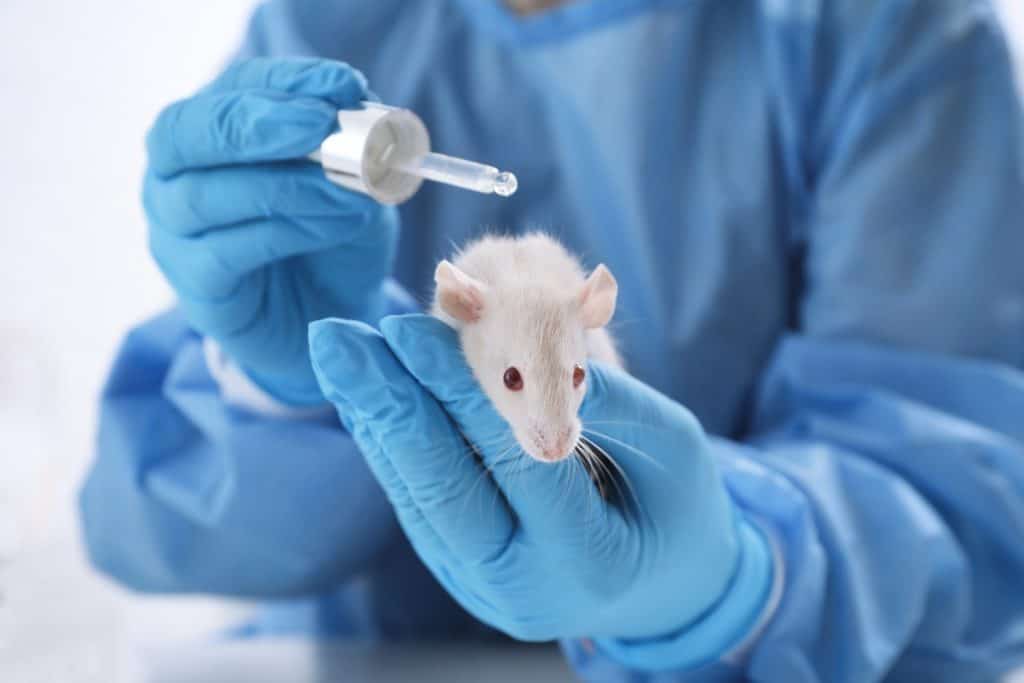
Mice and rats are the most commonly used test subjects for vaccines.
©New Africa/Shutterstock.com
According to Nahle, more efficient and humane practices are emerging following the acknowledgment that animal testing is outdated. He claims that this era, along with the current administration’s aims, marks the start of this process. Regarding the study, Wayne Pacelle, president of Animal Wellness Action and the Center for a Humane Economy, also weighed in.
He agreed, stating, “Animal testing became the norm in the realms of drug development and biomedical research because of regulatory capture, profit motives, and habit rather than its scientific merits.” Pacelle encourages modernizing medical testing, which may eventually do away with animals altogether. Both experts feel this is a natural and modern course for medical testing and that better, more humane methods will replace animal trials.
How Did Animal Testing Become the Standard For Safety?
Although animal testing is considered a modern practice, its roots date back to Ancient Greece. Both Aristotle and Erasistratus used animals to understand the human body. Their dissections were performed on pigs and goats, marking the first foray into using animals for scientific exploration. This practice continued for centuries, evolving within the scientific community. Galen, a 2nd-century Roman physician, also used pigs and goats to map the human body.
By the 12th century, Ibn Zuhr, an Arab physician, was also recognized for his medical contributions through animal testing. He used various animals to practice surgical techniques, which helped him understand the human body. As he did this, surgical procedures evolved, with practice on animals helping to refine certain techniques.
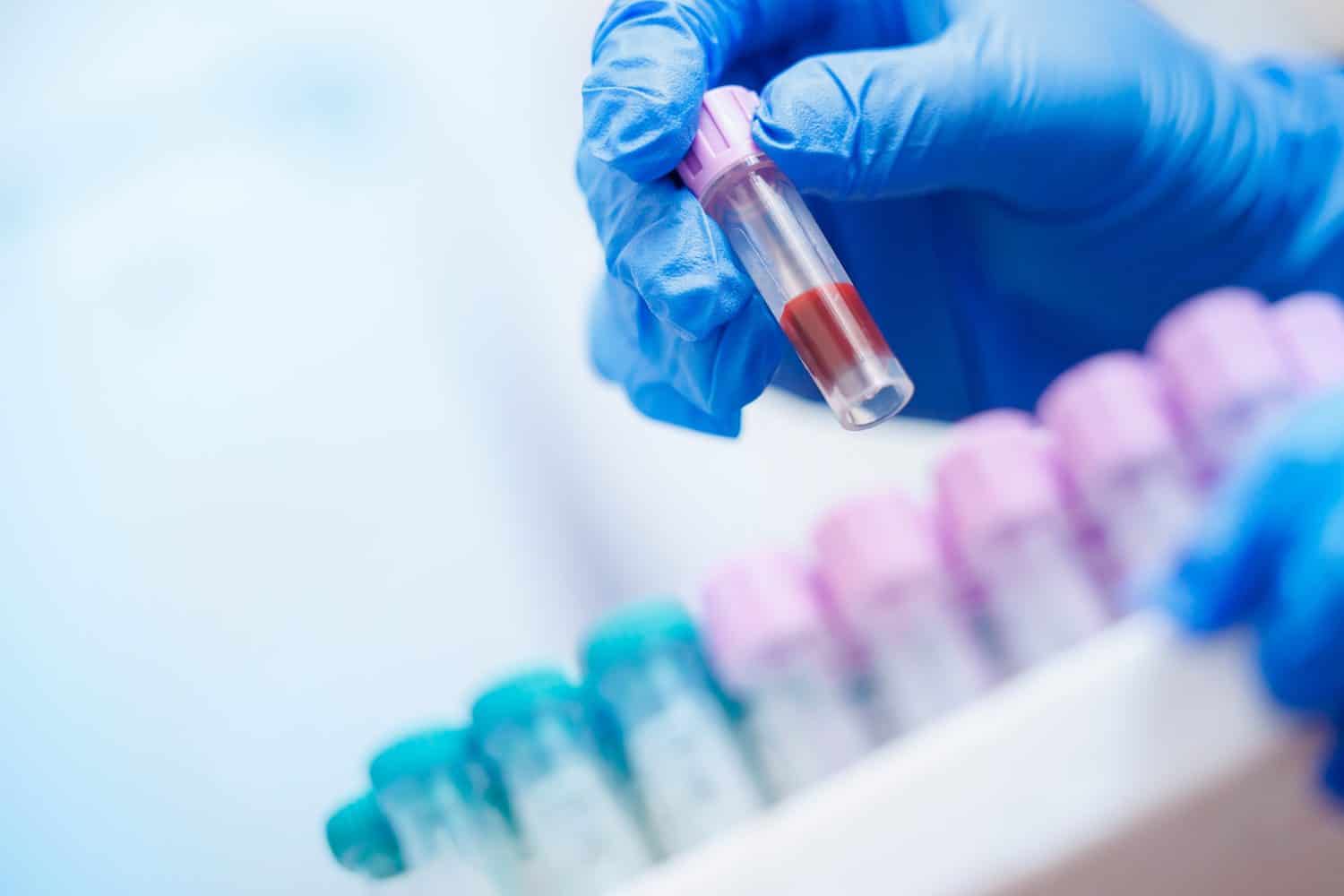
Animal testing has been part of the medical community for centuries, dating back to Ancient Greece and Rome.
©Parilov/Shutterstock.com
By the Renaissance era, medical science was flourishing. It was during this period that William Harvey discovered blood circulation, and herbal supplements were used for common ailments. This laid the groundwork for full testing on animals, which gained momentum in the 19th century following the development of medical anesthesia.
As these developments paved the way for life-saving inventions such as vaccines, animals became a crucial part of safety testing. By the 20th century, small mammals were regularly used in trials to determine if a medicine or product was safe for human use.
What Does the Future of Animal Testing Look Like in the U.S.?
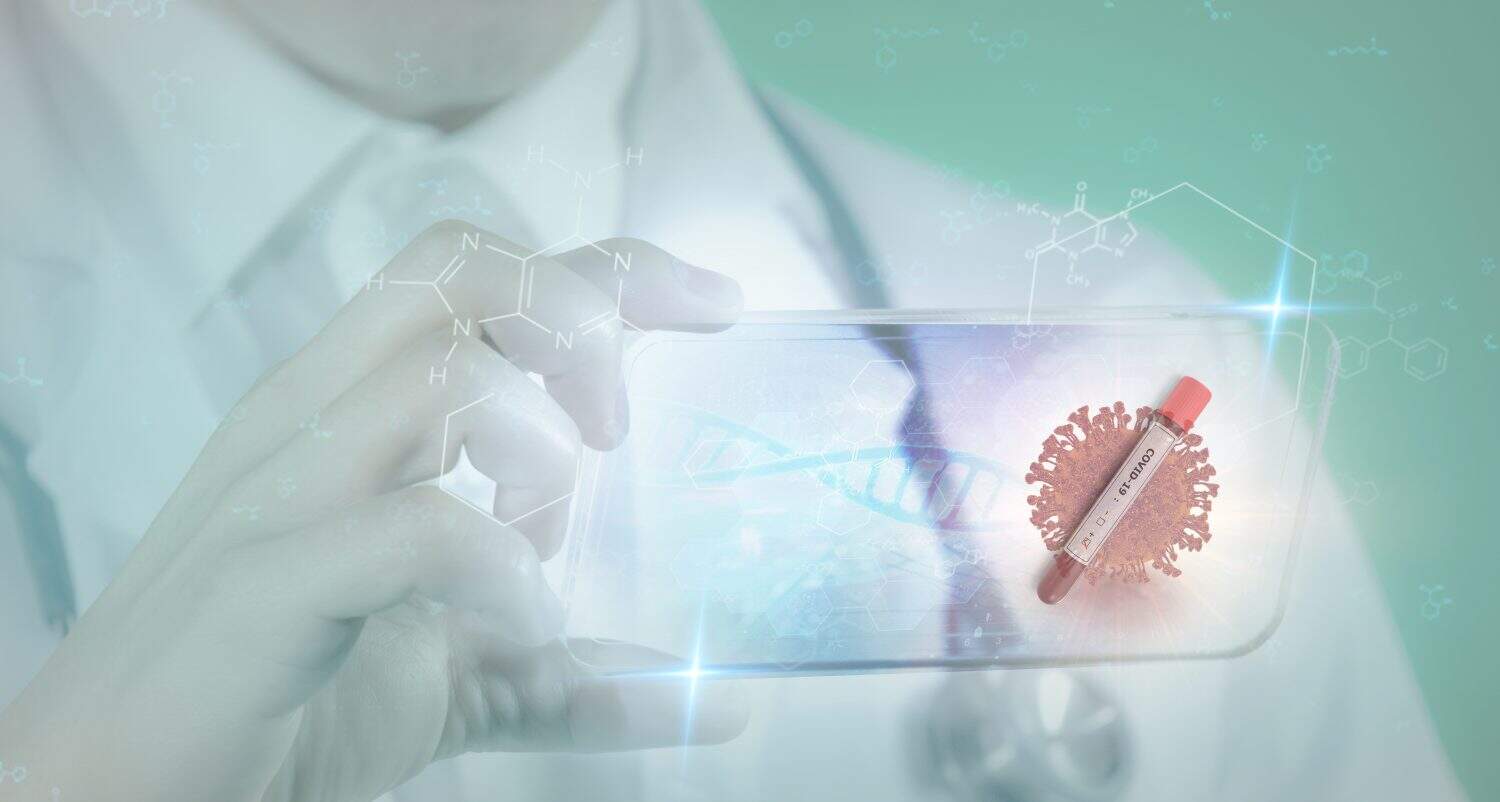
In April 2025, the FDA announced a roadmap to reduce and potentially replace animal testing requirements in drug development. This applied to monoclonal antibodies and other drugs, but did not announce a complete end to animal testing. The method proposed to replace animal testing is called New Approach Methodologies (NAMs). This approach would incorporate significant use of AI to explore computational models of toxicity and cell lines, as well as organoid toxicity testing in a laboratory setting.
These new methods, which include human-based lab models and computer modeling, are designed to predict a drug’s behavior in the human body. According to the FDA, these new methods are intended to make medical testing more humane and efficient. They also have the potential to improve the drug development process.
Rapid Backing by the Current Administration
The U.S. government quickly followed through on this promise to deliver humane medical testing. In September 2025, the budget for animal testing was slashed. Approximately $28 million in federal grants were cut, along with certain research that was previously tested in monkeys. The move was highly controversial, and while some considered it a win, others worried about the future safety of medical testing. The fate of the monkeys previously used for medical testing was also uncertain, as they remained in limbo.
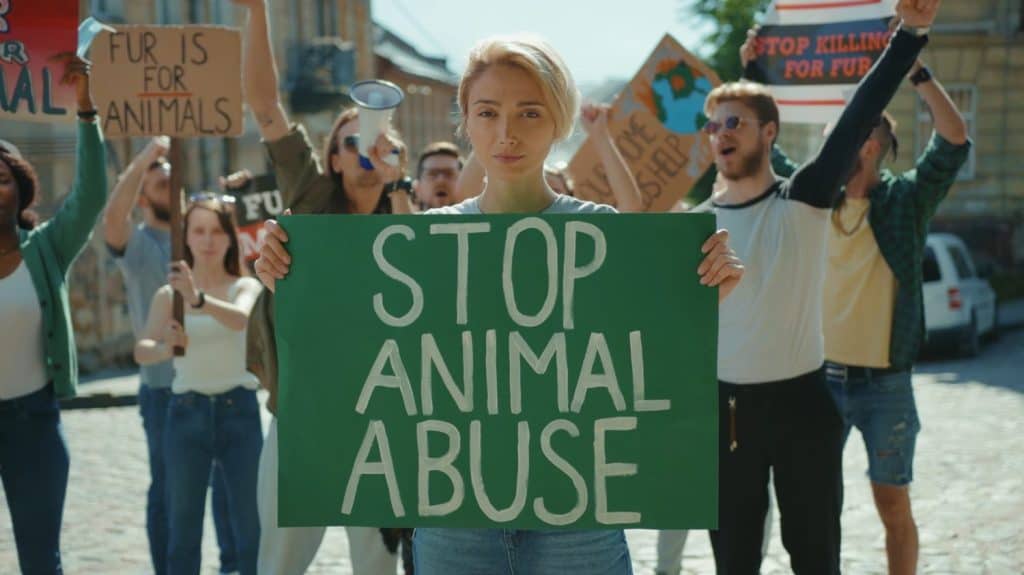
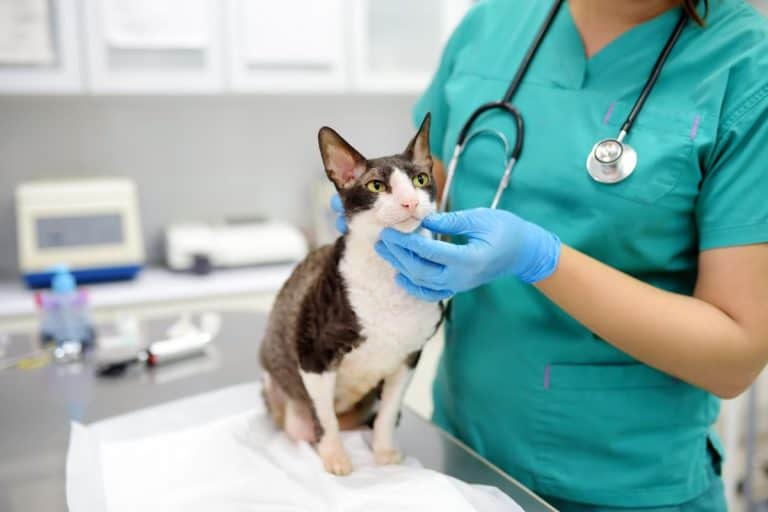
Animal rights activists support the swift change from animal testing in medical laboratories.
©Fractal Pictures/Shutterstock.com
In December 2025, another historic move was made to end animal testing. This time, it was by the U.S. military, which previously used cats and dogs for trauma exercises. The 2026 National Defense Authorization Act ended the use of live animals such as cats, dogs, goats, and pigs for trauma training exercises in the military and requires the use of human simulations for these purposes. However, it does not prohibit all forms of animal research by the military. The Act also prohibits the military from using goats and pigs for live-fire trauma training and requires the use of human simulations instead of live test subjects.
While this is a step in the right direction, the current administration isn’t done yet. In a previous interview in December, the U.S. Health Secretary, RFK Jr., expressed support for reducing animal testing. He also emphasized the potential benefits of modernized, non-animal testing methods. According to the interview, the U.S. Health Secretary expressed support for animal welfare and stated that modernized testing without animals could be more efficient.
Non-Animal Medical Testing Is Not Without Its Problems
The rapid succession of decisions to end animal testing is now sparking controversy among medical professionals. For many, the sudden absence of animal testing for medications and vaccines makes laboratory results less predictable and raises concerns about safety.
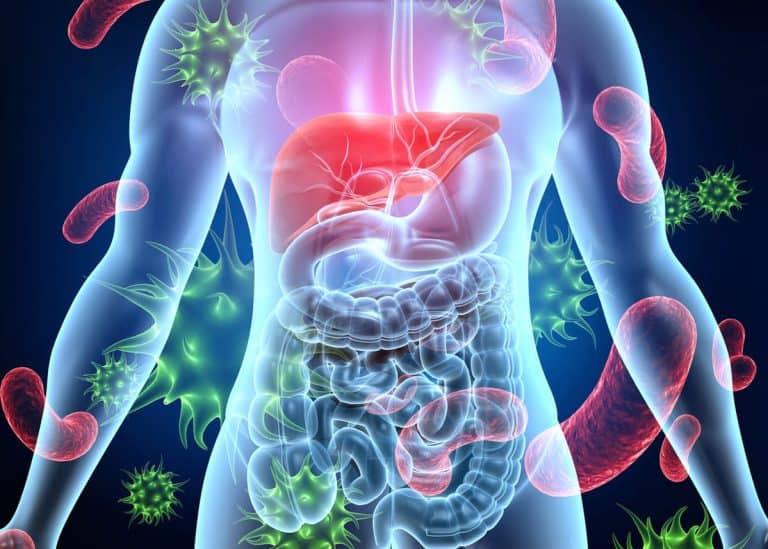
Vaccines, such as those for measles, were tested for years on monkeys, mice, and rats. Monkeys were used as test subjects during the vaccine’s early stages because they are highly susceptible to a disease similar to measles. Later on, rats were crucial in developing the live-attenuated vaccine. Both were also essential in determining the vaccine’s delivery method.
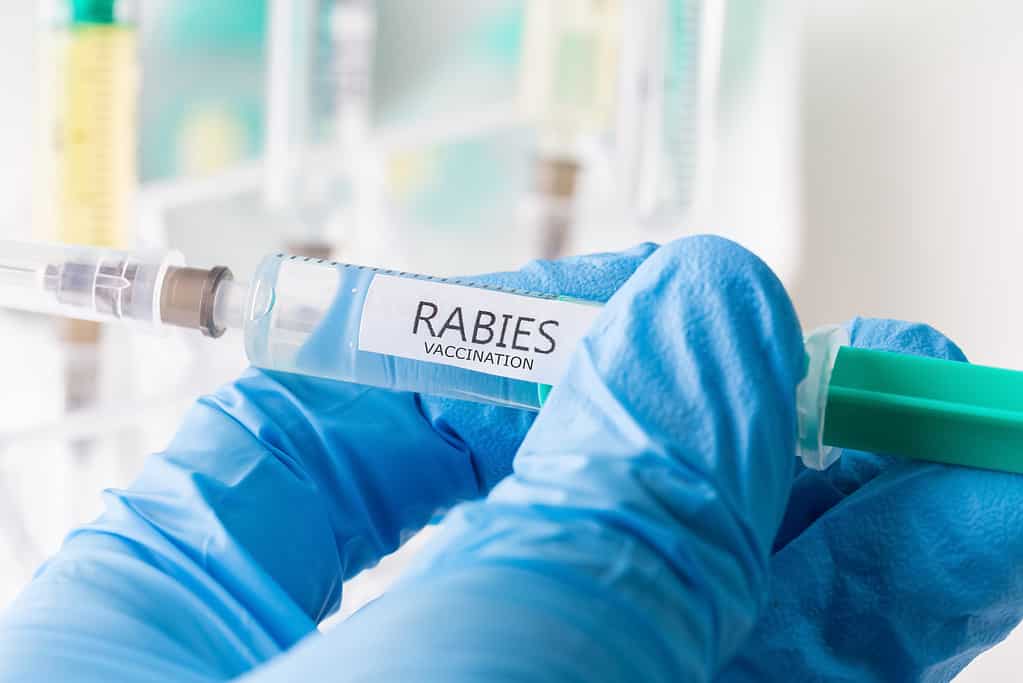
Without animal testing, we would not be able to certify the safety of our vaccines today.
©Teka77/iStock via Getty Images
Some, such as Paul Locke, an environmental health lawyer at Johns Hopkins Bloomberg School of Public Health, support eradicating animal testing, but with a reasonable timeframe. In an interview with CBS News, Locke says, “I want to see us get out of the business of using animals in research. The question is when. When can we do that and reach the double goal of having better science and virtually no animals? The answer is not tomorrow.”
There are additional concerns with the use of artificial intelligence in determining the safety of new medicines. While animals serve as biologically similar test subjects to humans, AI models depend solely on data and algorithms, lacking human intuition and empathy. Without a clear understanding of the vaccine’s purpose, relying on AI raises moral, legal, and ethical questions.