
The Camino de Santiago (or “Way of St. James”) has been traveled by pilgrims and tourists for at least 1,000 years. Far from being a single road, the Camino is instead a vast network of routes, ranging from a few dozen miles to several hundred miles. While its end point remains the same — the cathedral in Santiago de Compostela, Spain, where the apostle St. James is said to be buried — the journey itself has evolved.
The Camino de Santiago was initially one of the three most popular Christian pilgrimages, but today it attracts people from all over the world and from all walks of life. Whether for religious devotion, a personal challenge, or a love of nature, people of all faiths and backgrounds can be found along its route. However, the Camino de Santiago offers more than just human companionship; it’s also a pilgrimage through diverse natural landscapes where you can encounter many remarkable animals.
Finding Animals on the Camino de Santiago
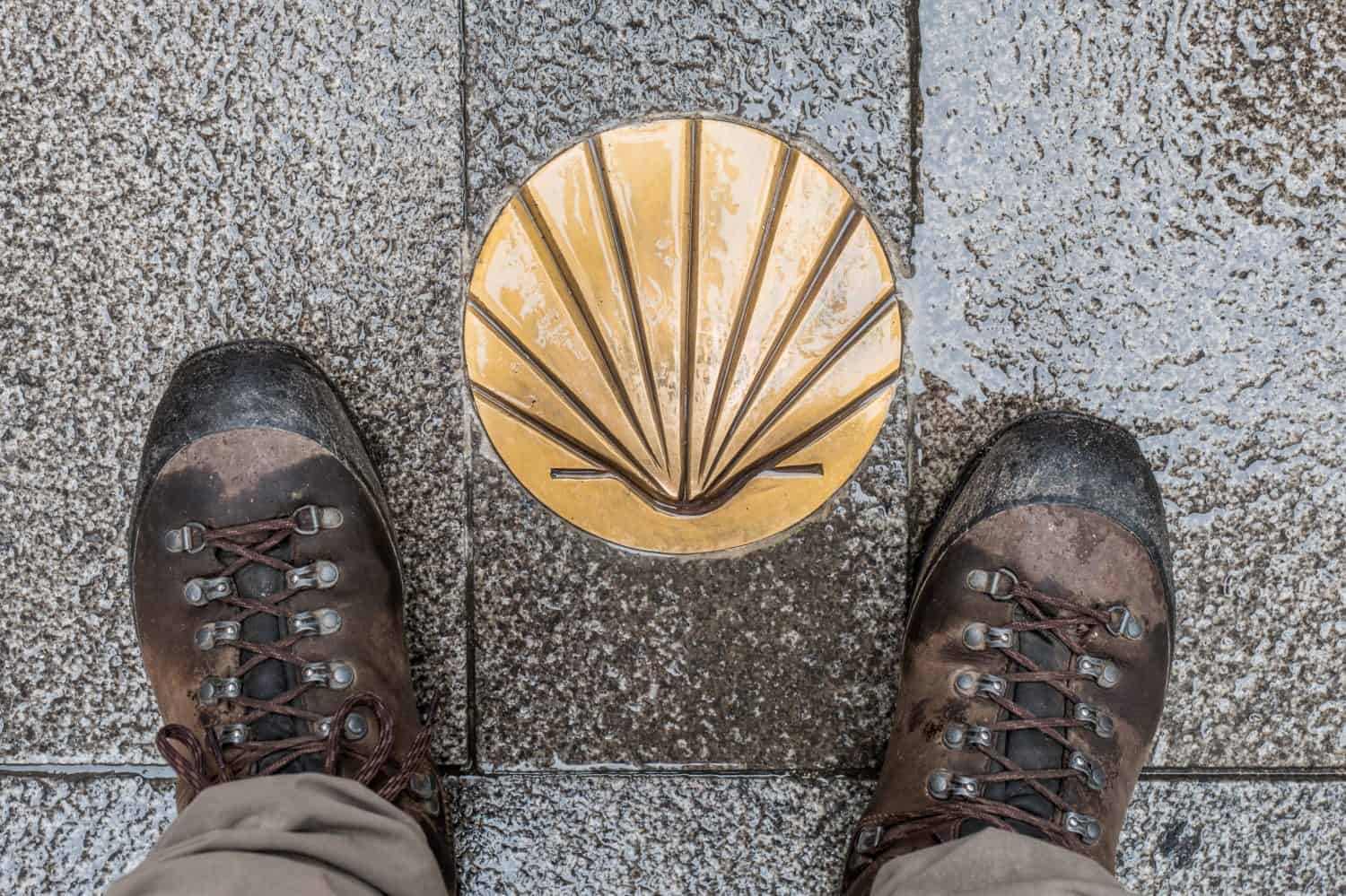
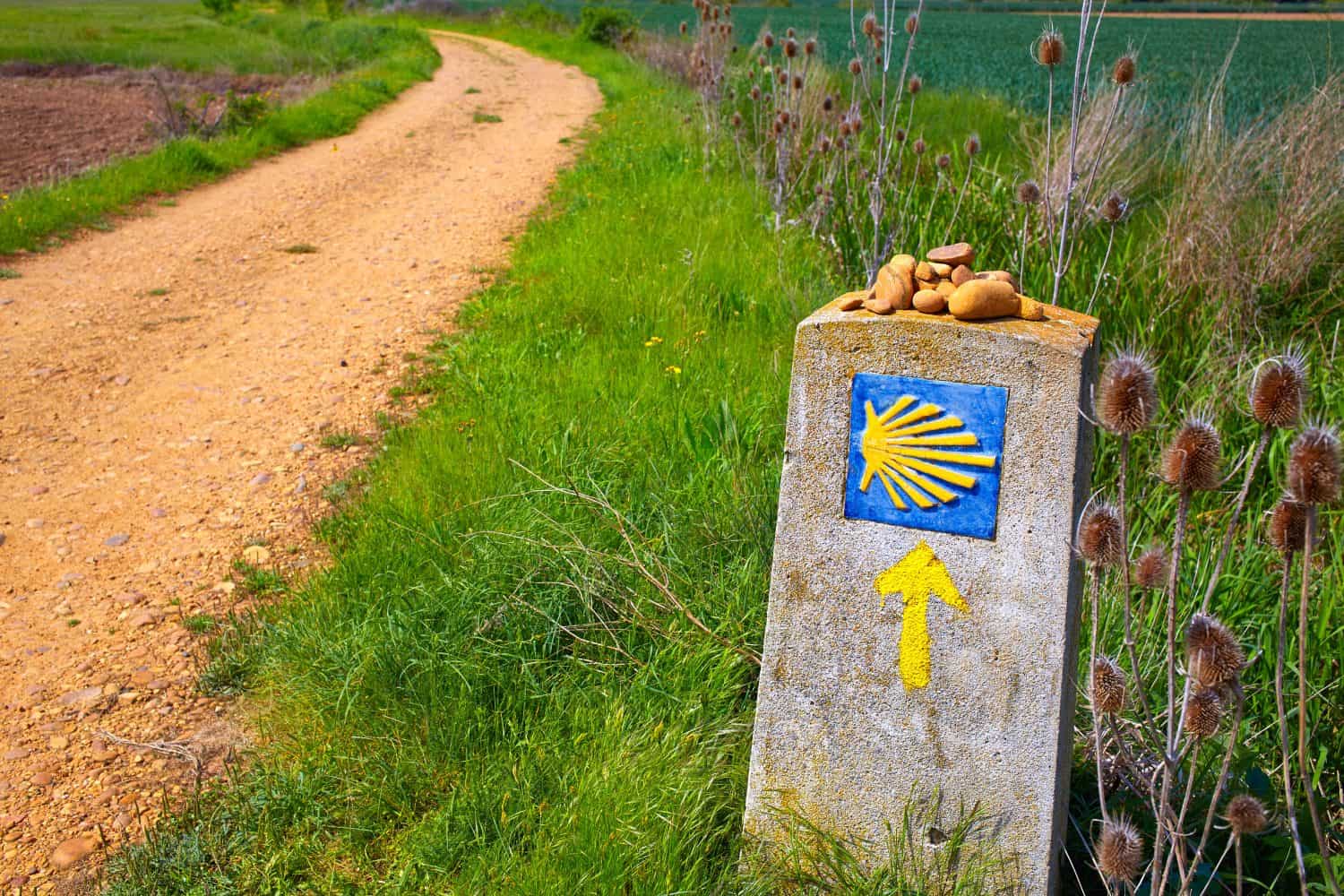
The scallop shell is the primary symbol of the Camino de Santiago.
©Martin Schuetz/Shutterstock.com
The Camino de Santiago isn’t a single path but a diverse network of routes, each with its own length and unique character. The Camino Francés, or “French Way,” is the most popular route, spanning 480 miles from France to Spain. Since this path is often crowded, you’re less likely to encounter wildlife.
For a different experience, the Camino Portugués Coastal and Camino del Norte hug the coast, offering stunning ocean views and plenty of opportunities to spot seabirds. But if you’re looking for the most wildlife, consider the Vía de la Plata, or “Silver Route.” This longer, less-traveled path is known for its beautiful scenery and more frequent animal sightings.
No matter which path you choose, you’re sure to witness incredible sights and maybe even spot a few animal friends along the way. Here are some of the most likely animals you will encounter on the Camino de Santiago!
Farm Animals
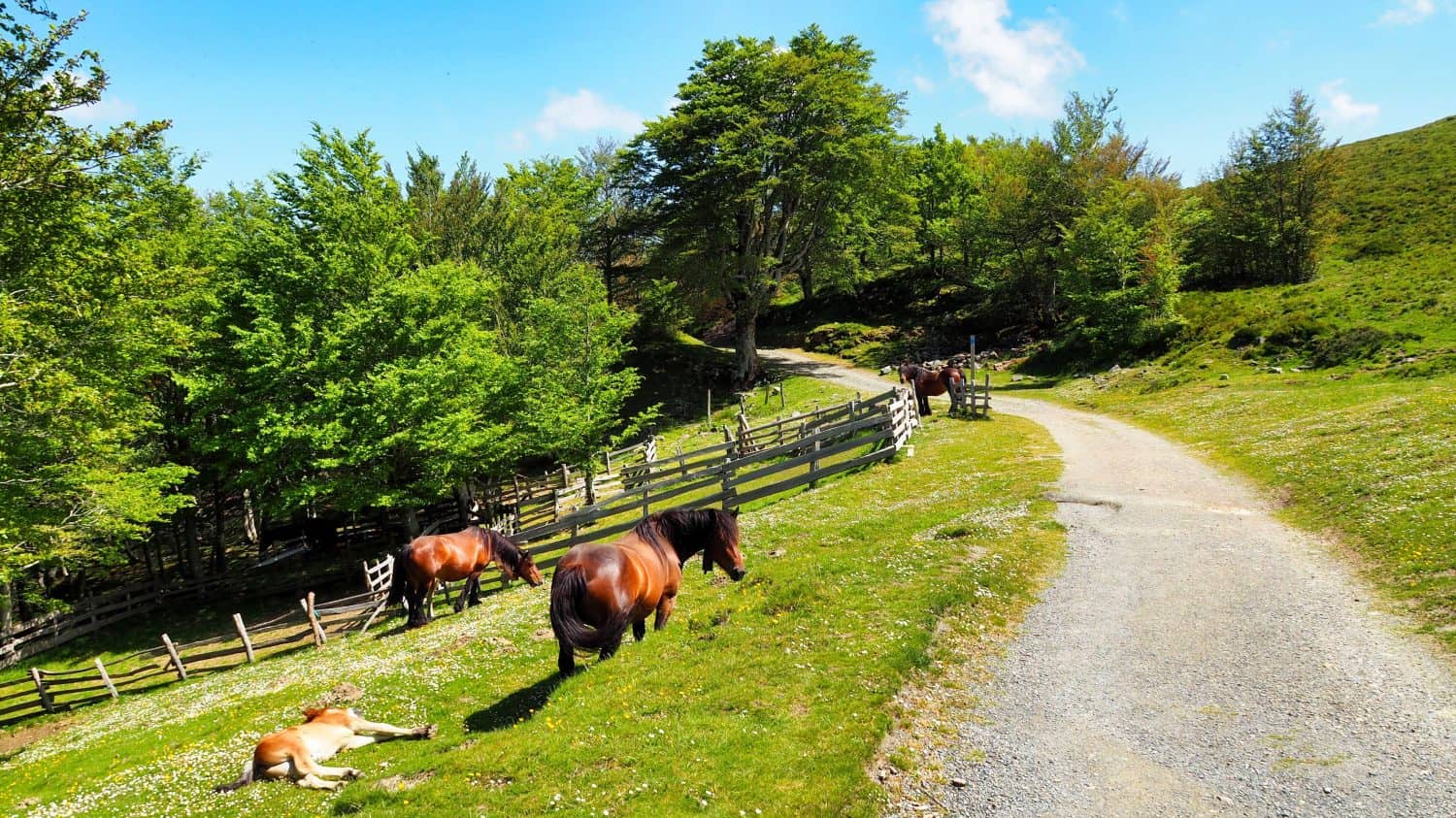
In many areas, the Camino de Santiago passes through farms, agricultural fields, and orchards.
©Patrizia Molinari/Shutterstock.com
The creatures you are most likely to encounter on the Camino de Santiago are farm animals — such as pigs, sheep, horses, cows, and goats. These animals are especially common in the agricultural heartlands of the Galicia and Andalucía regions.
Sheep, in particular, hold a special place in the Camino’s history. For centuries, Spanish sheep and their wool were central to the country’s economy, especially during its global monopoly on prized merino wool. As shepherds seasonally moved their flocks between mountain and lowland pastures, their paths often overlapped with the Camino. Over time, these sheep helped shape the barren landscapes of the Meseta, creating a visible reminder of Spain’s pastoral history.
Songbirds
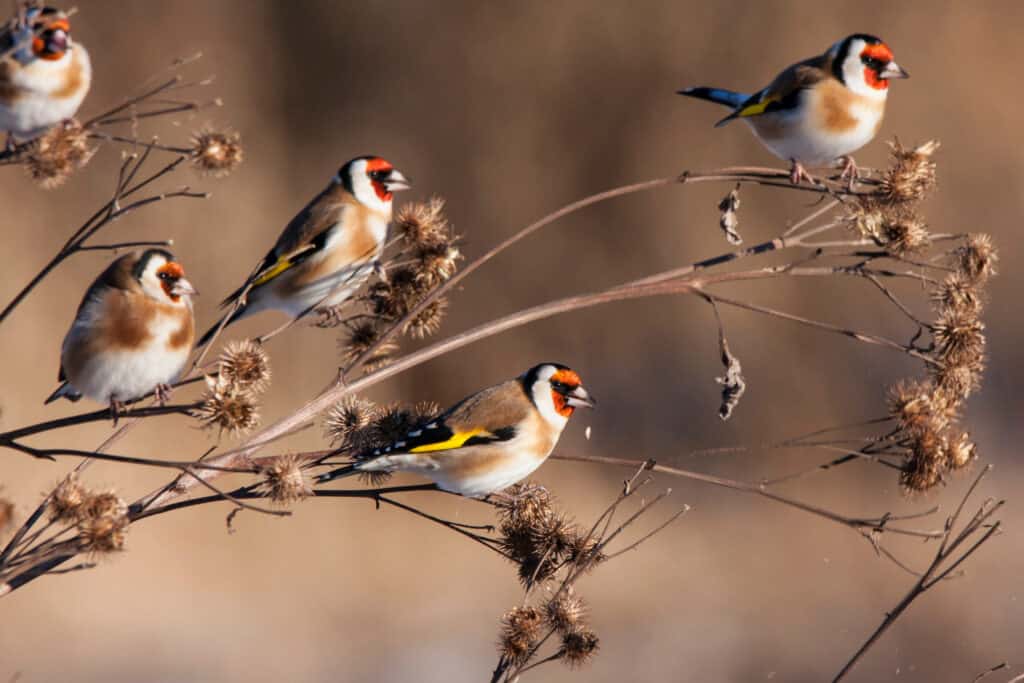
European goldfinches are rarely seen alone.
©Anton MirMar/Shutterstock.com
The Camino de Santiago comes alive thanks to the vibrant sights and sounds of its resident songbirds. These birds are particularly common in the spring and autumn, especially along the Vía de la Plata, which aligns with a major migratory corridor. As you walk this path, listen for the flute-like call of the Eurasian blackbird (Turdus merula) and the cheerful melody of the European robin (Erithacus rubecula), particularly in the morning. You can often spot lively blue tits flitting through the trees and colorful European goldfinches (Carduelis carduelis) feeding on thistle seeds by the roadside.
Eurasian skylarks (Alauda arvensis) sing a continuous, musical song above the fields of the Meseta, while stonechats (Saxicola rubicola) can often be spotted perching on fence posts. In villages and plazas, you’ll see house sparrows (Passer domesticus) hopping under cafe tables, white wagtails (Motacilla alba) bobbing across cobblestone streets, and barn swallows (Hirundo rustica) gracefully swooping through the air.
Red Squirrels
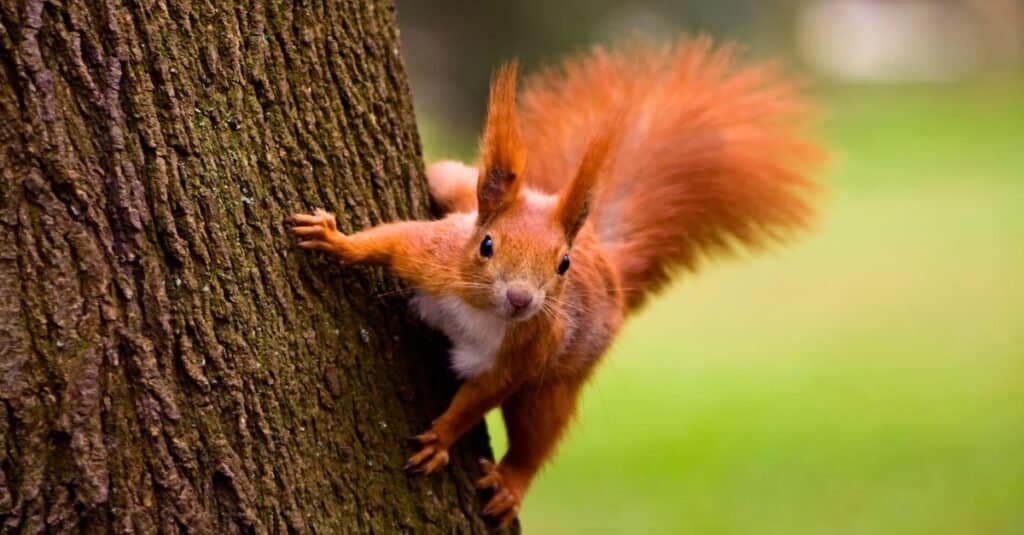
You’re most likely to see red squirrels in the autumn as they stash food away for the colder months.
©seawhisper/Shutterstock.com
In the final stretch of the Camino, the town of Arzúa offers beautiful countryside views, rolling hills, and lush woodlands. These forests are also home to the chattering Eurasian red squirrel (Sciurus vulgaris), an animal you’re likely to spot darting through the trees. These squirrels have reddish-brown fur and long, bushy tails, which are almost the same length as their 7.5 to 9.5-inch bodies. In winter, their fur darkens, and they grow tufts of hair atop their ears.
Slugs
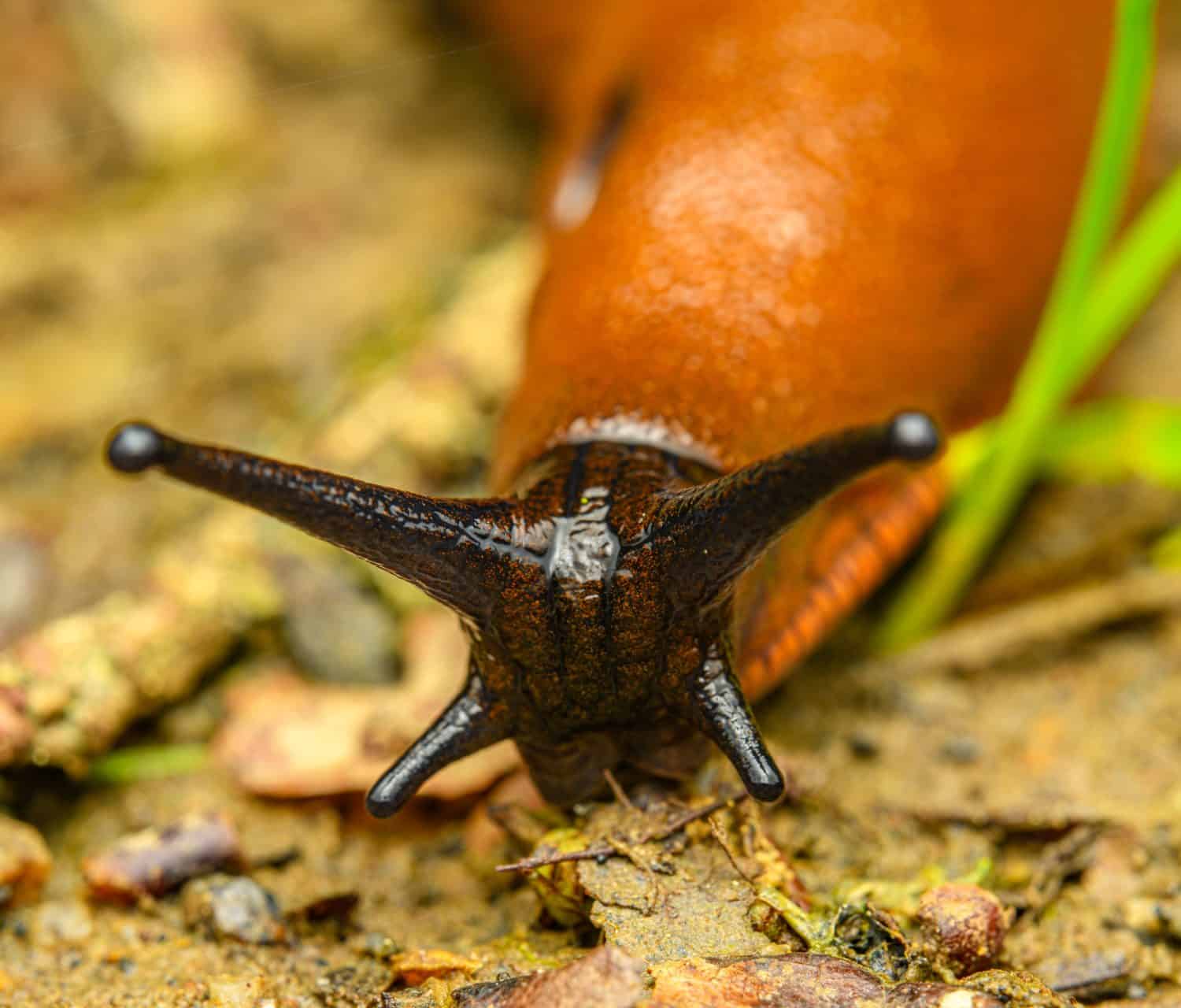
There are usually lots of Spanish slugs on the Camino de Santiago.
©Petr Ganaj/Shutterstock.com
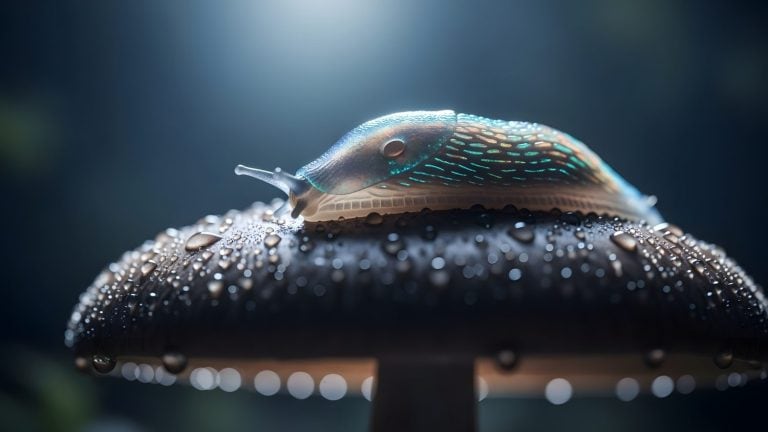
Another animal you will almost certainly encounter on the Camino is the Spanish slug (Arion vulgaris). Despite its unappealing name, many pilgrims consider these large slugs one of their favorite sights. Spanish slugs can be surprisingly chunky, growing up to 8 inches long — the size of a large banana! While they are often a dark color, they can also appear in shades of reddish-brown or orange. To see them when they are most active, head out for your walk in the early morning or right after it rains, when they emerge in large numbers along the path.
Corvids
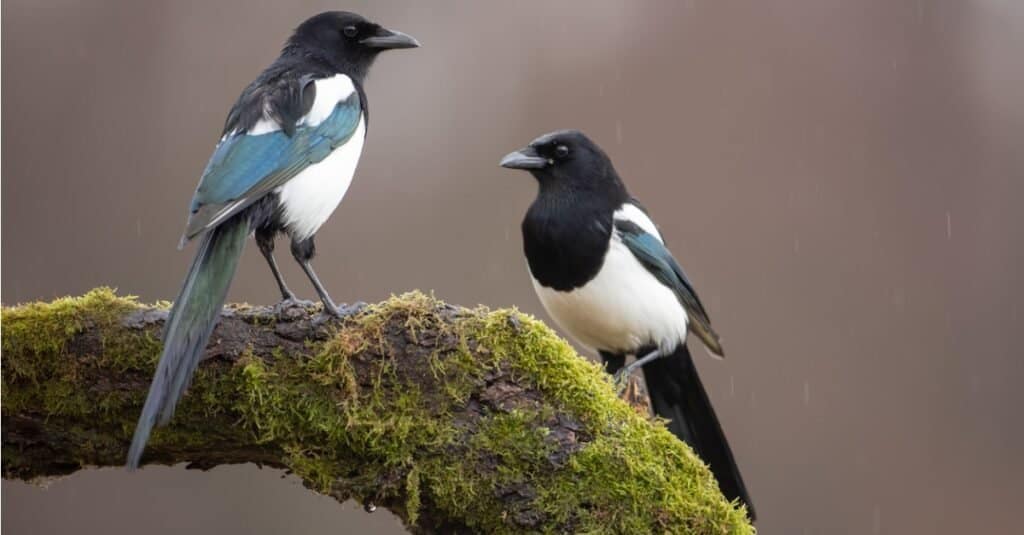
Corvids are highly intelligent animals.
©iStock.com/JMrocek
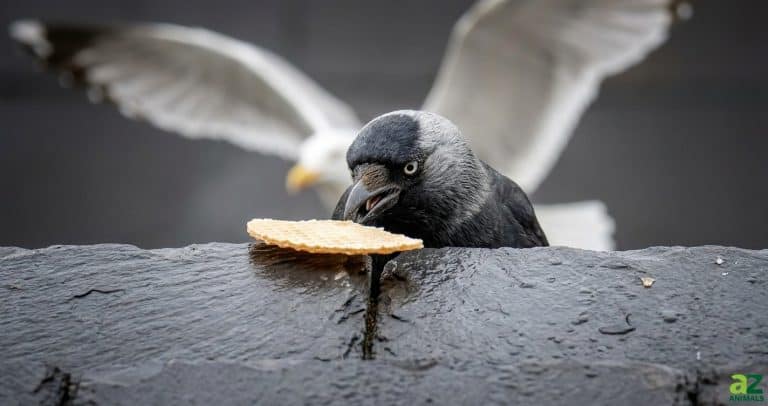
Some of the most noticeable birds you’ll see on the Camino de Santiago are Corvids, a family that includes crows, ravens, jays, and magpies. These birds are larger and more vocal than songbirds and are known for their bold, curious nature. The Eurasian magpie (Pica pica), for example, is common in villages and open countryside. You can recognize it by its striking black and white feathers and its inquisitive, almost cheeky, personality.
You’ll also likely spot several all-black corvids, such as the carrion crow (Corvus corone), common raven (Corvus corax), and jackdaw (Coloeus monedula). Of the three, the jackdaw is the smallest, while the raven is the largest, often identified by its loud croaking call. In contrast, the Eurasian jay (Garrulus glandarius) is much shier than its cousins. However, this beautiful bird stands out with brilliant blue, pink, brown, and black feathers.
Lizards
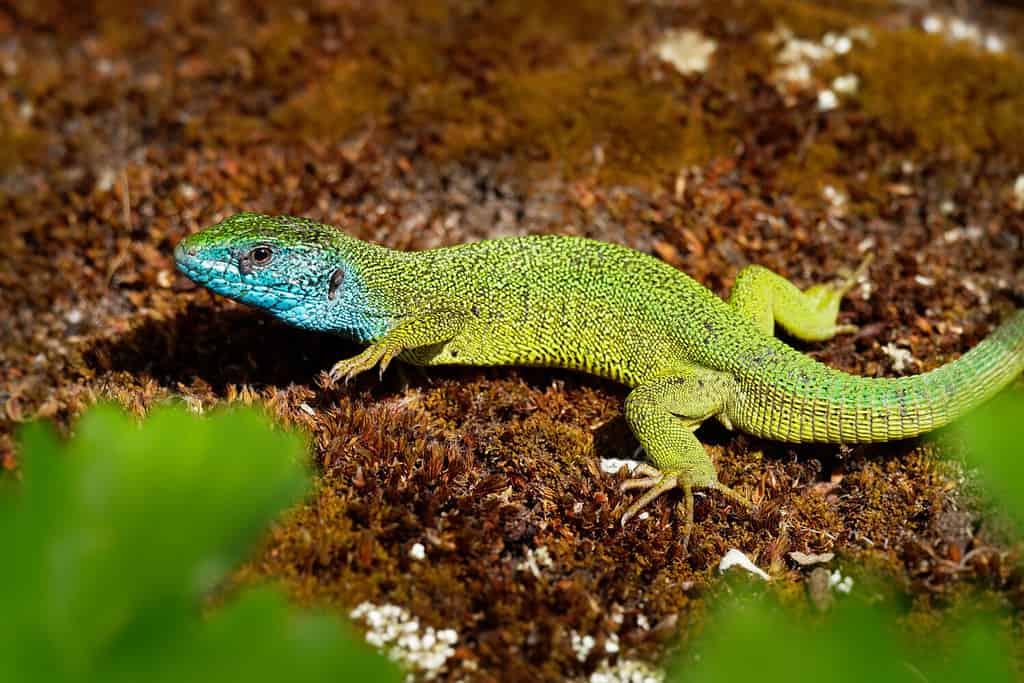
Male European green lizards have a bright turquoise blue throat and face, while females have a paler blue coloring.
©Martin Pelanek/Shutterstock.com
Lizards are commonly seen on the Camino as they bask in the sun or skitter quickly into the shade. The European green lizard (Lacerta viridis), in particular, is a favorite for many pilgrims. This stunning reptile can measure 6 to 12 inches long, with a tail that adds another 16 inches. Its body is a mix of green, yellow, and blue, covered in hundreds of tiny, colorful spots.
You might also spot a slender common wall lizard (Podarcis muralis), a reptile with a spotted pattern of brown, gray, or green. Spiny-footed lizards (Acanthodactylus erythrurus), in contrast, are speedy creatures with yellowish-gray skin, white stripes, and a tail that is often bright red.
White Storks
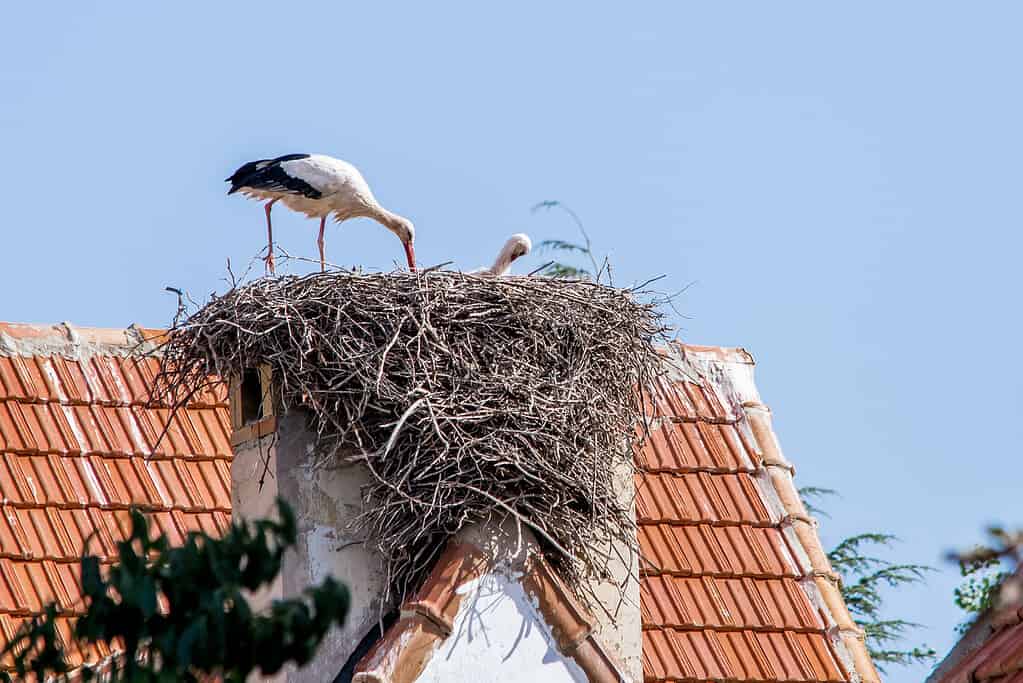
Some white storks may stay in Spain throughout the winter.
©Wirestock/iStock via Getty Images
White storks (Ciconia ciconia) are another common sight along the Camino in Spain. Standing 3 to 4 feet tall, these large birds are easy to spot. They have brilliant white feathers, black wingtips, long red legs, and big red bills. White storks often build giant nests on tall trees and human-made structures. You can often spot them from March through September on the Camino.
Snakes
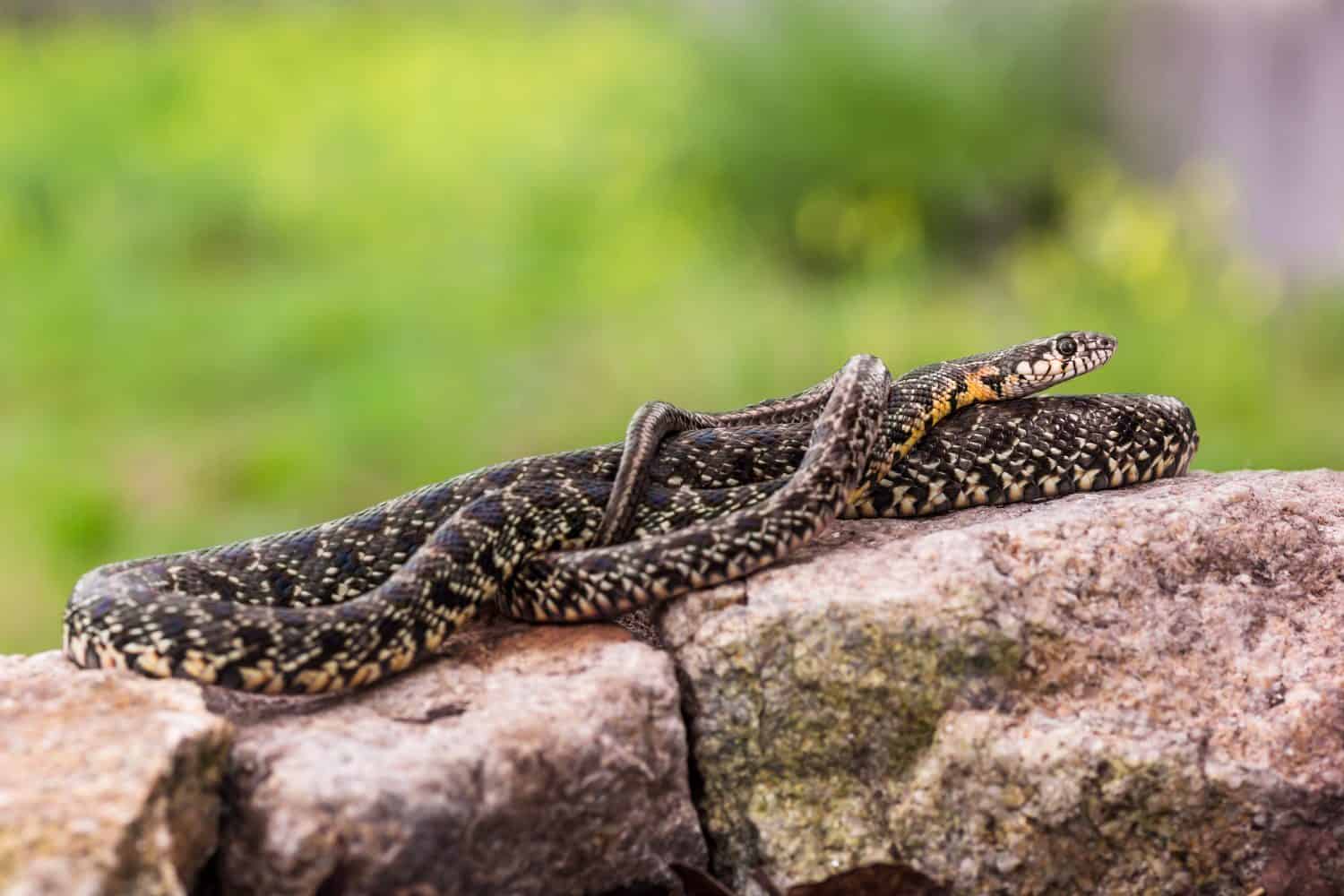
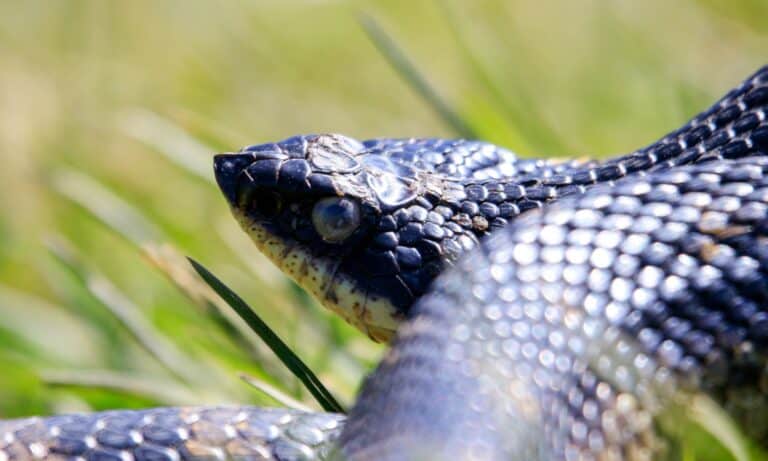
The horseshoe whip snake may have a similar appearance to vipers, but it is not venomous.
©255774493/Shutterstock.com
Another animal you might encounter on the Camino de Santiago is a snake. Most of the snakes you’ll encounter are nonvenomous and harmless, such as the ladder snake (Zamenis scalaris) and the horseshoe whip snake (Hemorrhois hippocrepis). The ladder snake is usually around 4 feet long with a yellowish or brownish body marked by long, dark stripes. The horseshoe whip snake is slightly longer, growing up to 5 feet, with a wide head and large, dark spots down its back. Although rare, there are two venomous vipers on some parts of the Camino: the asp viper (Vipera aspis) and Seoane’s viper (Vipera seoanei). Fortunately, both of these animals are very shy and will almost always try to avoid humans.
Birds of Prey
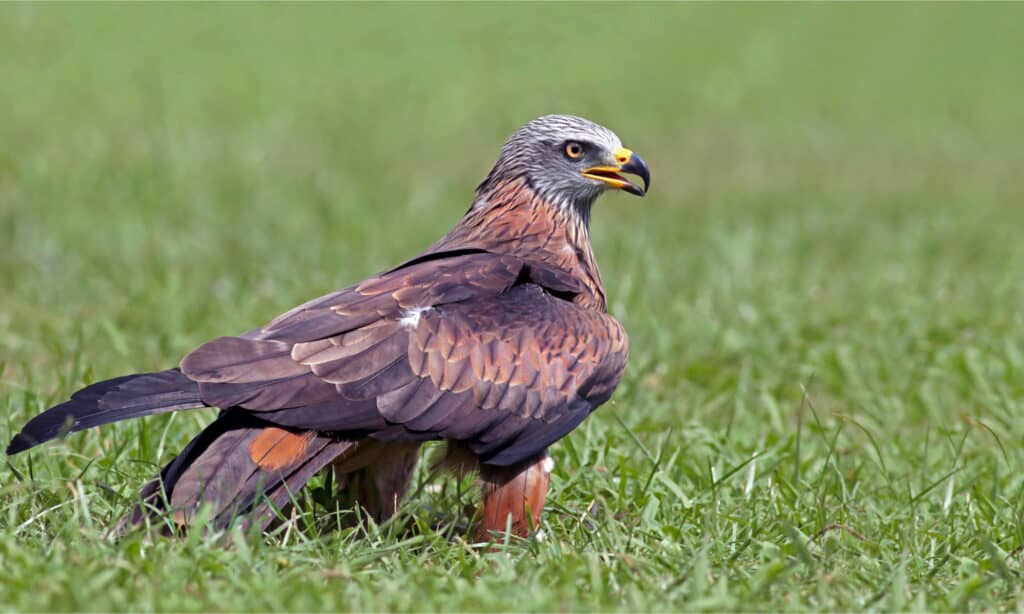
Red kites are common birds to see throughout the year on the Camino de Santiago.
©Fercast/Shutterstock.com
Birds of prey are common in open, rural areas of the Camino, including kites, kestrels, and eagles. The red kite (Milvus milvus) often flies over villages and farmlands. You can identify it by its reddish-brown feathers and a long, forked tail. The smaller kestrel (Falco tinnunculus) is a tan and brown bird with small dark spots. It is often seen hovering in mid-air above fields, searching for insects and mice. The larger booted eagle (Hieraaetus pennatus), in contrast, is most common during the summer.
Newts and Salamanders
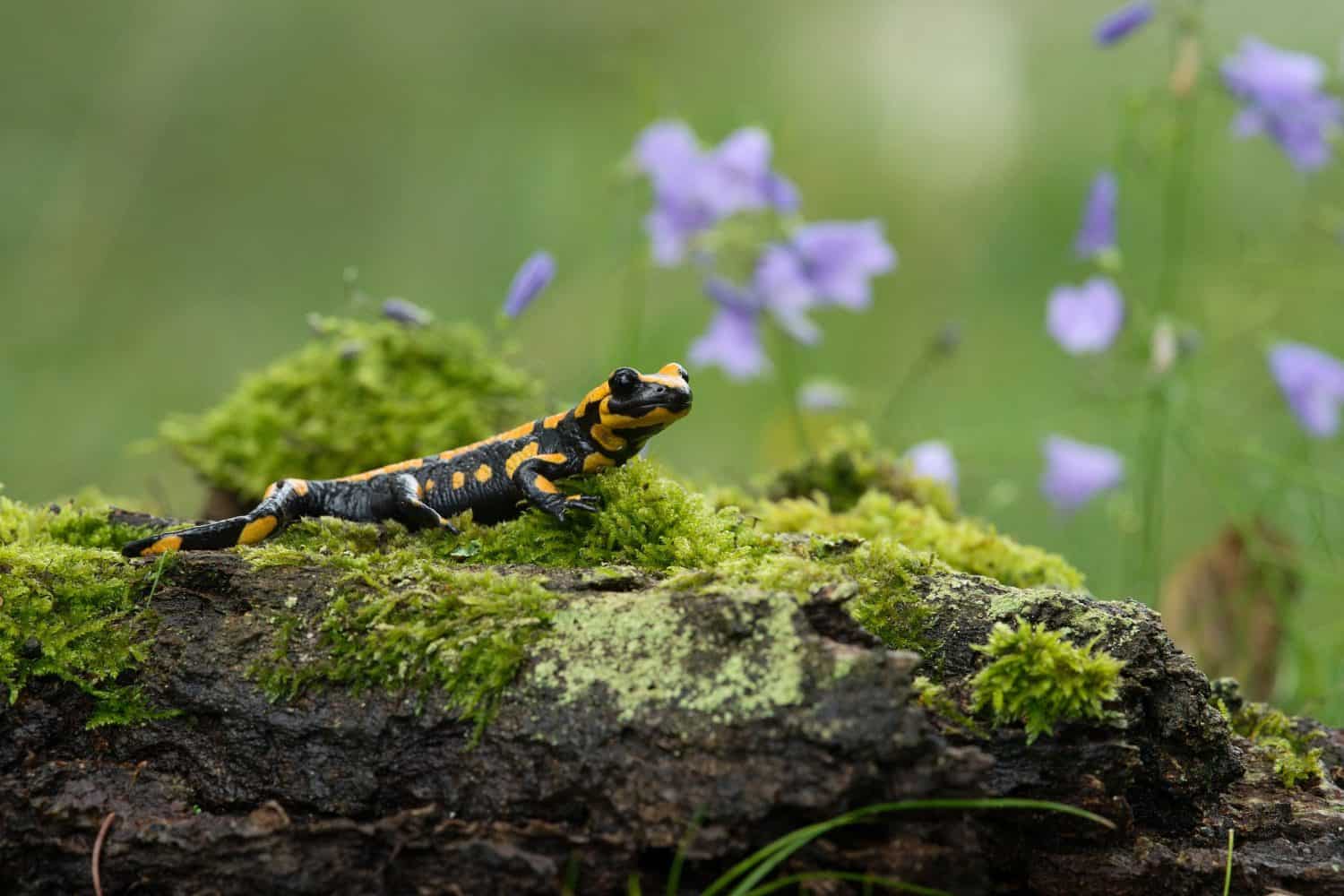
Barred fire salamanders secrete toxins through their skin.
©Miroslav Srb/Shutterstock.com
If you walk near a pond along the Camino, you might be lucky enough to spot a marbled newt (Triturus marmoratus). Native to the Iberian Peninsula, these newts have dark bodies with unique green splotches. Females also have a thin, bright orange stripe running down their backs. You might encounter a barred fire salamander (Salamandra salamandra terrestris), especially as you approach Galicia. These bold, brightly colored creatures have dark bodies, 5 to 12 inches long, with fiery yellow and orange patterns.
Vultures
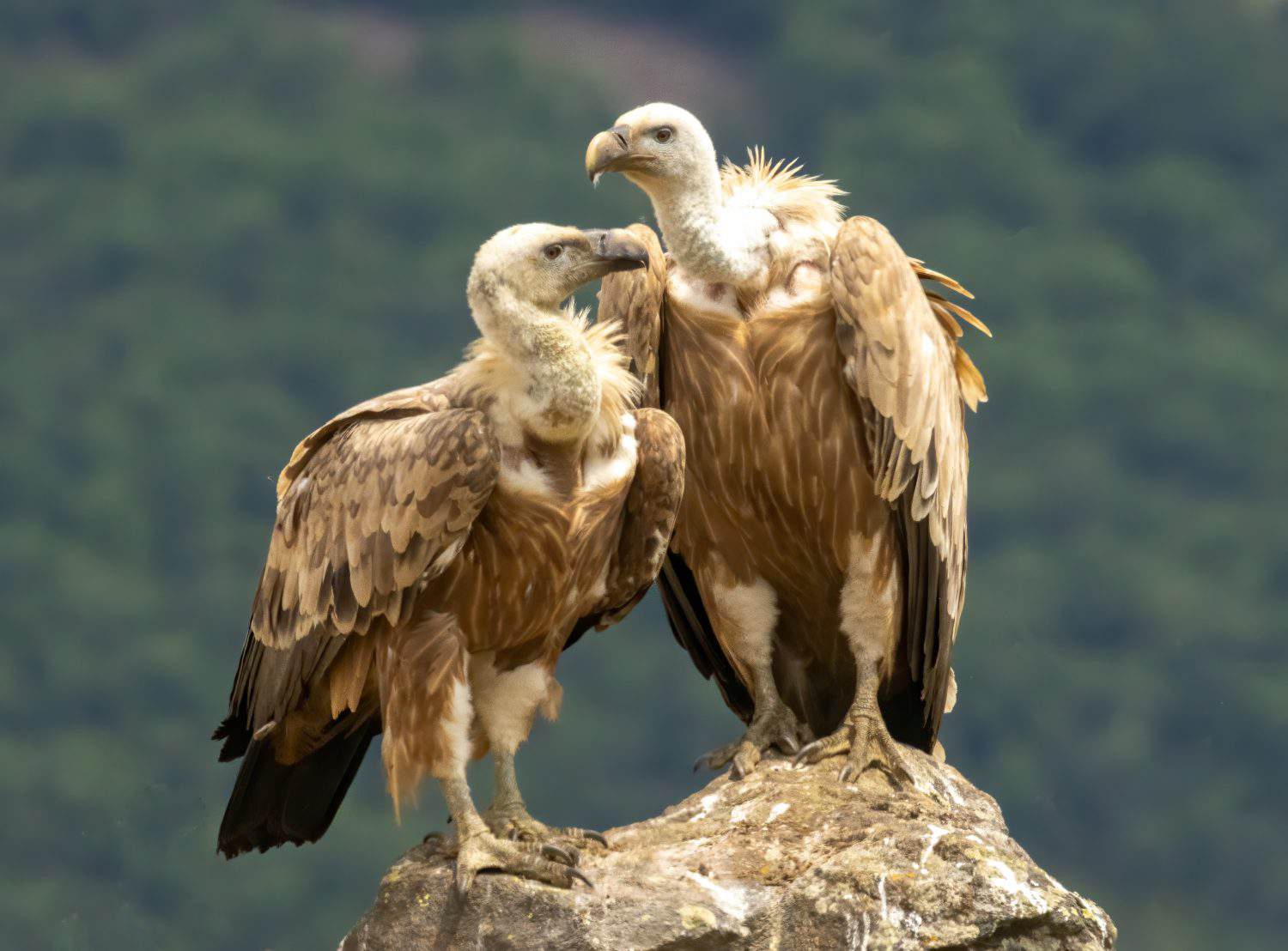
Eurasian griffon vultures have large wingspans ranging from 7.5 to 9.2 feet.
©Gerdzhikov/Shutterstock.com
More than 90 percent of Europe’s Eurasian griffon vulture (Gyps fulvus) population lives in Spain, and they are common along the Camino. These enormous, social birds have a wingspan of up to 9 feet and often gather in groups of hundreds to feed. They play a vital role in the ecosystem by cleaning up roadkill and other carcasses, which helps prevent the spread of disease.
Though less common, you might also spot a bearded vulture (Gypaetus barbatus), also known as a lammergeier. This impressive bird is as large as the griffon vulture and typically builds its nests on cliff ledges.
Weasels
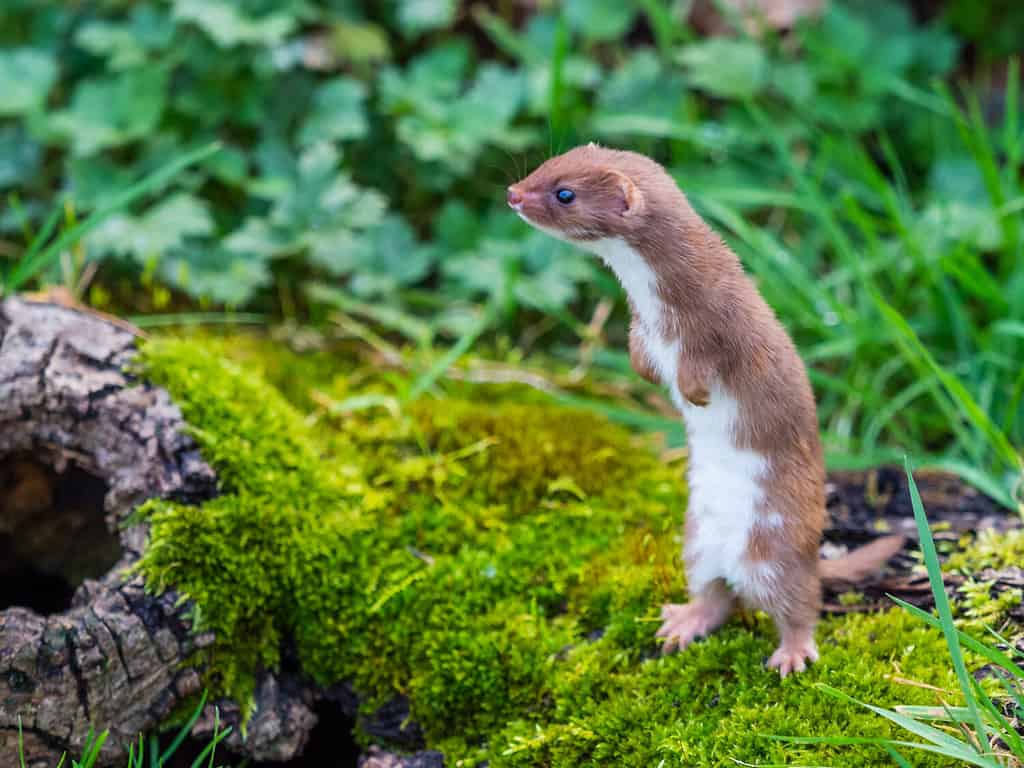
The least weasel only weighs 1 to 1.5 ounces.
©Stephan Morris/Shutterstock.com
There’s a good chance you’ll spot a weasel on the Camino, though their speed and stealth mean they might vanish before you even realize what you saw. The least weasel (Mustela nivalis) is the smallest of the group, measuring only 6 to 8 inches long. Its soft, thick fur is brown but turns white in winter to blend with the snow. You might also encounter a beech marten (Martes foina), which often lives in more urbanized areas, or a European pine marten (Martes martes), which prefers forested areas. Both are larger than the least weasel; the pine marten can weigh up to 4.5 pounds while the beech marten weighs 2 to 3 pounds.
Hoopoe
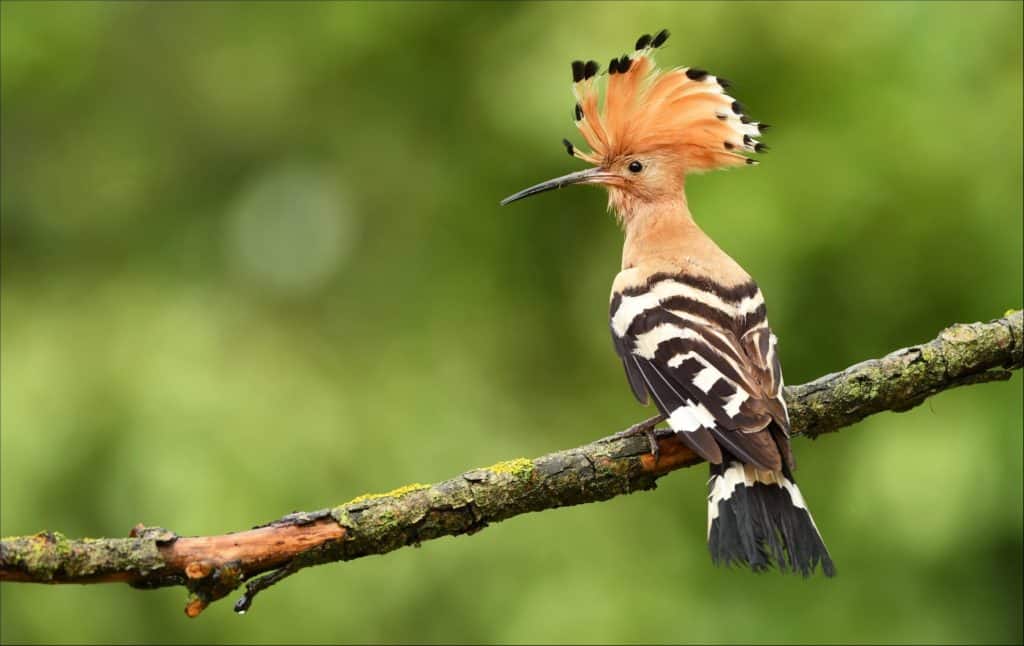
Hoopoes use their long, slender beaks to poke into the ground and find insects.
©Piotr Krzeslak/Shutterstock.com
It’s hard to miss the hoopoe (Upupa epops), a bird that looks like a colorful cartoon come to life. With its vibrant orange, black, and white plumage, it’s a common sight, especially in the Andalucía region, where they live year-round. Hoopoes are very beneficial to their human neighbors due to their healthy appetite for bugs and insects. They feed on things like moths, beetle larvae, centipedes, millipedes, and even scorpions.
Deer
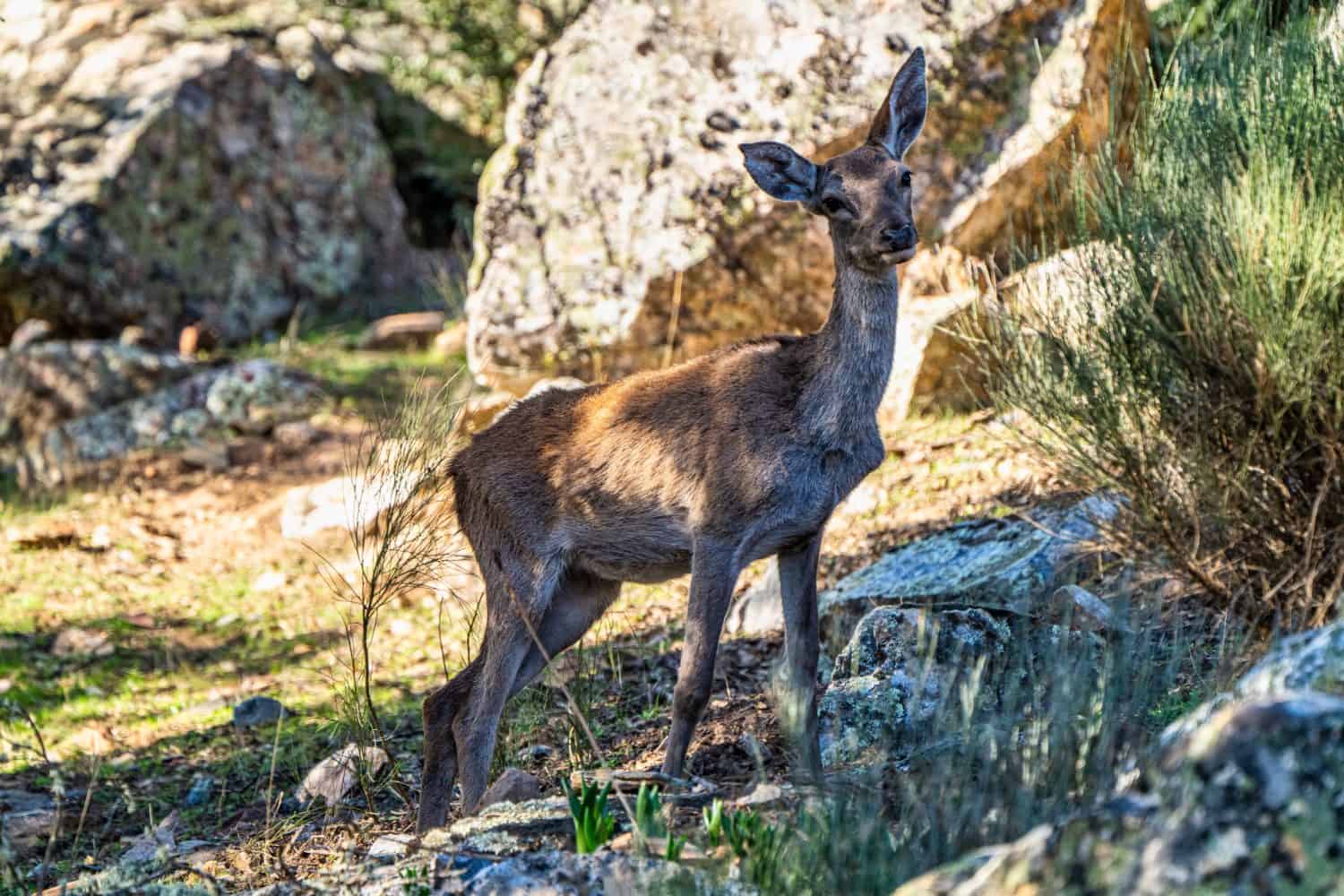
Iberian red deer can weigh 220 to 530 pounds.
©RudiErnst/Shutterstock.com
The Iberian red deer (Cervus elaphus hispanicus) is a red deer subspecies only found on the Iberian Peninsula. It’s also known as the Spanish red deer and thrives in hot, dry habitats with irregular rainfall. The Moorish or Morisco roe deer (Capreolus capreolus) is less commonly seen. This subspecies is slightly smaller and well-adapted to navigating the region’s dense forests.