
Quick Take
- The dusky gopher frog's survival hinges entirely on a different species, and as that species disappeared, it took the frog down with it. See the frog's dependencies →
- The Curries began restoring their land to help one animal, but they stumbled into saving something far larger than they had planned. See the broader impact →
- Saving this forest required repeatedly burning it down, a counterintuitive choice that made all the difference. Explore the burning strategy →
The world’s most vulnerable species continue to decline until someone cares enough to step in. Mr. Jim Currie and Mrs. Laura Currie, a couple living in Mississippi, proved how powerful conservation can be. In the face of extinction, the two worked together with biologists for two decades to restore their privately owned land. All of this led to the eventual release of a rare amphibian, which now has a second chance at life.
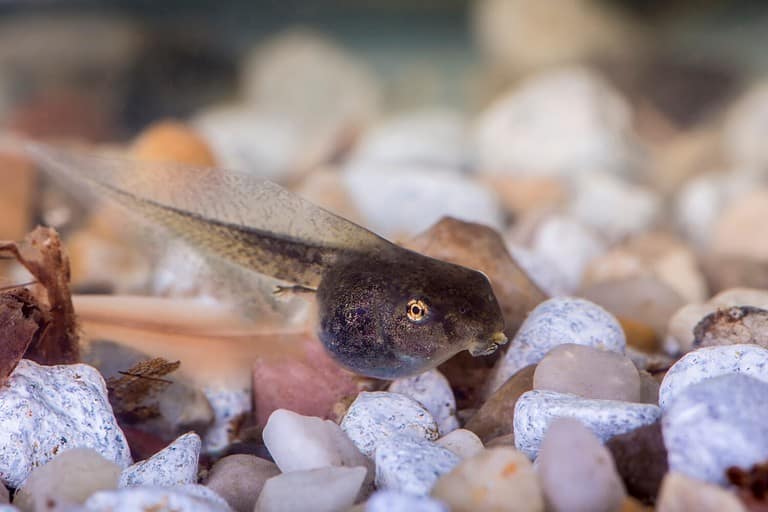
The dusky gopher frog (Lithobates sevosus) remains critically endangered and once had little hope of survival. Now, hundreds of them have been released in the Curries’ backyard, giving them a fighting chance at life. But the process of getting there was far from easy, and it required a community effort to see it through.
The Delicate Life of the Dusky Gopher Frog
The dusky gopher frog is found only in the southeastern U.S. It’s one of the world’s rarest frog species, putting its conservation at a critical level. It’s also elusive, and most people wouldn’t notice this frog unless they looked closely at the ground. It spends most of its time underground in sandy burrows, rarely coming to the surface except to mate and prey on insects.
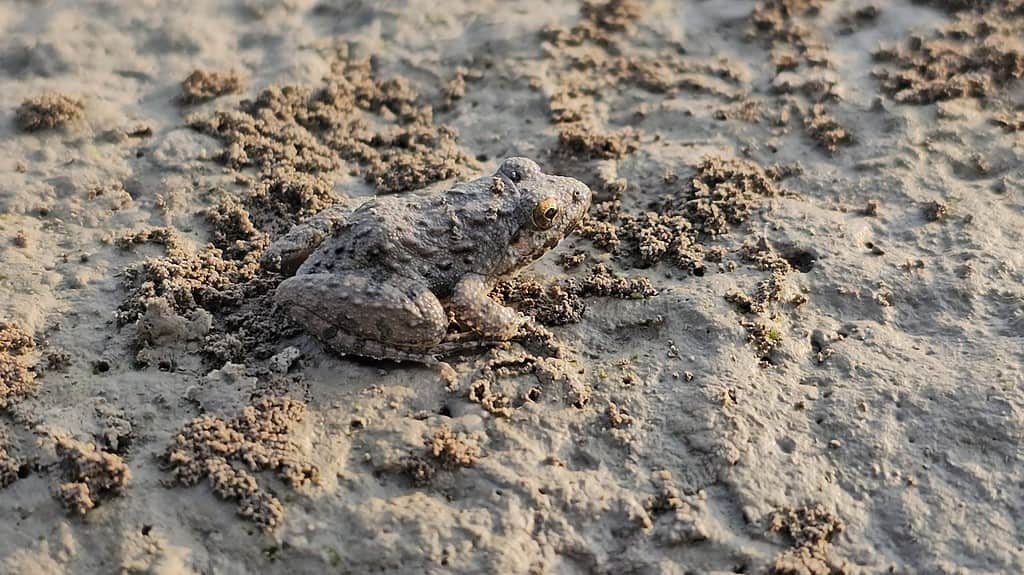
When threatened, gopher frogs cover their eyes with their front feet.
©Jrs Jahangeer/Shutterstock.com
It’s more likely to be heard than seen, with a deep, husky-like sound that some believe resembles snoring. Dusky gopher frogs are most active when you hear these mating calls, because it means females are migrating to nearby upland ephemeral ponds to lay eggs. Sadly, this sound has steadily decreased over the last few decades.
Dusky gopher frogs are a fragile species, vulnerable to many threats, including predation, deforestation, and human activity. Their survival also depends on another species that’s crucial to Mississippi’s ecosystem, the gopher tortoise (Gopherus polyphemus). The tunnels dug by this tortoise provide homes for 350 species living along sandy coastal plains, including the dusky gopher frog. As the gopher tortoise faced habitat loss, so, too, did the dusky gopher frog.
Two Decades of Longleaf Pine Forest Restoration
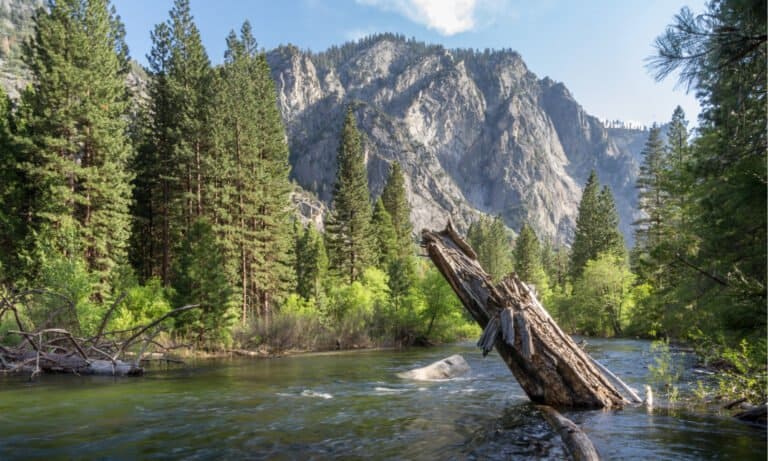
Both the dusky gopher frog and the gopher turtle rely on longleaf pine forests. For decades, these trees were subject to deforestation and development, which dramatically reduced their range. Woodland Cottage, private land owned by the Curries, is known for its once-historic stand of longleaf pines.
While these trees can live for centuries, they require very specific conditions to grow. That includes sandy, acidic soil and full sun, which is why they once thrived along the Mississippi coast. However, land development also values these regions, which puts longleaf pines in direct competition. As more were cut down, hundreds of species lost their habitats, including dusky gopher frogs. Recognizing this was the first step the Curries took to restore their own land.
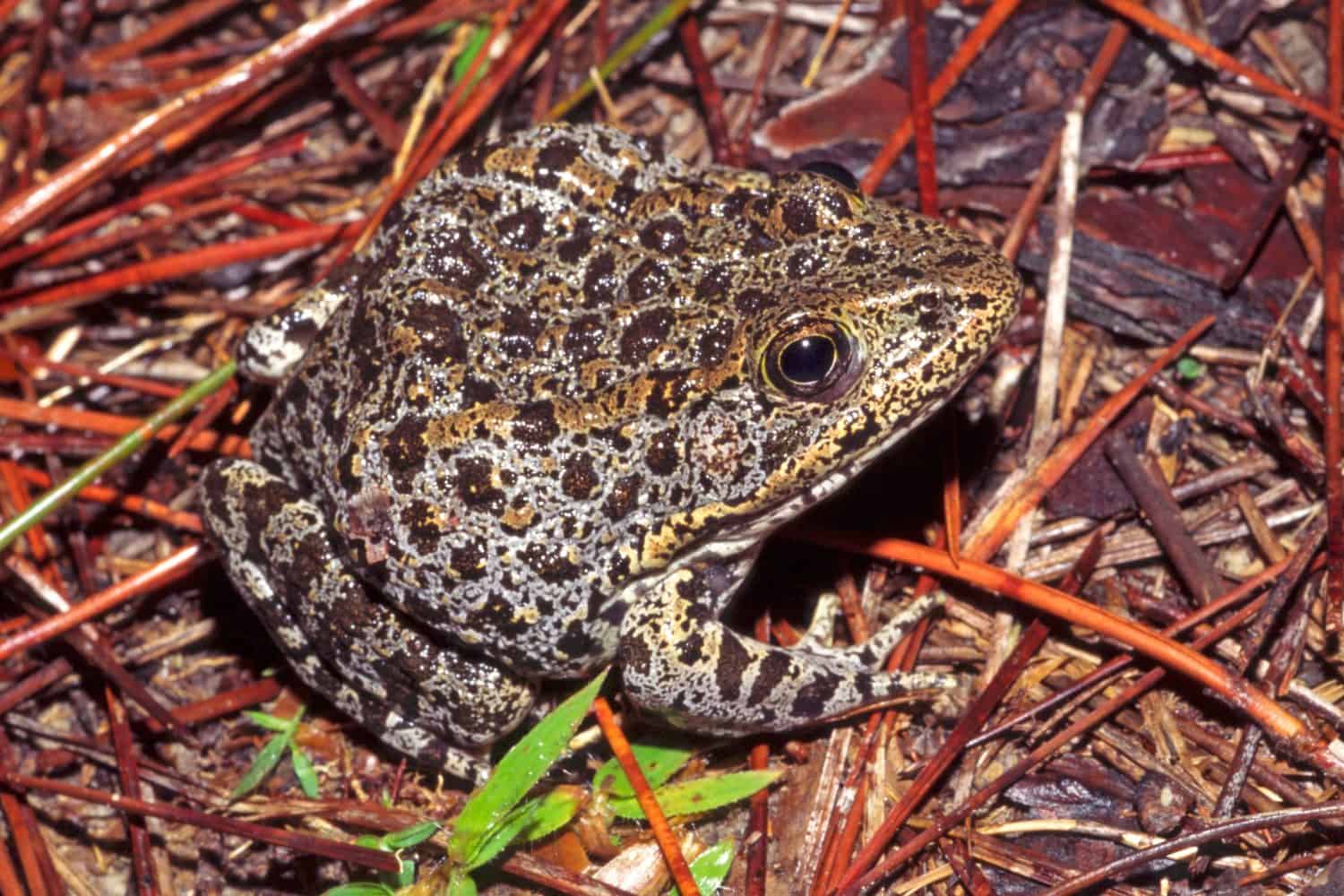
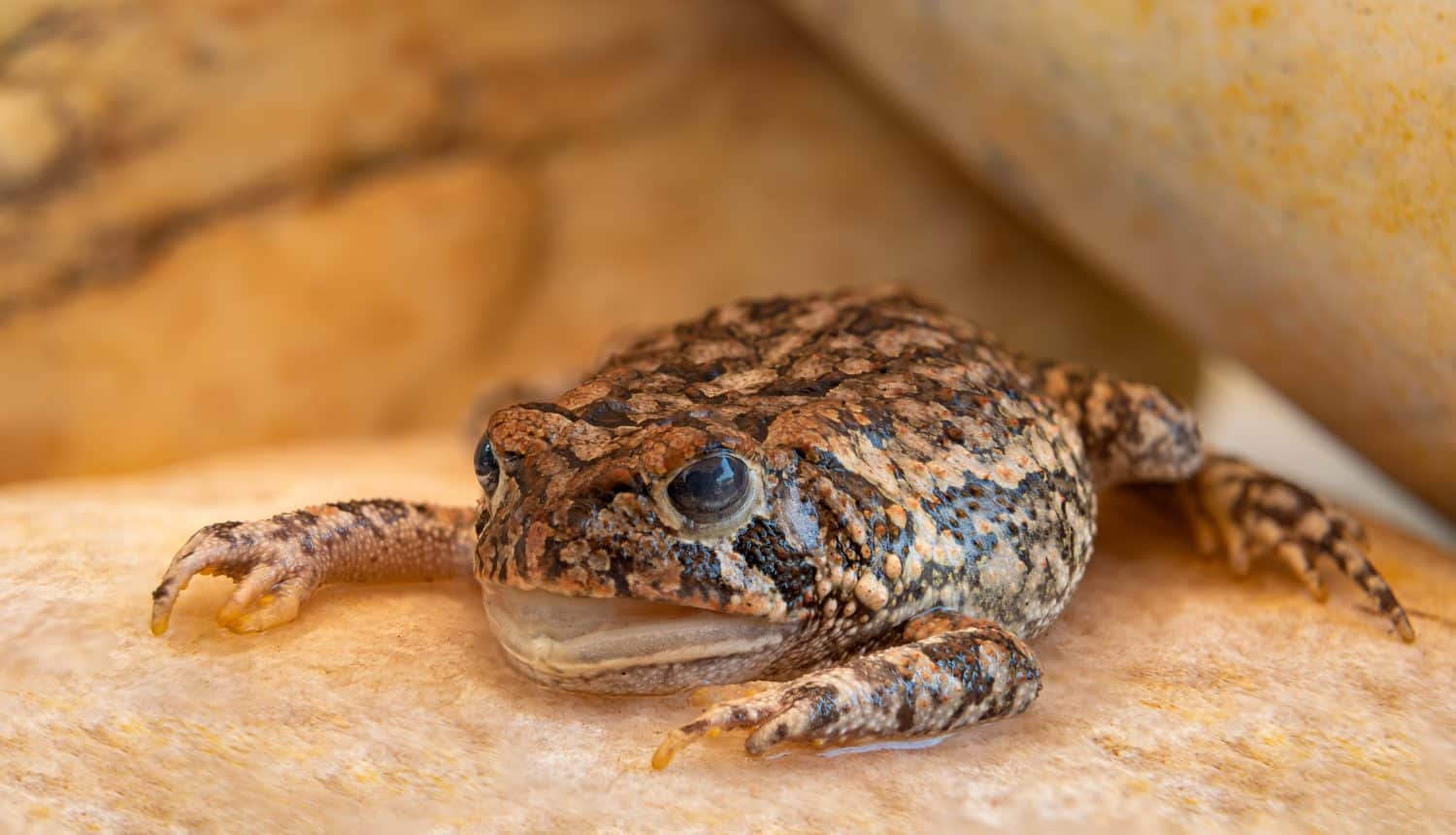
One defense dusky gopher frogs have against predators is milky secretions from the nodes along their skin.
©Mike Redmer/Shutterstock.com
To do so, they worked tirelessly for more than two decades, burning land and replanting trees. Under the supervision of biologists from the federal Partners for Fish & Wildlife program, Wildlife Mississippi, and the Natural Resource Conservation Service, they slowly brought life back to Hancock County’s forests. Initially, this work was intended to benefit the gopher tortoise. But as more longleaf pines began growing, so did the Curries’ vision for the wildlife that could thrive.
Hundreds of Captive Dusky Gopher Frogs Get Released
In an effort to conserve Mississippi’s vulnerable dusky gopher frog population, biologists reared nearly 500 dusky gopher frogs in captivity for release. Here, they were kept safe and under the watchful eye of experts who single-handedly prevented their extinction. When longleaf pines showed promise at Woodland Cottage, a new idea formed. Not only could the Curries and their team of skilled biologists save one species, but they could also potentially bring another back from the brink.
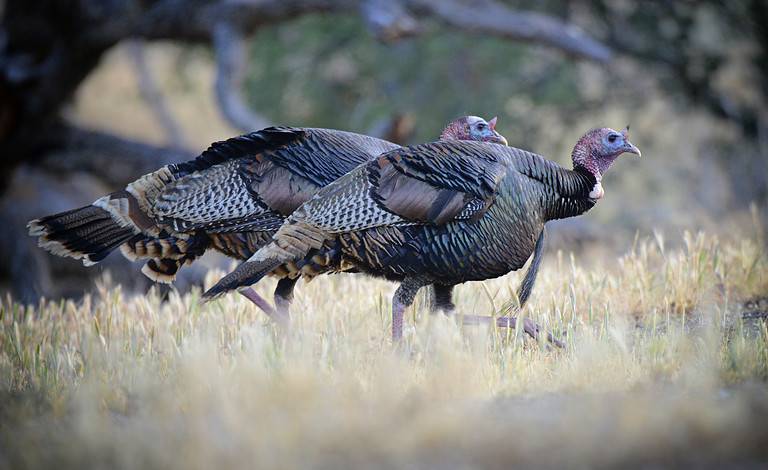
After nearly two decades of hard work, the dusky gopher frogs born in captivity were released into the newly grown forest. The event was celebrated as a major milestone not only for frog and tortoise species but also for vulnerable migratory bird species. This new habitat provides a safe nesting place for wild turkey and bobwhite quail, as well as the crucial pollinators that were also displaced.
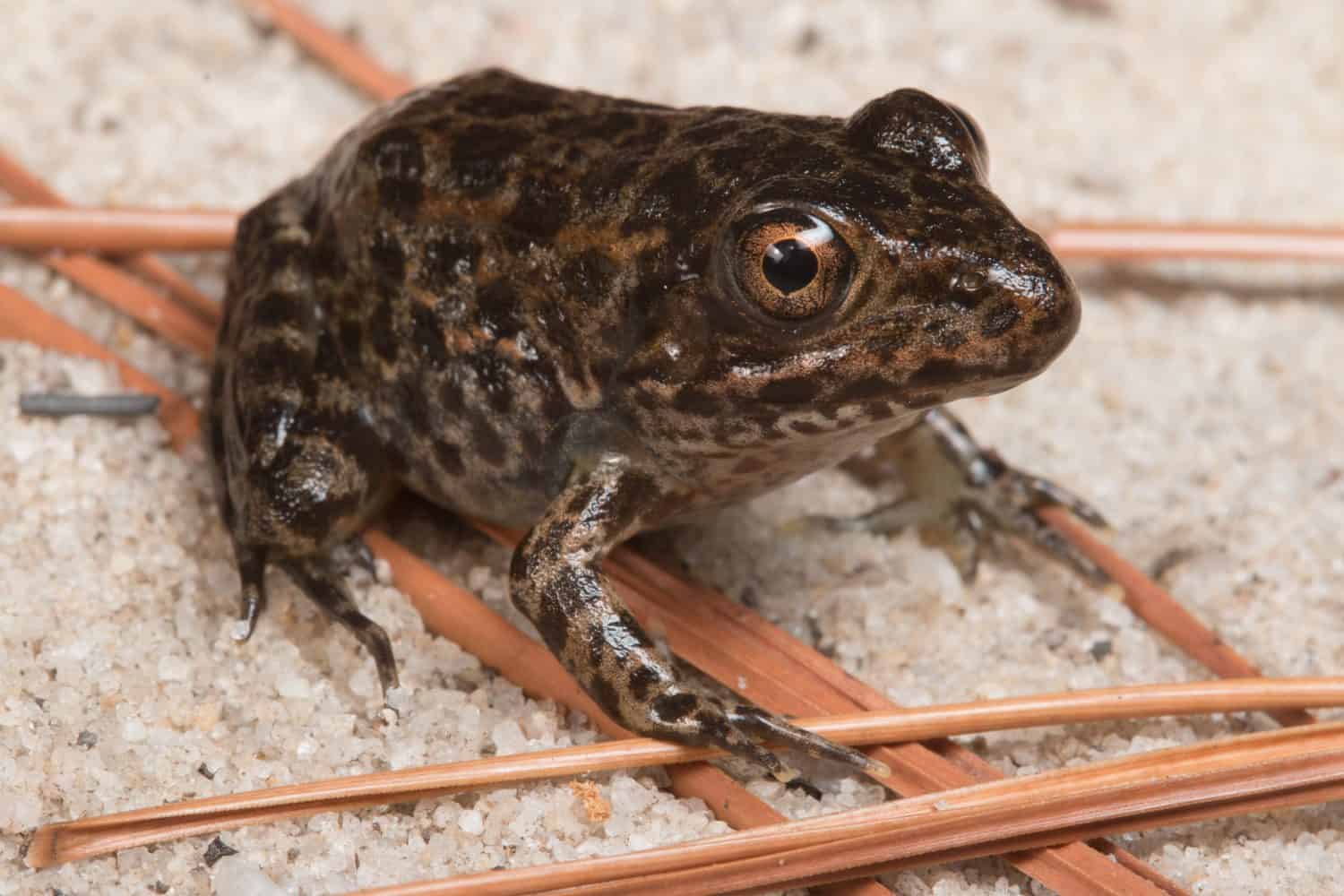
Nearly 500 dusky gopher frogs have a chance thanks to a concerned community and more than two decades of forest restoration.
©Nathan A Shepard/Shutterstock.com
The release of the last captive dusky gopher frogs gives them a new chance at survival. Their home is on protected, private land, which reduces the risk of deforestation or habitat loss. It’s also a significant step in volunteer-led conservation. The teamwork between the Curries and local and federal groups proves that when communities care enough, threatened species can be saved.