
Quick Take
- Trout are partly why these frogs are critically endangered, and that is just the beginning of the threat list. See the full threat list →
- There's a biological quirk in this frog's lifecycle that may actually work in its favor against extinction, and scientists didn't expect it. Discover the lifespan advantage →
- 'Headstarting' sounds simple, but the scale of what it took to release 653 frogs reveals how close this species came to disappearing forever. Inside the 653-frog release →
When wildfires threaten an already beleaguered species, it takes a team effort to give them a helping hand. The Los Angeles Zoo has been working with the Aquarium of the Pacific to raise and release hundreds of Southern mountain yellow-legged frogs in a bid to save the species. Here’s how the conservation effort is progressing.
Continue reading
About the Southern Mountain Yellow-Legged Frog
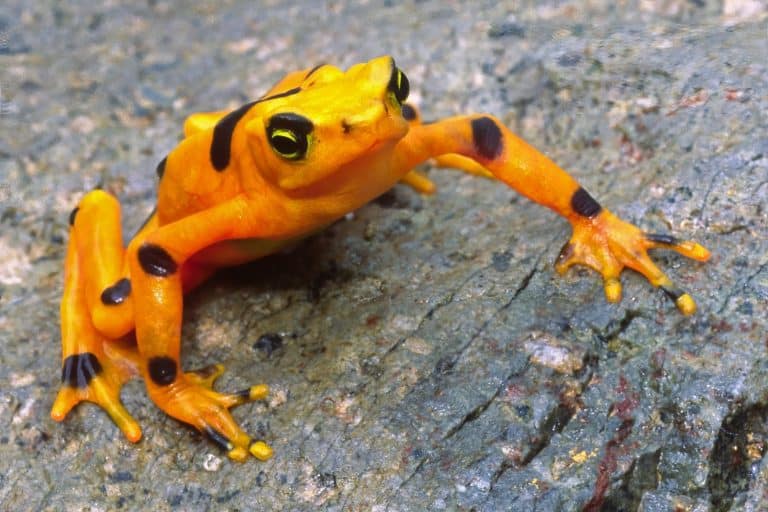
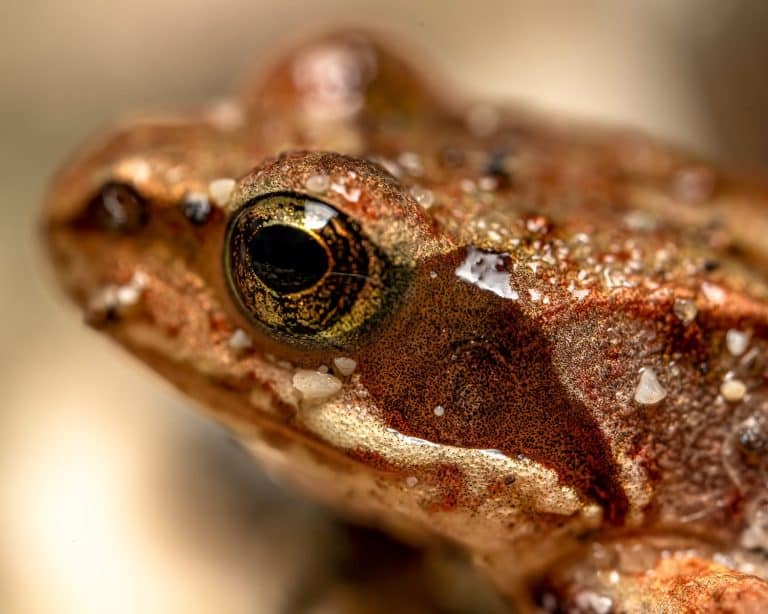
It is a medium-sized frog between 1.5 and 3.5 inches long. Many adults have a mix of brown and yellow coloring, but some can be greenish-brown, red, or grey. As their name suggests, the underside of their back legs (and sometimes their front legs) is a light yellow or orange. They also have splotches of a darker color that help them blend in with lichen and moss.
The species is endemic to the San Gabriel, San Bernardino, and San Jacinto mountains of California. Once, it was found from Palomar Mountain in San Diego County through the San Jacinto, San Bernardino, and San Gabriel Mountains of Riverside, San Bernardino, and Los Angeles counties in southern California. There were further isolated clusters, for example, one at Breckenridge Mountain.
The population declined rapidly even though most of the habitat is protected in National Parks and National Forest lands. Introduced predators (including trout) and disease (including a fungal disease called chytridiomycosis) have been largely to blame. Air pollution and pesticide drift may also play a role, but wildfires destroying their habitats are another major challenge.
Almost Obliterated by the Bobcat Fire
The 2020 Bobcat Fire is ranked among the largest wildfires on record for Los Angeles County. It began on September 6 near Cogswell Dam, and grew steadily over the next three weeks thanks to unusually hot and dry weather conditions. Strong winds helped to shift its direction several times. It crossed steep terrain, which made it very challenging to control. In all, the fire covered around 180 square miles. The flames destroyed large areas of chaparral, brush, and grass, eliminating habitat for many animals. This threatened many endangered species, and the Southern mountain yellow-legged frog was one of them.
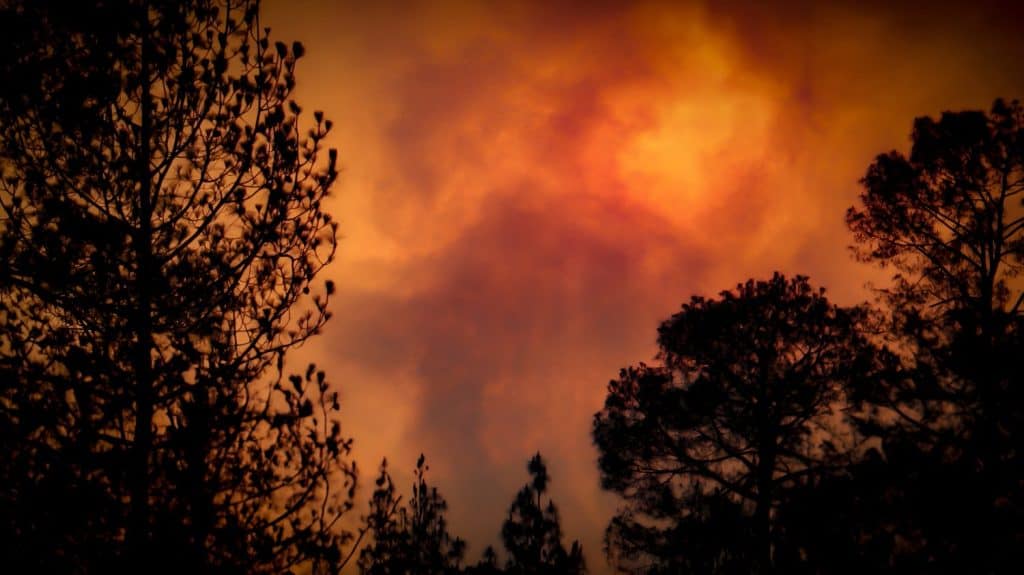
Wildfires destroy delicate habitats.
©Holly Cheese/Shutterstock.com
A team of federal biologists and forest rangers visited the area after the fire to survey the devastation. The fire had severely damaged the vegetation surrounding canyons and cold-water streams. “In response, government agencies quickly rescued tadpoles and placed them with local institutions like the Aquarium of the Pacific and other partner facilities such as the Los Angeles Zoo.
Thankfully, there was already an established breeding colony of this species at the Los Angeles Zoo. Some tadpoles were also being reared at the Aquarium of the Pacific. Ever since the fire, the Aquarium of the Pacific has joined efforts with local zoos and government agencies to rescue southern mountain yellow-legged frogs and aid in their recovery.
How Have Mountain Yellow-Legged Frogs Been Released?
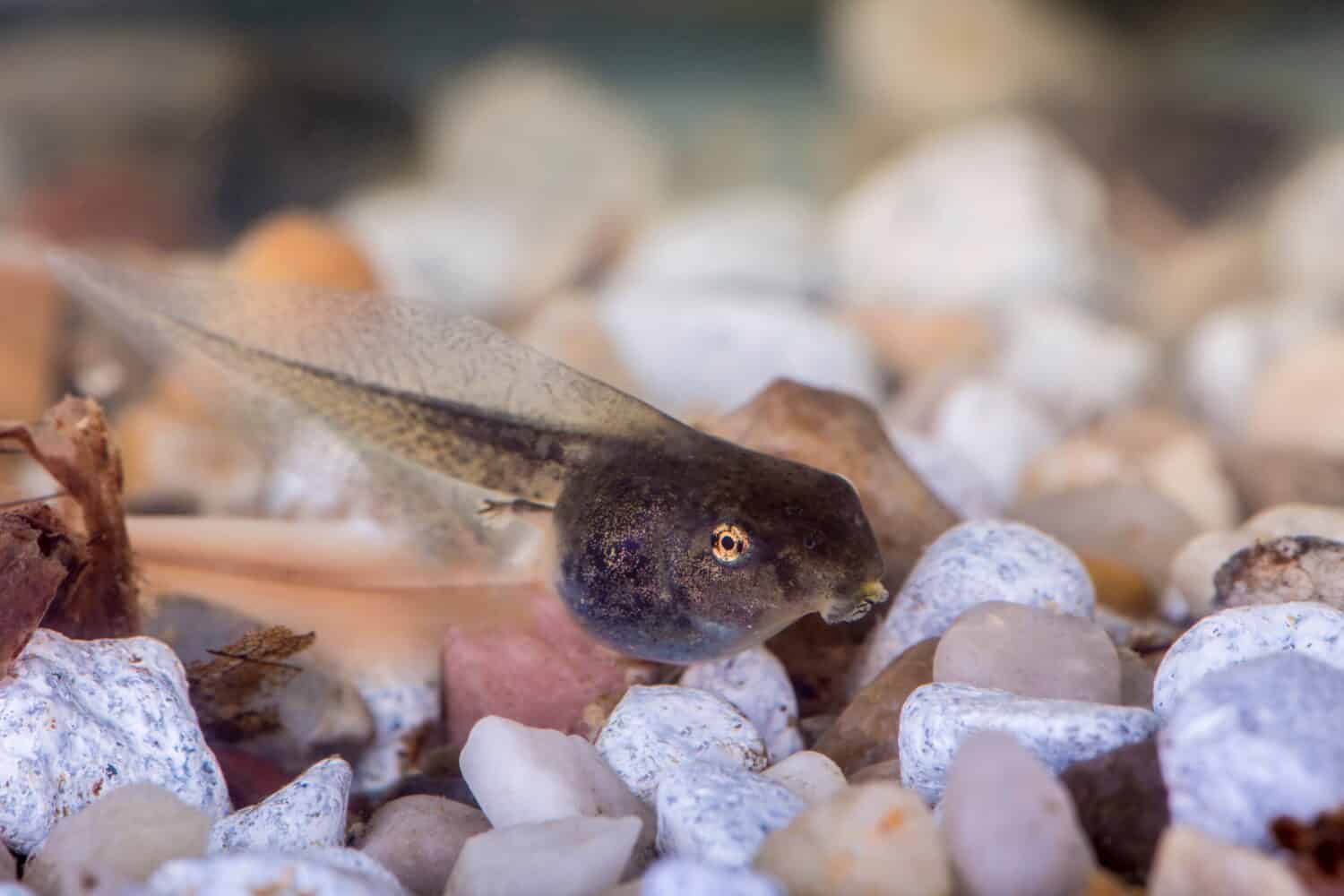
Around 653 southern mountain yellow-legged frogs have recently been released into native California mountain region habitats. The release was carried out by experts at the Aquarium of the Pacific, Los Angeles Zoo, and U.S. Geological Survey (USGS). Of the 653 released frogs, 394 had been headstarted at the Aquarium of the Pacific. This is the Aquarium’s largest release to date and brings the total of frogs headstarted by the team to 1,032. Headstarting is when tadpoles are reared through their metamorphosis to froglets and then to frogs.
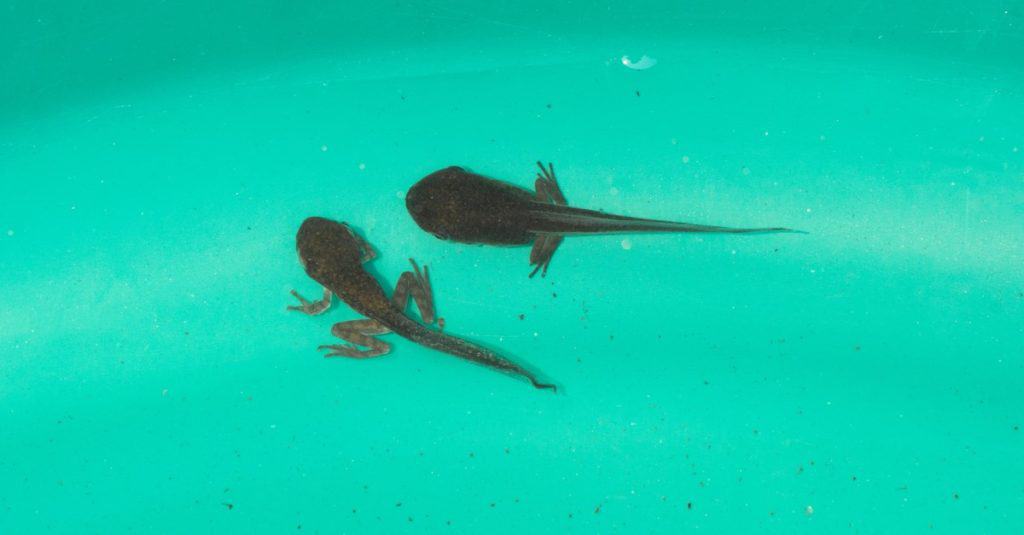
Tadpoles metamorphose into froglets.
©Heffalum/Shutterstock.com
The United States Geological Survey (USGS), U.S. Fish and Wildlife Service (USFWS), U.S. Forest Service (USFS), and the California Department of Fish and Wildlife (CDFW) are monitoring and overseeing the releases. Speaking in this press release from the Aquarium of the Pacific, Erin Lundy, the Aquarium’s conservation initiatives manager, said: “The more frogs there are in their native habitat, the better the chance of increasing their survival.”
Ongoing Conservation Efforts
In further research, scientists have calculated that wild southern mountain yellow-legged frogs have an average lifespan of 9.5 years, with a mean generation time of 7.4 years. The oldest recorded southern mountain yellow-legged frog lived for 21 years! This relatively long lifespan may benefit them when it comes to coping with challenges such as wildfires. Sometimes, the loss of genetic diversity caused by population crashes can be counteracted to a certain extent by high longevity. Females have the opportunity to skip breeding for a year or two until environmental conditions and their own physical condition recover.
This resilience, together with releases of captive-bred frogs, may be enough to save this species. However, habitat protection and restoration will also be crucial. The public can help by staying away from the frogs’ habitats. Visitors should stay on marked trails and paths, respect signs indicating off-limits areas, and reduce their carbon footprint.