
Quick Take
- A blackbird cocking its head sideways isn't listening for danger. What it's actually detecting reveals something unexpected about what's happening beneath your feet. Discover what it detects →
- The garden your neighbor meticulously manicures is likely missing something the blackbird actively avoids, and that difference says more about ecosystem health than aesthetics. See what the blackbird signals →
- Feeding a blackbird through winter seems straightforward, yet one common offering actually harms it. Most people reach for that very thing first. Find safe winter feeding tips →
- The blackbird earns its place as a garden ally, at least until it stops doing so, and most gardeners would be surprised by how thin the line is between helpful visitor and quiet saboteur. Explore the bird's double role →
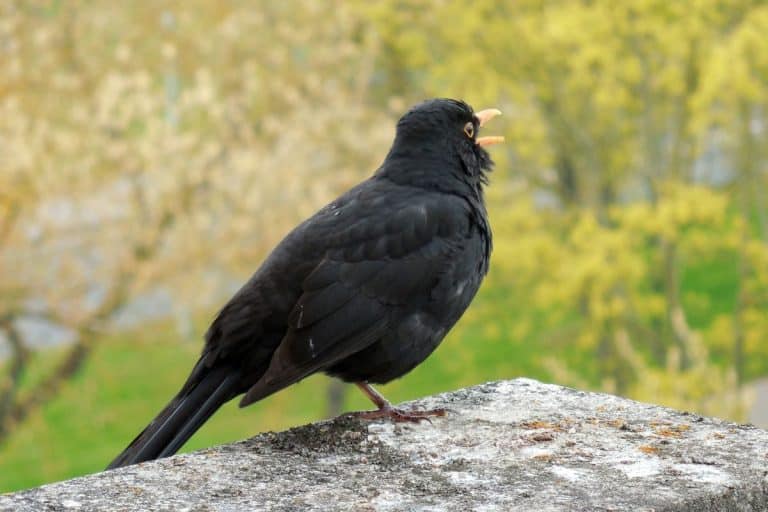
Each morning, a blackbird lands in the garden, careful and observant. To some, this repeat visit might seem ordinary, but its persistence carries a message just beneath the surface. The presence of this bird says something about the ground it walks, the balance of the garden, and what is often invisibly thriving there.
What Brings the Blackbird Back?
Blackbirds don’t choose their territory on a whim. When one returns again and again, it’s found the things it needs: food, shelter, and quiet. Watching the bird’s routine, scratching at the ground, pausing to listen, darting for a meal signals that the garden itself is alive. It reveals a patch of earth rich in worms and insects, a small ecosystem filled with life.
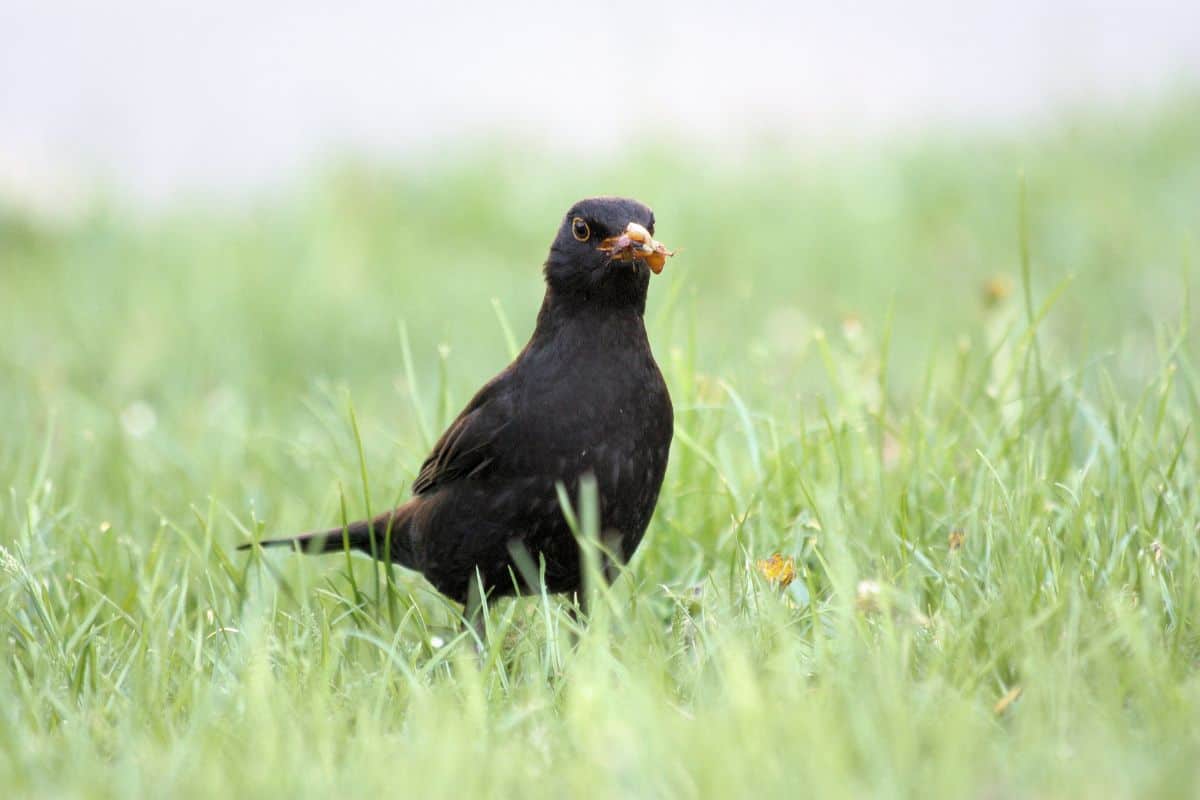
Researchers and gardeners alike have noticed these signs. After a rainfall, the blackbird often cocks its head, listening for movement below before quickly snatching up prey. This isn’t just a casual visit; it’s evidence that your soil likely rich with humus, organic debris, and rarely tainted by chemicals is hard at work beneath your feet.
The blackbird prefers gardens with a blend of order and wildness. It will avoid the manicured lawn, sharp-trimmed hedges, and spaces stripped of cover. Instead, it seeks out the slight disorder, a pile of leaves here, a tangle of branches there, and hedges left to grow more freely. These give it hiding places, food sources, and room to move.
What the Blackbird Reveals About Your Garden
The bird’s return hints at another story: not just that your garden is alive, but that it’s welcoming in a way those immaculate yards next door might not be. Your neighbor’s smooth green carpet sits empty, while in your own space, where grass grows a bit wild and hedges bulge, the blackbird feels at home.
This pattern is no accident. Blackbirds favor gardens with multiple layers of vegetation, open space to forage, bushes to hide in, and trees or dense borders that offer a quick escape. They’re drawn to places buzzing with insects and left largely untouched by harsh sprays or rigid control.
The blackbird’s role isn’t merely decorative. It offers a hidden service. It feeds on worms, larvae, small snails and slugs, as well as insects that might otherwise damage roots or leaves. Occasionally, it will help itself to fallen fruit, a behavior that can frustrate when berries or cherries vanish but overall, its appetite helps keep garden pests in check naturally.
How to Welcome the Blackbird If You Choose
If you notice these repeated visits, you might want to encourage the bird’s presence, especially during the leaner winter months. As frost hardens the soil and insects retreat, a little support goes a long way. Experts advise simple offerings: a chopped apple or two, several tablespoons of rehydrated raisins, or a scatter of plain oats placed on a low board. Skip the bread, blackbirds can’t digest it properly.
Water is equally important. A clay saucer, 10 to 12 inches wide and filled with a couple inches of water, near a bush within a few feet of cover, gives the bird a safe place to drink and bathe. Refresh the water frequently, especially in hot or freezing weather.
By planting berry bushes or allowing native shrubs to grow, you can create even more appeal for these birds. Leaving some brush or small piles of leaves along fence lines gives extra shelter, helping the blackbird nest and feed safely. Avoid trimming hedges during their breeding season in spring and early summer, and reduce the use of chemicals wherever possible.
Balance and Tension: The Bird’s Double Role in the Garden
For many, the blackbird is a well-loved visitor, signaling the end of winter and bringing a sense of peace. European traditions connect its song with warmer days and a sense of protection over the home. Its continued presence often reassures, suggesting the garden is robust and welcoming.
But not everyone regards the blackbird as a blessing. Some gardeners have voiced frustration, noting that these birds can devastate fruit crops, stripping grapevines and even nipping at flower buds and leafy shoots. It’s a reminder of nature’s give-and-take: every helpful creature might also cause a little trouble.
The blackbird’s story is one of balance. Its arrival in your garden can mean rich, living earth and a healthy miniature ecosystem. But it also serves as a test, are we willing to share the rewards of nature, even with those guests that sometimes take more than we might wish?
In the end, this quiet visitor is both a reflection and a result of how we treat our surroundings. To welcome the blackbird is to see your garden not just as decoration, but as a small, wild world where life, in all its forms, finds a place.