Quick Take
- A burrowing rodent most people consider a pest turns out to be a key factor in the snake's survival.
- Releasing hatchlings directly into the wild would leave them with very low survival odds, which is why biologists do something unexpected first.
- Decades of land management practices changed this snake's habitat in unexpected ways.
- Picking the wrong release site can dramatically reduce a snake's chances of survival.
Fourteen young Louisiana pine snakes recently began a new chapter in their species’ recovery, having been released into Kisatchie National Forest as part of a long-running conservation effort. Their journey from hatchling to wild resident offers a clear look at how zoos, wildlife agencies, and forest managers work together to save one of North America’s rarest snakes.
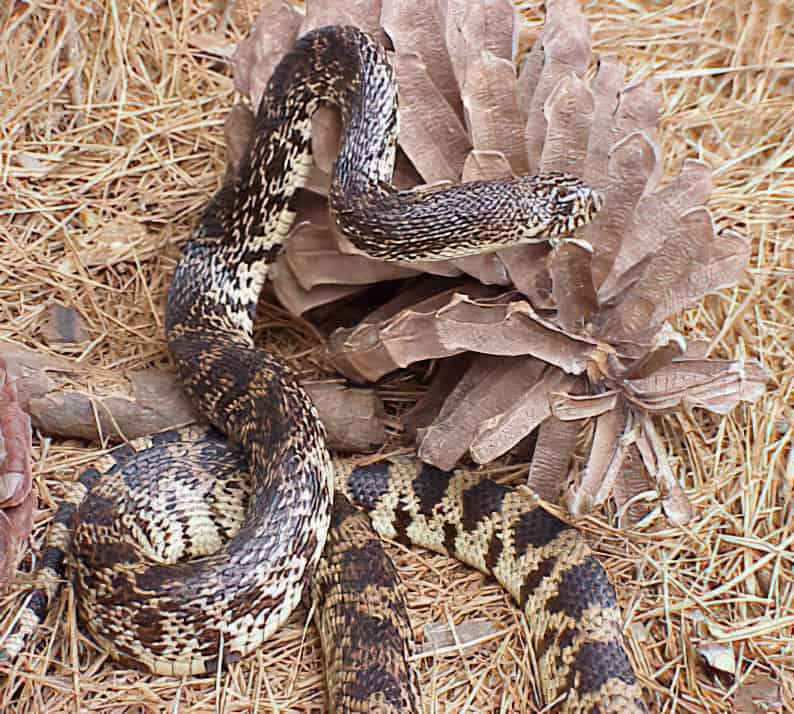
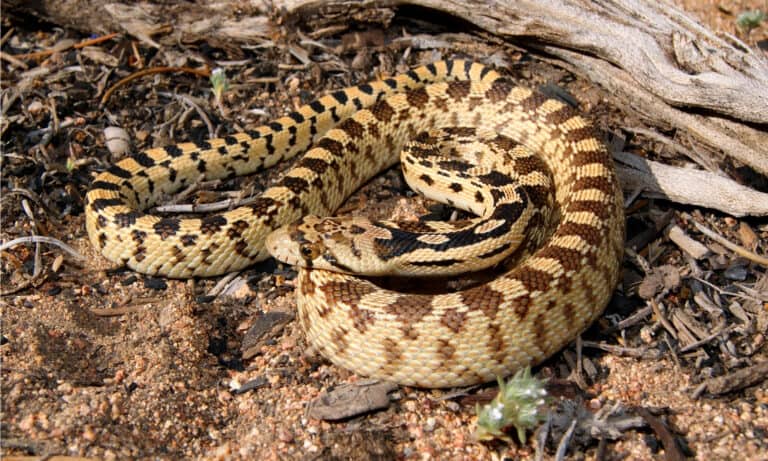
The Louisiana pine snake is a rare non-venomous constrictor found in Texas and Louisiana.
The Louisiana pine snake was once common in the longleaf pine forests of Louisiana and eastern Texas. Today, it is listed as threatened under the U.S. Endangered Species Act and as endangered by the International Union for Conservation of Nature (IUCN). The decline stems largely from habitat loss. Logging, land conversion, and decades of fire suppression have changed the open, sunlit forest floor that longleaf pine ecosystems depend on. Without regular low-intensity fires, dense undergrowth crowds out the conditions both the snakes and their prey need to survive.
It may seem unlikely, but pocket gophers are central to the Louisiana pine snake’s survival. These small burrowing rodents are the snake’s primary food source, and their tunnel systems also provide shelter from predators and extreme temperatures. A healthy population of pocket gophers is essentially a prerequisite for a healthy population of pine snakes; where gophers disappear, pine snakes struggle to persist. This is why conservationists carefully evaluate potential release sites for signs of active gopher burrows before reintroducing any snakes.
Young snakes face major risks from predators, so biologists use a method known as “head-starting.” Rather than releasing hatchlings directly into the wild, snakes are raised in captivity, in this case, at Audubon Zoo in New Orleans, for close to a year. For other snake species, the time period in captivity can be even longer. During this time, the snakes grow large enough to significantly improve their odds of survival once released. A larger snake is less vulnerable to predation and better equipped to hunt and find shelter.
Before entering the forest, each snake undergoes a thorough health assessment. This includes weighing and measuring the animal, photographing it for identification records, and implanting a microchip beneath the skin.
The microchip is a small but critical tool. It allows biologists to recognize individual snakes if they are encountered again in the wild, which supports long-term monitoring of movement, survival rates, and overall recovery progress. This data helps researchers evaluate whether the program’s methods are working and where adjustments may be needed.
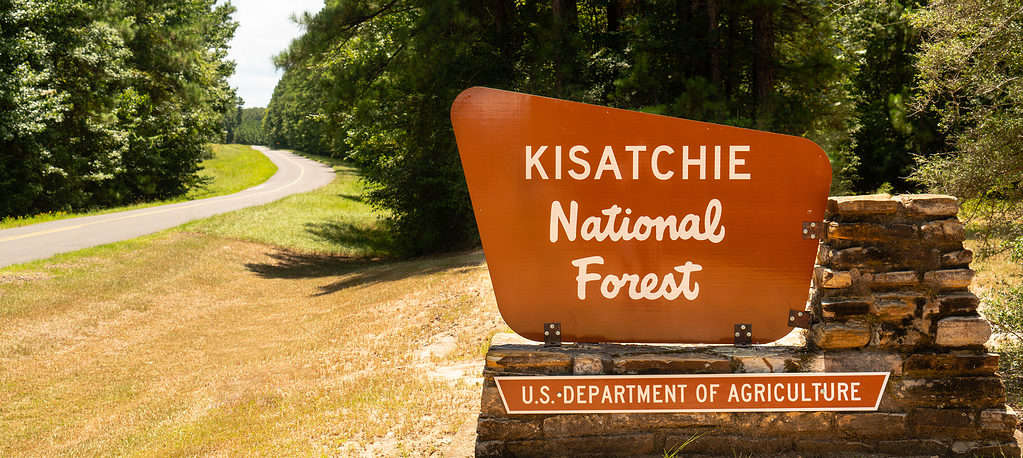
Kisatchie National Forest is Louisiana’s only national forest, and it features diverse landscapes.
©Real Window Creative/Shutterstock.com
Release sites are not chosen at random. Kisatchie National Forest was selected in part because it offers the sandy soils and pocket gopher burrows that the species requires. Matching a snake’s specific habitat needs to a release location increases the likelihood that it will quickly find food and shelter, rather than struggling in unsuitable terrain.
The recent release is part of the broader Louisiana Pine Snake Recovery Program, which has been active for years and involves partnerships between zoos, government wildlife agencies, and forest managers. Since the program’s inception, hundreds of captive-raised snakes have been released back into the wild. Officials point to this collaboration as a key reason the species still has a chance at recovery, despite its historically low numbers and elusive nature, which makes wild populations difficult to study.

Conservation teams released 42 captive-bred juvenile Eastern indigo snakes in the spring of 2026.
©Rickard James, U.S. Fish and Wildlife Service / Public domain / Wikimedia Commons – Original / License
The Louisiana pine snake is not the only reptile benefiting from this style of conservation. The eastern indigo snake, a large, glossy, non-venomous species once considered the apex predator of the same longleaf pine ecosystems, is the subject of a similar reintroduction program. Like the pine snake, eastern indigo snakes are captive-bred and raised before being released into protected longleaf pine habitat, reflecting a broader recognition that this ecosystem’s decline has put multiple native reptile species at risk simultaneously.
Success is measured over years, not months. If released, snakes survive, establish territories, and eventually reproduce in the wild; they will help rebuild self-sustaining populations rather than relying indefinitely on captive breeding. The goal is to eliminate the need for human interaction and to let nature take its course. For conservationists, each release is an incremental but meaningful step toward restoring a species that once played an important ecological role, helping to keep pocket gopher populations in balance within the longleaf pine forest.
The long-term goal is straightforward, even if it is challenging to achieve: to provide the Louisiana pine snake with the protection and support it needs today so that it can once again establish healthy, self-sustaining populations in the wild. The approach to save this species is multifaceted. Through captive breeding, habitat restoration, scientific monitoring, and carefully managed reintroductions, conservationists are working to reverse decades of population decline. By ensuring the Louisiana pine snake’s recovery, these efforts will help preserve the state’s biodiversity and protect an important part of Louisiana’s natural heritage for future generations.