I
Species Profile

Insect

Insecta

Six legs, endless strategies.
Witsawat.S/Shutterstock.com
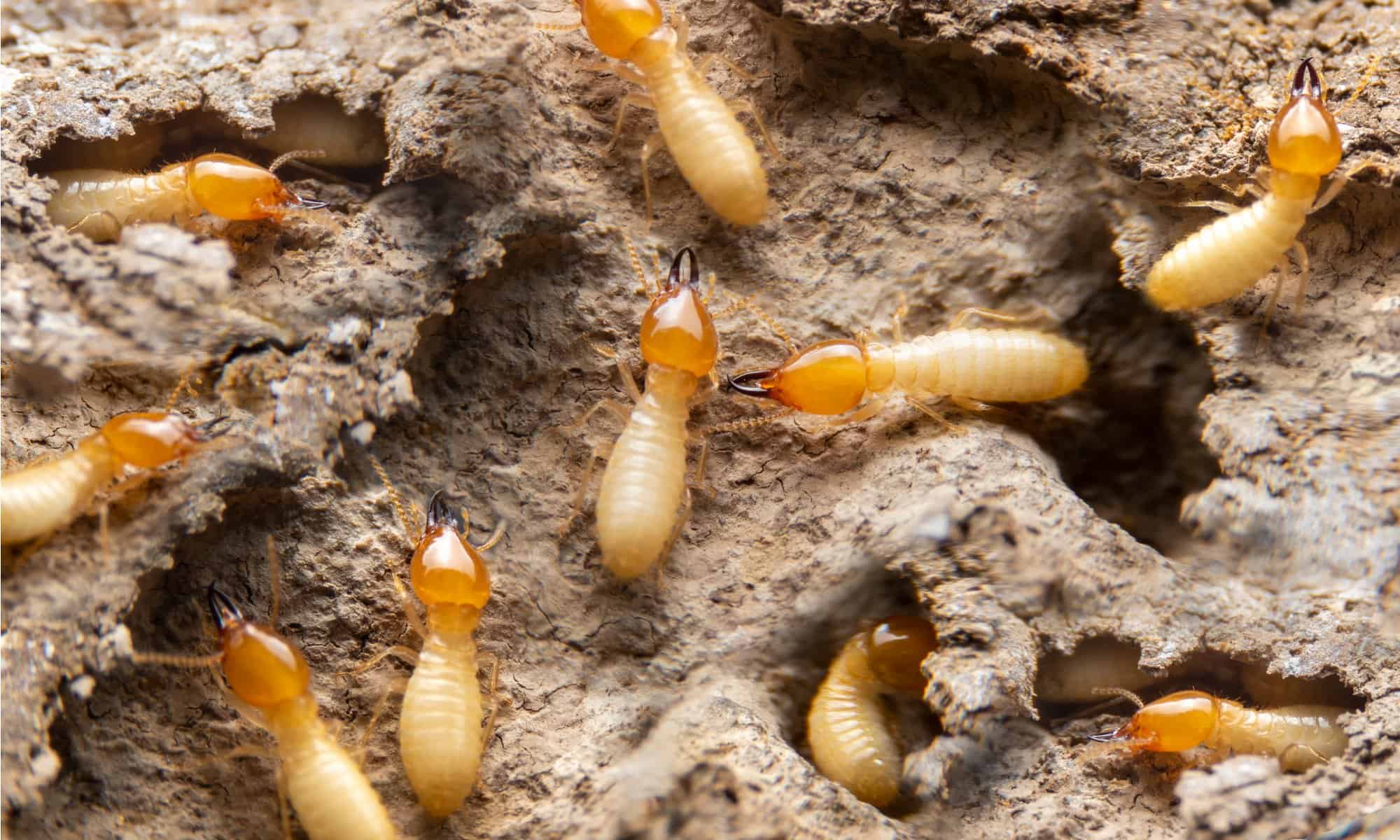
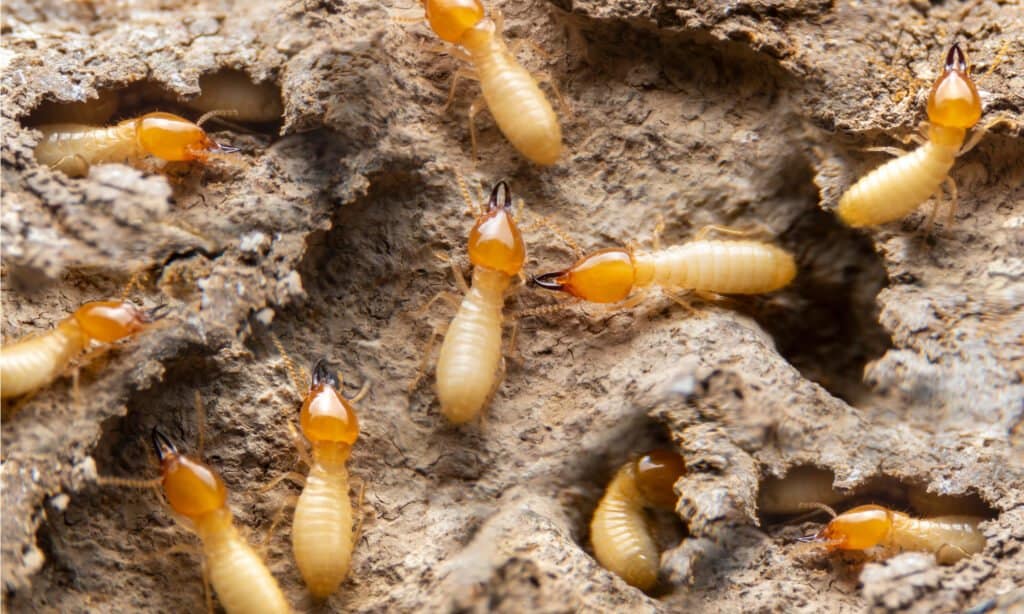
termites burrowing

At a Glance

Class Overview This page covers the Insect class as a group. Stats below are general traits shared across the class.
Also Known As Bugs, Creepy crawlies, Minibeasts, Critters
Activity Diurnal+
Lifespan 3 years
Weight 0.1 lbs
Status Not Evaluated
Did You Know?

Insects are the most species-rich class of animals; scientists have described over a million species and expect many more remain undiscovered.

Scientific Classification

Class Overview "Insect" is not a single species but represents an entire class containing multiple species.

Insects (class Insecta) are six-legged arthropods typically with a three-part body (head, thorax, abdomen), one pair of antennae, compound eyes, and usually two pairs of wings (with many exceptions). They are the most diverse class of animals and occupy nearly all terrestrial and freshwater habitats.

Kingdom
Animalia
Phylum
Arthropoda
Class
Insecta

Distinguishing Features

  • Three body regions: head, thorax, abdomen
  • Six legs (three pairs) attached to the thorax
  • One pair of antennae
  • Exoskeleton made of chitin
  • Usually winged as adults (commonly two pairs; Diptera has one pair)
  • Development via metamorphosis (complete or incomplete)

Physical Measurements

Males and females differ in size

Length
0 in (0 in – 1 ft 10 in)
Weight
0 lbs (0 lbs – 0 lbs)
Top Speed
31 mph
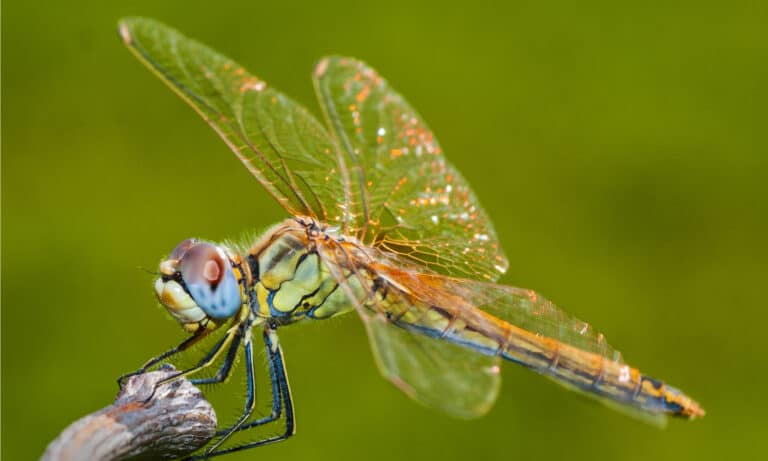
Some dragonflies 40–50 km/h
Venomous Poisonous

Appearance

Skin Type Chitinous exoskeleton (cuticle) with a waxy epicuticle. Hardness ranges from soft larvae to hard, sclerotized adults (many beetles). Surface may have setae, scales (Lepidoptera), spines, waxy coatings (Hemiptera). Breathe via tracheae and spiracles.
Distinctive Features
  • Body plan generalization: three tagmata (head, thorax, abdomen), six legs, one pair of antennae, compound eyes (with ocelli in many), and highly diversified mouthparts (chewing, piercing-sucking, siphoning, sponging, etc.).
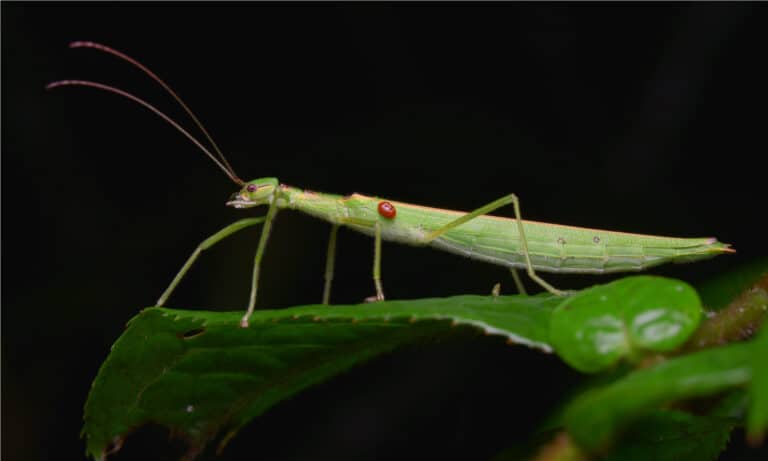
  • Many adult insects have one or two pairs of wings or modified wings (elytra in beetles, halteres in true flies). Some groups became wingless (fleas, some ants/termites, stick insects, lice).
  • Insects range from tiny adults about 0.15–0.2 mm long (small parasitoid wasps) to bodies over 30–35 cm long (some stick insects). Wingspans can reach 25–30 cm; mass ranges from micrograms to tens of grams.
  • Insect lifespans vary: small species live weeks to months; many beetles live 1–3 years or more; periodical cicadas may live 10–17 years mostly as nymphs. Mayfly adults live days; some social queens live decades.
  • Development/metamorphosis: both hemimetaboly (incomplete metamorphosis; nymphs resemble adults-common in Orthoptera, Hemiptera, Odonata) and holometaboly (complete metamorphosis with larva-pupa-adult-common in Coleoptera, Lepidoptera, Diptera, Hymenoptera). Life stages often occupy different niches (especially in holometabolous insects).
  • Insects live in nearly all terrestrial and freshwater habitats. They eat plants, animals, dead matter, fungi, nectar/pollen or blood, and include parasitoids. They pollinate, decompose, recycle nutrients, control pests, and are prey or disease vectors.
  • Antennae and sensory hairs sense smells and pheromones, air flow, and vibrations; many insects see colors, often UV. They communicate by pheromones, vibrations, stridulation (many Orthoptera), bioluminescence (some beetles), and visual displays.
  • Insect defenses vary: hiding (crypsis), mimicry, startle displays, chemical sprays or secretions (some beetles/true bugs), stings or venom (some Hymenoptera), waxes, and storing plant toxins. They cope with heat, cold, drought, and often enter diapause.
  • Coleoptera: elytra; Lepidoptera: scaled wings; Diptera: one wing + halteres; Hymenoptera: narrow waist, social/parasitoid; Hemiptera: piercing rostrum; Orthoptera: jumping legs; Odonata: big eyes, aquatic nymphs; Blattodea/termites: eusocial; Phasmatodea: plant mimicry; Mantodea: grasping legs.

Sexual Dimorphism

Sexual dimorphism in insects is common and varies a lot. Males and females can differ in size, color, wings, antennae, eyes, sound-making parts, and external genitalia. In some moths, beetles, and scale insects it is extreme; in eusocial species caste differences may be larger.

  • Often more elaborate antennae (e.g., plumose/bipectinate) for detecting female pheromones in many moths and some flies.
  • Enlarged eyes or specialized visual regions in some flies and dragonflies linked to mate tracking.
  • Weapons/ornaments in some lineages (e.g., horns/mandibles in some beetles; enlarged forelegs in some groups).
  • Sound-production or display traits may be sex-biased (e.g., stridulatory structures common in male Orthoptera; courtship dances in some Diptera).
  • In some taxa males are smaller, more mobile, or more frequently winged than females; in a few groups males may be short-lived and focused on mating.
  • Often larger abdomen/body size associated with egg production in many insects.
  • Ovipositor or modified egg-laying structures (e.g., stingers/ovipositors in many Hymenoptera; prominent ovipositors in Orthoptera).
  • In some groups females are wingless or reduced-wing compared with males (e.g., some moths, some scale insects, some beetles).
  • Coloration can be more cryptic in many taxa (camouflage during egg-laying), though the opposite occurs in some groups.
  • In eusocial Hymenoptera/termites: reproductive females (queens) can be much larger and far longer-lived than other castes.

Did You Know?

Insects are the most species-rich class of animals; scientists have described over a million species and expect many more remain undiscovered.

Adult size spans from tiny fairyflies (~0.14-0.2 mm long) to giant stick insects reaching ~60+ cm in length.

Some insects can live as adults for only hours (many mayflies), while others-especially queens of ants/termites-can live for decades.

Wings evolved in insects long before birds or bats; many lineages later lost wings (e.g., fleas, many worker ants, some island insects).

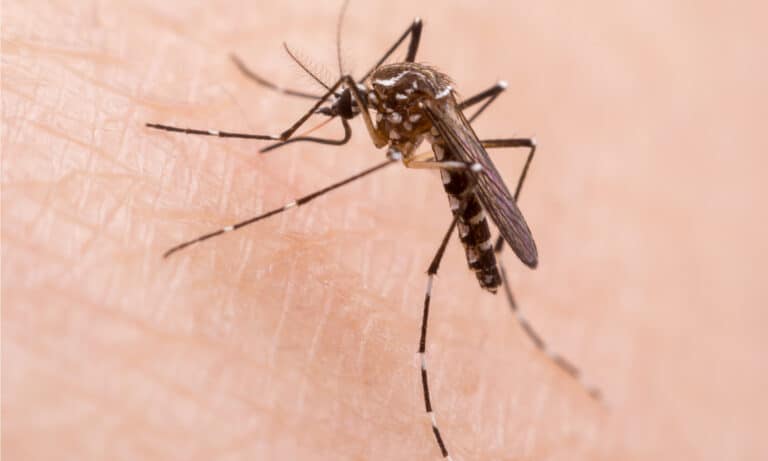
Insects use remarkably diverse mouthparts: chewing (beetles), siphoning (butterflies), piercing-sucking (mosquitoes/true bugs), sponging (many flies).

Metamorphosis comes in two main modes: hemimetabolous (nymph→adult, no pupa) and holometabolous (larva→pupa→adult), enabling very different juvenile vs adult lifestyles.

Insect senses can include ultraviolet vision, detecting polarized light, hearing via leg/abdomen organs, and "smell" through antennae packed with chemical receptors.

Unique Adaptations

  • Exoskeleton of chitin: provides protection and muscle attachment, but requires molting-creating vulnerable periods and driving behaviors like hiding and synchronized emergence.
  • Flight and wing diversity: two pairs of wings is typical, but modified forms include beetle elytra, fly halteres (balance organs), and scales on butterfly/moth wings; many species are wingless as an adaptation to cold, parasitism, or windy islands.
  • Extreme respiratory efficiency: a tracheal system delivers oxygen directly to tissues through spiracles; aquatic insects may use gills, air stores, or a "snorkel" siphon at the surface.
  • Advanced visual and light-sensing systems: compound eyes excel at detecting motion; many insects see ultraviolet patterns on flowers; ocelli (simple eyes) assist with stability and horizon detection.
  • Mouthpart specialization: a shared basic plan diversified into tools for chewing wood, drilling into plants, filtering, lapping nectar, or piercing skin-supporting nearly every feeding niche except deep marine habitats.
  • Defensive chemistry and mimicry: toxins, sprays, stings, startle displays, camouflage, and mimicry (including mimicry of wasps/ants) reduce predation; warning coloration often signals chemical defenses.
  • Dormancy and timing control: diapause lets insects synchronize life cycles with seasons, drought, or host availability; some species coordinate mass emergences to overwhelm predators.

Interesting Behaviors

  • Metamorphosis as a life-history strategy: hemimetabolous insects (e.g., grasshoppers, dragonflies, true bugs) develop through nymph stages, while holometabolous insects (e.g., beetles, flies, bees/wasps/ants, butterflies/moths) reorganize via a pupal stage-often separating juvenile and adult diets and habitats.
  • Social living (highly variable): eusocial colonies in many ants, some bees and wasps, and termites feature division of labor, cooperative brood care, and overlapping generations; most insect species are solitary.
  • Chemical communication: pheromones guide mate-finding, trail-following, alarm signaling, aggregation, and caste regulation; some orchids and other organisms mimic insect pheromones to lure pollinators.
  • Sound and vibration signaling: crickets/katydids "sing" by stridulation, some cicadas use tymbals, and many insects communicate by substrate-borne vibrations in plants or soil.
  • Mass movement and migration (in some lineages): migrations and long-distance dispersal occur in certain butterflies, moths, dragonflies, and locust swarms; many other insects are sedentary and local.
  • Predation and parasitism: insects include active predators (mantises, many beetles, dragonfly nymphs) and parasitoids (many wasps) whose larvae develop on or inside hosts-key regulators of other insect populations.
  • Ecosystem engineering: termites and some ants build large nests, alter soil structure, and influence nutrient cycling; aquatic insect larvae can strongly shape stream food webs and water quality.

Cultural Significance

In many cultures, insects stand for change, hard work, and short-lived beauty. Bees and pollinators help crops and wild plants; silkworms made silk; cochineal gave red dye. Ants, bees, cicadas, butterflies, and fireflies appear in art, stories, seasonal calendars, and local nature knowledge.

Myths & Legends

Ancient Egypt: a traditional account links bees to the sun god Ra-bees were said to arise from Ra's tears as they fell to the earth, tying bees to kingship and sacred order.

Maya tradition (Yucatán): Ah-Muzen-Cab is a Mayan deity associated with bees and honey, reflecting the long cultural importance of stingless-bee beekeeping (meliponiculture).

Greek mythology: the Myrmidons-legendary warriors of Achilles-were said in some traditions to have been created from ants, associating ants with discipline and unity.

Christian European folklore: the "ladybird" (ladybug) became 'Our Lady's beetle' in medieval tradition, linked to the Virgin Mary and viewed as a welcomed, protective creature in fields.

Chinese tradition: the cicada is a long-standing emblem of rebirth/renewal; jade cicadas were used in antiquity in funerary contexts to symbolize transformation and continued life.

Japanese tradition: fireflies are often treated in classic literature and folk belief as bearers of souls or spirits, and their short-lived glow is used as a symbol of life's transience.

Biblical tradition (Book of Exodus): locusts appear as a devastating plague, a cultural touchstone for the overwhelming power of insect swarms and their historical impact on agriculture.

You might be looking for:

Butterflies and moths

20%

Lepidoptera

Scaly-winged insects; butterflies typically diurnal, moths often nocturnal; caterpillar larvae.

View Profile

Beetles

20%

Coleoptera

Largest insect order; hardened forewings (elytra) covering hindwings.

View Profile

Flies and mosquitoes

18%

Diptera

True flies with one pair of wings and halteres; includes many medically important groups.

View Profile

Bees, ants, and wasps

18%

Hymenoptera

Often with narrow waist; many social species (ants, some bees/wasps); important pollinators and parasitoids.

View Profile

True bugs (including aphids, cicadas)

14%

Hemiptera

Piercing-sucking mouthparts; many plant-feeding species; some predators.

Grasshoppers, crickets, katydids

10%

Orthoptera

Jumping hind legs; many produce sound by stridulation.

View Profile

Life Cycle

Birth 100 larvas
Lifespan 3 years

Lifespan

In the Wild
1–50 years
In Captivity
1–600 years

Reproduction

Mating System Polygynandry
Social Structure Solitary
Breeding Pattern Transient
Fertilization Internal Fertilization
Birth Type Internal_fertilization

Insecta are mostly polygynandrous: many males and females mate with multiple partners. Most are solitary and mating is brief, via internal fertilization with female sperm storage. Exceptions include eusocial colonies, harem systems, and parthenogenesis.

Behavior & Ecology

Social Colony Group: 1000
Activity Diurnal, Nocturnal, Crepuscular, Cathemeral, Matutinal, Vespertine
Seasonal Migratory, Hibernates 9,321 mi

Temperament

Extremely diverse overall: behaviors range from mostly non-aggressive, cryptic, and avoidance-based to highly defensive or aggressive (notably in some eusocial lineages with nest defense).
Typical social tendency varies widely: many species are solitary, while others are gregarious or eusocial; aggregation can be driven by resource pulses, reproduction, migration, or microclimate needs.
Broad ecological breadth: insects occupy nearly all terrestrial and many freshwater habitats; feeding strategies span herbivory, predation, parasitism/parasitoidism, scavenging, detritivory, fungivory, and nectar/pollen feeding, with corresponding variation in social interactions and activity timing.
Body length in insects ranges about 0.2 mm (tiny parasitoid wasps and microinsects) up to over 300 mm in large stick insects. Wingspan goes from a few mm to 250–300 mm; many are wingless.
Insect lifespans vary: many adults live days to weeks (often after long young stages); some live years — long-lived queens in eusocial insects and some beetles or cicadas. Life has larval/nymphal and adult stages.
Life-history variability is pronounced due to metamorphosis: holometabolous insects often separate juvenile feeding roles from adult dispersal/reproduction, while hemimetabolous insects often share habitat/feeding modes across instars; these differences shape typical social contact rates and grouping.

Communication

Stridulation Rubbing body parts to produce chirps/clicks; common in Orthoptera and some beetles
Tymbal-generated calls E.g., cicada song
Wingbeat and flight-tone signals Buzzing; can be species- and context-specific
Percussive sounds Tapping/drumming on substrate in some taxa
Chemical signaling via pheromones Sex pheromones, aggregation pheromones, alarm pheromones, trail pheromones; dominant across Insecta
Tactile communication Antennation, trophallaxis in eusocial insects, contact cues during courtship or nestmate recognition
Visual displays Body coloration, wing displays, postures, movement-based signals; includes UV patterns and polarized-light cues in some groups
Substrate-borne vibrations Tremulation, drumming, plant-stem vibrational signaling; common in many Hemiptera and others
Bioluminescent signaling E.g., firefly flash patterns; highly variable and lineage-specific
Nest architecture and chemical nest cues Colony-specific odor profiles and spatial organization guiding task allocation in eusocial insects

Habitat

Biomes:
Tropical Rainforest Tropical Dry Forest Savanna Desert Hot Desert Cold Mediterranean Temperate Grassland Temperate Forest Temperate Rainforest Boreal Forest (Taiga) Tundra Alpine Freshwater Marine Wetland +9
Terrain:
Mountainous Hilly Plateau Plains Valley Coastal Island Riverine Volcanic Karst Rocky Sandy Muddy +7
Elevation: -16929 in – 21325 ft 6 in

Ecological Role

Insects collectively occupy nearly all consumer roles in ecosystems (primary consumers, predators, parasitoids, scavengers/detritivores) and function as both major resource converters and a key prey base for many vertebrates and invertebrates; roles and diet breadth vary widely among lineages and life stages.

pollination of wild plants and crops biological control of herbivorous pests via predation and parasitoidism decomposition of dung, carrion, and plant litter; nutrient recycling and soil formation herbivory shaping plant communities and driving coevolution with host plants food-web support as a dominant prey resource for birds, fish, amphibians, reptiles, and mammals seed dispersal (in some ants and frugivorous insects) ecosystem engineering (e.g., termite mound building, soil aeration by burrowing larvae)

Diet Details

Main Prey:
Other insects Mites and other arachnids Springtails and small soil arthropods Earthworms Snails and slugs Small crustaceans Fish eggs and fry Amphibian eggs and tadpoles Vertebrate blood Carrion +4
Other Foods:
Leaves, stems and other plant tissues Plant phloem and xylem sap Nectar Pollen Fruits Seeds and grains Wood and bark Roots Fungi and spores Algae and biofilm Detritus +5

Human Interaction

Domestication Status

Semi domesticated

Most insects (Class Insecta) are wild, but people have long raised and bred some groups for goods and services. True long-term domestication is clear for a few groups (e.g., silk moths, some managed pollinators). Many others are partly domesticated by captive rearing, mass production, or habitat changes for biocontrol, feeders, or lab strains.

Danger Level

High
  • Disease transmission by some groups (vector-borne pathogens affecting humans and livestock)
  • Stings/bites and envenomation in some taxa; reactions range from mild to medically significant
  • Allergic reactions and anaphylaxis (notably from stings or aerosolized insect fragments)
  • Infestations and nuisance impacts in homes/communities (biting, contaminating food, damaging materials)
  • Agricultural and economic harm via crop damage, stored-product damage, and forest impacts
  • Structural damage from wood-feeding insects (e.g., some termite groups)
  • Secondary health impacts via contamination, dermatitis, or triggering asthma in sensitive individuals (varies by setting and species)

As a Pet

Suitable as Pet

Legality: Laws on keeping insects differ by country, state, and province. Many pet insects are legal, but rules often ban invasive or pest species, protect native species, or require permits for import, collection, release, feeder colonies, or ant/termite queens.

Care Level: Moderate

Purchase Cost: Up to $2,000
Lifetime Cost: $20 - $5,000

Economic Value

Uses:
Ecosystem services (pollination, decomposition, nutrient cycling) Agriculture (beneficial insects and pests) Biological control Industrial/consumer products Food and feed Biomedical and scientific research Cultural/aesthetic value (collections, education, ecotourism)
Products:
  • Pollination services for crops and wild plants
  • Honey, wax, propolis and other hive products (managed pollinators)
  • Silk and related fibers (sericulture)
  • Edible insects and insect meal for animal feed
  • Natural dyes/resins and specialty products from some insect groups
  • Chitin/chitosan (from exoskeletons) for industrial/medical uses
  • Mass-reared biological control agents for pest management
  • Model organisms and lab strains used in genetics, neuroscience, toxicology, and ecology

Relationships

Related Species 4

Arachnids Arachnida Shared Phylum
Crustaceans Crustacea Shared Phylum
Centipedes
Centipedes Chilopoda Shared Phylum
Millipedes
Millipedes Diplopoda Shared Phylum

Ecological Equivalents 4

Animals that fill a similar ecological role in their ecosystem

Insects
Insects Insecta Insects show huge diversity in size, lifespan, and life stages (metamorphosis: holometabolous and hemimetabolous), as well as in diet, habitat, and social behavior, making them key pollinators, decomposers, predators, and prey across most ecosystems.
Springtails Collembola Small, soil- and litter-dwelling hexapods that often share microhabitats and detrital/fungal food webs with many insects. Ecologically similar to insects but not true insects (not in the class Insecta).
Spiders Araneae Frequently occupy overlapping terrestrial niches with predatory insects and serve similar roles as arthropod predators and as prey for vertebrates, but are arachnids rather than insects.
Woodlice Oniscidea Terrestrial crustaceans that act as detritivores, sharing roles with many insect larvae and adults in leaf litter and soil; they provide similar ecosystem functions despite being from a different lineage.

Types of Insect

9

Explore 9 recognized types of insect

Western honey bee
Western honey bee Apis mellifera
Monarch butterfly
Monarch butterfly Danaus plexippus
Fruit fly
Fruit fly Drosophila melanogaster
African malaria mosquito Anopheles gambiae
Seven-spot ladybird Coccinella septempunctata
Common housefly Musca domestica
Desert locust
Desert locust Schistocerca gregaria
Common green darner (dragonfly) Anax junius
Eastern subterranean termite Reticulitermes flavipes
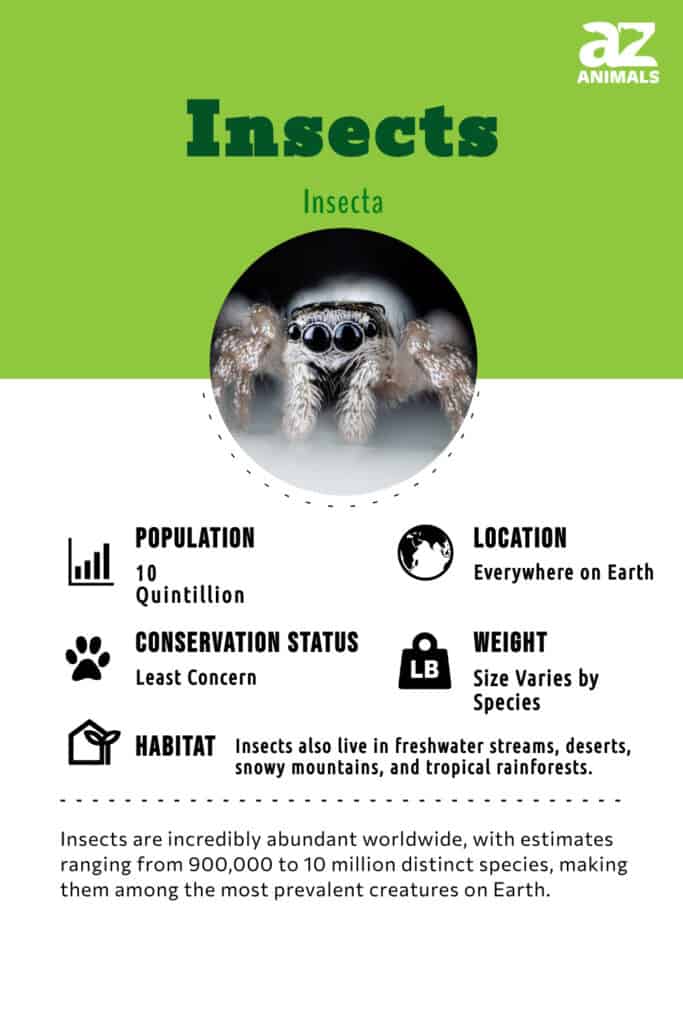
Insects are incredibly abundant worldwide, with estimates ranging from 900,000 to 10 million distinct species, making them among the most prevalent creatures on Earth.

Insects are one of the most plentiful and common species in the world. Depending on the resource, it’s believed there are somewhere between 900 thousand and ten million different kinds of insects.

Insects potentially make up 90 percent of all forms of animal life. And like people, each species has its unique appearance, behavior, habitats, characteristics, and other factors. They are different based on family, region, weather, and more.

One thing all insects have in common is their segmented bodies, external skeletons, and jointed legs. Another distinct feature is they are all small compared to most creatures.

The Role Insects Play
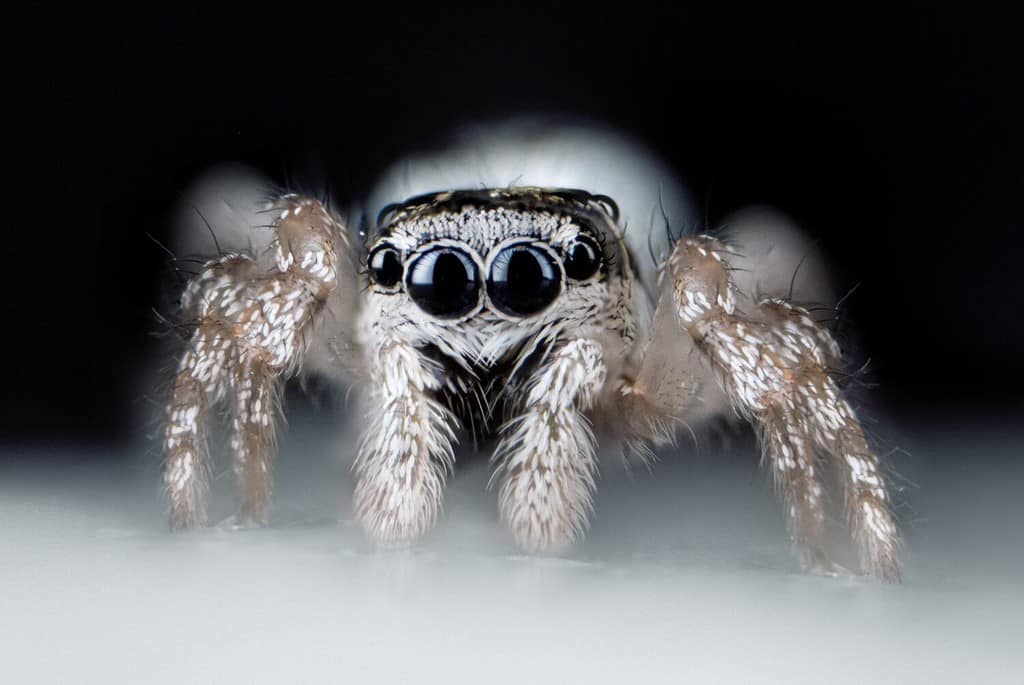
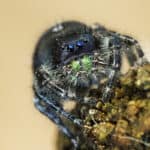
Macro on Hyllus semicupreus Jumping Spider. This spider is known to eat small insects like grasshoppers, flies, bees as well as other small spiders.

Some insects are pests while others have become pets such as the growing popularity of owning jumping spiders.

Some types of insects are pests. Others play a beneficial role in their ecosystems. There are species that carry disease, attack other animals with their stings and bites.

Many interfere with humankind to the point where control measures like repellents are applied. Many invade and destroy. Others do far worse. Killer ants are exactly what the name implies. Another killer is the Asian giant hornet that delivers its venom with quarter-inch stings.

Science is quite fascinated with insects, seeing them as valuable in the study of identifiable aspects of ecology and biology. The creatures have been influential in the study of genetics, hormonal action, the function of nerve and sense organs, and more physiological studies.

Insects are also influential to biodiversity, helping to make environmental quality assessments, including soil safety and water quality.

The world of the insect is actually pretty fascinating.

Read on to learn why!

Species, Types, and Scientific Names
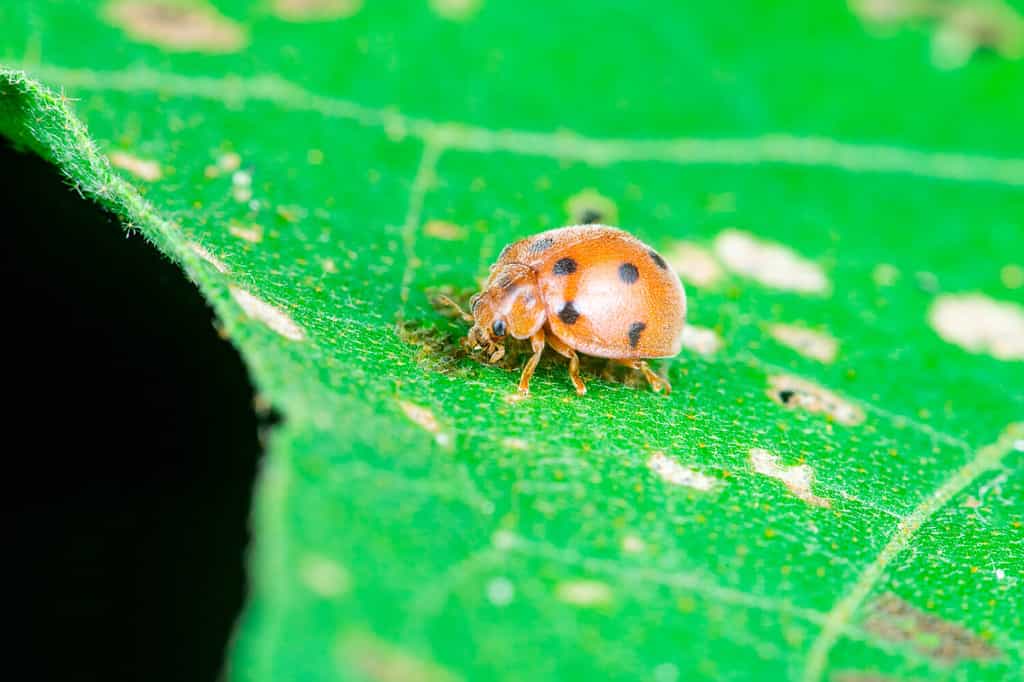
An adult male tiny orange Mexican bean lady beetle, lady bug, lady bird (Arthropoda: Insecta: Coleoptera: Coccinellidae: Epilachninae: Epilachna varivestis) with black dot crawling on a big green leaf

Insects are pancrustacean hexapod invertebrates.

Insects are pancrustacean hexapod invertebrates. They belong to the class Insecta or Hexapoda and are the largest group within the family of arthropod phylum. The scientific name is Insecta. There is also the group of Arachnida. Here is where we classify the likes of spiders.

Insects are part of a bigger group called Arthropoda. The group encompasses every creature with segmented bodies and legs and exoskeletons. Animals like mites, spiders, and ticks make up the phylum Arthropoda. However, other arthropod classes include Diplopoda and Chilopoda.

We couldn’t possibly cover all the types of insect information that’s out there in a single post. It would entail possibly millions of animals, including surprises like slugs and snails.

Appearance: How To Identify Them
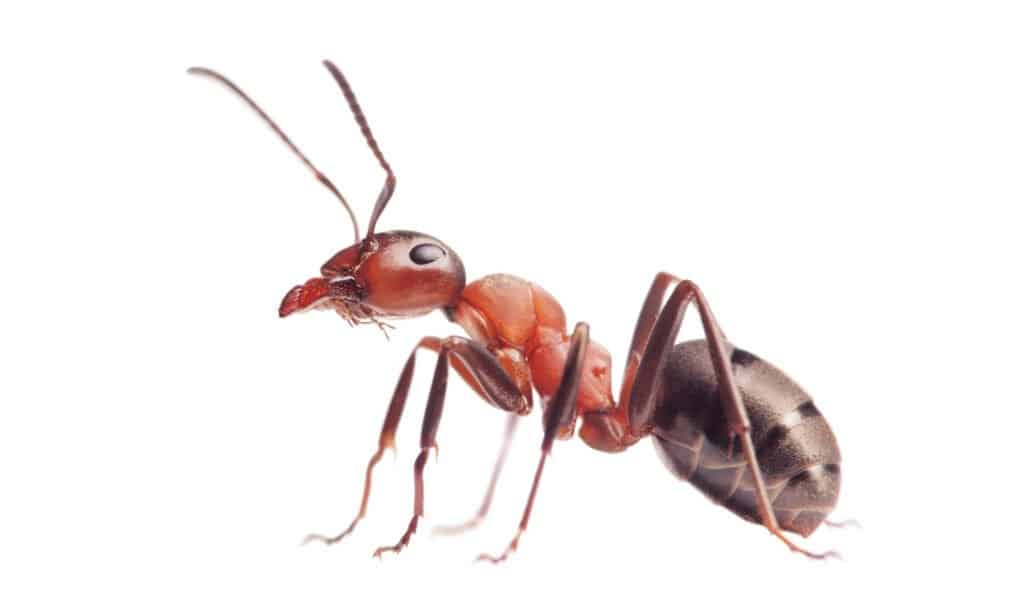
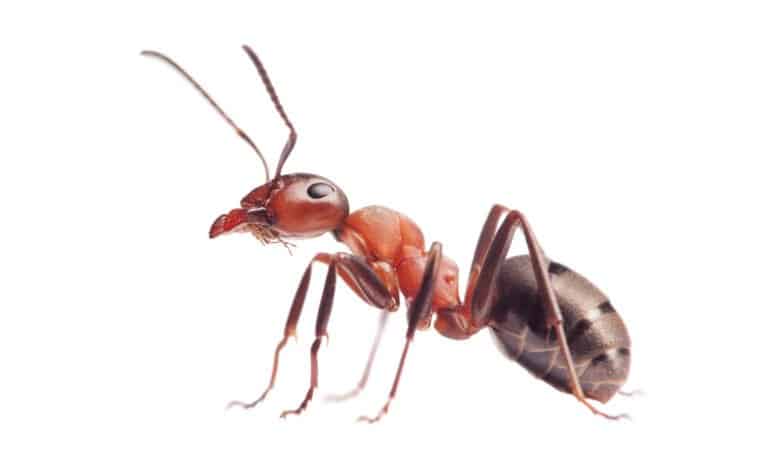
red ant isolated on a white background

Insects like ants have a head, thorax, and abdomen and at least three pairs of legs, which are typically jointed.

When it comes to size, the vast majority of insects are small. Where they do go in a variety of directions is in width. Insects, in general, are about 0.2 inches long.

You’ll find creatures that are practically microscopic such as the parasitic wasp and feather-winged beetle. But you also have Australian stick insects and African goliath beetles that can be much larger. The Hercules moth, with its wingspan, is an insect that can hit over 10 inches.

Insect characteristics include:

  • A chitinous exoskeleton
  • A head, thorax, and abdomen
  • At least three pairs of legs are typically jointed
  • Compound eyes (though there are exceptions for this characteristic)
  • A pair of antennae
  • Usually have two pairs of wings (exceptions include flies (one pair) and fleas, ants, and lice (none)

Evolution and Origins
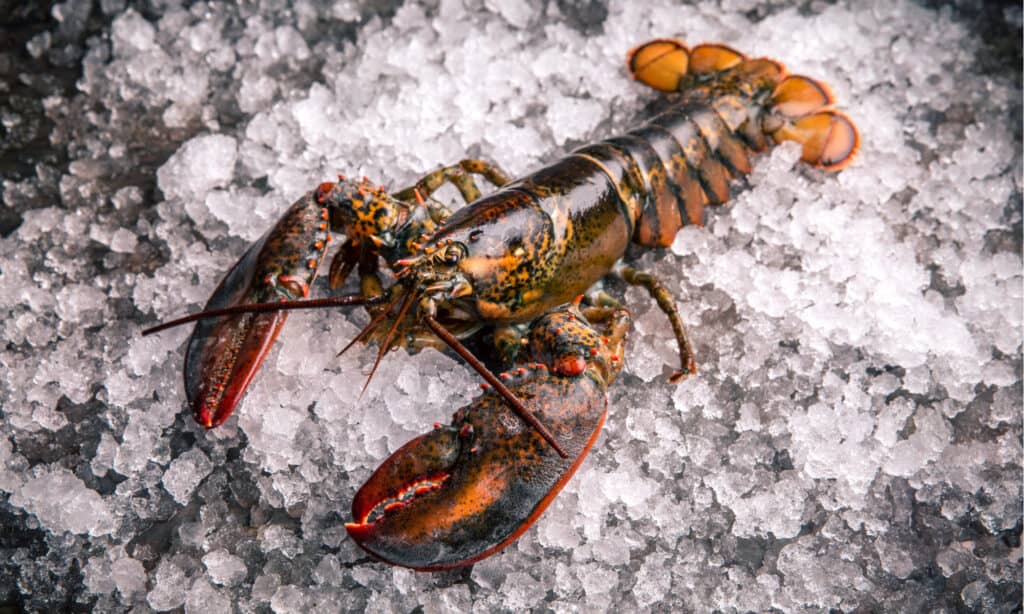
lobster

Flies, honeybees, ants, and crickets share a common origin within the arthropod family tree, which also includes modern crabs, shrimp, and lobsters.

Insect fossils have been found dating back around 400 million years to the lower Devonian period. During the Carboniferous era, winged insects known as Pterygotes experienced a significant burst of diversification. Another major diversification occurred among the Endopterygota group during the Permian period.

In fact, a recent study offers significant support for the idea that insects evolved from a particular group of crustaceans.

This means that flies, honeybees, ants, and crickets all originate from a branch within the arthropod family tree that also led to modern crabs, shrimp, and lobsters.

Habitat: Where to Find Them
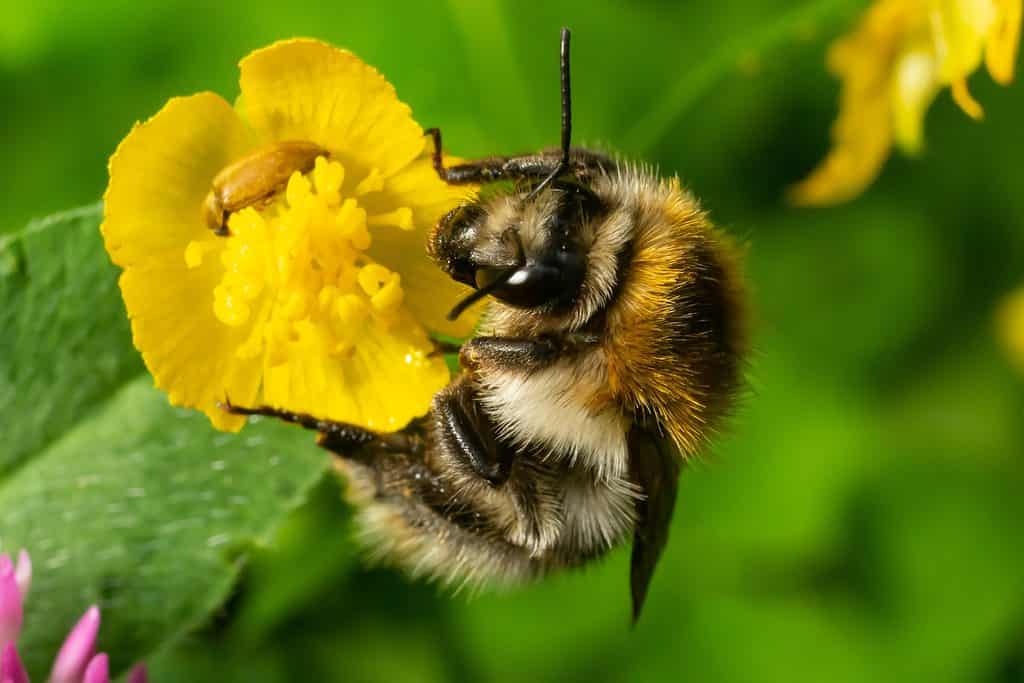
Bee on a yellow buttercup flower

Insects are found everywhere on Earth.

Insects are everywhere. They are, for the most part, invaders. Despite what they may offer ecosystems, almost no one is ever happy to see them in their gardens or homes.

Insects also live in freshwater streams, deserts, snowy mountains, and tropical rainforests. (Only around three percent of insects actually live in or near water.) They hide in your trees, your walls, cupboards, and, unfortunately, your bed.

Let’s take a look at their more common habitats.

Water

Aquatic insects include water striders, mosquitoes, dragonflies, and certain water bugs. Other types of insects spend time in bodies of water to lay eggs. After, they return to land. The predatory diving beetle hunts for food beneath water surfaces.

Hives

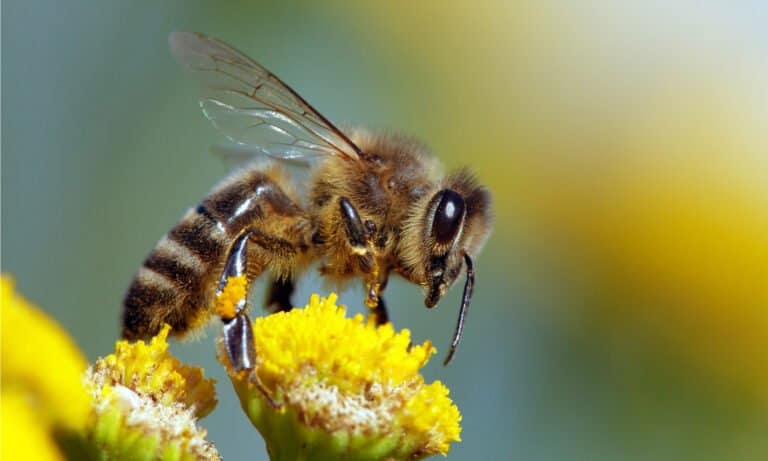
Honeybees create elaborate hexagonal structures where they live and work. Worker bees use their glands for converting honey into wax. Other bees chew and then chew it, creating a substance to build a hive. Bees stash hives of hollow trees, rock crevices, and tree branches.

Trees

Many forms of insects take refuge in the branches, leaves, hollows, and crevices of tree bark. Weaver ants in sub-Saharan Africa make nests out of leaves. The creatures go for leaves they can bend and shape. One ant will find the location and the other ants will help pull the leaf into a pocket shape. They then gather larvae silk to use a natural glue to sustain the alteration.

Burrows

Many insects go underground. The reclusive termite, when not invading your spaces, create mounds that extend below and above ground. Inside the structure is a network of tunnels for getting about to find food.

Your Home

Many insects are nomads. They are also quick to settle in if they can locate food sources. Bed bugs use your sleeping accommodations, lurking in beddings until you’re resting. That’s when they come out so that they can bite you.

Termites hide inside your structures, their bites gnawing away at it and leaving serious damage. Ants and moths relentlessly scour your ecosystems in search of nourishment. What type of bug you have depends on where you are and climates and other factors.

Diet: What Do They Eat?
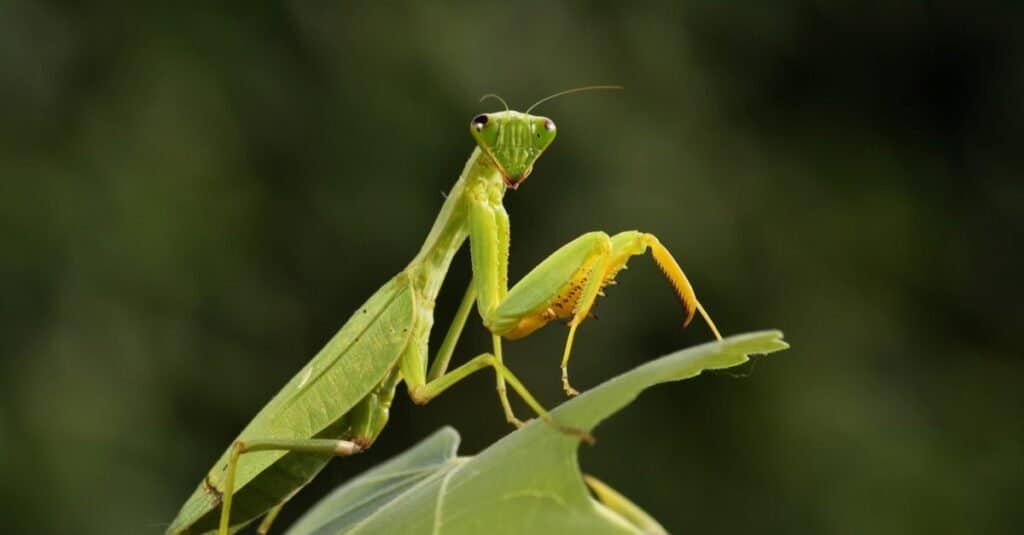
Giant African mantis or bush mantis sitting on a branch.

The praying mantis hunts small creatures, including caterpillars, spiders, and moths.

Trying to pinpoint what the insect community diets on would be akin to saying humans eat food. They pretty each what their environments give them access to. Insects eat plants. Predatory insects eat other insects.

Some insects survive by taking bites and then drinking blood. Others chow on nectar or enjoy scraps of food. You can find insects that use their stings to incapacitate prey before feeding.

There are types of animals in the category that don’t eat anything. That includes some moths and mayflies. Reaching adulthood, they lay eggs and then pass away. They don’t require food because their lives end in days and sometimes even hours.

Other insects are healthy eaters. Silkworms manage a 56-day diet of leaves that weigh over 4,000 times their weight. The locust ingests its weight on a daily basis.

Leafhoppers and aphids suck in plant sap. The praying mantis hunts small creatures, including caterpillars, spiders, and moths. Other insect-eaters include assassin bugs and some female mosquitoes.

The creatures have an array of mouthparts for feeding. There are moths with no mouthparts at all. Some chew, others siphon, sponge, dissolve food before taking a meal.

Prevention: How to Get Rid of Them
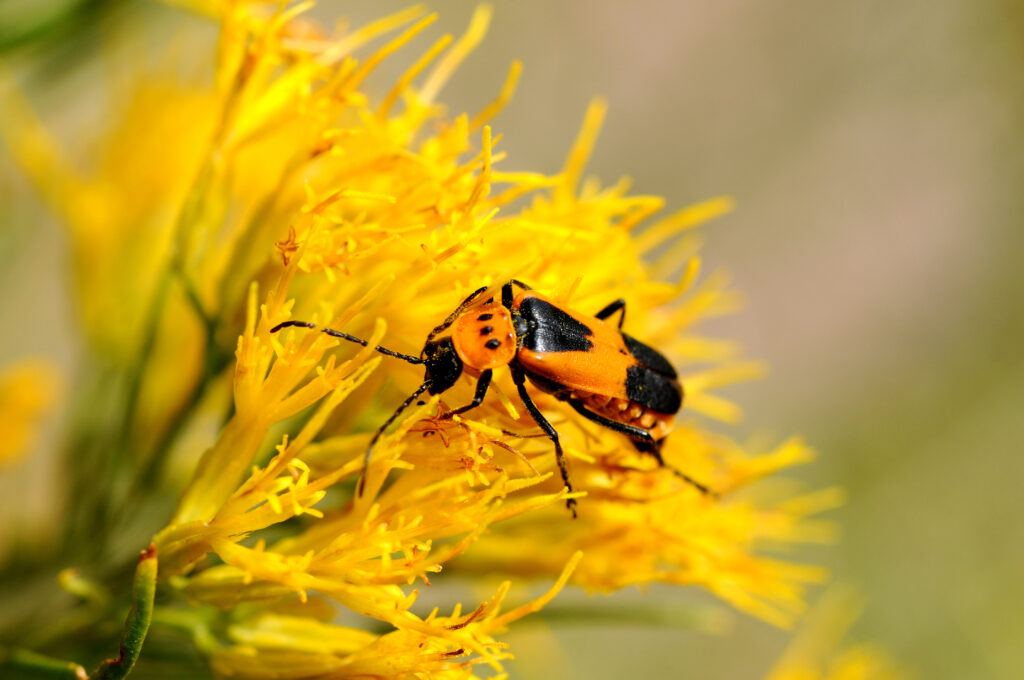
Brown bug working on goldenrod - A black-speckled brown bug (soldier beetle)(cantharidae or leatherwing) working hard on a bunch of yellow flowers (Rabbitbrush) (Asteraceae-Chrysothamnus nauseosus).

It really just depends on the type of bug and how bad your infestation is.

Getting rid of bugs depends on the circumstances. Habitat plays a big part. Framers need to find safe ways to get rid of these pests without causing harm to crops. Homeowners may want to find humane solutions. Others go straight to repellents like pyrethrin or zappers.

Natural repellent alternatives include dish soap (ants) basil (flies), and baking soda for bed bugs. There is no one-stop-em-all solution when it comes to bugs. In many cases, you may need several solutions.

Preventative measures are helpful, additionally, getting rid of bodies of water will deter mosquitoes.

View all 59 animals that start with I

Sources

  1. https://www.ledfordspestcontrol.com/blog/pest-facts/top-10-dangerous-insects-world/
  2. https://www.insectweek.co.uk/resources/what-makes-insect
  3. https://www.royensoc.co.uk/understanding-insects/facts-and-figures/
  4. https://www.britannica.com/animal/insect
  5. https://en.wikipedia.org/wiki/Insect
  6. https://entomology.unl.edu/scilit/what-insect
  7. https://texasinsects.tamu.edu/insect-orders/
  8. https://flexbooks.ck12.org/cbook/ck-12-middle-school-life-science-2.0/section/9.16/primary/lesson/insect-food-ms-ls/
  9. https://clarkexterminating.com/blog/bug-vs-insect-whats-the-difference/#:~:text=Bugs%20are%20part%20of%20the,four%20wings%20and%20two%20antennae.&text=%E2%80%9CTrue%20bugs%E2%80%9D%20have%20a%20mouth%20shaped%20like%20straw%20or%20needle.
  10. https://quizlet.com/142681714/5-characteristics-of-insects-flash-cards/
  11. https://ucanr.edu/sites/insectconnect/Identification_information/Identify_to_Order/
  12. https://www.mayoclinic.org/first-aid/first-aid-insect-bites/basics/art-20056593#:~:text=Use%20a%20cloth%20dampened%20with,until%20your%20symptoms%20go%20away.
  13. https://www.pbs.org/wnet/nature/alien-empire-mayflies/3413/#:~:text=Researchers%20believe%20the%20record%20for,for%20less%20than%20five%20minutes.
Ashley Haugen

About the Author

Ashley Haugen

Ashley Haugen is the editor of A-Z Animals. She's a lifelong animal lover with an affinity for dogs, cows and chickens. When she's not immersed in A-Z-Animals.com (her favorite editorial job of her 25-year career), she can be found on the hiking trails of Middle Tennessee or hanging out with her family, both human and furry.
Connect:

Thank you for reading! Have some feedback for us?


Insect FAQs (Frequently Asked Questions)

Belonging to the Hemiptera order, bugs are one of many types of insects. Insects usually have three parts of the body and six legs, four wings and antennae. Bugs have mouths shaped like a needle or straw, the proboscis. Among the creatures are bed bugs, stink bugs, water bugs, aphids, though they all fall under the larger insect family.