
G
Species Profile

Gopher Tortoise

Gopherus polyphemus

Digging homes for hundreds of neighbors
iStock.com/Paulbr

Gopher Tortoise Distribution

Click a location to explore more animals from that region

Endemic Species
Loading map...

Size Comparison

Human 5'8"
Gopher Tortoise 6 in

Gopher Tortoise stands at 9% of average human height.

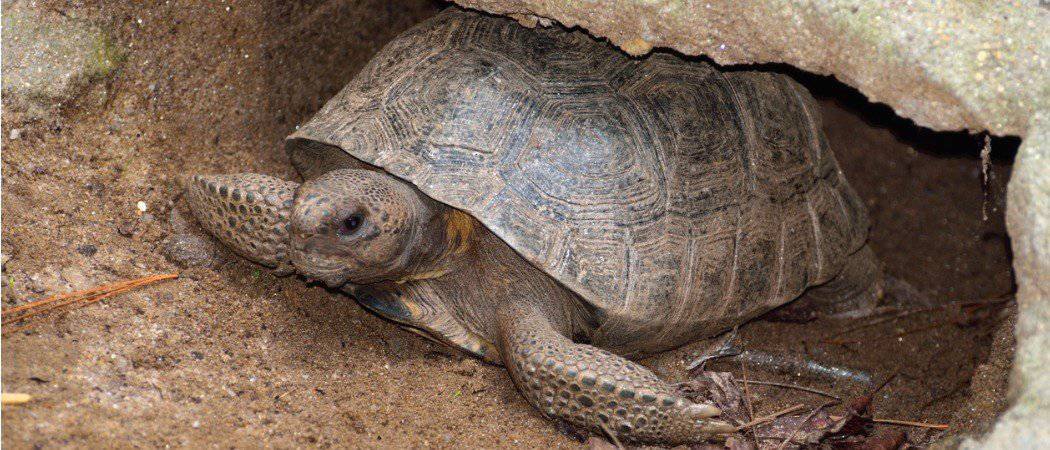
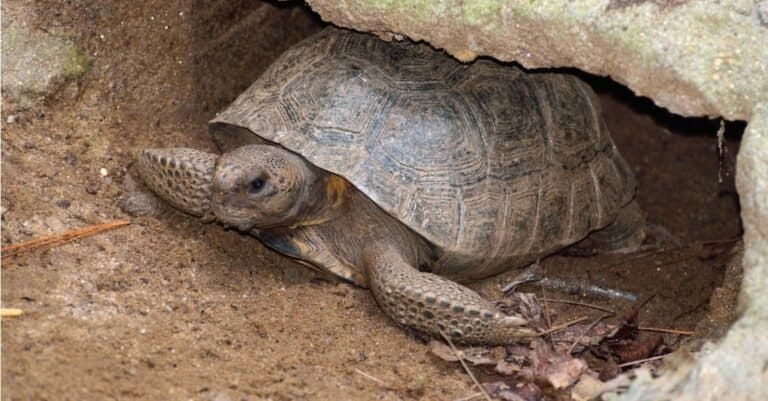
Gopher tortoise in tunnel

At a Glance

Wild Species
Also Known As Gopher, Gopher turtle, Burrowing tortoise, Burrowing turtle
Diet Herbivore
Activity Diurnal+
Lifespan 50 years
Weight 6.5 lbs
Status Vulnerable
Did You Know?

Adults are typically 23-28 cm carapace length (max ~38 cm).

Scientific Classification

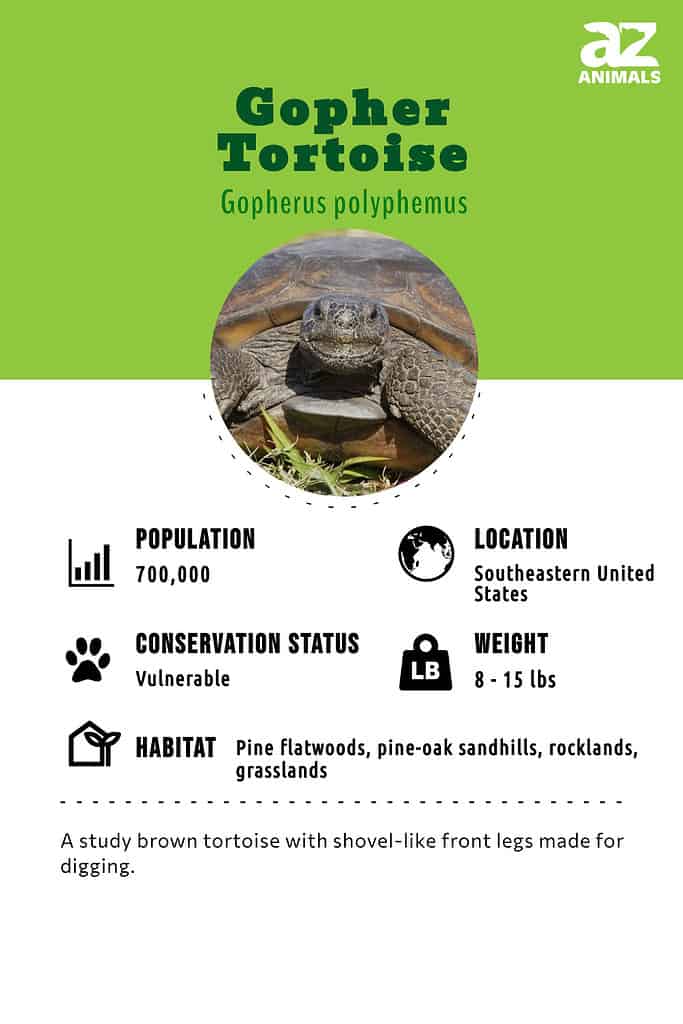
A medium-sized terrestrial tortoise known for digging deep burrows that provide shelter for many other species; a keystone species of sandy upland ecosystems in the southeastern U.S.

Kingdom
Animalia
Phylum
Chordata
Class
Reptilia
Order
Testudines
Family
Testudinidae
Genus
Gopherus
Species
Gopherus polyphemus

Distinguishing Features

  • Strong forelimbs adapted for digging and a characteristic deep burrow
  • Domed, brownish carapace; terrestrial tortoise (not aquatic)
  • Typically associated with sandy soils and open pine/scrub habitats

Physical Measurements

Height
6 in (4 in – 8 in)
Length
11 in (8 in – 1 ft 4 in)
Weight
11 lbs (8 lbs – 15 lbs)
Tail Length
2 in (1 in – 2 in)

Appearance

Primary Colors
Secondary Colors
Skin Type Terrestrial tortoise integument: thick, dry, pebbly/scaly skin on head and limbs; keratinized scutes covering carapace and plastron; forelimbs with enlarged, armor-like scales adapted for digging (not webbed-non-aquatic morphology).
Distinctive Features
  • Medium-sized terrestrial tortoise of the southeastern U.S. Coastal Plain; strongly associated with dry, sandy uplands (e.g., longleaf pine-wiregrass sandhills, scrub, and dunes) rather than aquatic habitats.
  • Adult size (straight carapace length): typically ~23-28 cm; reported maximum ~38 cm (e.g., Ernst & Lovich, 2009, Turtles of the United States and Canada).
  • Shell form: domed, oblong carapace; sturdy, elephantine hindlimbs and spade-like forelimbs with large claws and heavy anterior scaling specialized for excavation.
  • Gopher Tortoise (Gopherus polyphemus) digs long burrows, often about 4.5 m long and 2 m deep; some burrows reach about 14.5 m.
  • Gopher tortoise burrows provide shelter for many other animals; more than 350 species use them, either sometimes or as their main home.
  • Head/face: blunt head with strong beak; eyes often appear dark; skin on head/forelimbs looks rough and thickened compared with aquatic turtles.
  • Tail/vent area: short tail overall, but males typically show a longer, thicker tail base (see sexual dimorphism).
  • Longevity: commonly reported wild lifespan ~40-60+ years; longer lifespans (7+ decades) are documented/considered possible in long-lived, late-maturing tortoises in protected conditions; values are consistent with major references (e.g., Ernst & Lovich 2009; USFWS/State wildlife profiles).
  • Terrestrial behavior cues tied to appearance: limbs held under the body (high-walk posture), heavy-clawed forelimbs used for digging; typically seen walking and grazing in open, sunny sandy habitat rather than swimming or basking on logs.

Sexual Dimorphism

Gopher Tortoise (Gopherus polyphemus) sexes have similar color but different body shape and shell parts for mating. Males are often a bit larger and have structures used in courtship and competition; females usually have a flatter plastron for carrying eggs.

  • Plastron typically concave (helps mounting during mating).
  • Gular projection (front of plastron) tends to be longer/more pronounced in males.
  • Tail generally longer/thicker with vent positioned farther from the shell margin.
  • Plastron typically flatter (less concavity).
  • Gular projection usually shorter/less pronounced.
  • Tail generally shorter/thinner with vent closer to the shell margin.

Did You Know?

Adults are typically 23-28 cm carapace length (max ~38 cm).

A single burrow can be ~4.6 m long and ~2 m deep, with a distinctive half-moon entrance.

Its burrows support at least ~350 commensal/associate species (often cited >360), from snakes and frogs to invertebrates.

Mostly herbivorous: grasses, legumes, and other low plants make up the bulk of the diet; they also take seasonal fruits.

Clutch size is commonly ~3-15 eggs, laid in sandy soil near the burrow apron; incubation is roughly ~80-110 days (temperature-dependent).

Long-lived: commonly 40-60+ years, and individuals can exceed ~80 years under favorable conditions.

Unlike aquatic turtles, it has stout, "elephantine," non-webbed hind feet and heavily scaled forelimbs built for digging, not swimming.

Unique Adaptations

  • Powerful digging limbs: broad, spade-like forelimbs with thick scales and strong claws optimized for moving sand.
  • Burrow microclimate buffering: deep burrows moderate temperature extremes and retain humidity, improving survival during drought, cold snaps, and fires.
  • Sandy-upland specialization: behavior and body plan fit well-drained, loose soils where stable tunnels can be maintained.
  • Domed, heavy shell + withdrawal: a terrestrial defense suite effective against many predators compared with flatter-shelled aquatic turtles.
  • Ecosystem-shaping life history: long lifespan and site fidelity mean burrow networks can persist for decades, structuring local wildlife communities.

Interesting Behaviors

  • Burrow engineering: excavates and maintains deep burrows used year-round for thermoregulation, humidity control, and predator/fire refuge.
  • Burrow fidelity with flexibility: individuals often keep one primary burrow but may use multiple alternate burrows within a home area.
  • Seasonal surface activity: most surface foraging and movements occur during warm months; activity often drops during cold spells (brumation-like inactivity).
  • Nesting strategy: females typically nest in open, sandy patches (often the sunlit burrow apron) to warm eggs; hatchlings may use small "starter" burrows.
  • Herbivore foraging patterns: concentrates feeding on low, nutrient-rich groundcover (especially in fire-maintained longleaf pine communities).
  • Keystone facilitation: by keeping burrows open, it continually creates usable shelter space for commensals such as gopher frogs, indigo snakes, and many invertebrates.

Cultural Significance

The gopher tortoise (Gopherus polyphemus) is a keystone species in the southeastern U.S., important for sandy uplands like longleaf pine. Schools and land planners use it because saving tortoises and their burrows protects hundreds of animals that shelter in the burrows.

Myths & Legends

Naming legend (classical reference): the species epithet polyphemus refers to Polyphemus, the cave-dwelling Cyclops from Homer's Odyssey-an allusion to the tortoise's habit of living in deep, cave-like burrows.

In stories like Aesop's 'The Tortoise and the Hare,' tortoises stand for patience and persistence. In the American Southeast, the gopher tortoise (Gopherus polyphemus) is a symbol of steady, long-term ecosystem building through its burrows.

Early Southeast settlers called the Gopher Tortoise (Gopherus polyphemus) the "gopher" tortoise for digging burrows. It was known more for shaping sandy pine country than for any magic or myths.

Conservation Status

VU Vulnerable

Facing a high risk of extinction in the wild.

Population Decreasing

Protected Under

  • U.S. Endangered Species Act (ESA) - listed as Threatened in the western portion of the range (west of the Mobile and Tombigbee Rivers)
  • CITES Appendix II (Genus Gopherus) - regulates international trade
  • State protections across much of the range (e.g., Florida state-listed as Threatened; other southeastern states regulate take/possession and protect burrows/habitat via permitting)

Life Cycle

Birth 6 hatchlings
Lifespan 50 years

Lifespan

In the Wild
40–80 years
In Captivity
60–100 years

Reproduction

Mating System Polygynandry
Social Structure Solitary
Breeding Pattern Transient
Fertilization Internal Fertilization
Birth Type Internal_fertilization

Gopher tortoise (Gopherus polyphemus) are polygynandrous: males and females mate with multiple partners. Adults are mostly solitary. Courtship is brief. Breeding is seasonal. Females lay one clutch (3–15 eggs); incubation ~80–110 days. Adults do not care for young; maturity ~10–20+ years.

Behavior & Ecology

Social Colony Group: 1
Activity Diurnal, Matutinal, Vespertine
Diet Herbivore Herbaceous legumes/forbs (often reported as strongly selected in diet studies; commonly including Desmodium spp. and other Fabaceae)
Seasonal Hibernates

Temperament

Generally docile and non-aggressive outside breeding interactions; typically retreats into burrow when approached.
Males can be assertive during breeding season, showing approach, blocking, circling, and occasional shell-ramming/butting in competition for access to females or burrows (Auffenberg & Franz, 1982).
High site fidelity to burrows; may exhibit defensive posturing at the burrow entrance when disturbed, but prolonged aggression is uncommon.
Behavior varies with season and temperature: activity is more strongly morning/evening-peaked in hot weather; broader daytime activity occurs in cooler conditions (Auffenberg & Franz, 1982; USFWS, 2019).

Communication

Low-intensity grunts/moans associated with courtship and mating in Gopherus tortoises; hissing/expelled-air sounds when withdrawing or startled Auffenberg & Franz, 1982
Visual displays: head-bobbing, chin gland presentation, and oriented approach during courtship/agonistic encounters Auffenberg & Franz, 1982
Tactile signals: nudging, shell bumping/ramming during male-male competition and courtship escalation Auffenberg & Franz, 1982
Chemical/olfactory cues: investigation of burrow aprons, feces, and conspecific scent Including chin glands common in Gopherus) used in mate assessment and identifying recent presence; much interaction is indirect via shared space and burrow entrances (Auffenberg & Franz, 1982; USFWS, 2019
Indirect "hub" effects via burrows: repeated use of long-lived burrow locations concentrates encounters and cue exchange Tracks, scent, apron disturbance), increasing interaction rates without forming stable groups (Jensen et al., 2008; USFWS, 2019

Habitat

Biomes:
Temperate Forest Savanna Temperate Grassland
Terrain:
Plains Coastal Sandy
Elevation: Up to 1148 ft 4 in

Ecological Role

Keystone herbivore and ecosystem engineer in southeastern U.S. upland sandhills/scrub communities.

Vegetation shaping via selective grazing/browsing (influences plant community composition and groundcover structure) Seed dispersal and seedling recruitment effects through fruit consumption and defecation Nutrient redistribution and soil mixing via burrowing and deposition of feces/urates near burrows Creation/maintenance of deep burrows that provide critical refuge microhabitat for a large commensal community (hundreds of associated species documented in the literature), indirectly affecting local food webs

Diet Details

Other Foods:
Herbaceous broadleaf forbs Grasses and sedges Low shrubs and ground-layer browse Succulents and cacti Seasonal fruits and berries Fungi/mushrooms

Human Interaction

Domestication Status

Wild

Gopher tortoise (Gopherus polyphemus) is not domesticated and has no domestication history. People once hunted and ate them, but now people mostly work to protect them because numbers dropped when longleaf pine and sandhill habitat was lost, fire was stopped, and land was developed. Work involves landowners, roads/utilities, developers, agencies, mitigation sites, zoos, and rehab centers.

Danger Level

Low
  • Minor bites/scratches if handled; generally docile and non-aggressive.
  • Zoonotic Salmonella risk common to reptiles-hand hygiene required after any authorized handling.
  • Indirect hazard: burrows can cause ankle/leg injuries or equipment issues if stepped into or driven over in sandy uplands.

As a Pet

Not Suitable as Pet

Legality: Gopher Tortoise (Gopherus polyphemus) is illegal to keep as pet or take from the wild. Permits are required for research, education, or rehab. Western AL-MS-LA populations are federally Threatened; check state and federal laws (FL, GA, SC, AL, MS, LA).

Care Level: Expert Only

Purchase Cost: Up to $300
Lifetime Cost: $3,000 - $15,000

Economic Value

Uses:
Keystone-species ecosystem services (burrows support high biodiversity) Conservation planning/land management (prescribed fire programs, habitat restoration) Regulatory compliance and mitigation (development surveys, relocation, mitigation banking/recipient sites) Education and ecotourism (wildlife viewing, interpretive programs) Scientific research (disease ecology, population monitoring, fire ecology, landscape connectivity)
Products:
  • No legal commercial products from the species in modern practice (protected); economic activity is primarily service-based (surveys, mitigation, habitat management, education).

Relationships

Related Species 8

Desert Tortoise Gopherus agassizii Shared Genus
Sonoran Desert Tortoise Gopherus morafkai Shared Genus
Texas Tortoise Gopherus berlandieri Shared Genus
Bolson Tortoise Gopherus flavomarginatus Shared Genus
African Spurred Tortoise
African Spurred Tortoise Centrochelys sulcata Shared Family
Greek Tortoise Testudo graeca Shared Family
Russian Tortoise
Russian Tortoise Agrionemys horsfieldii Shared Family
Galápagos Giant Tortoise
Galápagos Giant Tortoise Chelonoidis niger Shared Family

Ecological Equivalents 5

Animals that fill a similar ecological role in their ecosystem

Nine-banded Armadillo Dasypus novemcinctus Gopher Tortoise (Gopherus polyphemus) is a burrow‑digging ecosystem engineer in the southeastern U.S., creating underground homes that alter the local microclimate and provide shelter for other species; its burrows average ~4.5 m long and ~2 m deep.
Black-tailed Prairie Dog Cynomys ludovicianus Functional analog as a keystone burrowing herbivore: its extensive burrow systems support many commensals and influence vegetation structure, producing community effects comparable to gopher tortoise burrows in upland sandy ecosystems (a parallel keystone engineer).
Banner-tailed Kangaroo Rat Dipodomys spectabilis An arid-land burrowing herbivore/granivore that functions as a soil-disturbing ecosystem engineer, altering plant communities and providing underground refugia. Ecologically similar in its burrow-mediated impacts, though not geographically overlapping.
Desert Tortoise Gopherus agassizii Closest similar species in the genus Gopherus: a long-lived land tortoise that uses burrows to thermoregulate and hide, grows slowly and matures late; adults are about 23–28 cm (up to ~38 cm) and live roughly 40–60+ years.
Florida Mouse Podomys floridanus Strong commensal association: a frequent co-occupant of gopher tortoise burrows in sandhill and scrub habitats, depending heavily on those burrows for refuge and a stable microclimate. This well-documented burrow-commensal relationship is described in Jackson & Milstrey (1989) and USFWS.

“ The gopher tortoise is a real Keystone species”

The gopher tortoise is quite an interesting animal. It is land-dwelling and spends most of its time underground in burrows. The front limbs are built for digging these burrows and do an excellent job at the excavation. The burrows it digs provide shelter for at least 360 other animal species – making it a keystone species that plays a pivotal role in an entire ecosystem.
6 Incredible Gopher Tortoise Facts!

  • They live on land and do not swim.
  • It is the state reptile of Georgia.
  • They are ectothermic, or cold-blooded.
  • Protected by Florida laws, it is illegal to keep a gopher tortoise as a pet.
  • They are diurnal, with most of their activity occurring in the daytime.
  • It is the state tortoise of Florida.

Scientific Name

The scientific name for the gopher tortoise is Gopherus polyphemus. It is sometimes called the Florida gopher tortoise or gopher turtle. The word “Gopherus” stems from the French word “guafre” meaning waffle. It references small animals that make burrows look like waffles or honeycomb shapes. “Polyphemus” comes from a giant in Greek mythology with the same name who lived in a cave.
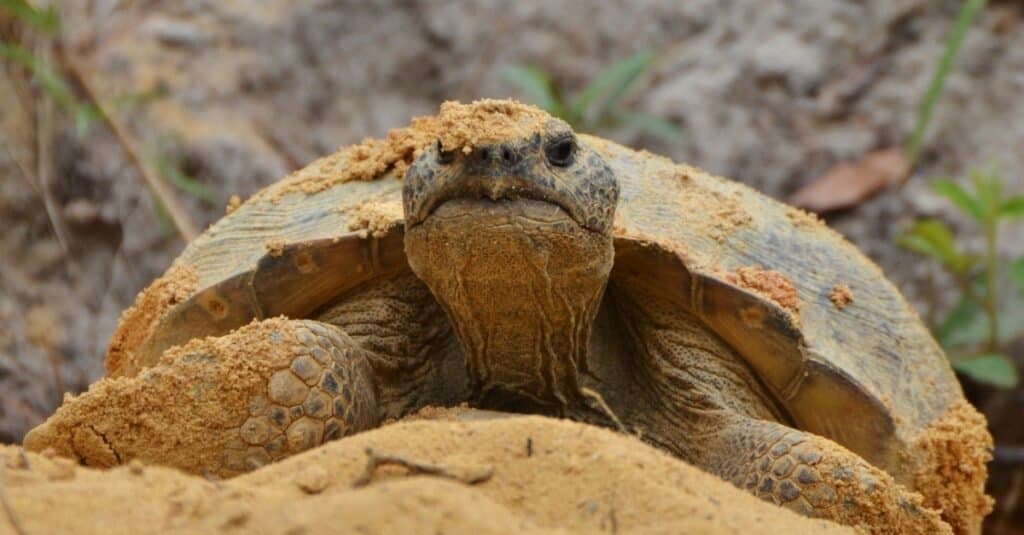
A gopher tortoise (Gopherus polyphemus) emerges from its burro. The gopher tortoise is an endangered species found in the southern United States.

The gopher tortoise is a master excavator that provides burrow homes for hundreds of other species.

Species

This species is in the Animalia kingdom and the Chordata phylum. It belongs to the reptilia class, a group of reptiles. The gopher tortoise is in the Testudinidae family under the order Testudines. It is a member of the Gopherus genus which includes six subspecies. The five other Gopherus subspecies that are closely related to Gopherus polyphemus are:

  • Gopherus agassizii (Mojave desert tortoise)
  • G. berlandieri (Texas tortoise)
  • G. evgoodei (Sinaloan desert tortoise)
  • G. flavomarginatus (Bolson tortoise)
  • G. morafkai (Sonoran desert tortoise)

There are two additional species that became extinct many millennia ago. These non-extant species are Gopherus depressus and Gopherus donlaloi.

Evolution
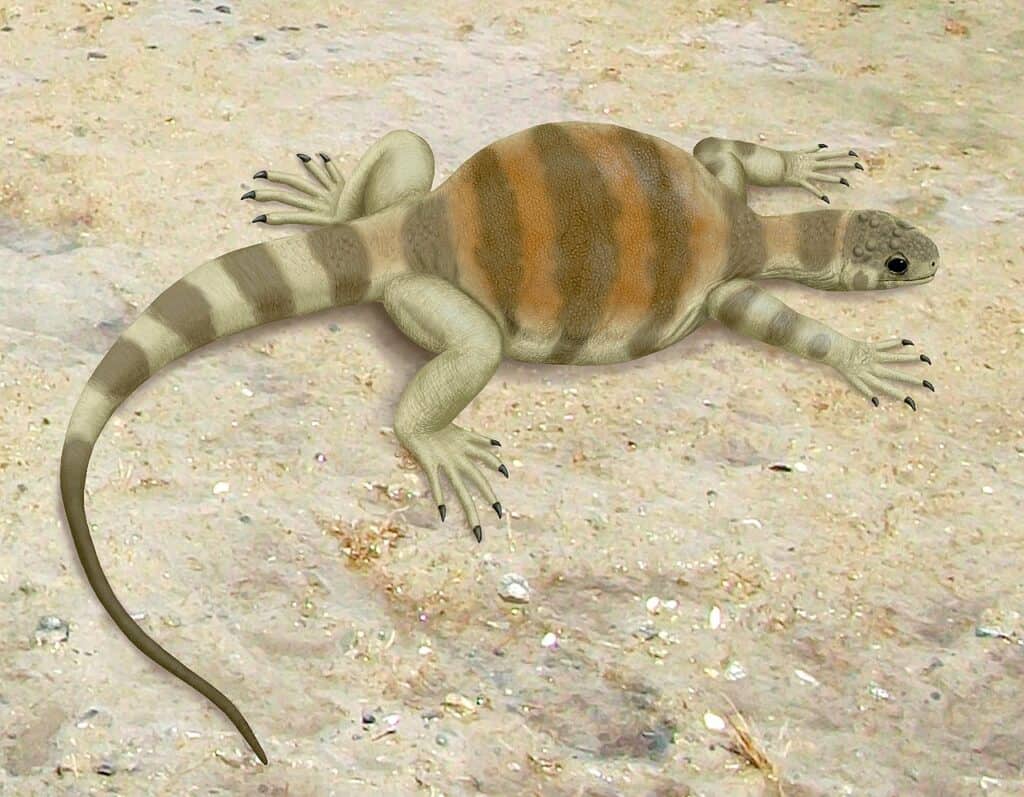
Eunotosaurus africanus

Tortoises and turtles evolved in South Africa, from a small reptile named Eunotosaurus africanus around around 260 million years ago.

Tortoises and turtles evolved in South Africa, from a small reptile named Eunotosaurus africanus around around 260 million years ago. This strange little lizard had the makings of modern-day tortoises with thick, backward curving ribs that formed an armored dome under its skin.

A reptile called Odontochelys semitestacea evolved 40 million years later in the shallow oceans of China. The Odontochelys had one trait that modern turtles and tortoises share – a plastron or bottom shell. It is believed that these tortoise ancestors developed lower shells first because sharks and other predators attacked them from below the surface of the water.

Proganochelys, or “beast turtle” lived among dinosaurs and was armored above and below. In addition to its protective shell, this ancient turtle had bony neck spikes, leg spikes, and tail spikes. Like its modern relatives, it had a bony shell and a toothless mouth.

These three tortoise ancestors diverged into the terrapin, sea turtle, and tortoise we know today.

Appearance & Behavior
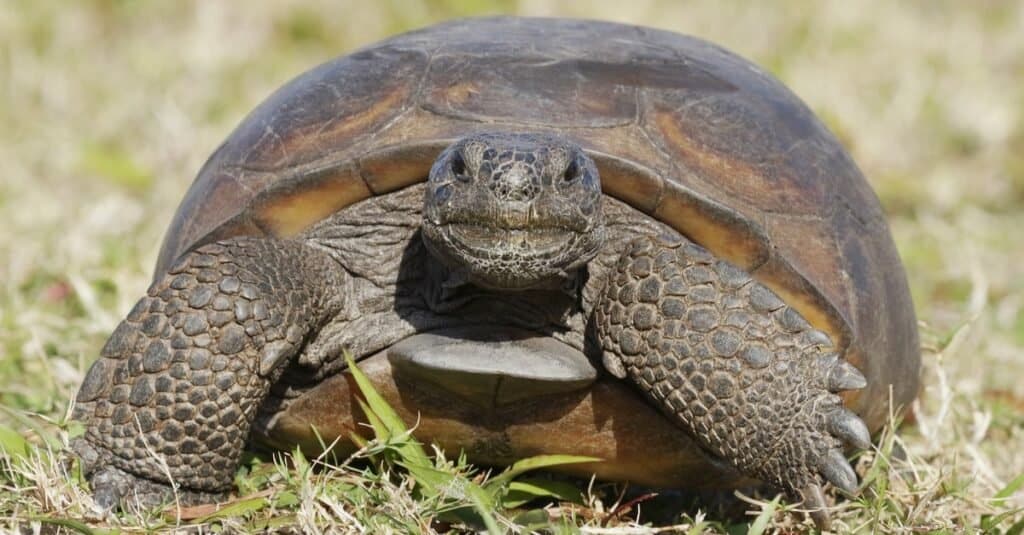
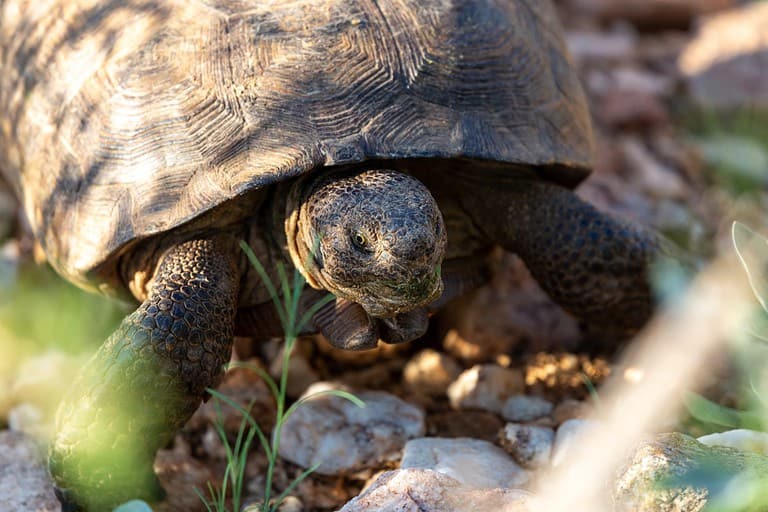
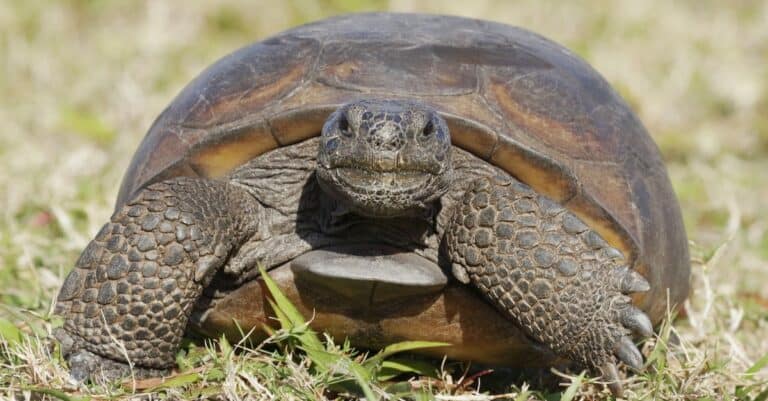
A curious endangered Gopher Tortoise (Gopherus polyphemus) walks on the grass in Florida.

The largest gopher tortoise was 17.3 inches long and weighed 33 pounds.

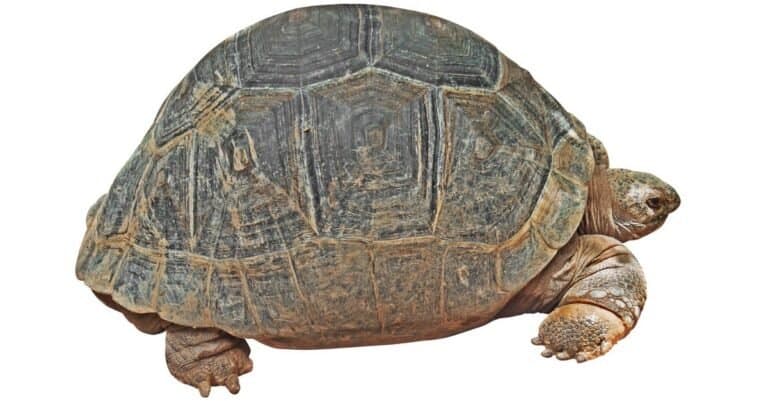
The gopher tortoise, like all tortoise species, has a hard outer shell. The upper part of the shell is the carapace and the bottom shell is the plastron. Its hard carapace is typically light brown to dark brown colored. The plastron has a muted yellow hue. The skin is grayish brown, leathery, and has scales.

The gopher tortoise generally weighs between eight and 15 pounds. The average weight equals one-half of a whole bowling ball’s weight. Nine to 11 inches is the average length of this animal but some reach 15 inches. Females are often larger than males. In 2018, the record for the largest specimen was noted at the Clinic for the Rehabilitation of Wildlife (CROW) in Florida. It was a male with a carapace length of 17.3 inches. He was also the heaviest of his kind recorded, weighing in at 33 pounds. His impressive weight is about half as heavy as a Dalmatian.

All of the tortoise species in the Gopherus genus are moderately similar in appearance to the gopher tortoise. They all have shovel-like front limbs made for digging and elephant-like hind legs.
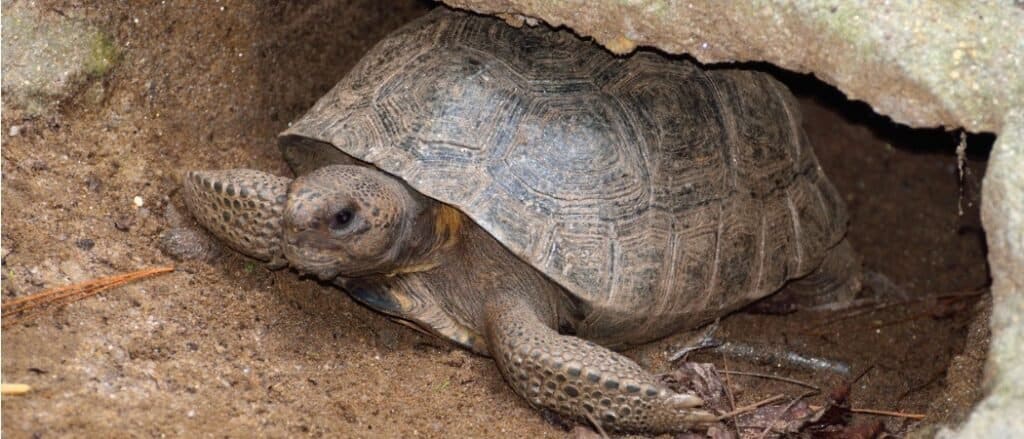
Gopher tortoise in tunnel

Gopher tortoises spend most of their time underground.

Gopher tortoises are ectothermic. This means they are cold-blooded and cannot regulate their body temperature. Instead, they rely on thermoregulation from their surrounding environment. They bask above ground in the warm sun to elevate their temperature, and they burrow into the ground to cool down.

These tortoises are mostly solitary creatures but will sometimes coexist in small groups. The groups are called pods. Many pods in the same area make up a colony. Colonies may contain more than 50 tortoises. It is not uncommon for 2 or more individuals to occupy the same burrow. They are typically docile but can become aggressive if threatened or during mating. These reptiles are not migratory and generally do not travel long distances.

Habitat
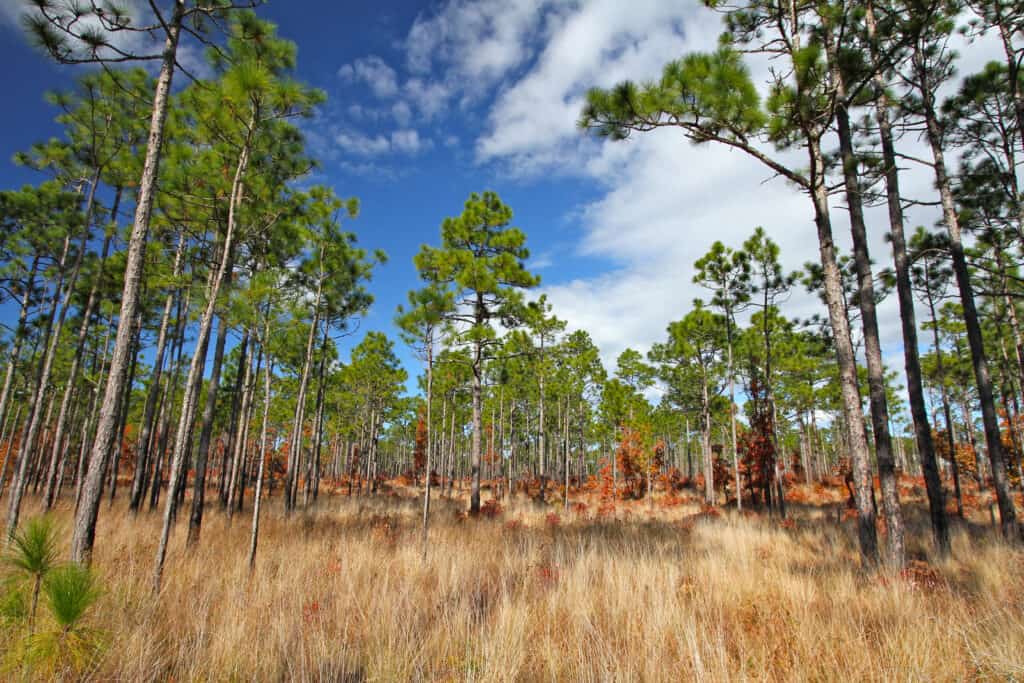
Rows of longleaf pine trees in a field.

Longleaf pine environments in the southeastern United States are the habitat of the gopher turtle.

Gopher tortoises are native to the southeastern United States on the continent of North America. They live in Florida, South Carolina, Georgia, Louisiana, and Mississippi. They live in a humid, subtropical climate. About 80% of this animal’s habitat is in longleaf pine environments including pine Flatwoods and pine-oak sandhills. Other types of habitats they occupy are Rocklands, grasslands, forests, sandy ridges, and pastures.

These reptiles can sometimes be found grazing in vegetation that is low to the ground. Most of the time, they are out of sight in their burrows. In fact, they spend about 19 hours a day underground.

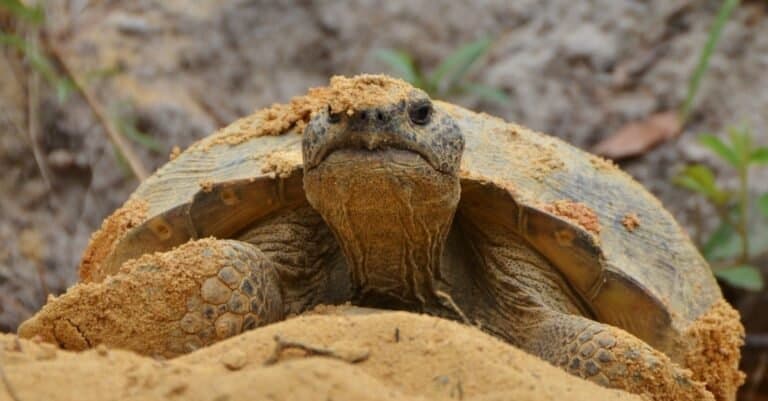
The gopher tortoise uses its front limbs like shovels to dig deep, elaborate burrows. Their burrows are quite important to the ecosystem as many other animals benefit from them. They will sometimes reconstruct older burrows that have been damaged. They prefer to make their burrows in sandy soil but will also dig in clay soil. They create a tunnel that leads underground and opens up into a chamber. These burrows have average depths of six and a half feet and lengths of 15 feet. At the entrance of the burrow, the excavated dirt formed into a mound called the apron. Gopher tortoises spend up to 80% of their lives within the burrows. There, they are protected from predators, temperature extremes, and fires.

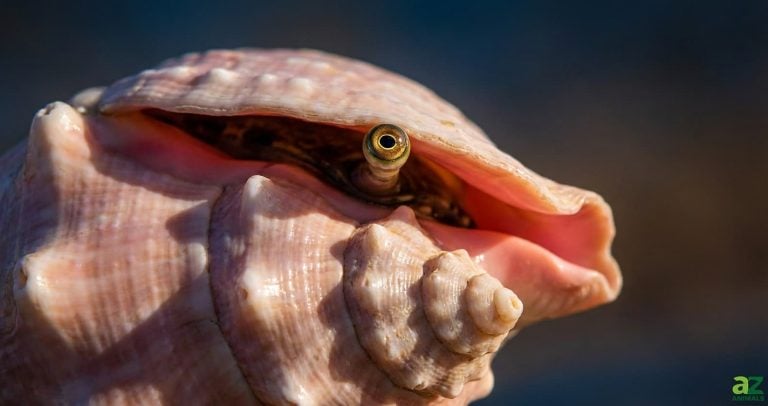
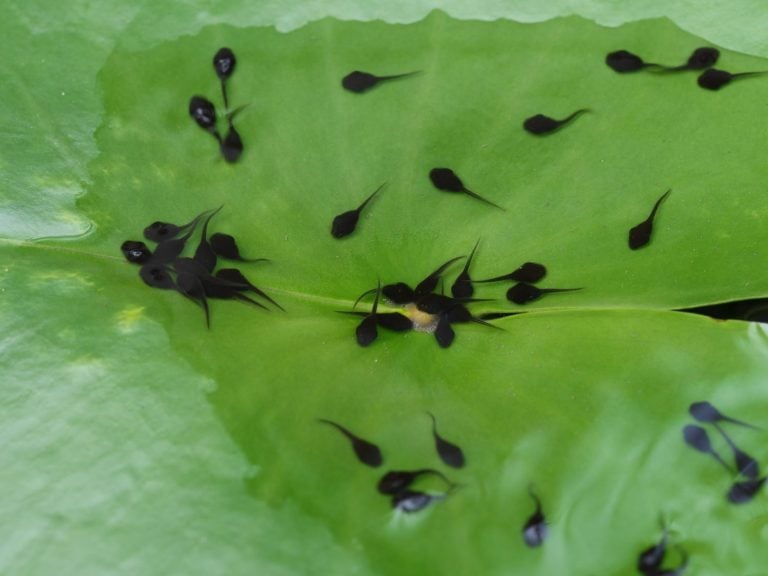
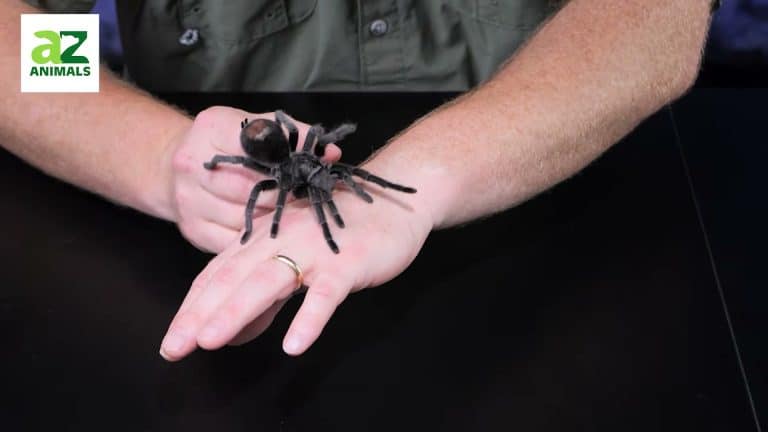
More than 350 species use burrows made by gopher tortoises. They are of great importance to the ecosystem. This is why they are referred to as a “keystone species.” Gopher frogs, gopher crickets, burrowing owls, snakes, opossums, and raccoons are just some of the animals that utilize these burrows.

Predators & Threats
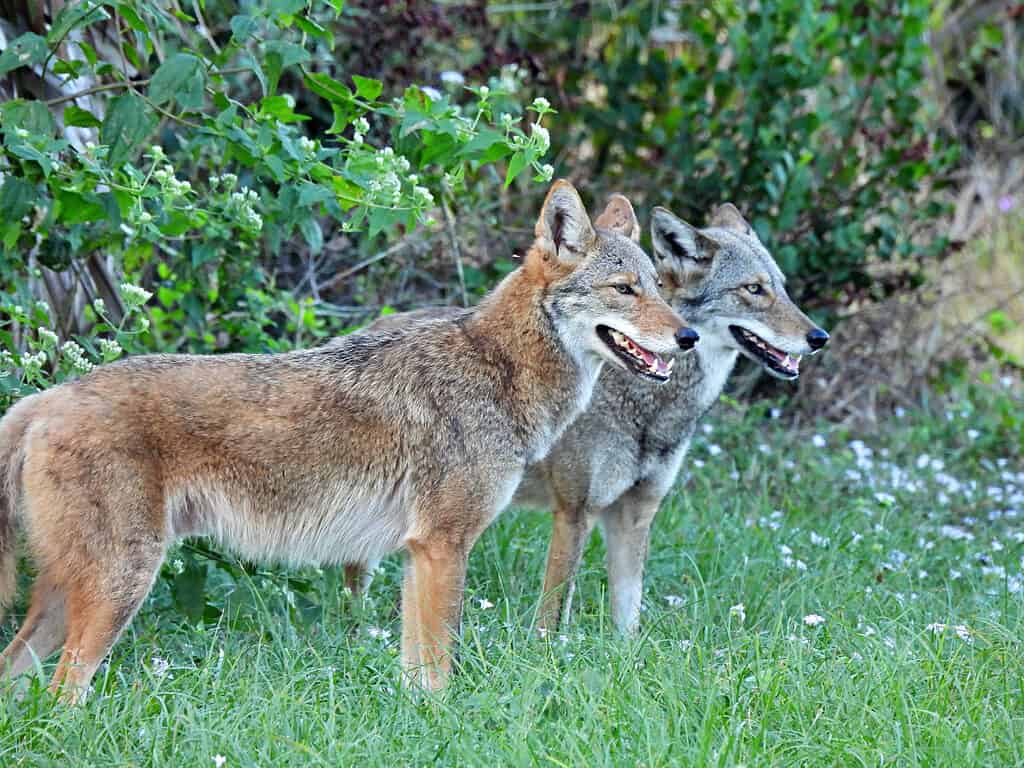
A pair of coyotes

Coyotes are among the predators of the gopher tortoise.

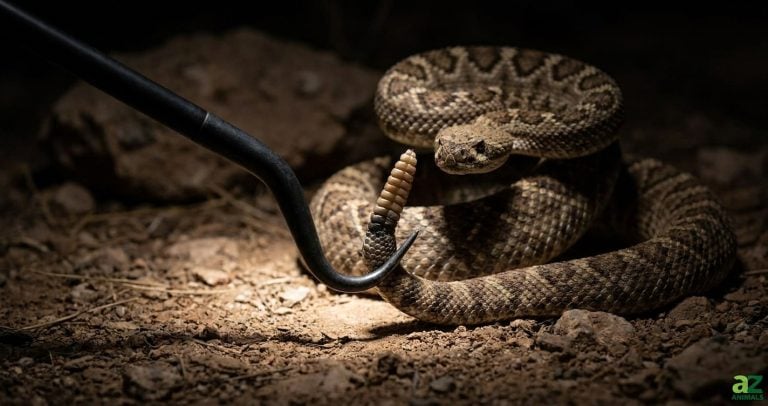
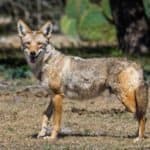
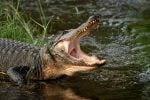
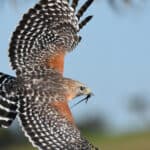
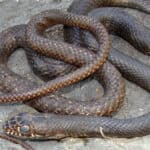
Adult gopher tortoises are preyed upon by a number of natural predators. Some species that eat these tortoises include hawks, eagles, raccoons, coyotes, bobcats, wild boars, and domestic cats and dogs. Eggs, neonates, and hatchlings are also eaten by additional species such as the common gray fox, skunks, armadillos, and opossums. They are also preyed upon by a number of snake species including rattlesnakes, common kingsnakes, Florida cottonmouths, eastern Diamondbacks, and more.

Gopher tortoises are primarily herbivores. They are known to consume insects sometimes as well. They forage for their food in the daytime. Water does not have much importance to them unless there is a drought or dry season. They rarely drink water because the plants in their diet contain enough to sustain them.
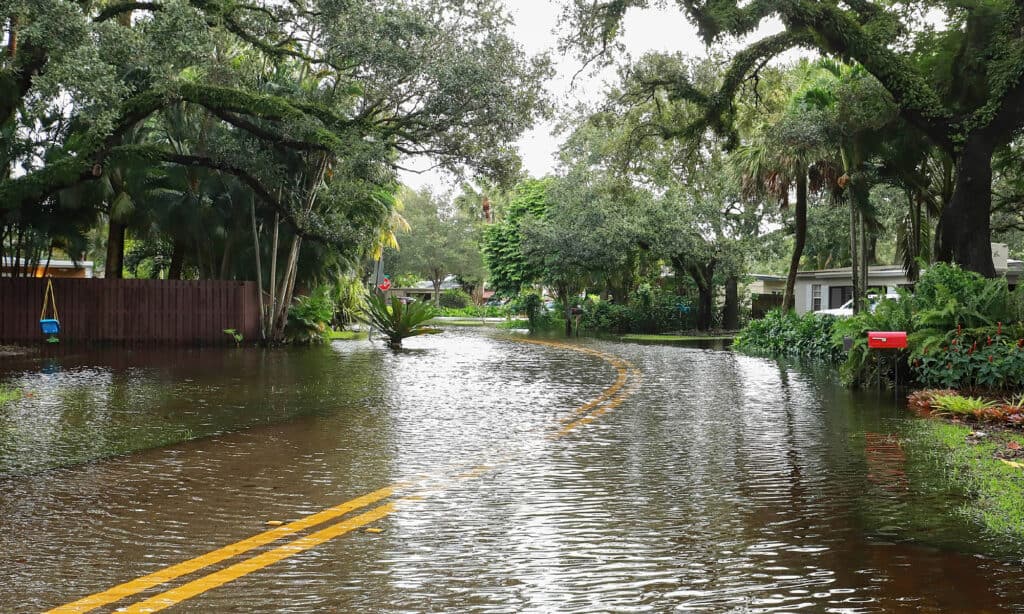
Florida - US State, USA, Fort Lauderdale, Flood, Road

Extreme weather conditions such as flooding, are hazards to animals like the gopher tortoise.

Gopher tortoises are threatened by natural predators as well as environmental dangers. There is a fairly low survival rate for their vulnerable eggs due to predators. Extreme weather, fragmentation, and disease are hazards for these animals. Some become afflicted with a common upper respiratory tract disease caused by bacteria. They can also fall victim to parasites such as ticks and botflies. Humans are also a threat to gopher tortoises. Humans hunted them copiously before they were protected. Traffic accidents claim the lives of a number of them in their native range. Habitat destruction caused by urban development is undoubtedly one of the biggest negative impacts on the population.

Gopher tortoises are listed as vulnerable on the IUCN Red List. They are at risk of becoming endangered in the near future. It is also listed in CITES (the Convention on International Trade in Endangered Species of Wild Fauna and Flora) Appendix II. This category contains species that are not currently facing extinction. However, they are species that need control of their trade to prevent their demise. Currently, they are protected under Florida law. They also receive protection through the Florida Fish and Wildlife Conservation Commission and the US Fish and Wildlife Service. It is illegal to have a gopher tortoise as a pet as well as to handle or harm them.

Diet
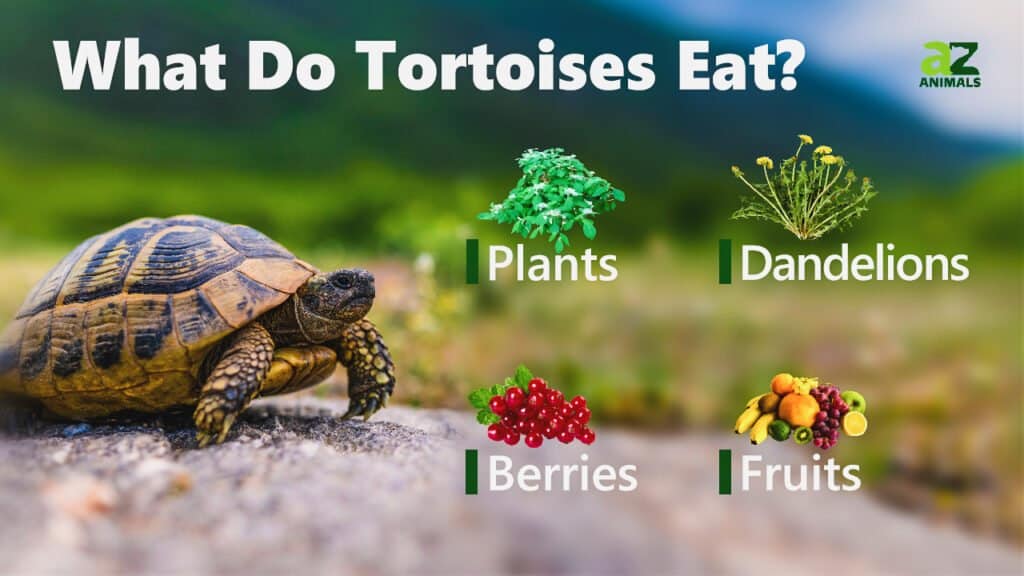
What Do Tortoises Eat
Grasses make up the majority of a Gopher Tortoises’ diet.

What does the gopher tortoise eat?

Grasses make up a large portion of the gopher tortoise’s diet. It also eats leaves, mosses, fruits, flowers, and occasionally insects.

Reproduction, Babies & Lifespan
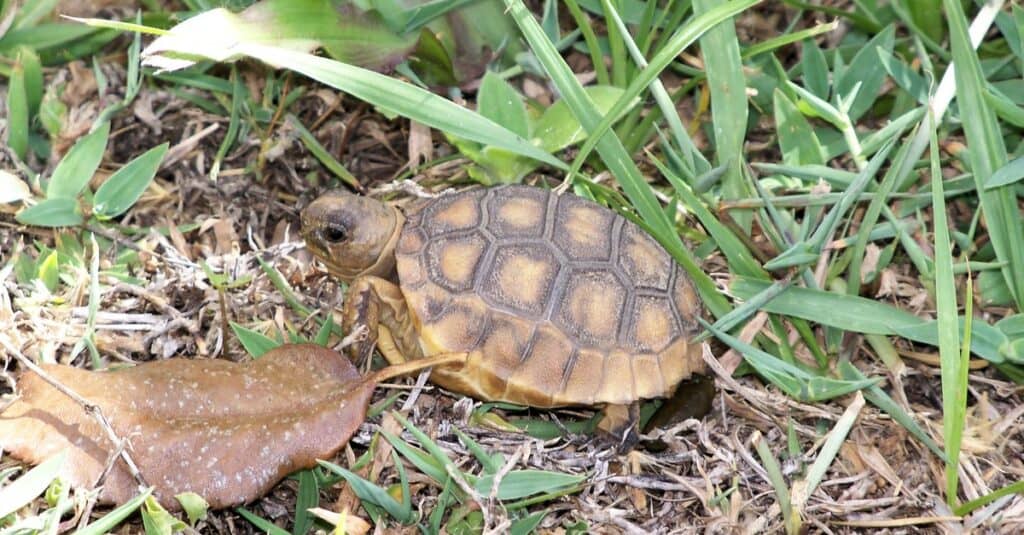
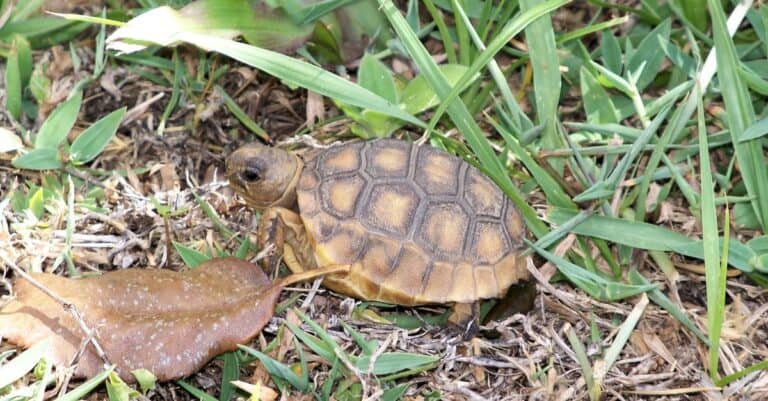
A young gopher tortoise slowly makes its way through the grass.

Young gopher tortoises must make it on their own after they hatch.

The mating season occurs from March to October. During this time, males will use calls to attract females. The male will fight other male tortoises as well as his chosen mate. These reptiles exhibit polygyny, which means that males will mate with multiple females rather than mate with one partner for life.

The gestation period is around 90 days. Nesting takes place between the months of April and July. Females lay an average of five to eight eggs, though the number could range from one to 25. They have one clutch per year. They make their nests in a clear area where the sun shines, often on the burrow’s apron or in close proximity to it. The nests are usually about six to 12 inches deep in the sand or dirt.

Because they have “temperature-dependant sex determination,” eggs are non-gendered when laid. Before hatching, the animal’s sex is defined by the temperature of the dirt or sand they are nested in. Temperatures above 85 degrees Fahrenheit will produce a female and below that, a male.

A related species, the Texas tortoise (Gopherus berlandieri), has a mating ritual and gestation period that is similar to the gopher tortoise. The male will engage in a physical altercation with the female where he will ram her and bite her. The female also has a gestation period comparable to that of a gopher tortoise. It lasts between 88 and 118 days.
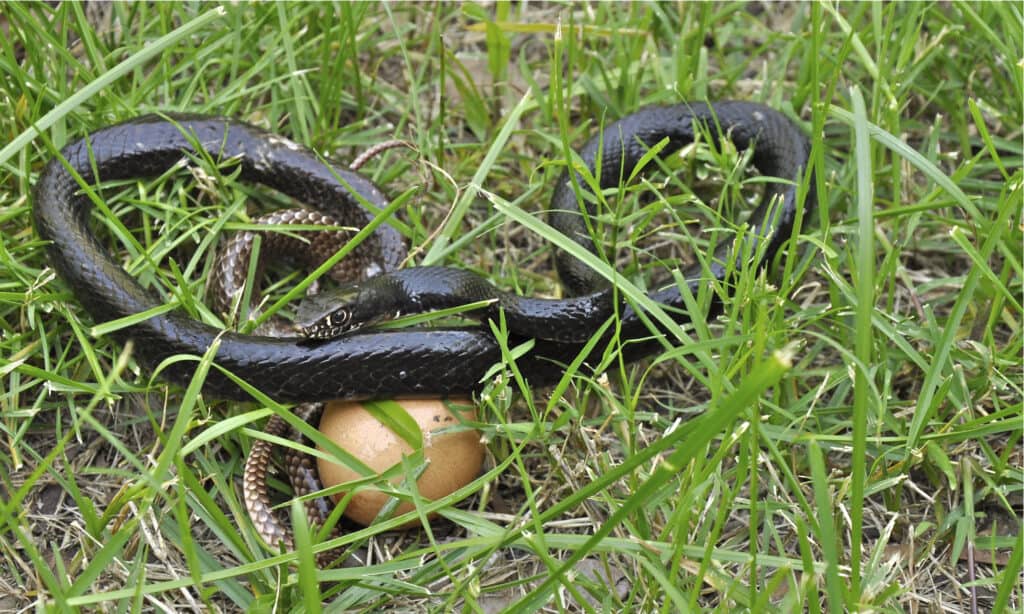
egg-eating snake

Tortoise eggs fall victim to many predators – including snakes.

Baby gopher tortoises are called neonates. After a few days, the yolk sac is absorbed and the baby is considered a hatchling. After this transition, the hatchling will begin foraging like the older tortoises. Hatchlings have soft shells and are therefore more vulnerable to predators. Gopher tortoises do not provide any parental care for the baby.

These animals have an average lifespan of around 40 to 60 years. It is suggested that they can live even longer in captivity. Adulthood is reached between 10 and 21 years for females and nine to 12 years for males. The oldest recorded gopher tortoise is a male named Gus. He resides at the Museum of Natural History in Nova Scotia. Gus turned 99 years old in August 2021.

Population
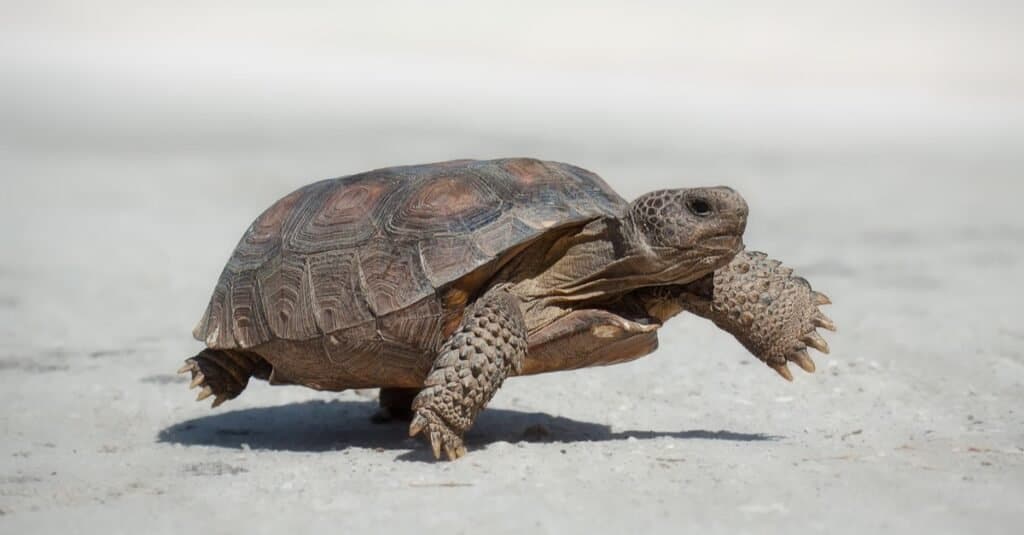
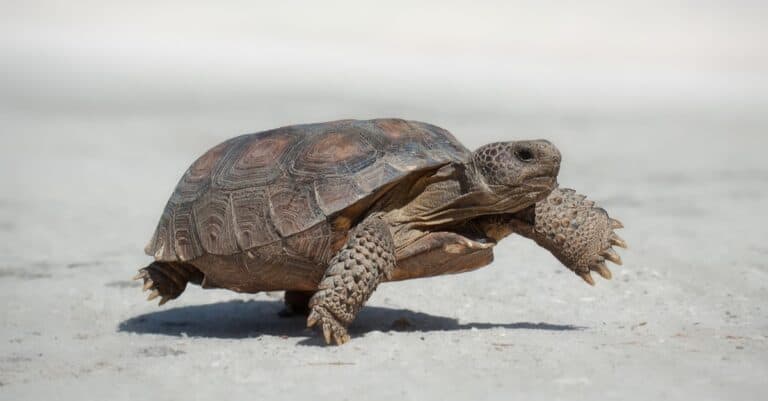
Gopher tortoise (Gopherus polyphemus) walking in the road.

Gopher tortoises are classified as vulnerable by the IUCN.

Scientists estimate that there are about 700,000 gopher tortoises left in the wild. A large portion of them occupies Florida. The population is declining. Between the 1800s and 1900s, the population had declined by a whopping 80%. Although there has been a push to recategorize them as endangered, they are still classified as vulnerable at this time.

View all 261 animals that start with G

Sources

  1. EOL / Accessed September 8, 2021
  2. U.S. Fish & Wildlife Service / Accessed September 8, 2021
  3. Florida State Parks / Accessed September 8, 2021
  4. Fire Effects Information System (FEIS) / Accessed September 8, 2021
  5. Zoo Miami / Accessed September 8, 2021
  6. Chattahoochie Nature Center / Accessed September 8, 2021
Lisha Pace

About the Author

Lisha Pace

After a career of working to provide opportunities for local communities to experience and create art, I am enjoying having time to write about two of my favorite things - nature and animals. Half of my life is spent outdoors, usually with my husband and sweet little fourteen year old dog. We love to take walks by the lake and take photos of the animals we meet including: otters, ospreys, Canadian geese, ducks and nesting bald eagles. I also enjoy reading, discovering books to add to my library, collecting and playing vinyl, and listening to my son's music.

Thank you for reading! Have some feedback for us?


Gopher Tortoise FAQs (Frequently Asked Questions)

It is a land-dwelling reptile that burrows into the ground.