
Quick Take
- There's a biological reason cats flee from this kitchen staple, and it has nothing to do with taste. See the biological reason →
- Skip one simple maintenance step and this remedy stops working completely. Check the refresh tip →
- Unlike most cat deterrents, this one leaves your garden better off than before cats were ever a problem. Explore the soil benefits →
- Combining this kitchen fix with one other free material turns a decent deterrent into a near-impenetrable barrier. Discover the best pairing →
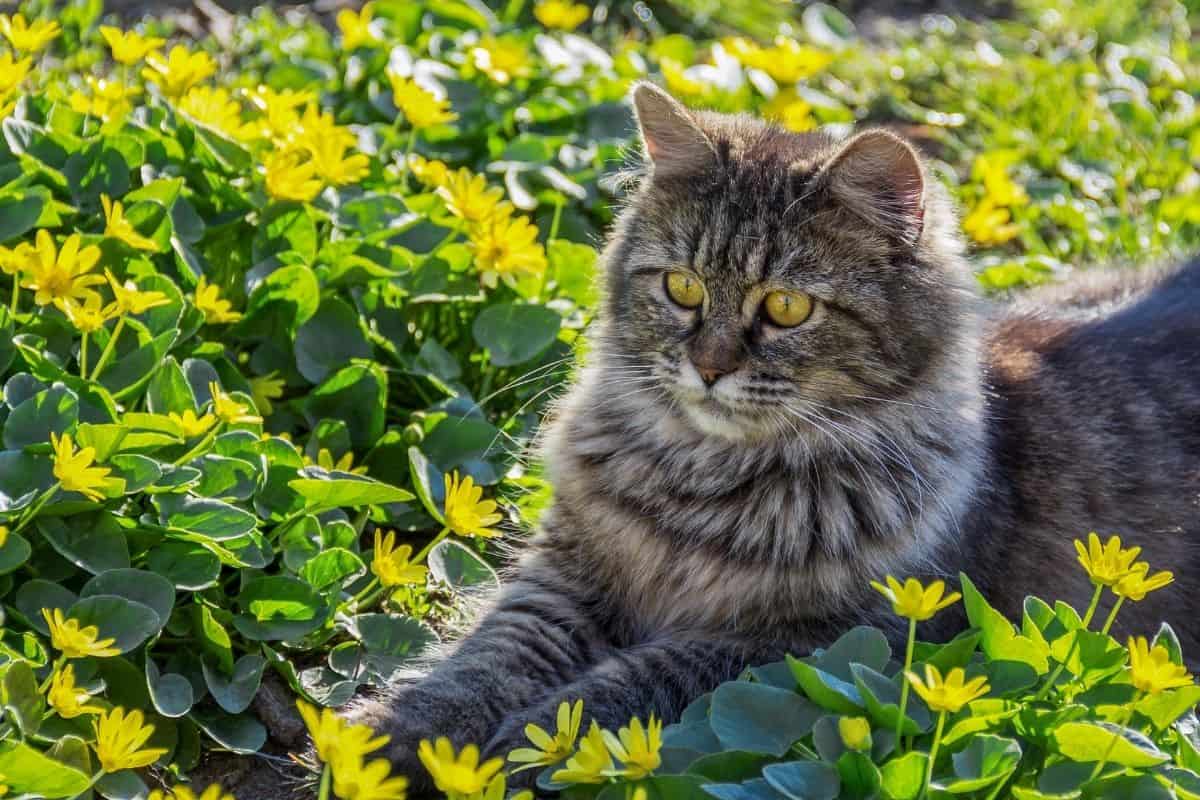
For many garden lovers, peace and quiet are part of the reward. But tranquility can be hard to maintain when local cats begin treating the flowerbeds as their personal playground, and litter box. Freshly turned soil, inviting shade, and lush flower beds draw feline visitors in droves, leaving behind scattered plants and unpleasant odors.
Marie Dupont, a feline behaviorist, explains, “Gardens represent true paradise for cats. They find hiding places, vantage points, and ideal surfaces for scratching or relieving themselves.” While a delight for the cats, these behaviors can mean serious trouble, and frustration, for people who care for the land.
Uncovering a Simple, Natural Deterrent
Rather than relying on chemicals or fencing, a growing number of gardeners are turning to an unlikely source: citrus fruits. Lemons and oranges, staples in most kitchens, are gaining a reputation as effective, natural cat repellents. The secret lies in their scent, a fragrance humans find pleasant but that many cats cannot tolerate.
The science behind this approach is straightforward. Citrus peels are rich in essential oils whose aroma is overwhelming to cats’ sensitive noses. This makes orange and lemon rinds a simple but powerful way to protect vulnerable areas of the garden.
How to Use Citrus to Protect Your Garden
To employ this technique, gardeners distribute lemon or orange peels around at-risk plantings. Peel pieces work best when placed near beds, vegetable patches, or any location that seems to attract frequent feline visits.
The power of citrus does wane with time, as the peels dry out and lose their scent. For best results, it’s advised to refresh them regularly. This ensures the potent smell continues to discourage cats from entering the protected zone.
The Added Benefits of Using Citrus
This method does more than ward off cats. Unlike chemical repellents, citrus peels are harmless to both pets and the garden ecosystem. As they break down, the rinds contribute organic matter back to the soil, providing nutrients for growing plants.
There’s an extra bonus for gardeners as well: the fresh, lemony scent brings a pleasant fragrance to outdoor spaces, one that is enjoyed by people, but not by their feline visitors. This dual effect has made citrus peels especially popular among those wishing to avoid harsh or synthetic solutions.
Some gardeners combine the use of citrus with other natural deterrents for increased effectiveness. Laying down coarse mulch or thorny branches alongside citrus peels can make especially attractive digging spots unwelcoming for cats, creating a layered defense without harming local wildlife.
A Step Toward Harmonious Gardening
Opting for citrus peels isn’t just convenient or cost-effective, it also reflects a broader movement toward ecological gardening. Natural solutions like these help preserve biodiversity and allow gardeners to resolve animal conflicts gently and sustainably.
By creating boundaries with something as simple as fruit peels, it’s possible to find a balance where people, plants, and animals coexist. Instead of battling the rhythms of local wildlife, gardeners can shape an environment where everyone claims their space, without harm or hostility.
For anyone feeling overwhelmed by feline visitors, these humble fruits offer a gentle reminder. In the garden, there’s often a way to solve problems that honors both nature’s resilience and the gardener’s care.