
Quick Take
- Your cat kneading you isn't just cute. It's leaving something behind every single time. See the scent-marking truth →
- The same behavior that signals deep affection can also be a quiet distress signal, yet most owners miss the difference. Spot the stress signals →
- Kneading never really stopped being a survival instinct. It simply found a new target. Trace the survival instinct →
- There's a practical reason wild cats knead the ground, and your blankets are paying the price for it. Understand the wild behavior →
Every cat owner has seen it: that gentle, rhythmic push-pull motion of feline paws against a soft blanket, a sweater, or even their lap. While the action, often called kneading, might seem peculiar or simply cute, there is a deep-rooted story behind this universal cat behavior.
Tracing Kneading Back to Kittenhood
For domestic cats, kneading is more than a quirky habit, it begins from their first weeks of life. Shortly after birth, kittens instinctively press and flex their paws into their mother’s belly. This movement isn’t random; it encourages milk flow, playing a crucial part in their survival. Over time, what starts as a vital reflex becomes a life-long, comforting gesture.
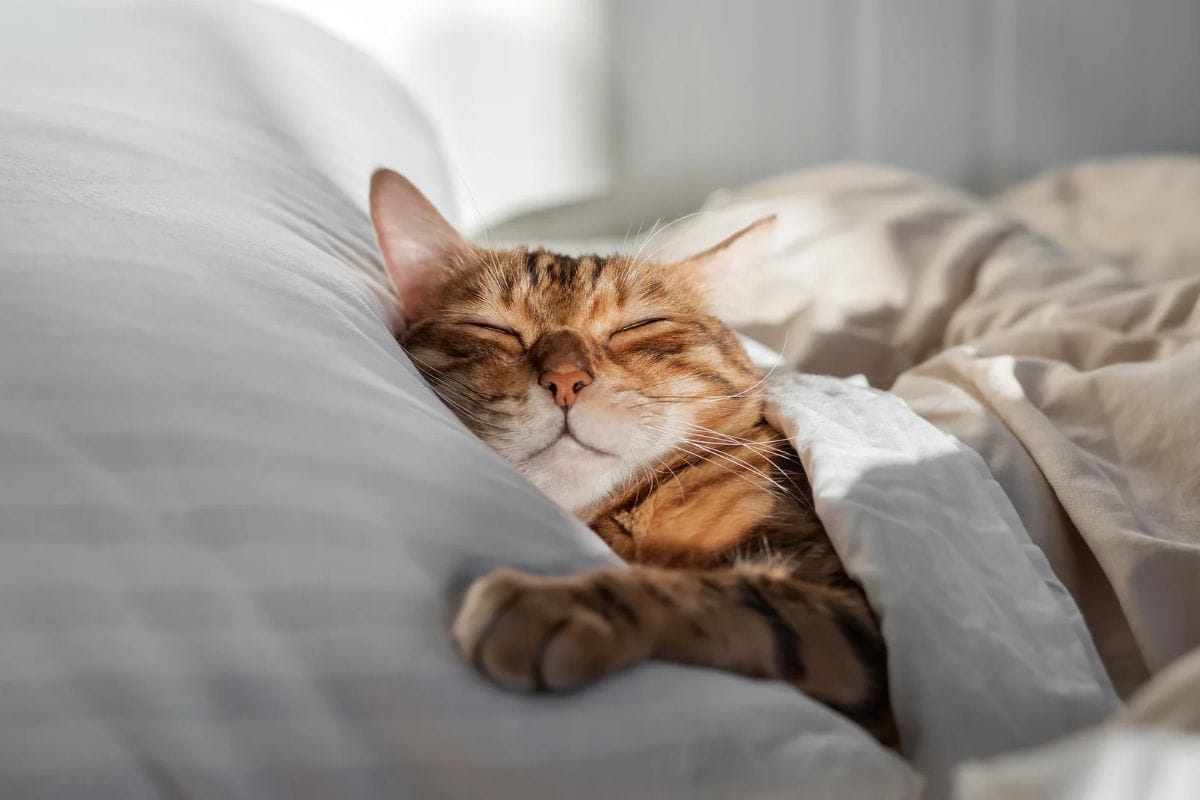
As kittens grow, the habit doesn’t disappear. Instead, it transforms, attached to positive associations and feelings of safety. Adult cats are most likely to knead when ensconced on something soft or in a peaceful moment, often evoking a sense of contentment that harks back to their earliest days with their mother.
Kneading and Communication: More Than Comfort
The ritual goes beyond self-soothing. The undersides of a cat’s paws have sweat glands that release pheromones each time they knead. When a cat pummels a blanket or a person’s lap, it leaves behind unique scent markers. For a creature as territorial as a cat, this chemical signature is a subtle but significant way of declaring ownership, marking both objects and companions as part of its safe space.
In the wild, kneading also has a practical function. Cats manipulate the ground with their paws to soften it, preparing a cozy place to rest. At home, blankets and clothing become surrogate beds, molded to feline standards with a few well-placed presses.
When Affection Means You Get Kneaded
While kneading might sting if claws get involved, it is, in essence, a compliment. When your cat turns its focus, and those rhythmic paws, onto you, it signals strong attachment and trust. To your pet, your lap isn’t just another surface; it calls to mind the comfort and security once provided by its mother.
But not all kneading signals contentment. If your cat pairs constant kneading with excessive meowing, licking, or more frequent repetition, it could be seeking relief from stress or anxiety. Animal behavior specialists note that this self-soothing gesture may ramp up in the face of sudden changes, new animals, or unpredictable noise. In these moments, a calm environment and close attention to your pet’s moods become especially important. Persistent changes should prompt a consultation with a veterinarian or animal behaviorist.
Living With a Kneading Cat
Sharing your home with a kneading cat can be both endearing and slightly uncomfortable, depending on the sharpness of their claws and the sensitivity of your skin. There are simple ways to keep these fuzzy demonstrations of affection gentle: offer a soft blanket nearby, keep your cat’s claws trimmed, and guide their paws if necessary. Small adjustments ensure kneading remains a loving, shared ritual.
For those with a house full of cats, like writer Ludivine, who draws endless inspiration from her six feline companions, kneading is just one more reminder of the mysterious and endearing ways cats blend instinct, comfort, and communication.
Behind each padded tap lies a story that travels from kittenhood to adulthood, from wild territory to the coziness of home. Cat kneading reveals not just an endearing habit, but a subtle language of trust, territory, and a longing for comfort, a reminder of how much history and emotion our pets carry in their quiet gestures.