
Quick Take
- Cats signal they're done being touched well before they bite, but most owners miss every single cue. Spot the subtle cues →
- Where you pet your cat matters more than how gently you do it, and one spot is almost universally off-limits. See which spots to avoid →
- A shelter put a simple interaction method to the test with 120 visitors, and the results changed how staff handled every cat in the building. See the shelter study →
- To a cat, wanting your company and wanting your hands on them are two completely different things. Most owners go wrong by confusing the two. Understand the distinction →
Anyone who shares a home with a cat has likely experienced it: a friendly approach, a few purr-filled minutes of petting, and then, seemingly out of nowhere, a sharp nip on the hand. While it might look like a sudden change of attitude, researchers point to a more nuanced explanation behind this feline behavior.
The Line Between Social Contact and Touch
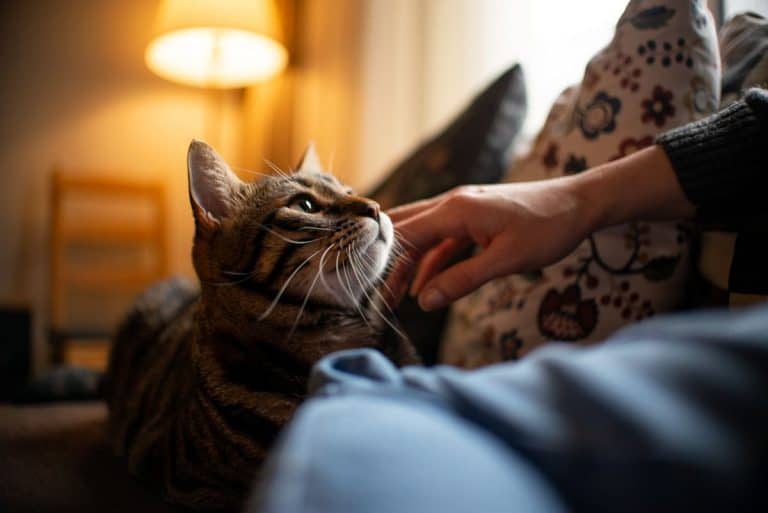
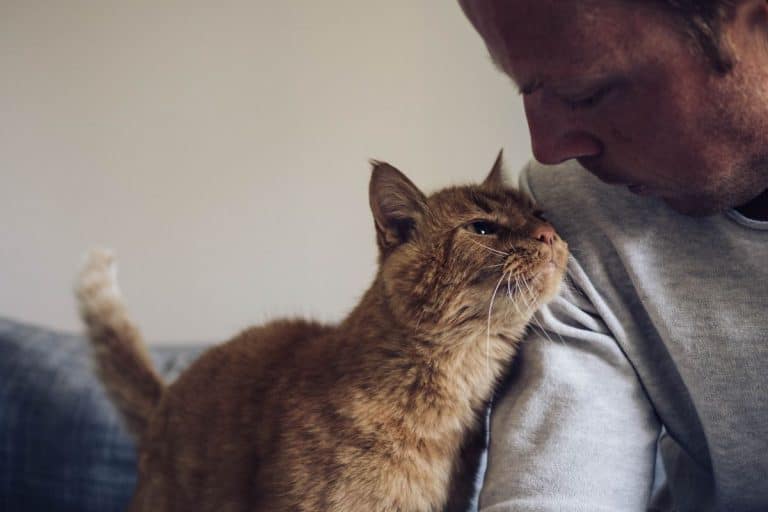
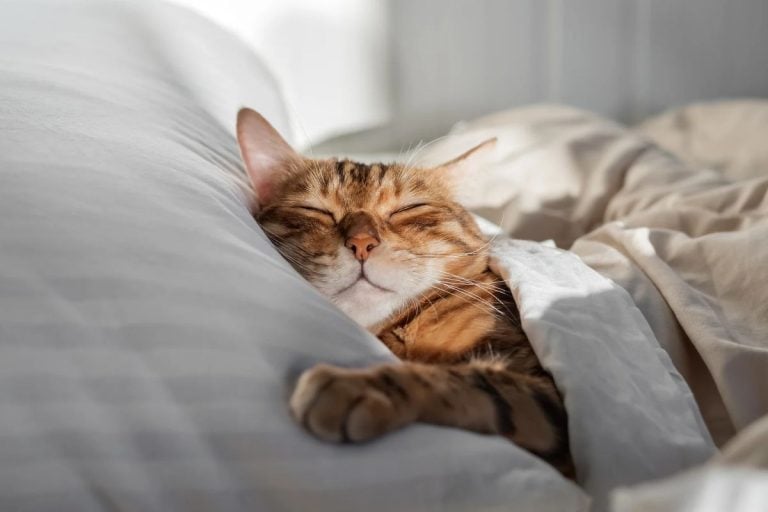
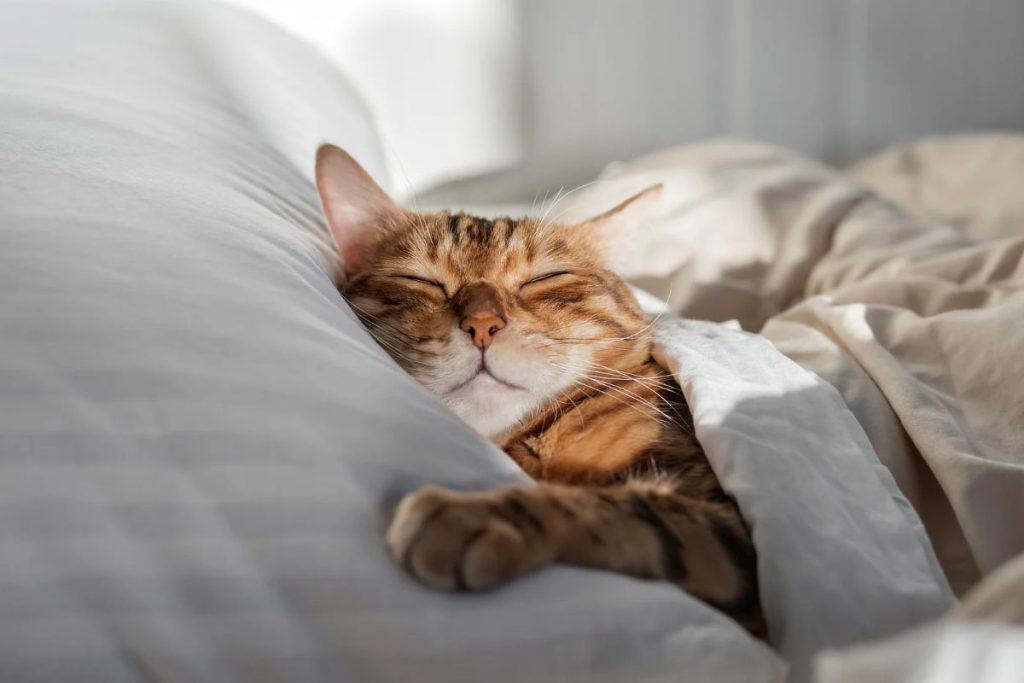
Cats, it turns out, may seek out your company but not always prolonged physical affection. Studies have shown that the desire for closeness and the tolerance for petting are not always the same thing in this species. In an investigation involving 100 cats, animals responded most positively when humans gave them control over the interaction, letting the cat decide when, where, and how long to be touched, watching for their body language, and limiting strokes to certain regions. Under these conditions, cats displayed more friendly behaviors and fewer signs of stress or aggression.
©Изображения пользователя Svetlana Rey/ via Canva.com
In practice, this means that what looks like a sudden shift in mood is often an attempt by the cat to communicate boundaries. People might unintentionally overstep, missing subtle signs that the interaction should pause or stop entirely.
Reading the Warning Signs
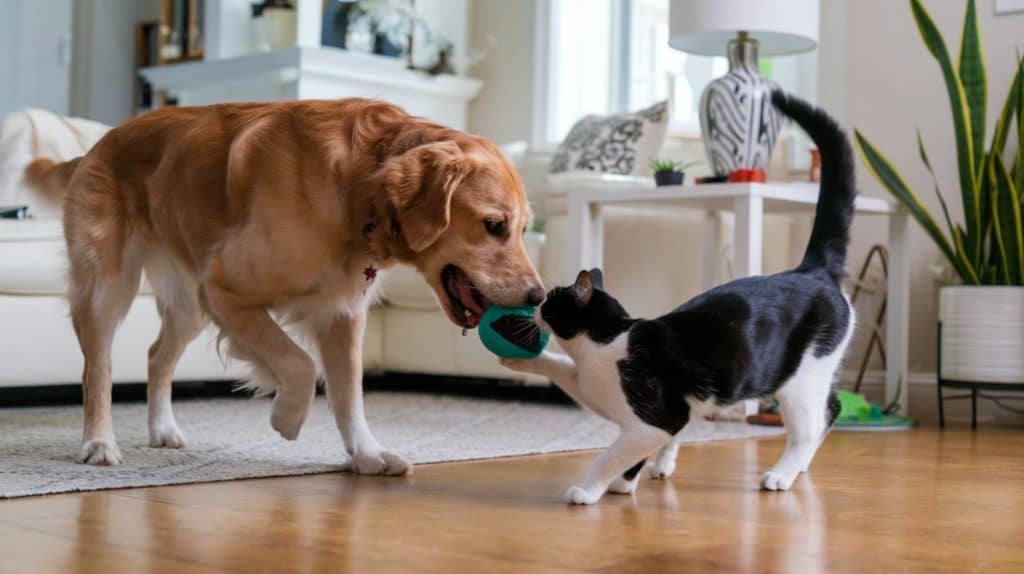
For cat owners, a bite often feels unpredictable. However, the animal frequently signals discomfort before resorting to teeth. Cats may lash their tails, swivel their ears back, tense their bodies, or turn their head toward the petting hand, each a hint that a break is needed. Even if these cues are hard to spot, their absence doesn’t guarantee the cat is happy with the contact.
Why Location Makes a Difference
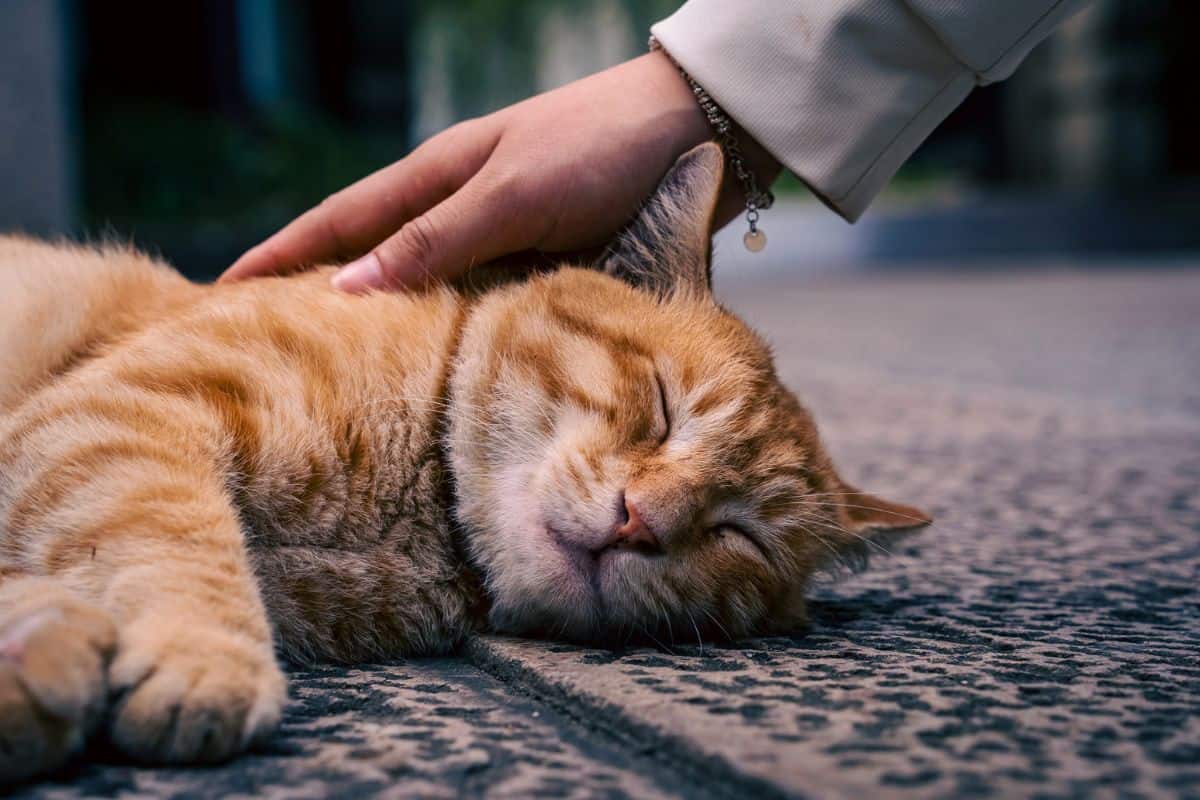
Not all petting is received equally. Research from 2015 found that touches near the base of the tail were much less tolerated than gentle contact elsewhere. It’s yet another reminder that every cat has individual preferences, there’s no universal map for ideal petting zones.
©VisualMosaic/Shutterstock.com
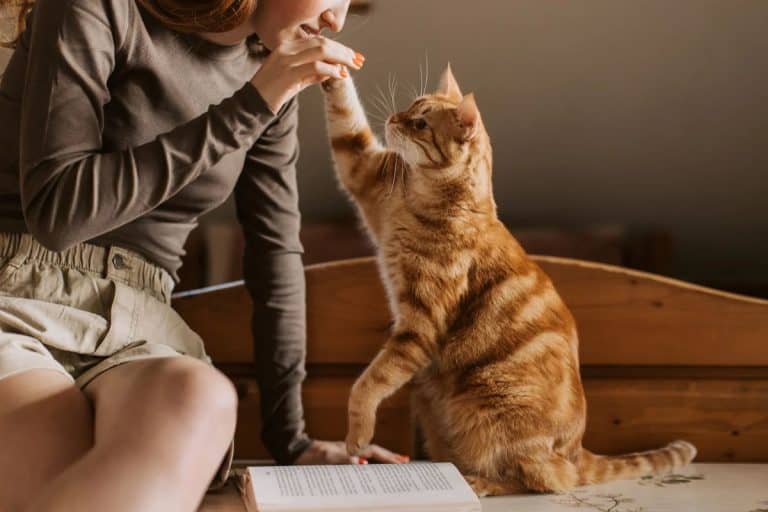
Recognizing this, experts suggest a new approach: let the cat come to you, keep petting sessions brief, and pause to see if the animal wants to continue. If the cat returns to your hand, that’s a sign it’s willing to keep going. This approach gives the cat agency in social contact.
Tested Strategies That Build Trust
This method was put to the test in a London animal shelter. Staff and 120 visitors received a brief training in how to give cats more control over interactions, watching closely for body language and sticking mainly to petting around the head and face. The result was clear: more affectionate behaviors, fewer bites or swats. Shelters and adopters alike saw the benefits when they adjusted to the cats’ comfort zones.
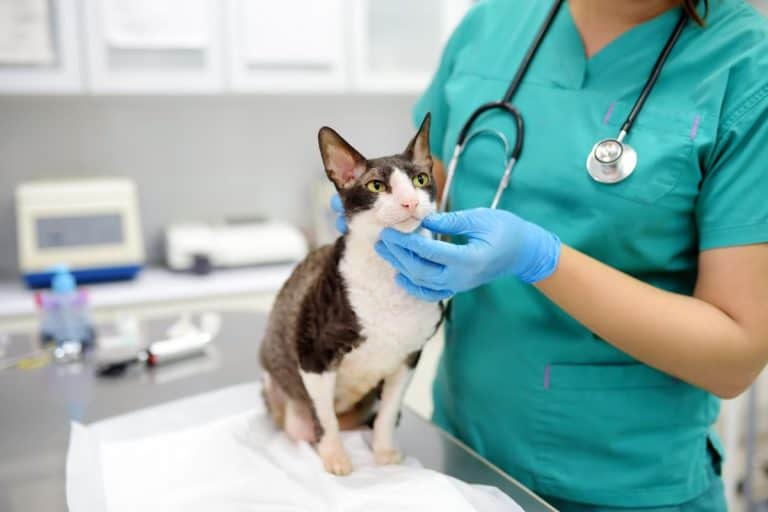
Of course, if a cat that used to enjoy petting suddenly becomes touch-sensitive, a veterinary check is recommended, pain or illness can change how an animal reacts to contact.
A New Perspective on Feline Relationships
A cat’s bite need not be a puzzle or a paradox. Wanting to be around you doesn’t always mean wanting extended handling. Recognizing the difference deepens the human-animal bond and opens a window onto the subtlety of animal communication, a reminder that authentic connection sometimes comes from letting animals set the pace.