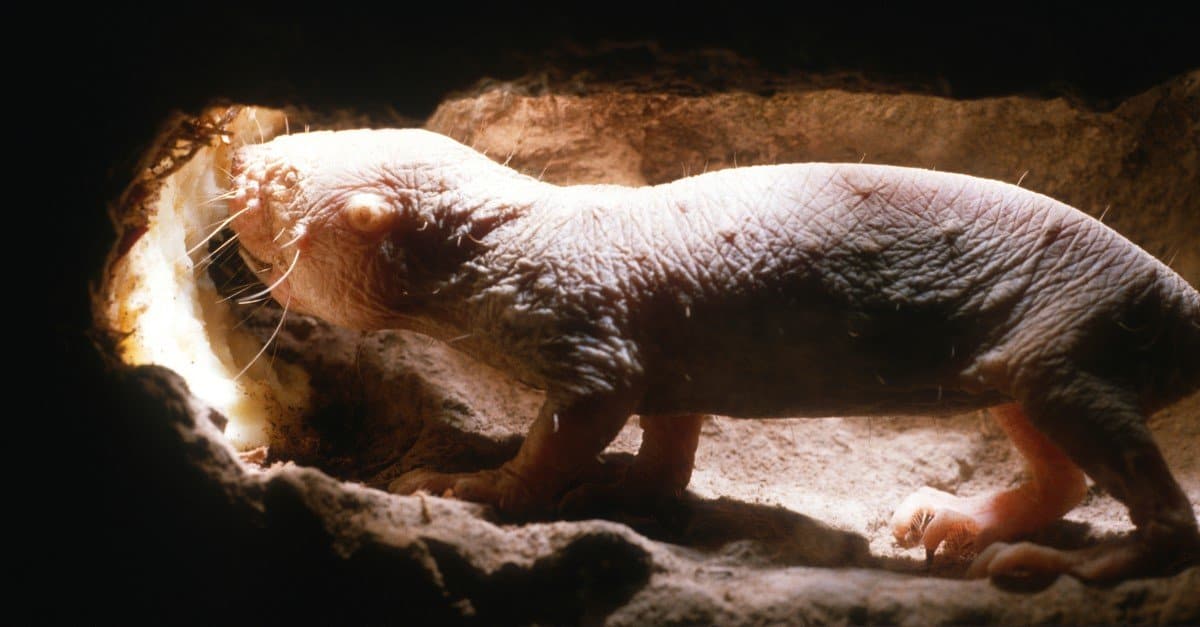

Quick Take
- The compound a naked mole rat queen uses to chemically shut down an entire colony's reproduction is probably already sitting in your bathroom cabinet, and researchers think it may do something in humans too.
- The queen's scent renders every colony member infertile, with one notable exception. Guess who gets a free pass.
- Scientists expected a complex cocktail of pheromones, which is how insects typically do it. What they actually found controlling an entire colony shocked them.
- A queen's fertility-suppressing scent keeps working on exposed mole rats even after she's gone, and no one yet knows which receptor makes that possible.
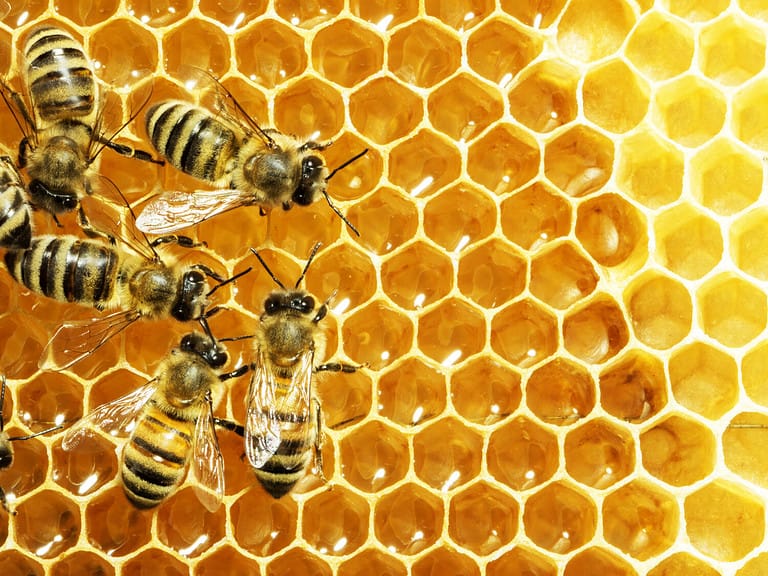
In a colony of bees, the queen bee is the reproductive heart of the colony. Surprisingly, naked mole rats follow a similar hierarchy when it comes to reproduction within colonies, and, like the queen bee, scent determines the top of their chain.
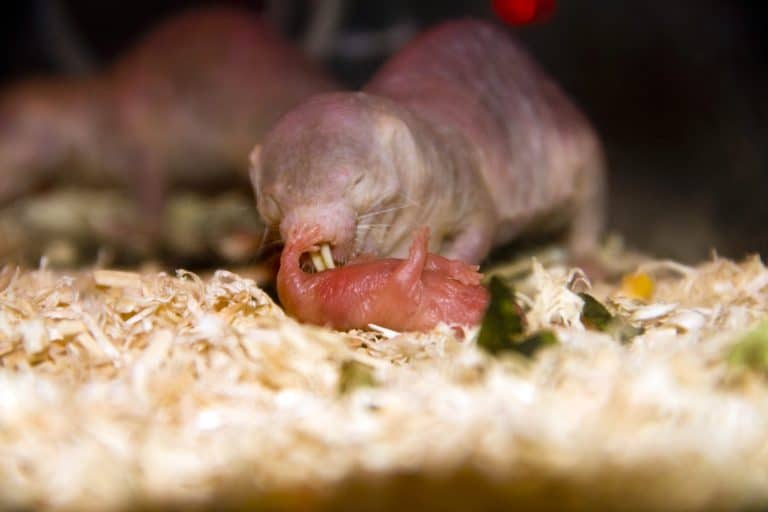
According to a new study at the Max Delbrück Center in Berlin, the naked mole rat, a mammal native to the savannas and grasslands of East Africa, uses scent to prevent reproduction within its colony. Once a female becomes pregnant, she emits an odor that stops mating and temporarily makes the other females in the colony infertile. This scent also signifies to the others that she is the queen.
Using mass spectrometry, researchers found that the queens produce a powerful compound called isopropyl myristate, widely used in cosmetics as an emollient, emulsifier, and skin-penetration enhancer. The scent not only prevents other animals within the colony from reproducing, but also alters their hormone levels, making them infertile. This hierarchy helps prevent rivalries within the group, ensuring a stronger foundation, higher survival rates, and greater harmony in the colony.
Even when the queen is absent, the scent—though odorless to humans—remains effective on exposed mole rats. Naked mole rats have approximately 1,200 olfactory receptor genes, which enable them to detect a wide range of scents, including the compound emitted by the queen, according to Dr. Gary Lewin, group leader of the Molecular Physiology of Somatosensory Perception lab at the Max Delbrück Center. However, researchers are not sure which receptor binds the scent emitted by the queen.
“When you activate these neurons, they connect to the olfactory cortex, which is where you process smell, but there must also be connections to the hypothalamus, and the hypothalamus is the brain region that controls hormonal state,” says Lewin, who has studied the biology of naked mole rats for nearly 20 years.
The study found that exposure to the queen’s scent is associated with increased levels of prolactin and decreased progesterone in subordinate naked mole rats, which may help explain their infertility, though it is not yet clear if isopropyl myristate alone is responsible for these hormonal changes.
Typically, a male and female naked mole rat will begin mating within a few days if separated from the colony. However, if isopropyl myristate is applied or bedding with the queen’s scent is introduced, mating does not occur.
“There’s some sort of circuit that goes from the nose through the brain to the cortex and to the hypothalamus, and that must be a circuit that is pretty unique to naked mole rats,” says Lewin. “I don’t think this smell would make humans sterile. I can’t smell it myself, but that doesn’t mean that it may not have some function in humans.”
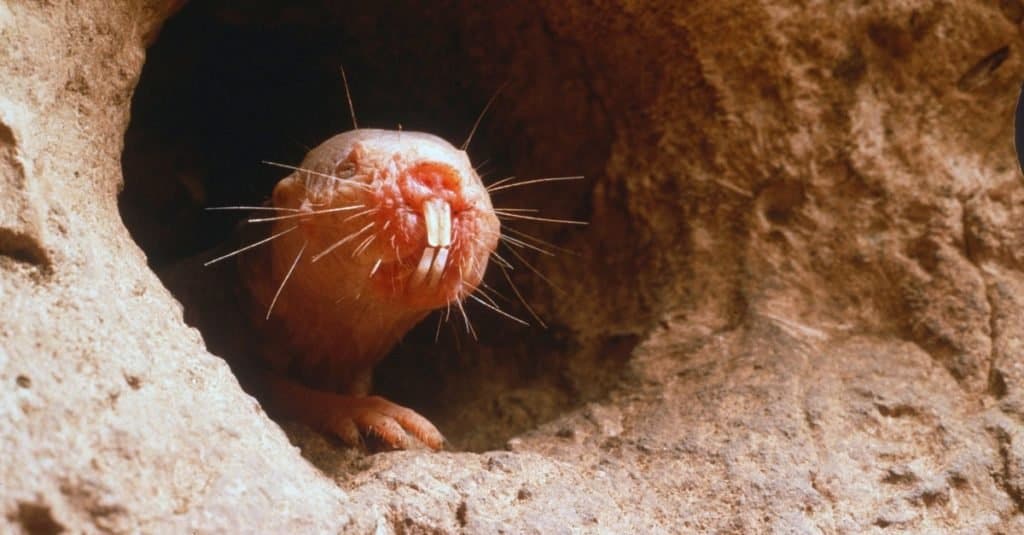
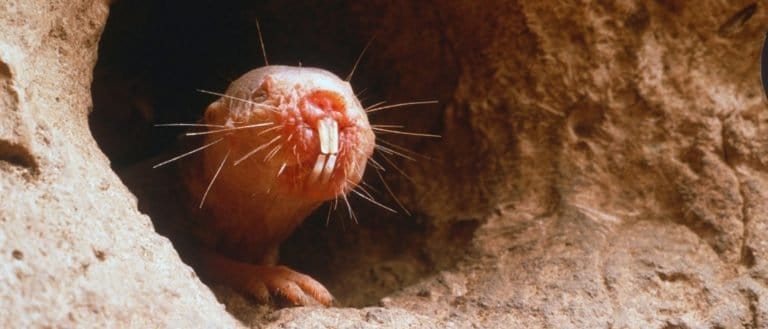
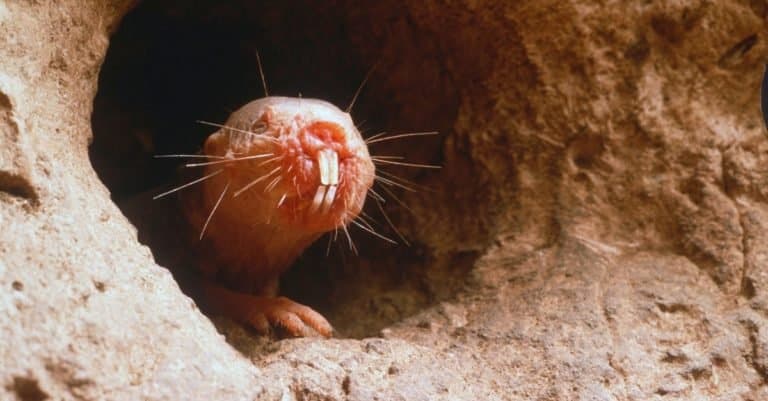
Naked mole rats have 1,200 olfactory sensory neurons, which detect scent, making them highly receptive to the compound emitted by the queen.
©Neil Bromhall/Shutterstock.com
Lewin and a team of international researchers studied 450 naked mole rats living in tunnel systems modeled after their natural habitat at the Max Delbrück Center and also found that they rarely develop cancer, experience little pain, and have longer lifespans, living as long as 30 years in captivity. Scent for naked mole rats is a particularly critical indicator when distinguishing members of a foreign colony.
Naked mole rats also live in highly organized colonies, similar to those of bees, ants, and many other insects. In these colonies, a breeding queen sits at the top of the hierarchy and is the only one to reproduce, while a caste of infertile individuals gathers food, raises the young, and works to protect and support the colony’s survival.
It’s possible that humans also make it, and that there’s some physiological function of this molecule.
Dr. Gary Lewin, Group Leader of the Molecular Physiology of Somatosensory Perception lab, Max Delbrück Center
Within a bee colony, the queen produces pheromones, which have the same effect as isopropyl myristate in naked mole rats and prevent other bees from becoming reproductively active. “It’s interesting to find this eusocial link between a mammal and an insect species,” says Lewin. “The classical example being the queen bee, who is the only breeding female, and that’s the definition of eusociality.”
The queen produces higher levels of isopropyl myristate during pregnancy, and when production of the compound decreases, prolactin levels fall and progesterone rises, prompting succession behaviors within the colony. According to researchers, when a queen is removed or dies, infighting and new mating behaviors emerge within the colony as the animals determine which individual will become the next queen.
“If the queen is not breeding, she’s not useful, so she has to be replaced,” Lewin says. “So this scent could be the mechanism of how the animals detect that the queen is not breeding.” The first female who successfully reproduces becomes queen, and order returns to the colony.
The Researchers also studied blood flow to specific brain regions, finding that the animals’ olfactory receptors detect the compound and respond to its signals. Even higher-ranking naked mole rats within the colony will avoid the scent, as it serves as a reminder of the queen’s dominance.
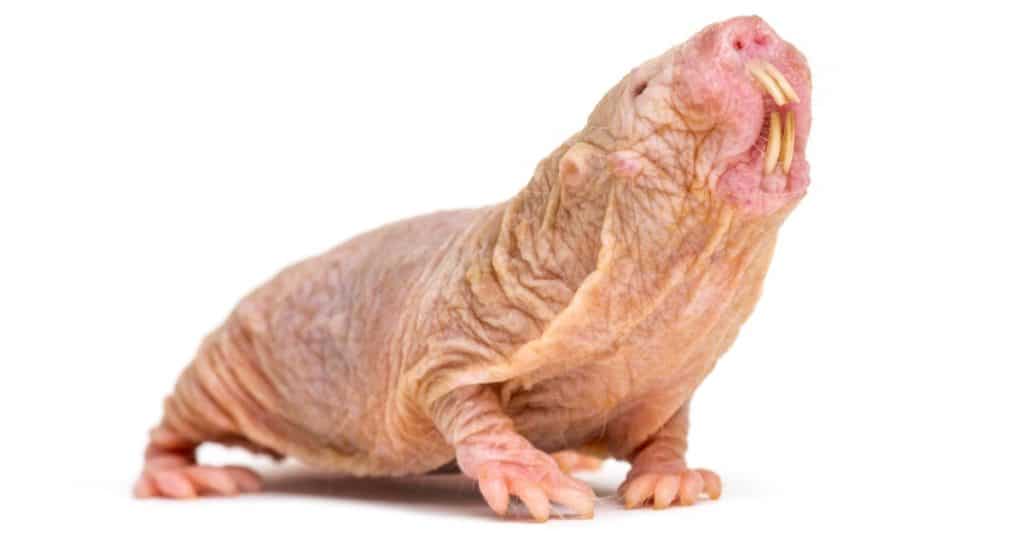
Whether the scent makes the queen more attractive to males or how she selects her mate, is still unknown.
©Eric Isselee/Shutterstock.com
“Some animals will avoid the scent if they are high-ranked because they think the smell is associated with the queen,” says Lewin. “They may want to avoid the queen because the queen can be quite a bully. She might shove them around, so this is one function of the molecule.”
Researchers still don’t know whether the scent makes the queen more attractive to males or how she selects her mate. Males chosen by the queen are not affected by the compound’s suppressive effects.
“The queen doesn’t suppress herself, and neither does she suppress her mate,” Lewin says, adding that there is also something in the compound associated with epigenetic changes, or shifts in the brain and morphology, since the queen physically gets longer when she is pregnant to produce more offspring. Queens also become insensitive to their own hormone, so the compound they produce doesn’t suppress their own reproduction.
According to Lewin, the Damaraland mole rat, found in Southern Africa, and other mole-rat species also produce a similar scent. However, more research is needed to determine whether the molecule suppresses reproduction in subordinates in the same way.
What surprised researchers most was that a single scent, rather than the typical “cocktail of pheromones” found in insects, can maintain order within a naked mole-rat colony.
Moving ahead, Lewin says they want to identify the olfactory receptor, which can help them better trace the neurons and understand how they’re connected.
“If we know what the receptor is, we can look for the same receptor and see whether this mechanism has been used in other species, including humans,” says Lewin, adding that isopropyl myristate was found in a previous study on lactating human breasts. It was proposed that the compound worked as a cue for suckling infants to find their mother’s nipple for milk.
“It’s possible that humans also make it, and that there’s some physiological function of this molecule,” says Lewin, “or it may be something very specific to the African naked mole rat.”