
As human beings, we use our sense of smell to detect potential dangers, to enjoy complex flavors, and to assist with memory formation. Did you know that animals do the same thing, only better? You may be shocked to learn that most animals have a better sense of smell than we do, and some creatures really bring this sense to the next level. From elephants to cows, this list will showcase the animals with the most insanely strong sense of smell, and a few of them may surprise you.
The Importance of a Strong Sense of Smell
Not all animals are created equal when it comes to their sense of smell. However, in most cases, their sense of smell is stronger than that of humans. They need this upper hand to survive in nature and cope with the challenges that arise in their daily lives.
Animal noses contain olfactory receptors that are used to send the information they get from a smell straight to their brain. While humans have between 500 and 750 olfactory receptors, many animals, including dogs, have up to 300 million. To them, a sense of smell is simply essential for their survival.
As you‘ll see on this list, a strong sense of smell can provide many purposes. For some, like foxes, a sense of smell is essential for finding food up to a half mile away. Many birds also have a strong sense of smell, like the albatross, which can detect fish swimming miles away. Birds also often use smell to sense the pheromones of potential mates during mating season.
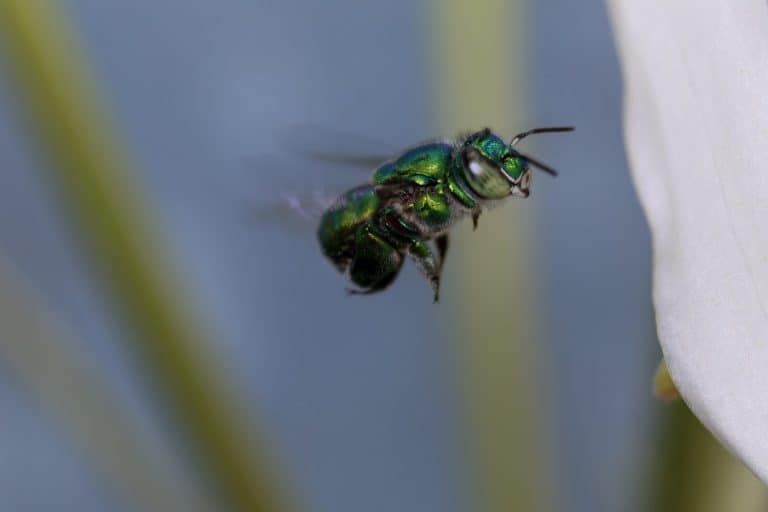
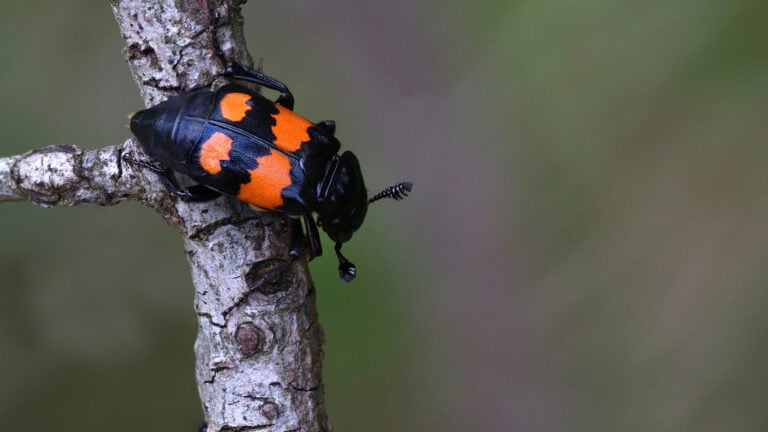
It should be noted that a sense of smell does not always require a nose in the animal kingdom. Many snakes and reptiles have a vomeronasal organ, which detects pheromones to find mates and detect potential rivals. Then there are many insects, which have olfactory receptors located on their antennae, which provide chemical cues when there is food, potential mates, and threats nearby. Yes, animals are quite extraordinary, and the creatures on this list have the most insanely strong sense of smell in the natural world.
African Elephant
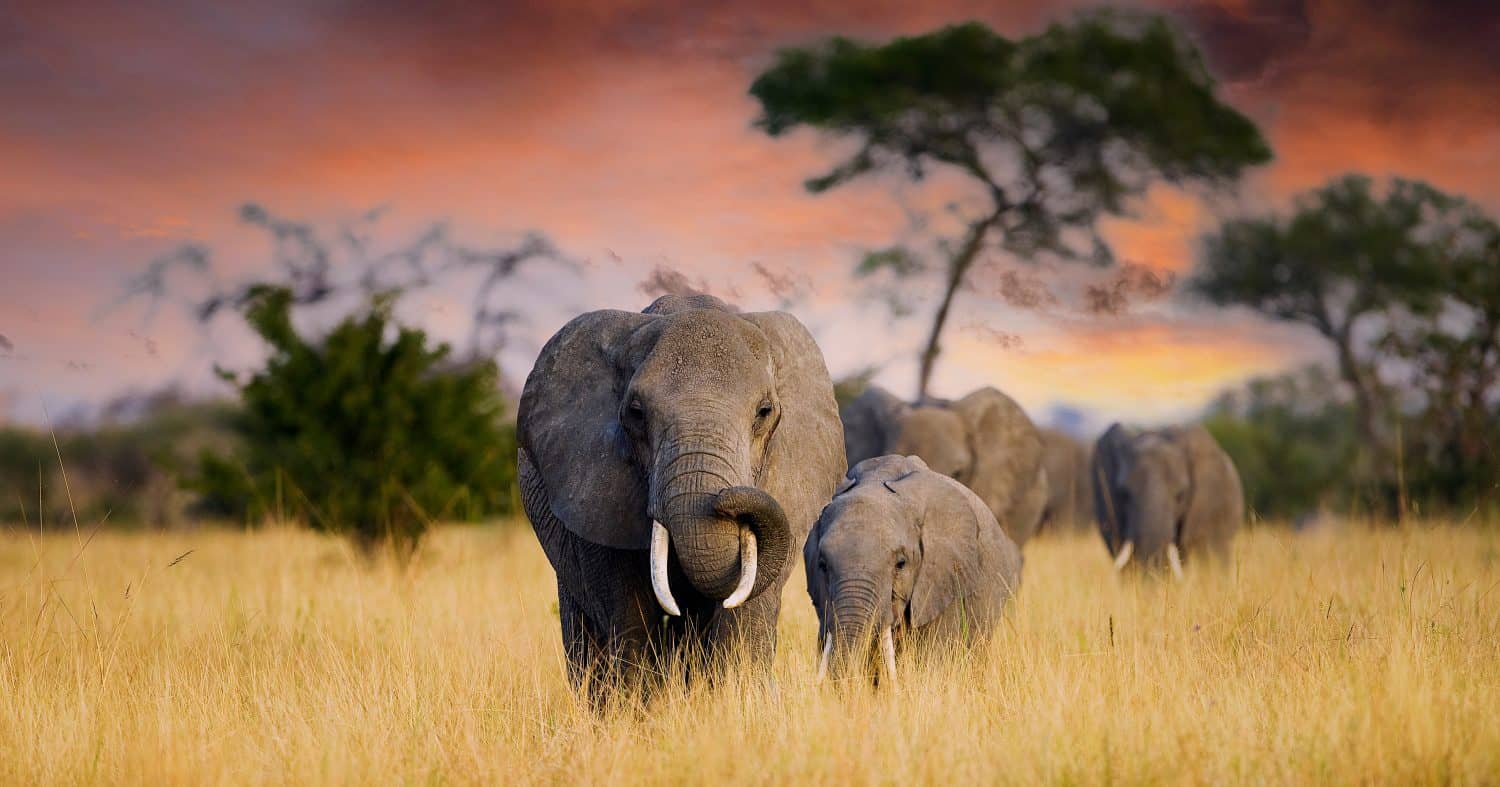
African elephants are among the animals with the best sense of smell on the planet.
©MPH Photos/Shutterstock.com
When you consider the size of an elephant’s trunk, it suddenly makes sense why they have the strongest sense of smell in the animal kingdom. The trunk, which is a combination of nose and upper lip, contains approximately 2,000 different olfactory receptor genes, which is more than any other mammal. They use the receptors to locate food, water, and sense danger.
Unlike many animals in nature, elephants can use their powerful sense of smell not only to detect things like food sources, but also to tell them apart. For instance, there have been studies where elephants could tell between two different types of sunflower seeds before eating them. The sense of smell is great for detecting threats. African elephants can detect the presence of human poachers in their area, allowing them to flee or prepare a defense. Studies show that elephants can smell water sources and other scents from up to 12 miles away.
Bears
Bears are almost on par with elephants when it comes to having the strongest sense of smell on the planet. A bear’s sense of smell is approximately 2,100 times better than a human’s and much better than a bloodhound dog’s. The secret lies in the bear’s nose, which is equipped with scent receptors and nasal tissues that can detect scent particles in the air from miles away; some experts believe they can even detect scents from 20 miles.
In conjunction with their strong noses, bears also have large olfactory bulbs in their brains that quickly process complex scent information. Bears use their sense of smell to locate food even when it’s buried. Since a bear loads up on calories before going into hibernation, they must be able to hunt and find a lot of food quickly, and their strong nose is key. Their sense of smell also helps them to find potential mates during mating season.
Sharks
Even creatures that live underwater, like sharks, are known to have a strong sense of smell. Sharks can detect scents that aid in their survival, including the ability to sense a single drop of blood from a mile away. Sharks have very highly developed olfactory senses that are found between the top and bottom nasal passages.
While swimming, the shark pulls water into their nasal sacs, where their receptors compute the source of the scent so they can quickly find it. On their way to the source of the scent, sharks move their heads back and forth to further pinpoint the scent. With that said, sharks don’t always know what kind of food they’re smelling until they bite into it. This is why many people survive shark attacks. The shark realizes that it’s not eating food it likes and moves on.
Cows
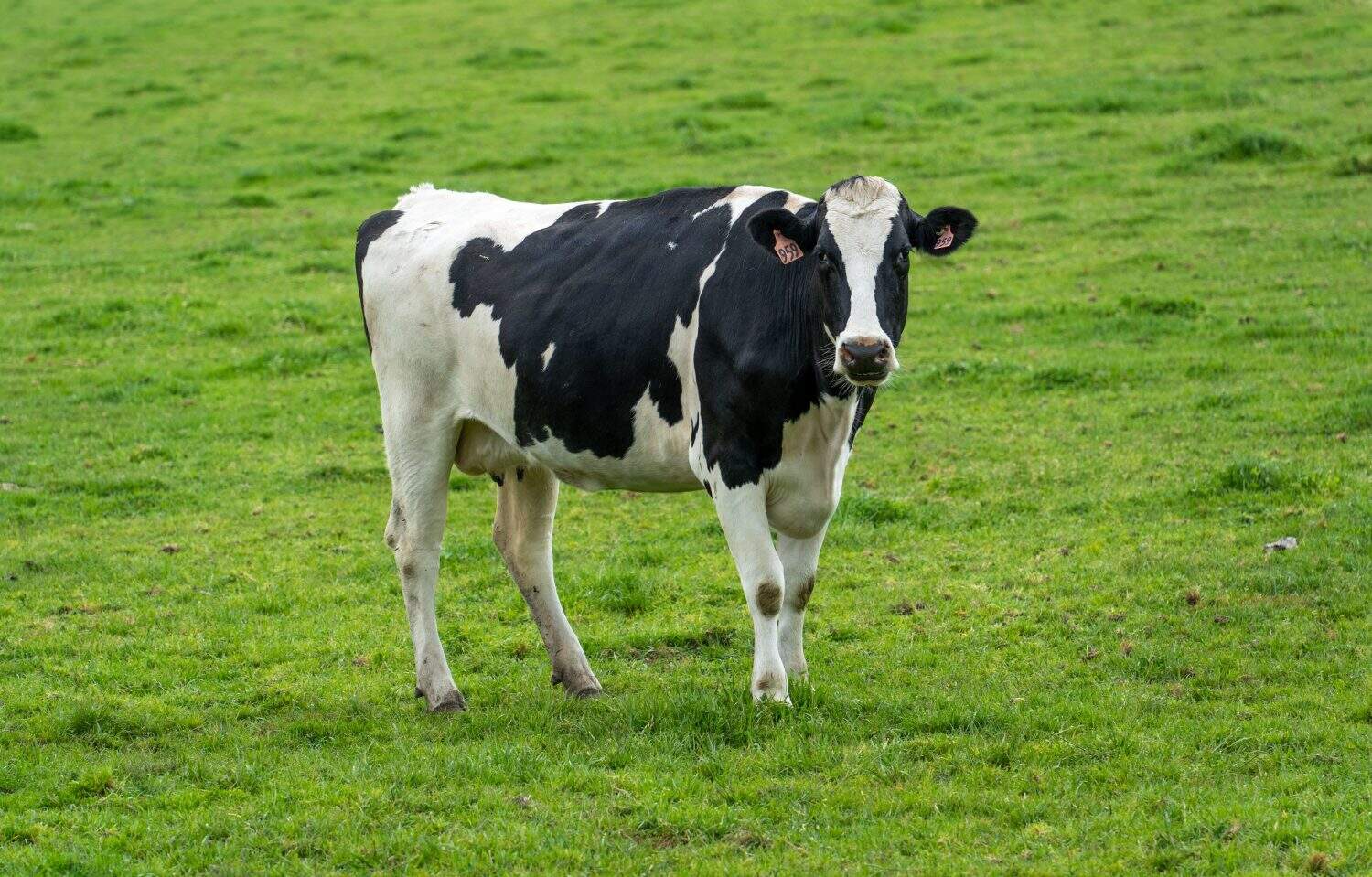
The cows on farms can smell and detect scents from miles away.
©Wirestock Creators/Shutterstock.com
Cows also have an amazing sense of smell. In fact, with the ability to detect scents up to six miles away, they may be able to smell you before you drive past them on the highway. This amazing ability is due to the over 1,000 olfactory receptor genes that allow them to sense smells better than dogs and humans. To smell things, cows curl back their upper lips. Doing so closes their nostrils, which brings the scent right to their noses. This skill is essential for detecting nearby food and alerting them to predators.
Honey Bees
Insects rely strongly on their strong sense of smell for survival, but honey bees are on another level. They have more odor receptors than other insects. Honey bees have approximately 170 receptors, while mosquitoes have 79, fruit flies have 62, etc. Plus, their sense of smell is 100 times better than that of humans. Their senses are so strong that some researchers have been attempting to use bees to detect illnesses like cancer and diabetes. They’ve also been known to smell bombs and drugs, among other impressive feats.
While they can do incredible things, bees mostly use their senses to tell the difference between different types of flowers. They also use it to locate their hives, which can be miles away, by following the pheromones the hives emit. Their scents also show each other who’s in charge. The queen bee emits a specific pheromone that the other bees can recognize.
Bloodhounds
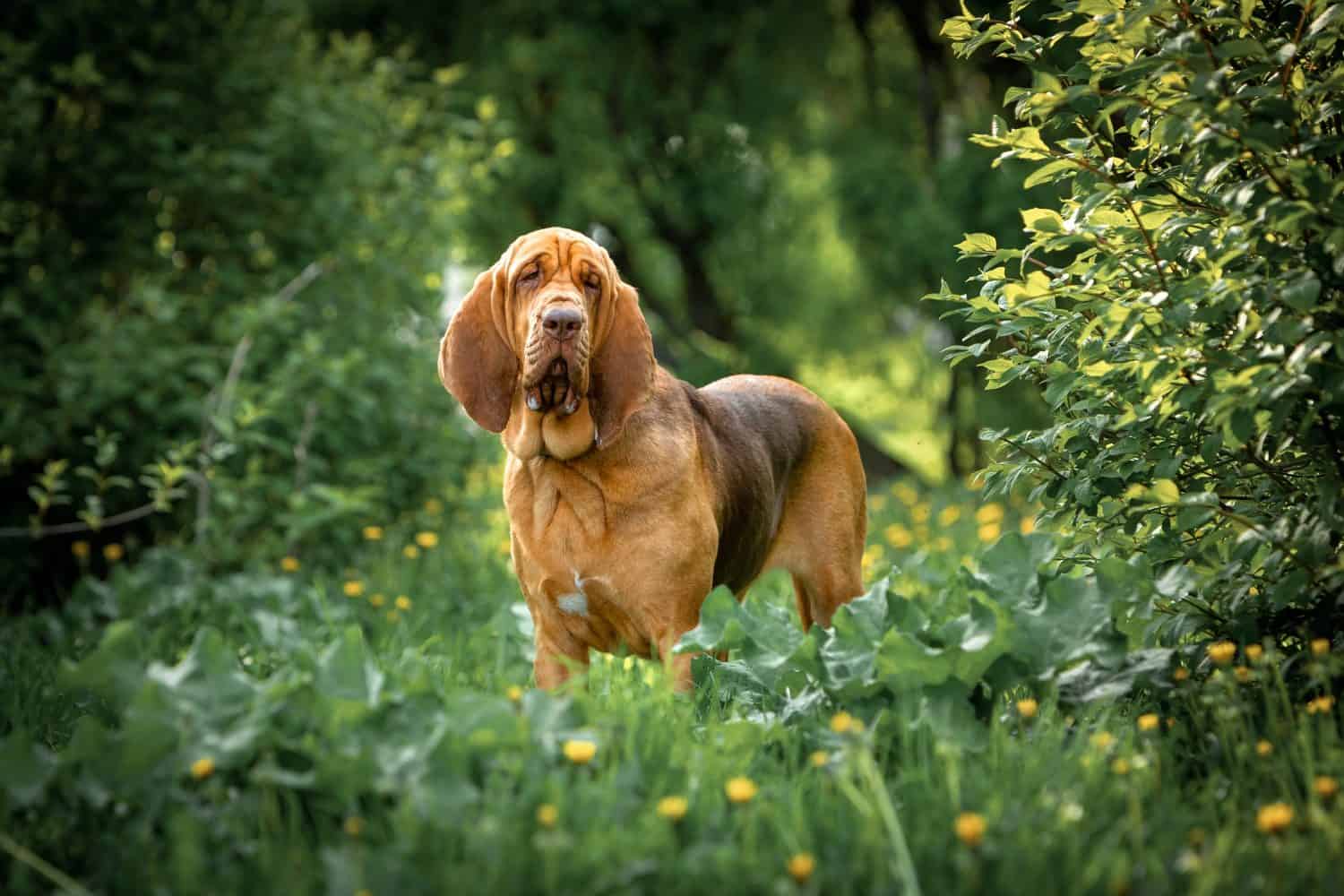
Bloodhounds have been known to follow a scent for over 100 miles.
©Glikiri/Shutterstock.com
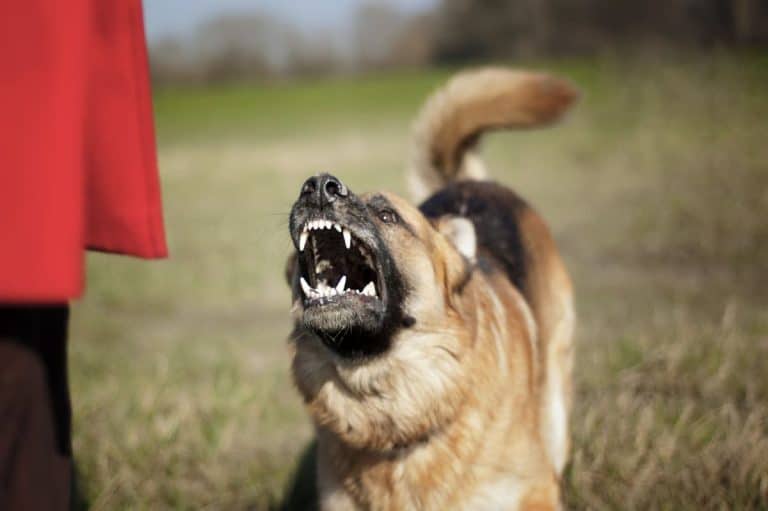
Dogs are known for their strong sense of smell. There have been many stories of dogs finding their way home from miles away. The bloodhound breed outshines them all. Bloodhounds have been known to follow a scent trail for up to 130 miles. While the nose is strong, a major reason why they can smell so well is due to their ears. Their drooping ears are quite large, and they help funnel the scents to their nose. The wrinkles in their ears also help to trap the scent particles, which is part of the reason they can follow the smell for so long. It stays with them.
Bloodhounds have 300 million scent receptors, which makes them helpful for a number of tasks, including helping emergency crews. They have been used in search and rescue missions even when the calamity has occurred several days prior. Bloodhounds are often also used for hunting and for locating lost pets.
Turkey Vulture
Turkey vultures rely strongly on a diet of carrion, which is the rotting flesh of an animal. The turkey vulture’s incredible sense of smell helps them find what it needs. It’s not uncommon for the species to detect a carcass of an animal as small as a mouse in a densely forested area. Their incredible sense of smell is due to their large olfactory bulbs, which are able to detect carcasses from hundreds of miles away while they’re flying.
Another reason for their strong sense is due to their nostrils. The nostrils of turkey vultures are wide open, and they don’t have an inner wall that separates their nostrils, like humans do with their septum. The lack of a septum allows more airflow, which brings the scent to their olfactory bulbs. Once the turkey vulture detects potential food, it will approach the source and fly in small circles until it can pinpoint its meal.
Anteaters
Anteaters don’t have strong vision or sense of hearing, but they completely make up for it with their sense of smell. Their sense of smell is 40 times stronger than that of humans, which is crucial when searching for insect nests from a great distance. When they approach a nest, they eat until the stings from the insects become too frequent, then they move on. Due to their ability to sniff out food, anteaters eat 35,000 to 50,000 insects per day.
Rats
Finally, rats also have an incredibly strong sense of smell. With over 1,200 olfactory receptor genes, this is yet another animal that has many more receptors than humans. Since rats are born blind, their keen sense of smell begins very early on when they have to find their mother by smell in order to eat. Rats can’t smell scents from as far away as some of the other animals on this list, but they can smell that you have food in your house while they’re still outside.
That’s not it! Many scientists also believe that rats can combine their sense of smell with their other senses to sense upcoming temperature changes, which leads them to seek shelter before the adverse conditions arrive. Rats also use their sense of smell to detect when predators are in the vicinity, so they can find shelter before they’re caught. Finally, a female rat will release pheromones during mating season. Male rats can smell it, and the result is reproduction.
In the end, while rats and turkey vultures may not be the cuddliest of creatures, there’s no denying that they and other animals on this list really impress with their sense of smell. Their ability to smell and sense food and danger is why they’re able to thrive in the wild.