N
Species Profile

Naked Mole Rat

Heterocephalus glaber

One queen. Hundreds of helpers. No air? No problem.
Neil Bromhall/Shutterstock.com

Naked Mole Rat Distribution

Click a location to explore more animals from that region

Endemic Species
Loading map...
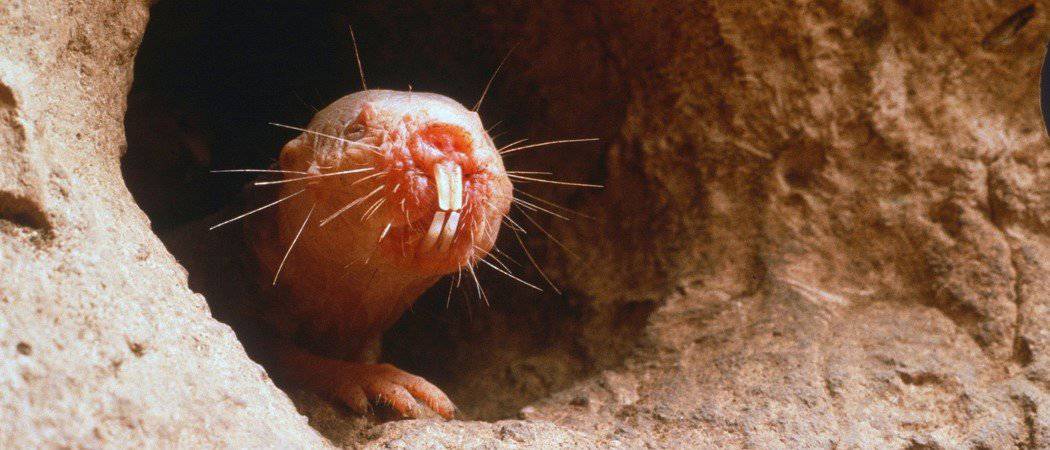
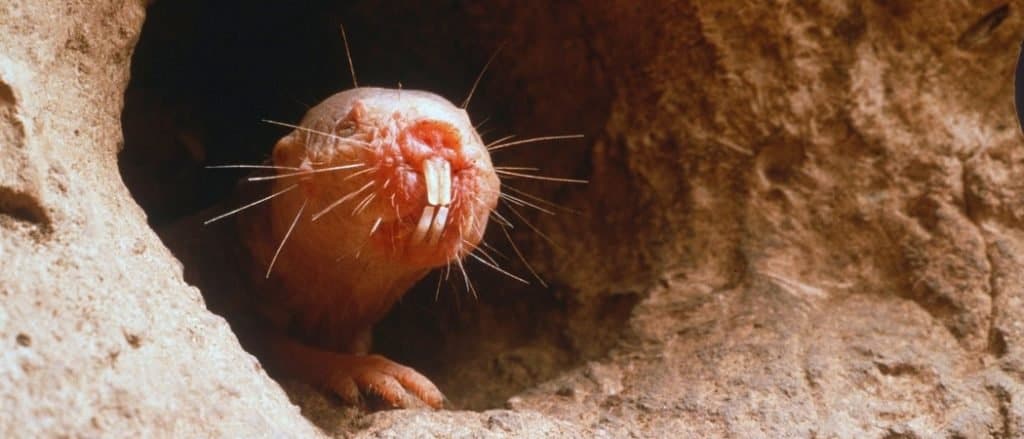
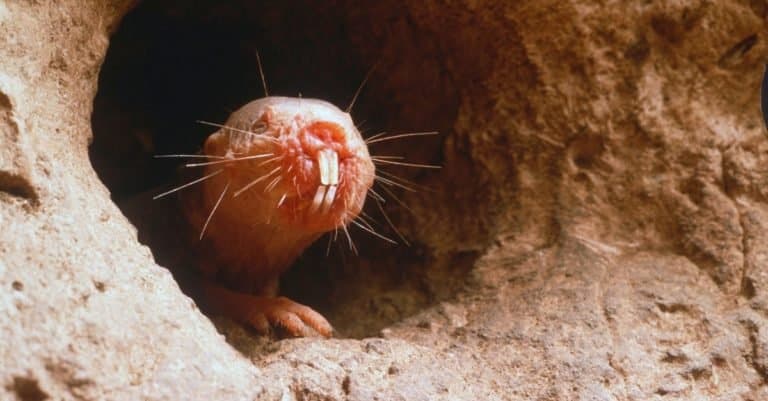
Naked molerat guarding underground tunnel

At a Glance

Wild Species
Also Known As mole-rat, bald mole-rat
Diet Herbivore
Activity Cathemeral
Lifespan 6 years
Weight 0.08 lbs
Status Least Concern
Did You Know?

Record longevity: >30 years in captivity (maximum reported ~37 years), versus ~2-4 years for many similar-sized rodents.

Scientific Classification

The naked mole-rat (Heterocephalus glaber) is a subterranean, highly social rodent native to arid regions of East Africa, famous for eusocial colonies with a single breeding queen, reduced external fur, and unusual physiological adaptations to low-oxygen underground burrows.

Kingdom
Animalia
Phylum
Chordata
Class
Mammalia
Order
Rodentia
Family
Heterocephalidae
Genus
Heterocephalus
Species
Heterocephalus glaber

Distinguishing Features

  • Nearly hairless, wrinkled skin with sparse vibrissae; prominent protruding incisors used for digging
  • Eusocial colony structure (queen and non-breeding workers/soldiers), rare among mammals
  • Extreme subterranean adaptation: tolerance of low oxygen/high carbon dioxide environments
  • Small eyes and reduced vision; strong tactile orientation
  • Long-lived for its size and noted for unusual cancer resistance in biomedical research contexts

Did You Know?

Record longevity: >30 years in captivity (maximum reported ~37 years), versus ~2-4 years for many similar-sized rodents.

Colonies are eusocial: typically 20-300 individuals with a single breeding "queen" and 1-3 breeding males; most others are non-breeding workers/soldiers.

They can survive complete anoxia (0% O2) for ~18 minutes and recover, using fructose-driven anaerobic metabolism (shown experimentally).

Burrow air can be extremely stale: O2 measured as low as ~6% and CO2 up to ~2.3% in occupied tunnels/chambers.

Their incisors protrude outside the lips, and they can close their lips behind the teeth-so they can dig with teeth without swallowing soil.

They show unusual pain insensitivity: skin nerves have very low levels of substance P, reducing responses to acid/capsaicin-like irritants.

Queens are longer-bodied and heavier than workers (often ~50-80 g vs ~28-35 g workers) and can produce large litters after ~70-day gestation.

Unique Adaptations

  • Extreme hypoxia/hypercapnia tolerance: physiological resilience to low O2 and high CO2 typical of crowded burrows; supports long stays underground without ventilation.
  • Anoxia survival metabolism: during 0% O2 exposure they can switch to fructose-based glycolysis to sustain vital organs for minutes (experimentally ~18 min).
  • Reduced pain signaling in skin: sparse substance P and related neurochemical differences produce low sensitivity to acid/capsaicin-type stimuli-useful in high-CO₂, acidic burrow environments.
  • Specialized digging anatomy: powerful jaw muscles, forward-projecting incisors, and a mouth seal behind incisors that keeps dirt out while excavating.
  • Sparse fur and wrinkled skin with tactile hairs: near-hairless body plus sensory vibrissae helps maneuver and feel tunnel walls in darkness.
  • Unusual aging biology: exceptionally low age-related mortality increase for decades and maintained physiological function late in life compared with typical rodents.
  • Cancer resistance mechanisms (not absolute): high-molecular-mass hyaluronan and strong contact inhibition have been implicated in unusually low cancer incidence, though rare cancers have been documented.

Interesting Behaviors

  • Eusocial division of labor: non-breeding workers perform digging, foraging, tunnel maintenance, and pup care; larger individuals more often function as defenders ("soldiers").
  • Queen-centered reproduction: a single dominant female suppresses reproduction in most colony members; when a queen dies, high-ranking females may compete to replace her.
  • Cooperative care: multiple non-breeding adults ("alloparents") carry, groom, and feed pups, increasing offspring survival in harsh subterranean environments.
  • Tooth-digging and soil management: individuals excavate with incisors, kick soil backward, and form "soil trains" to move spoil to the surface.
  • Huddling thermoregulation: they cluster tightly to reduce heat loss because they regulate body temperature poorly compared with most mammals.
  • Vocal communication and colony recognition: they use a rich repertoire of chirps/squeaks and can develop colony-specific vocal "dialects" in captivity.

Cultural Significance

The naked mole-rat is a flagship model organism in biomedicine: widely studied for eusociality in mammals, extreme hypoxia tolerance, pain biology, aging/longevity, and mechanisms linked to low cancer incidence. It also appears frequently in popular science communication as an example of convergent "insect-like" social organization in a mammal.

Myths & Legends

No well-documented traditional folklore is widely recorded specifically about Heterocephalus glaber; its cultural footprint is primarily modern and scientific rather than mythological.

Naming origin as a historical anecdote: the species epithet glaber is Latin for "hairless/bald," reflecting its distinctive near-naked appearance; it was described in 1842 by Eduard Ruppell from Northeast Africa.

Naked mole-rat (Heterocephalus glaber) is often called a "mammalian eusocial insect analogue." This label made it famous in biology classes and documentaries for its rare queen-and-worker society among mammals.

Conservation Status

LC Least Concern

Widespread and abundant in the wild.

Population Stable

Life Cycle

Birth 12 pups
Lifespan 6 years

Lifespan

In the Wild
1–10 years
In Captivity
10–31 years

Reproduction

Mating System Polyandry
Social Structure Eusocial
Breeding Pattern Long Term
Fertilization Internal Fertilization
Birth Type Internal_fertilization

Colonies (about 20-300) have one breeding queen that mates with 1-3 breeding males while all other adults are reproductively suppressed. Breeding is year-round; gestation is about 70 days with litters averaging about 11 (range roughly 3-28), and nonbreeders provide intensive alloparental care.

Behavior & Ecology

Social Colony Group: 75
Activity Cathemeral
Diet Herbivore Large, water-rich underground tubers/corms (geophyte storage organs)

Temperament

Highly cooperative in-colony: communal burrowing, cooperative foraging, and alloparental care (Jarvis, 1981).
Strong reproductive skew: single dominant queen suppresses most reproduction via social control (Jarvis, 1981; Faulkes & Bennett, 2013).
Division of labor: frequent workers do routine tasks; larger individuals more defensive, with flexible roles (Jarvis, 1981).
Xenophobic and aggressive to non-colonymates; colony odor cues gate acceptance at tunnel encounters (O'Riain & Jarvis, 1997).
Low within-colony overt aggression most of the time; brief dominance interactions increase during breeding events (Faulkes & Bennett, 2013).
Exceptionally long-lived for a rodent (documented >30 years in captivity), supporting stable multi-year colonies (Buffenstein, 2008).

Communication

Soft contact chirps maintain cohesion during tunnel travel; frequency varies by colony dialect Barker et al., 2021
Alarm/agonistic squeals during conflicts or threat; recruits nearby defenders to tunnel chokepoints Jarvis, 1981
Grunts and growls used in dominance encounters, including queen-directed interactions Faulkes & Bennett, 2013
Pup isolation calls elicit retrieval and warming by helpers; supports cooperative care Jarvis, 1981
Olfactory colony-recognition via shared odor profile; urine/feces and gland secretions reinforce group identity O'Riain & Jarvis, 1997
Tactile signaling in tight tunnels: nose-to-body contact, pushing, and allogrooming regulate traffic and roles Jarvis, 1981
Substrate-borne cues: body shoves and tunnel vibrations during disputes or blockages, effective in darkness Jarvis, 1981
Dominance communicated through spatial control of nest and frequent contact; queen policing suppresses subordinate breeding Faulkes & Bennett, 2013

Habitat

Biomes:
Savanna Desert Hot
Terrain:
Plains Plateau Valley
Elevation: Up to 9842 ft 6 in

Ecological Role

Subterranean herbivore and ecosystem engineer specializing on geophyte storage organs; influences plant community dynamics and soil structure through intensive burrowing.

Bioturbation/soil turnover and aeration via tunnel excavation Nutrient redistribution and enhanced decomposition pathways from concentrated latrine sites within burrow systems Herbivory pressure on geophytes that can shape local plant population structure and spatial distribution Creation of underground habitat used by other organisms (burrow commensals) and modification of soil hydrology/porosity

Diet Details

Other Foods:
Tubers Bulbs Corms Rhizome Roots of perennial plants Aboveground plant parts

Human Interaction

Domestication Status

Wild

Naked mole-rats (Heterocephalus glaber) are wild, not domesticated. They live underground in arid and semi-arid East Africa (Kenya, Ethiopia, Somalia). People mainly study them in lab colonies and zoos. After eusociality was reported (Jarvis, 1981), they became key models for social evolution, long life (many >20 years), low-oxygen metabolism, pain, and cancer research.

Danger Level

Low
  • Bites can break skin (rodent incisors) and cause localized injury/infection risk, especially during handling.
  • Allergic reactions to animal dander/bedding can occur in captive settings.
  • As with other rodents, there is theoretical zoonotic risk from ectoparasites or pathogens in poorly managed colonies, but well-managed captive research colonies are typically monitored and the species is not known as a major zoonotic threat to the public.

As a Pet

Not Suitable as Pet

Legality: Laws on naked mole-rats (Heterocephalus glaber) vary. Many places call them exotic/wild rodents and need permits or licensed facilities. Import, transport, and possession rules differ. Check national and local laws; vets may be scarce.

Care Level: Expert Only

Purchase Cost: $100 - $500
Lifetime Cost: $5,000 - $20,000

Economic Value

Uses:
Biomedical research model Education and public outreach (zoos/science centers) Comparative physiology and evolutionary biology research
Products:
  • No conventional commercial products; economic value is primarily indirect via research use (aging/longevity, eusociality, hypoxia tolerance, nociception/pain pathways, cancer resistance).

Relationships

Related Species 4

Damaraland mole-rat Fukomys damarensis Shared Order
Ansell's mole-rat Fukomys anselli Shared Order
Cape mole-rat Georychus capensis Shared Order
Cape dune mole-rat Bathyergus suillus Shared Order

Ecological Equivalents 4

Animals that fill a similar ecological role in their ecosystem

Damaraland mole-rat Fukomys damarensis Most similar African mole-rat. Lives exclusively underground and in colonies like Heterocephalus glaber; occurs in arid soils and digs tunnels to access roots and tubers; occupies burrows that maintain stable temperature and moisture and tolerate low oxygen.
Ansell's mole-rat Fukomys anselli Subterranean herbivorous rodent that constructs extensive burrow systems and divides labor within social groups. Similar constraints—high digging costs, patchy geophyte food resources, and low burrow oxygen—select for cooperative excavation, communal nesting, and reduced aboveground exposure compared with surface-dwelling rodents.
Cape mole-rat Georychus capensis Fossorial specialist that eats underground plant parts and lives in sealed burrows; much less eusocial but shares the subterranean herbivore niche, exposure to low oxygen and high carbon dioxide, and the energetic demands of soil digging.
Cape dune mole-rat Bathyergus suillus A large, powerful digging subterranean herbivore of sandy soils; it fulfills a comparable functional role as an ecosystem engineer via burrowing and as a consumer of geophytes, even though it is generally solitary and occupies different climatic regimes than H. glaber.

“A Naked Mole Rat is the world’s weirdest land animal.”

One of the amazing things about life on earth is that it takes many forms, even if those forms are weird to the human eye. One of the weirdest types of land animals must be a creature called the naked mole rat. It is a rodent but is neither a rat nor a mole. Nearly blind and mostly hairless, it spends much of its life underground in colonies comprised of 75 to 80 mole rats, though a colony can contain as many as 200 individuals. The life of the colony revolves around a queen, who is the only female who is allowed to breed.
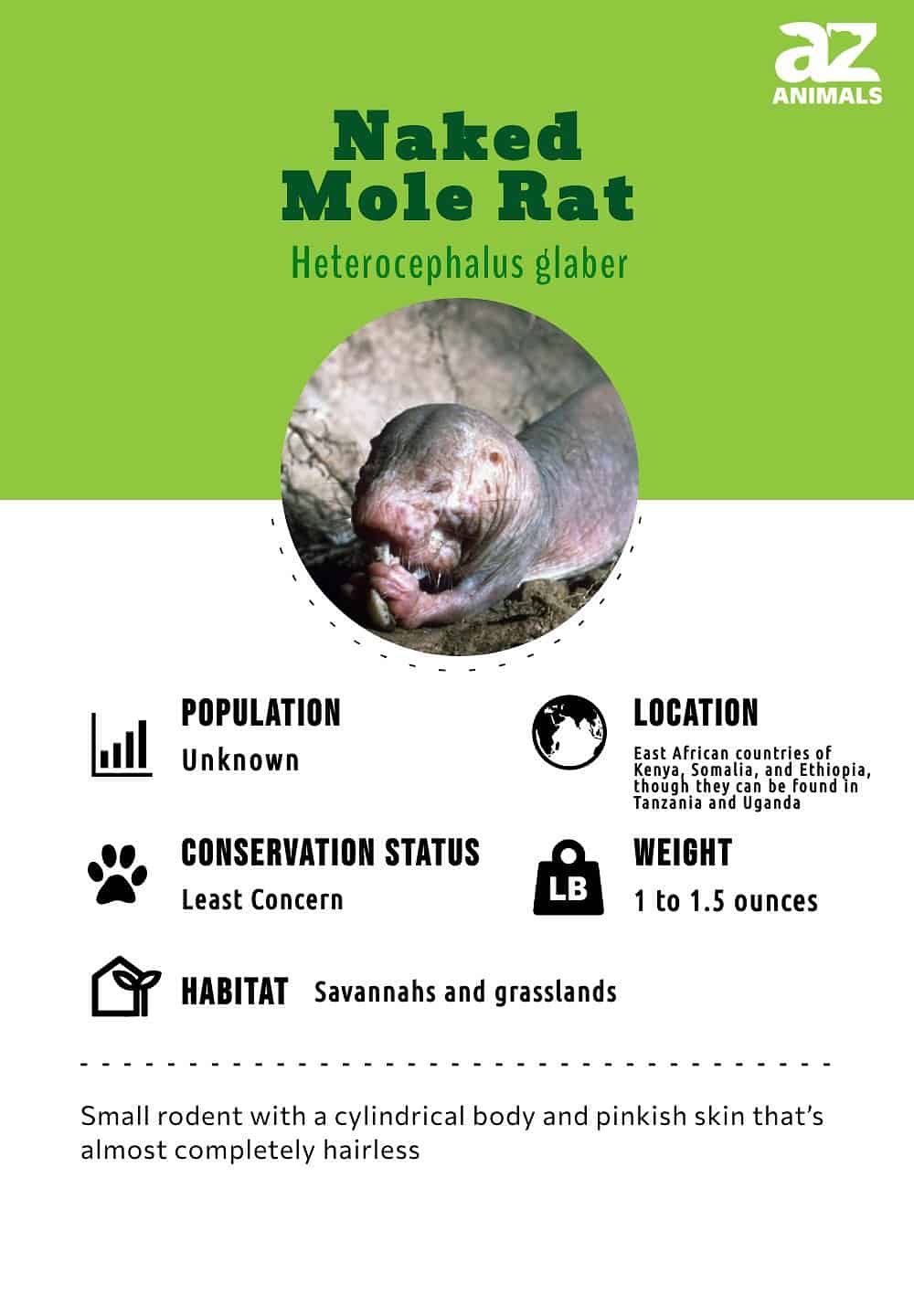
5 Incredible Naked Mole Rat facts!

  • The naked mole rat colony behaves more like a honeybee hive than a group of mammals. It is dominated by a matriarch or queen who is served by all the other members of the group. Like the queen bee, she’s the only female allowed to reproduce.
  • The naked mole rat is basically cold-blooded, which means its body temperature depends on its surroundings.
  • It has no pain receptors in its pink skin.
  • Its metabolism is extremely low.
  • The naked mole rat can live without oxygen for 18 minutes and live happily in an atmosphere of 80 percent carbon dioxide and 20 percent oxygen. It does this by accessing stores of fructose in its vital organs, including its brain. The naked mole rat is the only mammal that can do this.

Scientific name

The naked mole rat’s scientific name is Heterocephalus glaber. Heterocephalus means “two-headed” or “different-headed” in Greek and is used to describe a deformed fetus with two unequal heads as well as the genus the naked mole rat belongs to. It is possible that such a deformity occurred to the scientist who first took a look at the odd-looking animal. “Glaber” is Latin for smooth and hairless, though the skin of the naked mole rat is wrinkled and has no layer of fat beneath it. The naked mole rat is the only species in its genus.

Evolution And History

The naked mole rat, also known as the sand puppy, first began to appear around 24 million years ago, in the late Oligocene era. This mammal first diverged from other African mole rats more than 31 million years ago, during this period, to eventually become its own species. While they are closely related to blesmols and were previously classified in the same genus, they are so unique that they were given their own family and are still the only species of their kind.

While not much more is known about the history of this sand puppy, scientists are eager to study its biology for these mole rats lives an exceptionally long time and are highly resistant to cancer.

Appearance
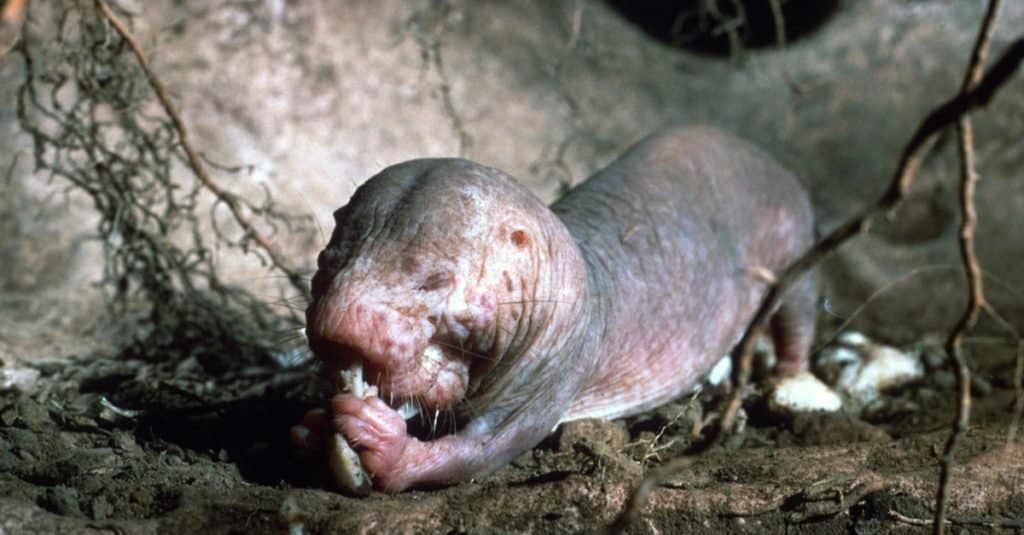
Animals That Burrow Underground: Naked Mole Rat

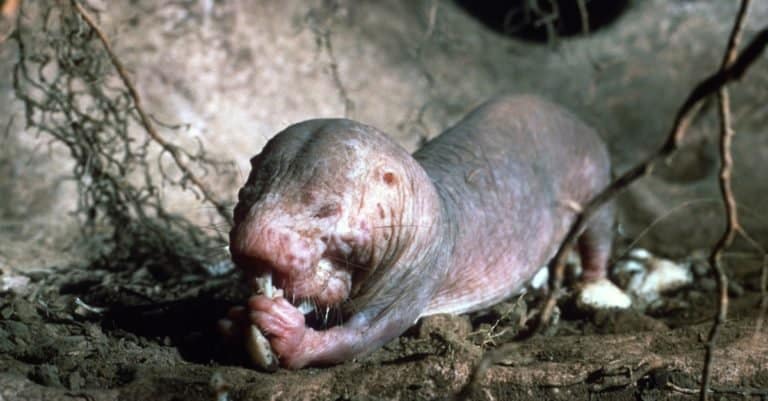
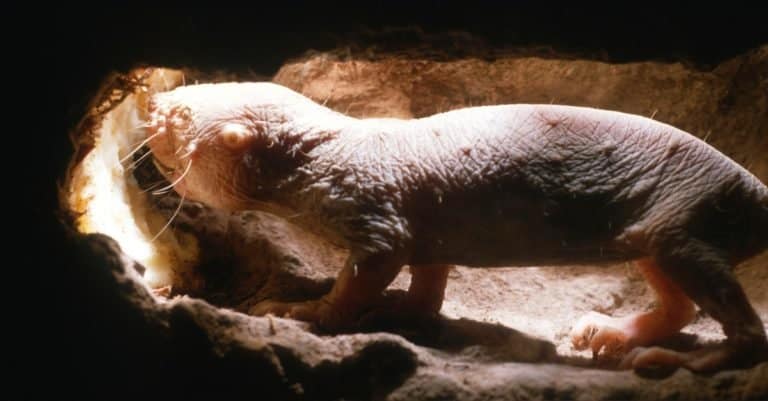
Naked molerat in an underground chamber, feeding while using its dexterous paws to hold food. A quarter of a mole rat’s muscle mass is in its jaws.

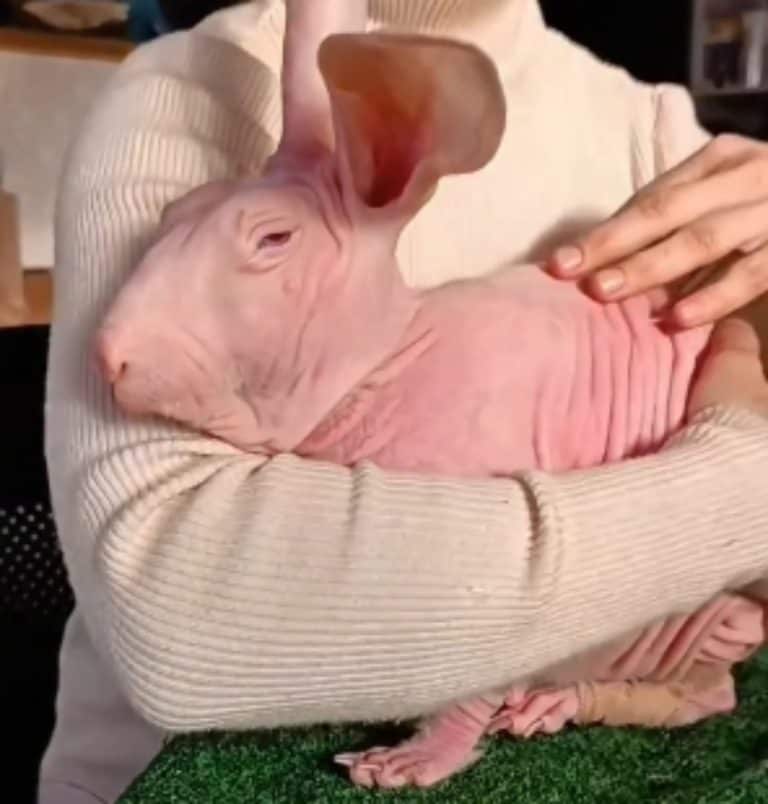
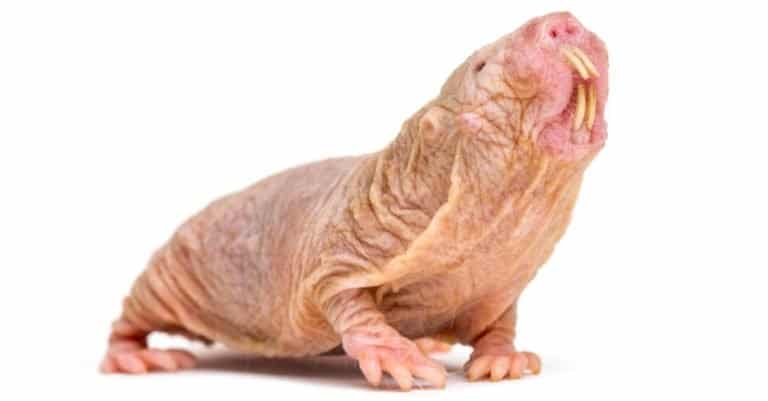
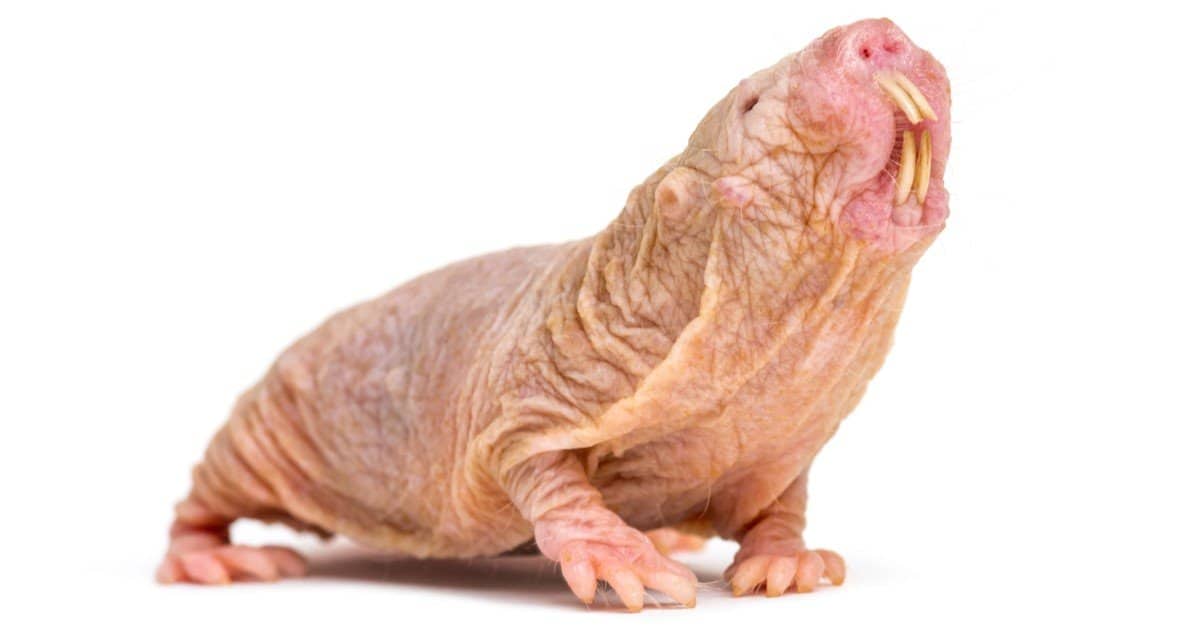
The naked mole rat is a small rodent with a cylindrical body and pinkish skin that’s almost completely hairless, though there are tiny, sensitive hairs over the body that let it know where it is in the darkness of its burrow. The mole rat also has hairs between its toes that let it sweep back the soil. There’s no insulating fat beneath the skin. Males and females are about the same size, though breeding males and the queen are larger. It has a tail of medium length, short legs, and proportionally large feet made for digging.

Since the naked mole rat lives most of its life in an underground burrow devoid of light, sight is useless, and its eyes are nearly vestigial, though they have thickened eyelids that keep the dirt out of them. The rodents have prominent, chisel-like teeth that identify them as rodents. They use these teeth, which can move independently of each other like scissors or chopsticks, to help them dig through the ground. An array of muscles make sure that the animal’s mouth remains closed behind its teeth so it doesn’t swallow the soil. Indeed, much of the somatosensory cortex in the sand puppy’s brain is dedicated to its teeth.

Behavior
Since a sand puppy colony can’t distinguish day from night, it is active at all hours. Non-breeding mole rats do the work of the colony. They raise the pups after they’ve been weaned, find food, protect the borrow, and build molehills. As with certain types of bees and wasps, younger members take care of the young while older members serve as soldiers. The queen and breeding males do nothing much but procreate. The queen, who rather bullies all the other mole rats in her burrow, is always fed first. She produces hormones to suppress the reproduction of other females, and if she dies, older females in the colony will fight for dominance. Sometimes they fight to the death, and the winner takes over the colony.

When constructing the burrow, the animals form a line where the first one digs with its teeth, and the others push the loosened soil down to the last, who then deposits it above ground, building a molehill.

Every naked mole rat burrow has its own odor. This allows the members, who can’t see well, to tell their family members from strangers. Colonies also have their own vocalizations that warn of danger and let family members tell each other apart in the darkness. Naked mole rats need to huddle together to keep warm while they sleep, and they sleep on their backs. They also climb up into chambers closer to the surface that is warmed by the sun.

Naked mole rats live exponentially longer than other rodents. It is not unheard of for a mole rat to live 30 years or more, while the lifespan of a mouse is about three years. Moreover, they do not seem to age. No one can really say why, though their DNA is able to repair itself over time far more effectively than the DNA of mice.

Habitat

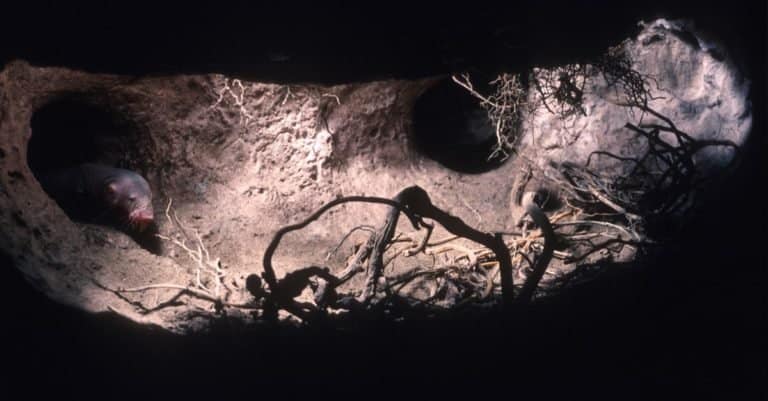
Naked mole rats build their burrows and tunnels in the savannahs and grasslands of east African countries such as Kenya, Somalia, and Ethiopia, though they’re also found in Tanzania and Uganda. The tunnels are about 6.5 feet deep, and since they branch off into other tunnels and chambers that serve as larders, toilets, and nests, they can be 2.5 miles long. Naked mole rat colonies are found in elevations of between 3608 and 9843 feet above sea level. Because they build their colonies in places that are of no agricultural interest to people, naked mole rats are largely left to themselves. Their strangeness also protects them, and they contribute greatly to Kenya’s ecotourism. They also live in zoos and protected areas.

Diet
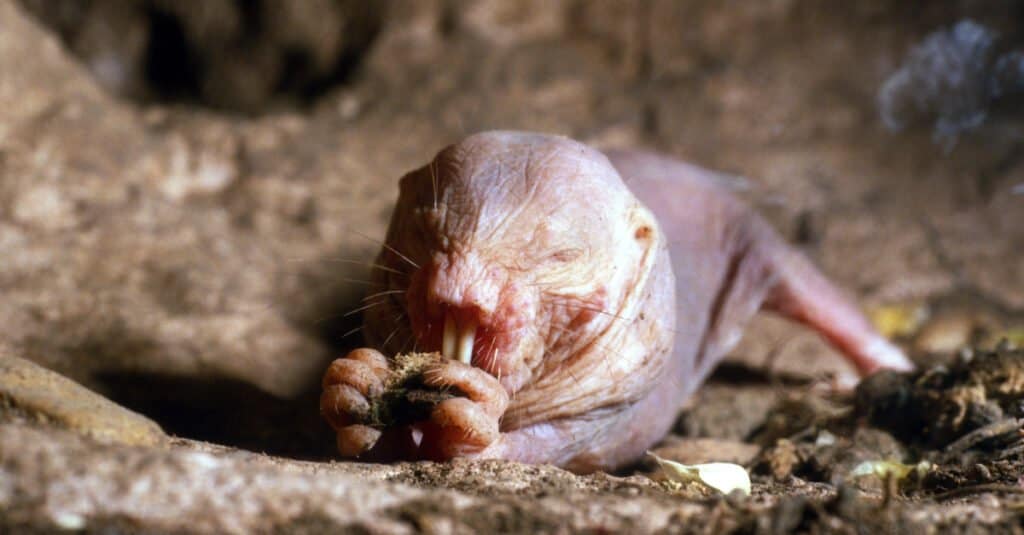
Naked mole-rat laying down

Naked mole rats feed on underground parts of plants and roots.

These animals feed on the underground parts of plants, such as tubers, rhizomes, bulbs, and roots. Some of these structures are very large and can feed a colony for years. The animals do not eat all of these underground structures but take some back to the burrow for storage. This allows the part of the plant to regenerate and for the colony to have food if the path to the plant is blocked. Blockages can occur if the soil becomes wet. The animal can digest the cellulose in its food thanks to bacteria found in its gut. Since they get all their water from their food, they don’t need to drink.

Sometimes these animals ingest their own feces. They also give feces to recently weaned pups. Scientists believe this action, called coprophagy, helps strengthen the bonds between family members. The hormones found in the feces of the queen, for example, may suppress the reproductive hormones of other female naked mole rats.

Predators And Threats

These animals are preyed upon by snakes that either grab them when they surface or are able to enter their tunnels. These snakes include the rufous beaked snake. Raptors, or birds of prey, can swoop down upon them while they are above ground. Toxins introduced into the food source can also harm naked mole rats.

Reproduction And Life Cycle
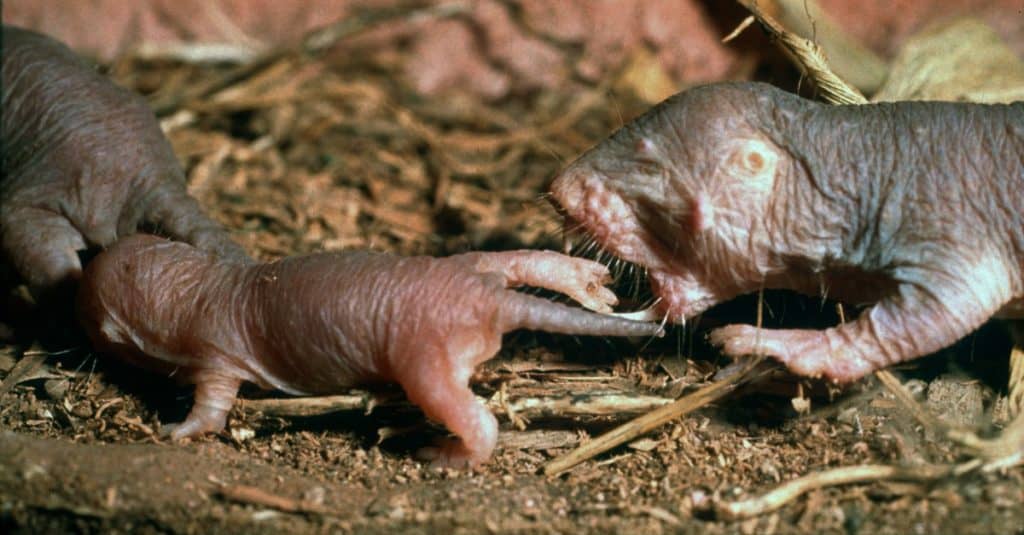
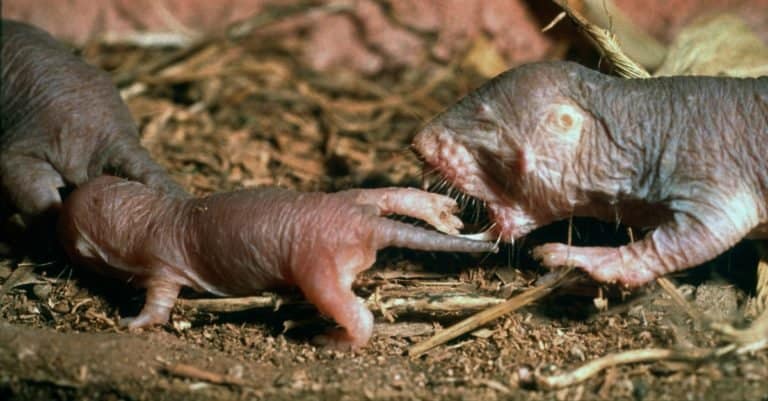
Naked mole rat (Heterocephalus glazer) adult taking juvenile back to brood chamber.

A Queen is the only one allowed to breed in a colony and usually gives birth to seven to eleven pups.

The queen is the only one allowed to breed in a colony, though some colonies have two queens. She will mate with one to three males, even though in many cases they are closely related to her. These males are second in rank to her, and all non-breeding naked mole rats are ranked lower than they are. The queen will only mate with these larger, high-ranking males.

Just as the sand puppy can’t tell day from night, it has no breeding season, and the queen can breed all year. This means she can have as many as five litters a year. Her pregnancy lasts for around 70 days, and she usually gives birth to seven to eleven pups on average. A baby is tiny and weighs less than a penny. It is weaned in a little over a month before it enters into the care of lower-ranking mole rats. A baby also starts working for the colony when it’s about a month old and is batted about by older mole rats to get it used to a hard life.

If the queen dies, her consorts do not mate with the new queen. By the way, when a female becomes queen, she undergoes physical changes. Her spinal column stretches out, which allows her to sustain a pregnancy. This is what a baby naked mole rat might look like.

Though inbreeding is a hazard in a colony, scientists have discovered types of mole rats that they call dispersers. These mole rats will not mate with the queen and are generally not cooperative when it comes to maintaining the colony. Because of this, they seek to escape the colony when they can and find another with a queen who is not related to them.

Population

Scientists aren’t sure how many of these animals there are, but they are not endangered.

View all 98 animals that start with N

Sources

  1. Wikipedia / Accessed May 9, 2021
  2. San Diego Zoo Wildlife Alliance Library / Accessed May 9, 2021
  3. How Stuff Works / Accessed May 9, 2021
  4. Animal Diversity Web / Accessed May 9, 2021
  5. Smithsonian’s National Zoo & Conservation Biology Institute / Accessed May 9, 2021
Melissa Bauernfeind

About the Author

Melissa Bauernfeind

Melissa Bauernfeind was born in NYC and got her degree in Journalism from Boston University. She lived in San Diego for 10 years and is now back in NYC. She loves adventure and traveling the world with her husband but always misses her favorite little man, "P", half Chihuahua/half Jack Russell, all trouble. She got dive-certified so she could dive with the Great White Sharks someday and is hoping to swim with the Orcas as well.
Connect:

Thank you for reading! Have some feedback for us?


Naked Mole Rat FAQs (Frequently Asked Questions)

A naked mole rat is a rare and unusual eusocial rodent. This is a society where different generations live together, raise babies cooperatively and have breeding and non-breeding members who have different tasks.