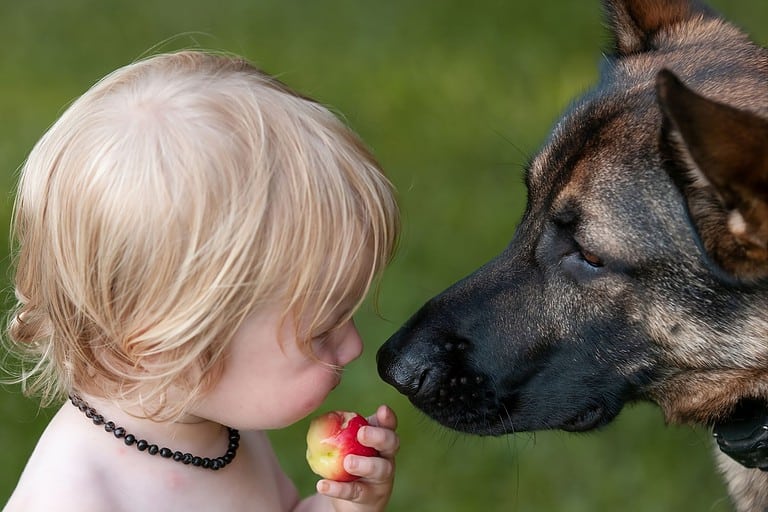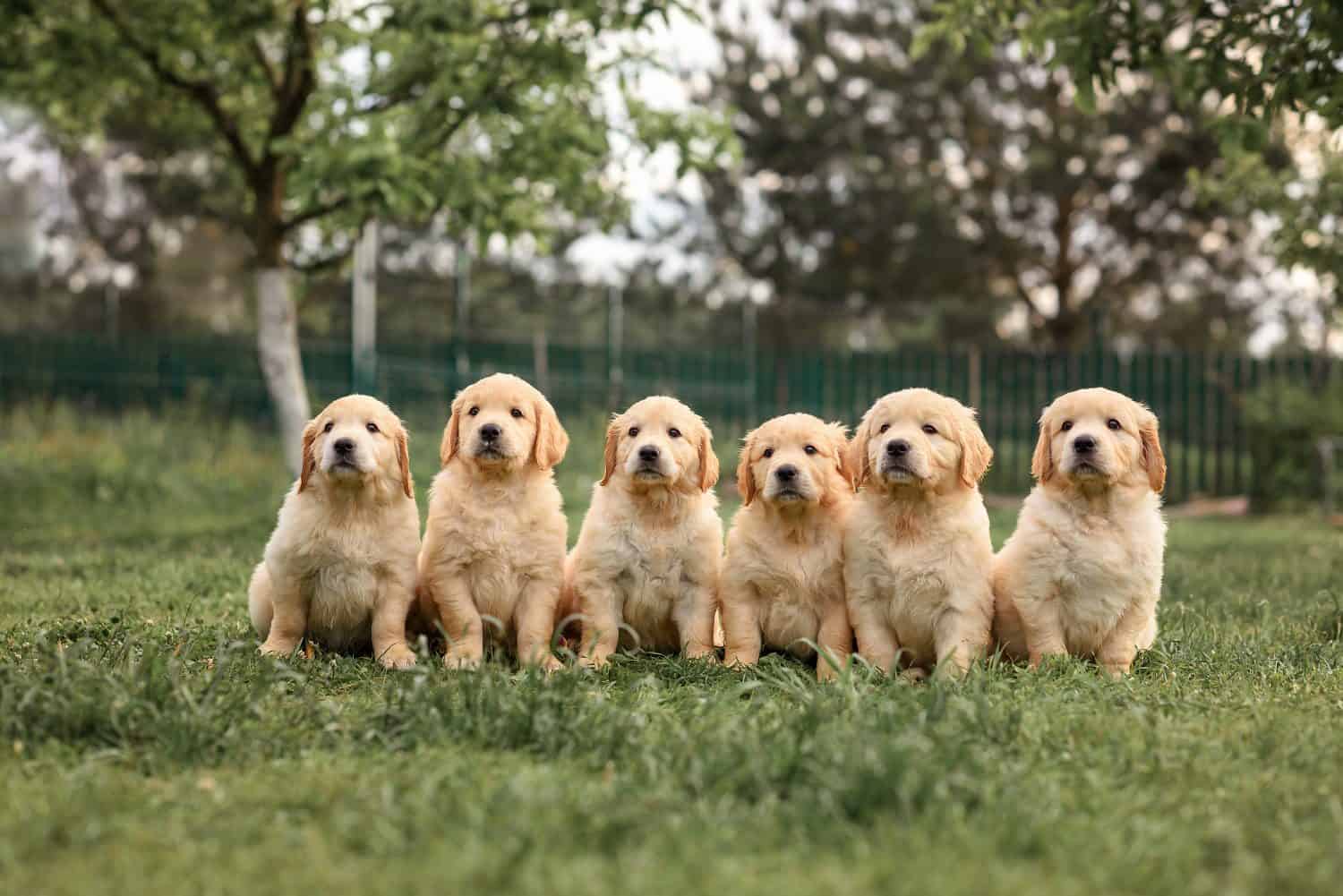

When searching for a new puppy, it’s easy to get swept up in the excitement of bringing home a new family member without doing your research. Behind many pet store windows and online listings lies a darker reality of puppy adoptions: large-scale commercial breeding operations known as puppy mills. What are puppy mills, and how can you make an informed, ethical adoption decision when searching for a puppy?
To understand the difference between a responsible breeder and an unethical one, we spoke with Teagan Coleman, owner of NLR Explore Dog Training and a professional dog trainer as well as an animal-welfare expert with more than a decade of experience, for the answers.
By the end of this article, we’ll define what a puppy mill is, highlight the red flags to watch for when searching for puppies, provide a checklist for identifying responsible breeders, explain why AKC registration doesn’t guarantee ethical breeding, and review state puppy mill laws across the United States. Let’s dive in.
What Is a Puppy Mill?
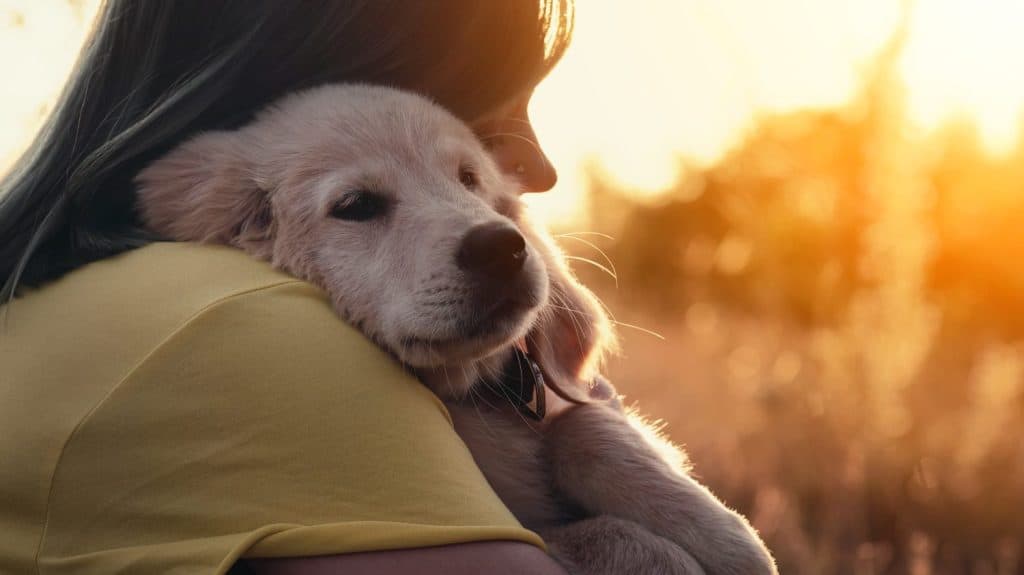
Puppy mills prioritize profit over animal welfare.
©Stock Holm/Shutterstock.com
A puppy mill is an informal name for large-scale breeding operations that mass-produce dogs for sale, often under poor living conditions and with little regard for health or temperament. The American Society for the Prevention of Cruelty to Animals (ASPCA) defines puppy mills as “inhumane, high-volume dog breeding facilities that churn out puppies for profit, ignoring the needs of the pups and their mothers.”
“The main difference to look for when trying to adopt a dog is that puppy mills prioritize money over the animals,” Coleman explains. “Responsible breeders prioritize well-being, socialization, health, and lifelong commitment, but it can be tricky to spot this if you’re unfamiliar.”
According to the ASPCA and other animal welfare organizations, roughly 90% of puppies sold in pet stores come from puppy mills or large-scale commercial breeders. These dogs are often raised in overcrowded wire cages, denied basic veterinary care, and bred repeatedly without rest, which often leads to unhealthy dogs as generations progress.
Coleman has seen this firsthand. “Dogs from commercial breeders often come to me with fear issues, untreated health conditions, or a complete lack of socialization,” she says. “And these aren’t isolated cases of dog owners dealing with difficult dogs; they’re all rooted in patterns created by a broken system.”
Are Puppy Mills a Welfare Crisis For Dogs in the U.S.?
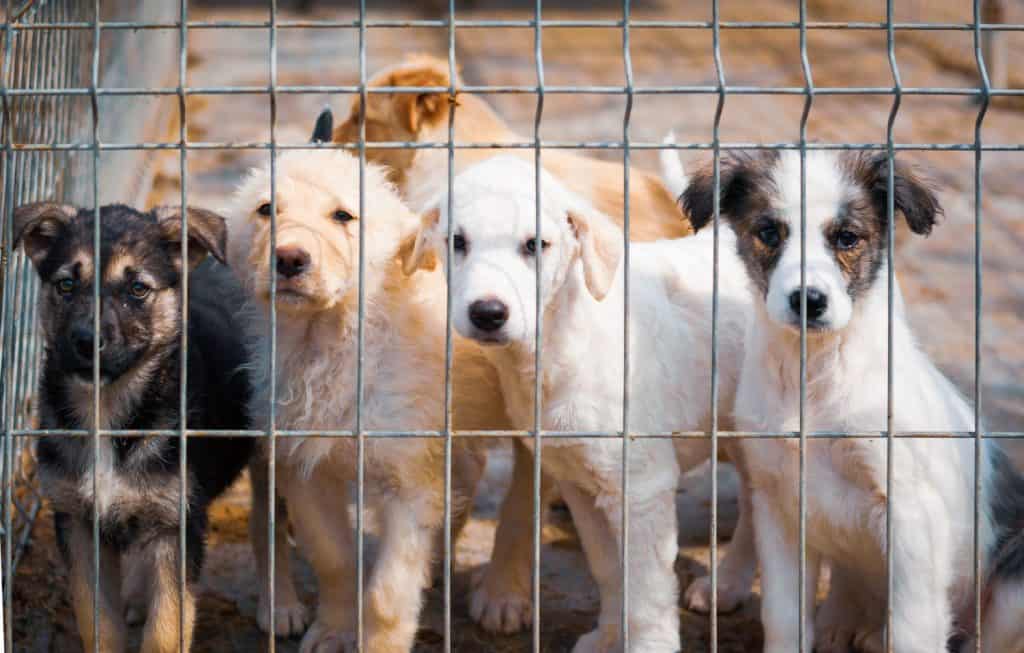
Puppy mills do not give dogs good lives.
©bdavid32/Shutterstock.com
The welfare concerns surrounding puppy mills are extensive and have been for decades. These puppies are born into and live in unsanitary conditions, often without adequate food, shelter, or human interaction. Puppies born in these facilities are also prone to genetic disorders, infectious diseases, and severe behavioral issues due to poor breeding practices and limited exposure to people.
According to the Humane World for Animals (formerly called the Humane Society of the United States), some commercial breeding facilities house hundreds of breeding dogs in stacked cages and may ultimately produce thousands of puppies per year. Many of these dogs are sold through third-party brokers or online marketplaces, which keeps those responsible from being caught.
“People think that buying a puppy from a website or a local pet store means the dog came from a small, trustworthy breeder,” Coleman says, “but a vast majority of those puppies were shipped across multiple states from massive, unethical breeding facilities.”
But how can you, as a potential puppy adopter, spot these unethical practices? There are several warning signs to watch for, as well as positive indicators—’green flags’—that signal a responsible breeder.
How to Identify a Responsible Breeder

You should want your dog to come from an ethical breeder.
©Glenkar/Shutterstock.com
Finding a responsible breeder takes time and requires transparency, which is something you are unlikely to get from a puppy mill associate. Coleman offered the following checklist for ethical breeding practices, backed by research from the ASPCA and adoption centers across the U.S.
1. Transparency and Access
A responsible breeder allows you to visit in person or, at the very least, provides clear photos and videos of the puppies’ personalities and living environment. “If you can’t see where the puppies are raised, don’t choose that breeder,” Coleman says.
2. Health and Screening Records
Ethical breeders provide ample documentation of health testing for both parents, covering hips, elbows, cardiac, and other genetic issues. They will also readily offer a written health guarantee; if you experience resistance from the breeder regarding health backgrounds for their dogs, they are likely not ethical.
If you can’t see where the puppies are raised, don’t choose that breeder.
Teagan Coleman, owner of NLR Explore Dog Training
3. Early Socialization
Look for breeders who raise puppies in a dynamic home environment, exposing them to people, various sounds, and different experiences. “Socialization should start before adoption,” Coleman explains. “If it doesn’t happen early, trainers like me spend months trying to fix preventable issues.”
4. Breeder Involvement
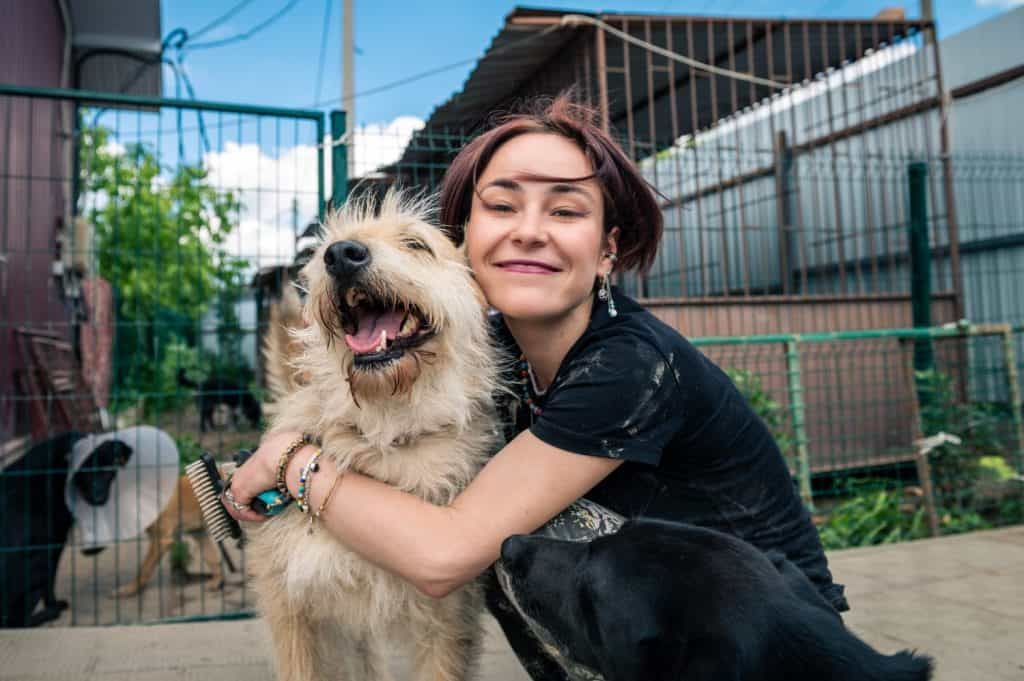
It shouldn’t be quick and easy to buy a puppy.
©andysavchenko/Shutterstock.com
Good breeders screen all potential adopters and will ask detailed questions about your home and schedule. They also provide lifetime support, since your puppy reflects their reputation over time. “If they’re eager to hand you a puppy after a single, basic text message or email, that’s a red flag,” Coleman says.
5. Limited Litters and Humane Retirement
A responsible breeder limits how often females are bred and ensures retired dogs are re-homed or kept as family pets. Questioning a breeder on their retirement practices is always a wise decision.
6. No Sales to Pet Stores
Legitimate breeders do not sell puppies to pet stores, brokers, or online classifieds. They should have professional websites and the ability to showcase their dog breeding history.
7. Full Disclosures and Written Contracts
Buyers should receive complete veterinary documentation, vaccination records, and a spay/neuter or return clause when working with a responsible breeder. Contracts are vital during this process, and ethical breeders should not hesitate to engage with buyers in this way, as it protects all parties involved.
Does AKC Registration Guarantee Ethical Breeding?

AKC registration doesn’t guarantee responsible breeding.
©sergio_kumer/iStock via Getty Images
A common misconception is that AKC registration ensures quality or humane practices. In reality, it simply certifies a dog’s lineage, nothing more. “AKC registration tells you a dog’s breed, not whether it was bred responsibly,” Coleman explains.
The American Kennel Club maintains state-by-state breed registries but does not require breeders to meet specific welfare standards. Some puppy mills even register litters with the AKC to appear legitimate, causing even more confusion in this process.
“Papers mean nothing without ethics,” Coleman says. “I’ve worked with AKC-registered dogs that came from terrible and cruel environments.”
Why Many Advocates Promote Adoption
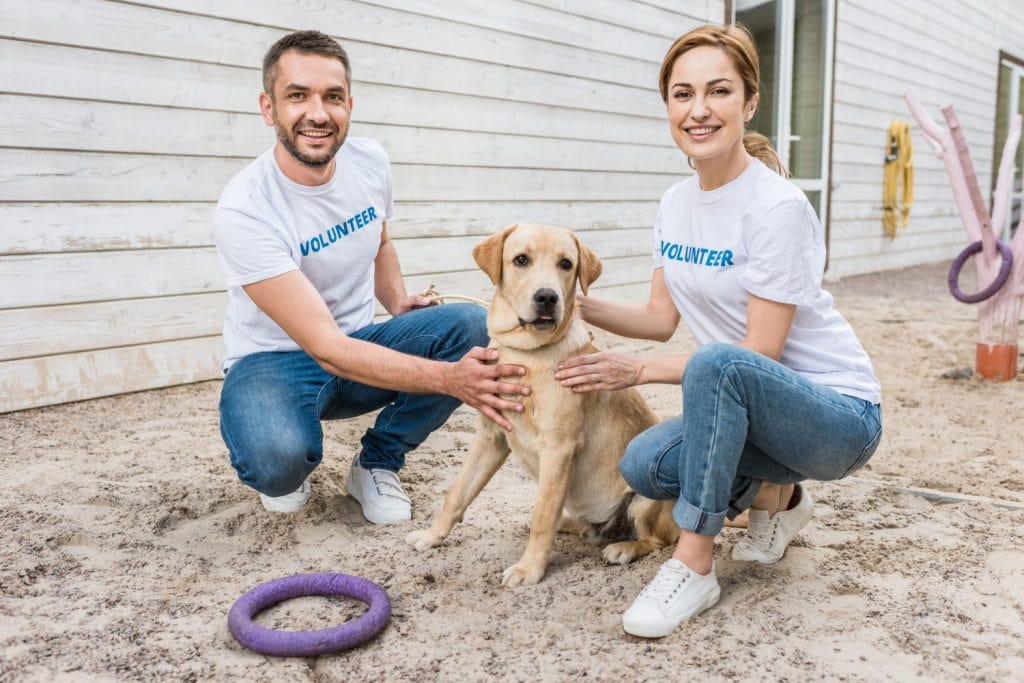
“Adopt don’t shop” is a common slogan for a reason.
©LightField Studios/Shutterstock.com
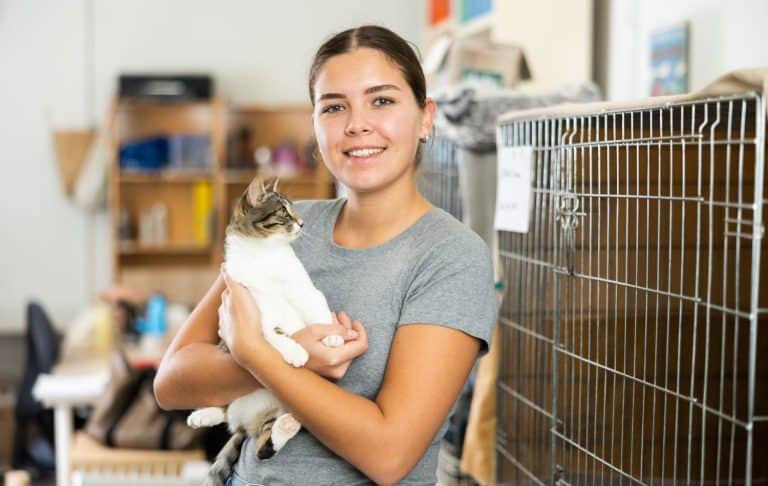
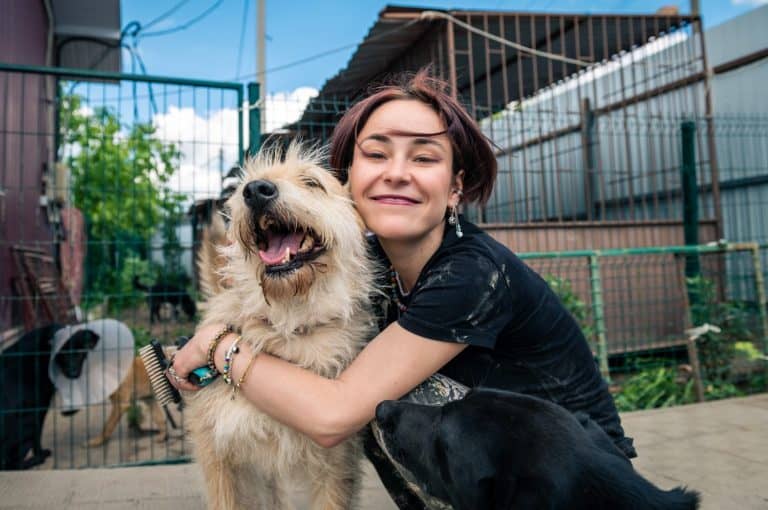
With approximately 2 million dogs entering US shelters each year, advocacy groups like the ASPCA and Humane World for Animals urge prospective pet owners to adopt rather than buy. Adopting helps reduce the demand that fuels puppy mills and often costs far less than purchasing from a breeder. Additionally, purebred and other desirable dog breeds can often be found at shelters.
Coleman, who trains both adopted and purebred dogs, says, “Adoption gives a dog a second chance, and many shelter dogs make incredible companions once they feel safe. If you do choose to buy instead of adopt, make sure you’re supporting breeders who share that same respect for dogs.”
What Are State Puppy Mill Laws Like?
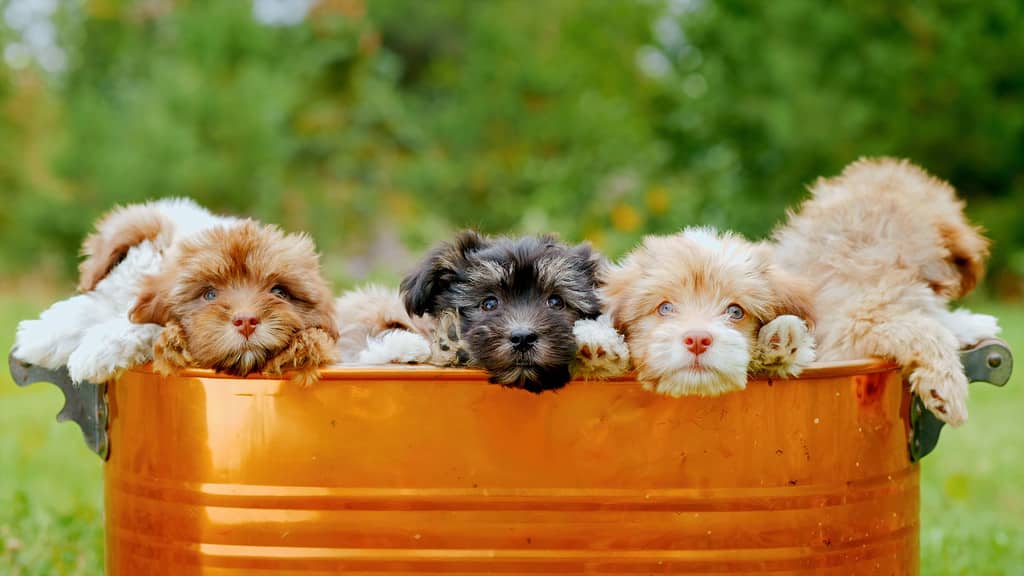
Only eight states ban the retail sale of puppies that don’t come from shelters or rescue organizations.
©Фадеев Олег/iStock via Getty Images
Regulation of commercial breeding varies widely across the U.S., which can make it incredibly difficult to separate legitimate breeders from puppy mills in some states.
As of late 2025, eight states, including California, Maryland, Maine, Washington, Illinois, New York, Oregon, and Vermont, ban the retail sale of puppies in pet stores unless they come from shelters or rescue organizations. Laws like these cut off a major source of puppy mill revenue, helping to reduce their presence in certain states.
Other states, such as Oregon, have additional laws, including one that limits breeders to no more than 50 non-sterilized dogs aged two years or older for breeding purposes. Some states, particularly in the Midwest and South, have much weaker regulations or rely on federal oversight under the USDA’s Animal Welfare Act, which many advocates say doesn’t go far enough.
“Until we have consistent national standards,” Coleman says, “consumers have to take responsibility for their choices. Ask questions, demand transparency, and don’t hesitate to walk away, no matter how much you love the puppy that’s being offered by a shady breeder.”
How to Avoid Supporting Puppy Mills

Research before buying a puppy.
©alekta/iStock via Getty Images
Before buying a puppy, research thoroughly and know the right questions to ask. Visit breeders in person, ask for veterinary and genetic documentation, ask to meet the pup’s parents, and verify that the breeder does not sell through pet stores or brokers. If anything feels rushed or secretive, that’s a warning sign. Additionally, the temperament of a puppy’s parents can greatly influence your puppy’s behavior and disposition.
“Buyers have more power in this process than they think,” Coleman notes. “Every time you refuse to buy from a sketchy breeder, you shrink the market that keeps puppy mills running.”
Support Ethical Breeders, Not Puppy Mills

Puppy mills don’t actually care about dogs.
©Hananeko_Studio/Shutterstock.com
Choosing a new dog is often more complicated than people think, especially if buyers are seeking a certain breed. However, whether you adopt from a shelter or buy from a breeder, your choice may shape the future of puppy welfare in your state.
As Coleman put it, “Good breeders care about their puppies long after they leave. Puppy mills only care about profit until the next litter.”
With this in mind, find your next puppy with confidence. Ethical breeders exist and have fantastic, well-bred dogs waiting for you. However, shelter dogs are always in need of homes, and you may be pleasantly surprised by the wonderful dogs you can find there!
CORRECTION: This article was updated on November 28, 2025, to correct the name of Humane World for Animals. It was originally referred to by its previous name, the Humane Society of the United States.