
Quick Take
- Purebred dogs may carry a hidden health disadvantage that most owners never consider, and mixed breeds may have a biological edge because of it.
- National Mutt Day is observed twice a year, and the timing of both dates is no accident.
- Adopting a single shelter dog does more than save one life, and there is a multiplier effect that most people overlook.
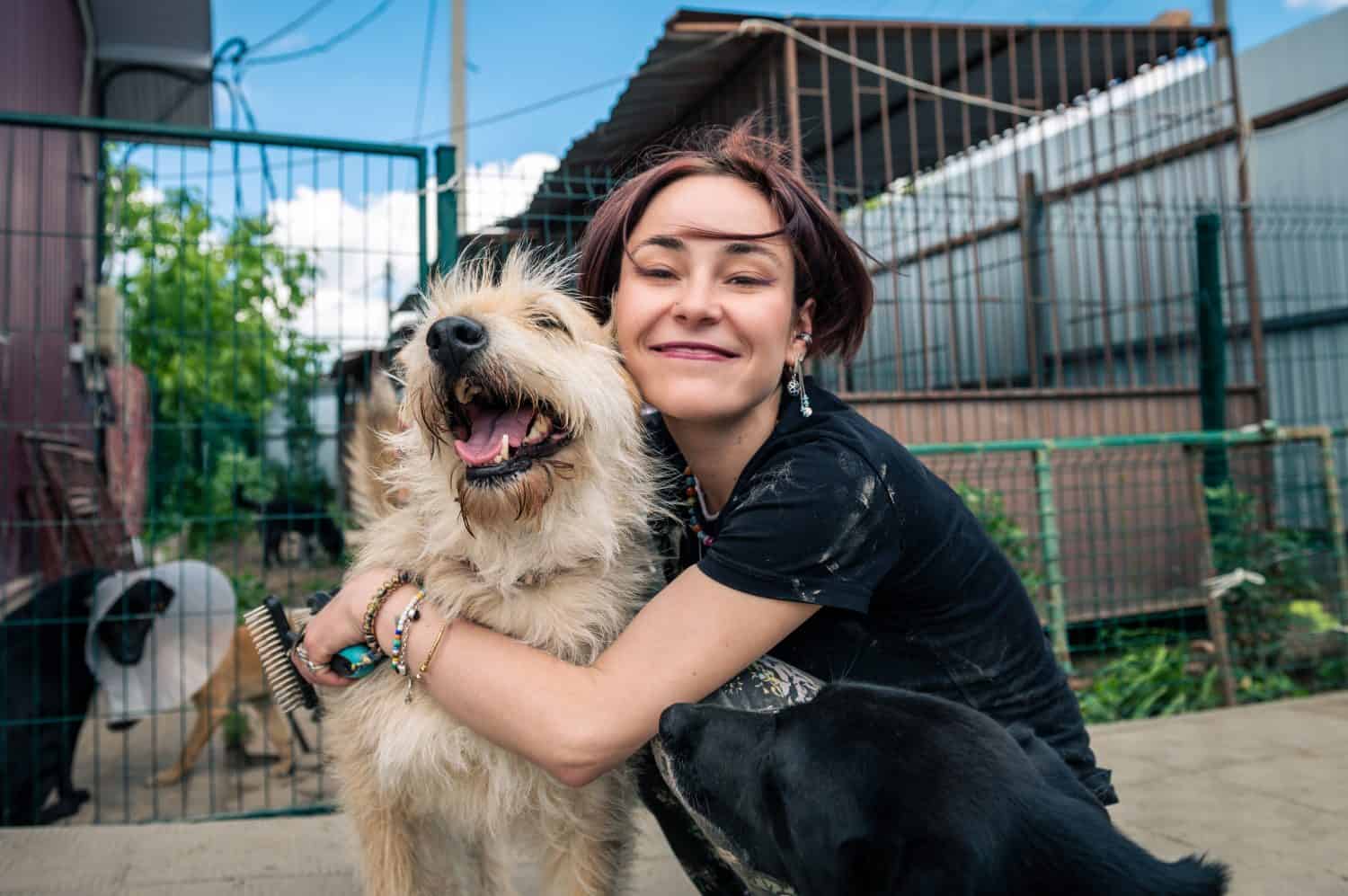
Every dog has a story, but on July 31, the spotlight shines on some of the most lovable companions of all: mixed-breed dogs. National Mutt Day celebrates their unique personalities, resilience, and unconditional love, while increasing awareness about the millions waiting in shelters for a second chance.
Whether they’re a Labrador mixed with a Border Collie, a Chihuahua crossed with a Terrier, or an adorable mystery blend that leaves everyone guessing, mixed-breed dogs remind us that the best companions don’t come with pedigrees. Yet, they come with big hearts.
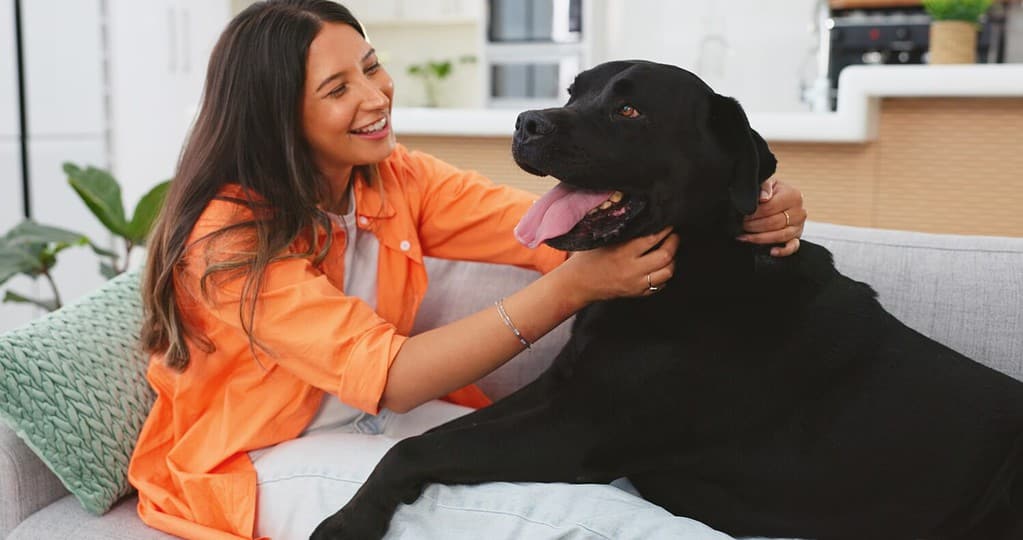
Shelters and rescue organizations have mixed-breed dogs ranging from puppies to seniors, making it easier to find a companion that fits your lifestyle.
©PeopleImages.com – Yuri A/Shutterstock.com
National Mutt Day is an annual observance that celebrates mixed-breed dogs and encourages people to adopt them from shelters and rescues. In 2026, it falls on Friday, July 31, and is noted a second time each year on December 2. The day was founded in 2005 by Colleen Paige, an animal welfare advocate, pet lifestyle expert, and behaviorist who also created National Dog Day, National Puppy Day, and National Cat Day.
Paige created the observance with a simple aim: to embrace, save, and celebrate the millions of mixed-breed dogs that fill animal shelters, and to remind people that a dog without a pedigree can make the most loyal companion of all. Choosing to hold the day twice a year, in mid-summer and again in early winter, was intentional. It keeps the adoption message in front of the public at two very different points in the year, rather than letting it fade after a single day of attention each year.
The day functions as a reminder that all dogs deserve a loving home, regardless of breed or background. It also gives shelters and rescue groups a recurring opportunity for adoption events, fundraising drives, and social media campaigns that might otherwise struggle to break through the clutter of everyday news.

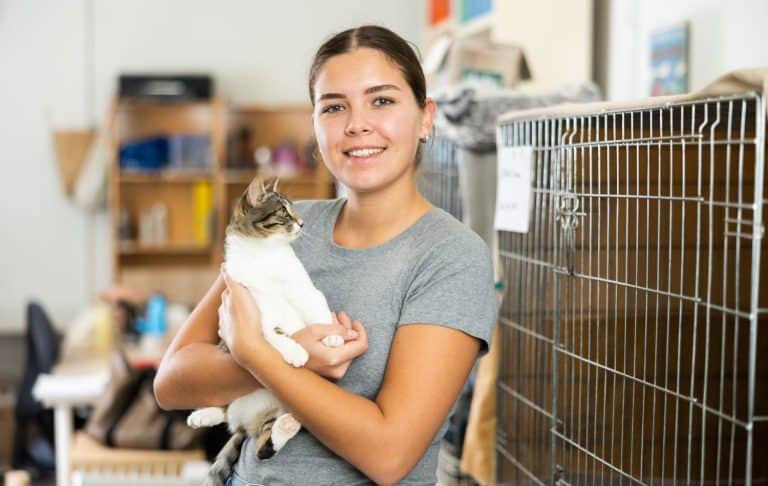
Choosing to adopt gives a dog a second chance while also creating space for another animal in need at a shelter or rescue.
©PeopleImages/Shutterstock.com
One common misconception is that purebred dogs are healthier or “better” than mixed breeds. Many veterinarians recognize that mixed-breed dogs can actually benefit from hybrid vigor, the increased genetic diversity that may reduce the likelihood of inheriting certain breed-specific conditions.
Because purebred dogs are often selectively bred within smaller gene pools, some breeds are more susceptible to inherited health issues such as hip dysplasia, heart conditions, or breathing problems tied to certain facial structures. Mixed-breed dogs, by contrast, may have a lower risk for some of these hereditary disorders thanks to their wider genetic backgrounds.
Ask anyone who has adopted a mutt, and they’ll likely tell you that personality matters far more than pedigree. Mixed-breed dogs come in every imaginable combination of size, appearance, and temperament. Some are energetic hiking partners, ready for a five-mile trail at sunrise, while others are perfectly content to curl up beside you on the couch for an entire rainy afternoon. Some may even be a mix of both! Their individuality is part of what makes them so special.
Shelter staff and rescue organization volunteers often spend considerable time getting to know each dog’s personality before finalizing adoptions. This matchmaking process helps pair families with pets that truly fit their lifestyles, whether they are looking for a quiet apartment companion or an active running buddy.
Across the United States, mixed-breed dogs make up the majority of dogs entering shelters each year, with estimates suggesting that 70-95% of shelter dogs are mixed breeds. Many arrive through no fault of their own, driven by changes in housing, financial hardship, an owner’s illness, or other unexpected life circumstances rather than anything the dog did wrong.
Adopting a shelter dog doesn’t just change one animal’s life. It also creates space and resources for another pet in need, effectively multiplying the impact of a single adoption. Consider visiting your local shelter and opening your home to a dog in need of a second chance, even if you weren’t actively planning on getting a pet this year.
Choosing to adopt a mixed-breed dog offers a number of meaningful rewards. It means saving a life by giving a shelter dog a permanent home, and gaining a loyal companion with a one-of-a-kind personality in return. It also means supporting community shelters and rescue organizations through adoption fees and regular care, while likely reducing the risk of certain inherited genetic conditions that can affect more narrowly bred dogs. Perhaps most rewarding of all is the real satisfaction of watching a rescued dog gain confidence and thrive over time, growing into the animal it was always capable of becoming.
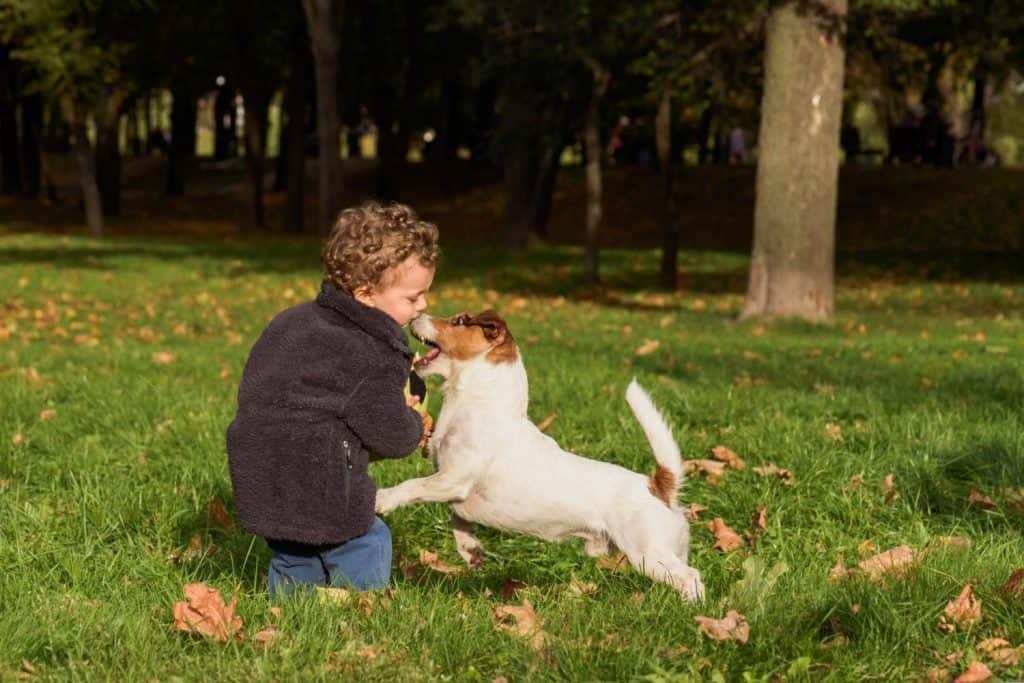
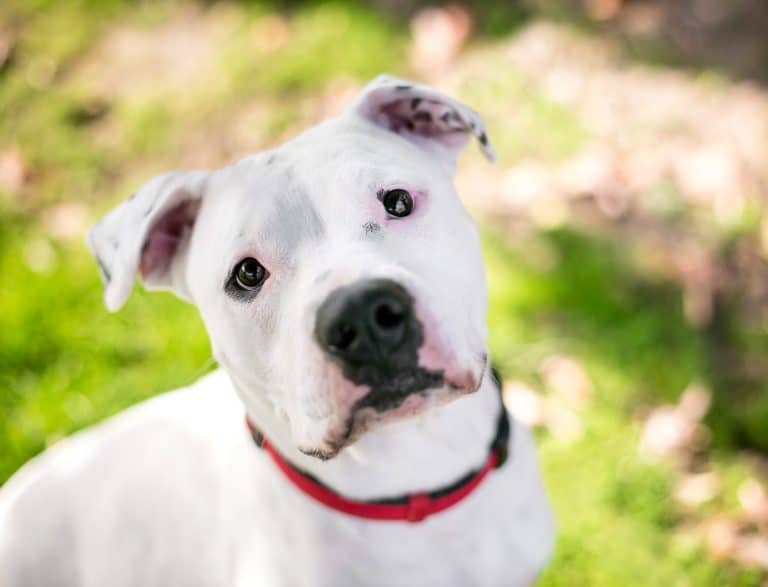
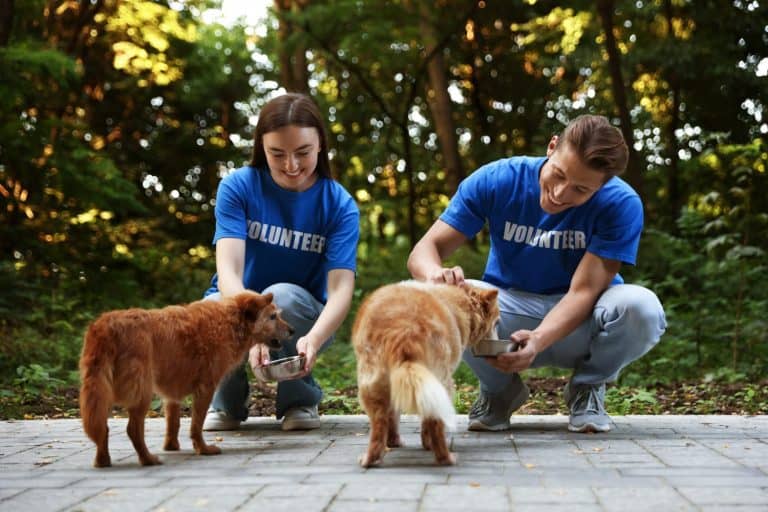
Adopting from a shelter or rescue helps support organizations dedicated to caring for homeless animals and promoting responsible pet ownership.
©alexei_tm/Shutterstock.com
There are many ways to honor mixed-breed dogs on July 31, whether or not you’re in a position to adopt right now. You might visit your local animal shelter or rescue organization, even just to meet the dogs and learn about their programs. Sharing photos and stories of your own mixed-breed dog on social media can also help normalize adoption for people who might otherwise default to buying from a breeder. If you have the time, consider volunteering by walking dogs, temporarily pet-sitting, or helping out at adoption events, as shelters often rely heavily on volunteer support to function.
Donating food, blankets, toys, or other supplies is another simple way to help a shelter that is often short on resources. Even a quiet conversation counts: encouraging friends and family to consider adoption first when they are thinking about adding a pet to their home can make a real difference.
Even if you’re not ready to adopt, you can still help simply by boosting awareness and motivating others to consider adoption. A single shared post or conversation can help more dogs find loving families than you might realize.
Mixed-breed dogs have inspired plenty of good-natured trivia over the years. No two mixed-breed dogs are ever exactly alike; even littermates can look and act completely differently from one another. Mixed-breed dogs have also become beloved therapy dogs, service animals, and even search-and-rescue partners, proving that ability has little to do with pedigree.
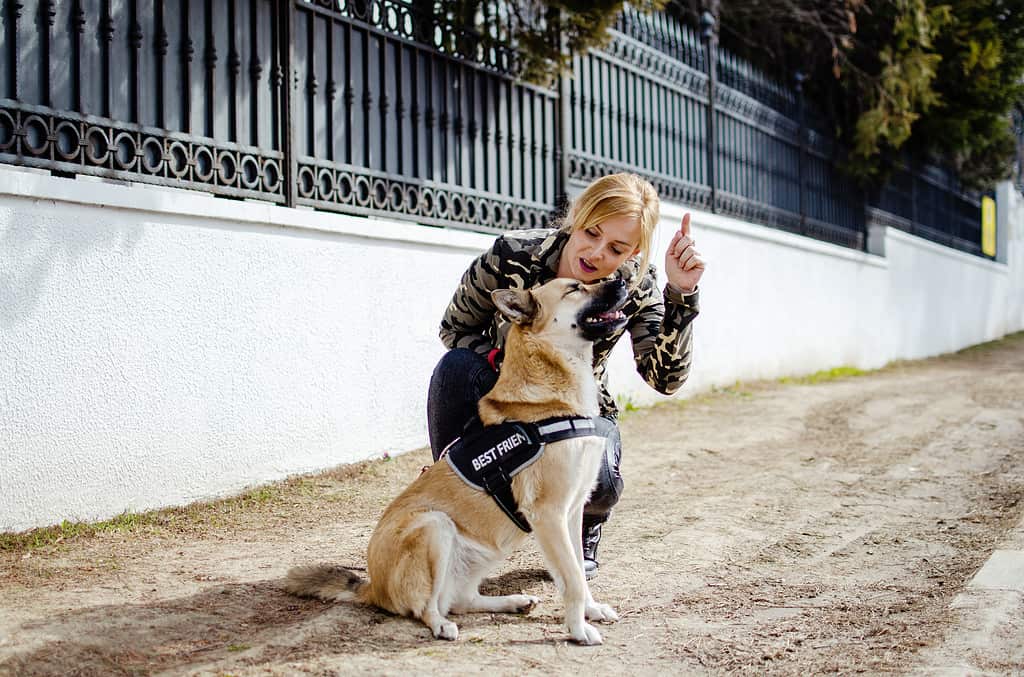
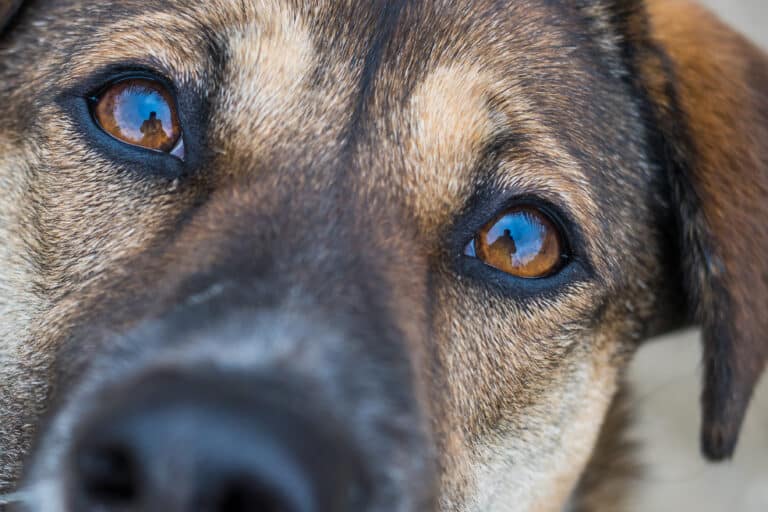
Mixed-breed dogs are just as capable as purebred dogs when it comes to being loving companions, active partners, and skilled working dogs.
©Biserka Stojanovic/iStock via Getty Images
These small details add up to a bigger point: a dog’s background says little about the loyal, loving companion it can become.
National Mutt Day reminds us that a dog’s worth isn’t determined by registration papers. It’s measured by wagging tails, joyful greetings, loyal companionship, and the countless small moments of unconditional love that dogs bring into our hearts.
This July 31, take a moment to honor the mixed-breed dogs who make our communities brighter, and consider opening your heart and home to one of the many waiting patiently in shelters. Visit, share, foster, donate, or adopt. Whatever form it takes, your effort can help a mutt find the loving family it deserves.