
Quick Take
- Three separate beaver attacks happened within weeks, and officials still cannot say whether one animal is responsible for all of them. Count the attacks →
- This summer's rabid beaver attacks in Maryland aren't as unprecedented as they look, and most people missed the pattern behind them.
- Experts say there's no outbreak, though the precaution they're urging visitors to take is more specific than most people expect. Hear the expert advice →
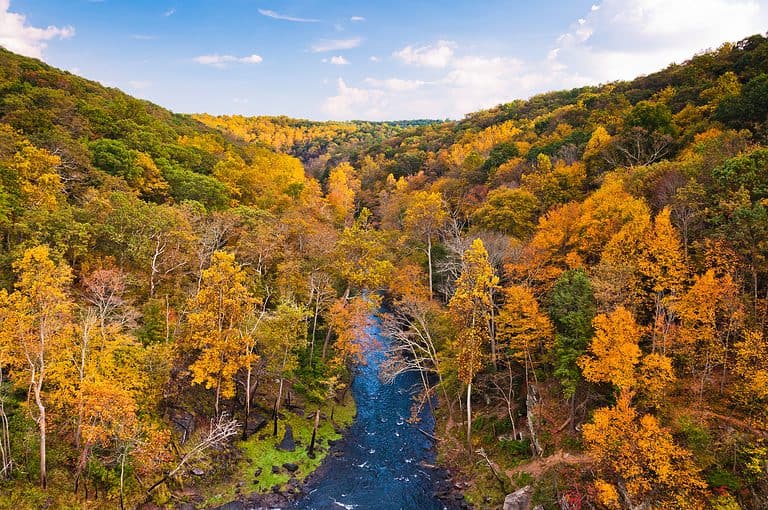
Portions of Seneca Creek State Park remain closed following a beaver attack on August 13th. The victim, a 10-year-old girl, was wading in a nearby creek while attending summer camp at the park. After feeling something on her leg, she realized a beaver had bitten her.
The attack occurred shortly after a separate incident in which a beaver attempted to attack a canoe. The two incidents happened close to each other, leading some experts to wonder whether they were connected. Only days after the second attack, a dead beaver was found nearby in Seneca Creek. Testing confirmed it was positive for rabies, raising significant wildlife concerns amid the park’s closures.
Continue reading
A Search Is Underway For More Sick Beavers
While the canoe incident is definitely a cause for concern, a child being attacked prompted further searches of the area. After the 10-year-old victim was bitten on her upper leg, her camp counselors attempted to remove the animal. Their attempts were unsuccessful, and the beaver instead escaped into the water.
The dead beaver—found on August 17th—tested positive for rabies. It’s still unclear if this was the same animal that bit a 10-year-old girl. There’s a chance it could be the same beaver that attacked a canoe weeks earlier, but this has yet to be confirmed. However, since the two incidents happened in the same body of water, authorities are acting out of an abundance of caution.

Beavers are not generally aggressive, and if they are, that’s the first clue something is off.
©Michal14/Shutterstock.com
A search is now ongoing for other sick beavers. Park staff are looking for beavers that exhibit signs of rabies, which include:
- Daytime Activity: Beavers are typically nocturnal, and being out during the day can be a sign that something is wrong.
- Aggression: Biting, bluffing, charging, or persistently pursuing a human or another animal strongly suggests a beaver with rabies. This often accompanies a lack of fear, which prompts animals to stalk or follow humans.
- Erratic Behavior: Turning in circles, looking noticeably disoriented, and stumbling are all signs of rabies.
Currently, Seneca Creek, near Berryville Road, the Route 28 parking lot, and about one mile of trail and river access points are closed to the public. Only staff are permitted as the search continues.
Maryland Saw Two Additional Beaver Attacks This Summer
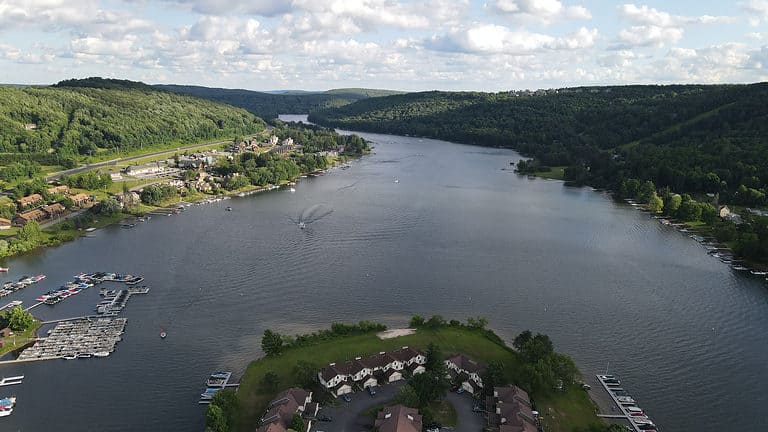
While the 10-year-old girl and the canoers at Seneca Creek were the most recent victims of beaver attacks, Maryland has seen a total of four such incidents this summer. Earlier this summer, in late July, a 13-year-old visiting Cunningham Falls State Park was bitten. The teen was swimming in a designated swimming area when the beaver attacked. Testing later confirmed that the animal also tested positive for rabies.

It’s rare to see beavers out during the day, unless they’re sunbathing in the early spring or late winter.
©Ghost Bear/Shutterstock.com
In early August–only two weeks later–a 19-year-old visiting Hunting Creek Lake in Cunningham Falls State Park was bitten. The individual had been fishing when the beaver attacked, leaving ankle lacerations before the beaver was caught by officials. This beaver also tested positive for rabies. Including the 10-year-old at Seneca Creek, there have been three confirmed attacks this summer.
This is not the first time rabid beavers have been found in Maryland. Additional cases in 2015 and 2021 suggest that rabies is more common in this area than many people realize. While the state issues alerts about rabid animals in the area, experts say it is not something outdoor lovers should worry about, but they should exercise caution.
Wildlife Experts Urge Locals and Summer Visitors to Be Cautious
As of now, officials are warning visitors to Seneca Creek State Park and Cunningham Falls State Park to be aware of their surroundings. While hikers and recreationalists should always exercise wildlife safety, it’s more crucial than ever when animals test positive for rabies. Both parks have experienced recent incidents, putting them on higher alert than usual.
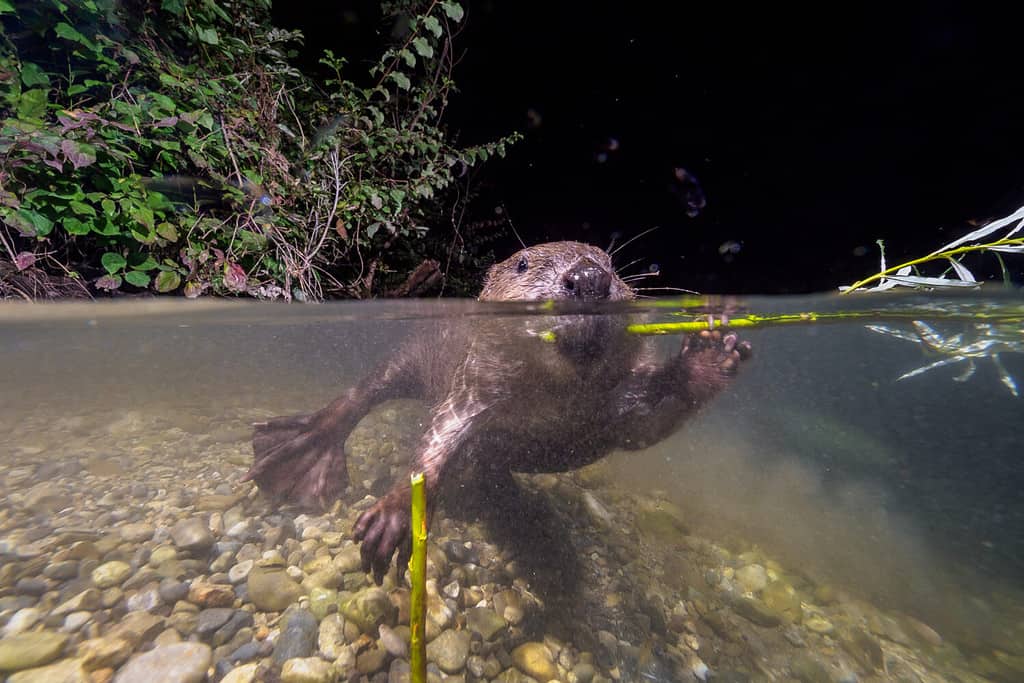
Keeping at least 25 yards away can help reduce the risk of an encounter.
©benny337/Shutterstock.com
As of August 19th, the Maryland Department of Natural Resources says it does not feel the two incidents at Seneca Creek are connected. It also does not believe that there’s any indication of a rabies outbreak in Montgomery or Frederick counties. However, visitors should still follow the wildlife golden rules, which include maintaining a distance of at least 25 yards from wildlife, observing signs of unusual behavior, as indicated above, and keeping all pets close and leashed at all times, especially near water.
The Maryland Department of Natural Resources also encourages visitors to report any incidents or animals with unusual behavior.