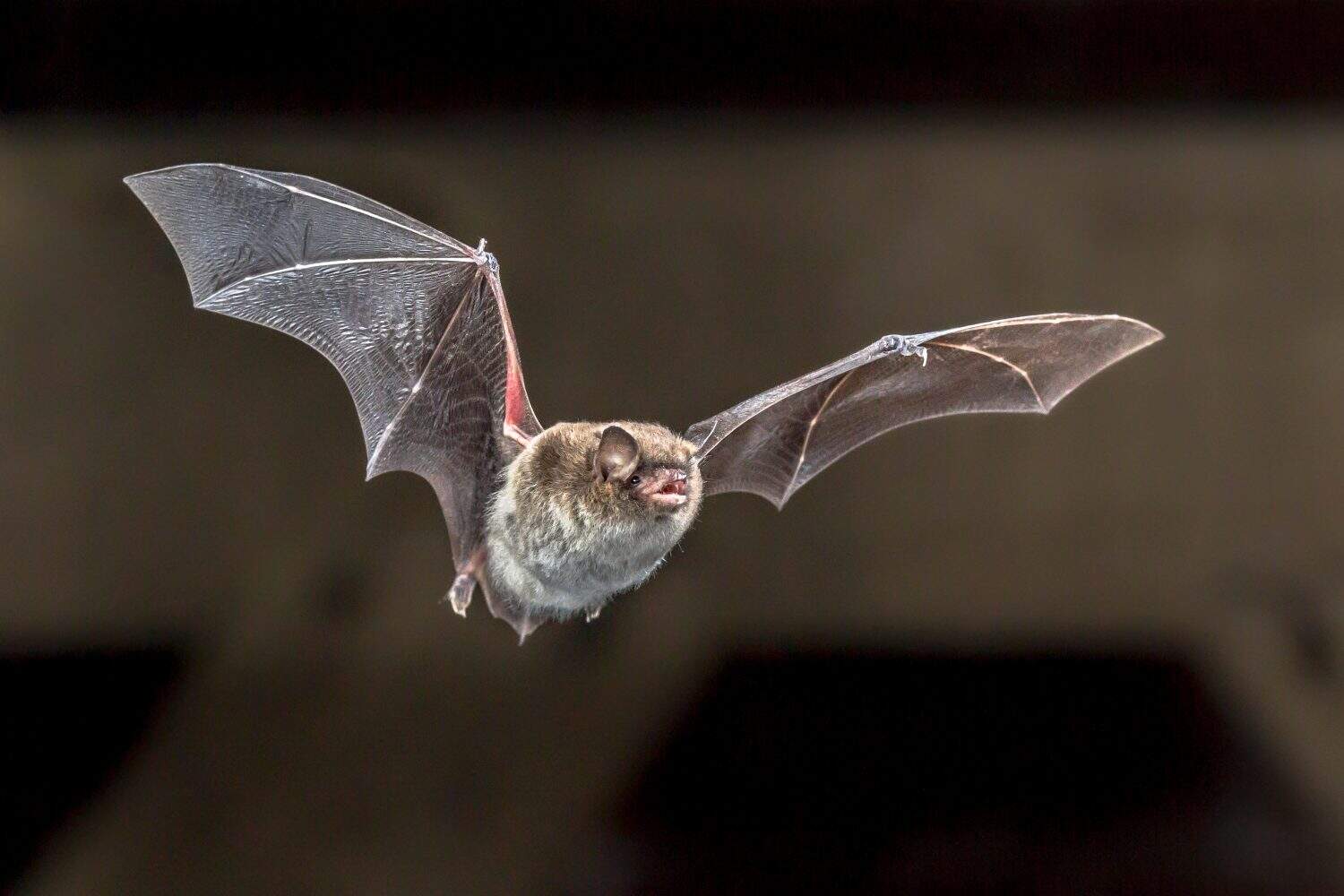

Imagine settling into a rustic cabin in a national park, ready for a quiet night under the stars—only to discover later you might have shared your room with bats. That’s exactly what happened at Grand Teton National Park this summer. A hidden bat colony at Jackson Lake Lodge potentially exposed up to 500 visitors to rabies, according to reports from August 2025. Health officials scrambled to alert travelers from dozens of states and even overseas, shutting down cabins and triggering a wave of anxious “what if?” questions for anyone who’s ever brushed up against wildlife.
This wasn’t a rumor or exaggeration—it was a real-world reminder of how quickly rabies fears can spread, and that you could be at risk even if you don’t think you’ve been bitten. So when should you worry about rabies? And what should you do if you think you might have been exposed?
The Wyoming Cabin Scare

Bats in a rustic cabin attic were enough to spark an emergency response by the facility administration.
©melissamn/Shutterstock.com
The story broke when officials discovered a hidden bat colony roosting in the attic above eight cabins at Jackson Lake Lodge, part of Grand Teton National Park. The discovery came on July 27, 2025, but by then, hundreds of guests had already stayed in those rooms between May 5 and July 27.
Some visitors reported bats swooping through their cabins at night, while others may have unknowingly slept through an invisible visit—never realizing that a small scratch or bite could have occurred. The first reports of bat encounters had actually reached the lodge company on June 2, but it wasn’t until late July that the full extent of the colony was uncovered and the cabins were shut down.
Only a handful of bats were captured and tested, and while none tested positive, most of the colony remained untested. With no way to rule out exposure, officials began contacting every one of the nearly 500 guests who may have stayed in the affected cabins, linking them with local providers for evaluation and preventive treatment. All of this raises an unsettling question: how can an ordinary traveler know if they should be worried about rabies after spending a night in a lodge room?
Understanding Rabies
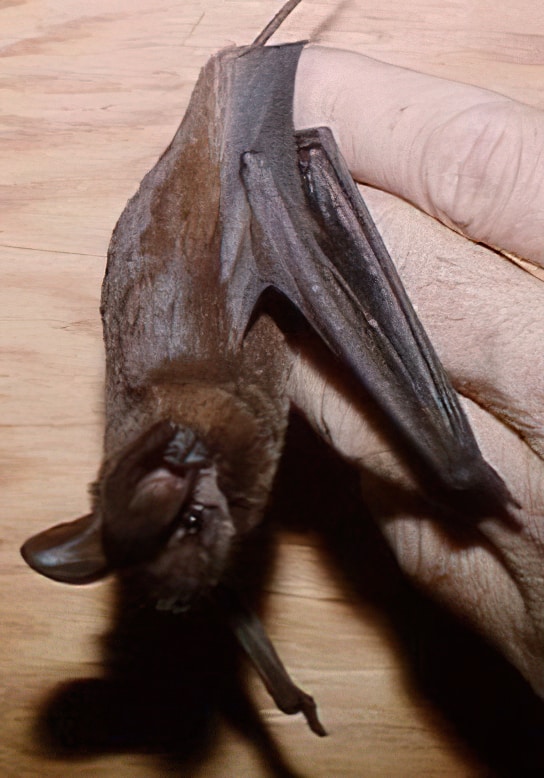
Bats are the number 1 spreader of rabies to people.
©Grand Staircase-Esclanate National Monument, Bureau of Land Management / M.Siders / public domain – Original / License
Rabies is a virus that attacks the brain and nervous system of mammals. Birds, reptiles, fish, and insects cannot catch it or carry it. It spreads through the saliva of infected animals, most often through a bite or scratch. Dogs, cats, raccoons, skunks, foxes, and other wildlife can transmit it. In the United States, bats are the number one cause of death by rabies in people. Globally, dogs are the most common source of human rabies. In an animal or a person, once symptoms appear, the virus will inevitably continue to the brain. Rabies is 100% fatal in people or animals once symptoms have developed. That’s why it’s important to take action before any symptoms appear.
Rabies in Animals

Aggression is one of the behavioral symptoms of rabies in animals.
©Victoria Antonova/Shutterstock.com
These are the stages of progression and symptoms of rabies in animals.
- Incubation period: Varies by species, usually 2–12 weeks.
- Prodromal stage: Subtle behavior changes — friendly animals may become shy/irritable, wild animals may lose fear of humans. Mild fever, reduced appetite.
- Excitative (furious) stage: Restlessness, aggression, snapping/biting, difficulty swallowing, drooling, strange vocalizations.
- Paralytic (dumb) stage: Paralysis of throat/jaw (dropped jaw, foaming mouth, inability to swallow), weakness spreading through the body.
- Death: Within 7–10 days of symptom onset.
Rabies in People

Fever and headache are two of the early symptoms of rabies exposure in people.
©WESTOCK PRODUCTIONS/Shutterstock.com
A rabies infection in a person has this typical progression:
- Incubation period: Usually 1–3 months (but can be shorter or much longer). No symptoms while the virus travels along nerves toward the brain.
- Prodromal stage (early symptoms): Fever, headache, anxiety, fatigue, discomfort or tingling at the bite site.
- Acute neurological stage:
- Furious rabies (most common): agitation, confusion, hallucinations, hydrophobia (fear/spasms when trying to swallow liquids), aerophobia (fear of drafts/air), excessive salivation, aggressive or erratic behavior.
- Paralytic rabies (less common): muscle weakness and paralysis starting at the bite site, progressing through the body; quieter course, but still fatal.
- Coma & death: After symptoms start, progression to coma and death usually happens within 1–2 weeks.
How Do People Get Exposed?

A researcher feeding a bat (Macrotus waterhousii) in Cuba.
©MELISSA DONNELLY Science Specialist, Merlin Tuttle’s Bat Conservation – Austin, TX
People can be exposed to rabies in several ways. Most often, this is through the bite of an infected animal, since the virus is carried in saliva. Scratches that break the skin can also transmit it if the animal’s claws are contaminated with saliva or blood. For example, if a dog fought with or stepped in the blood of a rabid animal, the virus could potentially be carried on its claws or teeth and then transmitted to a person through a scratch or nip. Rabies can also be transmitted if saliva or nervous tissue from a rabid animal comes into contact with open wounds, the eyes, nose, or mouth. Rare exposures have occurred in laboratory settings or through organ transplants from undiagnosed infected donors. However, most infections trace back to direct bites or scratches.
Bats are a special concern because rabies can make them disoriented, restless, unpredictable, and less afraid of people. A bat that finds its way into a house may fly around erratically while trying to escape. In the process, it could brush against a sleeping person. Their bites are so small that they may not be felt at all, especially if they occur on the scalp, hidden by hair. Even a quick scratch from a claw or tooth can transmit the virus. The mark may heal quickly or be mistaken for something else, so the person never realizes it happened. For this reason, if someone wakes up and discovers a bat in the room, doctors usually recommend rabies precautions, even if no bite is noticed.
When Should You Be Tested?

Online, raccoons have been dubbed “trash pandas.”
©Magalie St-Hilaire poulin/Shutterstock.com
Here are three real-world scenarios in which you should be tested for rabies:
- Bat exposure: You wake up in the morning and notice a bat clinging to your bedroom curtains. You don’t see any obvious bites or scratches. But since bats can bite without being felt, you can’t be sure it didn’t brush against you during the night.
- Wild animal bite or scratch: While taking out the garbage one evening, you accidentally startle a raccoon that scurries past you. Later, you notice a scratch on your finger. You can’t tell whether it came from the animal or from the trash.
- Possible pet exposure: Your cat gets into a fight with an unknown animal outside, then runs back to you injured. In its panic, it climbs up your body, leaving claw marks and punctures on your arms and legs.
As you can see, even if you’re not sure whether an animal bit or scratched you, the possibility alone makes testing a smart decision.
Testing and Treatment for Rabies Exposure
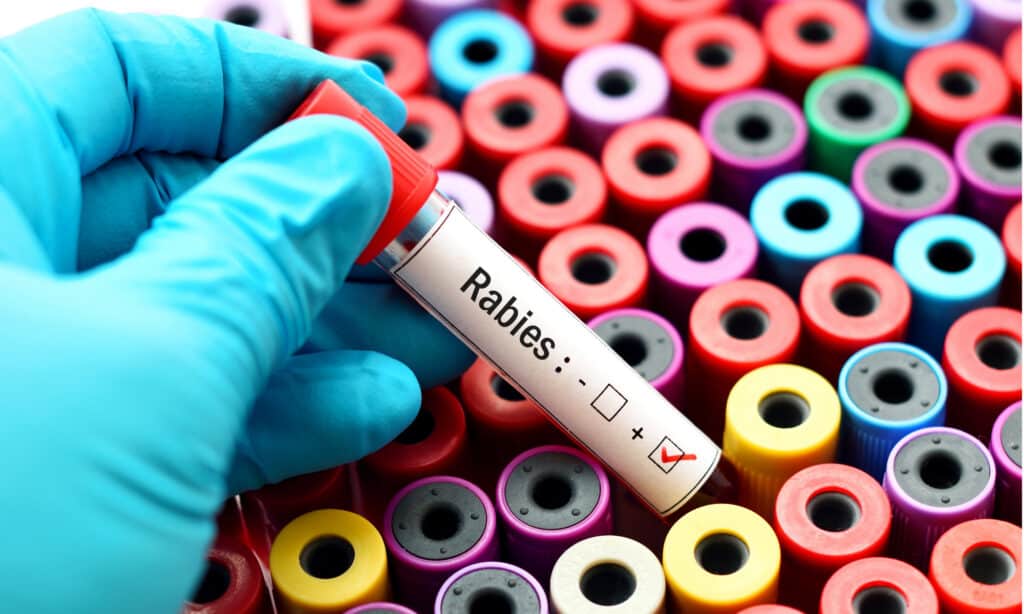
A rabies vaccine is the best defense against the disease.
©iStock.com/arun011
If you think you’ve been exposed to rabies, the first step is to wash the wound right away with soap and running water. This can lower the risk of infection. After that, it’s important to see a doctor as soon as possible. Waiting for symptoms is dangerous because rabies is almost always fatal once they begin. Doctors may recommend post-exposure prophylaxis (PEP). This includes two parts: rabies immune globulin, injected around the bite to provide immediate protection, and a series of rabies vaccines given over two weeks to train your immune system to fight the virus. When treatment begins promptly, rabies can be prevented.
If your pet might have been exposed, the response depends on its vaccination status. Pets that are up to date on their rabies shots are usually given a booster. After that, they are kept under home observation for about 45 days. During that time, you will monitor them with your veterinarian guiding the process. Pets that are not current on vaccination face stricter measures. These can include a 4–6 month strict quarantine under controlled conditions or, in some cases, euthanasia and testing. If your pet bites someone, it may be placed under a 10-day observation period to see if it develops signs of rabies. In every case, whether for people or animals, quick action is the key to preventing rabies from taking hold.
Lowering Your Risk of Exposure

Feeding or petting stray cats can be extremely risky, especially in countries where rabies may be more prevalent than in the U.S.
©evgenii mitroshin/Shutterstock.com
Given the danger of this disease, it makes sense to take reasonable precautions. Avoid contact with wild or stray animals and keep your own pets up to date on their rabies vaccinations. Don’t feed or handle wildlife, especially bats, raccoons, skunks, foxes, or stray dogs and cats. If you find a bat in your home, do not try to catch it yourself—call animal control. When traveling to parts of the world where rabies is more common in dogs, avoid contact with animals and consider getting the rabies vaccine ahead of time. For livestock or outdoor pets, follow your veterinarian’s vaccination schedule and supervise them outdoors when possible. Simple steps like not approaching unfamiliar animals, securing trash, and keeping screens and doors in good repair can greatly reduce the risk of rabies exposure.
What About Bat Houses and Petting Zoos?

It’s safe to pet domestic livestock at well-maintained facilities. Take a pass on petting a sketchy-looking opossum at a roadside tourist trap, though.
©MNStudio/Shutterstock.com
People sometimes wonder if putting up a bat house or taking kids to a petting zoo increases the risk of rabies. The truth is, neither of these things is automatically unsafe when done responsibly.
Bat houses aren’t the same as feeding wildlife. In fact, they can keep bats out of attics and bedrooms by giving them a safe roosting spot somewhere else. If you put one up, just make sure it’s placed well away from your home and outdoor living areas, and never try to handle the bats directly.
Petting zoos, on the other hand, usually involve domestic animals like goats, sheep, and rabbits—species that aren’t common rabies carriers and are often vaccinated. The bigger concern there is germs such as E. coli or Salmonella, which is why it’s important to wash hands after contact. As long as the facility is reputable and animals are healthy, the risk of rabies is extremely low. The bottom line: enjoy the goats and bunnies, but keep your distance from wild animals such as bats, raccoons, and stray animals.
The Bottom Line
The Jackson Lake Lodge incident highlights an uncomfortable truth: rabies exposure isn’t always obvious. Sometimes it’s not the snarling stray dog in an alley—it’s a quiet bat slipping into your room at night. Rabies remains rare in the United States, largely because of pet vaccinations and public health systems. Still, wildlife exposures happen every year, and vigilance is the only way to stay safe.