
Quick Take
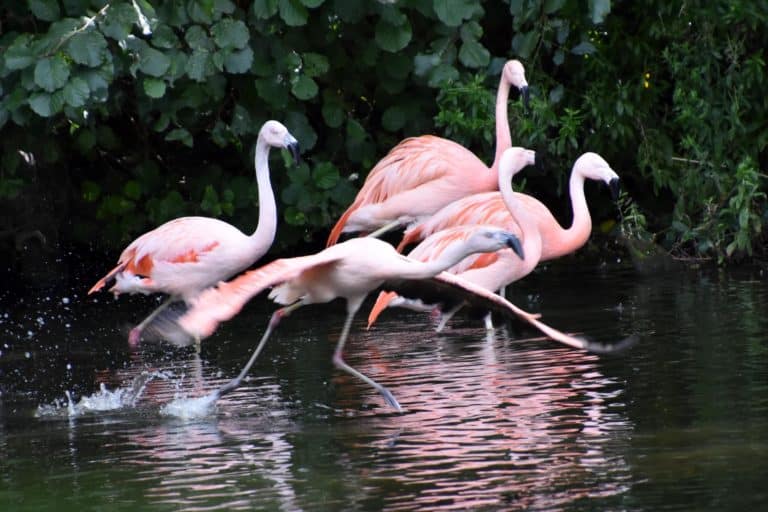
- This pink bird looks almost identical to a flamingo, though sharing a color does not mean sharing a family tree.
- The reason roseate spoonbills get pinker as they age has nothing to do with genetics.
- Their signature bill isn't just for show. It hunts prey in a way most birds can't.
- Two birds can share the same habitat, the same color, and still be separated by vast evolutionary distance.
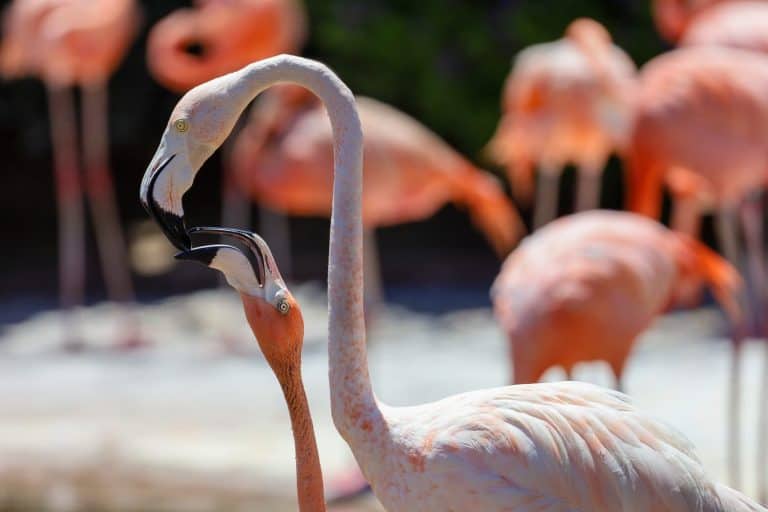
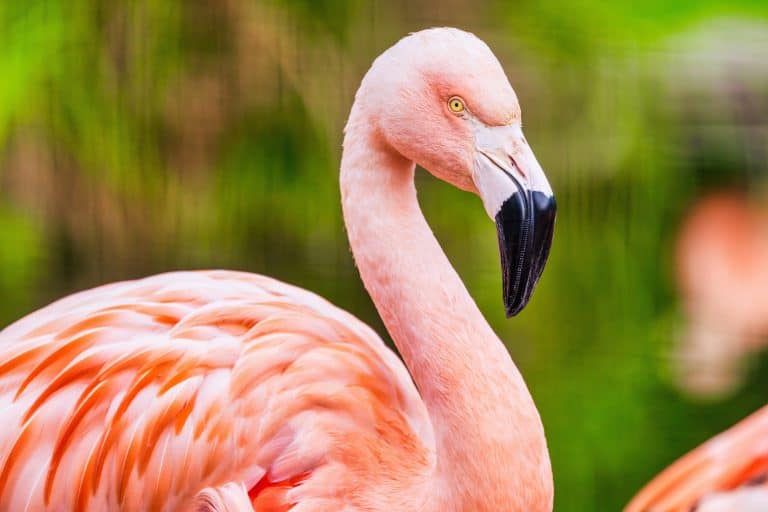
There are so many different species of birds that there are bound to be birds that look similar. One example is the flamingo, which has a pink look-alike. The roseate spoonbill bears a strong resemblance to the flamingo and has its own unique features as well, but are they related? This Instagram post by @jenngoodell shows a video of these birds. Read on to learn more.
Continue reading
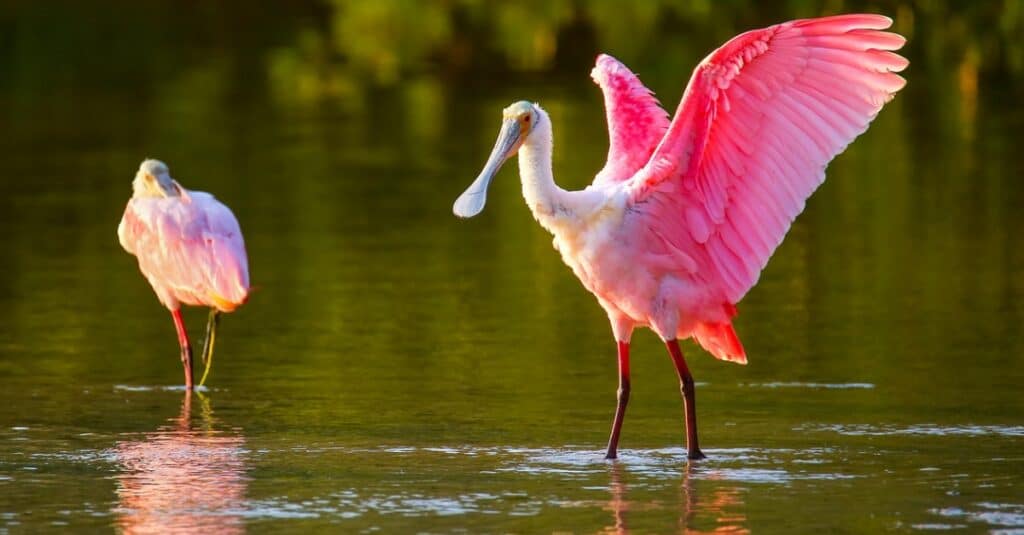
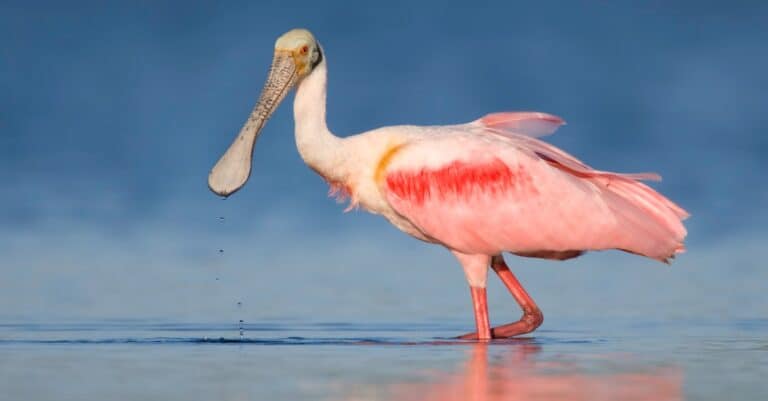
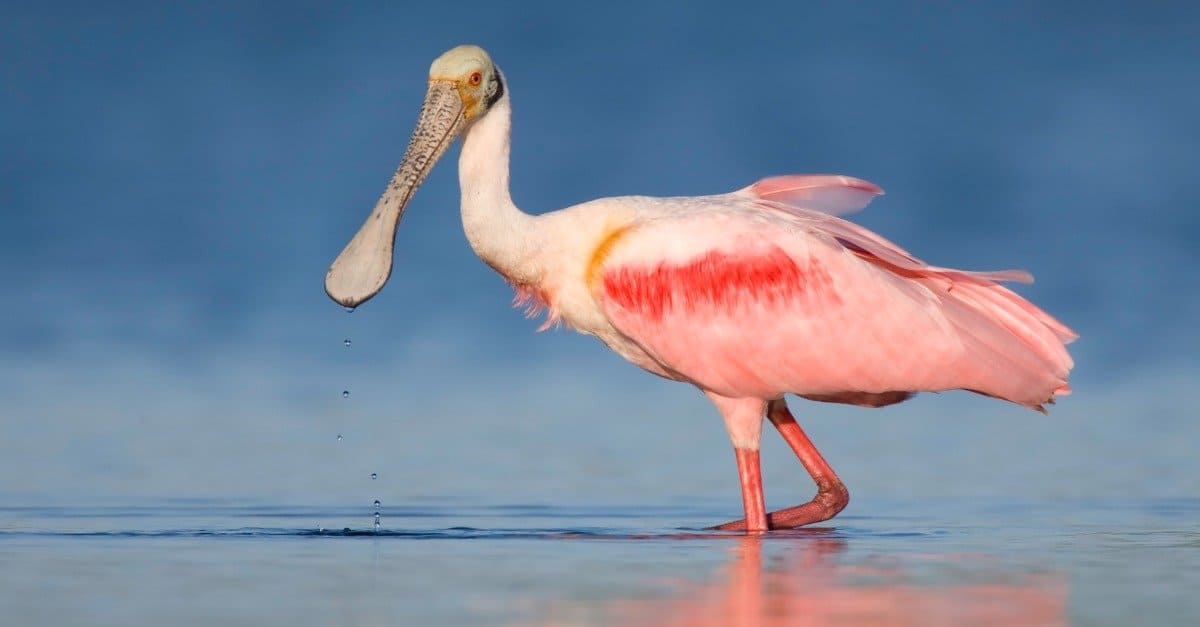
The roseate spoonbill uses its uniquely shaped bill to scoop up prey underwater.
©iStock.com/Donyanedomam
About the Roseate Spoonbill
One of the common characteristics between flamingos and the roseate spoonbill is their pink feathers, so why are they so pink? Similar to flamingos, the roseate spoonbill gets its coloration primarily from its diet. Their prey consists mainly of shrimp and crayfish, and the natural pigments called carotenoids from these foods are deposited into their feathers after digestion. As a result, younger spoonbills are often paler in color and only develop their vibrant pink feathers as they mature. While flamingos and spoonbills may share this trait, they are not closely related. Spoonbills are more closely related to ibises than to flamingos; their similar appearance is a result of adapting to comparable environments.
Roseate spoonbills primarily inhabit shallow wetlands. These include coastal marshes, mangroves, and swamps. In the United States, they live around Florida, Texas, and Louisiana. Besides their pink feathers, they are famous for their large bills. Just like the name suggests, the spoonbill uses its bill to scoop up prey. They sweep their bill side to side in the water, and thanks to how sensitive it is, they can detect prey quickly by touch. When they bump into something, they snap their bill shut. While shrimp and crayfish make the bulk of their diet, they also eat small fish, insects, and mollusks. As shown in the video above, these birds love to spend their time in the water. But they can also fly! By extending their necks and legs straight, they can glide in an elegant display. While spoonbills do not typically travel long distances, short flights allow them to quickly reach areas where food is abundant.