
Quick Take
- Mastering life-saving assistance requires medical service dogs to undergo 2 years of intensive training.
- Canine physiology cannot sustain the 120 compressions per minute required for effective medical resuscitation.
- Evidence shows service dogs identify seizures and blood sugar changes before any physical symptoms emerge.
- A Spanish police dog performed a mimicry sequence to highlight the public awareness of emergency procedures.
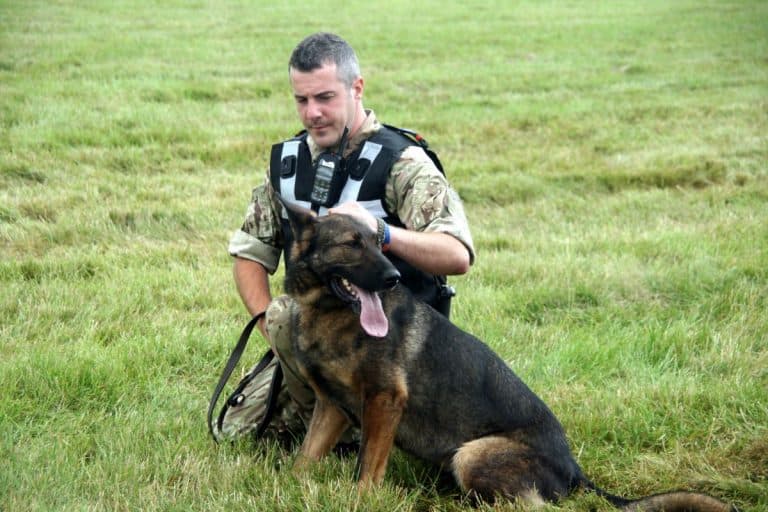
CPR is an extremely important medical procedure and can help save the life of someone around you. Humans aren’t the only ones being trained in it; however, this post by @pubity shows a Spanish police dog mimicking CPR as part of a training demonstration. While it’s not exactly the most effective CPR out there, the post received many supportive comments about the awareness it brings. Read here to learn more.
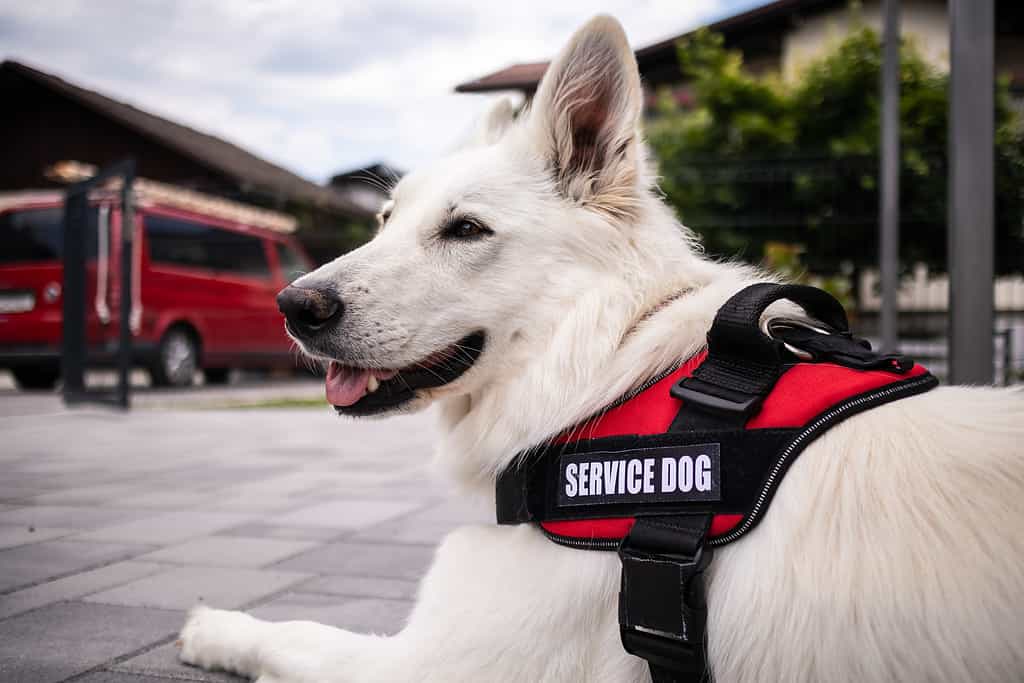
Medical service dogs go through specialized and intensive training, which typically lasts about two years.
©24K-Production/iStock via Getty Images
Dogs Can‘t Actually Do CPR
The video above is an adorable attempt at CPR by a dog. Unfortunately, CPR is a precise process that dogs can’t do as it requires around 120 compressions a minute. The dog’s serious demeanor while performing the trick attracted a lot of attention online. It continuously jumps on the owner’s chest with its front paws and even checks for breath sounds every few seconds. Although the CPR is not very effective, it is still a sweet sight. Dogs cannot apply enough pressure or maintain a consistent rhythm to perform effective CPR. Instead of being trained to perform CPR, most medical service dogs are trained to assist humans in other important ways.

While they cannot perform effective CPR, dogs help humans in other ways, both physically and emotionally.
©New Africa/Shutterstock.com
Medical Service Dogs
While they can’t exactly perform life-saving CPR, medical service dogs save lives in a myriad of other ways. They can detect seizures or fainting episodes before they happen, retrieve important objects such as medication for their handlers, stay with sick or unconscious owners, and seek help by barking. Medical alert dogs can detect changes within the human body, such as fluctuations in blood sugar, by using their sense of smell. They may also detect abnormal heartbeats. Using their heightened senses, they can save humans before an emergency even occurs. In situations where someone needs CPR, a medical alert dog may help the handler get to a safe location and seek help by barking to bring attention to the emergency.
Mobility assistance dogs are another way dogs can support humans. They can open doors, pick up items, and offer balance support for those with physical disabilities. Guide dogs are ideal for people with visual impairments, helping them navigate safely. Lastly, psychiatric service dogs provide emotional support by helping to interrupt and stop panic attacks, dissociation, or nightmares. So while they may not be able to perform CPR, dogs can help save the lives of humans in so many other ways.