
Quick Take
- Vaquitas aren't being hunted, yet they're vanishing anyway. The real culprit is a black-market obsession with a completely different animal. Discover the real culprit →
- Captive breeding is conservation's go-to rescue plan, but it isn't an option for the vaquita, which means saving them requires a strategy almost no endangered species has ever needed. See the rescue strategy →
- A skeleton collected in 1966 may now be the vaquita's best shot at survival, though not for the reason you'd expect. See how the skeleton was digitized →
- Saving fewer than 10 surviving animals requires three countries to agree on something they haven't managed to align on yet, and time is running out. Explore the international challenge →
Each day, 200 species go extinct. It is nothing short of a miracle that one marine mammal has yet to become an extinction statistic, given how small its population is. If researchers have any say in the matter, vaquitas will make a comeback, as they have just provided the world’s most endangered marine mammal with a digital lifeline.
Vaquitas May Have Received a Lifeline Thanks to Digital Imaging
Hundreds of species around the world are on the brink of extinction. Some species are better known than others because of their charisma. Unfortunately, so few people have heard of the vaquita that, despite being nearly extinct, the species is not receiving the full protection it desperately needs to survive.
A new study, published in Marine Mammal Science, hopes to change this.
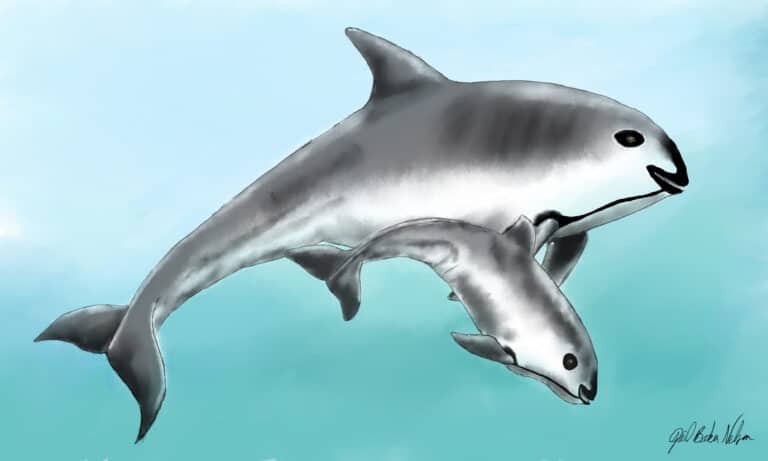
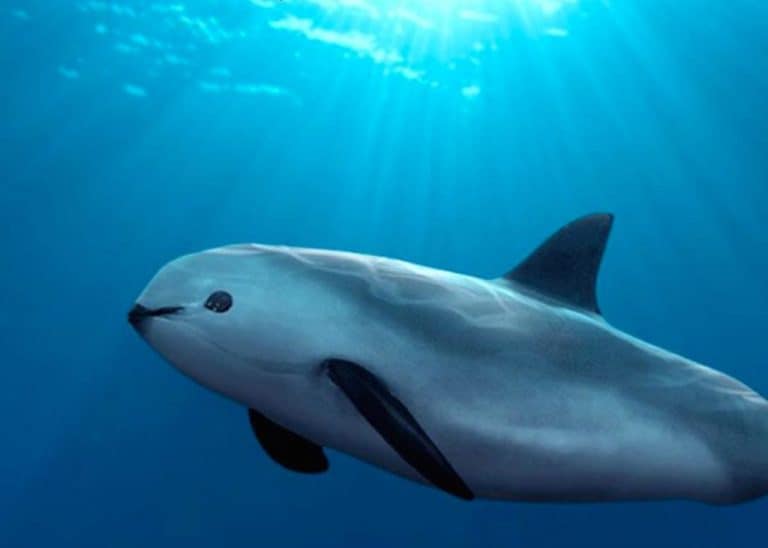
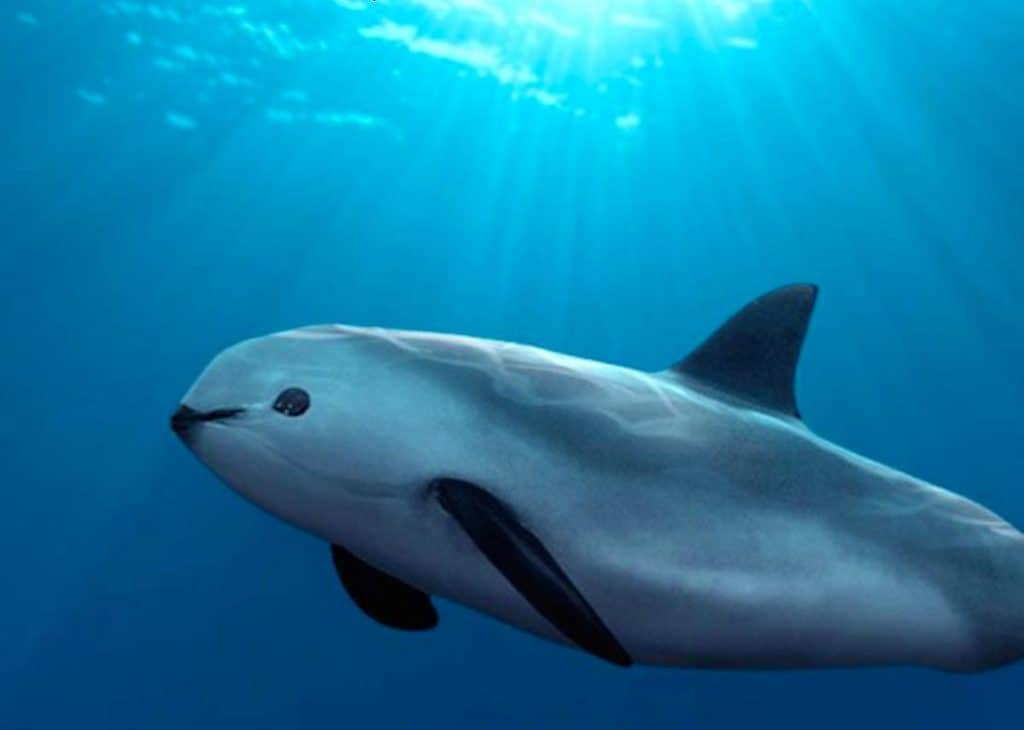
The small porpoise, recognizable by the dark circles around its eyes and mouth, is affectionately known as “the panda of the sea.” The reason so few know about the vaquita is that there are 10 or fewer alive today. Unlike with other species, captive breeding programs are not possible for the vaquita, as they die in captivity. Therefore, if they are to be saved, it must be done in their natural habitat.
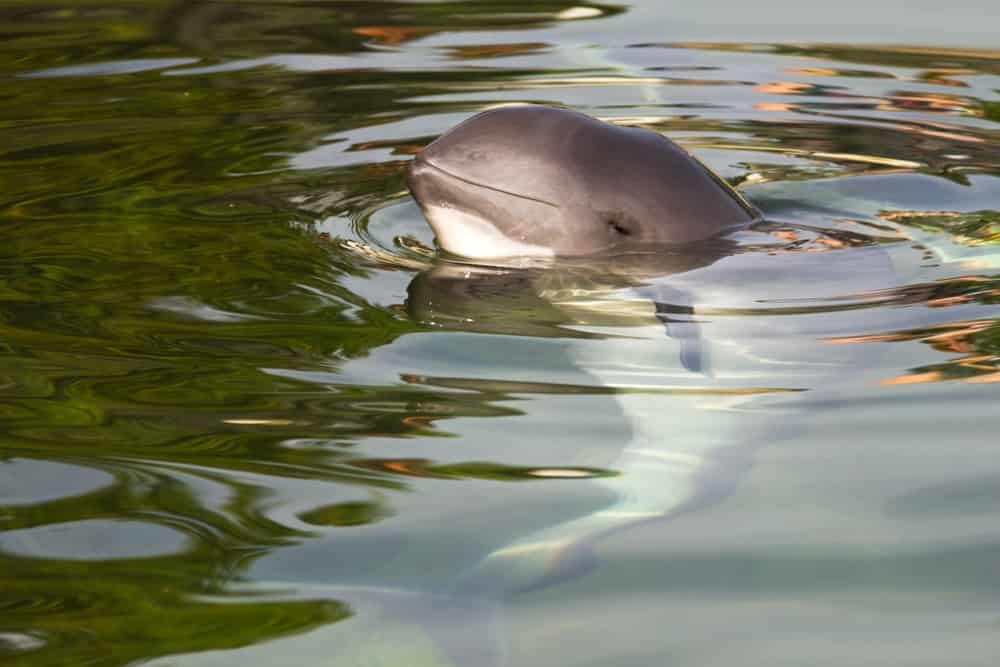
Researchers hope 3D technology will raise awareness of the plight of the nearly extinct vaquita.
©Tharuka Wanniarachchi/Shutterstock.com
To help with their conservation efforts, researchers from Florida Atlantic University, in conjunction with the San Diego Natural History Museum, SeaWorld California, and NOAA Fisheries, have created the first 3D model of a vaquita skeleton.
The model is not only available digitally but can be used to recreate tangible specimens. According to the study’s first author, Jamie Knaub, a Ph.D. candidate and imaging lab assistant in the Berlin Family Bioimaging Lab at FAU Laboratory Schools Marcus Research and Innovation Center, this transforms the vaquita from a symbol of conservation into a marine mammal that the public can rally behind to save.
“The project will enable the production of scientifically accurate replicas for museums, classrooms and educational programs,” Knaub explained in a press release, “helping to raise awareness and support conservation efforts for a species now teetering on the edge of extinction.”
How the Digital Imaging Was Completed
Creating a digital model of a vaquita was a time-consuming process. It began by scanning a female vaquita specimen collected in 1966, using an “unusually intricate” process, according to Dr. Marianne E. Porter, a professor at the FAU Department of Biological Sciences and senior author of the study.
“This project required an unusually intricate imaging workflow to capture the vaquita skeleton at multiple scales, from whole-bone structure down to microscopic internal detail,” Porter stated in a press release. “By integrating medical CT, micro-CT and high-resolution photography, we were able to reconstruct both the external morphology and internal architecture of each bone in a way that preserves anatomical fidelity while remaining fully interactive in digital form.”
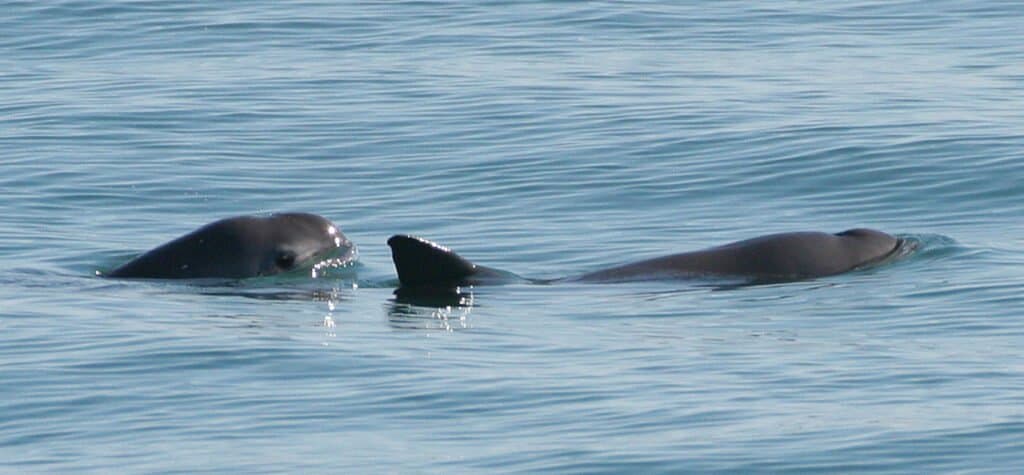
Using medical CT, photography, and micro-CT, the most complete 3D skeletal imaging of the vaquita became possible.
©Paula Olson, NOAA, Public domain, via Wikimedia Commons – Original / License
This, Porter said, created a “layered dataset” that shows the true “complexity” of the vaquita specimen.
The images were first obtained using medical CT, which provided researchers with X-ray cross-sections. Then the individual vaquita bones were photographed. Finally, to complete the 3D model, micro-CT scans were used to capture structures no larger than the width of a human hair.
In total, there were “thousands of cross-sectional images” taken that created the 3D image researchers can now access today. This means researchers can study the specimen digitally without repeatedly handling the fragile skeleton.
Why Vaquitas Are on the Brink of Extinction
The vaquita population has declined dramatically over the past several decades. This drastic decline has not occurred because the small porpoise, which weighs approximately 100 pounds and measures between four and five feet in length, is being directly targeted. Instead, it is due to the black market targeting of another animal entirely.
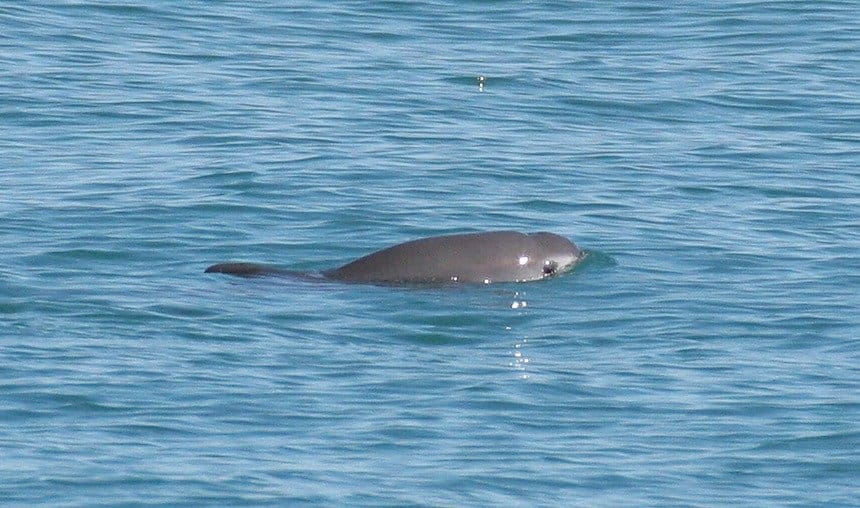
Vaquitas were first described in 1958, and by 1985, they were considered an endangered species.
©Paula Olson, NOAA, Public domain, via Wikimedia Commons – Original / License
Vaquitas were not even described until 1958. However, by 1978, the species had been added to the IUCN’s Red List, categorized as “vulnerable” and, in 1985, as “endangered.” The decline of the vaquita population is as follows:
- 1997: 567
- 2008: 245
- 2015: 59
- 2016: 30
- 2018: 19
- 2025: six to 10
The loss of hundreds of vaquita over the years is directly related to the use of gillnets to catch totoaba. These fish are also endangered, and it is illegal to fish for them. However, because their swim bladders can fetch up to $80,000 per kilogram on the black market, the risk is worth the potential reward for those fishing for totoaba.
The gillnets used to catch fish also capture the vaquita. Once vaquitas become entangled in a gillnet, they are unable to free themselves. Within a short period, the vaquitas are unable to reach the surface for air and drown. It is because of this threat more than any other that the vaquita is on the brink of extinction.
Is It Possible to Save Vaquitas From Extinction?
The short answer is yes: vaquitas can be saved from extinction. International cooperation will likely be essential if the vaquita is to recover.
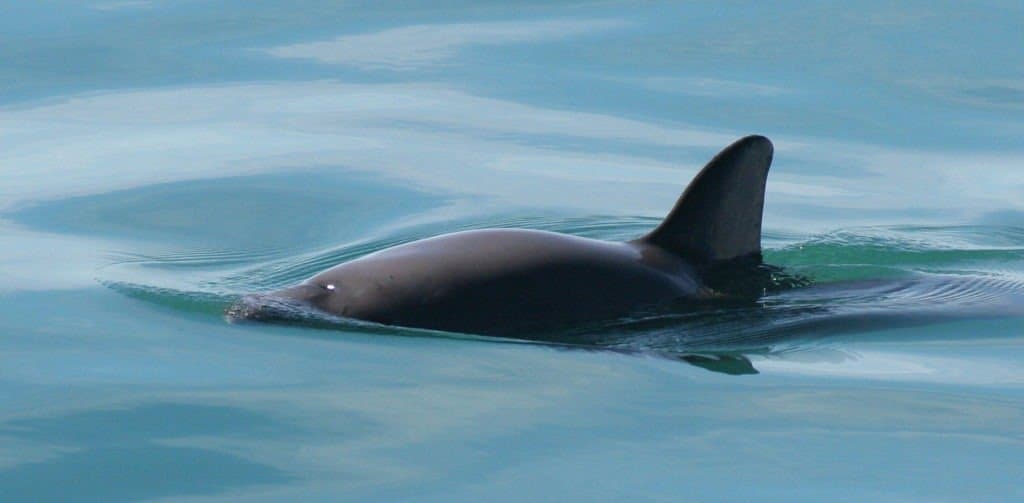
If gillnet use is prohibited and there is a harsher crackdown on totoaba fishing, the vaquita may stand a chance of survival.
©Paula Olson, NOAA / Public domain, via Wikimedia Commons – Original / License
To save vaquitas from extinction, the following conservation efforts need to be employed:
- China, Mexico, and the United States need to be on the same page when it comes to saving the vaquita and the punishment for illegal fishing in the Gulf of California
- Illegal fishing needs to be better monitored
- Sustainable fishing practices need to be the norm, not the exception
- Expand the current vaquita-protected range
- Ban gillnet fishing
Finally, raising awareness of the plight of the vaquita is extremely important to the small porpoise’s survival. Before the 3D imaging project, most people could only learn about vaquitas through photos and descriptions. Now, the vaquita can become a tangible presence in classrooms and communities around the world. The hope is that this will put pressure on governments to take proactive measures, rather than remain on the defensive, as the latter approach has only contributed further to the demise of vaquitas.