Quick Take
- Successful recovery of the vaquita’s limited population depends on eliminating the threat of gillnet fishing in their habitat.
- There are an estimated 7-10 vaquitas left in the entire world, limited to a small range in the Gulf of California
- Species analysis states that inbreeding is not the primary threat to this species, as the vaquita has always had fairly low population numbers.
- A 2025 monitoring phase shows that any new calves could survive previous population declines, but their future is still uncertain.
Whenever an animal species drops into the single digits, every risk to them matters. While not necessarily a common occurrence, some animals face such low population numbers that even the slightest threat can be devastating. The vaquita is one such example. This animal is found only in Mexico’s Upper Gulf of California and currently faces a long and difficult road to recovery.
What brought the vaquita to such unprecedented numbers, and what does conservation science say is possible or realistic for this species? Is there a realistic way forward, a way that will restore the vaquita back to a healthy, robust status as one of the rarest porpoise species on our planet?
A growing body of genomic work on the vaquita suggests that their genetics aren’t what’s dooming them. So, what is the culprit, and what can be done to save them? This is the vaquita’s story, including how they reached single-digit status, as well as the conservation efforts at play in an attempt to save the vaquita from extinction.
Why the Vaquita Population is In the Single Digits
The vaquita’s decline may seem mysterious, but there are obvious key threats at play, threats that haven’t necessarily been addressed in a sustainable way.
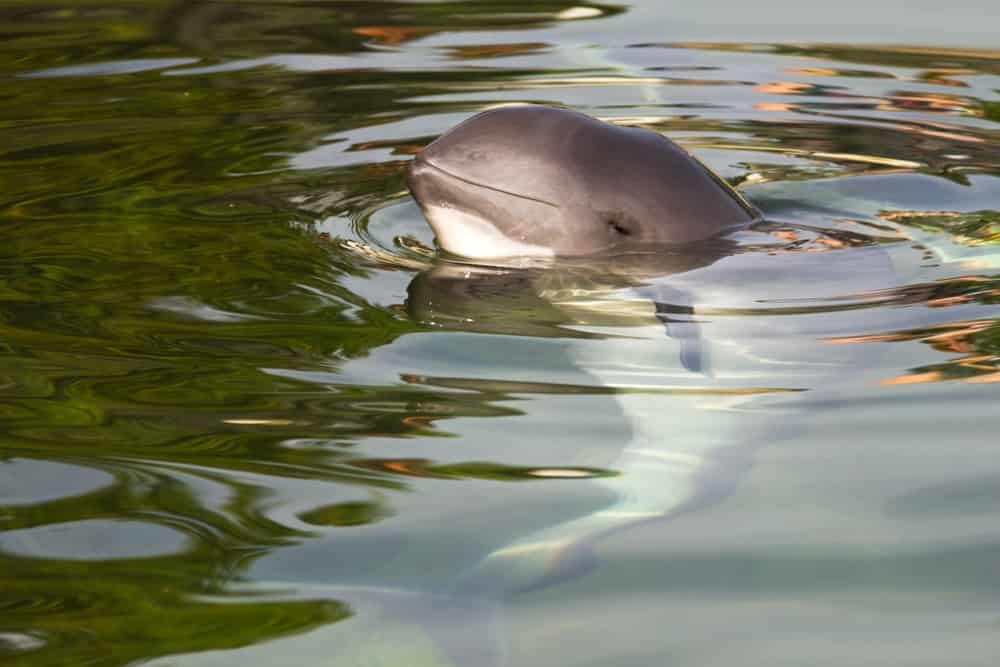
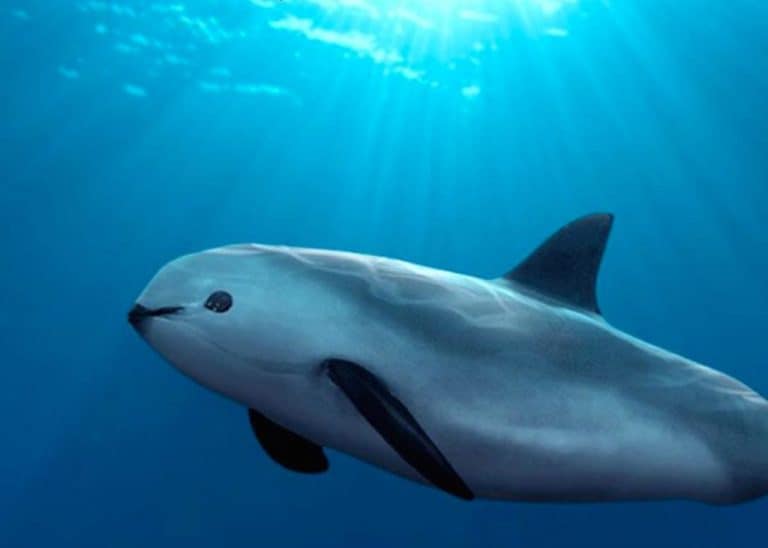
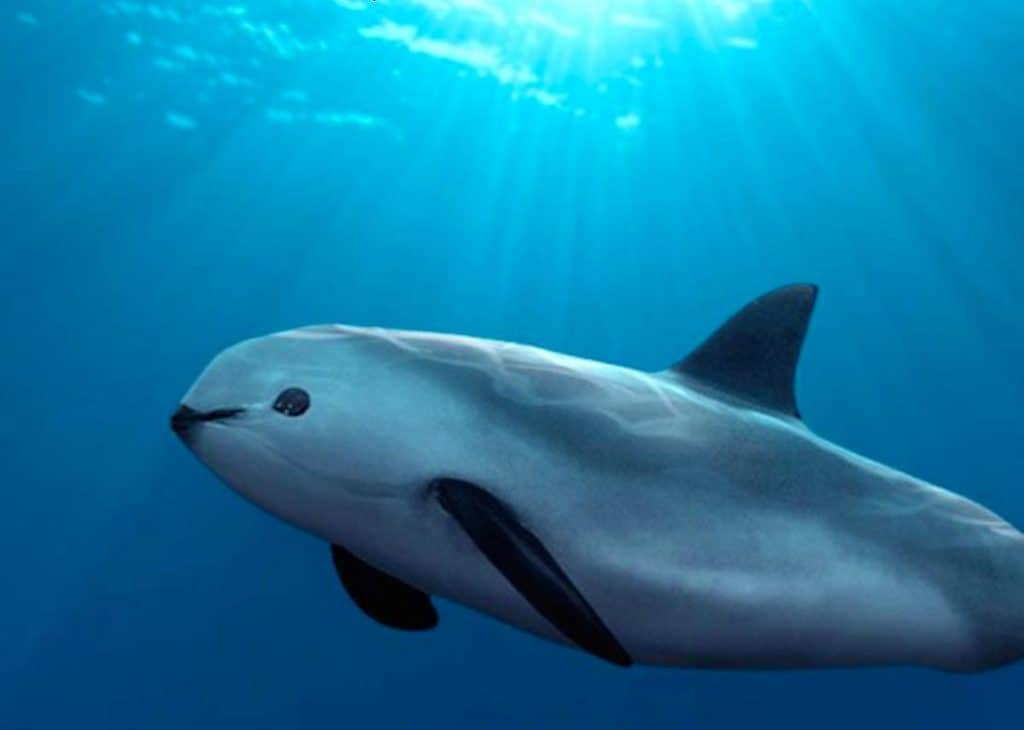
A rare porpoise, the vaquita lives in a limited stretch of the Gulf of California.
©Tharuka Wanniarachchi/Shutterstock.com
As the Porpoise Conservation Society states in their “Save the Vaquita” explainer, vaquitas are most often killed as bycatch in gillnets. These gillnets are used in their preferred habitat illegally, set up to catch totoaba, which is a fish whose swim bladder is trafficked internationally. If caught in a gillnet, vaquitas typically can’t escape and end up drowning or killed when brought to the surface.
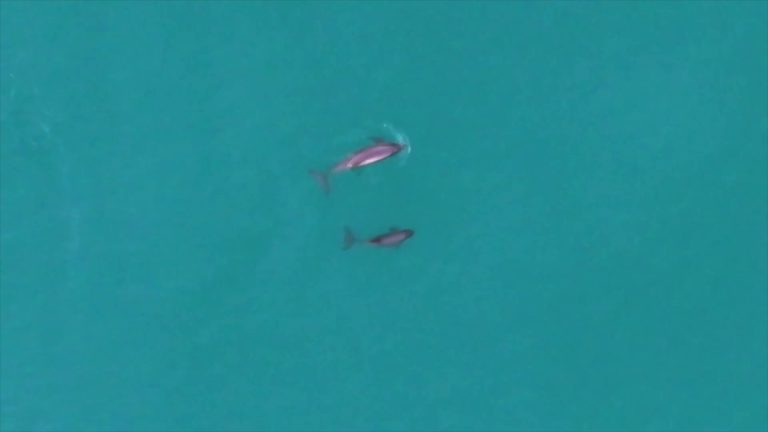
Recent monitoring and reporting state that the vaquita population has hovered near extinction levels for years, with surveys estimating roughly 7–10 animals left in total. While there have been reports of calves in recent years, including 2023 and 2024, there is no confirmed evidence of new calves born in 2025, and the population remains critically low.
Possible vs. Probable Recovery for the Vaquita
Conservation biologists believe recovery is still possible for the vaquita, but that’s simply because biology still allows it; it’s possible for births to outpace deaths, and the remaining animals can still reproduce. There are still males and females left in the species, but for how long?

On the brink of extinction, the vaquita is actually the smallest living species of cetacean.
©Paula Olson, NOAA, Public domain, via Wikimedia Commons – Original / License
Given their single-digit status, a simple change can wipe out years of the vaquita’s progress, even if their habitat remains intact. A population this small can lose females by happenstance; if they suffer a few bad breeding years in a row, they may not have enough breeding adults left to rebound. Larger populations can absorb these routine risks, but the handful of vaquitas left likely can’t tolerate it.
Vaquita recovery is now completely conditional, left to chance. If bycatch is somehow completely eliminated, growth may be possible within the meager population. However, if bycatch merely drops or stays the same, the population can still slide into what’s known as an extinction vortex, where small numbers create their own momentum toward complete loss.
What Genetics Actually Say About a Limited Species Population
A common assumption is that a species stuck in the single digits is doomed to inbreeding. However, the vaquita is one of the most important counterexamples, as recent research suggests otherwise.
Gillnets are one of the primary drivers of the vaquita’s threat of extinction.
©Vynkdeepi666 / CC BY 4.0 / via Wikimedia Commons – Original / License
Researchers have concluded that vaquitas show signs of being naturally rare over long periods of time, to the tune of nearly 250,000 years. This low population, historically only in the thousands, may have reduced the burden of harmful recessive variants that make inbreeding so devastating in other species. For the vaquita, genetics don’t appear to be the main limiting factor right now. Consistent, continued human-caused mortality is the culprit.
Keep in mind that this doesn’t mean genetics are irrelevant forever. The vaquita could reach a point where inbreeding is the only option, or even a point where no breeding pairs are left. However, the window to save them is still open, so long as their main cause of death is quickly eliminated.
Additional Risks to Small Species Populations
Even if every remaining vaquita is healthy and capable of breeding, single-digit populations face additional risks that can include:
- Potentially uneven sex ratio. If vaquitas lose one reproductive female, a large fraction of future calves are also lost.
- Mate-finding limits. When animals are sparse, reproduction can slow simply because individuals don’t encounter each other often enough, leading to lower births.
- Gillnets will likely persist. A single illegal gillnet set in the wrong place at the wrong time can remove a huge percentage of the species in one season, with little hope of recovery.
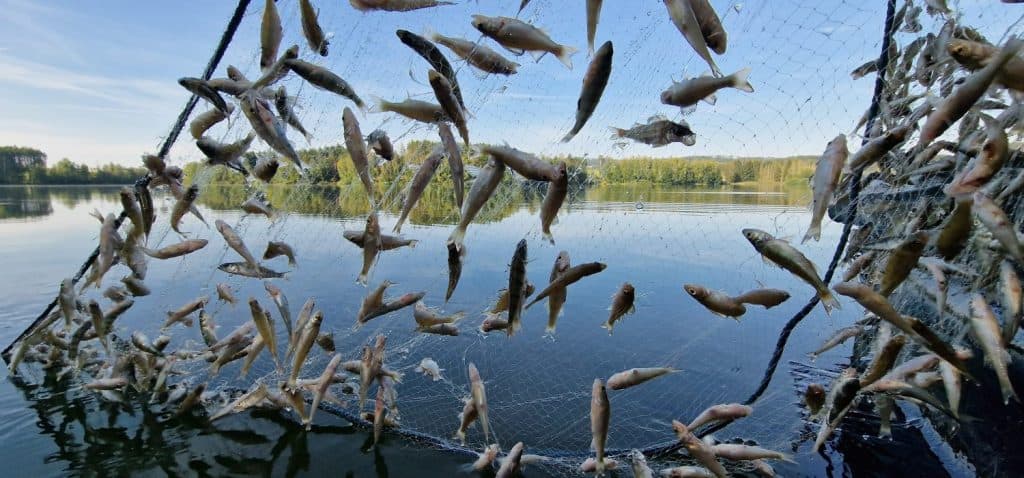
When trapped in a gillnet, the vaquita faces an unfortunate fate of drowning.
©Michaela Holubova/Shutterstock.com
While vaquitas can technically recover, given their current adults and calving status, there are so many risks for them to face. There are ways to make recovery possible, but it will take some changes that may not happen in this lifetime.
How Can the Vaquita Population Recover?
Conservationists are clear as to what it would take to save the vaquita: no gillnets in their habitat, ever again. But this is easier said than done, especially by scientists and conservationists who don’t need to fish in order to make a living.
In practice, removing gillnets from the vaquita’s typical range means enforcement and other alternatives, including sustained patrols, total net removal, a gear transition process so that fishers can actually continue their work safely, and increased pressure on the totoaba trade that keeps gillnets profitable. Again, much easier said than done.
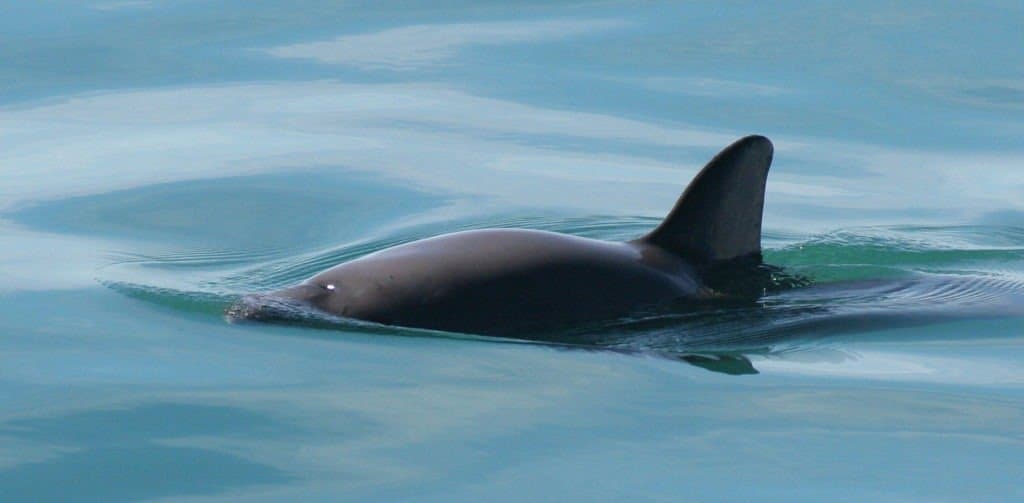
Enforcing rules onto the illegal gillnet fishing industry is likely the only way for vaquita populations to bounce back from extinction.
©Paula Olson, NOAA / Public domain, via Wikimedia Commons – Original / License
Reporting around the latest monitoring efforts seems to suggest that vaquitas may move beyond their traditionally protected zones, which makes it all the more difficult to consistently enforce new regulations on their habitat.
Species Can Recover from Single Digits, But Only When Threats Are Removed
Removing or controlling the main driver of the vaquita’s decline is vital to keep this species alive, and humans must also stay involved long enough for their numbers to grow. Other animals have been saved from the brink, which is why conservationists remain hopeful for the vaquita.
New Zealand’s black robin is a classic example; there were only five birds left in 1980, but intensive management helped the population rebound over time. The Mauritius kestrel also fell to just four known individuals in 1974 before careful conservation work saved them. However, given the fact that vaquitas face a persistent illegal-gear problem in the open ocean, their recovery may prove far more difficult.
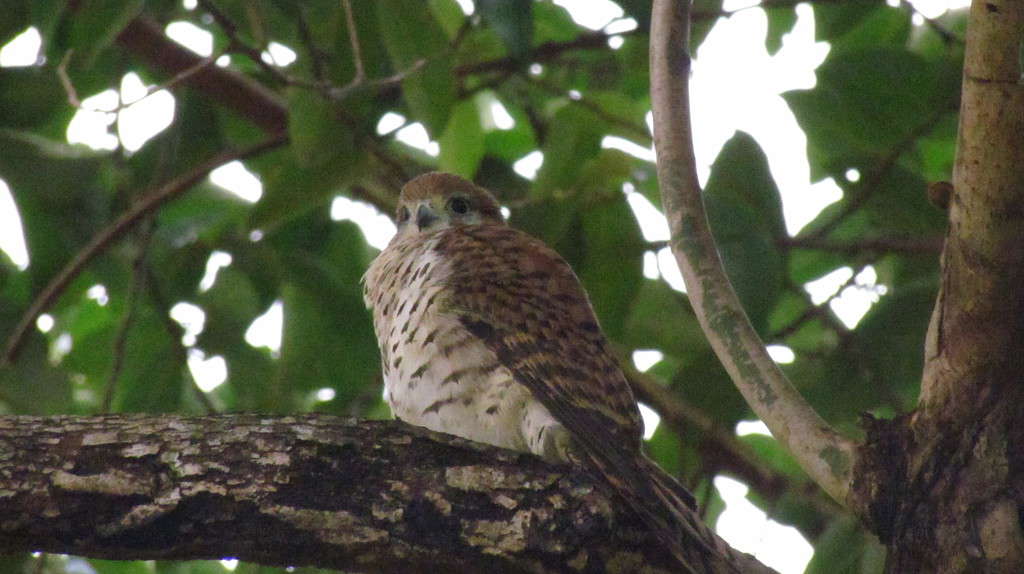
The Mauritius kestrel is another animal that bounced back from extremely limited population numbers; can the vaquita do the same?
Ultimately, conservation science doesn’t promise the vaquita will recover. However, recovery is biologically plausible. Our harmful influence must be eliminated, followed by consistent observations that the species is bouncing back.
For the vaquita, removing gillnets and enforcing bans on them in their habitat is the only real way forward. Time will tell how possible this is and, hopefully, the vaquita will survive long enough to see this fateful day.