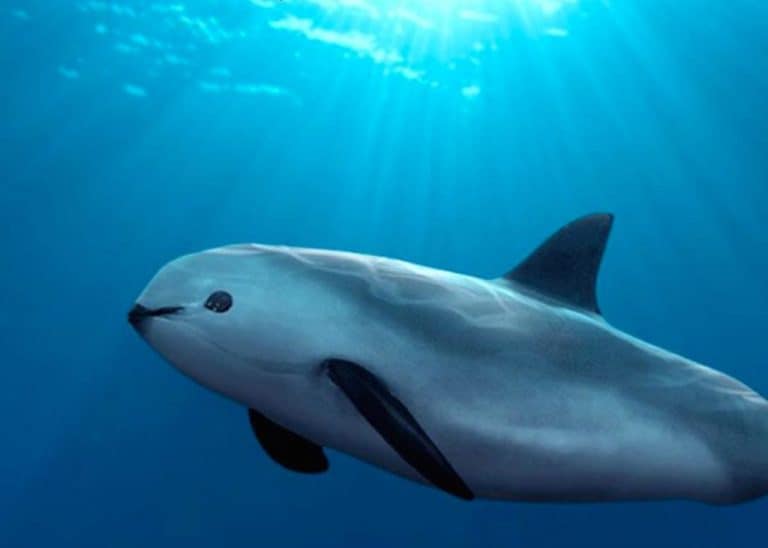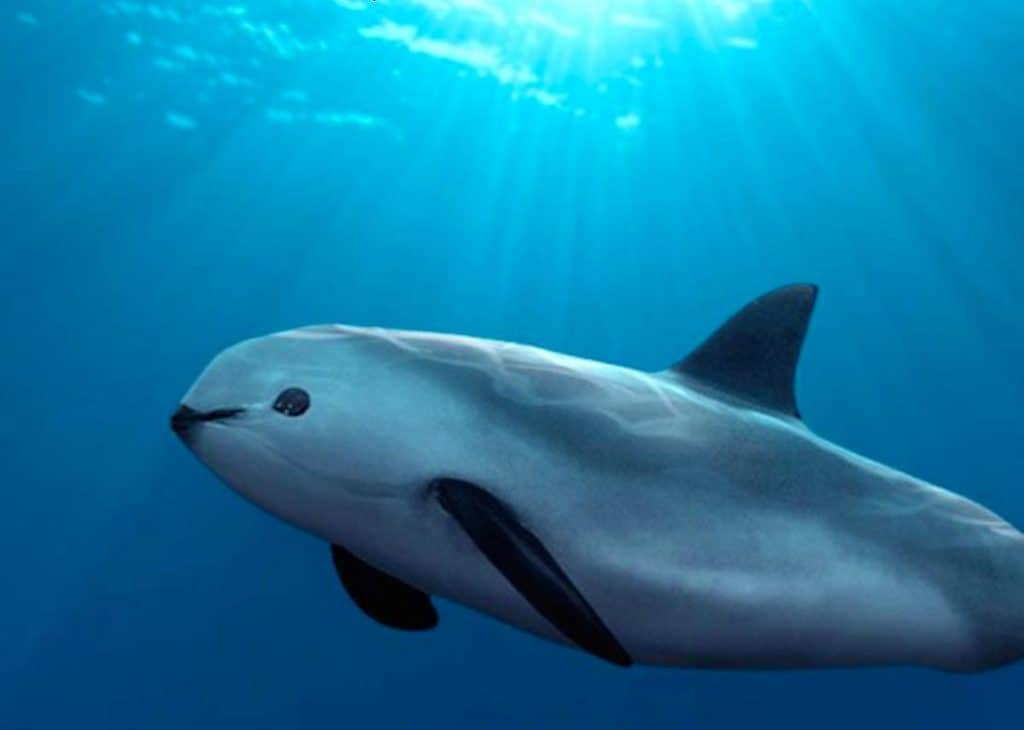

The vaquita porpoise is one of the most endangered animals on the planet. By 2024, the vaquita population had dropped to fewer than 10 individuals, making the species’ extinction seem almost certain. Is the vaquita poised for a comeback? The sighting of new calves offers a glimmer of hope for the species’ survival, something not seen in decades.
Vaquita Decline Has Been Halted
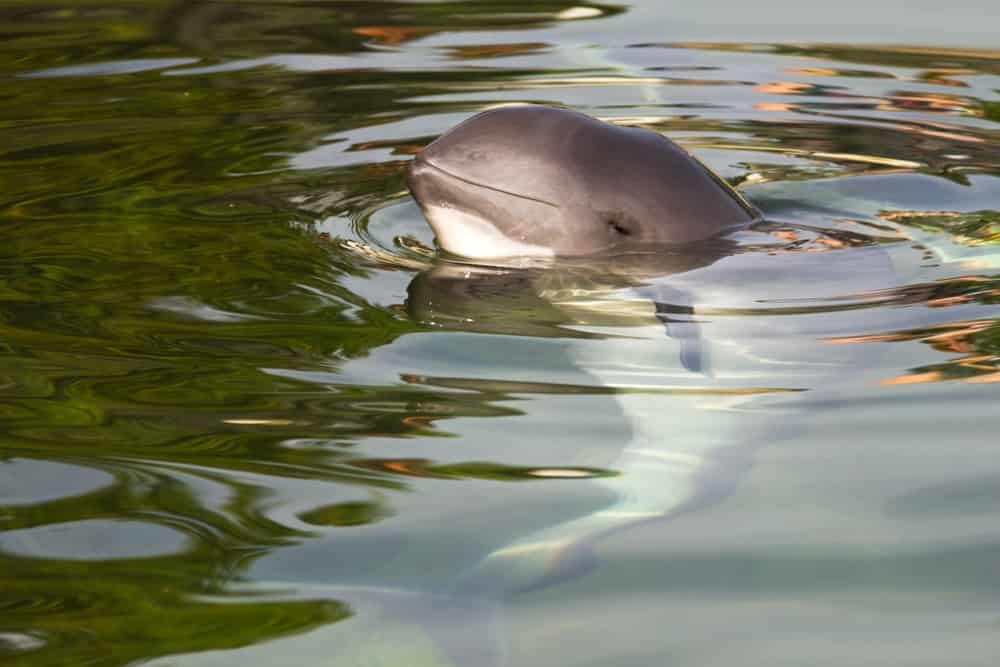
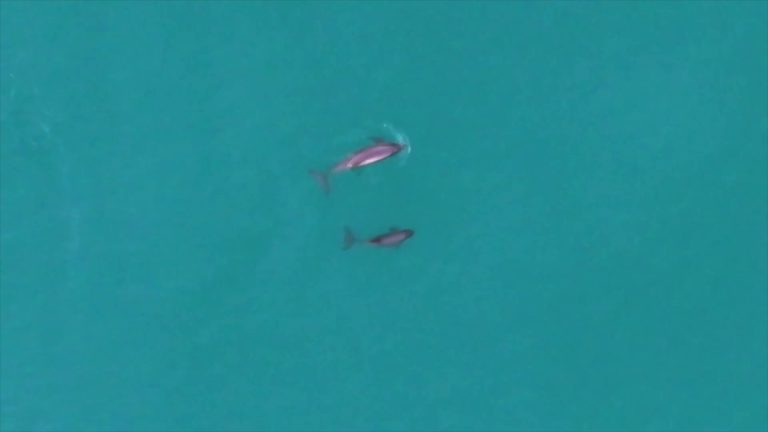
Healthy adult vaquitas and calves were spotted in the Gulf of Mexico in late October 2025.
©Tharuka Wanniarachchi/Shutterstock.com
In late October 2025, Sea Shepherd conducted surveys of vaquitas in the Gulf of Mexico. The international, non-profit organization reported some incredible data. For the first time in decades, the vaquita decline had been halted.
“7-10 Vaquitas! New calves spotted as well,” Sea Shepherd explains via an Instagram video caption. “The best news was that there were no gill nets seen or found during the survey.”
Although the population remains critically low, this is a significant increase compared to the 2024 survey, when only eight vaquitas were observed.
This increase in population did not occur overnight. It has taken years of work to allow the vaquitas to take steps toward a population rebound, not to mention the efforts of multiple governments as well.
What Led to the Vaquita Decline Being Stopped?
The vaquita only lives in a small area of the Gulf of Mexico. The tiny porpoises prefer to live in the northern region of the Gulf, near the Colorado River, in water that is 160 feet deep or less. Because the vaquita can survive only in this region, its population has been under threat for the past several decades. But thanks to aggressive conservation efforts, the decline has been reversed for the first time in nearly 30 years.
One of the biggest reasons the vaquitas have been able to survive, despite their small population, is the creation of the Zero Tolerance Zone. This zone, located in the Gulf of Mexico, covers nearly 29 square miles. Its triangular shape encompasses the regions where the vaquita has been observed in surveys or detected by sonar. Boats and fishing gear are prohibited from entering the zone to protect the vaquita.
Additionally, removing gillnets from the Zero Tolerance Zone and from regions around it where the vaquita have been spotted has played a significant role in reducing porpoise deaths. The absence of gillnets during the most recent survey highlights the effectiveness of efforts by the Mexican government and international conservation groups to patrol the area and remove this major threat to vaquitas.
Finally, the efforts of the Mexican and Chinese governments to curb the illegal trade of totoaba fish and their swim bladders have helped halt the decline of the vaquita. The fact that the fish are being confiscated and that those who illegally catch them are being prosecuted has made it riskier than ever to catch and sell them. While the illegal trade does still occur, it is significantly less than in years past.
Vaquita Population Has Been in Decline for Decades
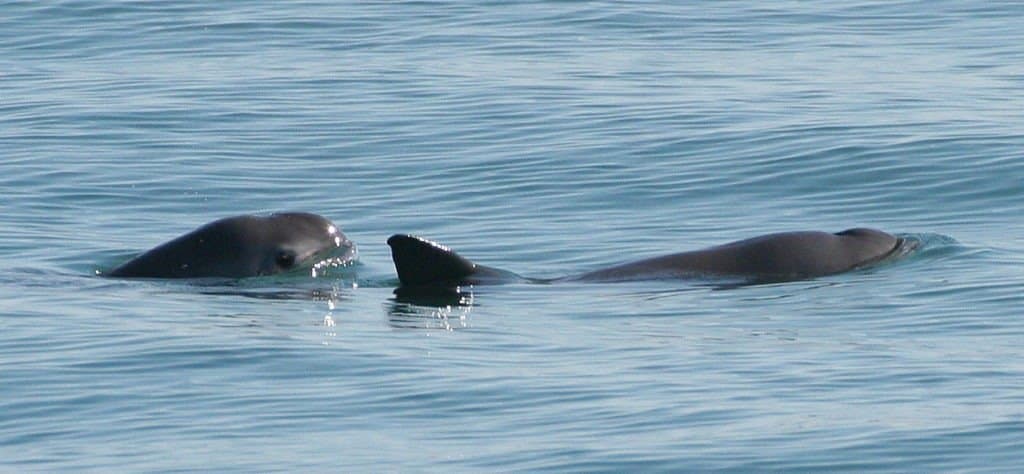
The vaquita population has been in steep decline for decades due to illegal fishing practices, but thanks to the creation of the Zero Tolerance Zone and the removal of gillnets from the vaquitas’ habitat, the population has slowly increased.
©Paula Olson, NOAA, Public domain, via Wikimedia Commons – Original / License
The vaquita population has been in decline for decades. However, in recent years, the decline has accelerated, pushing the vaquitas from endangered to critically endangered status.
Since 1997, the population has declined at the following rates:
| Year | Number Of Vaquitas |
| 1997 | 567 |
| 2008 | 340 |
| 2015 | 59 |
| 2016 | 30 |
| 2023 | 12 |
| 2024 | 8 |
While habitat destruction, pollution, and climate change have contributed to declines in all marine mammal populations, for the vaquita, the biggest issue is illegal fishing. Those participating in illegal fishing are not targeting the vaquitas, however. They are seeking to catch the massive, six-foot-long, up to 300-pound totoaba fish, prized for its swim bladder.
The totoaba are caught using gillnets. The vaquita is small enough to get caught in the nets intended for larger fish. Being unable to free itself, the vaquita perishes. Gillnets alone have contributed to the 98.6% population decline the vaquitas have suffered over the last nearly 30 years.
Can Vaquitas Be Kept in Captivity?
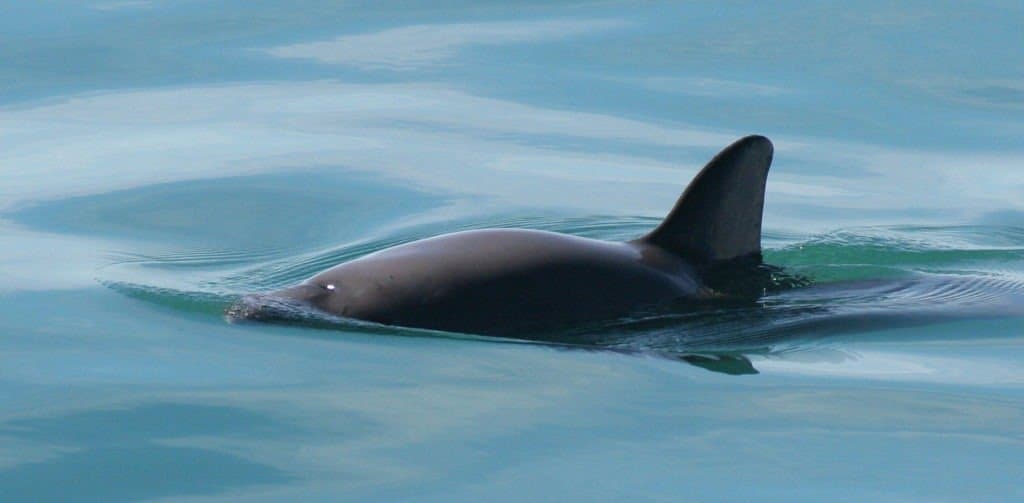
Vaquitas cannot be kept in captivity for captive breeding programs due to the stress they suffer.
©Paula Olson, NOAA / Public domain, via Wikimedia Commons – Original / License
When endangered animals live in environments deemed unsafe and unable to support population growth, discussions arise about whether captive breeding programs are a viable option. These captive breeding programs have proven to be successful in the past. Species like the California condor, Arabian oryx, and black-footed ferret are examples of how such programs can bring animals back from the brink of extinction and help them thrive.
Consequently, there were discussions in the past about capturing vaquitas and placing them in captivity so they could grow their population without the threat of being captured in gillnets or other illegal fishing activities they face in the wild. In 2017, VaquitaCPR was launched to capture a select few vaquitas and bring the next generation safely into the world.
Unfortunately, within days of capturing a mature female and a calf, the two showed signs of stress. The calf was successfully released back into the Gulf of Mexico. The adult female was also scheduled for release, but unfortunately died before this could occur. This led to the end of VaquitaCPR, as the death of even one vaquita is a massive blow to the population. However, by 2021, enforcement of the Zero Tolerance Zone had become lax. Fishing vessels were observed in the zone on 88% of the days between October 2021 and May 2022, posing a significant risk to vaquitas.
What Can Be Done to Further Help the Vaquita Population
While it should be celebrated that the vaquita population decline has halted, this does not mean that it is time to stop efforts to save the tiny porpoises. Instead, the more that is done now to help the vaquita, the better the chances are of keeping the momentum going to increase their population further.
The biggest threat to the vaquita remains gillnet fishing used to capture the totoaba fish. As a result of overfishing for the sale of the swim bladder, which can fetch up to $8,000 in international markets, the totoaba has become an endangered species. However, by 2021, enforcement of the Zero Tolerance Zone had become lax. Fishing vessels were observed in the zone on 88% of the days between October 2021 and May 2022, posing a significant risk to vaquitas.
The Mexican government created the Zero Tolerance Zone in the Gulf of Mexico in 2020. The goal was to keep fishing boats and gillnets out of areas where vaquitas are frequently seen. However, by 2021, enforcement of the Zero Tolerance Zone had become lax. Fishing vessels were observed in the zone on 88% of the days between October 2021 and May 2022, posing a significant risk to vaquitas.
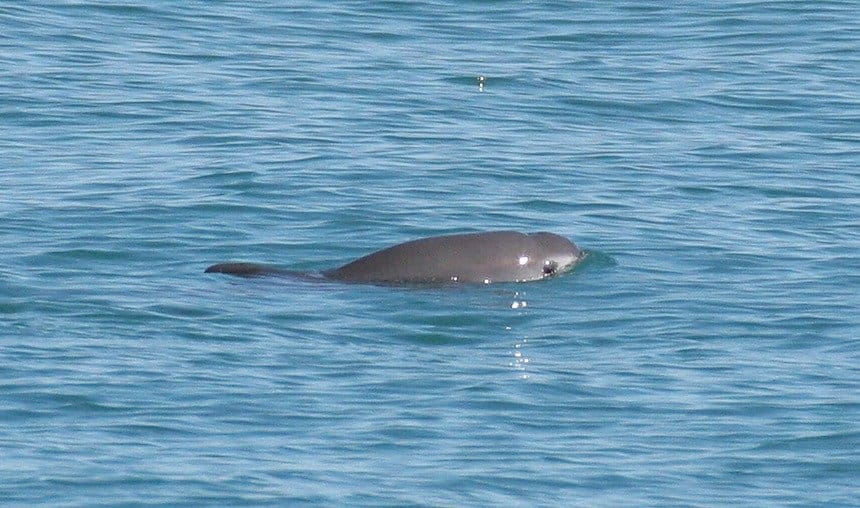
Vaquitas still require aggressive conservation efforts if they are to be saved from extinction.
©Paula Olson, NOAA, Public domain, via Wikimedia Commons – Original / License
By 2022, the government had renewed interest in saving the vaquita. Nearly 200 anti-trawling structures were placed in the Zero Tolerance Zone. These structures will tangle the gillnets that are intentionally placed or that drift into the vaquitas’ habitat. This, in conjunction with “improved surveillance and international cooperation,” according to Mexico’s Deputy Minister for Biodiversity and Environmental Restoration, Marina Robles, has helped stop the decline in the vaquita population.
“Over the past few years, the number of vessels detected within the Zero Tolerance Zone has been reduced 96.7%,” Robles tells Reuters, “from 171 to four.”
Additionally, working with China to stop the illegal trade of totoaba has helped prevent some unlawful fishing in the Gulf. Boats are now monitored both when they leave the dock and when they return, to ensure there is no illegal fishing gear or animals on board. This is accomplished through visual inspections and by tracking GPS signals from satellites to monitor the routes taken by fishing vessels.
However, conservation groups state that one of the most effective ways to save the vaquitas is to raise public awareness of the marine mammals’ plight. Informing the public can help put pressure on governments to continue fighting for these animals that do not have a voice. The vaquita population will only increase if efforts to make their habitat safe continue. With an estimated seven to 10 vaquitas left, there is no time to stop aggressive conservation efforts because, without them, the vaquita will surely go extinct.