
Quick Take
- Conservation failures occur when the whole picture isn’t addressed and threats persist as populations decline.
- Many conservation efforts were unsuccessful, or only partially successful, due to late responses to species populations.
- Today’s practice emphasizes rapid response, stronger enforcement, and early genetic planning to prevent lasting failures.
Conservation programs do incredible work and have done so for decades. Many animal and habitat conservation efforts, both large and small, are successful. However, some conservation programs launch with much hope, only to fail.
Failure in conservation efforts can take on many different forms, but the specifics don’t make the experience any less devastating, both for the conservationists and the habitats involved. Which conservation programs have failed in recent memory? And, more importantly, why? What went wrong to hinder the successes of certain species and habitats, and is anything being done to help them moving forward?
Today, we’ll go over multiple real conservation programs that failed or otherwise fell short. We’ll address the animals involved, what went wrong, and what conservationists are doing differently in light of these past mistakes.
What Failure Can Look Like in Conservation Efforts

Conservation efforts are only successful if the entire picture is addressed, not simply one aspect of a species.
©Romolo Tavani/Shutterstock.com
A lot of conservation programs don’t fail because the species or habitat was impossible to save; they fail because the plan solved the wrong problem altogether.
Many of the stories we’re about to address have to do with improper handling of the entire picture. Many animals targeted by these programs weren’t saved because conservationist failed to address important factors involved. For example, population decline won’t improve through breeding programs if the animal in question is consistently poached.
That’s the hard truth conservationists run into more often than not. Population size, survival chances, habitat stability, reproduction, and the removal of threats must align and be maintained, often by organizations who don’t have the resources to handle every aspect of a successful conservation effort.
Here are some conservation efforts that, woefully, failed:
The Baiji
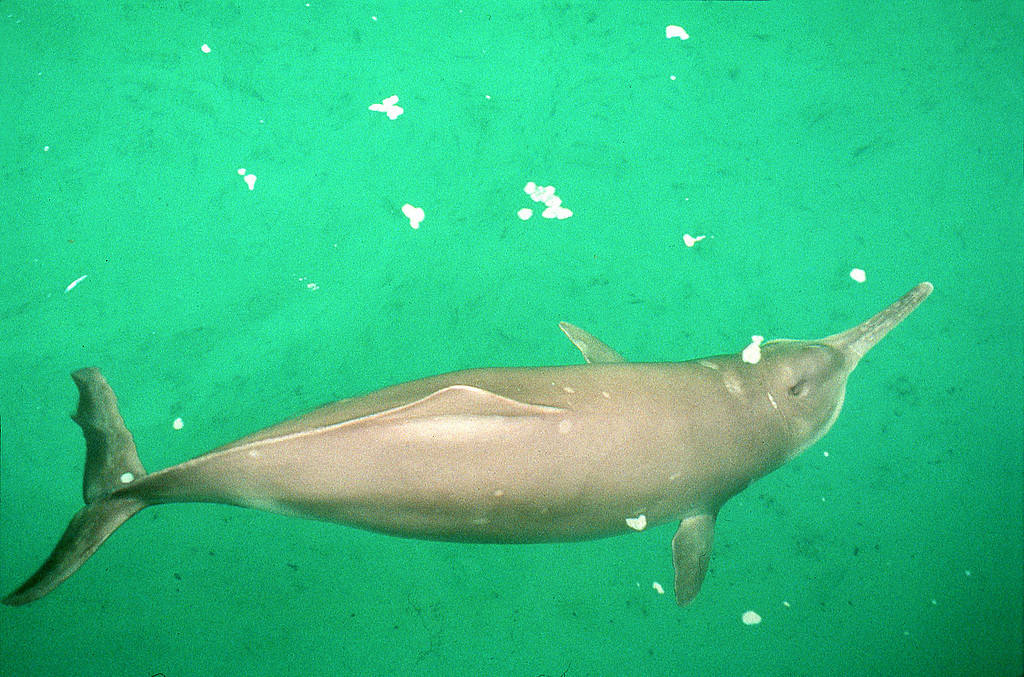
The mighty Yangtze River in China was home to the baiji’s home for 20 million years, but it took less than 50 years for humans to wipe them out.
©iStock.com/EarthViews Productions
The Yangtze River dolphin, also known as the baiji, is our first example of a failed conservation effort. By the time conservation efforts began for this species, the Yangtze had already become a high-traffic, high-pressure river system. Animals were constantly falling victim to modern hazards, such as intense fishing activity, vessel traffic, noise, and bycatch, and the baiji was no exception.
A 2006 survey reported that conservation researchers performed a six-week visual and acoustic search, one covering the baiji’s historical range. Heartbreakingly, they concluded they could find no evidence the species survived. In fact, scientists describing the baiji species as beyond recovery, even if a tiny number somehow remain.
Why did this conservation effort fail? Ultimately, the river changed faster than species protections, and the threats killing baiji weren’t eliminated. By the time conservationists recognized the species was suffering, it was too late.
The Vaquita
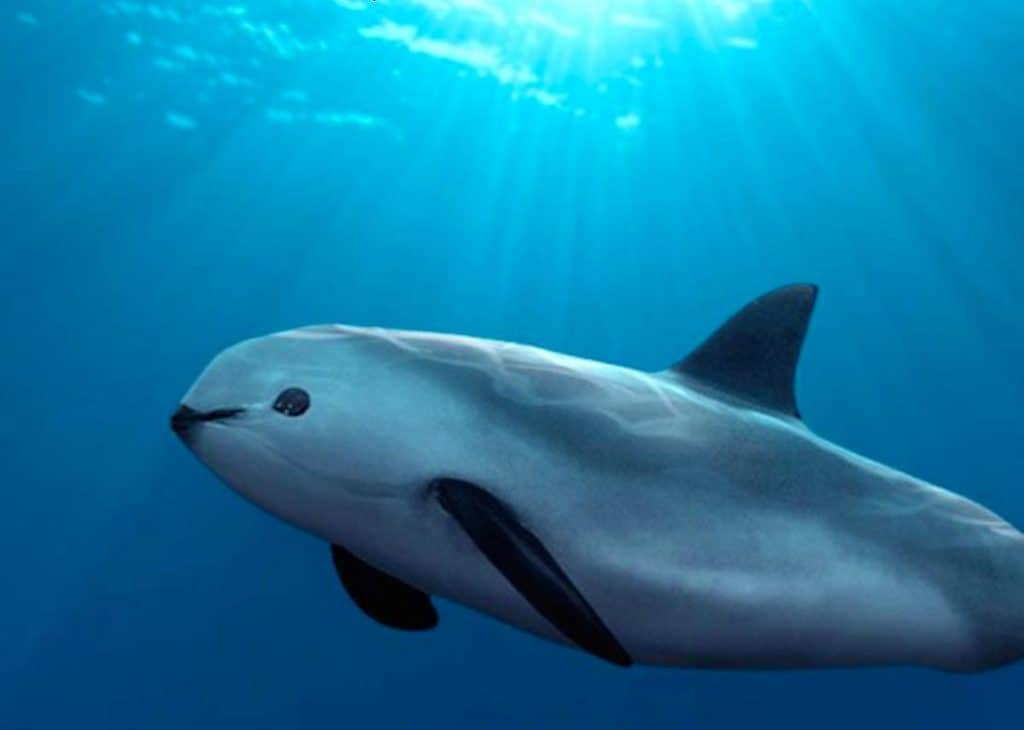
The vaquita dolphin is in danger of extinction due to small population numbers and gillnet fishing.
©Vynkdeepi666 / CC BY 4.0 / via Wikimedia Commons – Original / License
Another porpoise is the focus of a recent conservation effort, due to scientists discovering less than a dozen of them alive in the wild. The vaquita are found in a small area of the Gulf of California, with dwindling numbers since the late 1990s. A conservation group surveyed the population in September of 2025, and are reportedly optimistic about the vaquita, despite only 7-10 adults living currently.
For years, scientists have said the same thing about the vaquita, but with different levels of urgency: this animal can’t recover if gillnets remain in their waters. A gillnet ban and strong enforcement have to continue for there to be any hope, as this is the number one killer of this rare porpoise.
However, enforcement has been crucially uneven, and illegal animal trade keeps the incentives for gillnet fishing high. Even when conservationists tried to capture vaquitas in order to protect them, the plan was scrapped due to the stress and risk of handling an extremely fragile species, as a vaquita died during the capturing process.
Despite conservationists feeling hopeful, the vaquita is so low in numbers that there may be little chance. In addition, unless gillnets leave their limited habitat, there is no way for the vaquita to survive long-term.
The Northern White Rhino
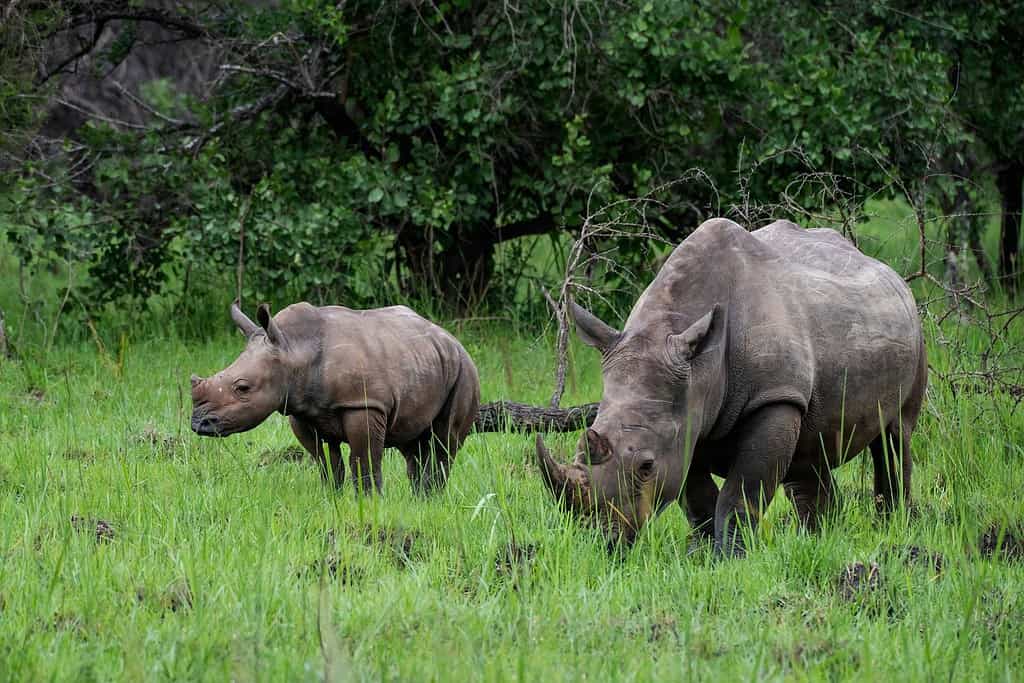
This particular animal may not ever be saved, given there are only two females left in existence.
©Tharuka Photographer/Shutterstock.com
While an older conservationist headline, it’s still a valid one. As of 2018, only two northern white rhinos remain in the world, both female, after the last male, Sudan, died that year. Considered functionally extinct, the northern white rhino experienced decades-long population collapse driven by poaching and other habitat pressures.
While efforts are currently in place to clone a baby rhino and try to reestablish the species, it may be too late given just how few northern white rhinos remain. Not only is the cloning effort an expensive process, but it’s also a long one. The species may not recover in time for these births to happen.
Rhinos in Malaysia also suffered from a similar fate. The last known Sumatran rhino in Malaysia died, but not because nobody cared about them. It’s that effective protection and coordinated breeding came after the population had already dropped below a realistic recovery threshold, making saving the species impossible.
Oman’s Arabian Oryx Sanctuary
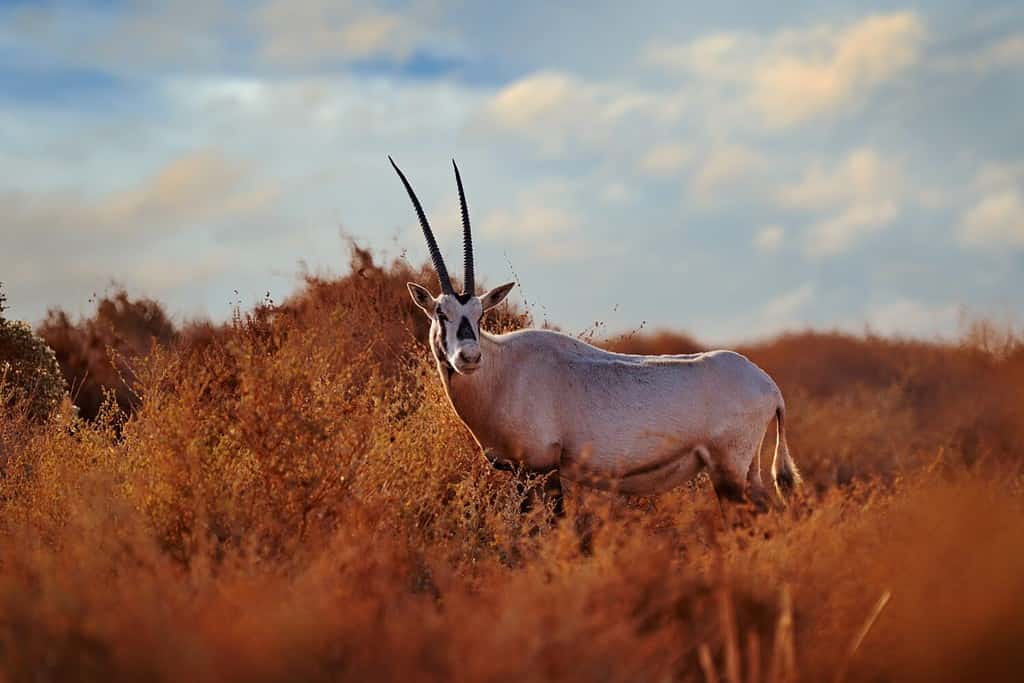
A vital habitat for the Arabian oryx was reduced by 90% at one point in time.
©Ondrej Prosicky/Shutterstock.com
The Arabian oryx is occasionally framed as a conservation success overall, but this is not the case for all regions, especially in one area once home to vast populations.
The Oman’s Arabian Oryx Sanctuary was removed from the World Heritage List after this protected area was reduced by 90%, with poaching and habitat degradation also part of its decline. Poaching pressure in the late 1990s was helping the reintroduced population, pushing managers to move animals into enclosures for protection, but the loss of their natural habitat made it nearly impossible for the species to bounce back in this region.
The Kihansi Spray Toad
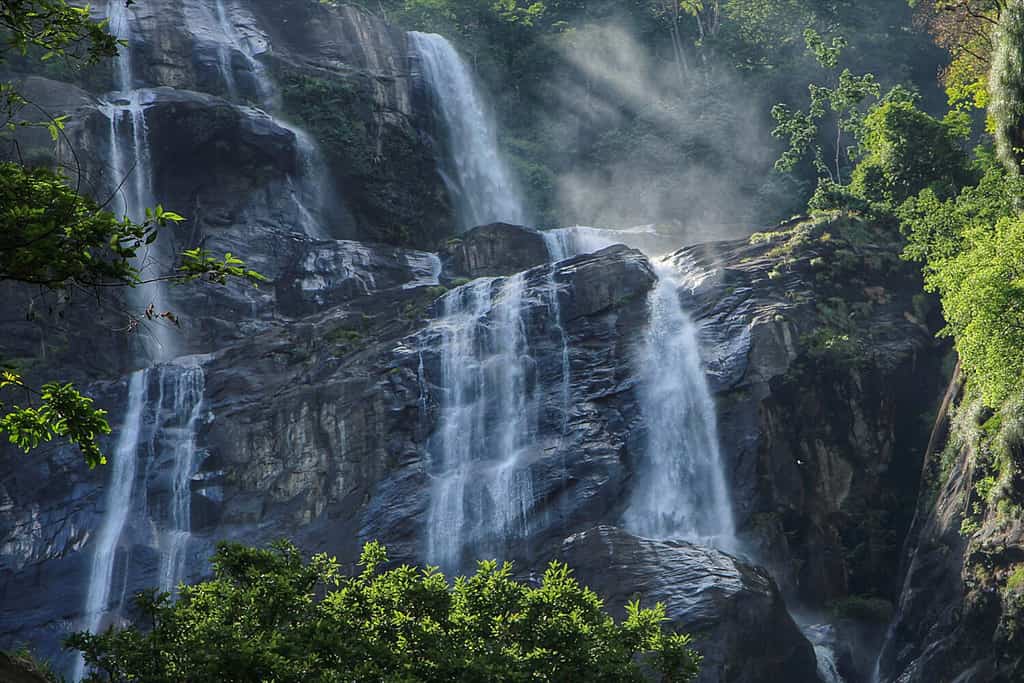
Tanzania is the home of the Kihansi spray toad, though its unique waterfall habitat is difficult to replicate.
©bimbom/Shutterstock.com
Relying on an ultra-specific microhabitat created by waterfall spray in a narrow gorge, the Kihansi spray toad was vulnerable from the start. When a dam altered this species’ water flow, managers attempted to replace the frog’s vital, natural mist with an artificial system.
Entire months passed before an artificial mist system was even functional, and the spray zone the frogs called home ultimately dried out. Disease was also a major player in this conservational failure, as chytrid fungus emerged once the mist was gone.
It was ultimately a perfect storm, where habitat disruption and disease compounded and left one frog incredibly vulnerable. Many conservation efforts run into issues of timing and quick habitat fixes, with slow implementation and intervention making all the difference between recovery and collapse. While breeding programs proved successful in zoos and the toad was reintroduced to the wild in 2012, questions remain about the stability of its population, especially given its unique habitat needs.
Eastern Migratory Whooping Cranes
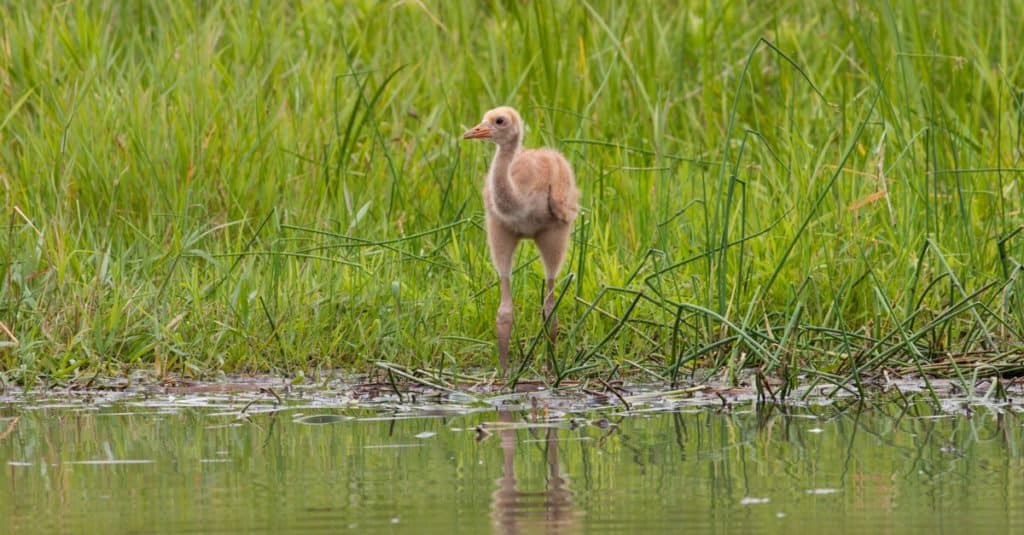
The Eastern migratory whooping crane had incredibly low birth numbers, but conservationists weren’t focused on improving that initially.
©SCOTT E NELSON/Shutterstock.com
Whooping cranes actually have a famous recovery story in North America, but the attempt to build and maintain an eastern migratory population proves just how hard saving a self-sustaining species can be. There were safe habitats available for these birds once more, so why weren’t they breeding?
The U.S. Fish and Wildlife Service’s Whooping Crane Recovery Activities report stated that low productivity and high mortality prevented the establishment of a self-sustaining population for these birds. At the same time, USFWS moved away from intervention-heavy approaches for the species, such as ultralight-led migration designed to help their migration process.
Not only were these disruptive attempts, but they also failed to address the low laying habits of cranes, encouraging safe migration rather than finding ways to get them to breed. It wasn’t an effective way to save the species, especially in the long run.
The Dusky Seaside Sparrow
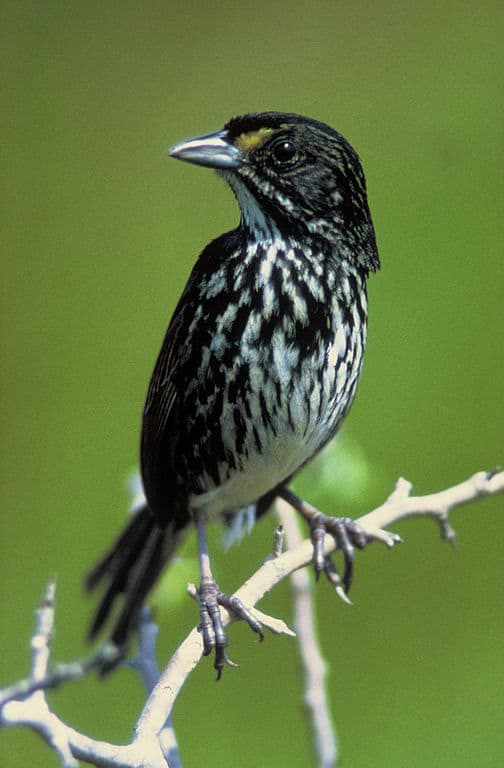
Very few images of the dusky seaside sparrow exist, given that the last known bird passed in 1987.
The dusky seaside sparrow was in trouble by the early 1980s. During this time, the remaining birds were essentially all male, meaning managers couldn’t rebuild their population, no matter how carefully they protected the final individuals. Even so, zoos and other captivity programs kept the males safe and attempted to figure out a breeding program, but it was too late.
The last known dusky died in captivity, on Walt Disney World’s Discovery Island, in 1987. Road construction and broad pesticide usage were both dubbed reasons for the extinction of these delicate birds. While the species could’ve been saved, the 1980s were not equipped to do so. And, ultimately, a species cannot easily be saved if only one gender is left alive, especially in an era where cloning or reproductive technology was extremely limited.
Conservation Efforts That Fail: Consistent Reasons Why
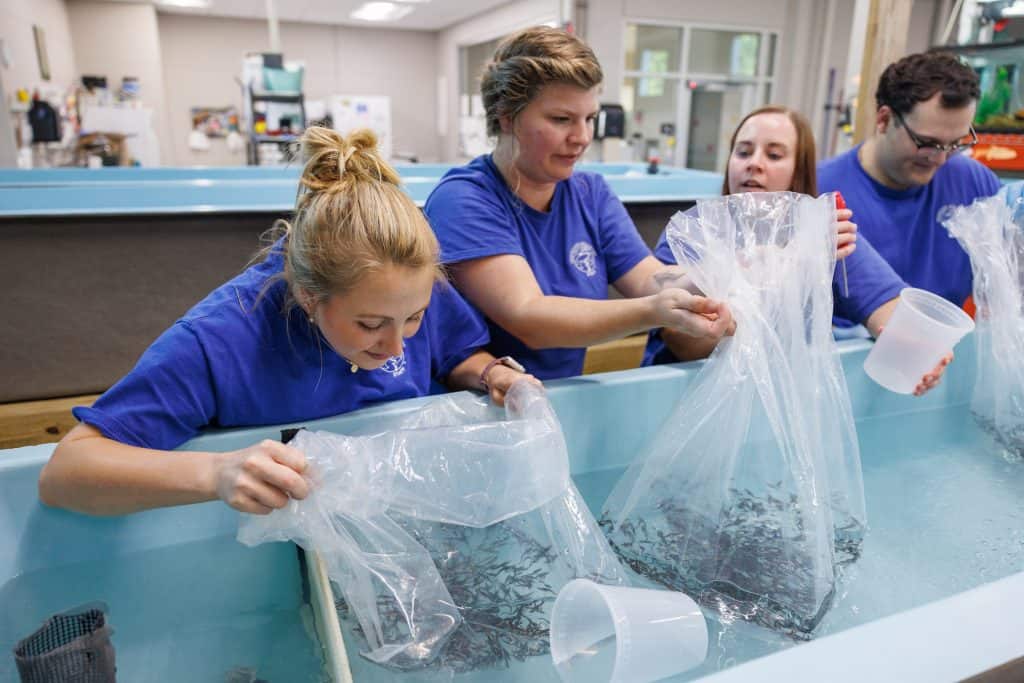
Successful conservation efforts learn from past mistakes, like these examples.
©Doug Strickland/Tennessee Aquarium
While all of these conservation efforts involve different animals, similar mistakes were made with each one. Some of the consistencies across all of these tragedies include:
- Threat removals didn’t happen fast enough.
This is the baiji and vaquita problem in a single sentence. If the main cause of death keeps happening, recovery becomes impossible, such as gillnets still in use despite efforts to stop them. - The habitat wasn’t actually secured.
The steadily disappearing Oman sanctuary shows how quickly a protected area can become unsafe. - The population dropped below a viable recovery level.
Northern white rhinos and the dusky seaside sparrow both prove what happens when too few breeding animals are left, and the remaining animals can’t realistically rebuild the population. - Plans underestimated how difficult self-sustaining species are.
Whooping crane reintroduction efforts prove that getting animals into the wild is just the beginning. Some species still struggle with basic reproductive challenges. - Multiple stressors stacked up at once.
The Kihansi’s spray toad is a reminder that conservation is affected by multiple issues, including habitat changes, disease, and delayed fixes.
What is being done today to save species from the mistakes of conservation efforts long gone? How are we learning from these conservational failures?
What Today’s Conservationists Do Differently Because of These Failures
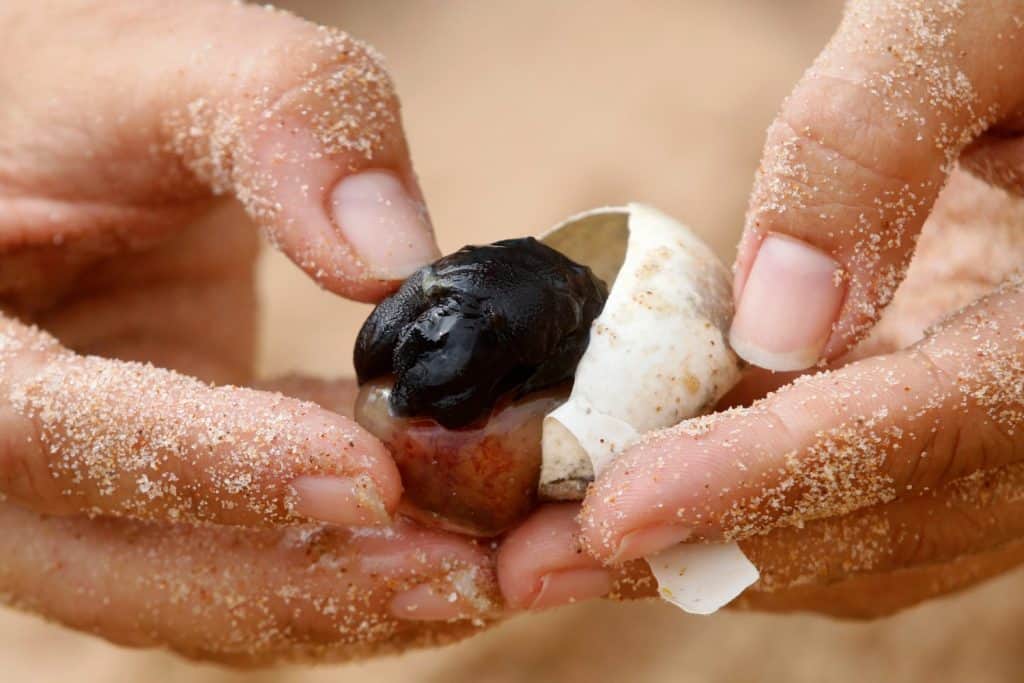
There is hope in modern-day conservation efforts, especially ones that learn from past mistakes.
©Focus Pix/Shutterstock.com
Many specifics of modern conservation practice are built out of past mistakes. It’s a shame that some species are lost because we didn’t figure out how to save them fast enough. However, there’s hope for the future of other species because of these efforts.
Projects now lean harder on rapid responses, especially when numbers begin dropping, instead of waiting for perfect or precise data. More effort is spent on enforcement and local incentives when illegal exploitation is a key factor, as animals can’t withstand such a constant threat. They also prioritize genetic planning early on, to avoid tackling the issue of reproduction too late.
The uncomfortable truth is that failure will always be a part of conservation, but hopefully a dwindling part. And, ultimately, failure doesn’t have to repeat itself. These programs may have failed, but now the future of conservation knows how to avoid the same pitfalls, leading to more success and more saved species.