
A new assessment toolkit for dog breeds, called the innate health assessment (IHA), has everyone in the breeding industry up in arms about its ethics, efficacy, and ultimate effects. As reported by The New York Post in its characteristically divisive, bombastic fashion, there is a chance that many people’s favorite dog breeds will disappear from the United States and the United Kingdom in the next decade. The IHA evaluates dogs on a 10-factor scale. Under the new voluntary scheme, only dogs scoring eight or above on the IHA are recommended for breeding by official breeders in the UK. The scheme proposes that in five years, the recommended passing grade will increase to nine, and in a decade, only dogs scoring a perfect ten will be recommended for breeding.
It’s a harsh progression for what are arguably some of the cutest dog breeds around: French and English bulldogs. While the creators of the test cite its purported effectiveness in reducing the number of dogs with debilitating diseases and acute conditions, others are wary. Some organizations say that these breeds can lead happy, healthy lives when bred and raised responsibly. Regardless of opinion, the new IHA aims to shake up the world of designer dog breeding—a field, it argues, that has been allowed to manipulate biology unchecked for far too long. Let’s learn more about the innate health assessment before diving into the debate surrounding its impact.
The Innate Health Assessment

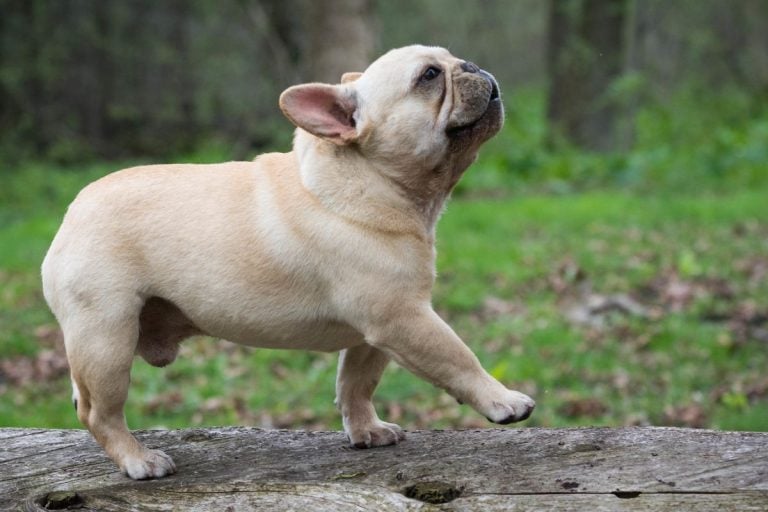
French Bulldogs may be a popular breed, but they often suffer from chronic health problems.
©Lined Photo/Shutterstock.com
As reported in several media outlets, including The New York Post, breeds such as French and English bulldogs may become effectively extinct within a decade. This is due to the All-Party Parliamentary Group for Animal Welfare (APGAW) in the United Kingdom launching a new toolkit aimed at combating what it considers extreme breeding conformations. Called the innate health assessment (IHA), this toolkit will assess dogs based on 10 traits. These include coloring, wrinkly skin, flat faces, bulging eyes, underbites or overbites, and stiff spines. Working in tandem with licensing requirements, official breeders will only be able to continue breeding dogs with a health assessment score of eight or above. In five years, the criteria will require a score of nine. In a decade, it will rise to ten.
The test is, in part, the brainchild of Dr. Dan O’Neill, an associate professor of companion animal epidemiology at the Royal Veterinary College. As he told the Telegraph, “The plan here is that in 10 years time, there will not be a single dog bred in the UK by a licensed breeder that has any extreme conformation. The IHA will lead to the default setting of a pug or a dachshund fundamentally changing.”
As Dr. O’Neill emphasized, “…it’s not about breed, it’s about the dog.”
A Show of Support

Breeds with flat faces often require surgery to breathe more easily.
©iStock.com/Verelly
Many animal rights groups have already lent their support to the new innate health assessment toolkit, and for good reason. Plenty of studies have shown that animals born with extreme conformations suffer from lifelong problems, such as chronic pain or discomfort.
Studies have revealed that animals born with these kinds of traits suffer from pain, discomfort, and frustration from birth. Many beloved designer dogs like pugs, French bulldogs, and English bulldogs have features that lead to health issues. Flat faces and bulging eyes, engineered into these breeds over a century ago, often lead to a higher risk of infections, increased respiratory problems, and diminished mobility. In some cases, owners must have their pugs or bulldogs undergo surgery so they can breathe properly.
Groups like The Kennel Club and PETA cite these reasons for their unwavering support of the new health assessment toolkit. Some groups hope to go a step further by lobbying the government to mandate the toolkit as a way to help enforce an existing but underenforced law that prohibits breeding unhealthy dogs. A spokesperson for the Kennel Club echoed the sentiments of other groups in support.
Questions Raised
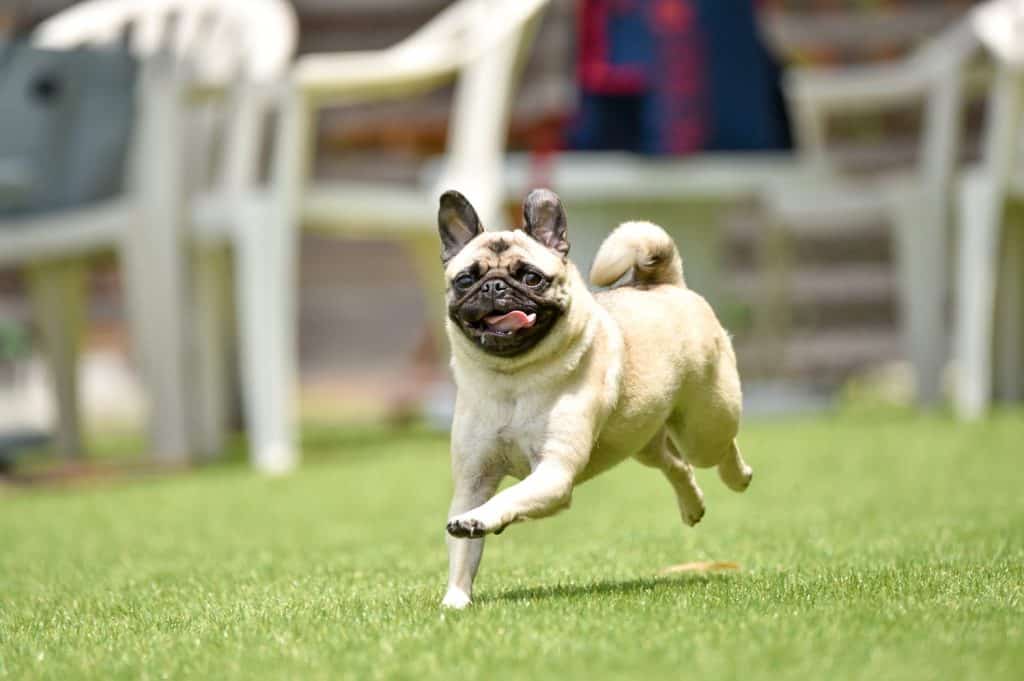
Other groups push back against the initiative, calling it alarmist and a punishment for bad breeders that will affect good breeders equally.
©studio hoto/Shutterstock.com
While many groups have offered their support for the initiative, others aren’t so sure. Detractors of the new IHA toolkit say it punishes good dog breeders for the malfeasance of bad breeders. They also suggest that calls for breed extinction are alarmist and bait for headlines. Sandy Moore, CEO of the Pet Advocacy Network, told The New York Post as much. She said, “Claims that popular breeds will ‘disappear’ are alarmist and ignore the fact that these dogs live happy, healthy lives when bred responsibly. Responsible breeders have worked with veterinarians and breed clubs for years to have high standards. We don’t need government-mandated redesigns or bans that punish good breeders along with the bad.”
Perhaps hoping to get ahead of future criticism, the All-Party Parliamentary Group for Animal Welfare (APGAW) explained that the course of action was voluntary. It also explained that it doesn’t want to ban breeds, but rather to alter definitions so that future dogs can be born without a list of issues. As the creator of the toolkit, Dr. O’Neill, explains, the course of action is about categories as much as it is about philosophy. He said, “The IHA will lead to the default setting of a pug or a dachshund fundamentally changing.”