
Quick Take
- Diversity in dog breeds came earlier than the Victorian period
- While Victorians helped bring familiar dog breeds, the diversity is over 11,000 years old
- There’s no wolf-like ancestor for early dogs.
When most people picture ancient dogs, they imagine something wolf-like—sleek, long-snouted, and built for the hunt. But a major new archaeological study reveals a very different story. Thousands of years before pugs, dachshunds, or Great Danes ever existed, early dogs were already remarkably diverse in size and shape. In fact, this diversity began more than 11,000 years ago, not in the Victorian era when formal dog breeding took off.
The latest research, published in Science, used advanced 3D shape analysis to examine over 600 ancient and modern canid skulls spanning 50,000 years. The results overturn long-held assumptions about when dog diversity began and offer a new window into the earliest chapters of the human–dog story.
Dr. Carly Ameen of the University of Exeter, one of the study’s lead authors, explains the main takeaway plainly. “We found that dogs were already remarkably diverse in their skull shapes and sizes more than 11,000 years ago – long before modern breeds were developed,” she tells A-Z Animals.
That discovery reshapes the way we think about early dogs and challenges the idea that most variation emerged only in the past few centuries. Instead, Ameen says, much of what we recognize as “dogginess” has ancient roots. “This means that much of the physical diversity we associate with modern breeds actually has very deep roots, emerging soon after domestication,” she adds.
The First Dogs Didn’t All Look the Same
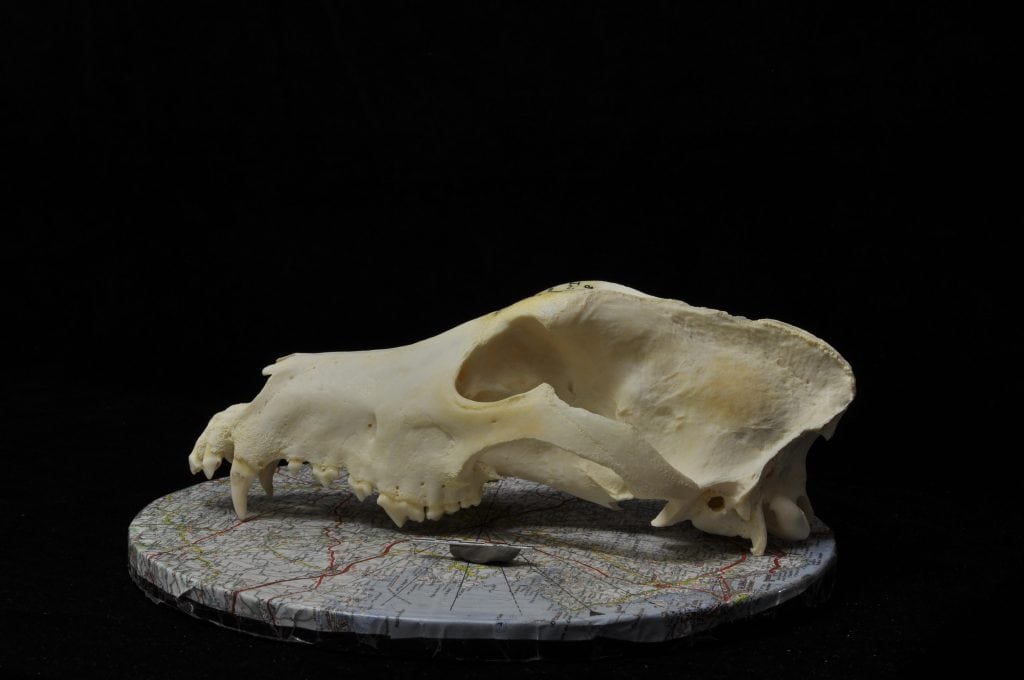
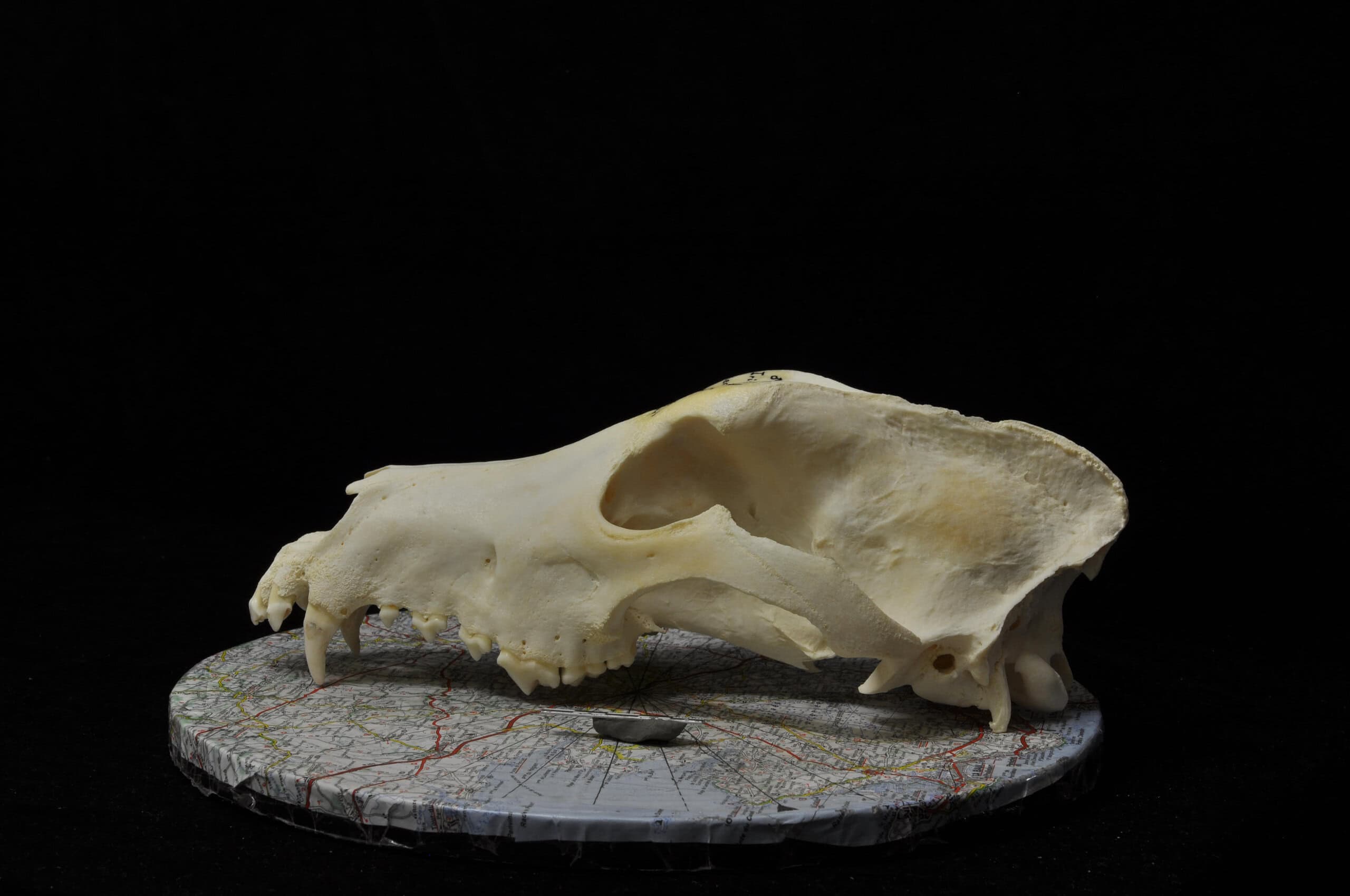
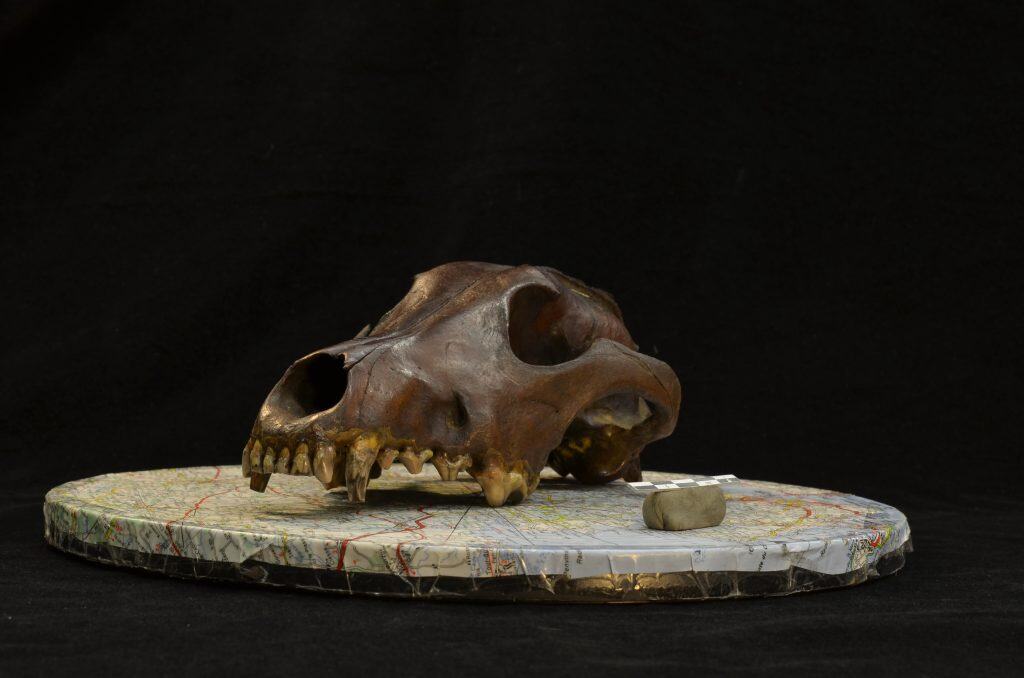
One of the skulls studied by Ameen and colleagues.
The team’s analysis included skulls from wolves, street dogs, archaeological dogs, and modern pedigree breeds. To unravel when true dog-like forms first appeared, they examined skull shape and size precisely using geometric morphometrics—a method that captures detailed 3D form.
Archaeologically speaking, wolves and early dogs can be hard to tell apart. Some early dog ancestors looked almost identical to their wild relatives. Others had unique features that signaled early domestication.
Ameen explains how the researchers distinguished them. “We started by characterizing the shape variation found in wolves, and focused on identifying the archaeological skulls which had a shape not found within the wolf population, as a way to identify domestic shapes,” she says.
What set those early dogs apart was not just their size, but also their proportions. “Our work shows that during domestication, dog skulls became proportionally shorter and wider compared with those of wolves,” she says. This shift is one of the earliest visible markers of domestication, a subtle reshaping that persists in many breeds today.
One of the oldest clearly dog-like specimens in the study came from Veretye, a Mesolithic site in Russia dating to roughly 11,000 years ago. Its skull proportions matched those seen in modern domestic dogs rather than wolves, a sign that the species had already begun to diverge.
What Jobs Did Ancient Dogs Have?
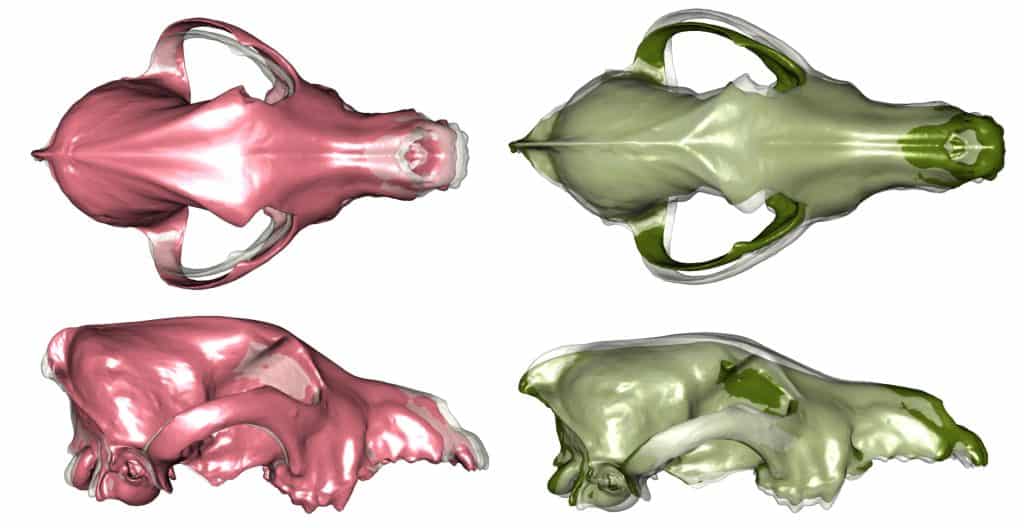
The 3D visualization of dog skull size and shape between species.
The rapid diversification seen in early Holocene dogs suggests they played varied roles in ancient human societies. While wolves typically occupied a narrow ecological niche, early dogs lived alongside humans across a range of environments—from Arctic tundra to temperate forests—and likely served multiple functions.
“The variation we describe refers specifically to skull morphology—differences in cranial size and proportions,” Ameen says. “Today these traits reflect functional and ecological diversity, and it was likely already the case in the past, suggesting that early dogs were already adapting to different roles and environments.”
That means ancient dogs were not simply proto-wolves hanging around human camps. They were already evolving into specialized roles, shaped by different cultures and habitats. Some may have hunted alongside humans, others herded animals, pulled loads, guarded homes, or provided companionship.
And fascinatingly, some early dog skulls represent shapes that no longer exist. “Some ancient dogs show skull shapes that don’t match any living breed that we have studied. These forms may reflect early regional adaptations or functions that no longer exist today,” Ameen notes.
This suggests that not only did early dogs diversify rapidly, but some of that early diversity has since disappeared, lost as human societies changed and as selective breeding later narrowed the range of canine shapes.
Shattering the Myth of the Wolf-Like Ancestor
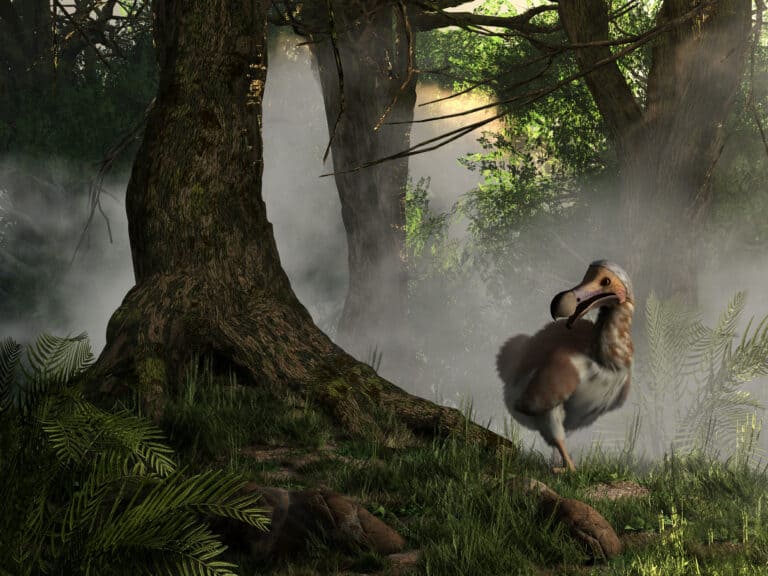
Evidence suggests that dogs didn’t come from a wolf-like ancestor.
Popular media often portrays early dogs as wolf-like, which later transformed into today’s familiar breeds. This study shows that the story is far too simple.
Ameen emphasizes that while early dogs were not as extreme in shape as today’s bulldogs, borzois, or pugs, they still exhibited striking variation. “By the Mesolithic, the variation we see is already half the total amount of variation we see in modern breeds,” she says.
That means modern dog diversity is built upon an ancient foundation, long predating the Kennel Club standards that codified modern breeds in the 19th century.
The research also highlights a vital conservation implication. Dog diversity has deep evolutionary roots, and preserving it is key to the species’ long-term health. “Preserving this diversity—rather than focusing on narrow or extreme breed standards—is essential for continuing our relationship with dogs and keeping them healthy,” Ameen notes.
Why Do Early Dogs Remain a Mystery?
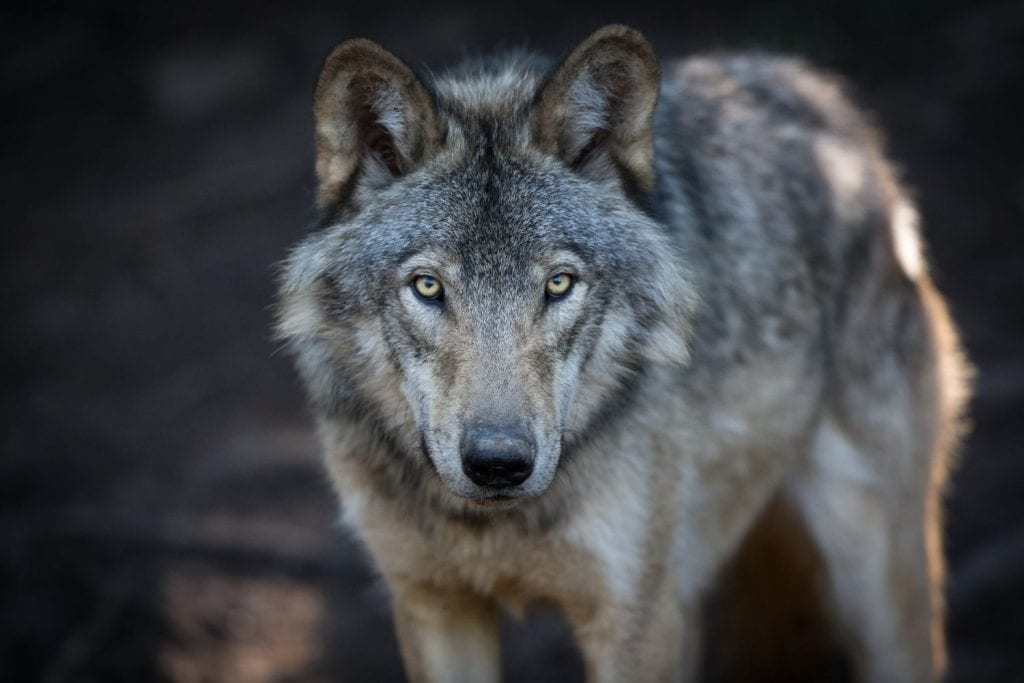
Dogs didn’t actually evolve from a wolf-like ancestor
©PatrickLauzon photographe/Shutterstock.com
One of the most intriguing findings is what didn’t show up in the study. None of the Late Pleistocene skulls—some previously proposed as “proto-dogs”—showed clear evidence of domestication. Despite decades of debate, the very first phase of dog domestication is still invisible in the archaeological record.
Ameen acknowledges this gap: the earliest dogs continue to elude researchers. But what the team could show with confidence was that once dogs emerged, their diversification was rapid and widespread. Early dogs in Europe, the Americas, and Asia all exhibit domestic skull traits, suggesting that humans and dogs formed partnerships across multiple continents early on, in many different ecological and cultural settings.
How Did the Victorians Pioneer Dog Breeding?
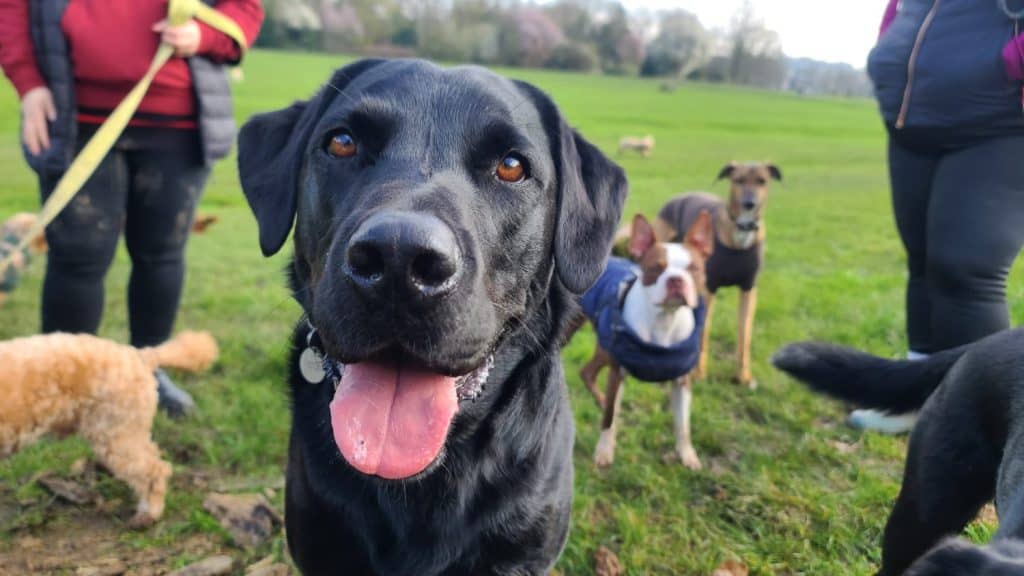
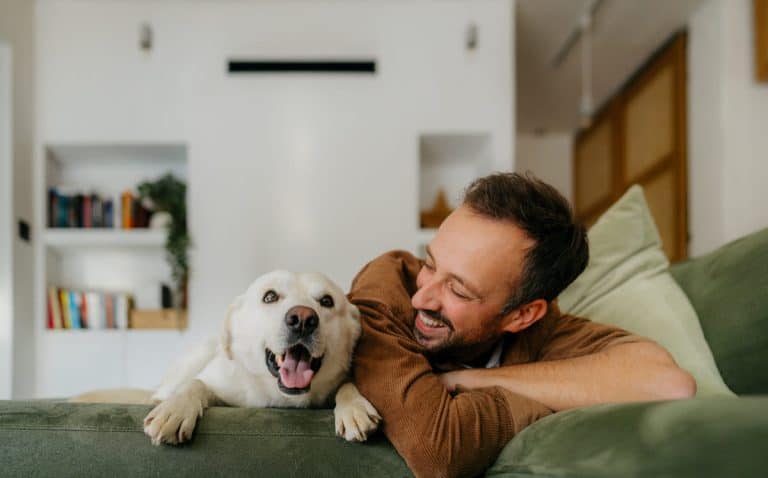
The Victorian era helped bring about many of the standard dog breeds we have today
©Adree1985/Shutterstock.com
Although today’s dog breeds feel ancient and storied, the idea of rigid, standardized breeds is actually quite new. Modern pedigree breeding—the kind that produces instantly recognisable dogs like collies and Great Danes—truly took shape in the mid-19th century during the Victorian era.
This was a time of rapid industrialization, scientific curiosity, and a growing fascination with categorizing the natural world. When Kennel Clubs emerged in Britain, they did something revolutionary: they began defining dogs by strict written standards and registering animals in closed studbooks. Dogs were no longer just useful companions or working partners; they became symbols of status, refinement, and identity.
As Victorian breeders grew increasingly competitive, they selected intensely for particular traits: a flattened face, a long, narrow muzzle, a large body, a tiny body, exceptionally short legs, or an elegantly arched back. In just a few generations, these pressures produced the extreme—and sometimes unhealthy—shapes we now associate with modern breeds. According to Ameen’s research, the Victorians didn’t invent dog diversity; they simply accelerated its development.
We found that dogs were already remarkably diverse in their skull shapes and sizes more than 11,000 years ago – long before modern breeds were developed.
Dr. Carly Ameen of the University of Exeter
A New Chapter in the Human–Dog Story
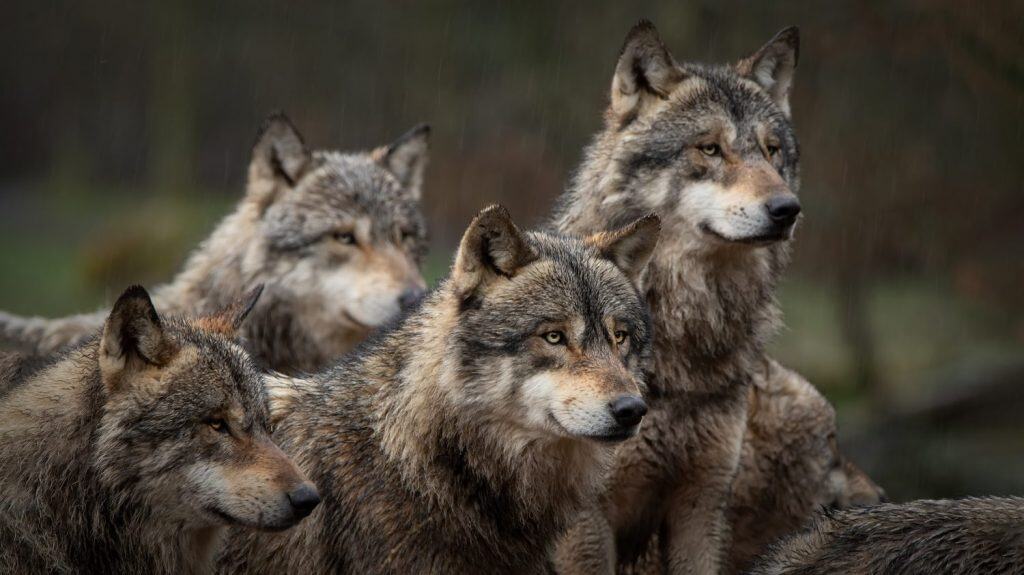
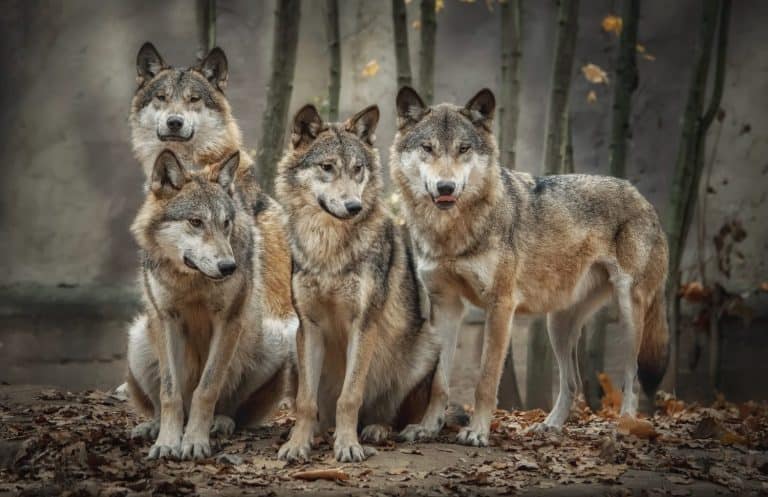
Understanding the history of dogs can help with current wolf conservation efforts.
©Pat-s pictures/Shutterstock.com
This research fundamentally changes how scientists understand the origins of canine diversity. Instead of viewing dog breeds as a recent, human-made explosion of forms, the study places the roots of that variation deep in prehistory.
Dog diversity began not with Victorian breeders, but with the earliest hunter-gatherer communities who lived alongside dogs and shaped them—intentionally or not—through coexistence.
Ameen summarizes the deeper message: “Diversity in dogs has deep evolutionary roots… Understanding the natural range of variation in early dogs also provides an evolutionary baseline for conserving wolves, whose populations have been heavily shaped by human pressures such as hunting over the past centuries,” she notes.
Far from being wolf-like beginners, early dogs were already varied, adaptable, and intertwined with human societies, setting the stage for the extraordinary range of canine forms we know and love today.