
Quick Take
- A sea urchin carries needles, venom, and a shell, yet somehow almost everything on the seafloor has already figured out how to open it. See the full defense →
- Each predator that hunts sea urchins evolved its own completely different trick for getting past the spines. Explore each predator's trick →
- When nothing hunts a sea urchin, entire underwater forests pay the price. See the ecological cost →
- Wolf eels didn't just learn to eat sea urchins. They evolved specifically to hunt them. Discover the wolf eel's evolution →
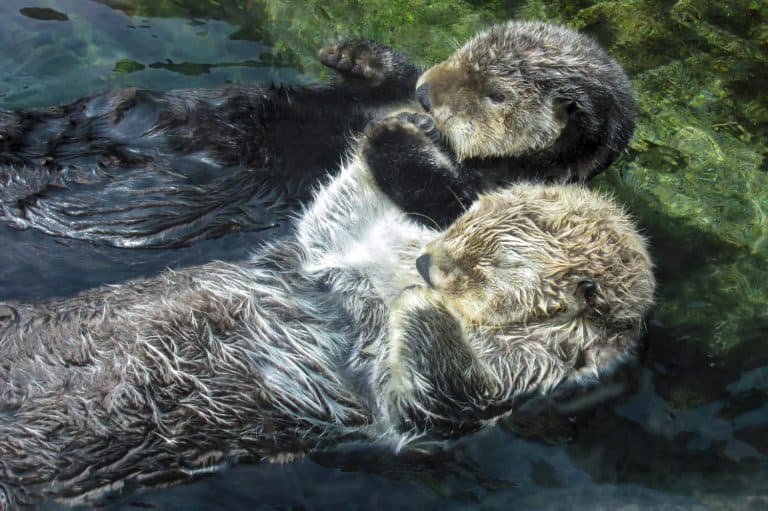
A sea otter picks up a sea urchin, a ball of sharp spines, and cracks it open on a rock like it’s opening a walnut.
I’ll be honest, I assumed nothing ate these things. Look at what an urchin is armed with. Spines that snap off inside your foot if you step on one. Tiny venomous pincers hidden between the spikes. A mouth tucked underneath where nothing can reach it. It looks like the best-protected animal on the seafloor.
And yet the otter barely slows down. So what are all those spines actually for?
Armor in every direction
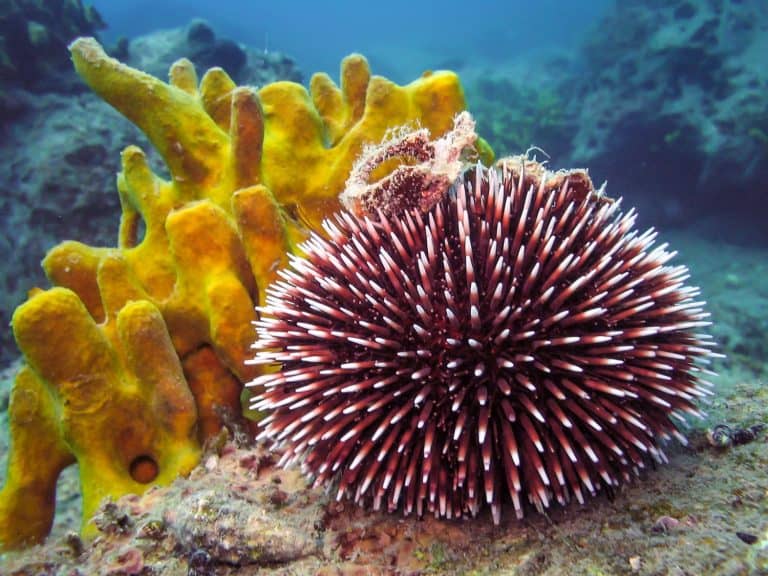
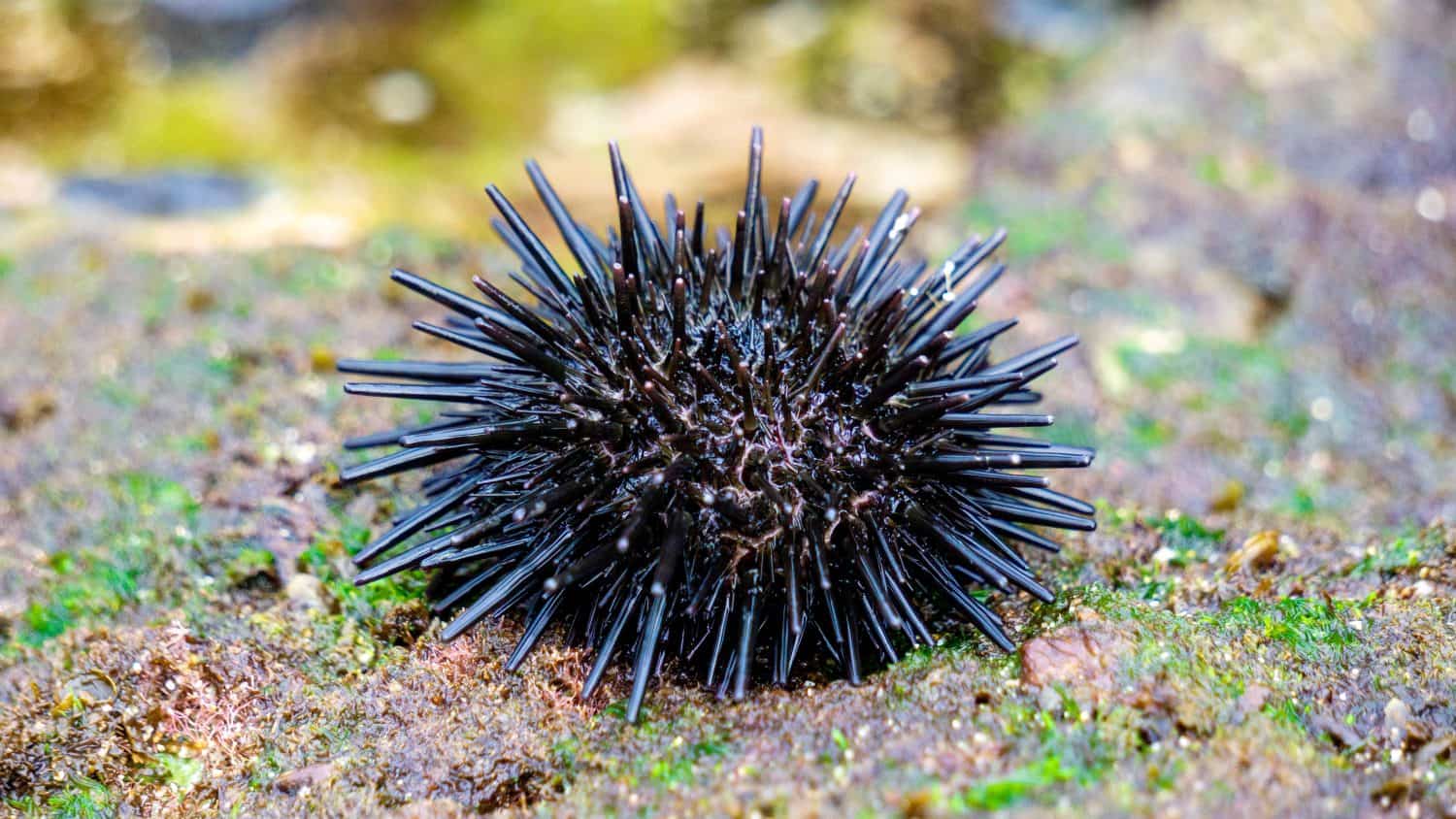
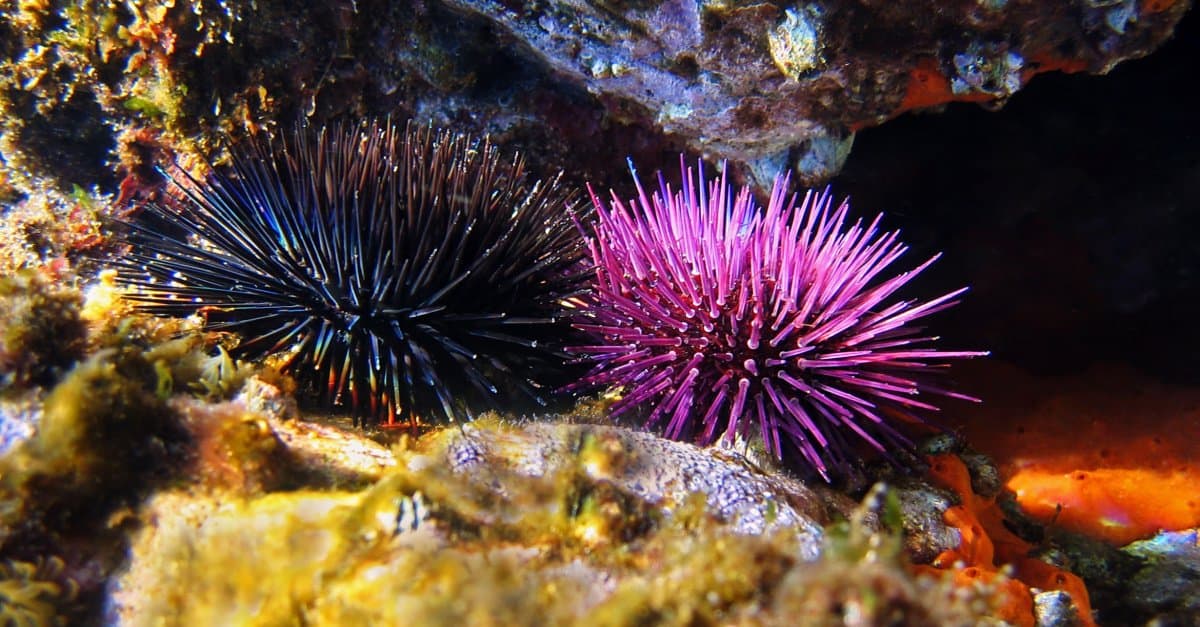
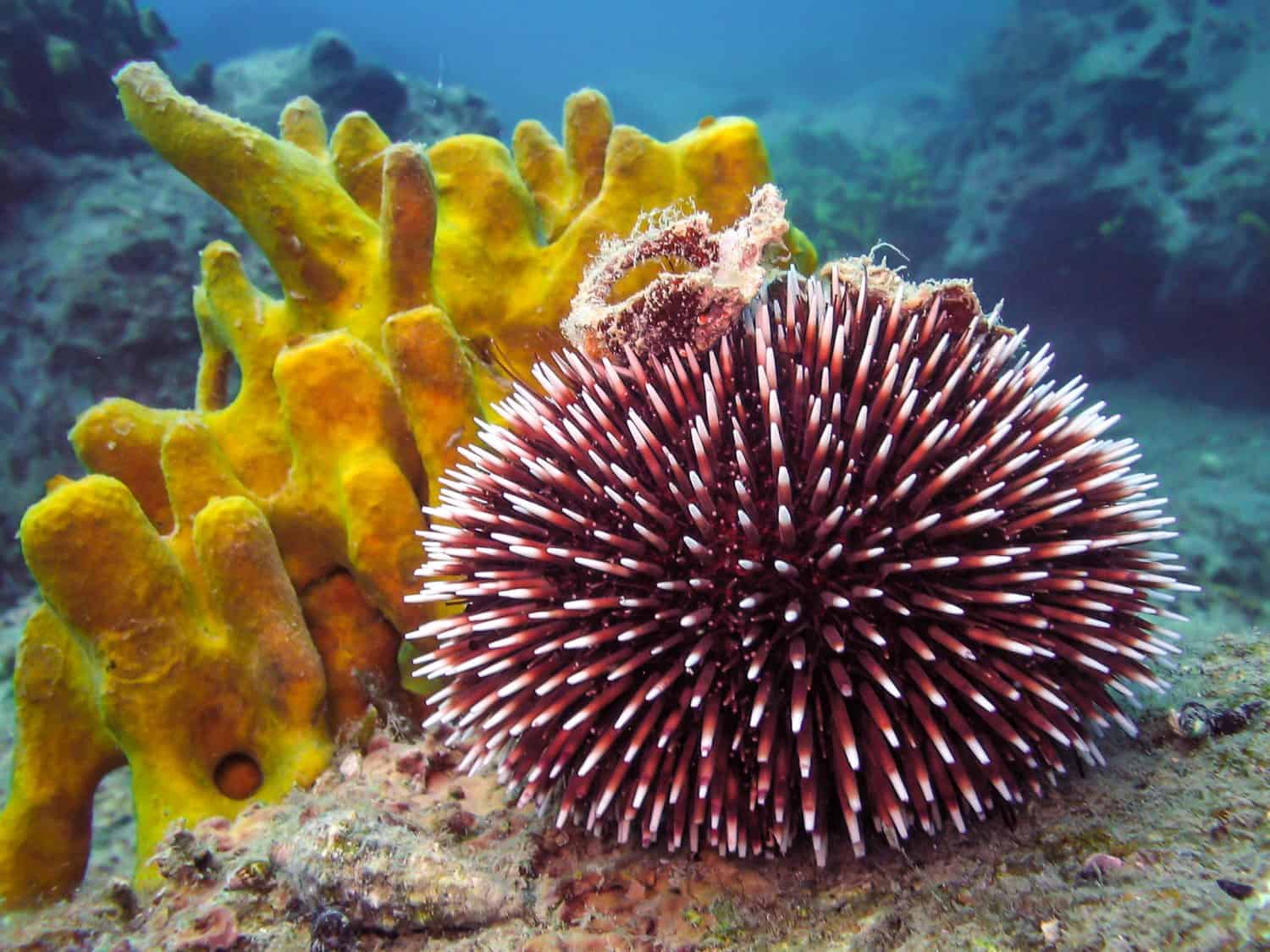
Start with the basics. A sea urchin has no bones at all. Instead it has a hard shell called a test, built from small plates of calcium carbonate, the same hard stuff seashells are made of, and those plates cover the whole animal.
Exploring the Fascinating Diet of Sea Urchins: Nature’s Spiny Omnivores
©Damsea/Shutterstock.com
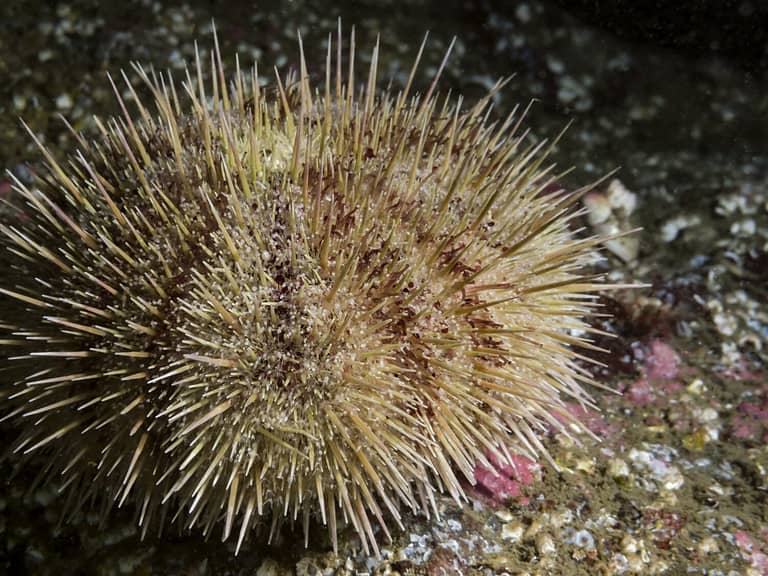
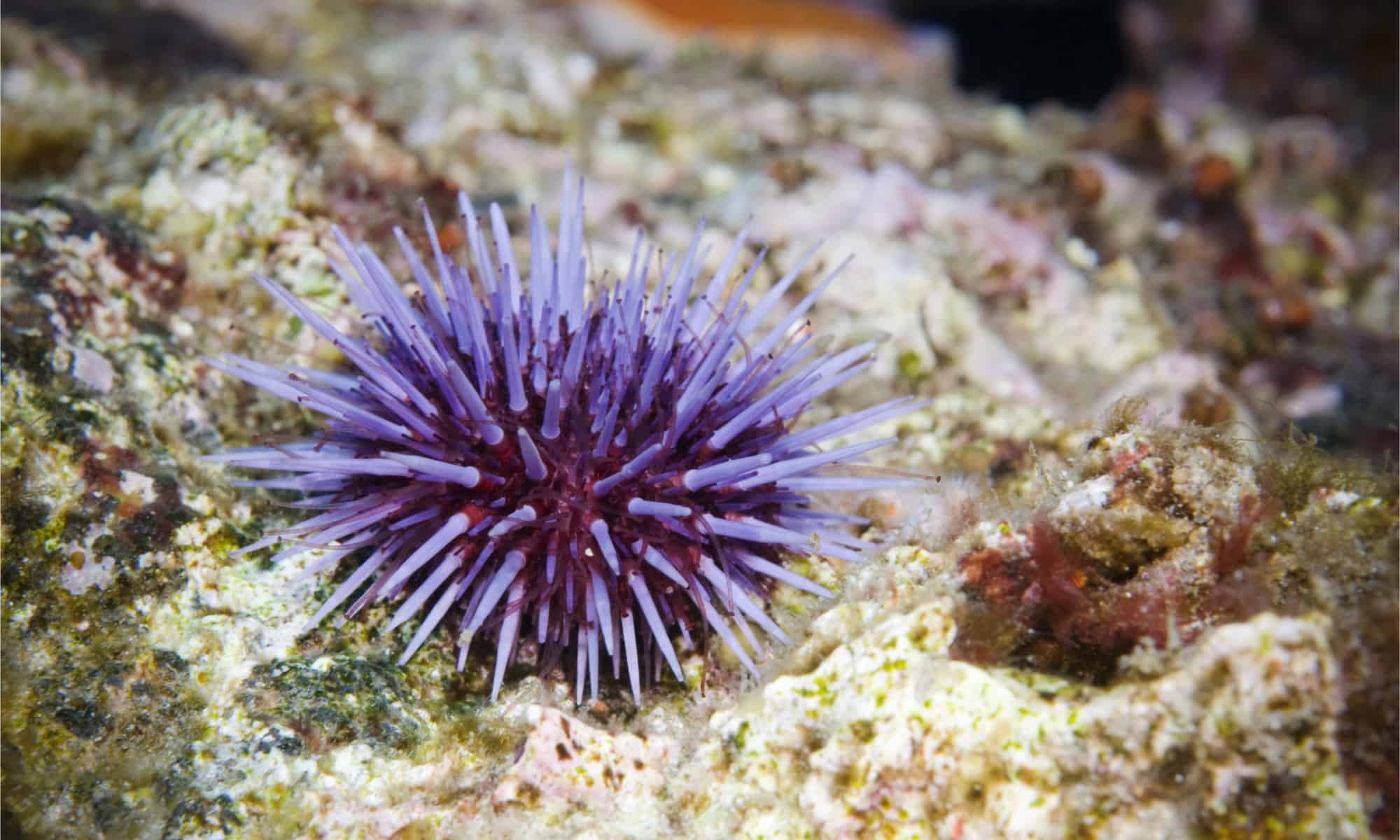
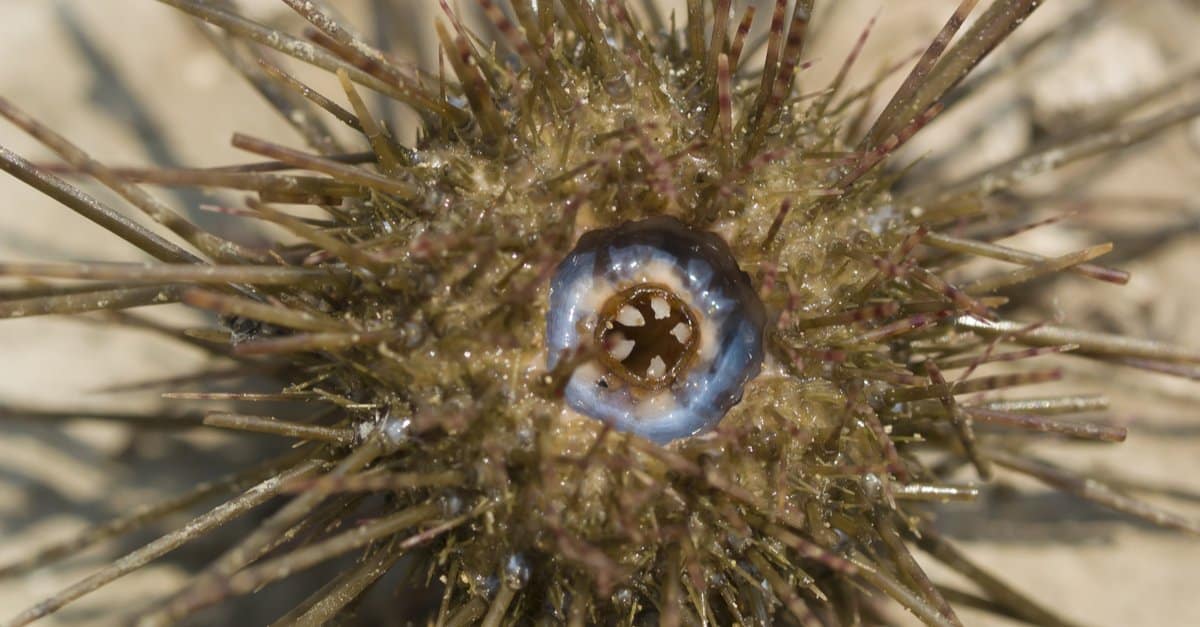
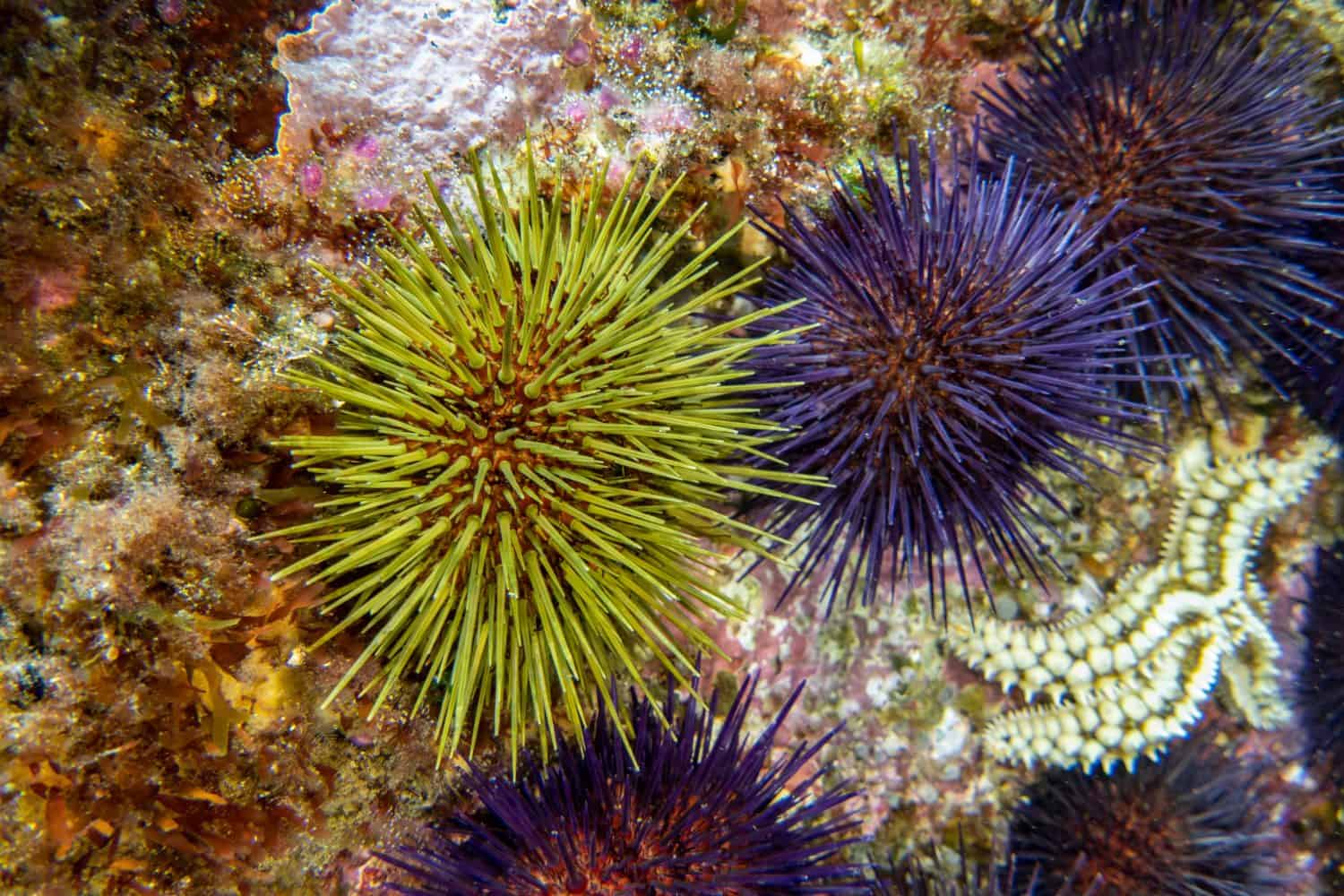
Sticking out from that shell are spines sharp enough to pierce human skin. They’re brittle, too. They snap off and stay lodged in the wound, and that’s what makes them so hard to get out.
That’s still only the first layer. Tucked among the spines are tiny stalks tipped with three-jawed pincers called pedicellariae. Those pincers bite anything that attacks and inject venom as they do it. And the one part of the urchin you’d actually want to go for, its mouth, faces straight down into the sand, where it’s rarely exposed to anything.
Needles that break off in you. Venomous pincers between the needles. A hard shell. A mouth pointed at the ground.
On paper, nothing should be able to eat this.
Every eater has a trick for the spines
10 Essential Facts About Sea Urchins
©NatalieJean/Shutterstock.com
The spines only work if a predator can’t get rid of them. Almost everyone has figured out how.
Otters use their sharp claws and raw strength to wipe the spines away before they ever break the shell. Crabs and lobsters snap the spines off with their pincers first, then get to the insides. Fish that hunt urchins bite the spines off before opening the shell.
Once the spines are gone, the shell is the only thing left. Sea otters carry rocks to smash it open. Birds crack it with their beaks. Starfish, the urchin’s own spiny relatives, use their tube feet to pry the shell apart.
This is the part I keep thinking about. The spines can still hurt these animals. Each predator has just worked out its own way to avoid them and reach the soft parts inside. The spines buy the urchin a little time, and that’s all they buy. Strip them off and what’s left is a thin shell wrapped around something soft.
The list of things that eat them is long
Are Sea Urchins Poisonous or Dangerous?
©narupong sooknatee/Shutterstock.com
One clever otter would be a story. This is bigger than that. The animals that eat sea urchins include sea otters, triggerfish, wolf eels, crabs, lobsters, sunflower sea stars, California sheephead, gulls, emperor angelfish, loggerhead sea turtles, leather stars, garibaldi fish, octopuses, and harlequin shrimp. That’s a bird swooping down, a sea turtle drifting past, and a shrimp, all going after the same target.
Wolf eels went further than the rest. They evolved specifically to hunt sea urchins. Urchins even get eaten by other echinoids, which means their own spiny cousins are on the list of predators too.
And remember what the target is. A typical sea urchin is about 1 to 4 inches across and weighs around a pound, roughly a can of soup, and it crawls slowly on tube feet. It can’t run from any of this. For a creature that looks untouchable, an awful lot of things have it on the menu.
What happens when nobody eats them
This matters well beyond the urchin itself. Left alone, sea urchins can quickly strip an area of algae and the other living things a healthy patch of seafloor needs, and that’s the reason their predators matter so much.
Can a Sea Urchin Sting Kill You?
©JGA/Shutterstock.com
Kelp is one of their favorite foods. Kelp forests, the thick underwater stands of seaweed that a whole community of sea life depends on, have paid for it. Kelp deserts have formed in the Pacific off Sonoma and Mendocino Counties, and as the kelp goes, the ecosystem it held up starts to collapse along with it.
One of the biggest factors in bringing a kelp forest back is the return of the animals that naturally eat sea urchins.
So an urchin’s beatable armor is good news for everything else on the rock. It’s how the whole system stays in balance.
Which brings us back to that otter. The spines bought the urchin a few seconds, and for a slow, one-pound animal that can’t run, a few seconds is all the armor it was ever going to get.
I love that the most heavily armed thing on the seafloor is the one everything else already knows how to open.
Do Sea Urchins Have Teeth? The Surprising Truth
©Manuel E. Garci/Shutterstock.com