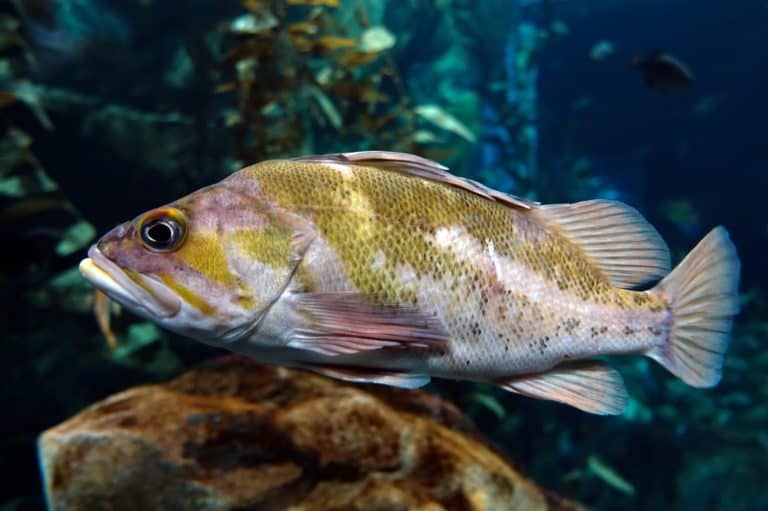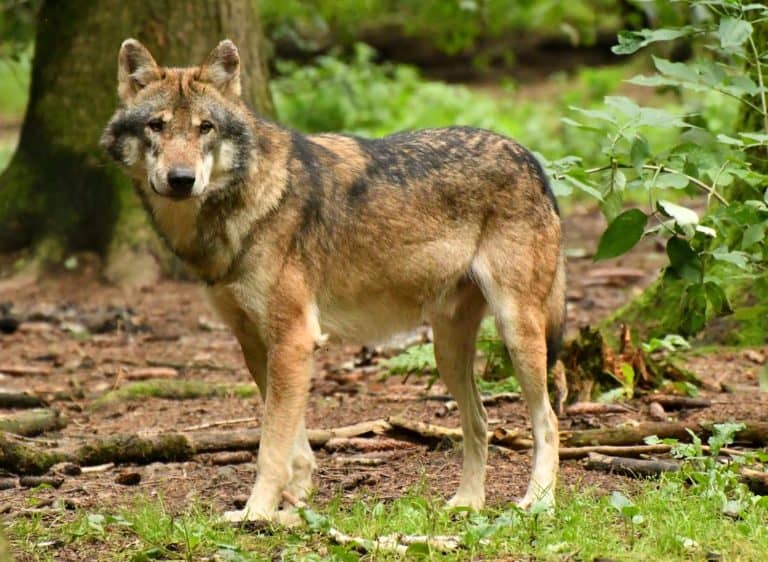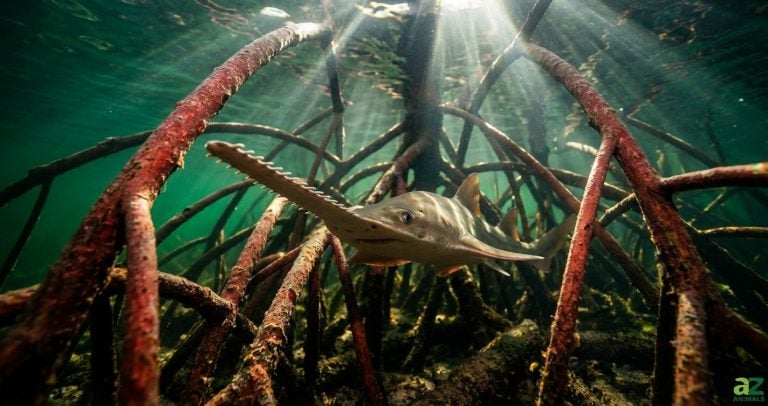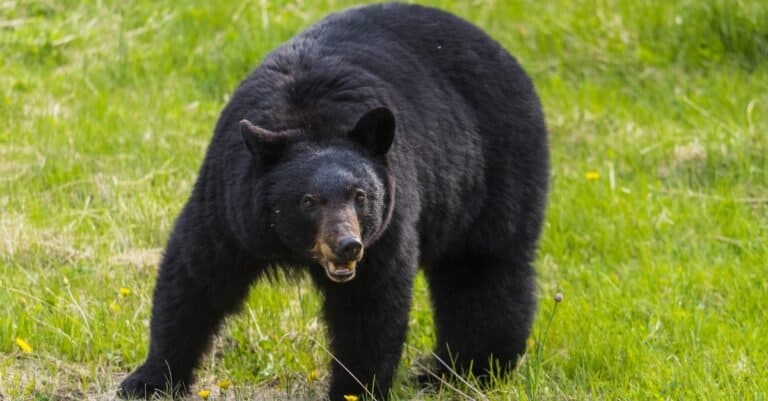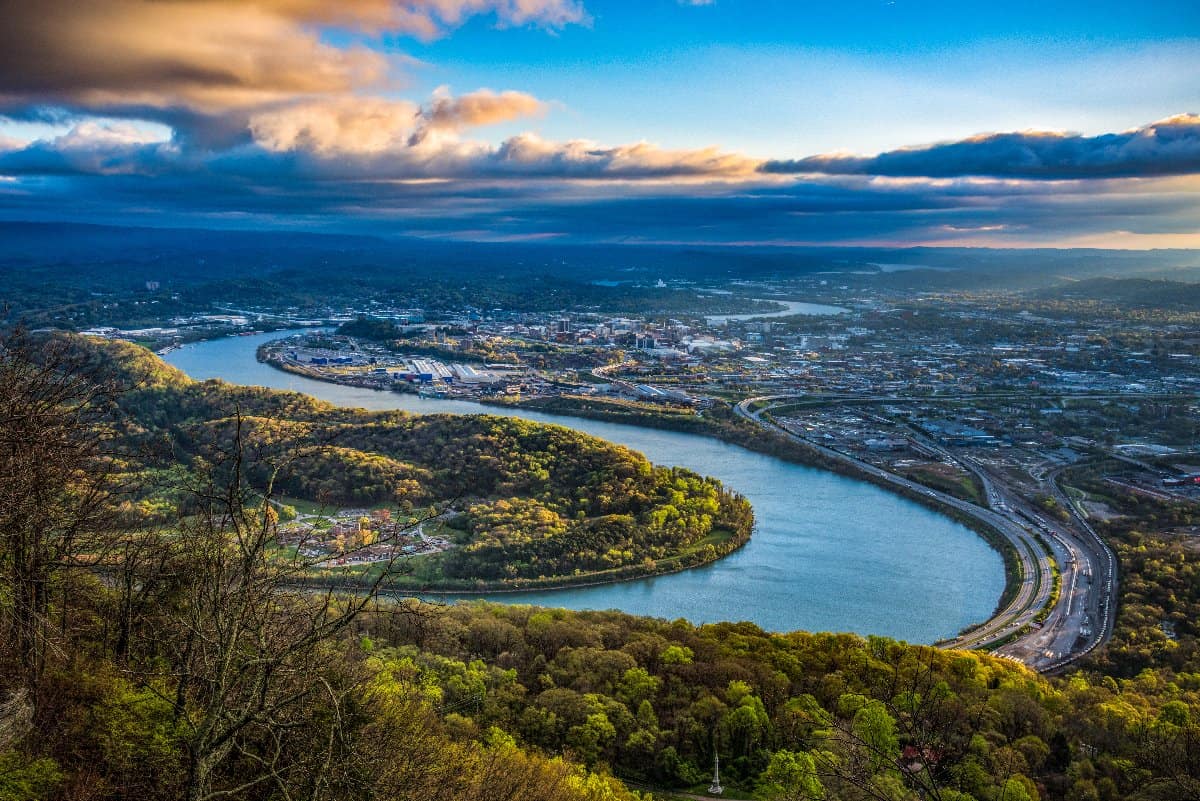

Flowing nearly 650 miles through Tennessee, Alabama, Mississippi, and Kentucky, the Tennessee River is one of the most important waterways in the South. From its headwaters in the Appalachian Mountains to its wide deltas feeding the Ohio River, this river sustains an extraordinary range of plants and animals. Though dammed and managed for power and navigation, its waters are not barren. It’s home to fish that glitter in the current, wading birds that stalk the shallows, and mammals that hunt along its fertile banks.
Smallmouth Bass (Micropterus dolomieu)
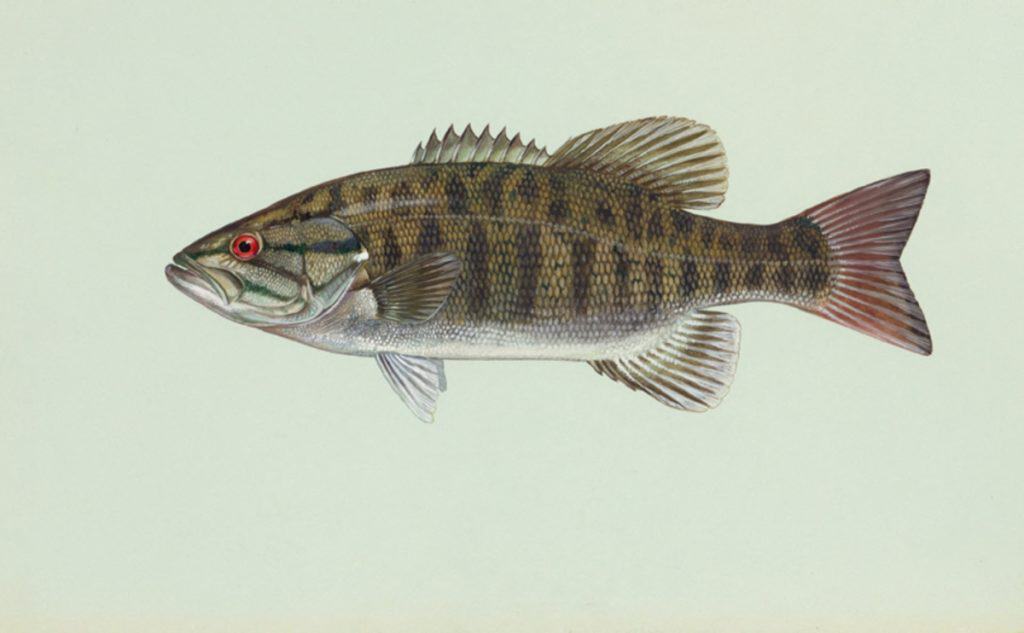
Smallmouth bass (Micropterus dolomieu)
The Tennessee River is famous among anglers for its trophy smallmouth bass. Bronze-backed and quick, they thrive in rocky stretches and tailwaters below dams, feeding on crayfish, minnows, and aquatic insects. Most adults range from 12 to 20 inches long, though some exceed five pounds. These fish are a cornerstone of the region’s sport fishing economy.
Common Snapping Turtle (Chelydra serpentina)
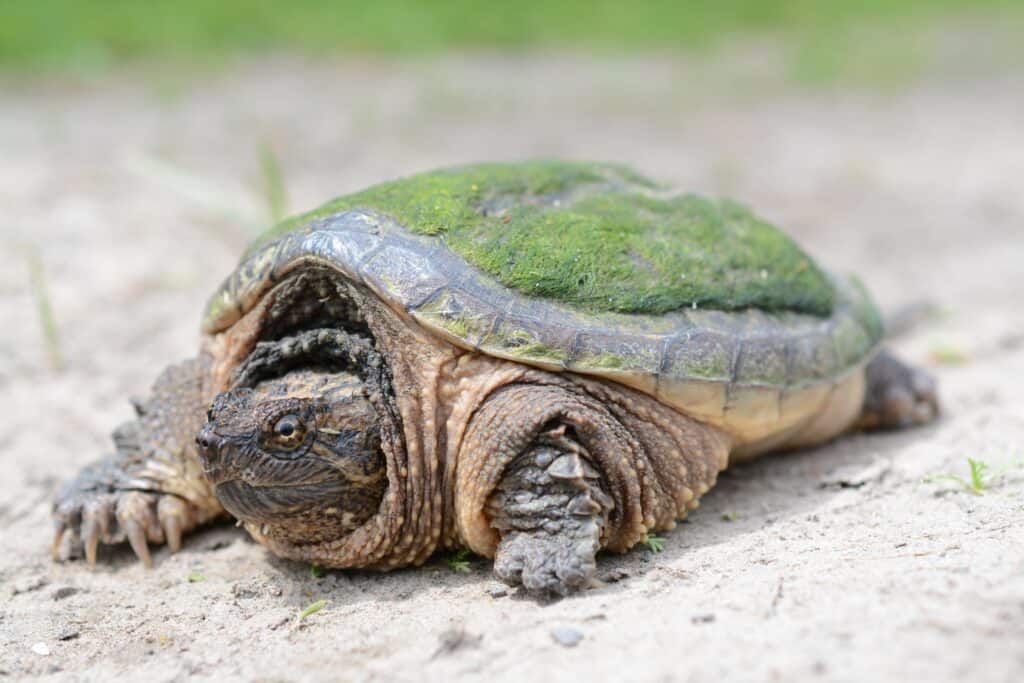
Common Snapping Turtle (Chelydra serpentina)
©Trevor Meunier/Shutterstock.com
Lurking in backwaters and slow eddies, the snapping turtle meanders around looking for carrion or waits patiently for fish or frogs. Its powerful jaws and prehistoric look make it one of the river’s most recognizable reptiles. Adults often exceed 12 inches across the shell and can weigh over 35 pounds. They’re sometimes harvested for meat but maintaining healthy populations is essential, as these turtles are important scavengers that help keep the river clean.
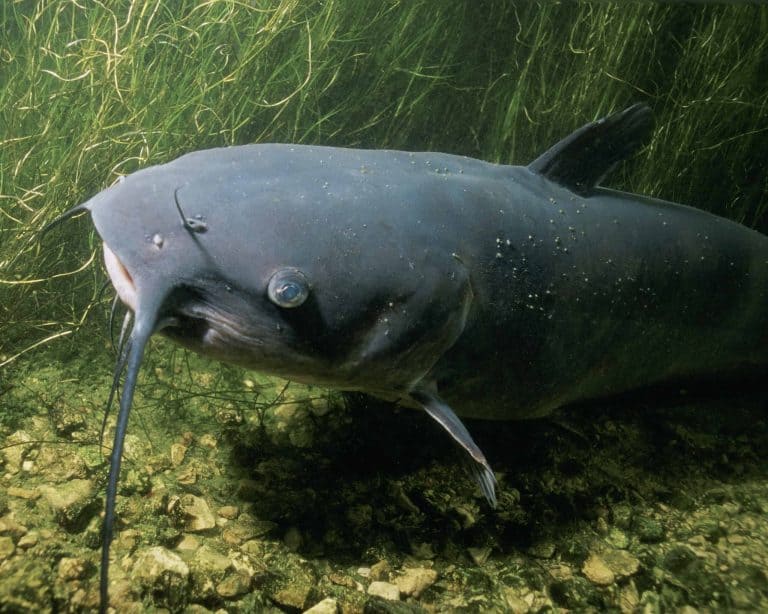
Channel Catfish (Ictalurus punctatus)
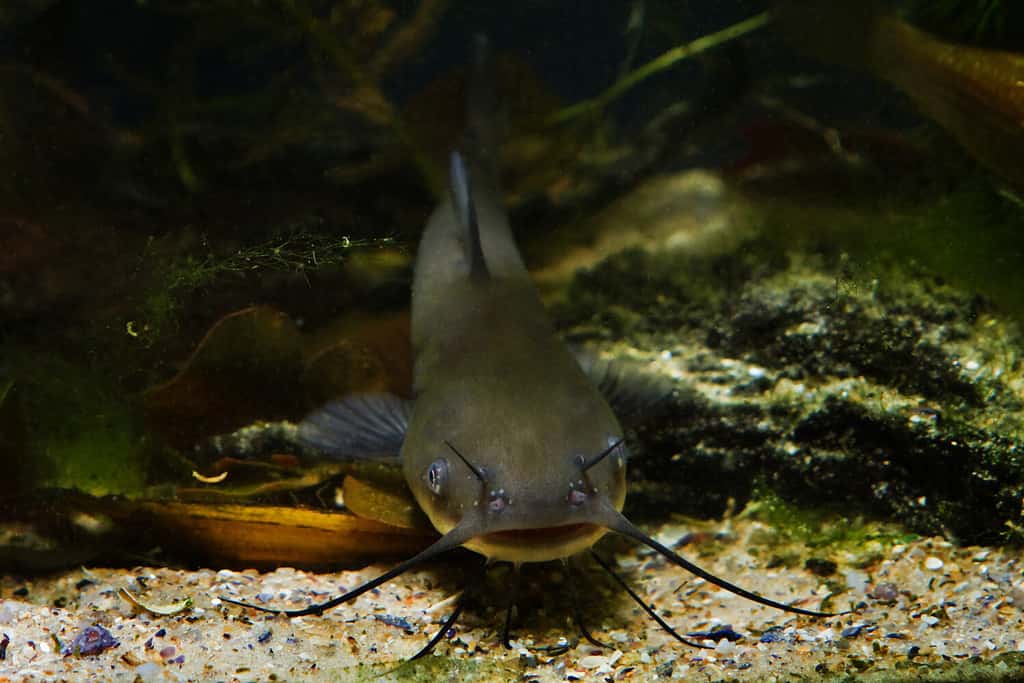
Channel Catfish (Ictalurus punctatus)
©Aleron Val/Shutterstock.com
Deep holes and slow channels along the Tennessee River are home to channel catfish, one of the river’s most abundant species. They feed mostly at night, scavenging for insects, small fish, and plant material with the help of their sensitive whiskers. Channel cats grow up to 30 inches long and can weigh more than 20 pounds. They’re also one of the most commonly harvested fish in the Southeast, both commercially and recreationally.
Northern Cottonmouth (Agkistrodon piscivorus)
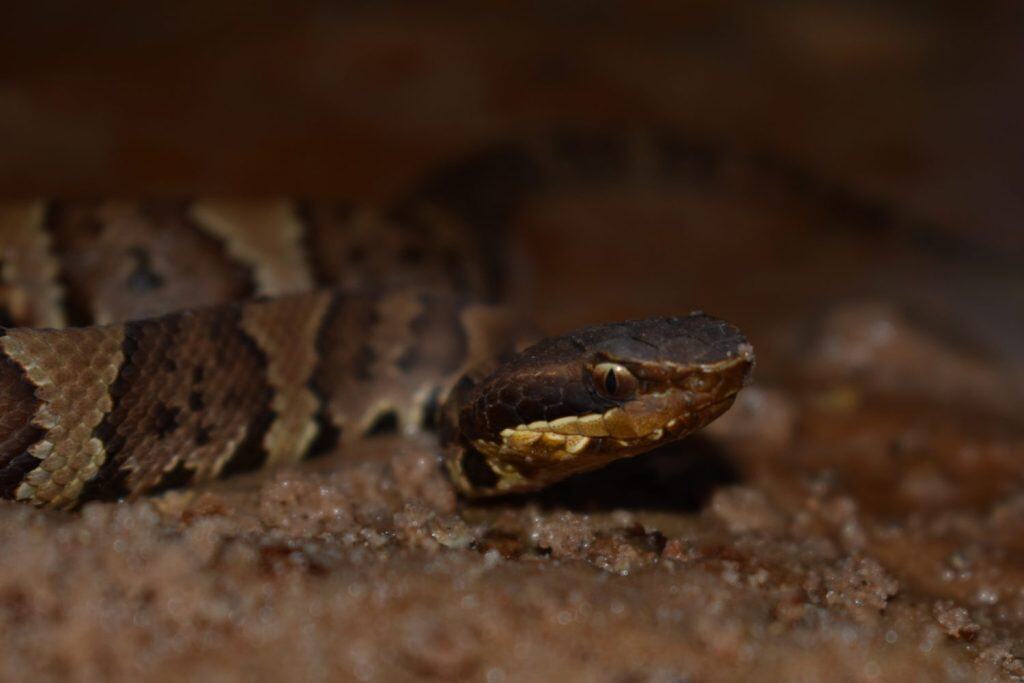
Northern Cottonmouth (Agkistrodon piscivorus)
©Paul Prints/Shutterstock.com
Also known as the water moccasin, this semi-aquatic pit viper patrols the Tennessee River’s slower backwaters, swamps, and oxbows. It grows between 2½ and 4 feet long, sometimes larger, and feeds on fish, frogs, and small mammals. Cottonmouths are strong swimmers and can often be seen basking on logs or branches near the water’s edge. Despite the fierce reputation of these venomous reptiles, they prefer to avoid confrontation, relying on their heavy bodies and warning displays to deter threats.
Freshwater Drum (Aplodinotus grunniens)
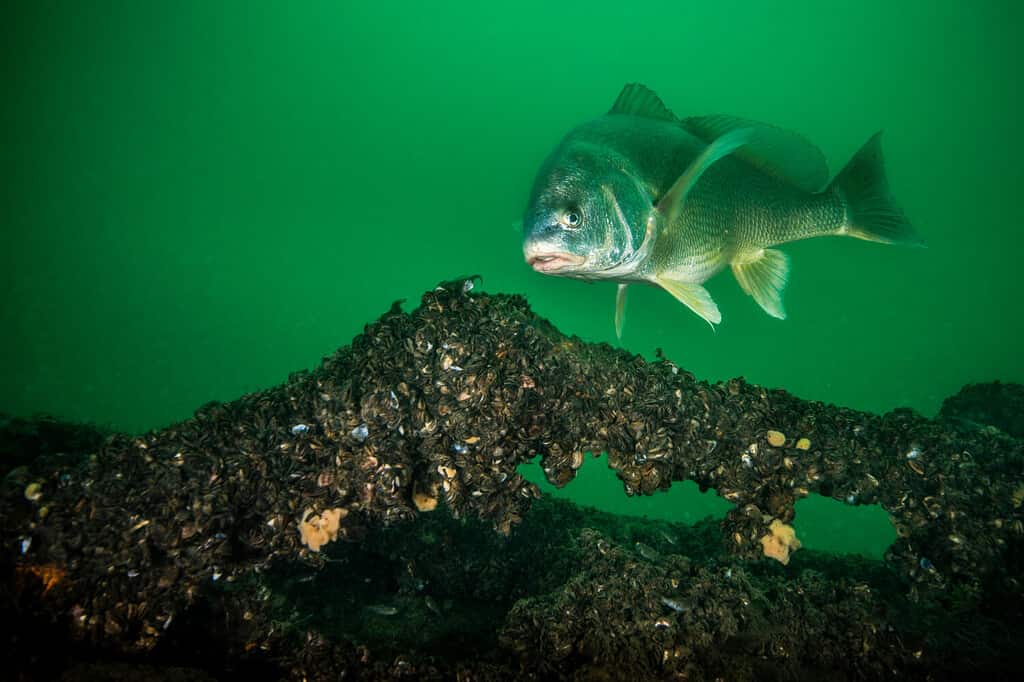
Freshwater Drum (Aplodinotus grunniens)
©RLS Photo/Shutterstock.com
Common across the Tennessee’s wide, turbid reaches, freshwater drum are deep-bodied fish that grunt audibly when caught. They feed on clams, snails, and aquatic insects, using specialized teeth to crush shells. Most measure around 10–20 inches, though some exceed 25 pounds. Drum are native and ecologically valuable scavengers that keep bottom ecosystems balanced.
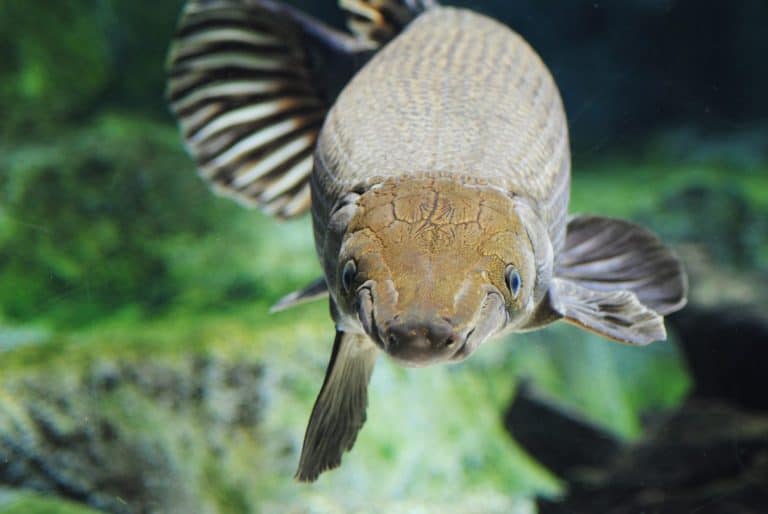
Alligator Gar (Atractosteus spatula)
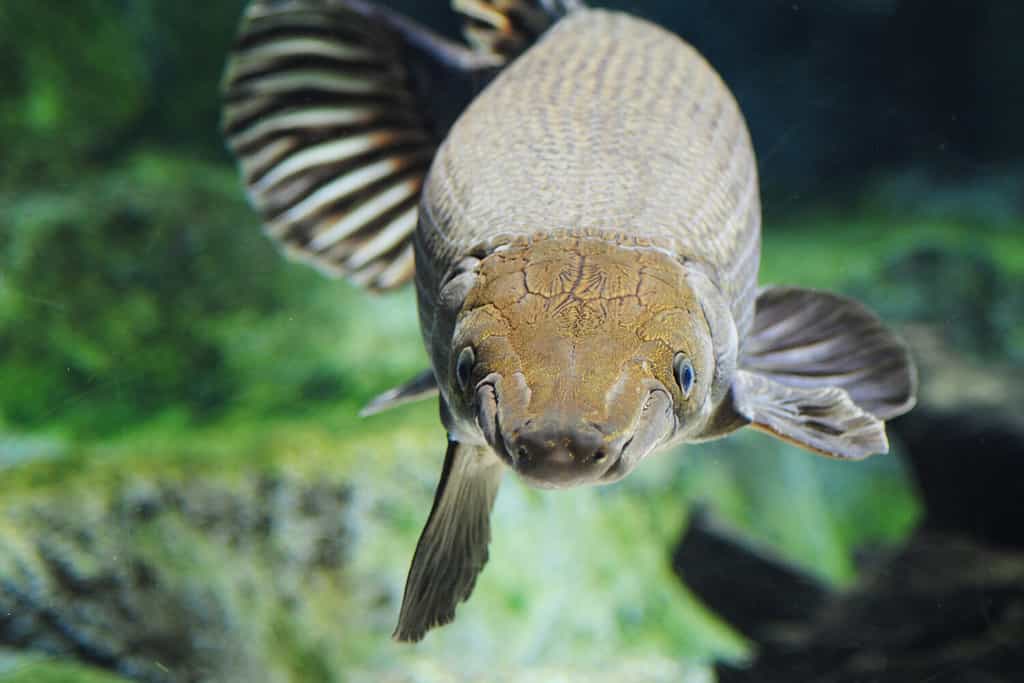
Alligator Gar (Atractosteus spatula)
©Morrissey Design Studio/Shutterstock.com
A prehistoric predator, the alligator gar is one of the largest freshwater fish in North America. Once rare in the Tennessee basin, it has been successfully reintroduced in parts of the lower river. With armor-like scales and a long snout full of teeth, it can grow over 8 feet and weigh more than 200 pounds. Gars feed on fish and waterfowl and play a crucial role as apex predators, maintaining ecological balance among smaller species.
Northern Map Turtle (Graptemys geographica)
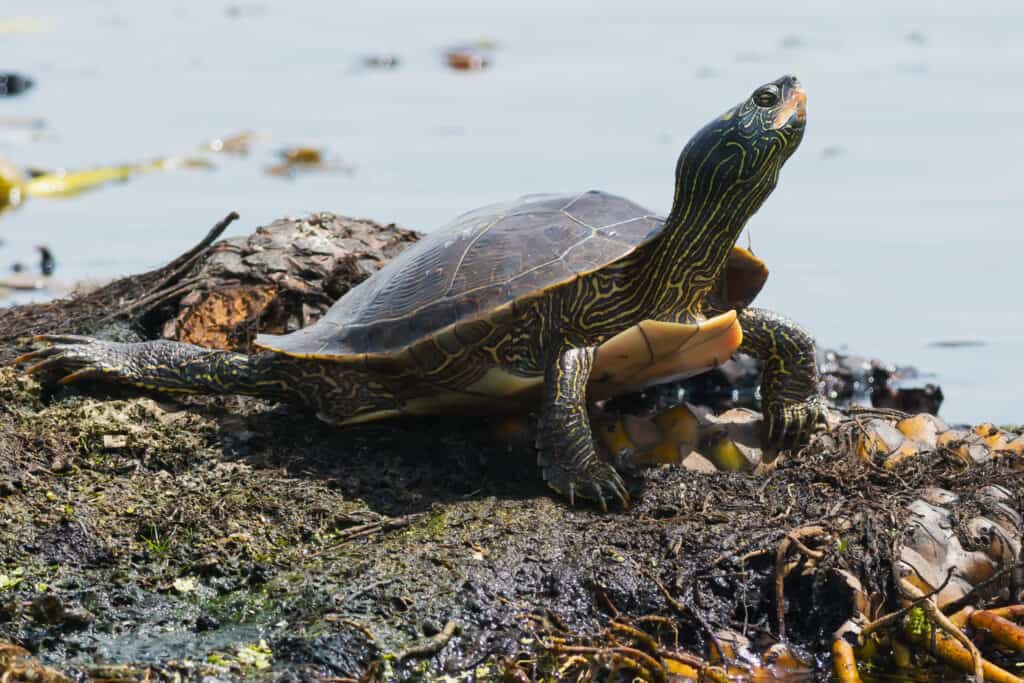
Northern Map Turtle (Graptemys geographica)
©iStock.com/PaulReevesPhotography
Named for the map-like lines on its shell, the northern map turtle is common in rocky stretches of the Tennessee River. Females can grow to 10 inches, while males grow about half that size. They feed on snails, mussels, and aquatic insects, diving swiftly when disturbed. These turtles spend much of their day basking on logs and rocks near the water’s edge.
American Beaver (Castor canadensis)
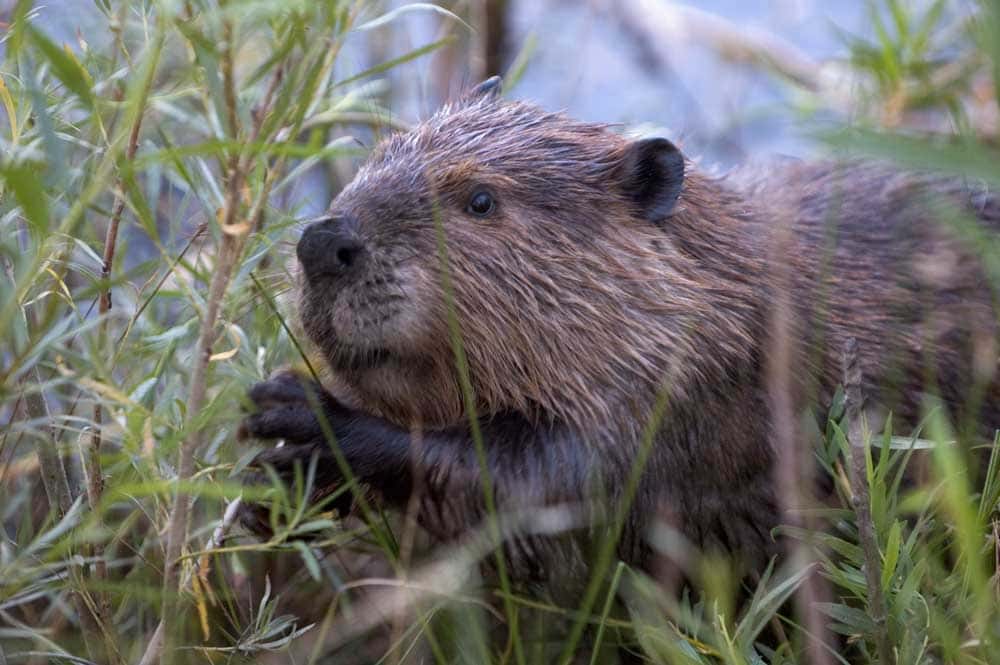
American Beaver (Castor canadensis)
©No machine-readable author provided. Cszmurlo assumed (based on copyright claims), CC BY-SA 3.0, via Wikimedia Commons – Original / License
Beavers are powerful engineers along the Tennessee’s tributaries. By felling trees and damming small creeks, they create ponds that provide habitat for fish, frogs, and wading birds. As these silt up over time, they create meadows that support larger wildlife. Adults weigh up to 60 pounds and feed mostly on bark and aquatic plants. Their ponds slow runoff, filter water, and help sustain wetlands through seasonal drought.
Blue Catfish (Ictalurus furcatus)
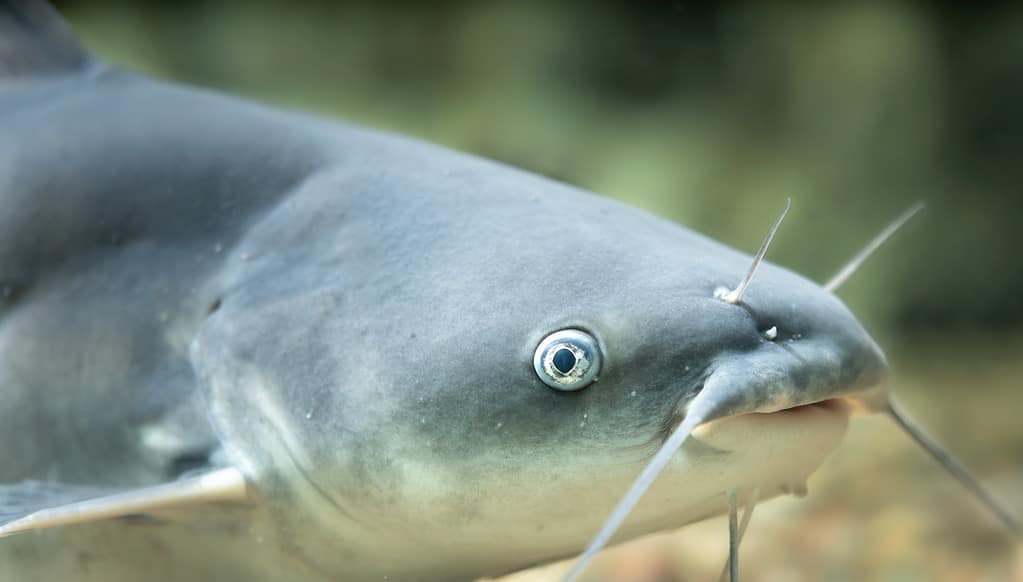
Blue catfish (Ictalurus furcatus).
The blue catfish is a Tennessee River heavyweight, sometimes topping 100 pounds. These massive bottom-dwellers feed on shad, smaller fish, and mussels, using their sensitive barbels to detect prey in murky water. They prefer deep channels and can live for decades, making them a favorite target for anglers chasing record catches.
Great Blue Heron (Ardea herodias)
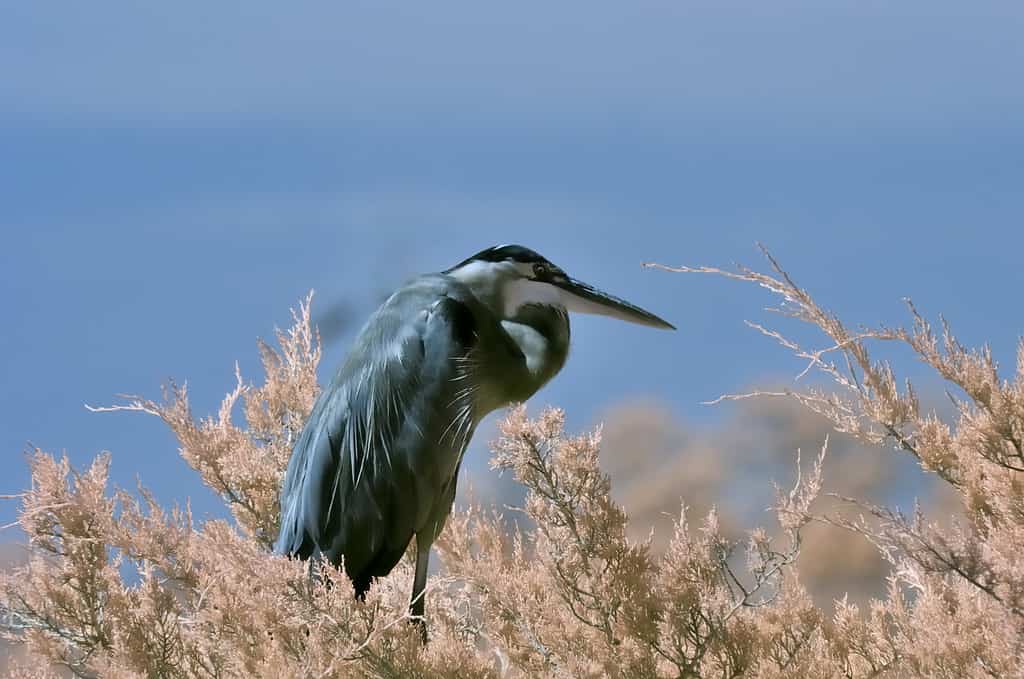
Great Blue Heron (Ardea herodias)
©Joesboy/iStock via Getty Images
Tall and deliberate, the great blue heron stalks the riverbanks year-round. Standing over four feet tall, it spears fish, frogs, and even small snakes with lightning-fast strikes. Herons nest in colonies called rookeries, often in trees overlooking oxbows or sloughs.
North American River Otter (Lontra canadensis)
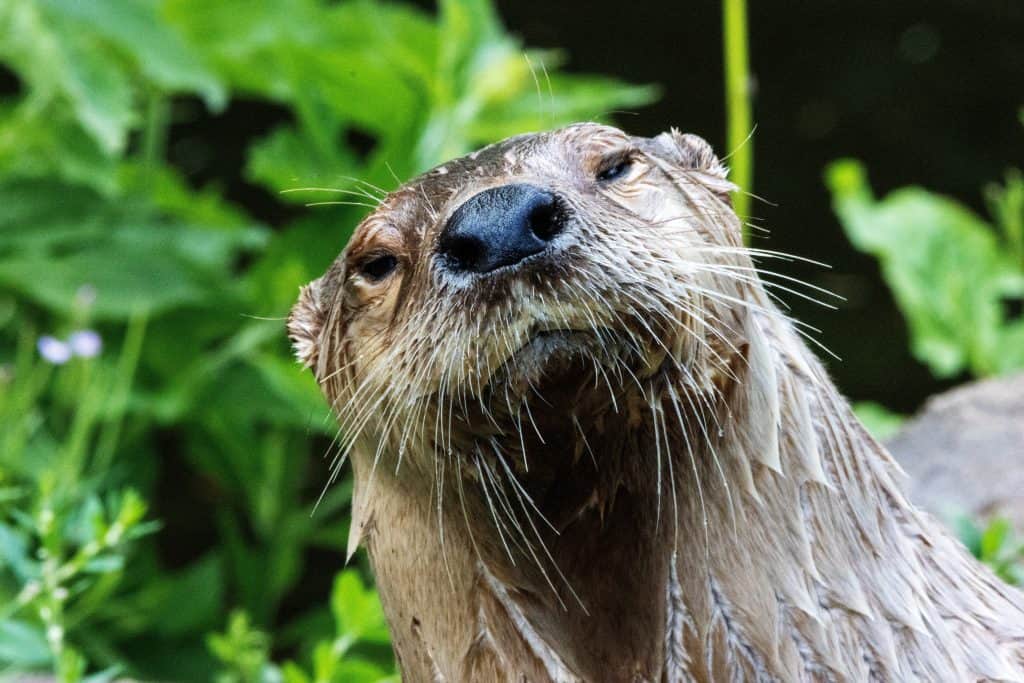
North American River Otter (Lontra canadensis)
©Ian Peter Morton/Shutterstock.com
Once trapped nearly to extinction in the region, river otters have made a strong comeback along the Tennessee River. Sleek and energetic, they feed on fish, crayfish, and amphibians. Adults measure up to 4 feet long including the tail and can weigh 20 pounds. Their playful behavior and social nature make them one of the most beloved mammals of the river ecosystem.
Bald Eagle (Haliaeetus leucocephalus)
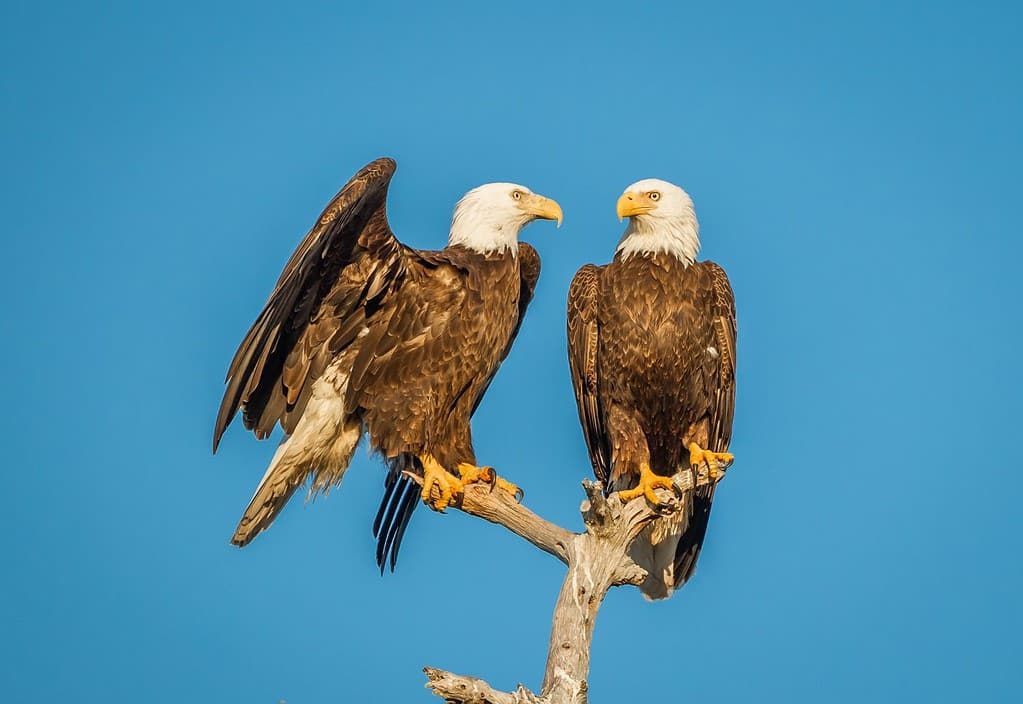
Bald Eagle (Haliaeetus leucocephalus)
©jo Crebbin/Shutterstock.com
After near extinction from pesticide poisoning, bald eagles have rebounded strongly along the Tennessee River. They nest in tall trees near open water that give them a commanding view and feed on fish, waterfowl, and carrion. With wingspans up to seven feet, they are unmistakable in flight.
Eastern Hellbender (Cryptobranchus alleganiensis alleganiensis)
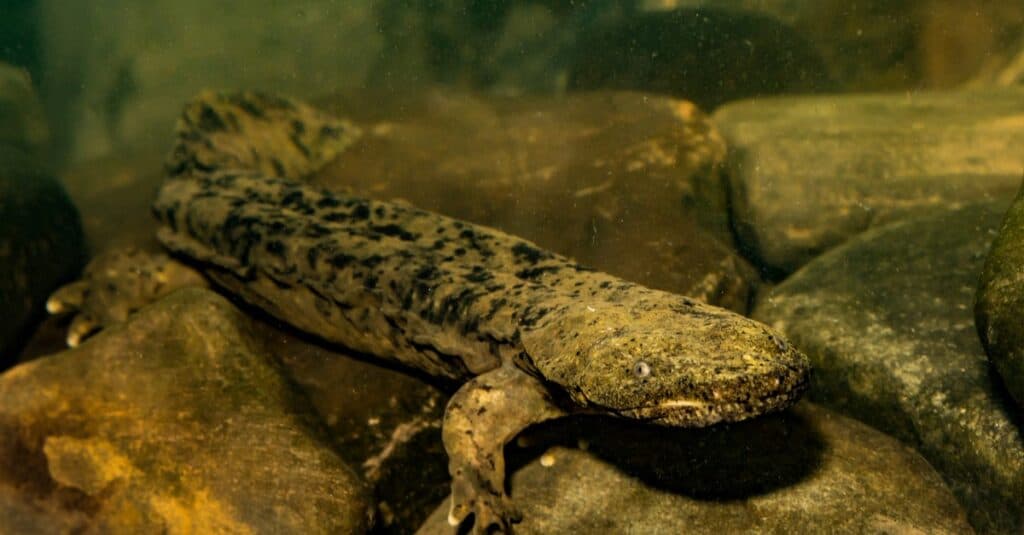
Eastern Hellbender (Cryptobranchus alleganiensis alleganiensis)
©Jay Ondreicka/Shutterstock.com
Hidden beneath flat rocks in clean, fast-flowing tributaries, the eastern hellbender is one of the largest salamanders in North America. It can reach up to 29 inches long and breathes mostly through its wrinkled skin. Feeding mainly on crayfish, it is nocturnal and secretive, surfacing only rarely.
Dragonfly (Family Libellulidae)
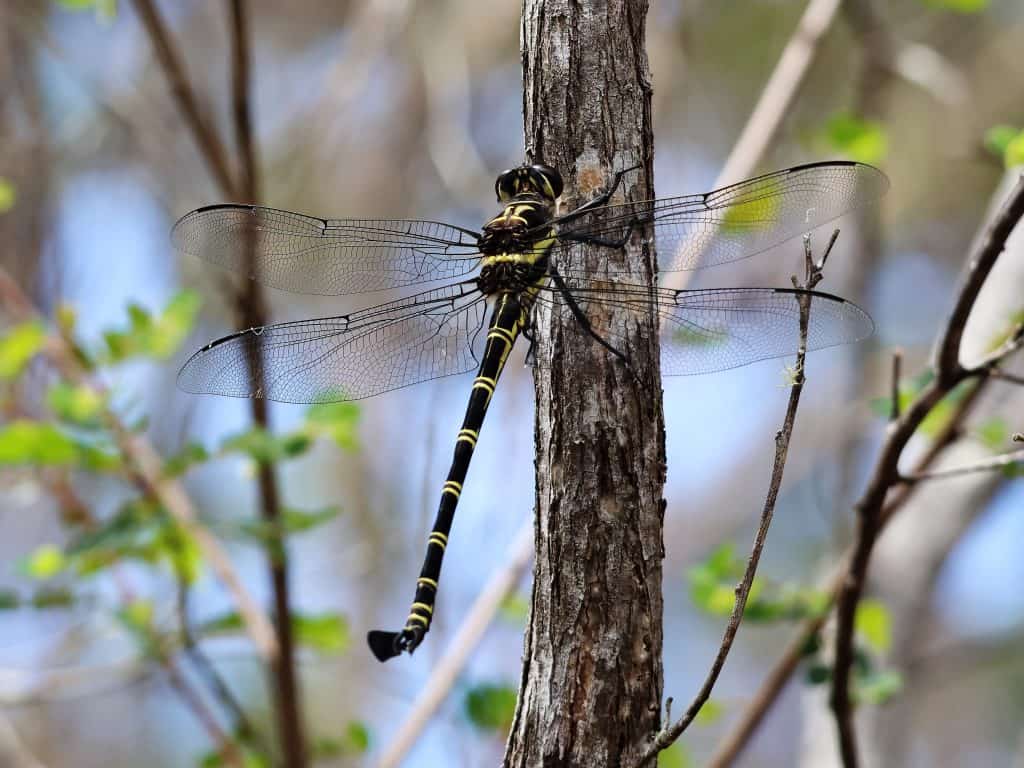
Dragonfly (Family Libellulidae)
Hundreds of dragonfly species hover above the Tennessee’s wetlands and backwaters. From the metallic green darner to the fiery orange skimmer, they feed on mosquitoes and small flying insects. Their aquatic larvae live hidden in mud and vegetation before emerging to transform into adults. Both stages play essential roles in the river’s food web.
American Mink (Neogale vison)
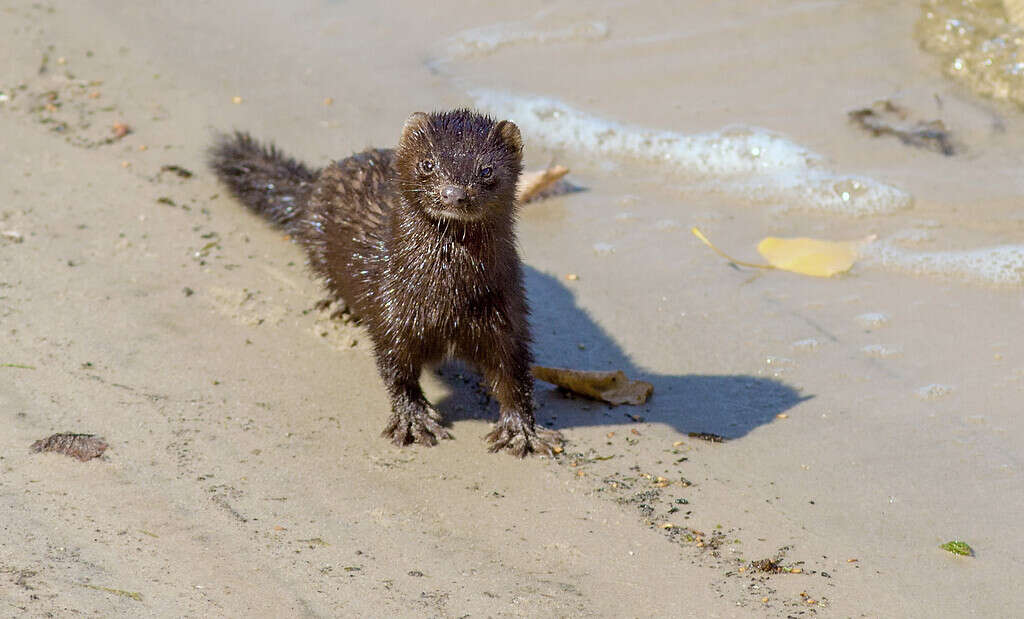
American Mink (Neogale vison)
©Wirestock/iStock via Getty Images
The American mink is a small but fierce predator that prowls the Tennessee’s edges. About two feet long, it feeds on frogs, crayfish, and small fish, often hunting at dawn and dusk. Its dense, waterproof fur allows it to dive and swim easily. Minks are solitary and elusive but thrive wherever clean water and cover are available.
White-tailed Deer (Odocoileus virginianus)
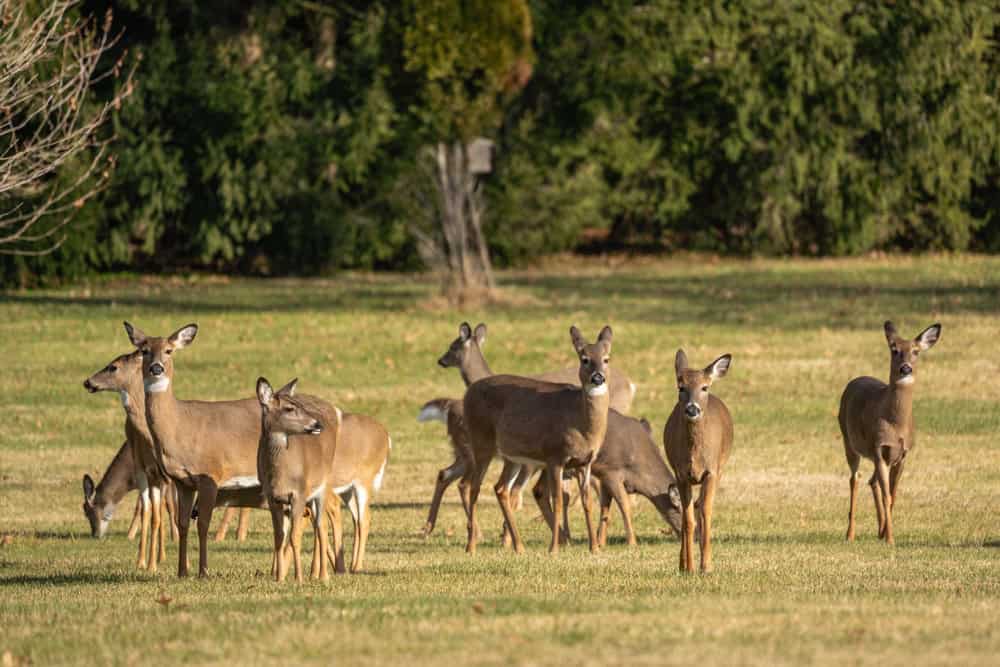
White-tailed Deer (Odocoileus virginianus)
©Amy Lutz/Shutterstock.com
Along the forested banks, white-tailed deer browse on leaves, twigs, and acorns. They rely on the river’s bottomlands for water and shelter during the heat of summer. Bucks can weigh more than 200 pounds, while does usually average around 120. Herds often move along the floodplain at dawn or dusk, crossing shallows in quiet procession. Deer are especially active in the fall rut, when bucks clash antlers in competition for mating rights with females.
Double-crested Cormorant (Phalacrocorax auritus)
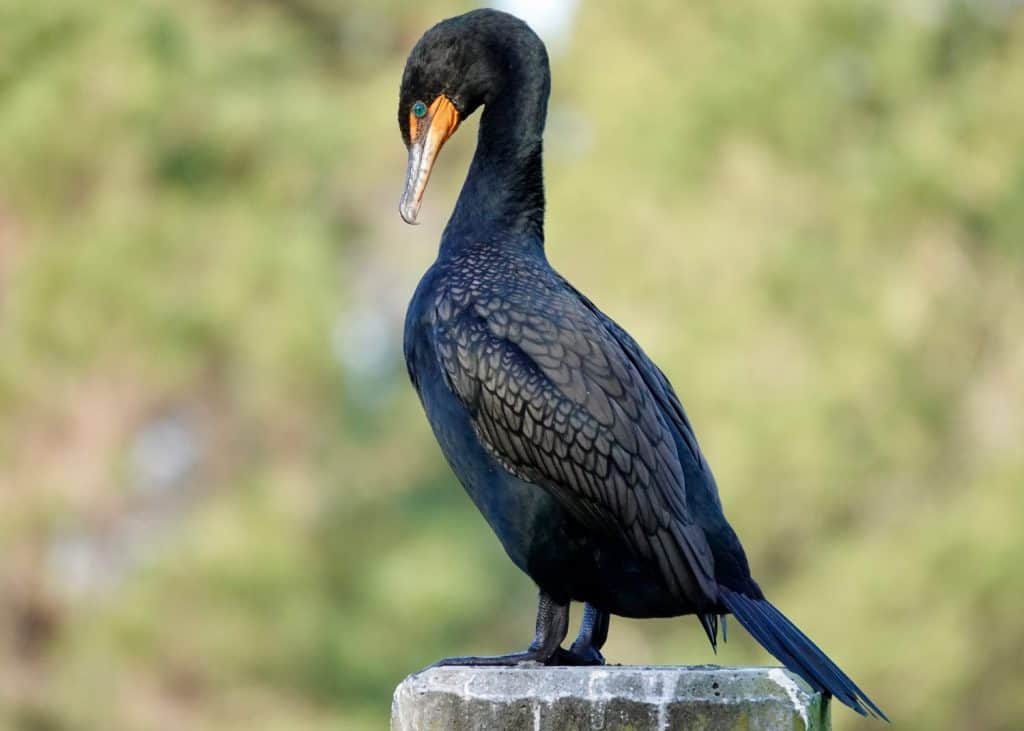
Double-crested Cormorant (Phalacrocorax auritus)
©Chris Klonowski/Shutterstock.com
These dark, long-necked diving birds are skilled fish hunters, often seen perched with wings spread to dry after hunting. They dive beneath the surface using powerful legs to chase fish in deep pools. About 30 inches long, they nest on islands or river bluffs in loose colonies.
Belted Kingfisher (Megaceryle alcyon)
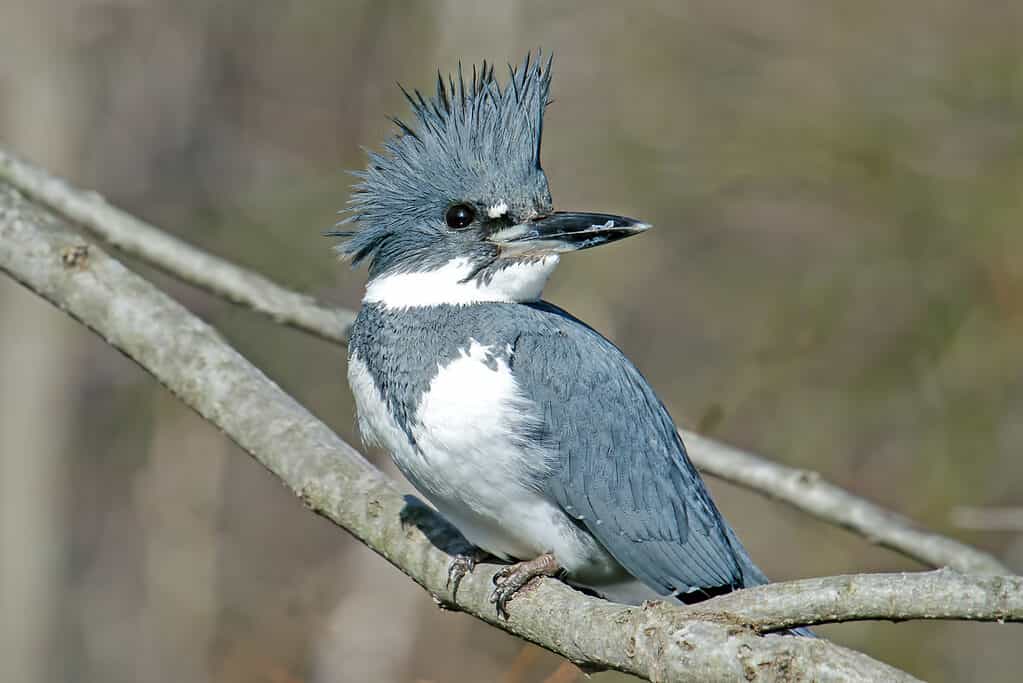
Belted Kingfisher (Megaceryle alcyon)
©iStock.com/BrianEKushner
Patrolling the riverbanks with a rattling call, the belted kingfisher dives headfirst into the water to snatch minnows and small crustaceans. About a foot long, it sports a blue-gray crest and a white belly band. Pairs tunnel into sandy riverbanks to build their nests, raising chicks in deep burrows safe from predators.
Eastern Box Turtle (Terrapene carolina carolina)
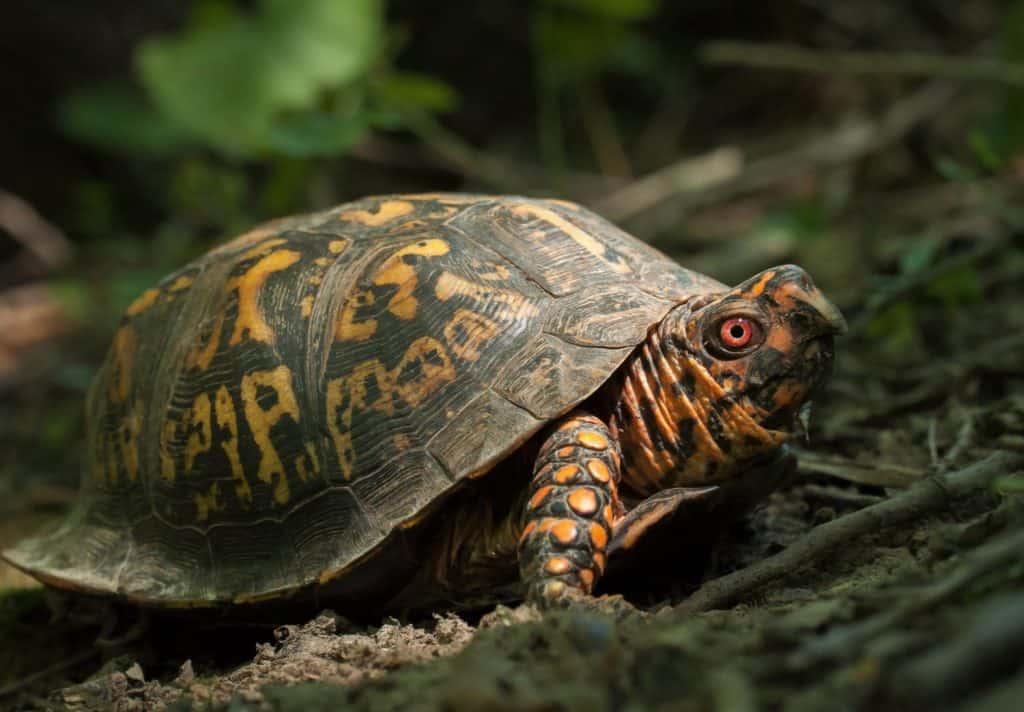
Eastern Box Turtle (Terrapene carolina carolina)
©Mike Wilhelm/Shutterstock.com
Slow-moving but enduring, the box turtle wanders the moist forests and meadows near the river. It feeds on berries, fungi, insects, and carrion. Its domed shell can close tightly, protecting it from predators. Adults grow about 5–7 inches long and may live over 50 years, relying on the Tennessee’s riparian forests for shade and water.
Mayfly (Order Ephemeroptera)
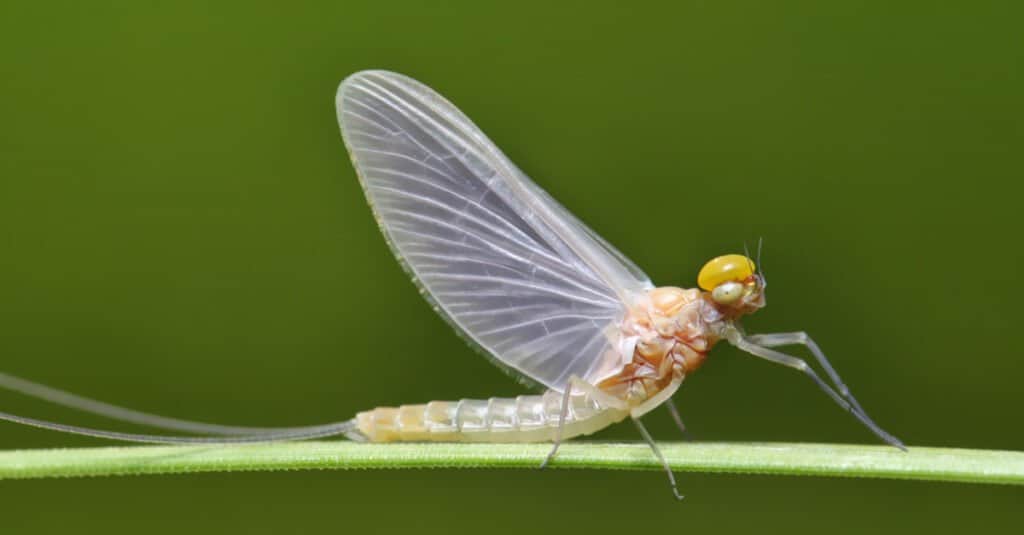
Mayfly (Order Ephemeroptera)
©Achkin/Shutterstock.com
Mayflies swarm in dense clouds over the Tennessee River during summer evenings. Their brief adult lives—often just a single day—mark the culmination of months spent underwater as larvae feeding on algae and detritus. They are a major food source for fish and birds.
A Living Artery
The Tennessee River remains a living artery through the South—a force that shapes landscapes, economies, and ecosystems alike. Its waters sustain species from the smallest mayfly to the largest gar, providing food, shelter, and migration routes that stretch across states. Despite centuries of alteration, the river continues to pulse with life. Protecting it means ensuring that future generations will still see herons lift from the shallows, bass flash beneath the current, and the morning mist rise from a river that never truly sleeps.