
Quick Take
- Hair is closer to a biological diary than a snapshot, silently recording details about a bear's private life that will surprise you. How hair stores secrets →
- Wildlife managers have been counting bears for decades, but the number alone may be dangerously misleading. Beyond simple head counts →
- A model trained on bear hair guessed something scientists usually need years and a radio collar to learn, and its accuracy will catch you off guard. See the accuracy results →
- The one question the method still can't answer reliably reveals exactly how hard it is to study a bear that never knows it's being studied. Discover what stumped the model →
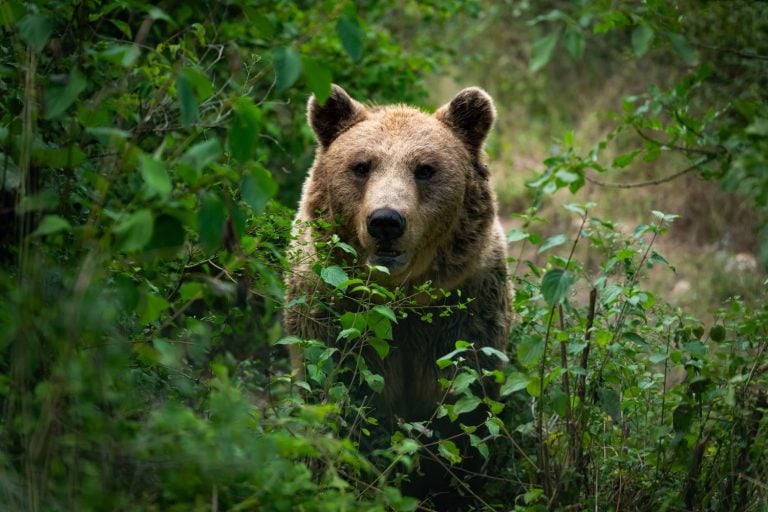
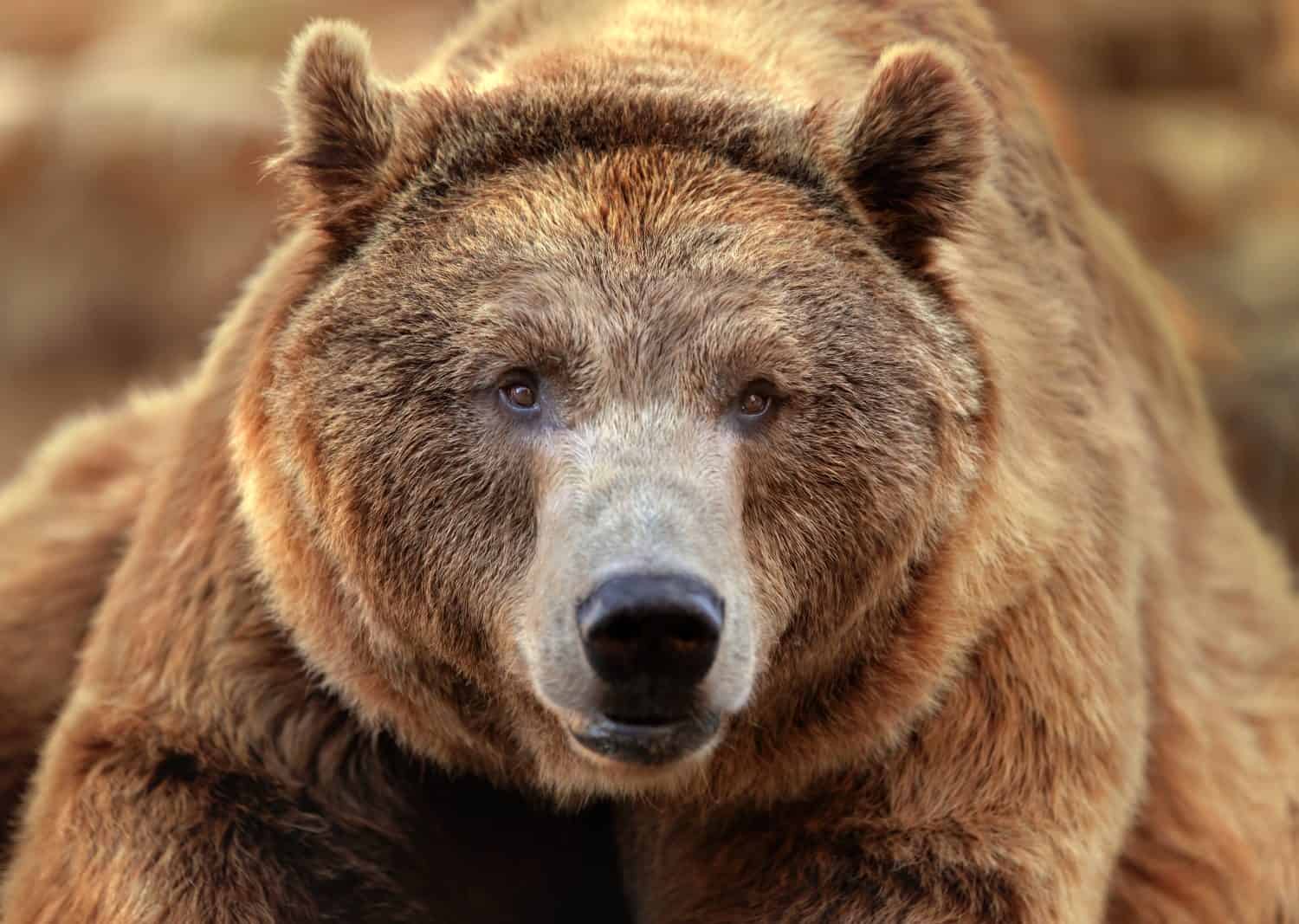
A grizzly pushes through an Alberta forest and brushes against a snag that scientists set out to catch exactly one thing: a few strands of its hair. The bear never notices. Nobody sees the bear, and nobody ever will.
But from those hairs alone, researchers can now make a good guess about whether that bear was male or female, and sometimes whether she was a mother with new cubs trailing behind her.
How can hair possibly know that?
Counting bears you never see
Scientists already have a clever way to count grizzlies without ever touching one. They collect hair from snags like that one and read the DNA in it, which tells them how many different bears are passing through.
The Hidden Hierarchy That Rules Alaska’s Grizzly Bear Salmon Frenzy
©Patrick Sneed/Shutterstock.com
That gives you a total. It leaves out who those bears are: how many males and females, how many youngsters and grown-ups, how many mothers with cubs.
A count like that is an attendance sheet with the names torn off. The number at the bottom can’t tell you whether the room is full of first graders or seniors about to graduate.
With bears, that difference is everything. A hundred bears with plenty of mothers raising cubs is a population with a future. A hundred aging males is a population running out of time. Same number, very different story.
Until now, learning who a bear was meant catching it, fitting it with a radio collar, and tracking it for as long as the transmitter kept working. That means trapping the bear first, and then waiting years for the answers.
Knowing who the bears are matters as much as knowing how many there are.
The Largest Grizzly Bear Ever Recorded: A Fascinating Discovery
©Scott E Read/Shutterstock.com
What a hair remembers
Hormones are the body’s chemical messages, carried in the blood. Get ready to have babies. You’re stressed. You’re well fed. As hair grows, it soaks up a little of whatever messages were flowing through the bear at the time.
The researchers measured 16 of those hormones, tied to breeding, stress and nutrition, in grizzly hair.
A blood sample catches one moment, like a snapshot. Hair is closer to a diary. It holds a months-long average, so one rough afternoon doesn’t throw off the reading the way it would in blood. And a blood sample means trapping the animal, while hair gets left behind on its own.
The diary has telling entries, too. Testosterone in grizzlies climbs during the breeding season, which runs from May to July and peaks in mid June.
Discover the Pizzly Bear – A Hybrid Between Grizzlies and Polar Bears
©iStock.com/Philippe Clement
I keep coming back to that idea. A bear writes its own biography into its fur without knowing it, and later a scientist reads it.
The test: bears whose answers were already known
To find out whether this works, the researchers needed bears whose answers they already had. They found them: 130 hair samples from grizzlies captured in Alberta, Canada between 2008 and 2019, bears whose sex and age were recorded, and, for the females, whether they were pregnant, nursing or had cubs along.
They fed the hormone readings into a computer program called a random forest, which studies piles of examples with known answers until it learns the patterns. Then they checked its guesses against the truth. Depending on the question, it was right anywhere from 53% to 94% of the time.
Here’s the number I keep thinking about. Asked whether a bear was male or female, the model got it right 80% of the time across all bears. When it only had to judge adults, that jumped to 94%.
13 Dangerous Animals Found in Alaska’s Lakes and Rivers
©iStock.com/LuCaAr
I’ll be honest. Ninety-four times out of a hundred, from a hair, is better than I expected.
Age was trickier. The model told young bears from grown ones 86% of the time for males, but only 73% of the time for females.
And the question at the heart of it all, whether an adult female had cubs of the year with her, came out right 66% of the time. That beats a coin flip, but only by a modest margin. The researchers had fewer mother bears to learn from, and that limited how well this part of the model could be trained.
Why a hair could change how we protect bears
By testing the method on captured bears whose details were already known, the researchers showed it could work on hair gathered in the wild with no capture at all. Paired with the DNA surveys already happening, hormone readings could give wildlife managers a much fuller picture of a population to base decisions on.
Male vs Female Grizzly Bears: 7 Key Differences
©Andrea C. Miller/Shutterstock.com
Go back to that snag. Today the DNA on it can tell managers how many bears passed by. Add hormones, and it could also say: this one was an adult female, likely raising cubs. Spread that across a whole forest, and managers could tell whether a population is raising the next generation or just growing old.
The same idea is reaching the Arctic. A separate team measured stress and reproductive hormones in polar bear hair, in a part of Alaska where shrinking sea ice has cut into the bears’ chances to hunt seals.
The grizzly has long since walked back into the trees. It left behind more than proof it passed through. It left a record of who it was, and maybe who was following behind it.
The cub-spotting part isn’t reliable yet, and the researchers say they need more mother bears in their sample before it’ll be.
This is the kind of science I love. The bear walks free the whole time. All it costs is a few strands of hair, and the hair already knew the answer.