
Quick Take
- The viral snake video has a tell that proves it's real, and that tell has nothing to do with the snake itself. See the authenticity clues →
- The snake in the video isn't even the species everyone thinks it is, and that mix-up changes everything about what you're actually seeing. Discover the real species →
- Giant reticulated pythons rarely get discovered today, though the reason why is not what most people assume. Explore why giants are rare →
- Reticulated pythons aren't naturally aggressive, yet they've swallowed humans whole. So what actually flips the switch? Find out what triggers attacks →
Do 30-foot anacondas exist? It is possible but unlikely. Anacondas are known for their bulkiness and muscular form rather than their length. However, a video circulating on social media has divided the internet. An “anaconda” that appears too large to be real was filmed in the Amazon. Some say it is AI, while others believe it is authentic. How large do these snakes really get?
Did a “30-Foot Anaconda” Crash into the Water in the Amazon?
A viral video is making the rounds on social media, allegedly showing a “30-foot anaconda” crashing into the water in the Amazon. With AI-generated images becoming the norm on these platforms, many question the video’s legitimacy. As it turns out, this video is real, but the details are not entirely accurate.
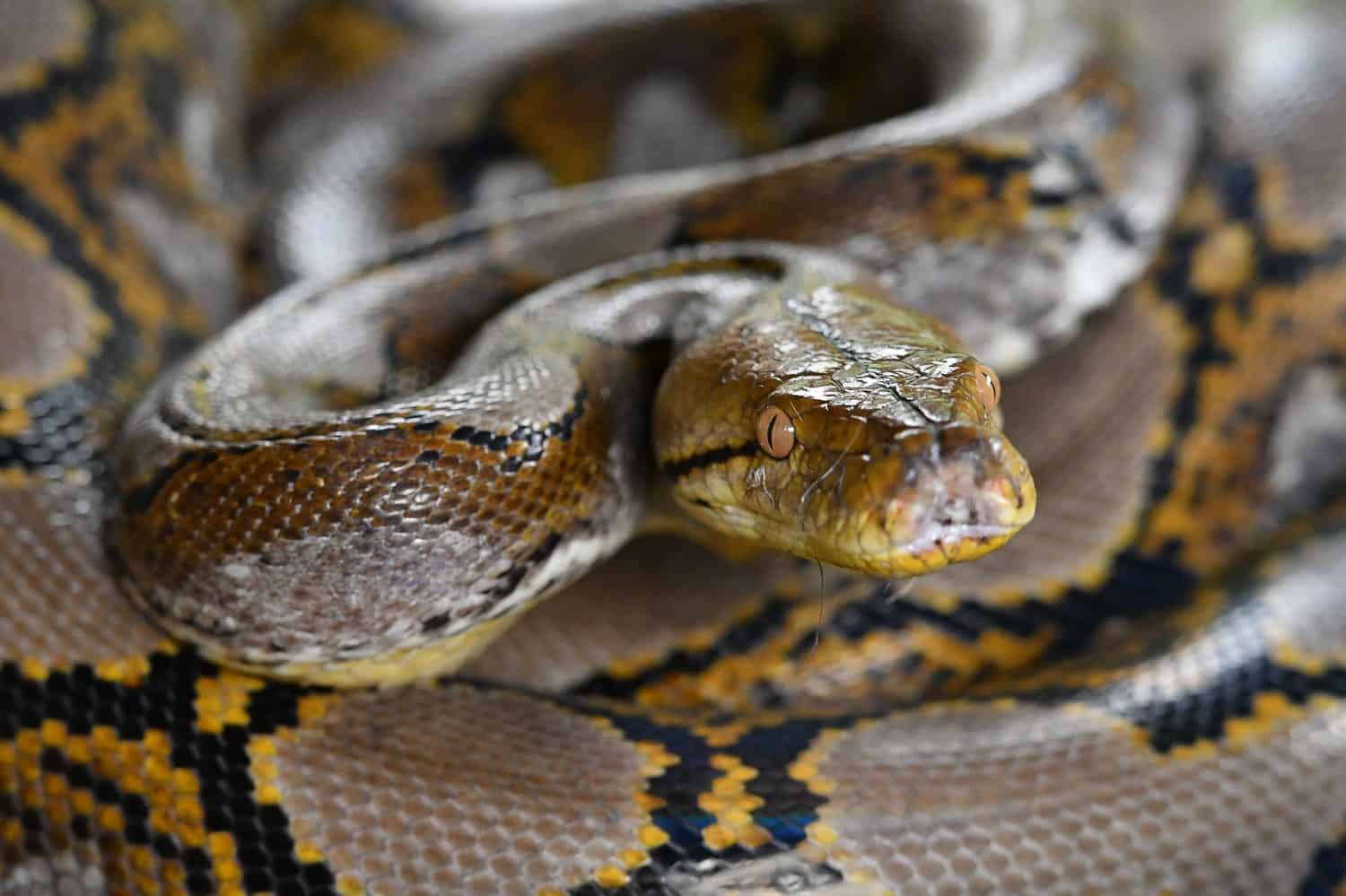
The video posted by @creepy.fact is that of a reticulated python. These snakes can grow to be up to 30 feet long. While the longest captured is 23.8 feet long, the longer the snakes live, the larger they can grow.
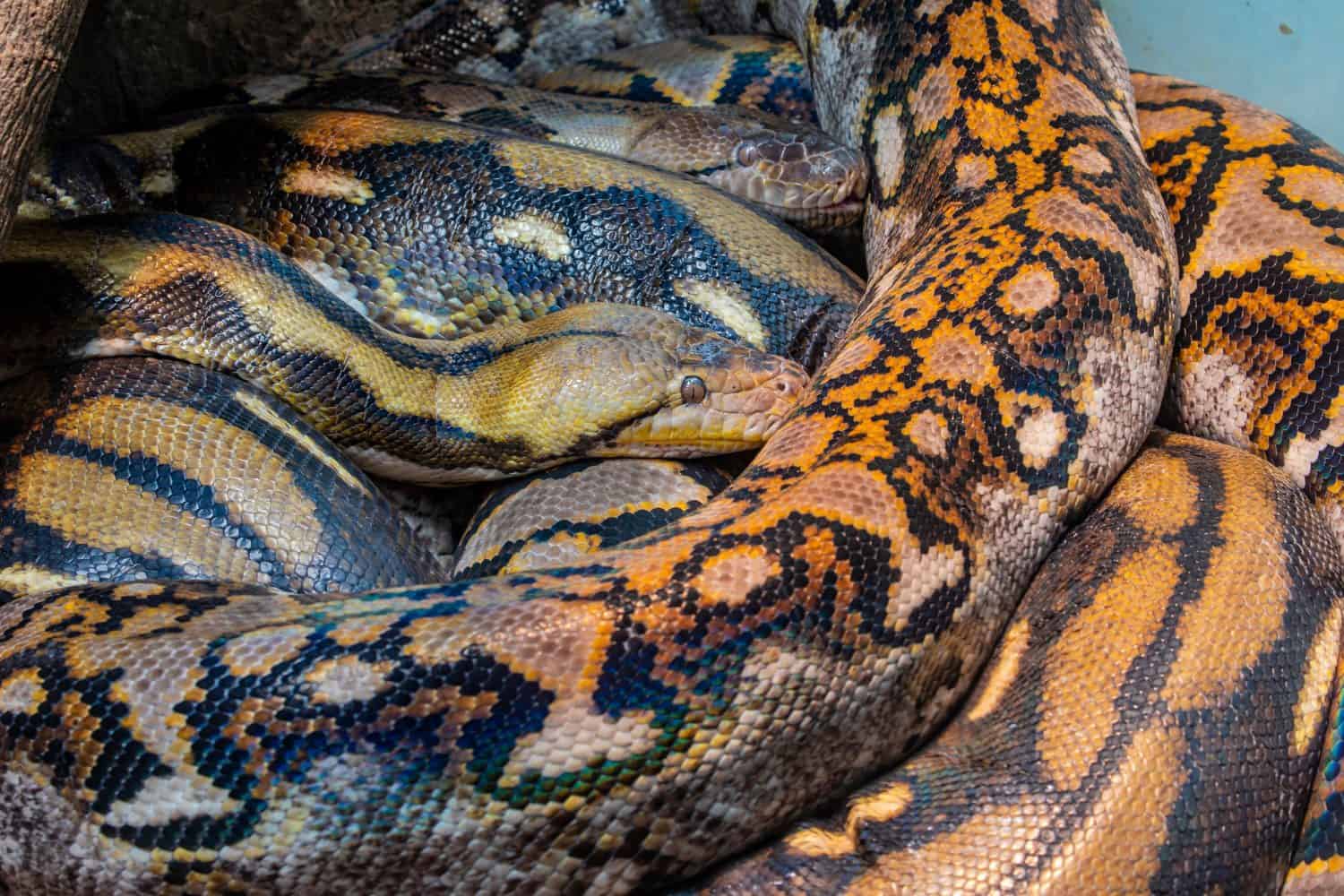
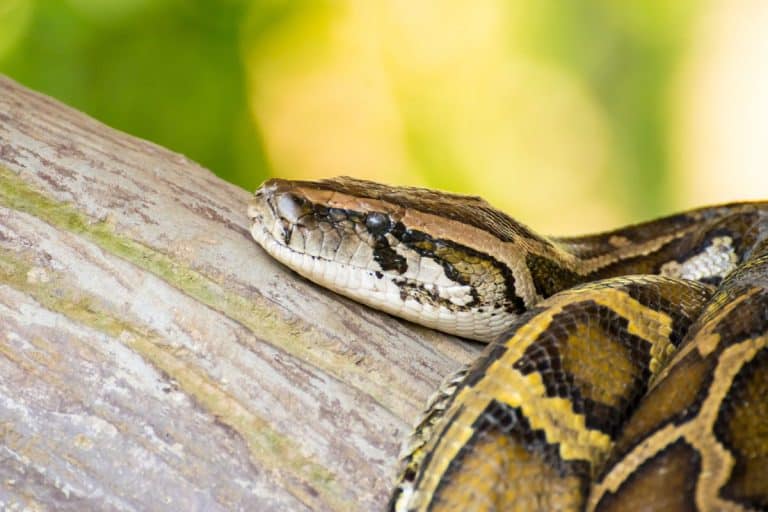
A reticulated python captured on video years ago is believed to be real rather than AI.
©Danny Ye/Shutterstock.com
The legitimacy of this video is supported by the fact that it has circulated on the internet for years, predating the widespread use of social media and AI-generated content. The footage was captured in real time, and while snakes of this size do exist in the Amazon, they are rare today.
Additionally, with AI, videos tend to have a plot that has a beginning, middle, and end. They tell a story. The person filming the video recognized what he was filming and put the camera away as soon as it became clear the snake could cross the river quickly. As someone pointed out in the comments, the person holding the camera, “had seen enough and wasn’t studying to see what happened next!”
What Reticulated Pythons Eat
Pythons are ambush predators. Reticulated pythons are no different. They wait until prey is within striking distance and then bite and immobilize the prey with their backward-facing teeth. This is done until their bodies can begin to wrap around the prey and constrict it. Once the prey is dead, the reticulated python will swallow it whole.
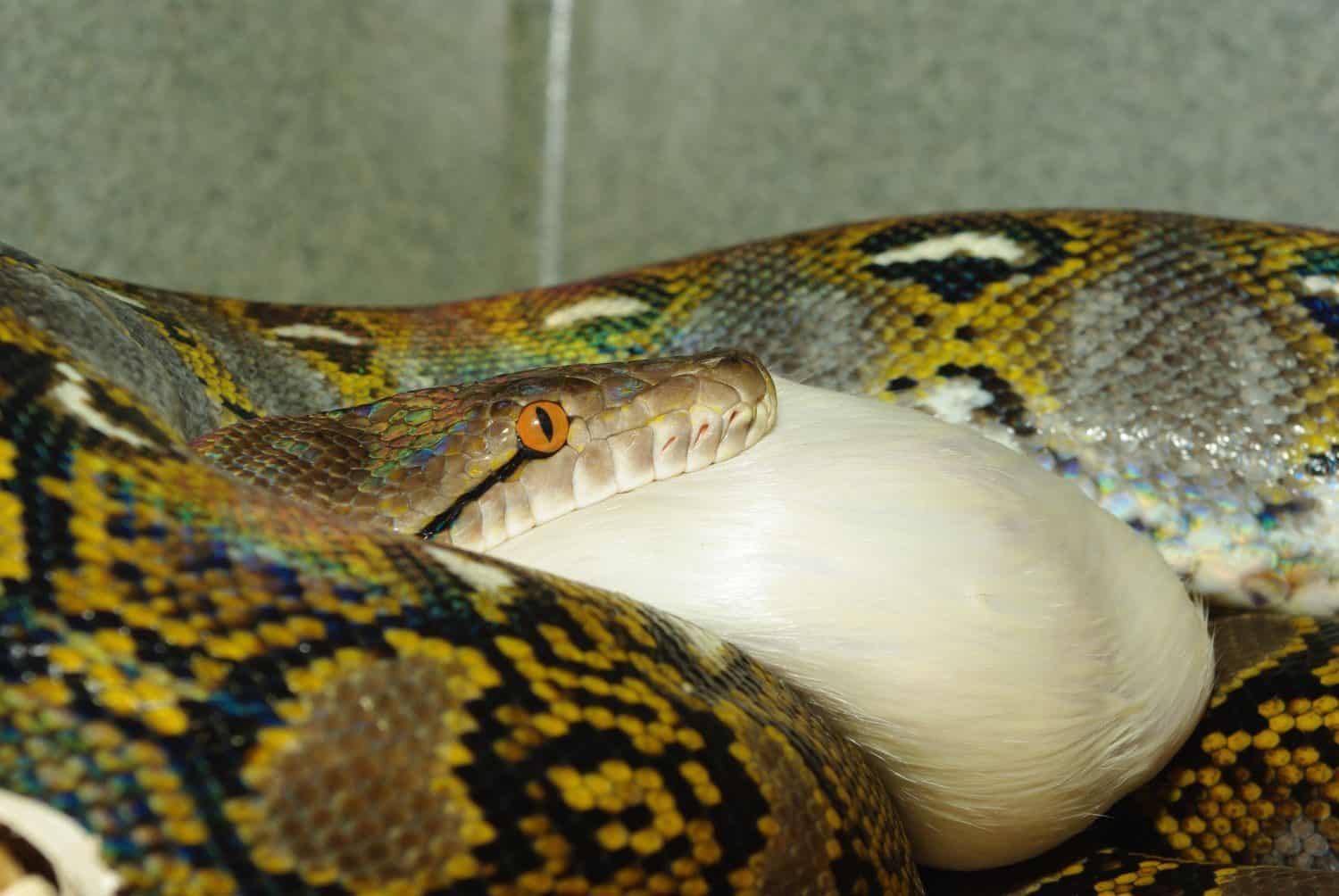
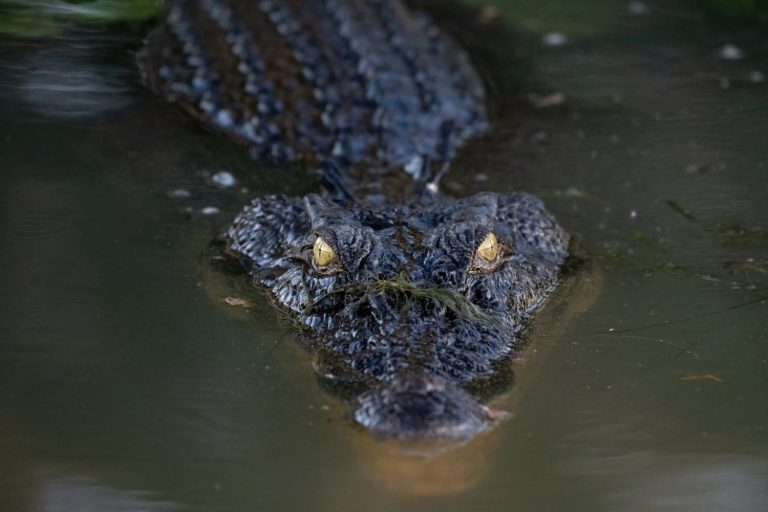
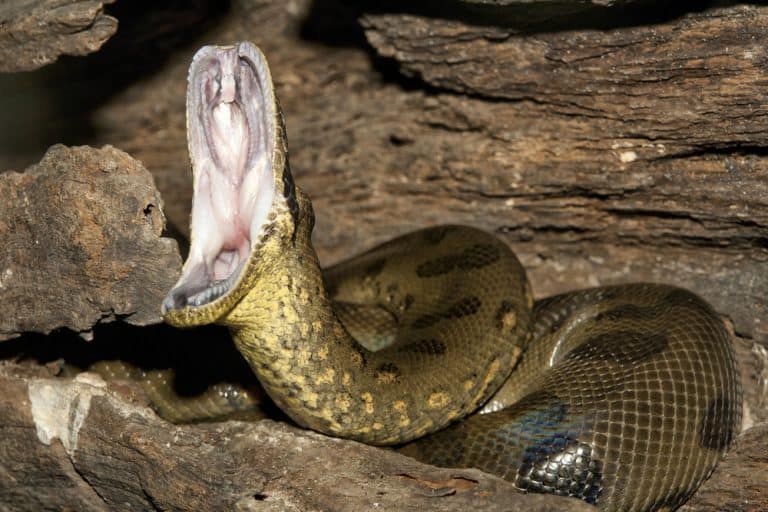
Reticulated pythons are ambush predators that feed on mammals and some large reptiles.
©Ali Iyoob Photography/Shutterstock.com
Some of the prey that reticulated pythons eat include:
- Monkeys
- Pigs
- Deer
- Small crocodiles
- Birds
- Rats
- Mice
The larger the reticulated python, the larger the prey it can catch and consume; smaller snakes need to eat every seven to 10 days, while larger snakes need to eat every two to three weeks.
Reticulated Pythons Can Be Aggressive
Why the reticulated python in the video tumbled into the water is unknown. Had the python gotten close to those who were filming it, it is likely they would not have seen a docile side of the snake. This is because the people would have been seen as a threat, and when threatened, reticulated pythons can be aggressive.
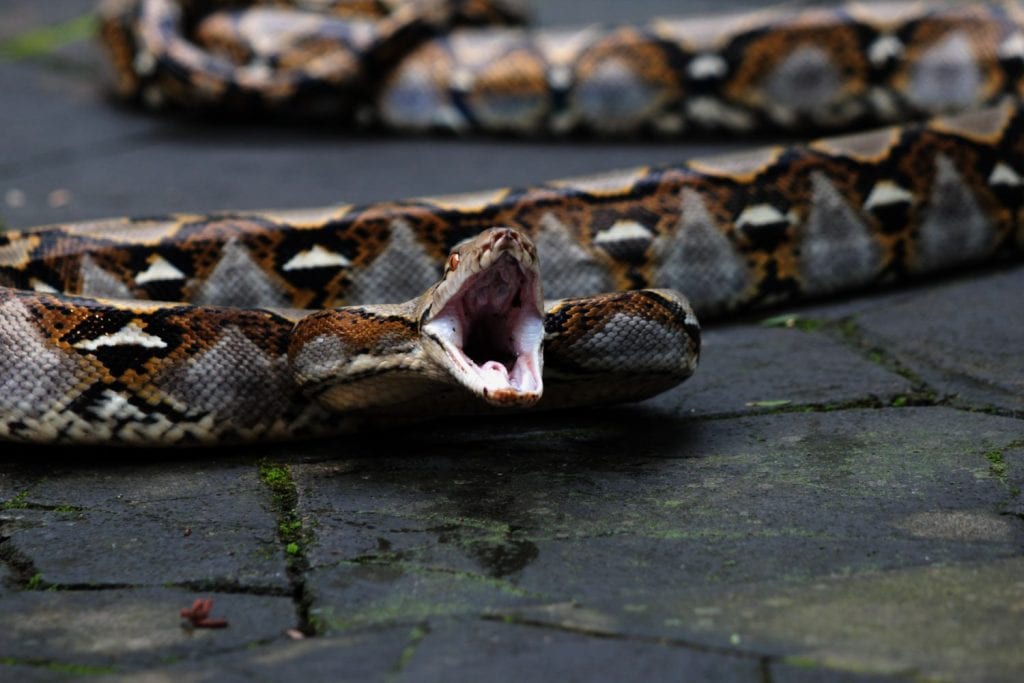
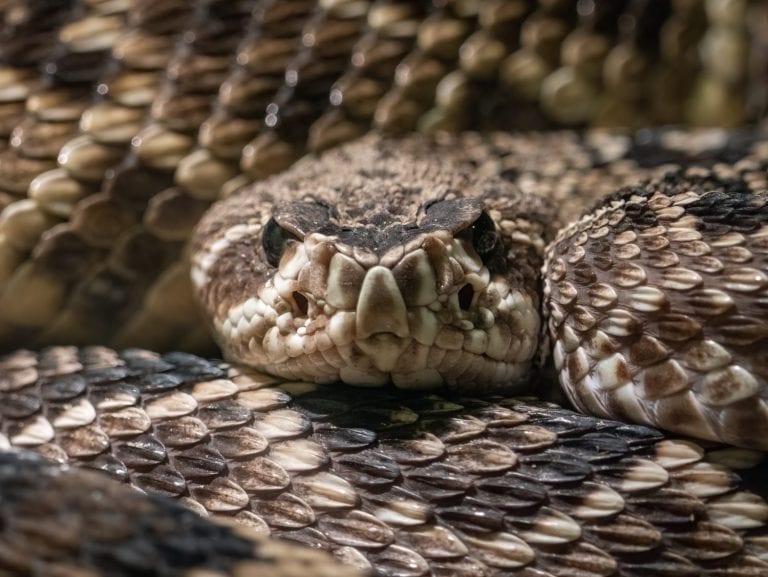
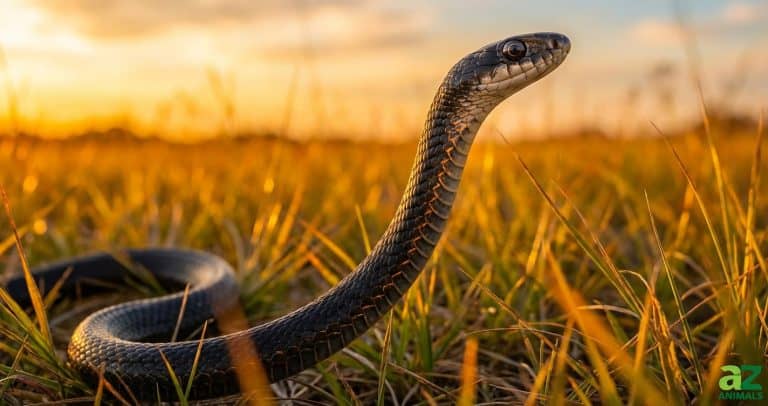
Reticulated pythons are the world’s longest living snakes.
©Padodo/Shutterstock.com
By nature, reticulated pythons are not aggressive. However, environmental factors such as competition for resources or being cornered can make them feel threatened and trigger a fight-or-flight response.
Reticulated pythons have been known to attack humans. While rare, individuals have been swallowed whole by these huge snakes. Therefore, regardless of their size or temperament, reticulated pythons should be given a wide berth to ensure that neither people nor the snakes get hurt.
Why Haven’t More Massive Reticulated Pythons Been Discovered?
Witnessing a reticulated python as large as the one in the Instagram video is rare. For reticulated pythons to grow to 30+ feet long, they would need to be at least 15 to 20 years old. A snake surviving this long in the wild is uncommon, given the threats reticulated pythons face today.
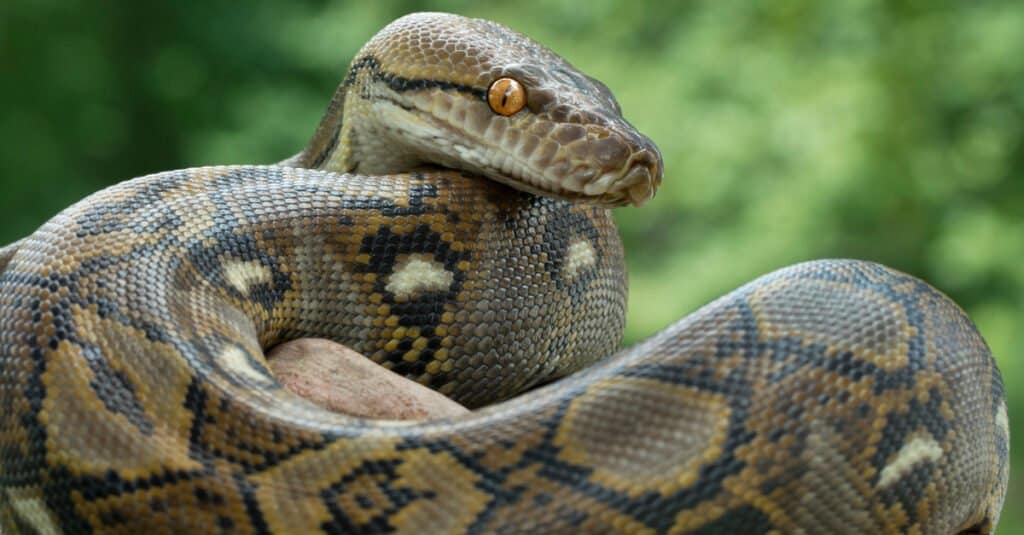
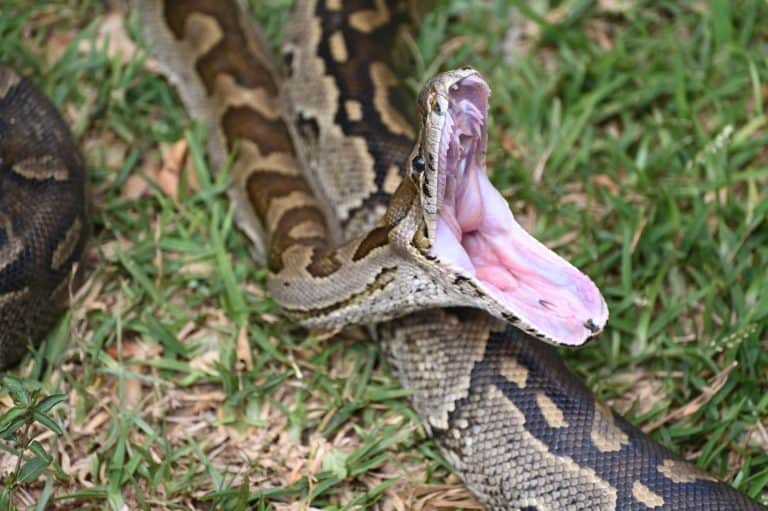
More large, reticulated pythons have not been discovered due to the environmental stressors they face today.
©Mark_Kostich/Shutterstock.com
Some of the biggest threats reticulated pythons face include:
- Loss of habitat
- Fragmented habitat
- Illegal pet trade
- Limited prey
- Climate change
These pressures make it difficult for reticulated pythons to grow to sizes larger than 16 feet to 19 feet. While these snakes are still large enough to cause injury or death, they are not as massive as the giants that once existed in greater numbers—such as the one captured on video years ago, which remains a social media sensation today.