
Quick Take
- Lycodon irwini is a glossy black wolf snake from Great Nicobar Island, up to 1.2 m, with ventral scales and 6 to 17% DNA divergence.
- With only four records and a restricted island habitat, researchers urge an Endangered status under IUCN and habitat protection.
- Named after Steve Irwin, it honors his wildlife education and conservation work that inspires naturalists and conservationists worldwide.
Crikey! If you were anywhere near a television in the late-90s and early-2000s, that catch phrase certainly lives in your mind as the jubilant exclamation often uttered by the affable and incredibly daring Steve Irwin, host of Animal Planet’s wildly popular nature show The Crocodile Hunter. Recently, wildlife scientists have discovered a shiny, jet-black snake and have named it after none other than the crocodile hunter himself! This newly identified serpent, called Lycodon irwini, lives on the lush, remote Great Nicobar Island, the southernmost island in India’s Nicobar archipelago, located in the Bay of Bengal. Its discovery is like finding a hidden treasure in one of nature’s most secret stashes—much like we all felt the first time we flipped over to Animal Planet and were mesmerized by the zany Steve Irwin as he wrestled ferocious crocodiles or handled poisonous snakes and spiders.
What Is Lycodon irwini?
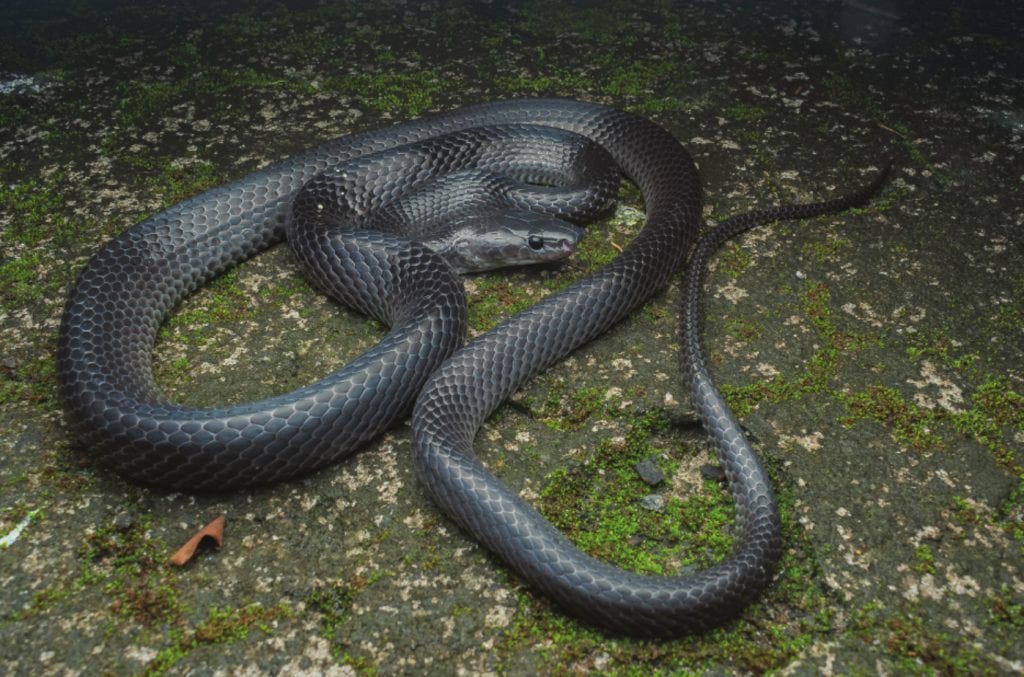
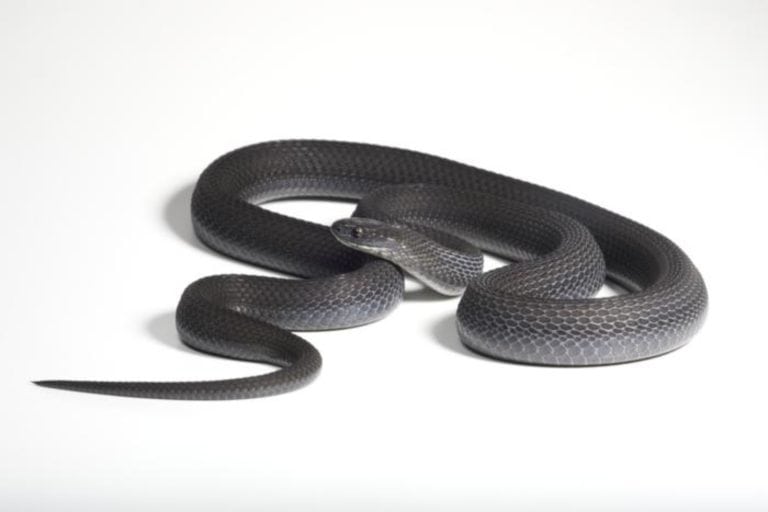
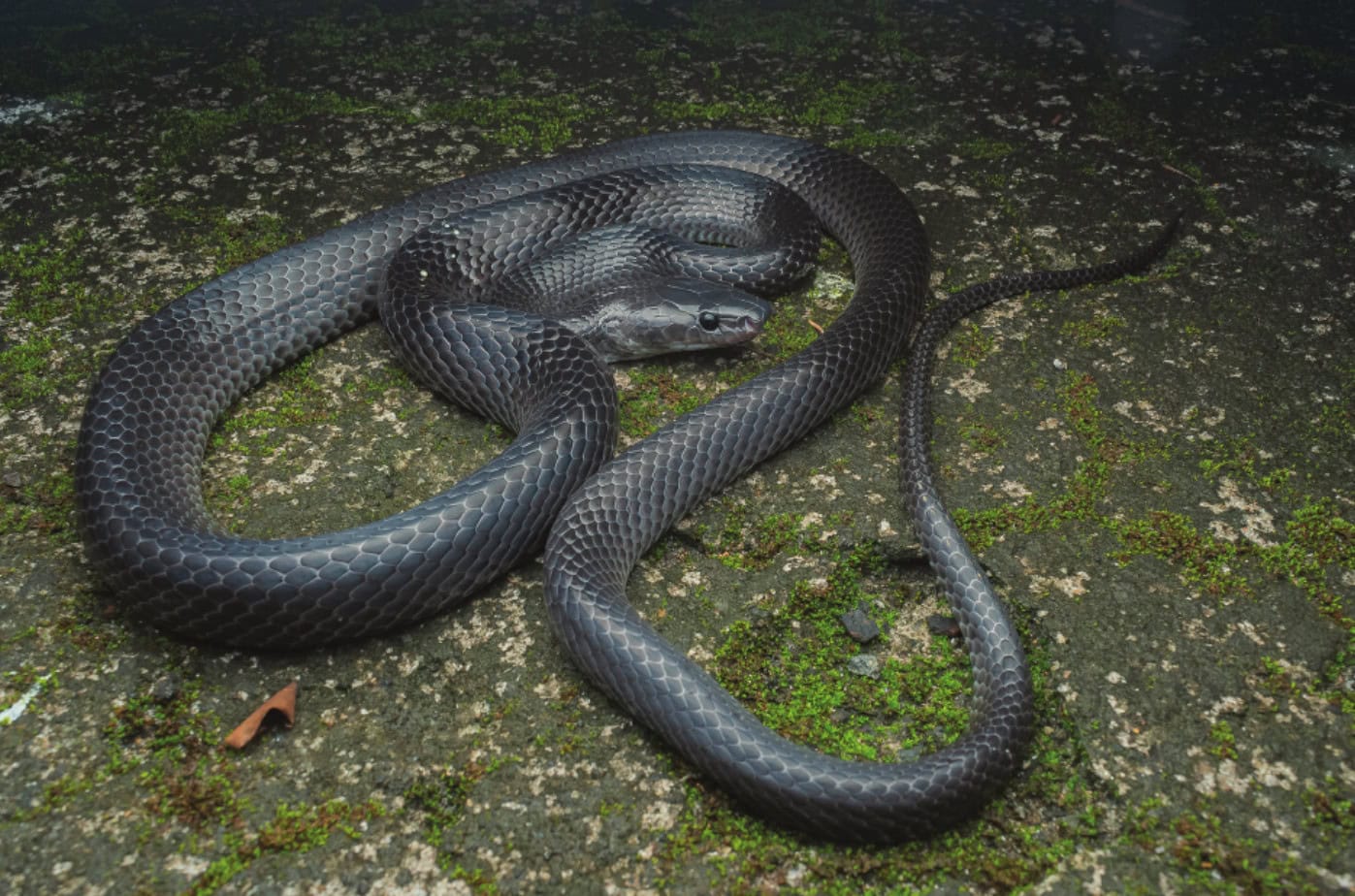
While most wolf snakes are banded, Lycodon irwini is uniformly glossy black.
Lycodon irwini is a striking new species of wolf snake. Unlike many wolf snakes that have bands or patches, Lycodon irwini is uniformly glossy black on its dorsal side. The snake is slender, with a long, tapering tail. Some individuals can reach close to 4 feet (1.2 m) in total length. It’s distinguishable from its close relatives by its relatively high number of ventral (belly) and subcaudal (underside of tail) scales. DNA analyses show that Lycodon irwini is genetically distinct from other members of the Lycodon subcinctus group, with sequence divergence between 6%–17%. To put that in context, many recognized snake species differ by 2%–5% in common mitochondrial genes. A divergence of 6% or more usually signals that the populations have been separated for a long time and are distinct species, not just regional variations. 17% is quite high and typically indicates long-term evolutionary separation. While still being studied, the species is believed to be nocturnal, non-venomous, and to feed on other small reptiles, amphibians, and possibly small mammals.
The research team that discovered Lycodon irwini was composed of herpetologists from India and Germany: R. S. Naveen and S. R. Chandramouli of Pondicherry University, Zeeshan A. Mirza from the Max Planck Institute for Biology, and Girish Choure from Pune. To confirm the snake was indeed a distinct species, they used a combination of methods: they re‑examined old museum specimens, compared morphological traits (body shape, scale counts), and performed DNA analyses. So far, only four records of Lycodon irwini are known, all from moist evergreen forest on Great Nicobar Island, suggesting that this species might be endemic, meaning it’s found nowhere else on Earth. Because of its very restricted distribution and potential threats (such as habitat destruction), the research team recommends that it be classified as Endangered under IUCN (International Union for Conservation of Nature) criteria.
Why It’s Named After Steve Irwin

Steve Irwin was a wildlife expert and popular TV personality, known for his gregarious personality and brazenness with dangerous animals.
©John / CC BY-SA 2.0 / Wikimedia Commons – Original / License
Just in case you happened to miss the phenomenon, let’s briefly recap who the man was. Steve Irwin, famously known as The Crocodile Hunter, brought wildlife into people’s living rooms with his fearless, enthusiastic approach to studying and interacting with animals—often incredibly dangerous ones—on his wildly popular TV show. He worked at and later helped run the Australia Zoo, promoted conservation, and educated viewers around the world about reptiles, crocodiles, and endangered species, all while showing deep respect for the animals he loved. Tragically, Steve Irwin passed away in 2006 after a stingray’s barb pierced his chest while he was filming an underwater documentary on the Great Barrier Reef. The injury caused fatal trauma, and he died shortly afterward despite attempts to save him. His legacy lives on through his family, his conservation initiatives, and now, even in the scientific names of new species like this one.
So why name this snake after Irwin? Given that biography, a more appropriate question might be why WOULDN’T you name a new species of snake after Irwin? The researchers specifically noted in the press release that his “passion and dedication to wildlife education and conservation have inspired naturalists and conservationists worldwide, including the authors of this paper.”
Other Newly Discovered Species Named After Celebrities
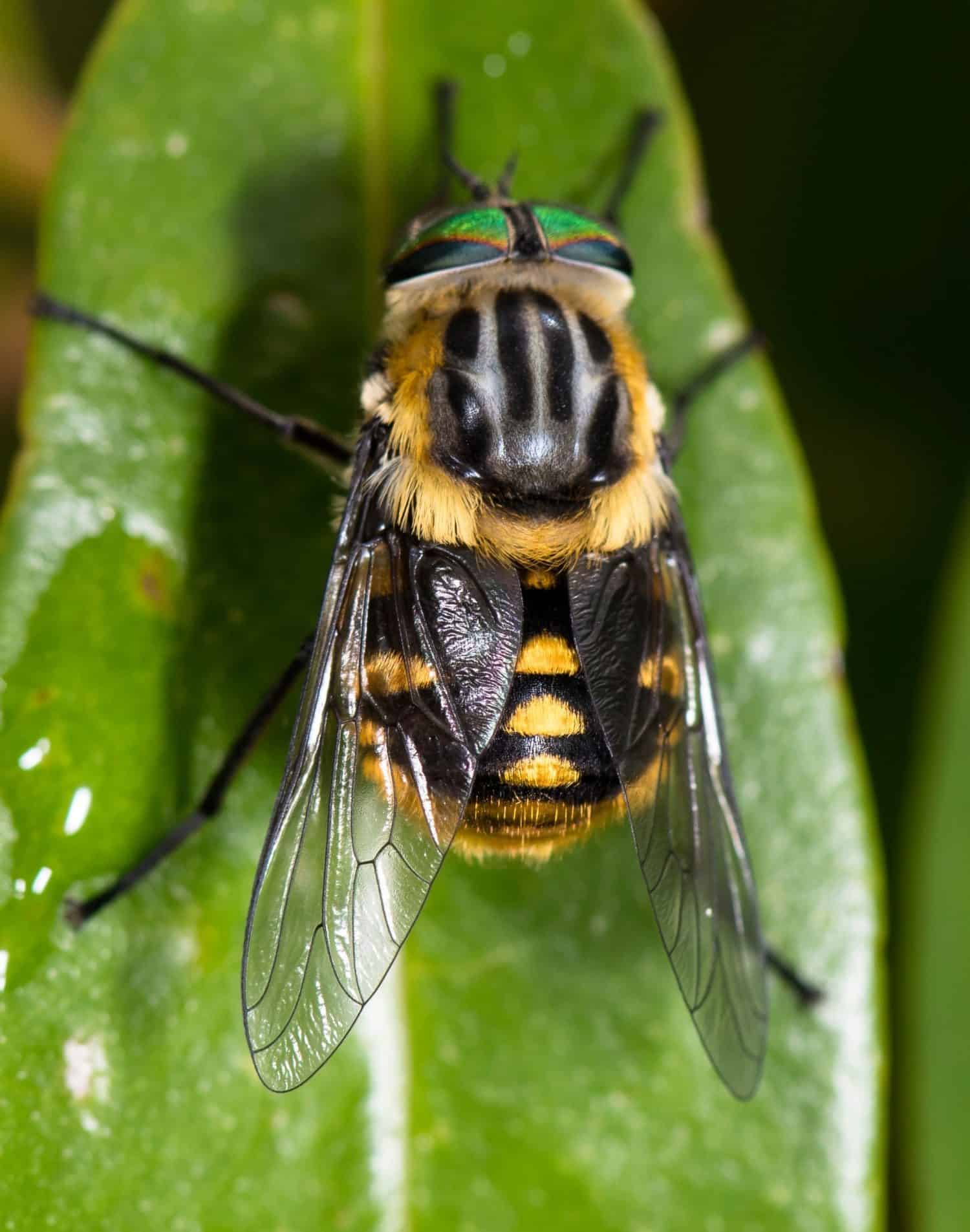
This glittery Australian horsefly is a Scaptia beyonceae, named after the queen herself: Beyonce.
©Wirestock Creators/Shutterstock.com
I hypothesized above why scientists WOULDN’T name a new species after Steve Irwin. Turns out, Lycodon irwini isn’t the first to be named after the man. There’s also Elseya irwini (“Irwin’s turtle”), a freshwater turtle from Australia, and Trypanosoma irwini: A blood parasite of koalas.
It turns out naming species after famous people is not uncommon, especially when the figure has made significant contributions to conservation, science outreach, or environmental awareness. Scientists sometimes choose celebrity names to draw public attention to newly discovered species, especially if the species is rare or endangered. Here are some of the more notable—and, yes, these are all real:
Grouvellinus leonardodicaprioi:A riffle beetle named after actor and environmentalist Leonardo DiCaprio, in recognition of his environmental advocacy.
Spintharus barackobamai: A species of spider named after former U.S. President Barack Obama for his climate change efforts.
Loureedia phoenixi: A velvet spider named in honor of actor Joaquin Phoenix, with a nod to his role as the Joker (its coloration is reminiscent of the character).
Aptostichus angelinajolieae: a trapdoor spider from California named after Angelina Jolie for her humanitarian work.
Scaptia beyonceae: A glittery horsefly from Australia named after Beyoncé, inspired by its striking golden abdomen.
Calponia harrisonfordi: A rare spider named after Harrison Ford, recognizing his work in promoting biodiversity and conservation.
Spongiforma squarepantsii: A funny, sponge-shaped fungus named after SpongeBob SquarePants, showing that even cartoon characters can inspire scientific names.
Nannaria swiftae: A millipede named after Taylor Swift. The researcher said he named it “to show his Swiftie devotion.”
What Makes This Discovery So Exciting?
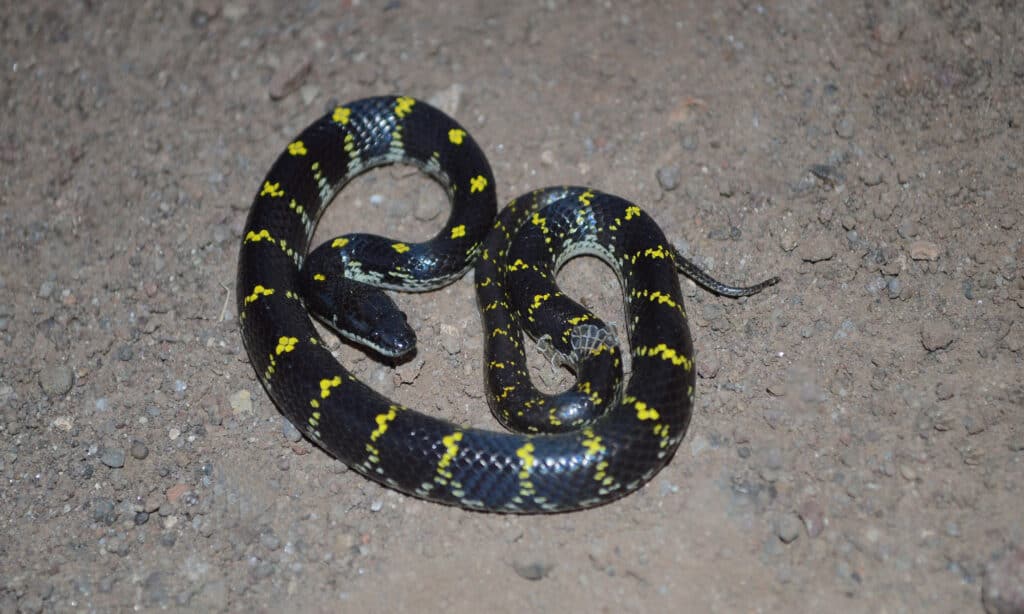
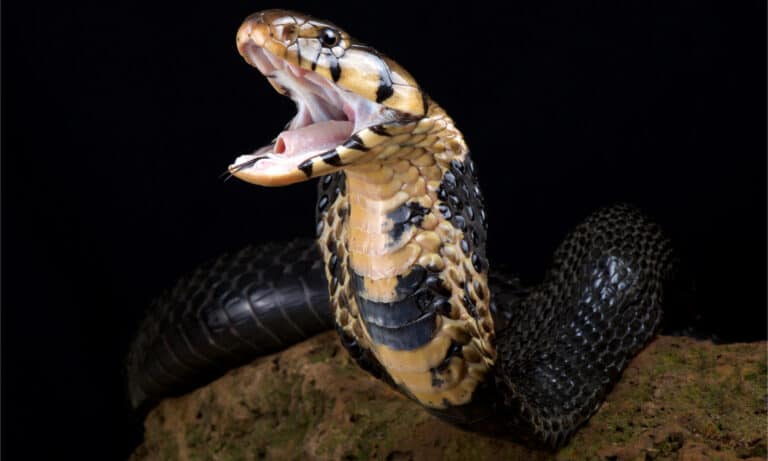
Lycodon irwini is a direct relative of this yellow-spotted wolf snake.
©RealityImages/Shutterstock.com
This discovery shows how much biodiversity remains hidden. Even in 2025, new species continue to be found in parts of the world that haven’t been fully explored, especially islands like Great Nicobar. It also underscores the value of combining old and new scientific methods. The team didn’t just rely on fresh specimens; they re-examined museum samples, counted scales carefully, and ran DNA tests. This mix of classical and modern methods is key to discovering cryptic species.
The discovery also strengthens Steve Irwin’s conservation legacy. By naming a new species after him, the researchers remind us that education, wonder, and passion for wildlife still drive conservation today—and that even a remote snake can carry forward his spirit.
Finally, it’s a call to action. Because the snake is so rarely seen and restricted to a single island, protecting its forest habitat is urgent. This discovery can help galvanize attention, funding, and conservation efforts.
Gone But Never Forgotten

Steve Irwin died in 2006 after being stung by a stingray.
©Bernard DUPONT from FRANCE / Wikimedia Commons – Original / License
The discovery of Lycodon irwini is a thrilling reminder that the natural world still has many secrets, even in groups we think we know well. And by naming it after Steve Irwin, scientists have honored not just a person but a powerful idea: that every creature—no matter how small, elusive, or dangerous—deserves respect and protection. Let’s hope that Irwin’s wolf snake becomes a symbol of conservation, not just a scientific curiosity.
Steve has been gone for nearly 20 years, but thanks to his commitment to sharing his life’s work with the world, he will never truly be forgotten. Whether this is your first time hearing about Steve Irwin or you were a devoted fan of his show in 2001, do yourself a favor: type “Steve Irwin crocodile hunter” into your preferred video search bar and start exploring. Have fun!